
















Discover the key differences between Contemporary Fiction and Literary Fiction, from storytelling style to readability and audience appeal
If you’ve ever stood in a bookstore aisle, puzzled over which novel to grab next, you’re not alone—especially when faced with labels like contemporary fiction and literary fiction.
They sound similar. They sometimes even look similar. So, how exactly do they differ?
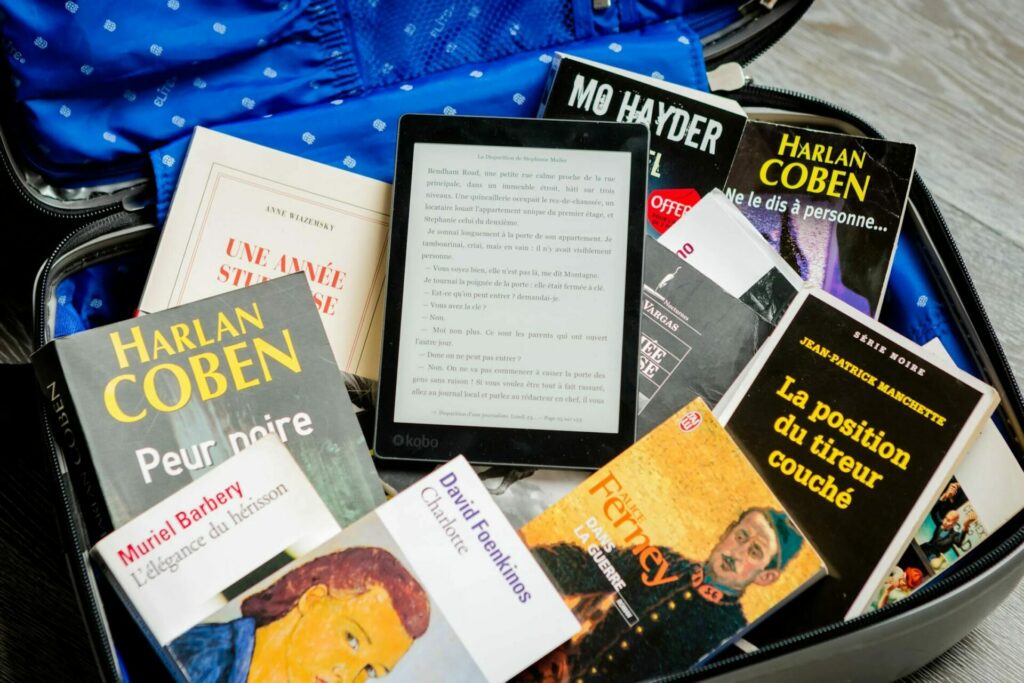
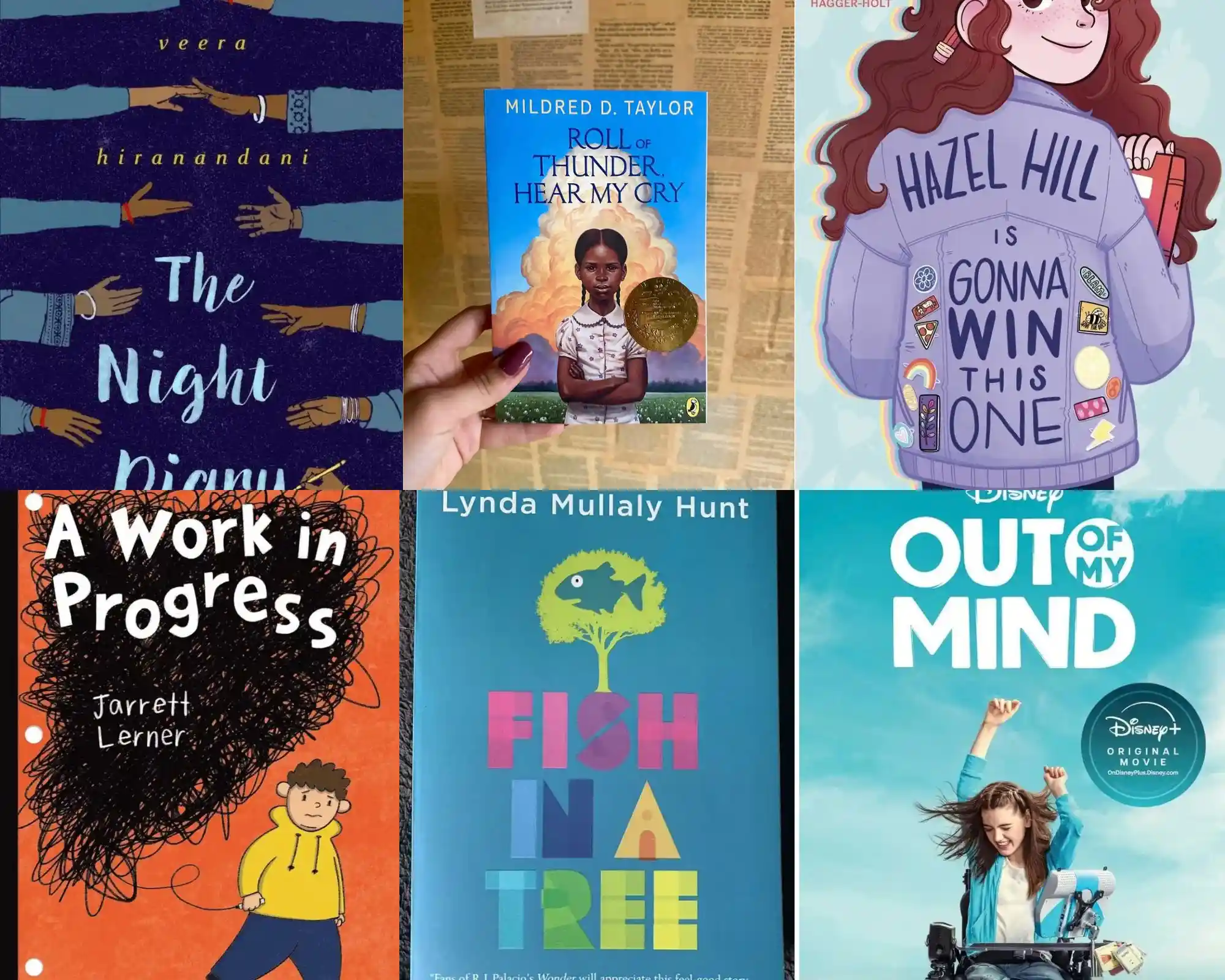
Contemporary fiction is a genre that encompasses stories set in the present or recent past. These are novels grounded in today’s world, featuring modern characters dealing with modern issues—think smartphones, social media drama, pandemic fallout, or identity struggles in the digital age.
The key word here is relevance. These stories feel familiar because they mirror the world around us. Contemporary fiction often explores relationships, personal growth, social issues, and everyday conflicts. It speaks the language of now—accessible, fast-paced, and often emotionally engaging.
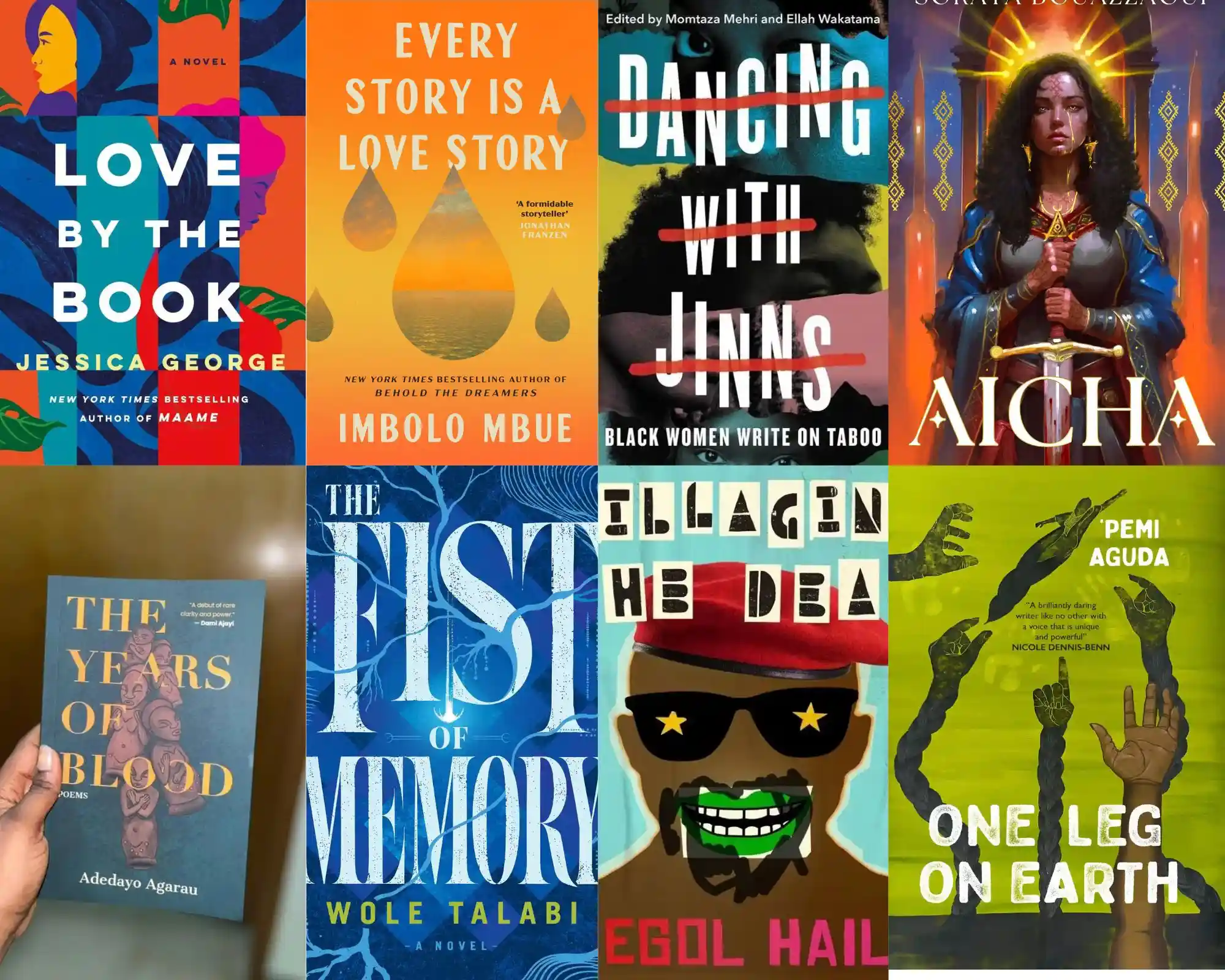
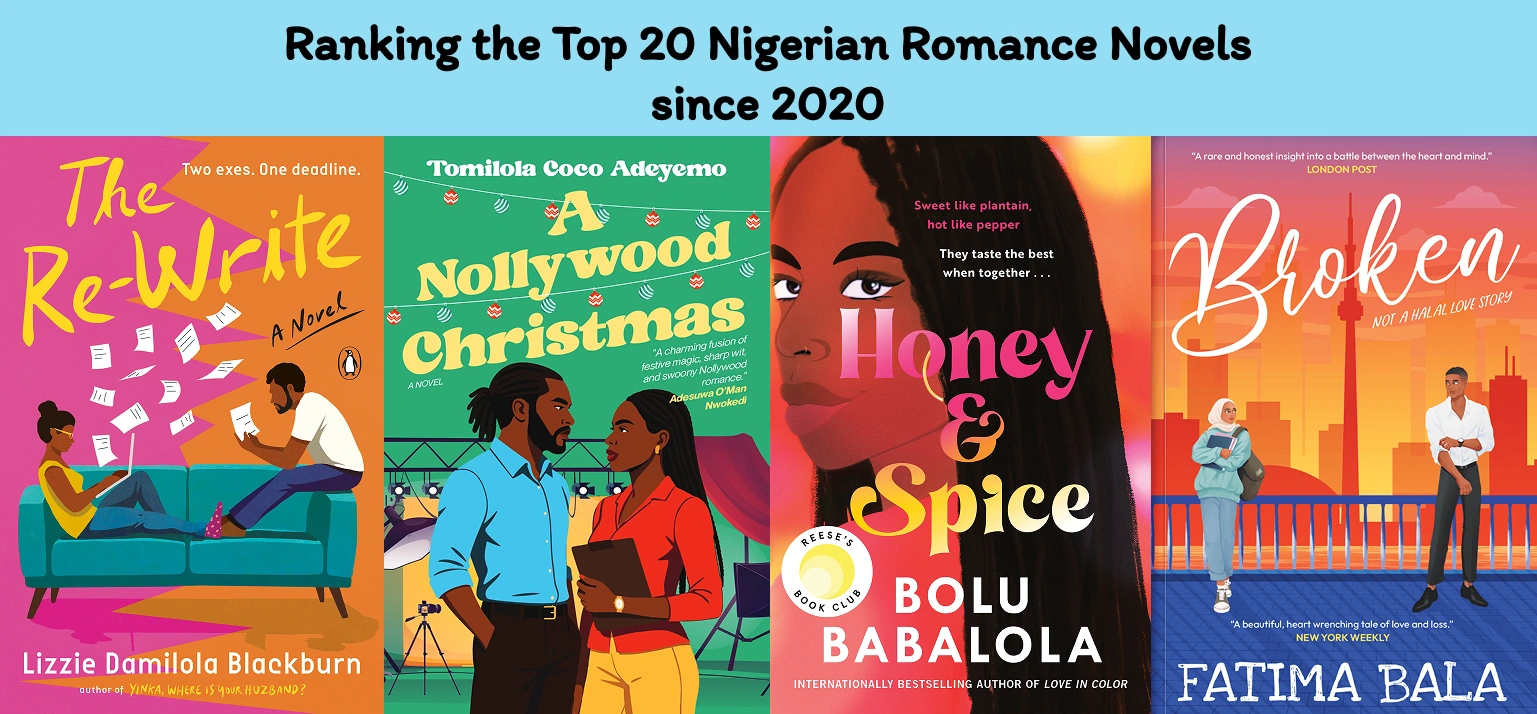
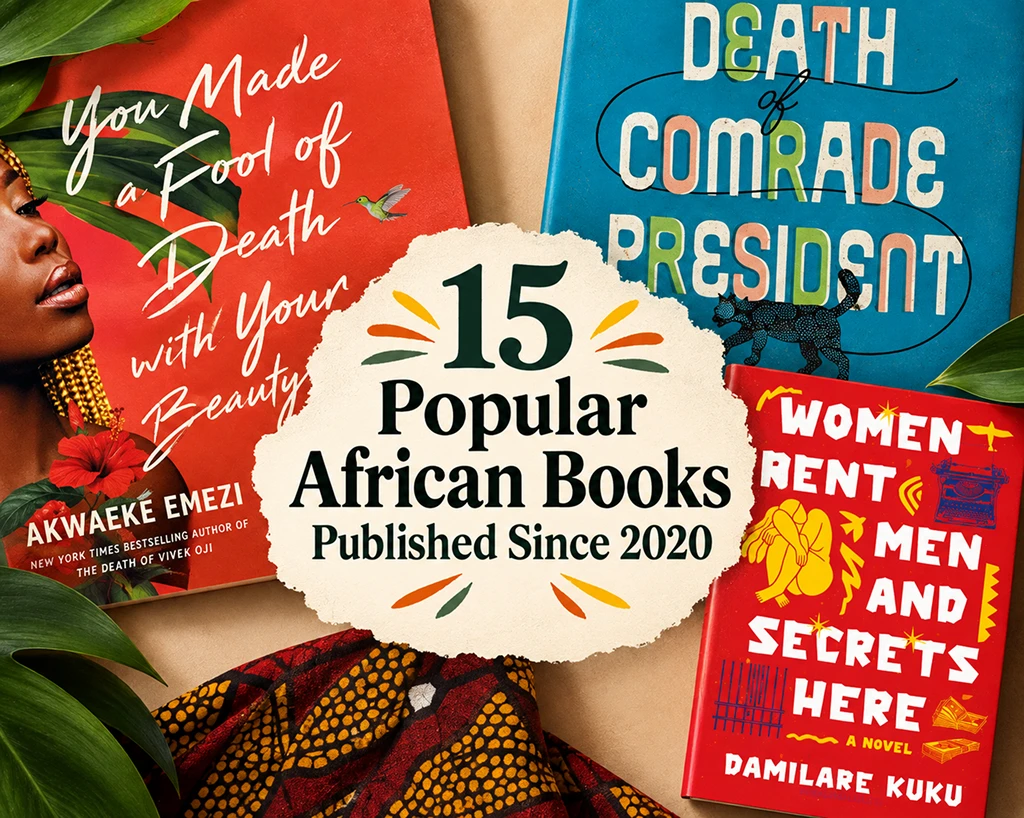
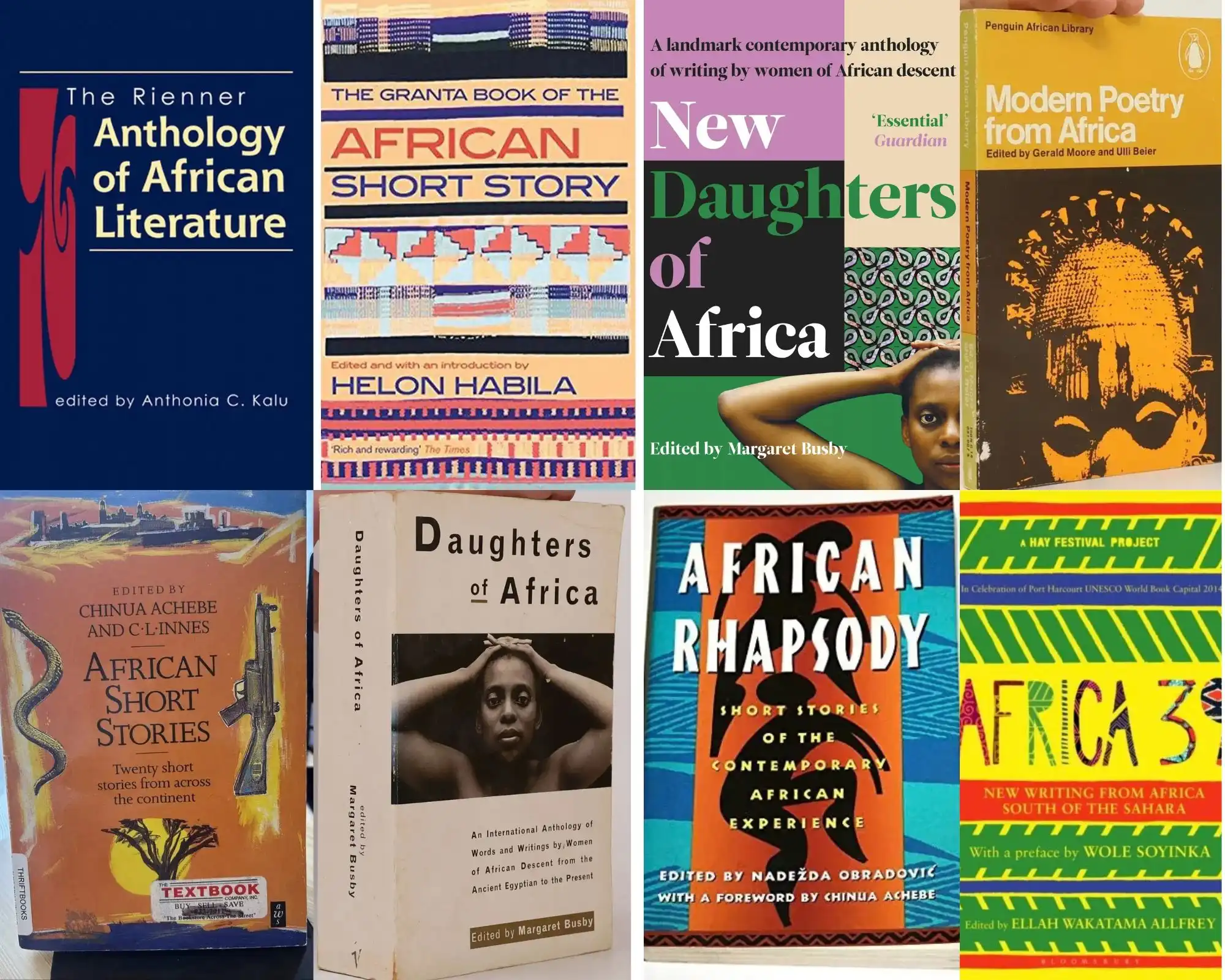
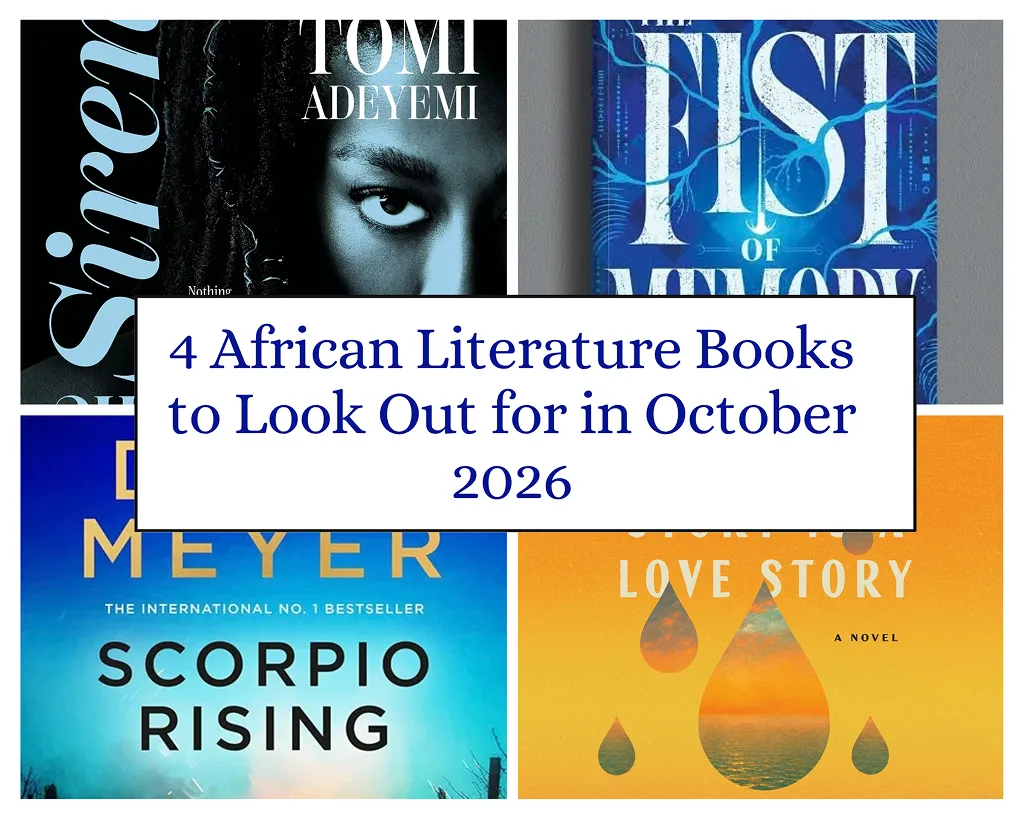
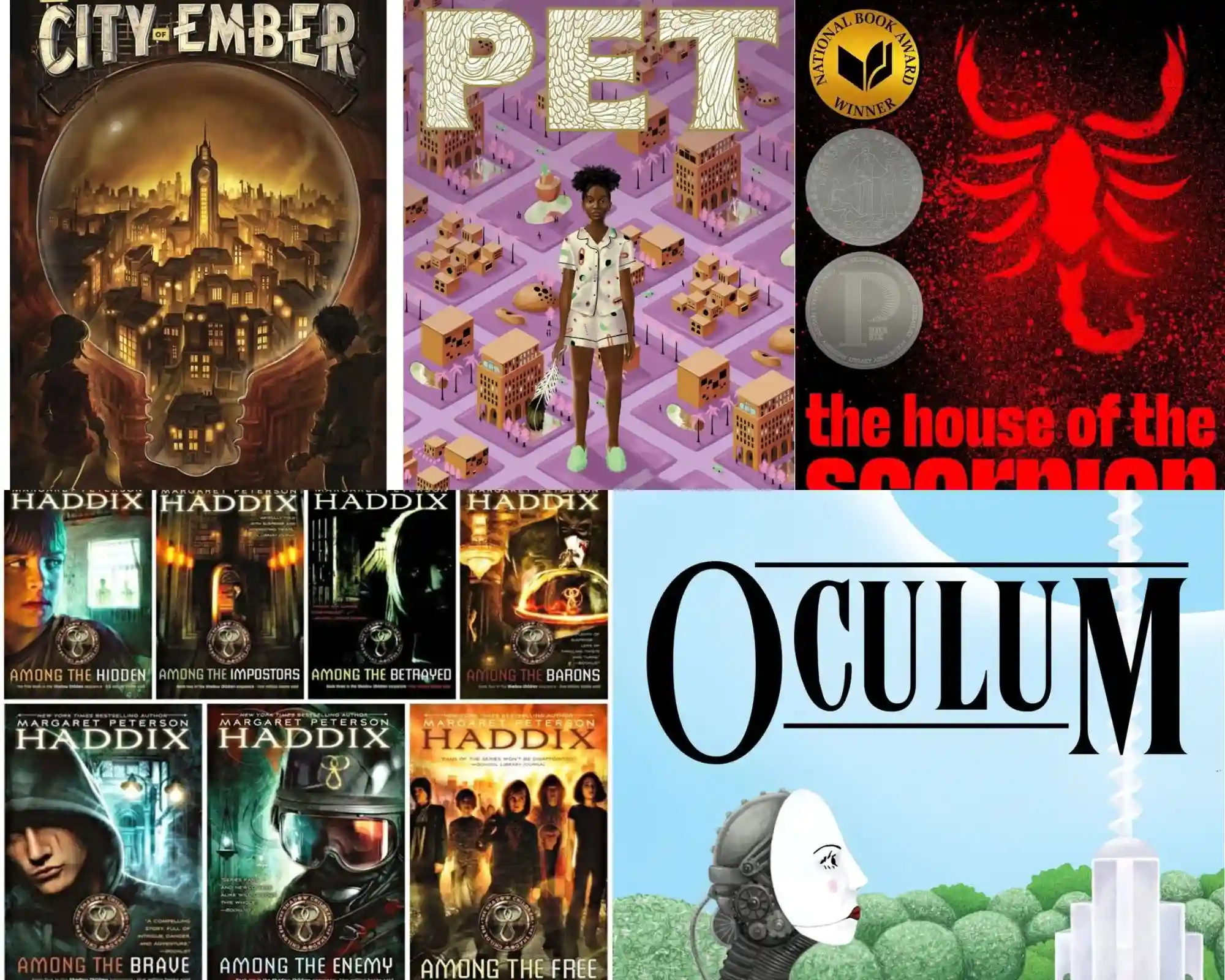
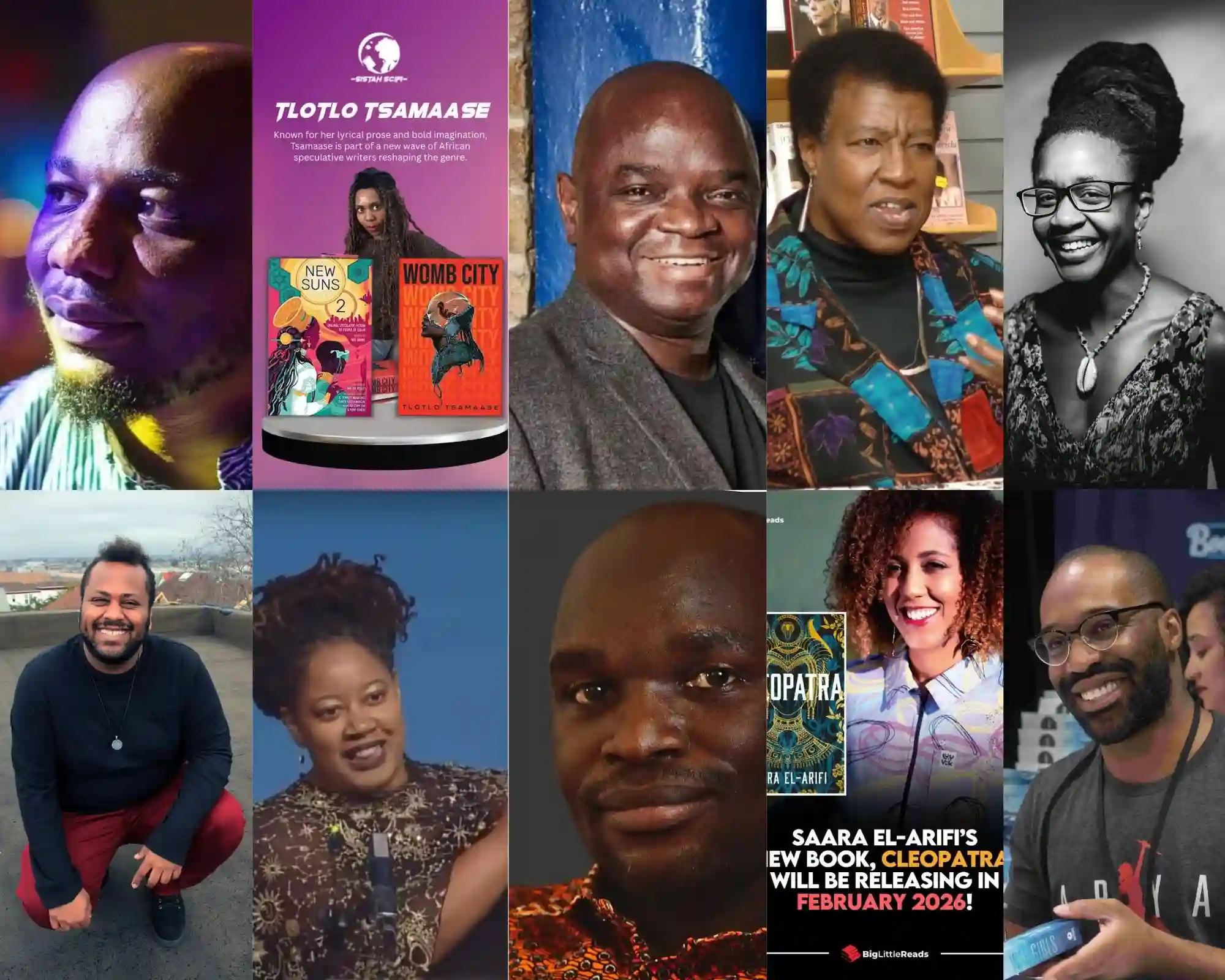
Popular examples include Stay with Me by Ayọ̀bámi Adébáyọ̀, The Secret Lives of Baba Segi’s Wives by Lola Shoneyin, and The Havoc of Choice.
They’re the kinds of books you find on book club reading lists or dominating the front tables at bookstores. They invite you in, give you characters you recognize, and keep the plot moving like a Netflix binge.
Literary fiction leans into introspection, language, and themes that unfold with intention. It’s less about what happens and more about how it’s told.
These books often focus on internal conflict, societal commentary, or philosophical questions. The prose might be rich, layered, and sometimes experimental. Think of it as the kind of writing where the writing itself becomes the experience.
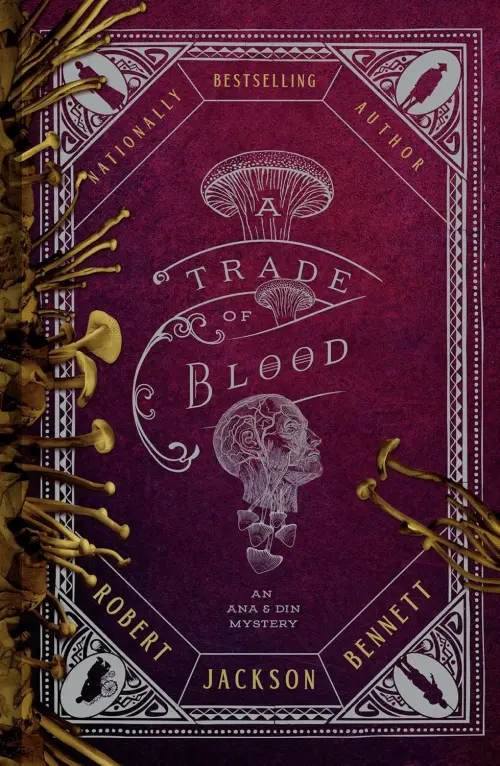
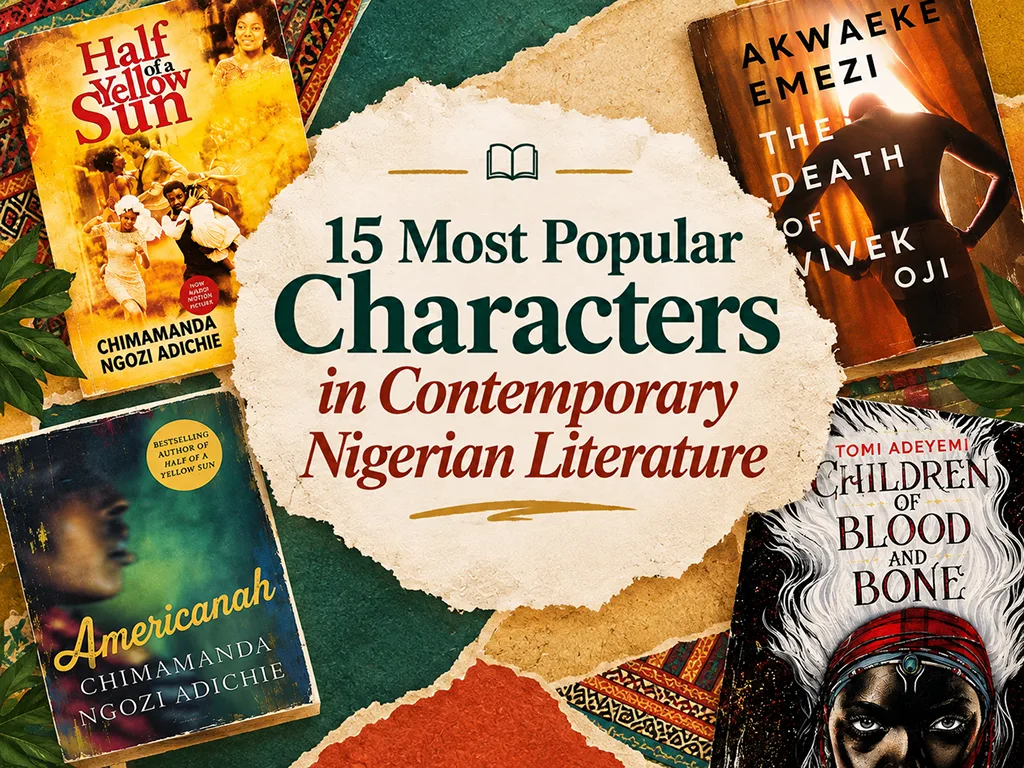
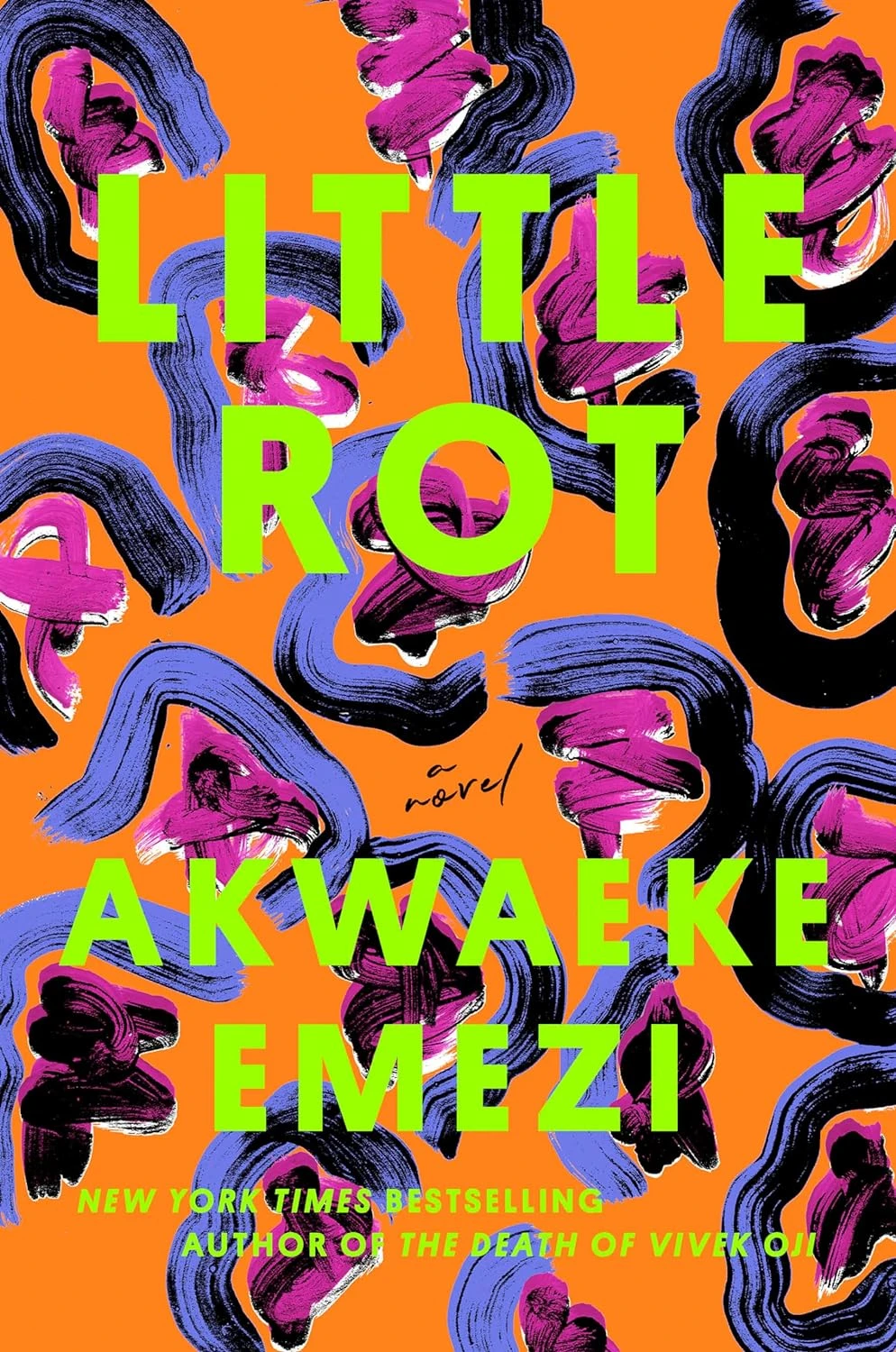
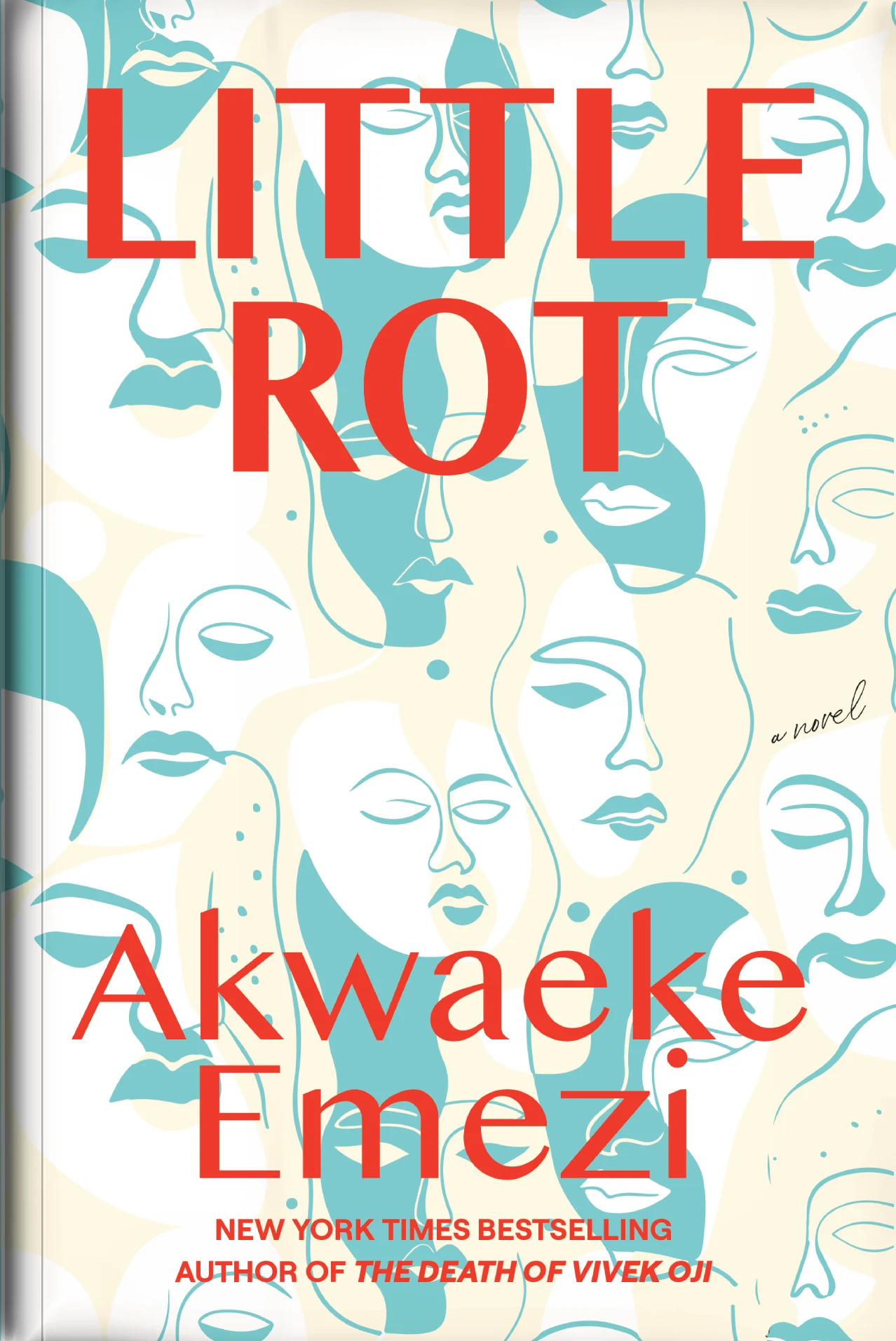
Examples? The Fishermen by Chigozie Obioma, Kintu by Jennifer Nansubuga Makumbi, Freshwater by Akwaeke Emezi, and We Need New Names by NoViolet Bulawayo. These stories linger long after the final page—not because of twists and turns but because they stir something profound.

Here’s an overview of the main differences for literary and contemporary fiction readers:
| Element | Contemporary Fiction | Literary Fiction |
|---|---|---|
| Timeframe | Present-day or recent history | Varies (can be past, present, or future) |
| Language Style | Straightforward, accessible | Stylistically rich, often complex |
| Plot vs. Theme | Plot-driven | Theme and character-driven |
| Pacing | Often faster, more dialogue-heavy | Slower, more reflective |
| Audience Appeal | Mass-market appeal | Critical acclaim, often niche readership |
| Purpose | Entertain, reflect current society | Explore deeper truths, provoke thought |
Of course, these are generalizations. Many books blur the lines. A contemporary novel can be beautifully written and thought-provoking, just as a literary work can have a compelling plot.
However, the difference lies more in focus and form than in quality.
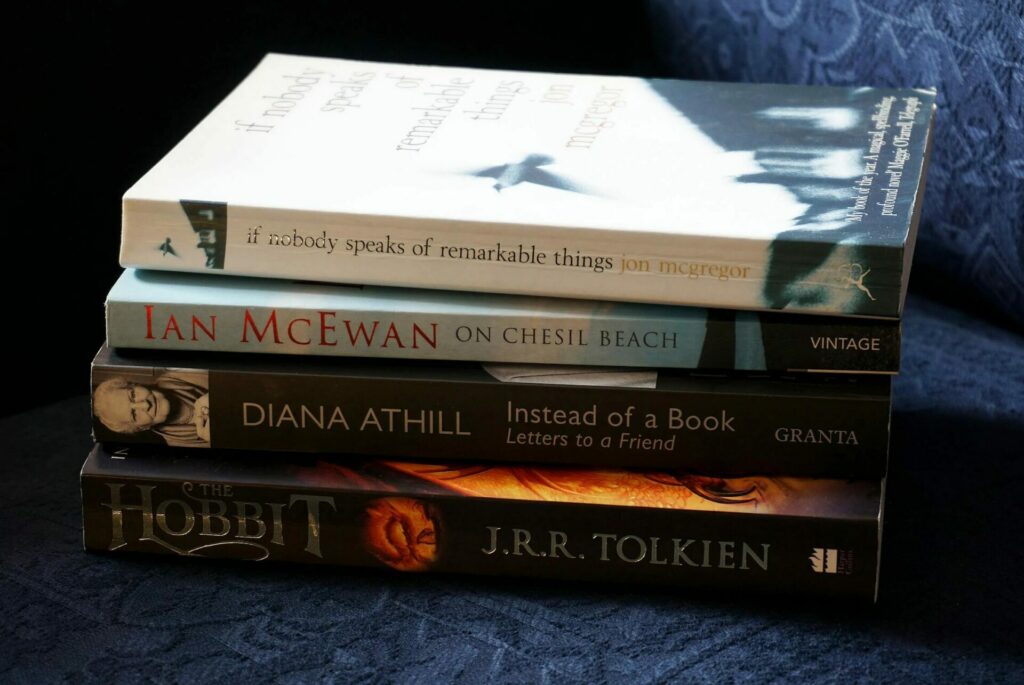
Absolutely. In fact, some of the most celebrated modern works sit comfortably between the two. Authors like Sally Rooney, Zadie Smith, and Colson Whitehead write novels that are both accessible and literary.
They explore relationships, society, and politics through a lens that appeals to casual readers and critics.
At the end of the day, these labels are just guides. They help publishers market books and help readers find the stories they love. But fiction is fluid. Some contemporary novels will leave you breathless with their emotional insight. Some literary novels will surprise you with page-turning suspense.
The real magic? It’s in finding the stories that speak to you—whether they’re shelved under contemporary genre meaning or literary fiction exploration.

The Tyrant Overlord. Fantasy buff and avid football fan.

Thank you for sharing
July 20, 2025 .
Animation, Lists
Our list rounds up the top 30 cartoon characters that were villains, each one more wonderfully wicked than the last.
READ MORE
May 6, 2026 .
Lists, MCU
Spider-Man is one of the many superheroes from the Marvel Universe whose stories shaped many childhoods. Who is your strongest Spiderman?
READ MORE
April 29, 2026 .
Lists, Opinions
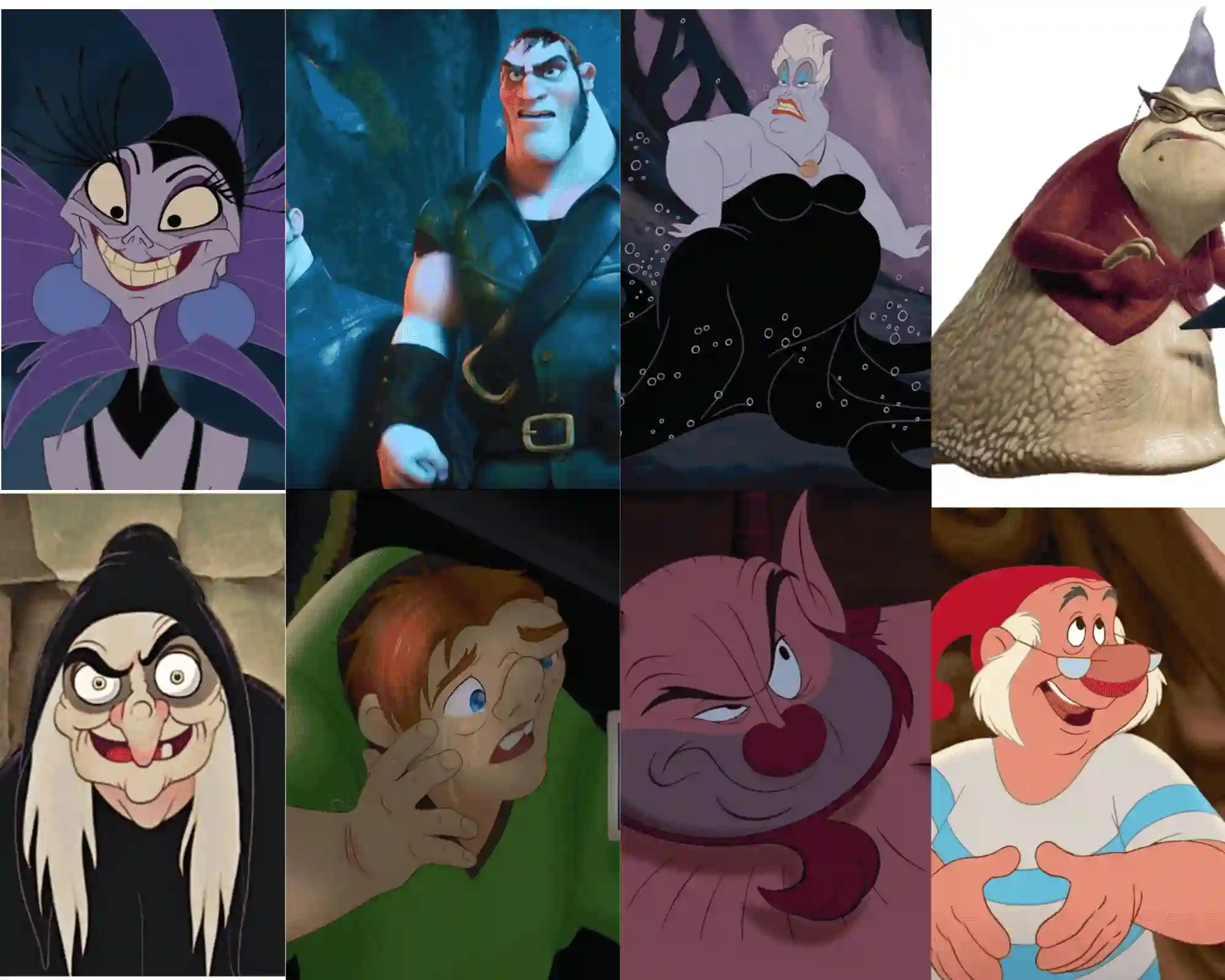
The Mouse is famous for its princesses and princes. However, the studio’s true genius lies in its embrace of “ugly Disney characters”.
READ MORE
November 27, 2025 .
Lists, Mythology
While this isn’t an exhaustive list, it comprises some of the most popular mythical creatures from around the world.
READ MORE
October 28, 2025 .
Lists, Marvel, MCU, Opinions
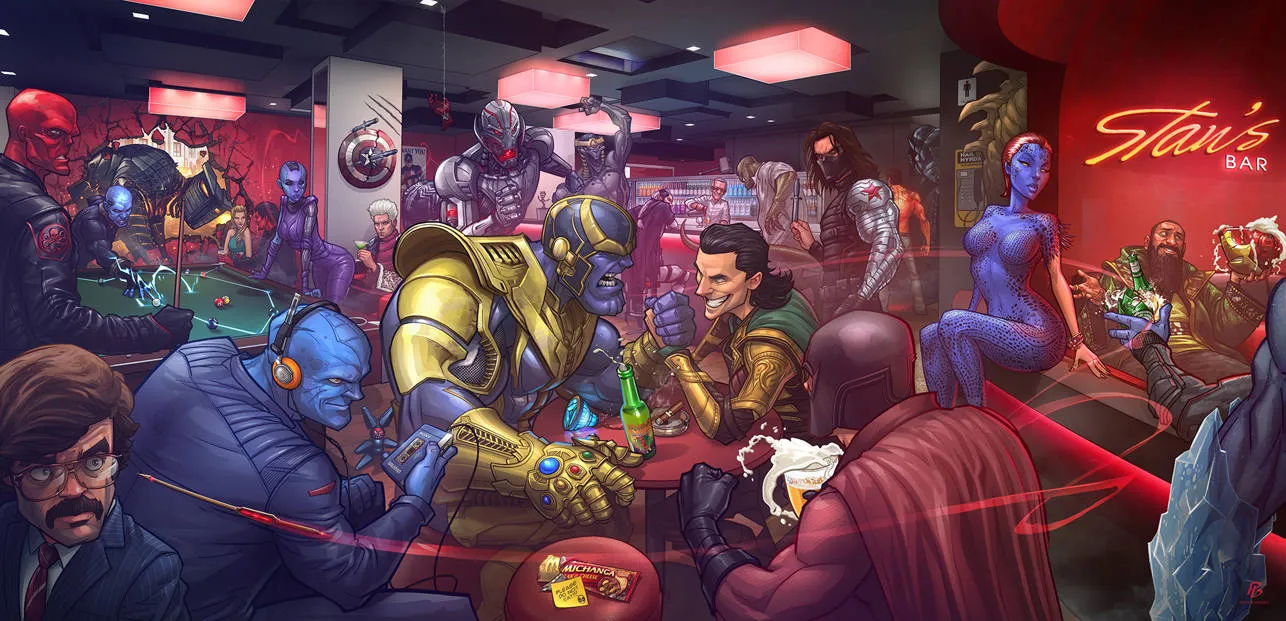
Let’s go through a list of the top 7 strongest Marvel villains, from the wickedly powerful to the absolutely unstoppable.
READ MORE

July 20, 2025 .
Writer Resources
Discover the differences in First-Person Point of View and Third-Person POV, and how each impacts character connection and narrative style.
READ MORE
May 15, 2026 .
Writer Resources
The tension between writer-centered and reader-centered approaches defines how a story is told and who it serves.
READ MORE

July 20, 2025 .
Debates, Opinions
Reading nonfiction about what interests you can provide more color and context that might make your fiction reading experience more enjoyable.
READ MORE
November 24, 2025 .
Debates, Opinions
Reading is active while watching movies is passive. The act of turning pages creates a pause that enhances understanding.
READ MORE

July 20, 2025 .
Audiobook, Debates, Opinions
African novels deserve to be narrated by African voices—not only for authenticity but also to preserve the integrity of the stories.
READ MORE

July 20, 2025 .
Debates, Opinions
If your girlfriend is a stacker, she’s already high maintenance, whether or not you buy the books for her.
READ MORE

October 22, 2025 .
Essays, Writer Resources
Ever found a book that looks like a comic but tells a complete, well-structured story? Congratulations, it’s a graphic novel.
READ MORE
June 26, 2026 .
Writer Resources
Writing starts with forming ideas, imagination, dreams, and thoughts. And when these condense into a coherent progression, you have a plot.
READ MORE
May 10, 2026 .
Writer Resources
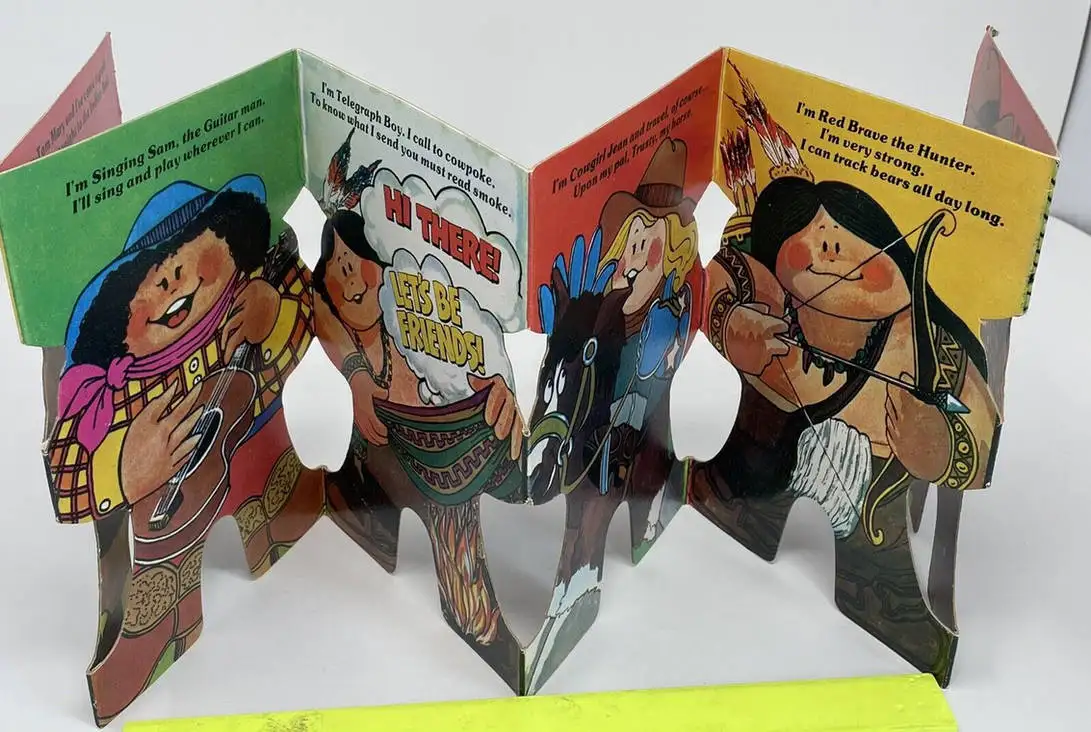
What is a board book, and how does it differ from others? Traditional publishing usually means novels, but published works span much more.
READ MORE
Get our magazine for free!





Anon says:
Thank you for sharing