Close menu
Ranking the best of African Literature
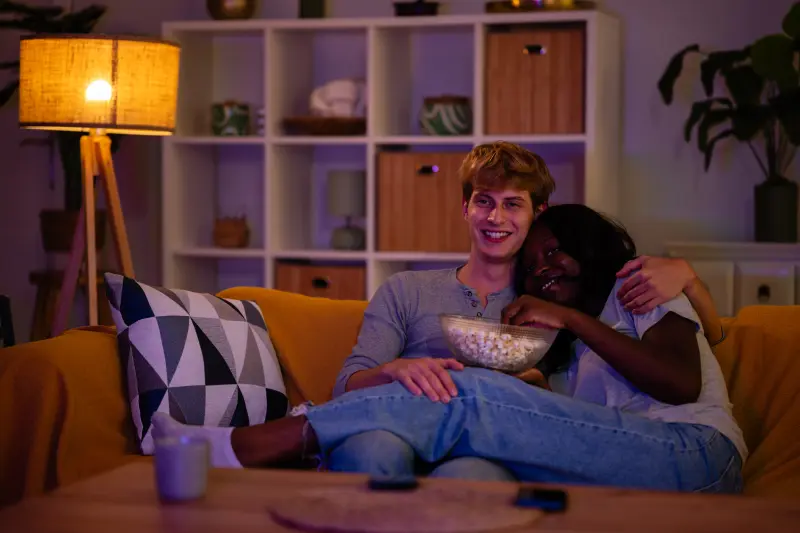























Beyond the glamour, laughter, lessons, and comedy, Nollywood also showcases serious issues plaguing society.
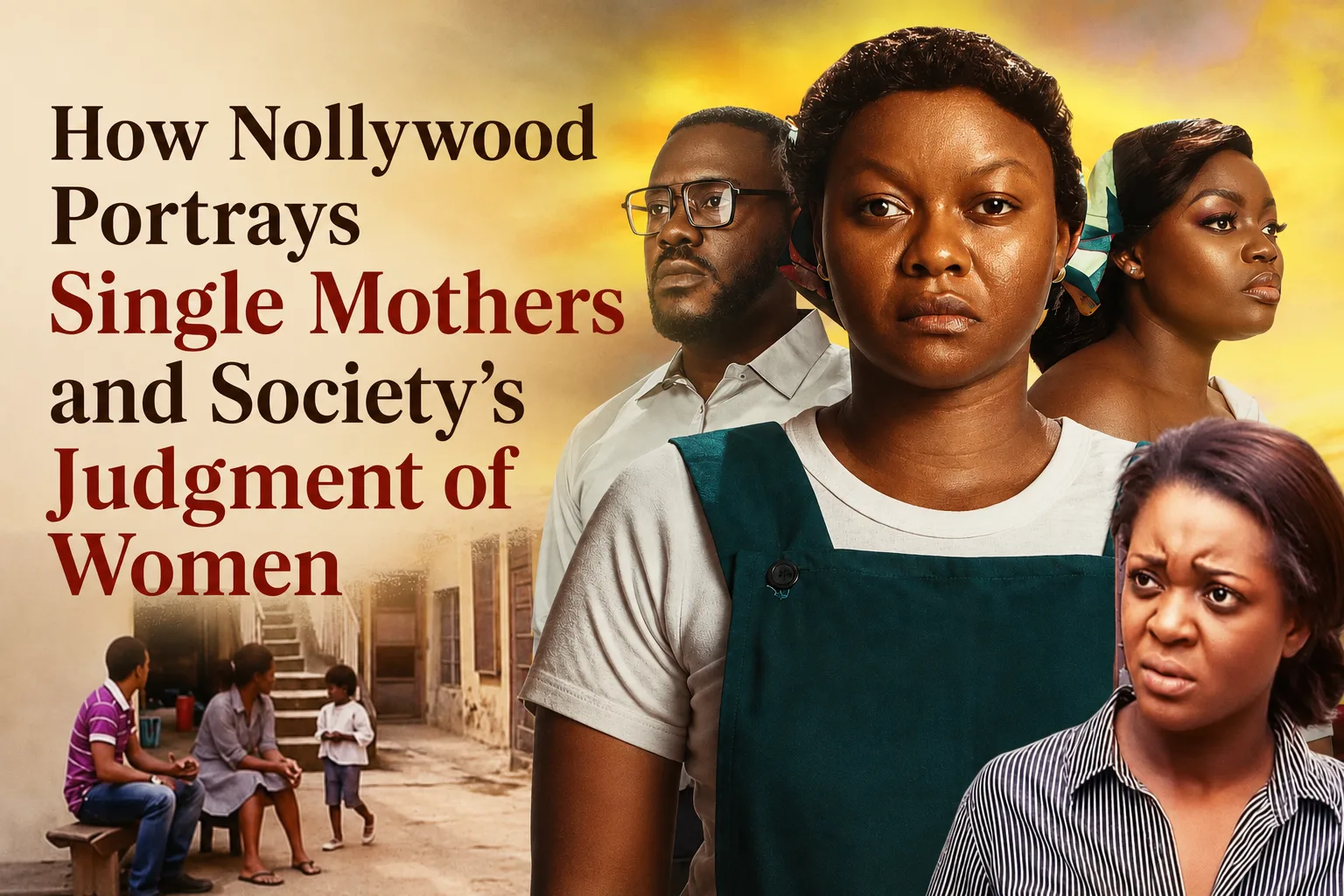
Nollywood has always been big on emotions and strong family ties. From the days of Living in Bondage to modern cinema hits like King of Boys, Nigerian films have told stories about love, marriage, money, betrayal, and survival in the Nigerian way. But beyond the glamour, laughter, lessons, and comedy, Nollywood has also showcased serious issues plaguing society. Among them are single motherhood, domestic violence, the pressure on unmarried women (aka Single ladies), and the heavy social stigma that follows these women.
These themes recur because they reflect real life in Nigeria. Many women see their own struggles on screen, and they are given the strength to either walk away, confront their abuser, or endure.
Who says art doesn’t mirror life again?
Single mothers are very common characters in Nollywood. They appear in various circumstances; sometimes as widows, divorcées, or women left to raise their kids alone by deadbeat fathers.
In older Nollywood movies, the single mother was often portrayed as a suffering woman. She was mostly poor, struggling to feed her children, and facing various insults from society. She was usually portrayed as someone who made a mistake by trusting the wrong man, or her husband died before his time, and his family put her out of their home.
A good example is Widow’s Cot. Though the story focused more on inheritance and corruption, it also shows how widows are vulnerable and targeted after losing their husbands. In many Nollywood films, once a woman loses her husband, her in-laws suddenly see her as weak or as a threat, and they throw her out.
In more recent films, single mothers are shown differently. They are stronger and more independent. In King of Boys, the film depicts a modern, independent woman with grown-up kids who runs a criminal business empire and lives her best life. In similar modern stories, single mothers are business owners, career women, and fighters who are doing their best for their children.
However, the stigma of singlehood still follows them. In many movies, many a single mother is often asked questions like:
These questions reflect real-life attitudes. Again, Nollywood simply mirrors society.
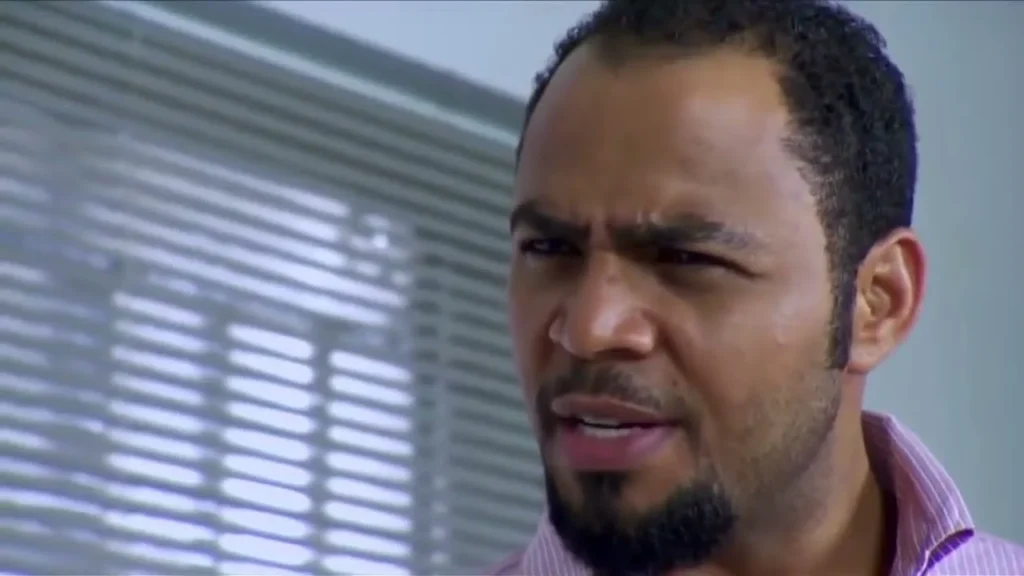
Domestic violence is another serious issue Nollywood often explores. Many films show women trapped in abusive marriages. The abuse may be physical, emotional, or financial.
One powerful example is A Private Storm starring Omotola Jalade and Ramsey Nouah. This is a touching story about the psychological trauma of a boy being told he was not good enough from childhood and transitioning into adulthood, damaging his partner in the process. “Damage” is also another shocking movie because it breaks the usual pattern of Domestic violence. Instead of only showing a man beating his wife, it shows a violent and unhealthy relationship from both sides.
In many traditional Nollywood movies, the abusive husband is rich, manipulative, proud, and controlling. The wife is often quiet and patient, with a strength that is commendable. She stays with the man because of her children, religion, or fear of poverty and shame. Sometimes a pastor or an elder in the family advises her to pray and endure.
This is important because Nollywood influences public thinking. When movies show women enduring abuse as a sign of strength, it can send the wrong message. But in recent years, more films are encouraging women to leave abusive situations and seek help.
Movies are now slowly changing the narrative. They show therapy, police involvement, and women choosing peace over suffering. That is a positive development.
In Nigerian society, once a woman reaches her late twenties or thirties without marriage, people start to panic. Nollywood has used this theme many times. Unmarried, starring Venita Akpofure and Enado Odigie, highlights this absolutely.
The word “spinster” is often used in films to describe an unmarried woman over a certain age. She is shown as desperate, bitter, or incomplete. Family members, friends, her church, and even random people are usually the ones putting pressure on her.
A perfect example is The Wedding Party 2, along with similar wedding-centered movies. Though they are comedies, they show how marriage is treated as the ultimate achievement for a woman.
Another strong example is Isoken. The main character is 34 and unmarried. Her family, especially her mother, is on her neck and will not give her one day of rest. At weddings and parties, people keep asking her when she will marry. The film uses humor, but the message is serious. Society often measures a woman’s success by her marital status.
In older Nollywood movies, unmarried older women were sometimes portrayed as jealous of younger married women. She could even go as far as visiting a herbalist out of desperation. However, modern Nollywood is trying to change that image. Now, unmarried women are portrayed as educated, confident, and successful despite their status.
Still, the pressure remains strong. Many films show mothers praying aggressively for their daughters to find husbands, as if marriage is the only protection from shame.
What connects single mothers, abused wives, and unmarried women is stigma.
Stigma in Nollywood is usually shown through:
In Mr. & Mrs., starring Nse Ikpe-Etim and Joseph Benjamin, we see a woman trapped in a controlling marriage. Though she is married, she still faces judgment for not behaving like the ‘perfect wife,’ and she almost loses her marriage. The movie shows that even married women are not free from social pressure.
Stigma also appears in stories where a woman leaves her husband. Instead of getting sympathy, she receives blame. People ask, “Couldn’t you endure?” In some village-based films, divorced women are treated like outcasts. Some are even banished from the village.
Nollywood often exaggerates these reactions for drama, but the truth is that these attitudes exist in real life.
Stories shape how people think, and Nollywood wields this power in meaningful ways. Portraying single mothers with dignity helps reduce the shame associated with their situation, while framing domestic violence as unacceptable educates viewers on the importance of reporting it. Even its depiction of unmarried women as whole and fulfilled carries weight, quietly challenging the norms that say otherwise.
Nollywood is powerful because it is close to the people. It speaks our language, shows our homes, reflects our families, and mirrors the society.
By continuing to tell these stories honestly and responsibly, Nollywood can help change harmful mindsets.
Single mothers, domestic violence survivors, and unmarried women are not just movie characters. They are real people. Nollywood has sometimes judged them, sometimes pitied them, and sometimes empowered them.
The industry is growing. The stories are improving. And as audiences demand better representation, Nollywood will continue to evolve.
At the end of the day, these films remind us of one simple truth: a woman’s value is not defined by a man, a marriage, or society’s expectations. And that’s a message worth repeating.

Best Films About Unexpected Age Gap Romance
Literary Awards and the Racism Card: A Wake-Up Call for Black Africa
Interview with the Vampire Relationships, Ranked
10 Top Recent Films for Action and Comedy Fans
Comma Rules Every Writer Should Know
10 Most Hype-worthy 2026 Book Releases (African Literature Version)
Five Gambling Films That Know the Bet Is Only Half the Story
Movies Where Poker Reveals Who a Character Really Is
Ranking the Top 20 Nigerian Romance Novels since 2020
In Defense of Reading and Gaming
8 Third-Person Omniscient Examples for the Plot
A Trade of Blood (Ana and Din Mysteries #3) by Robert Jackson Bennett
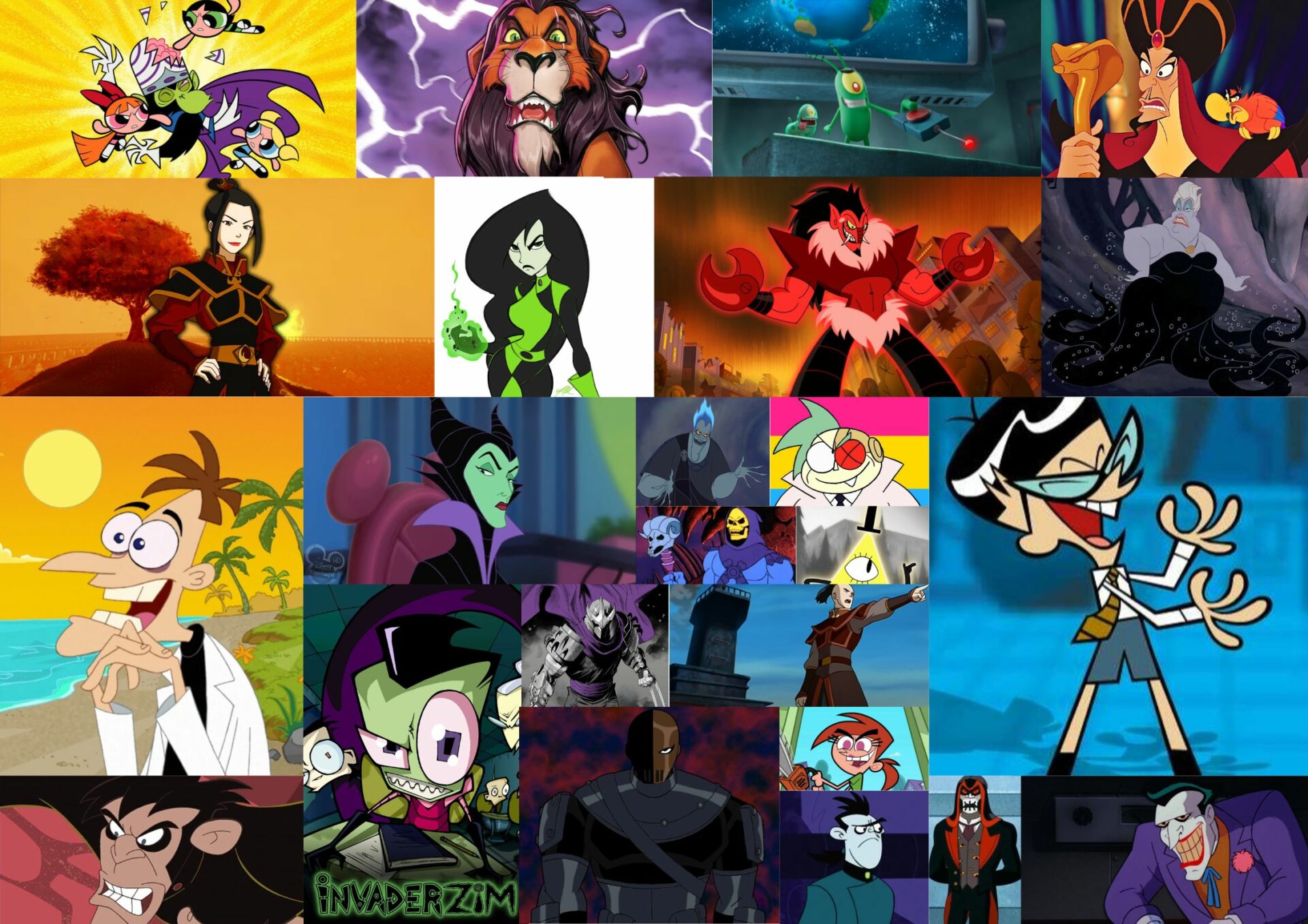
July 20, 2025 .
Animation, Lists
Our list rounds up the top 30 cartoon characters that were villains, each one more wonderfully wicked than the last.
READ MORE
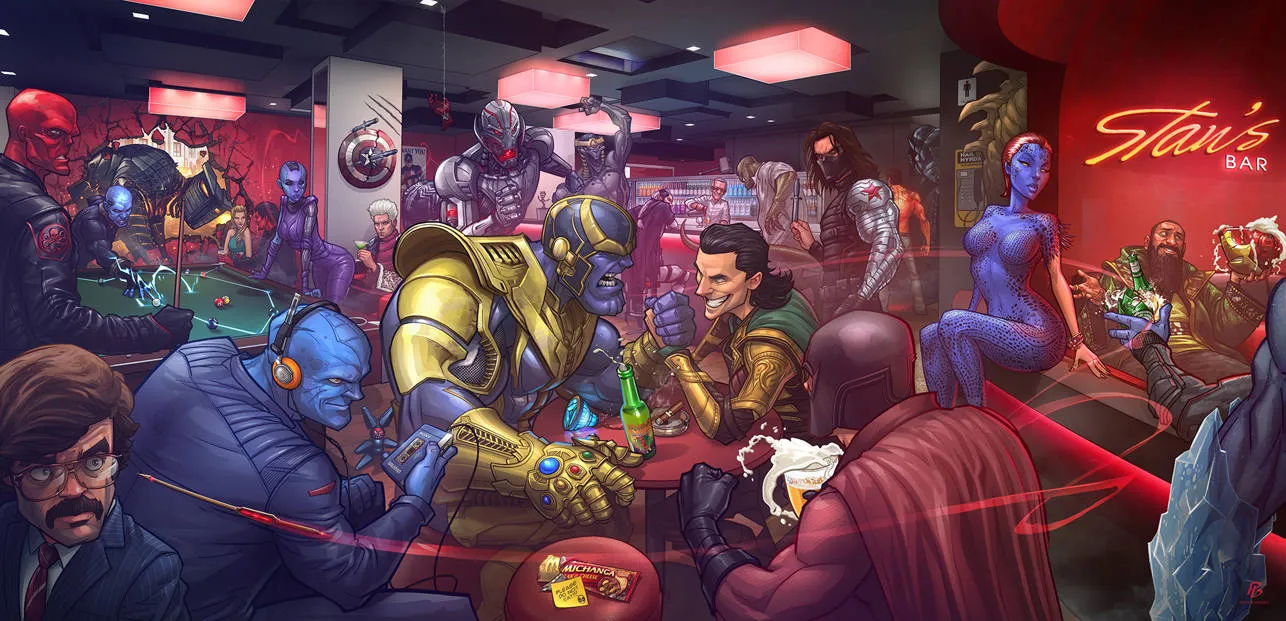
October 28, 2025 .
Lists, Marvel, MCU, Opinions
Let’s go through a list of the top 7 strongest Marvel villains, from the wickedly powerful to the absolutely unstoppable.
READ MORE
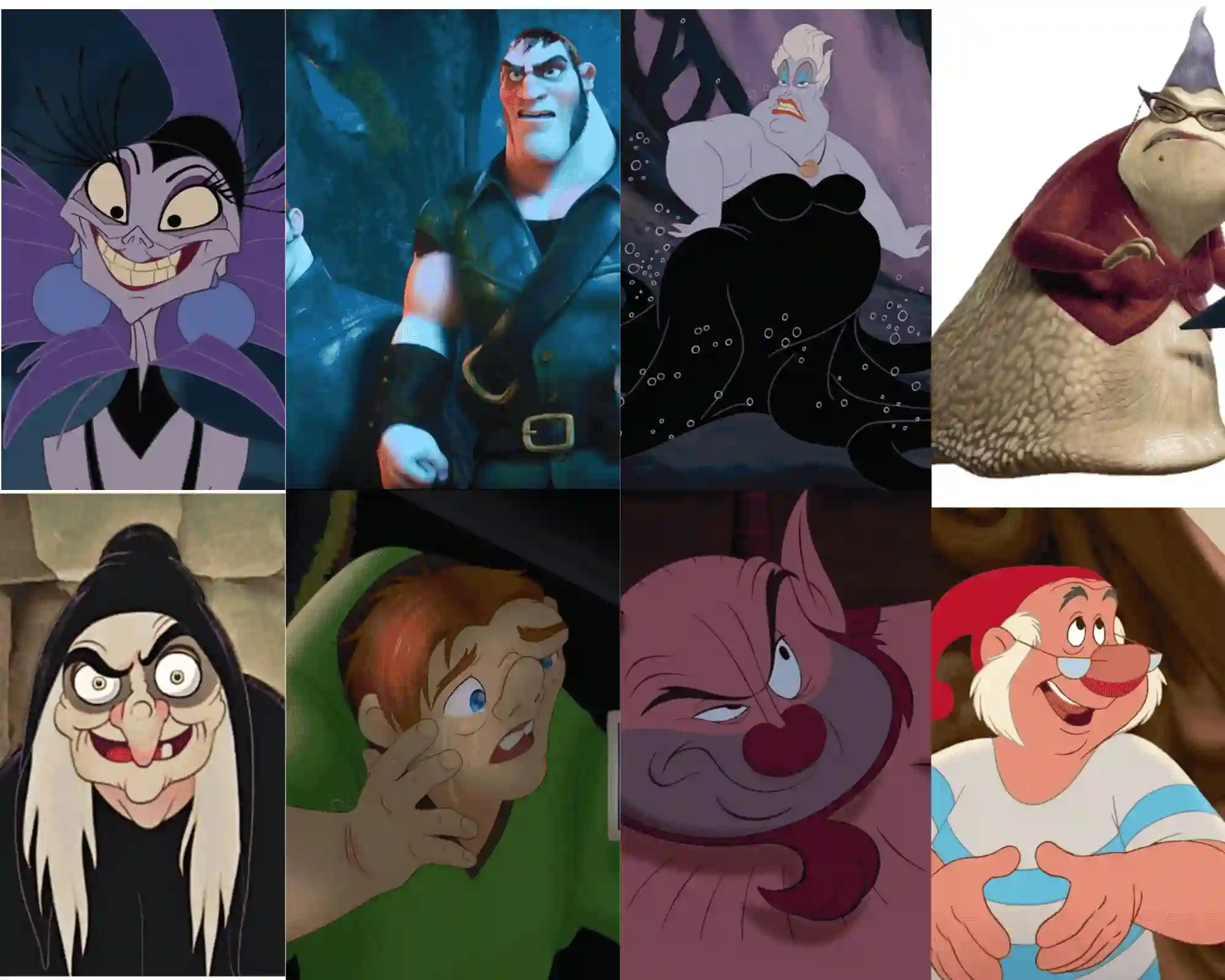
April 29, 2026 .
Lists, Opinions
The Mouse is famous for its princesses and princes. However, the studio’s true genius lies in its embrace of “ugly Disney characters”.
READ MORE

November 27, 2025 .
Lists, Mythology
While this isn’t an exhaustive list, it comprises some of the most popular mythical creatures from around the world.
READ MORE
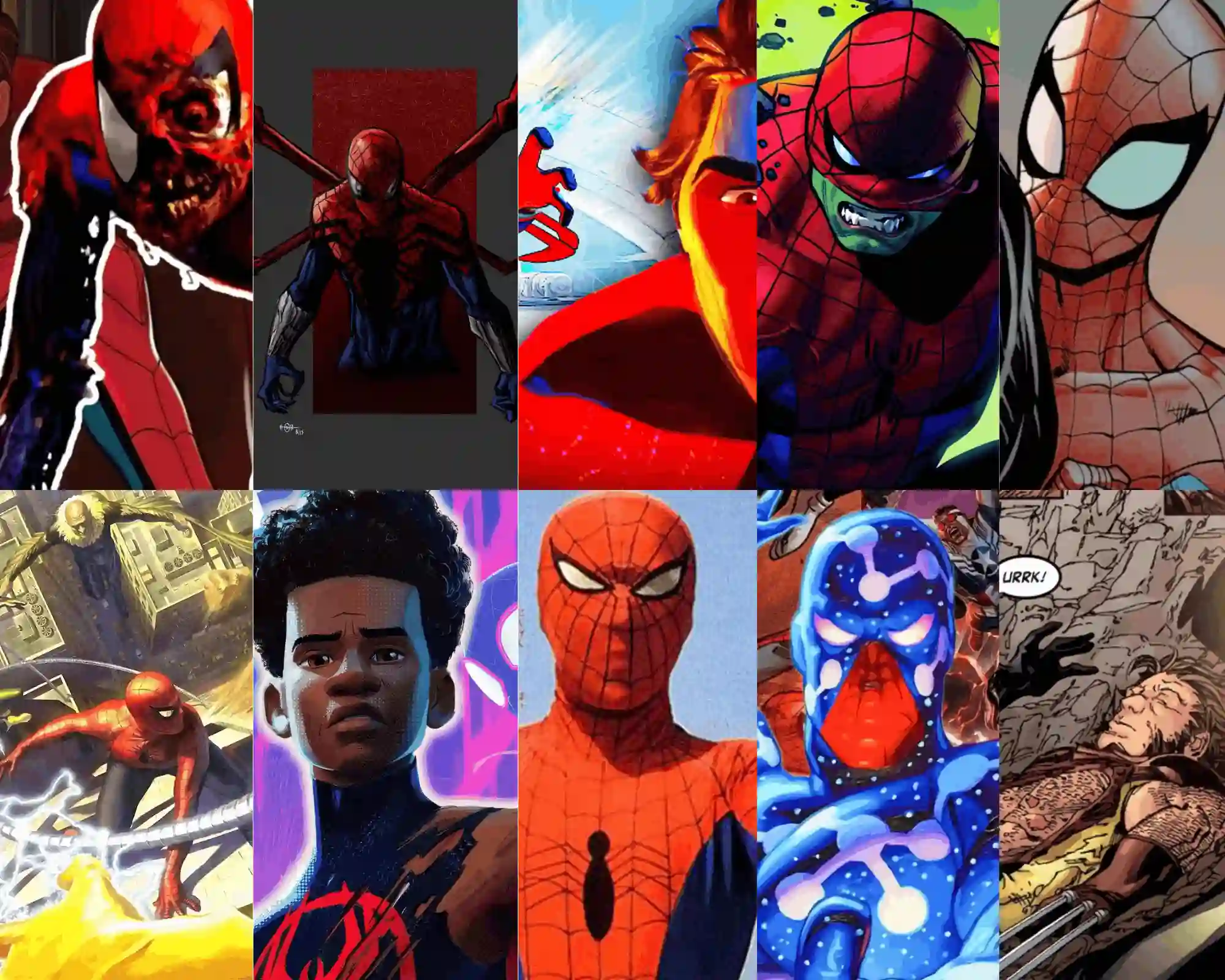
May 6, 2026 .
Lists, MCU
Spider-Man is one of the many superheroes from the Marvel Universe whose stories shaped many childhoods. Who is your strongest Spiderman?
READ MORE

July 20, 2025 .
Opinions
Book recommendations from random places don’t always cut it, and you often end up feeling unsatisfied with them.
READ MORE

July 20, 2025 .
Essays, Opinions
READ MORE

July 20, 2025 .
Essays, Opinions
READ MORE

September 11, 2026 .
Opinions
Book reviews aren’t just a jumble of words on how a book made you feel but also a veritable document that you can quickly refer to when your memories temporarily fail you.
READ MORE

July 20, 2025 .
Opinions
Reading hundreds of pages for a single book can be like facing Smaug, Chiefest of Calamities, but a short story is a small dragon that you can easily conquer.
READ MORE

July 20, 2025 .
Debates, Opinions
Reading nonfiction about what interests you can provide more color and context that might make your fiction reading experience more enjoyable.
READ MORE
September 12, 2025 .
Opinions
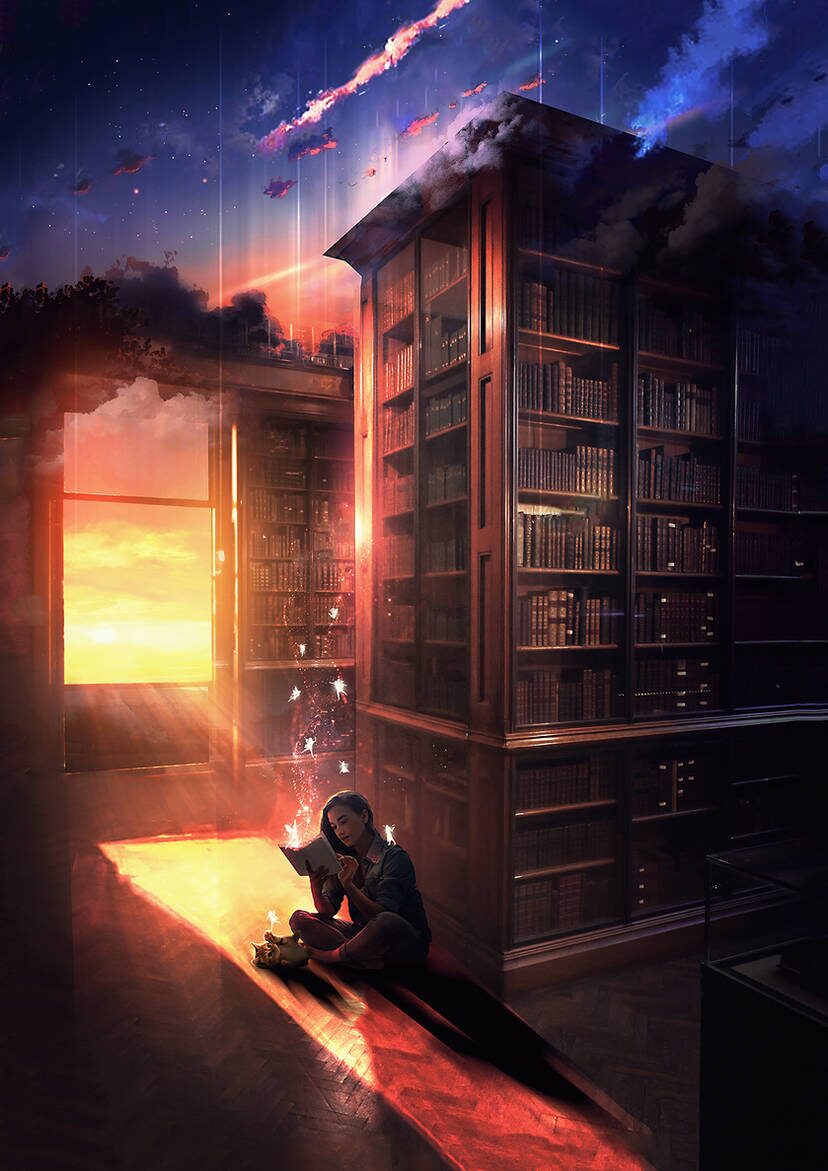
In a fast-paced world, reading asks us to slow down, surrender, and sit with another person’s words long enough for them to settle inside us.
READ MORE

November 24, 2025 .
Debates, Opinions
Reading is active while watching movies is passive. The act of turning pages creates a pause that enhances understanding.
READ MORE
July 26, 2025 .
Fantasy, Opinions
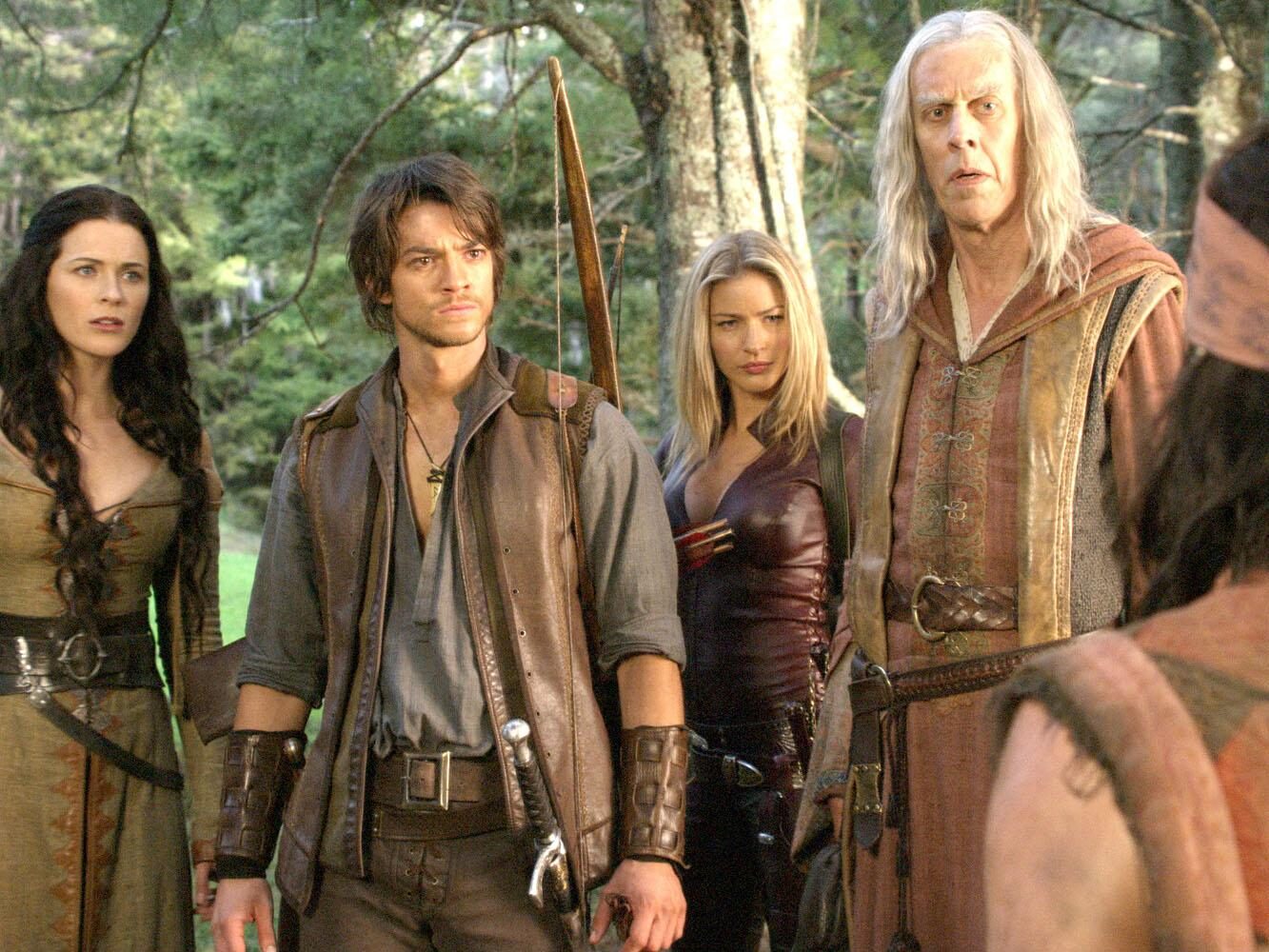
It’s cliche. But it’s rapid. It’s predictable. But it’s enjoyable. For lovers of the classic tropes, Legend of the Seeker is a worthy watch.
READ MORE
Get our magazine for free!