























The art of foreshadowing hints at later events. Throughout literature, authors use foreshadowing examples to engage audiences.

Throughout cinema and literature, screenwriters and authors use foreshadowing examples to engage audiences.
The art of foreshadowing hints at later events, laying essential groundwork. Like a shadow cast by an unseen event, it draws readers deeper into the narrative, setting up the “aha” moment when everything connects.
An ordinary detail may later prove to be crucial, rewarding attentive readers and strengthening the story’s structure. Like pacing, foreshadowing requires intention and restraint. It is about leaving meaningful breadcrumbs that readers recognize only in hindsight. This article explores the concept, examples, and best practices for incorporating foreshadowing into your work.
To put it simply, foreshadowing refers to the technique of giving clues or hints about events that will occur later in a story. These hints could reveal something that will happen or be buried in imagery, dialogue, or atmosphere.
Foreshadowing can be subtle or explicit, either hinting at gloom or conveying joy. When used effectively, it creates just enough anticipation or curiosity to keep the reader turning the pages, planting small seeds that grow into major plot points.
Foreshadowing aligns with the principle of show, not tell. Instead of explaining future events directly, the story demonstrates them subtly through patterns and details. Without foreshadowing, plot twists may seem random. The best examples keep clues hidden until the moment of revelation, much like storm clouds hint at an approaching storm.
Foreshadowing increases suspense without revealing outcomes. It hints at future events, unlike spoilers, which state them directly.
These could include: dialogue and verbal hints, symbolism and visual motifs, character behaviour, and structural foreshadowing.
Foreshadowing does not rely on a single technique. Writers and filmmakers employ several approaches to introduce narrative hints without revealing too much information.

It appears in different forms depending on the narrative’s style and medium.
This is, as the name implies, direct. Direct foreshadowing offers clearer hints about what might happen later in the story. It’s usually found in dialogue or narrative commentary.
For instance, if a narrator states something like “little did I know…” he is probably about to reveal what is to come. Direct foreshadowing might also show up in an introduction, a prelude, or even a title. Game of Thrones, a movie set in the late European Middle Ages, foreshadows a struggle for the throne. It cannot be more direct than that.
Symbolic foreshadowing uses objects, settings, or imagery to hint at future developments. It might involve the clothes a character is depicted in, a particular season, or even the weather. In a novel, for instance, the author could describe a sudden change of weather.
This change often foreshadows a change in a character’s luck, mood, or behavior. For example, dark storm clouds gathering before a major confrontation may symbolize an upcoming conflict. Similarly, a broken object might hint at a relationship that will eventually fall apart.
Fallacious foreshadowing, also called false foreshadowing, is best understood as a red herring. Red herring is a device that deliberately misleads readers by suggesting a future event or outcome that does not actually happen. Its purpose is to create suspicion, intrigue, and surprise.
When used skillfully, fallacious foreshadowing leads readers to anticipate a specific outcome, only for the events to take an unexpected turn, heightening suspense and the impact of the real twist.
While many types of foreshadowing involve subtle hints or suggestions from the author, prophecy foreshadowing explicitly reveals what is to come, either verbally or in another form of prophecy.
Although sometimes this fortune or omen can seem unclear, they end up coming true in the end. For example, in Game of Thrones, Bran sees a vision of a single dragon flying over the city and casting a shadow, which foretold Dany’s burning down of King’s Landing.
Pip’s Encounter with the Man at the Pub. The man gives Pip money, which makes Pip very uneasy because of “the guiltily coarse and common thing it was, to be on secret terms of conspiracy with convicts.”

This foreshadows Pip’s discovery that his mysterious benefactor was not Miss Havisham, as he had expected, but Magwitch, an escaped convict whom he had met as a child. The horrible shame and guilt this discovery unleashes in Pip.
Sometimes even the smallest shifts in the environment can prepare readers for what’s ahead. “The birds had been more restless than ever this fall of the year.

Their agitation was more remarkable because the days were still. Unnerving signs associated with the birds. These details quietly prime the reader for the chaos and menace that will follow, suggesting that nature’s calm won’t hold for long.
This foreshadowing example comes directly from the character’s mouth. “Something is rotten in the state of Denmark.”

In just a few words, this dialogue sets the stage for the themes of political instability, corruption, and betrayal that will dominate the story. Dialogue foreshadowing often works through information phrases or ominous declarations that hint at the shape of things to come.
In a surprisingly dark twist, we learn that Ed Helms’ Hoagie was diagnosed with cancer and was worried he wouldn’t survive for the next game of tag.

However, when Bob asks him if he lost weight during the first act, the film hints that he has cancer, as weight loss is a side effect of chemotherapy. This is an example of dialogue as a form of foreshadowing.
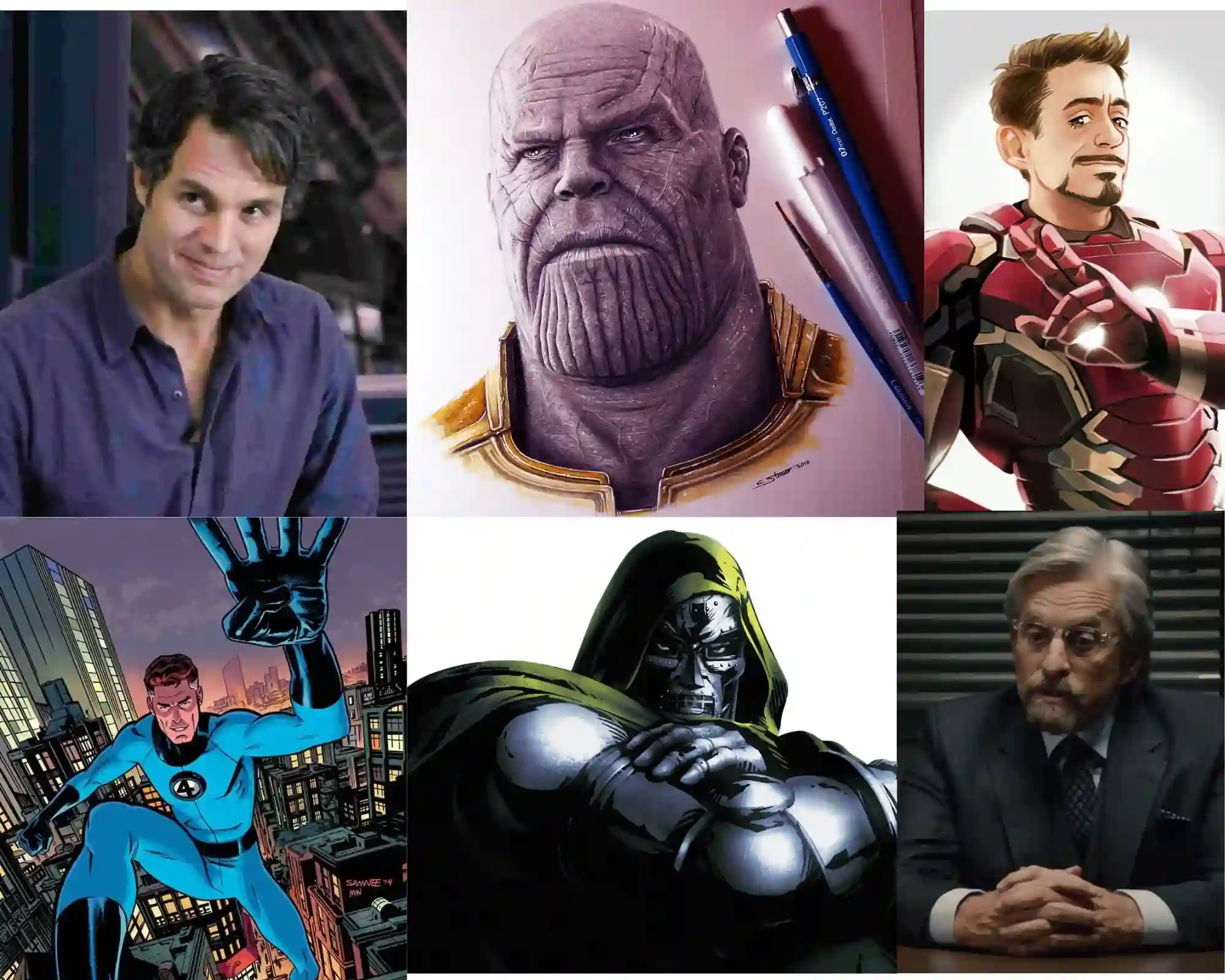
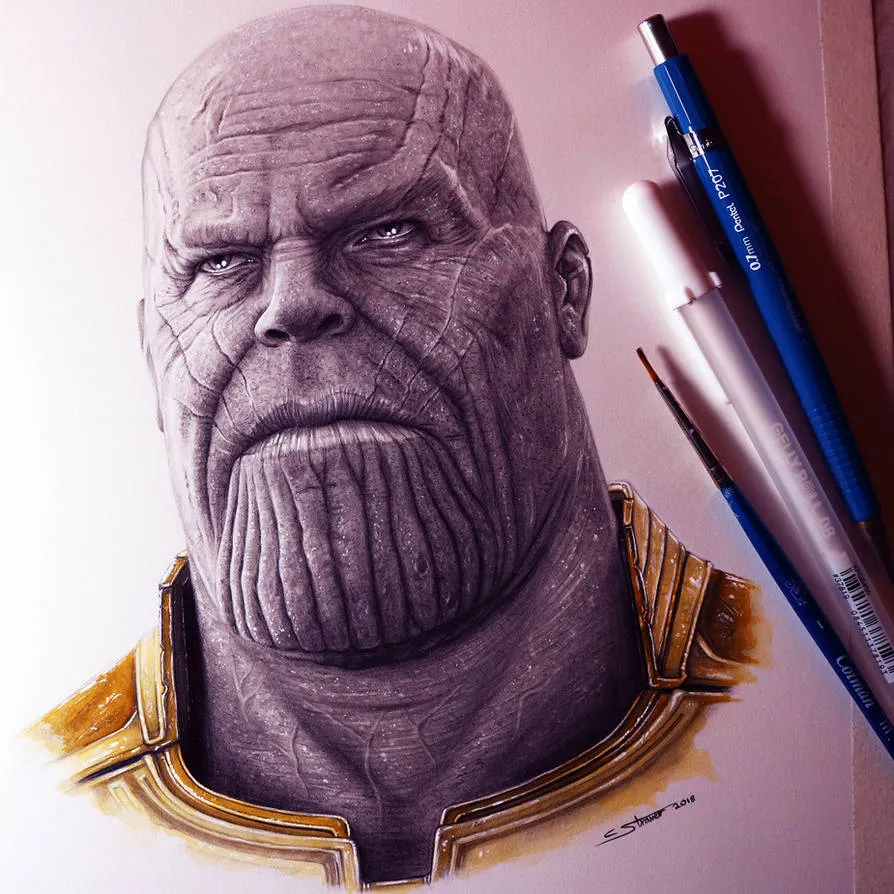
One of the most widely discussed examples of modern foreshadowing appears in the Marvel Cinematic Universe.

Thanos was briefly introduced in early post-credit scenes long before he emerged as the central antagonist of the Avengers saga. This gradual introduction built anticipation across multiple films, culminating in the dramatic events of Avengers: Infinity War and Endgame.
This is a rare case of foreshadowing for a movie that hadn’t been made yet. In this superhero epic, Batman encounters Joker in a hellish future ruled by Darkseid that the Caped Crusader had a role in creating.

In response to his mistakes, Joker claims that Batman lacks the guts to make the ultimate sacrifice, even as everyone else suffers because of him. His argument foreshadows Batman’s supposed sacrifice to help stop Darkseid in Snyder’s planned sequel to Justice League, proving the Joker wrong.
Successful foreshadowing depends on balance. Too many obvious clues risk revealing the story’s outcome prematurely, while overly vague hints may go unnoticed. Remember, foreshadowing is a way to engage the reader through anticipation, curiosity, or suspense. Make sure the hint is relevant to the plot. There is a literary principle called “Chekov’s gun” that states that every element introduced in a story must have a relevant use. It is important to note this when introducing any of these foreshadowing examples mentioned.
In general, it’s better for an author to create ample space between elements of foreshadowing and the big reveal. The longer the anticipation, the greater the satisfaction when it gets resolved.
Foreshadowing teaches readers and writers that stories are carefully crafted and that small details often carry big meanings. As a storytelling tool, it builds anticipation for what’s next by planting clues. The best foreshadowing examples show how subtle hints transform a narrative.
When combined with the principle of show, not tell, foreshadowing allows writers and filmmakers to guide audiences toward important revelations without removing the excitement of discovery leading to the big reveal. The longer the anticipation, the greater the satisfaction when it gets resolved.
October 28, 2025 .
Lists, Marvel, MCU, Opinions
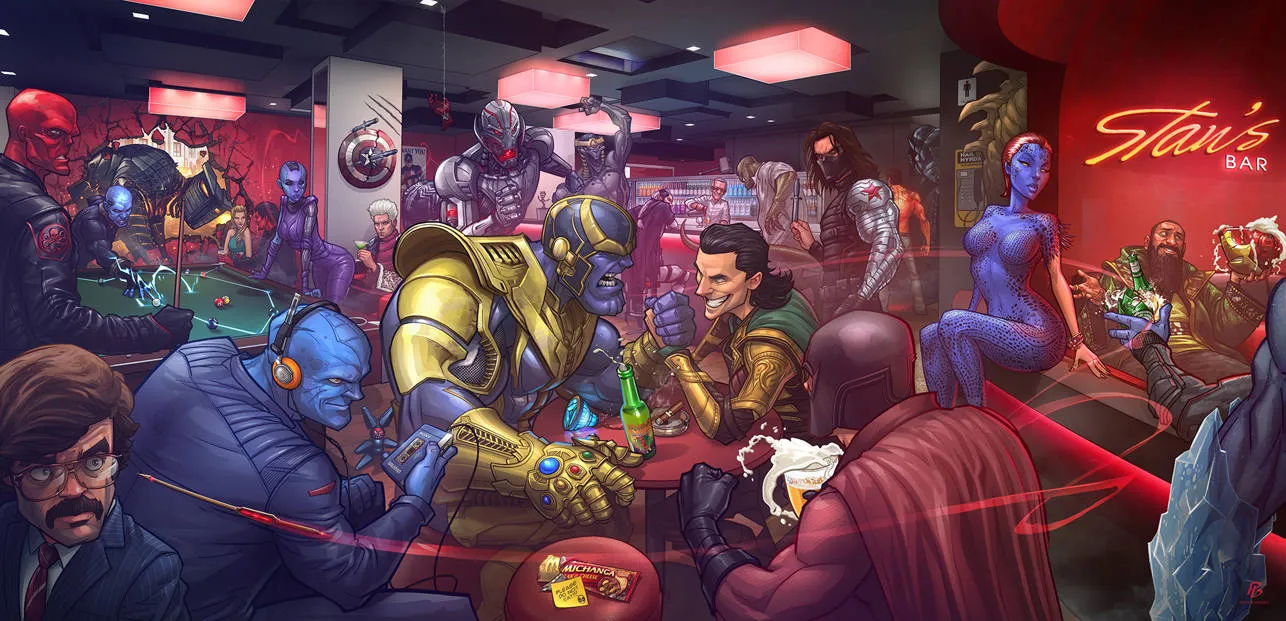
Let’s go through a list of the top 7 strongest Marvel villains, from the wickedly powerful to the absolutely unstoppable. ...
READ MORE
June 25, 2026 .
Lists, Opinions
If Game of Thrones taught us anything, it’s that the characters we hate the most tend to outlive everyone else.
READ MORE
August 15, 2026 .
Fantasy
Word count tells you how long you’ll live with a series. Named characters per 100,000 words tells you how much room that series gi...
READ MORE
May 6, 2026 .
Lists, MCU
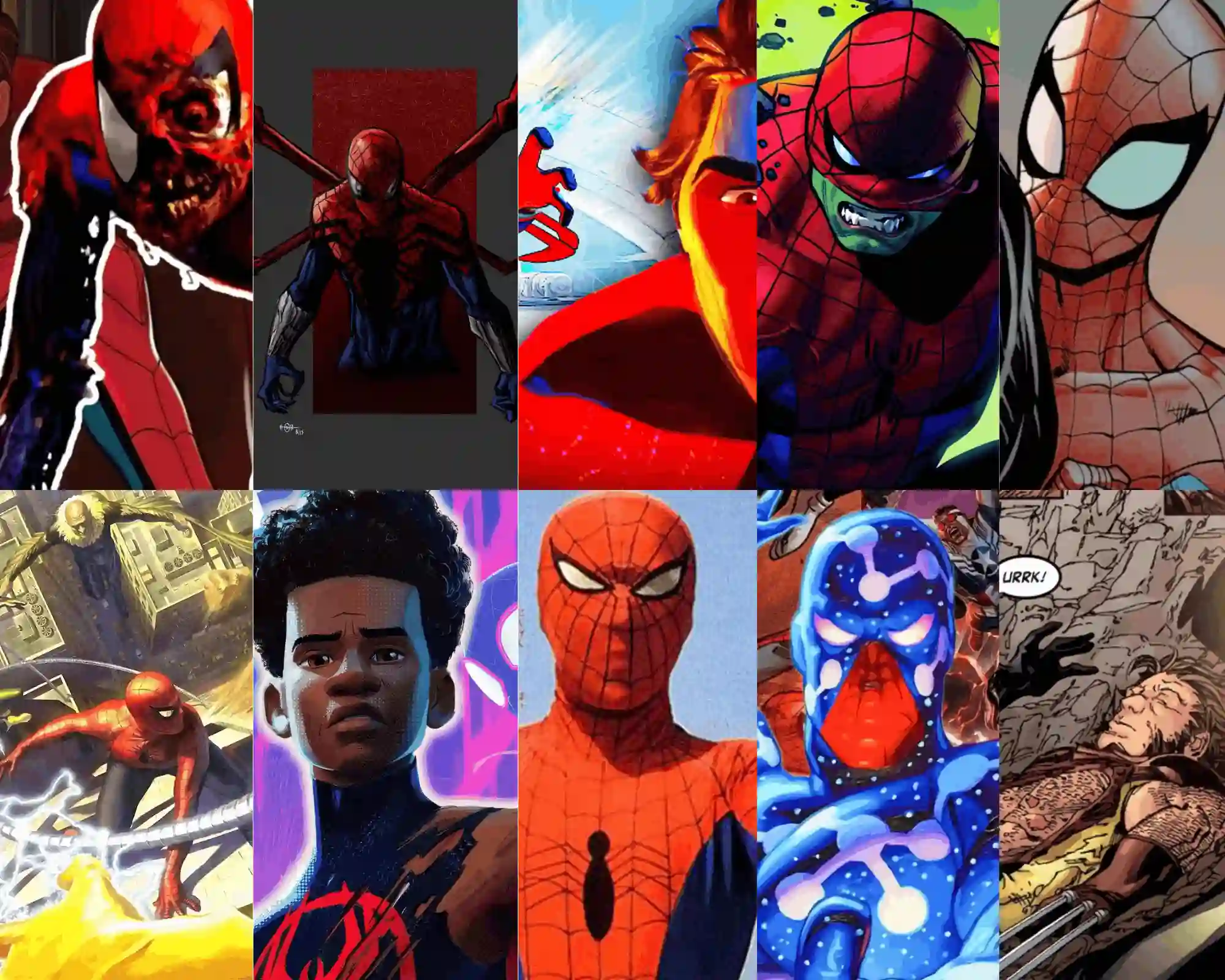
Spider-Man is one of the many superheroes from the Marvel Universe whose stories shaped many childhoods. Who is your strongest Sp...
READ MORE
July 20, 2025 .
Animation, Lists
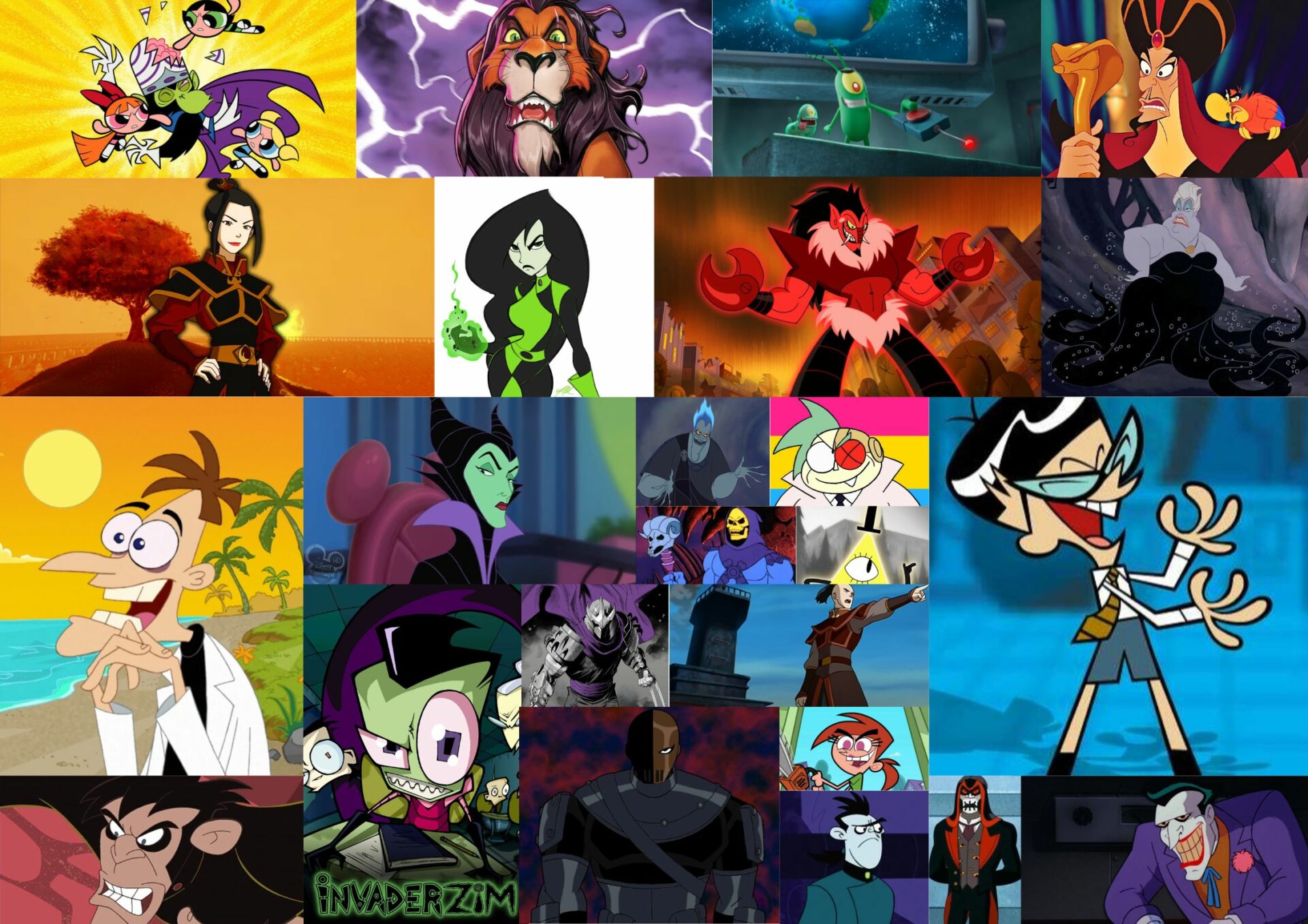
Our list rounds up the top 30 cartoon characters that were villains, each one more wonderfully wicked than the last.
READ MORE
August 14, 2026 .
anime, Fantasy, seriesreview
Captain Jack Sparrow, ahoy! A lad is about to take your place.
READ MORE
October 28, 2025 .
Debates, Lists, Marvel, MCU
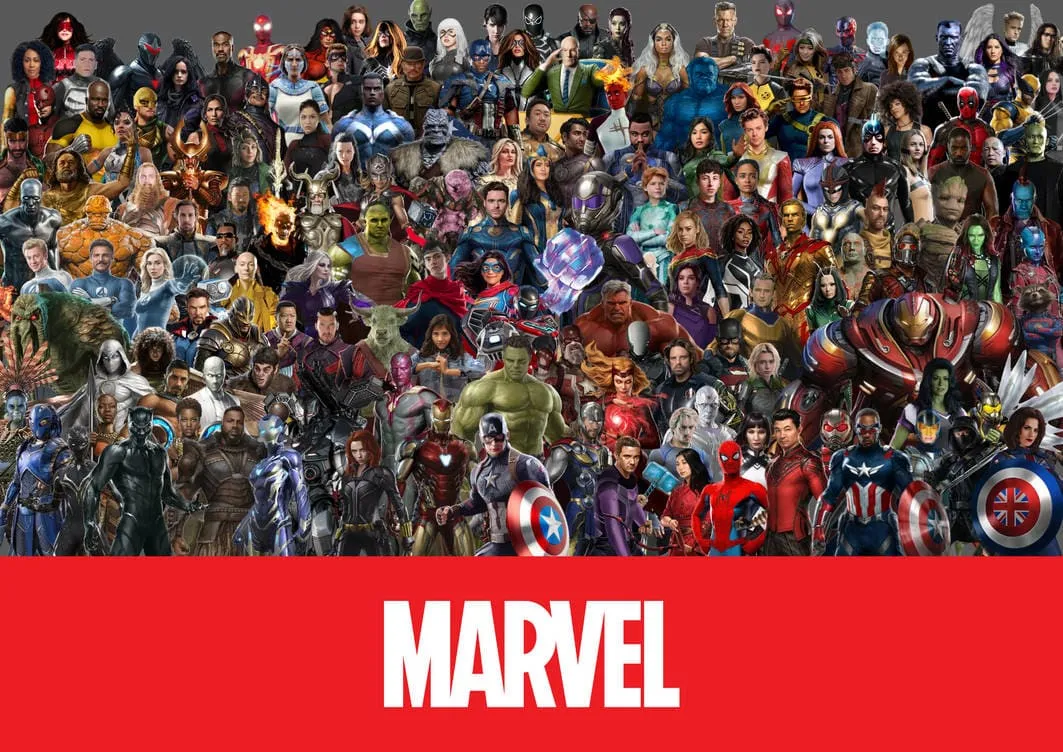
Every Marvel hero brings something to the table. But if we had to pick the top 8 most popular Marvel superheroes, who would make t...
READ MORE
Get our magazine for free!