









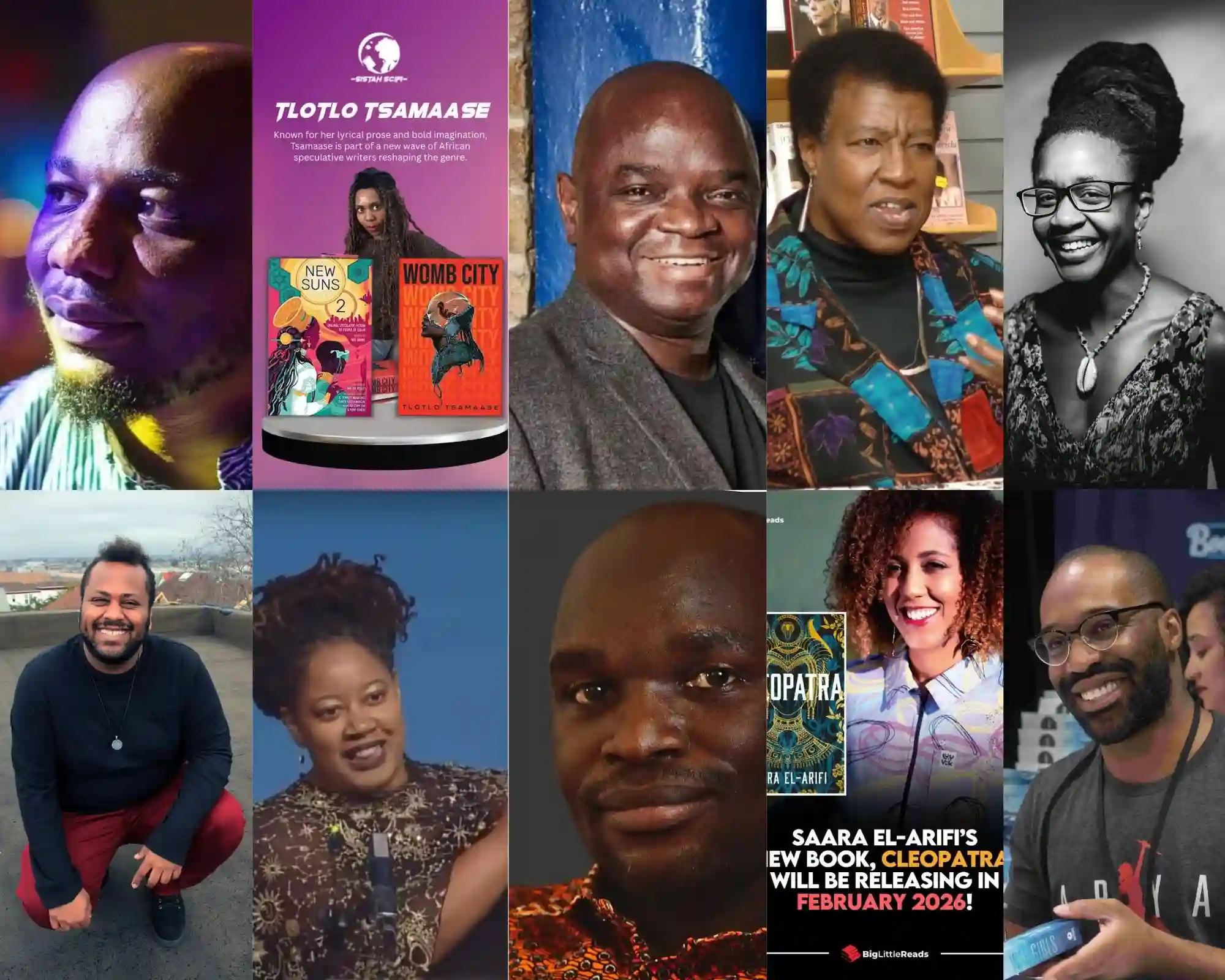
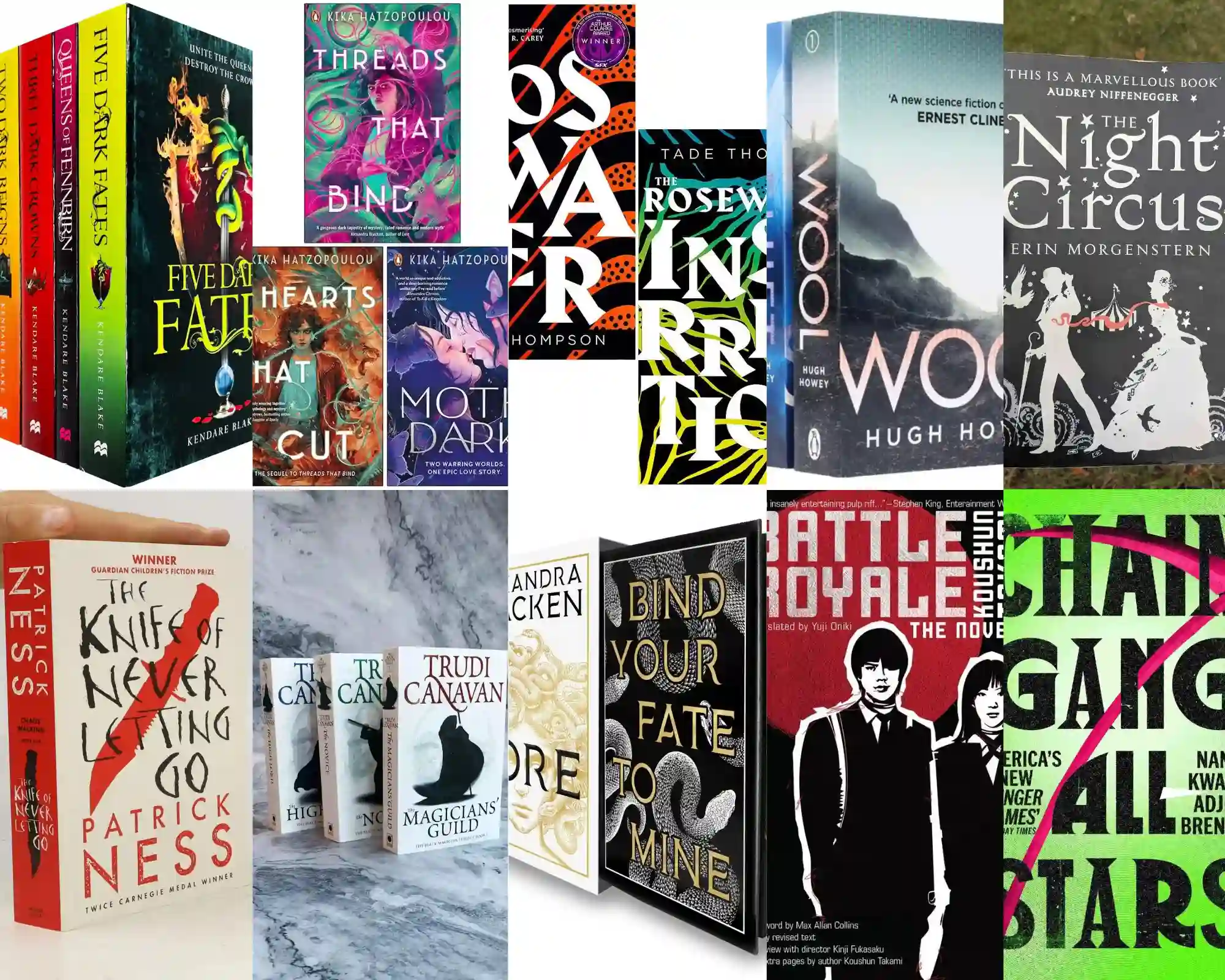












Worldwide, the center of storytelling is shifting. Now, new voices, especially science fiction writers, are rising with confidence.
Worldwide, the center of storytelling is shifting. Once, stories of distant galaxies and magical realms felt confined to one region. Now, new voices, especially fantasy and science fiction writers, are rising with confidence.
These authors are not simply working within the genre. They are reshaping it. By blending lived experience, history, and imagination, they are expanding what science fiction books are.
From Lagos to Johannesburg, these stories are grounded and expansive. They offer fresh entry points into speculative fiction and give readers a broader map of the genre. Here are the writers redefining the genre:
Regarded as a central voice in African futurism, Okorafor’s work stands at the intersection of tradition and futurism, challenging older science fiction that neglected or sidelined African identity.
Her Nebula and Hugo-winning Binti trilogy merges Himba culture with interstellar travel in a way that feels intentional rather than symbolic.

In Binti, the use of “otjize” is not just a cultural detail; it becomes a bridge between worlds.

Lagoon relocates the alien first-contact narrative to Lagos’s waters, transforming the trope. The city’s chaos, energy, and rhythm drive the encounter.
Thompson’s Wormwood Trilogy, beginning with Rosewater, positions him as a pivotal figure among science fiction writers. His Nigerian-set story creates a new template for exploring alien contact, blending local realities with genre staples, and thereby broadening the parameters of speculative fiction.

His background in psychiatry comes through clearly. Characters do not just react to events; they grow and change in unsettling ways because of them. For instance, the idea of a shared alien consciousness interacting with the human mind adds another layer of tension.
His work distinguishes itself in the genre by foregrounding internal psychological conflict alongside external threats, illustrating how science fiction can probe the mind as deeply as it does society.
Beukes moves seamlessly between genres, blending speculative fiction, crime, and dystopia. In Zoo City, criminals bonded to animal familiars inhabit a world at once strange and familiar.

Moxyland explores a future shaped by corporate power and technological control. Every day, tools become systems of restriction. Identity is tracked, managed, and limited.
Her work reflects real social divides, especially in post-apartheid South Africa. The speculative elements do not distract from reality; they sharpen it.
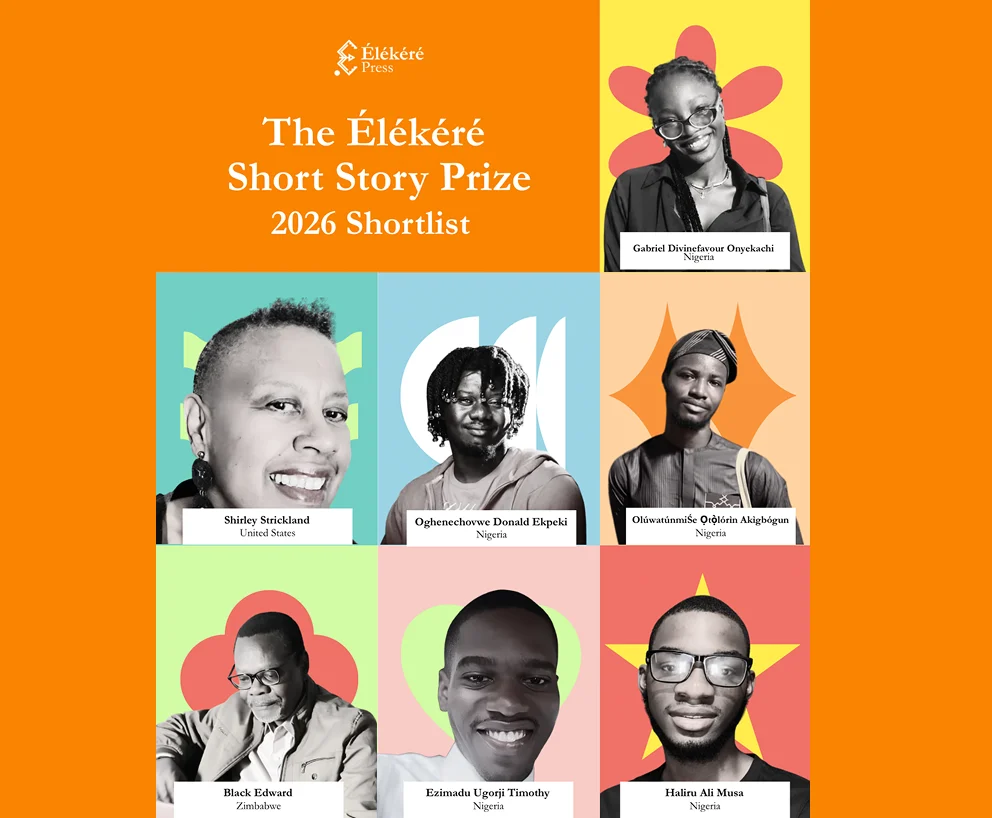
Ekpeki, an award-winning author and editor, has made history as a notable Nigerian leader in the company of science fiction writers and speculative fiction.

His novelette, The Ife-Olukotun Murders, weaves climate fiction with investigative traditions, while Egoli explores the spiritual and physical cost of mining in a futuristic setting.
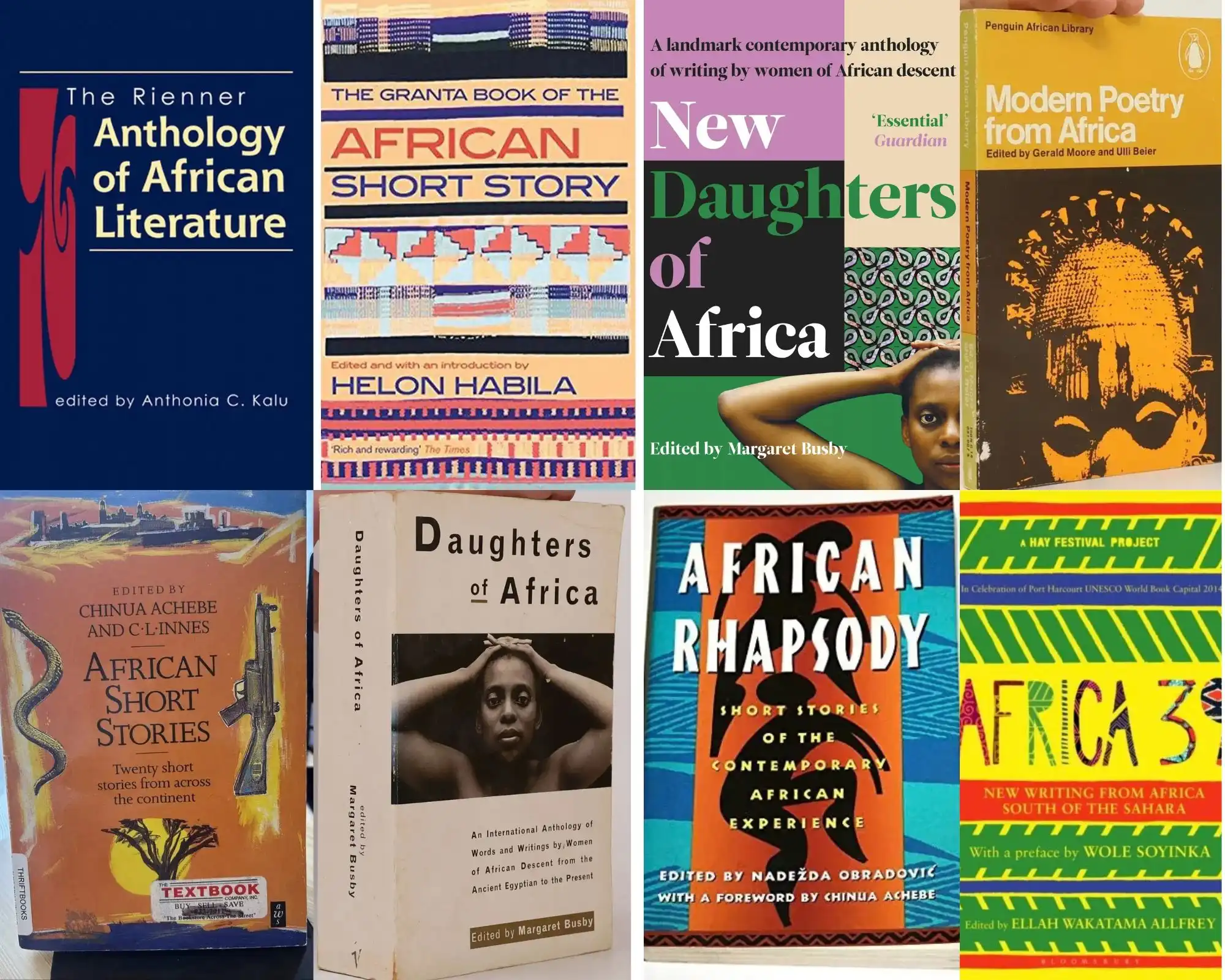
Beyond his own writing, his work curating anthologies such as Africa Risen and The Year’s Best African Speculative Fiction has been instrumental in raising the visibility of African voices.
Ekpeki often tackles themes of disability, African history, and the struggle against systemic erasure, positioning himself as a vital gatekeeper and champion for the continent’s talent.
Okungbowa creates vast fantasy worlds rooted in Africa.

In Son of the Storm, Osuari’s society reflects history, class, and knowledge. Magic intertwines with power, while geography, skin tone, and heritage define status.
His work replaces Western fantasy motifs with a deeper African context.
Known for the Edinburgh Nights series, which starts with The Library of the Dead, Huchu brings a unique supernatural twist to city life.

His protagonist, Ropa, is a ghost-talker who carries a mbira to communicate with the deceased, charging them a small fee to deliver messages to the living.
Huchu’s work is acclaimed for its blend of Zimbabwean Shona magic and a gritty, post-catastrophe Scotland. The narrative voice is sharp and witty, using the supernatural to explore very real themes of poverty, class struggle, and the resilience of the youth in a world that has failed them. He successfully bridges the gap between folklore and urban decay.
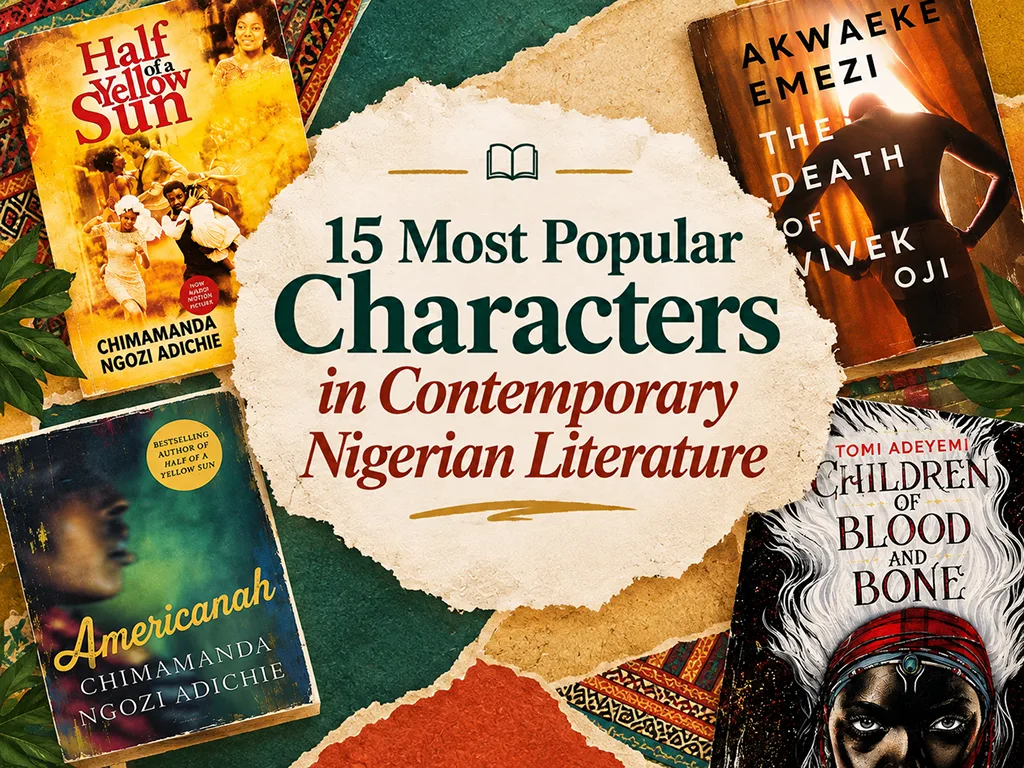
Adeyemi’s debut, Children of Blood and Bone, draws heavily from Yoruba mythology and the Orisha pantheon. The story follows Zélie Adebola as she attempts to bring magic back to the kingdom of Orïsha after a brutal crackdown by a magic-fearing king.

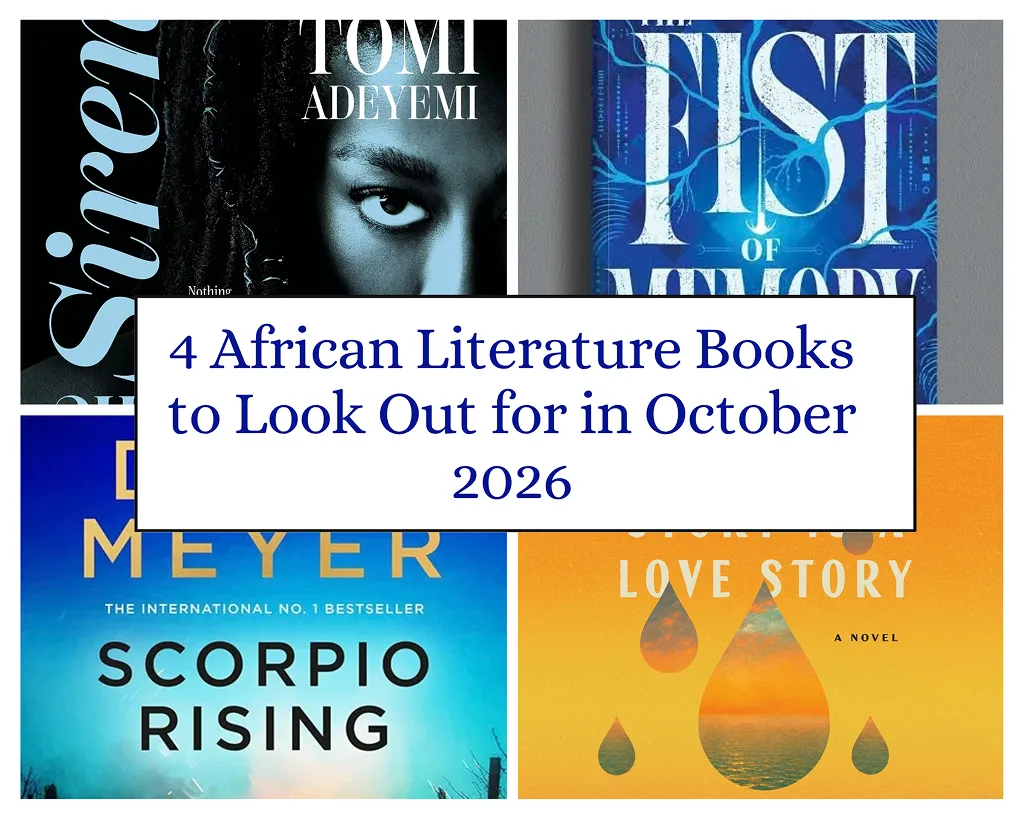
Adeyemi redefines what direction means for African science fiction writers, focusing on themes of systemic injustice, police brutality, and the reclamation of cultural power.
Her work opened doors for a new generation of Black authors in the Young Adult fantasy space, proving that stories rooted in African heritage can achieve massive cross-cultural commercial success.
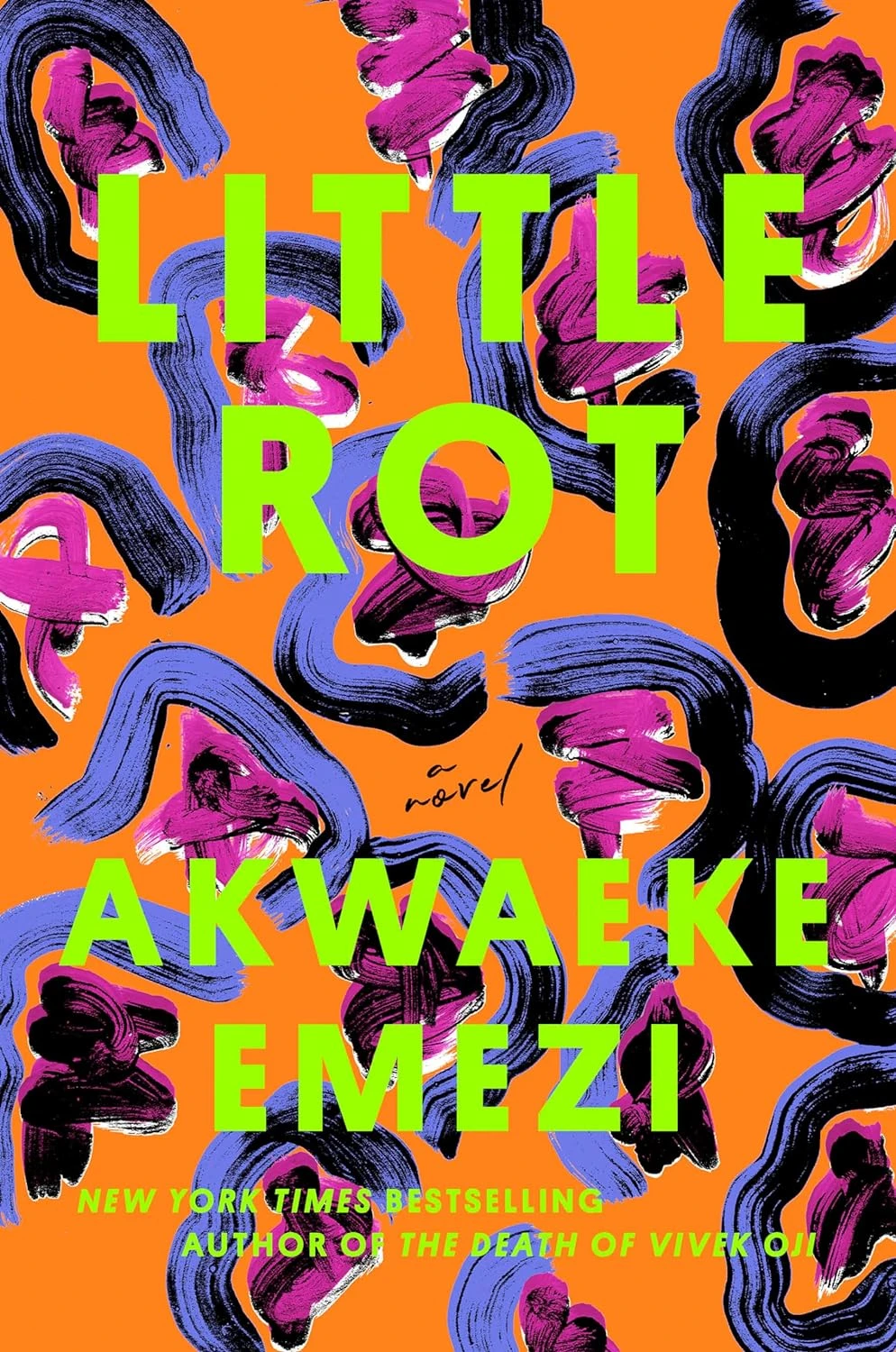
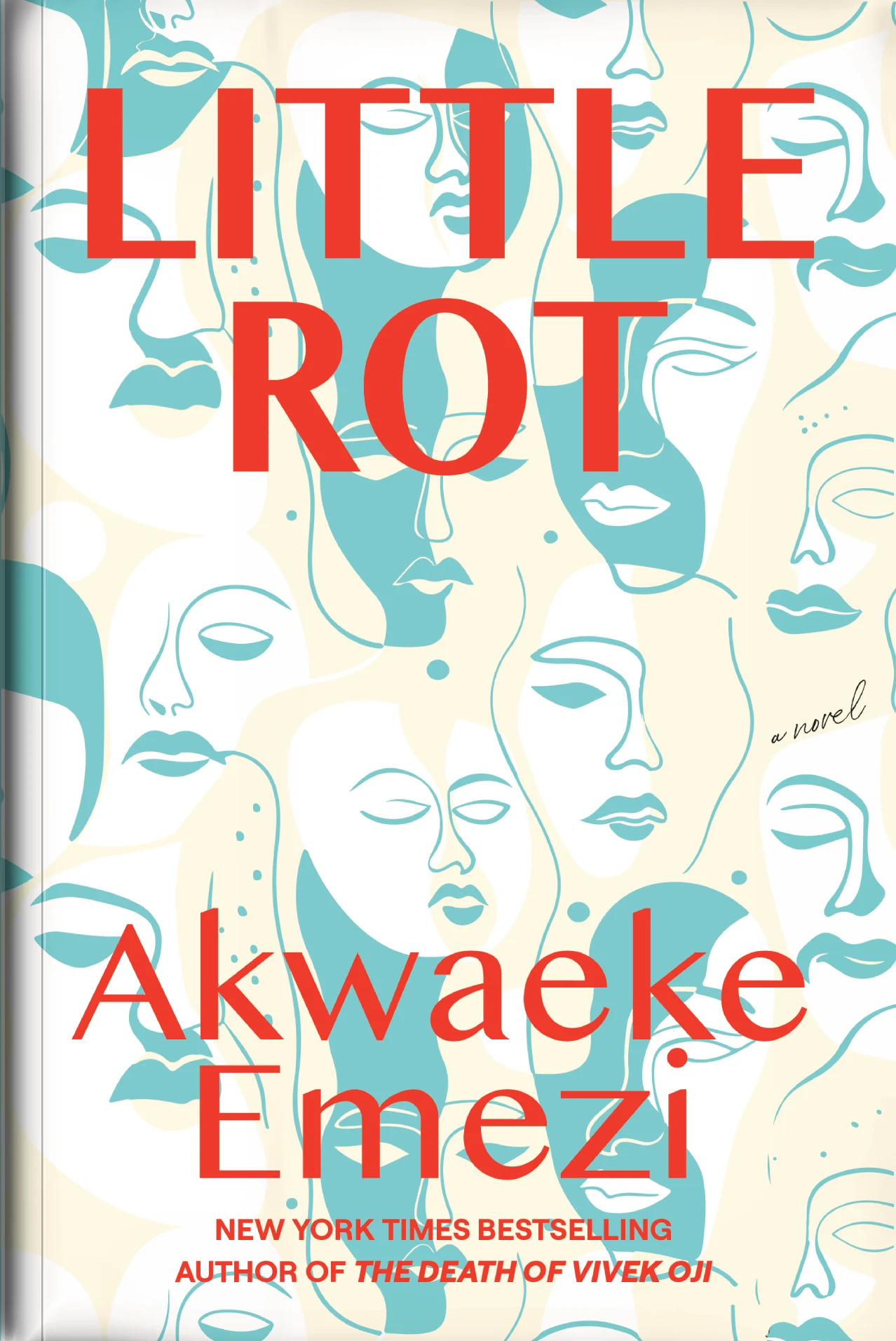
Emezi is a genre-fluid writer whose work flows between realism, fantasy, and spiritual horror. In their debut, Freshwater, they explore the internal world of an “ogbanje” (an Igbo spirit child), challenging Western notions of mental health and identity.

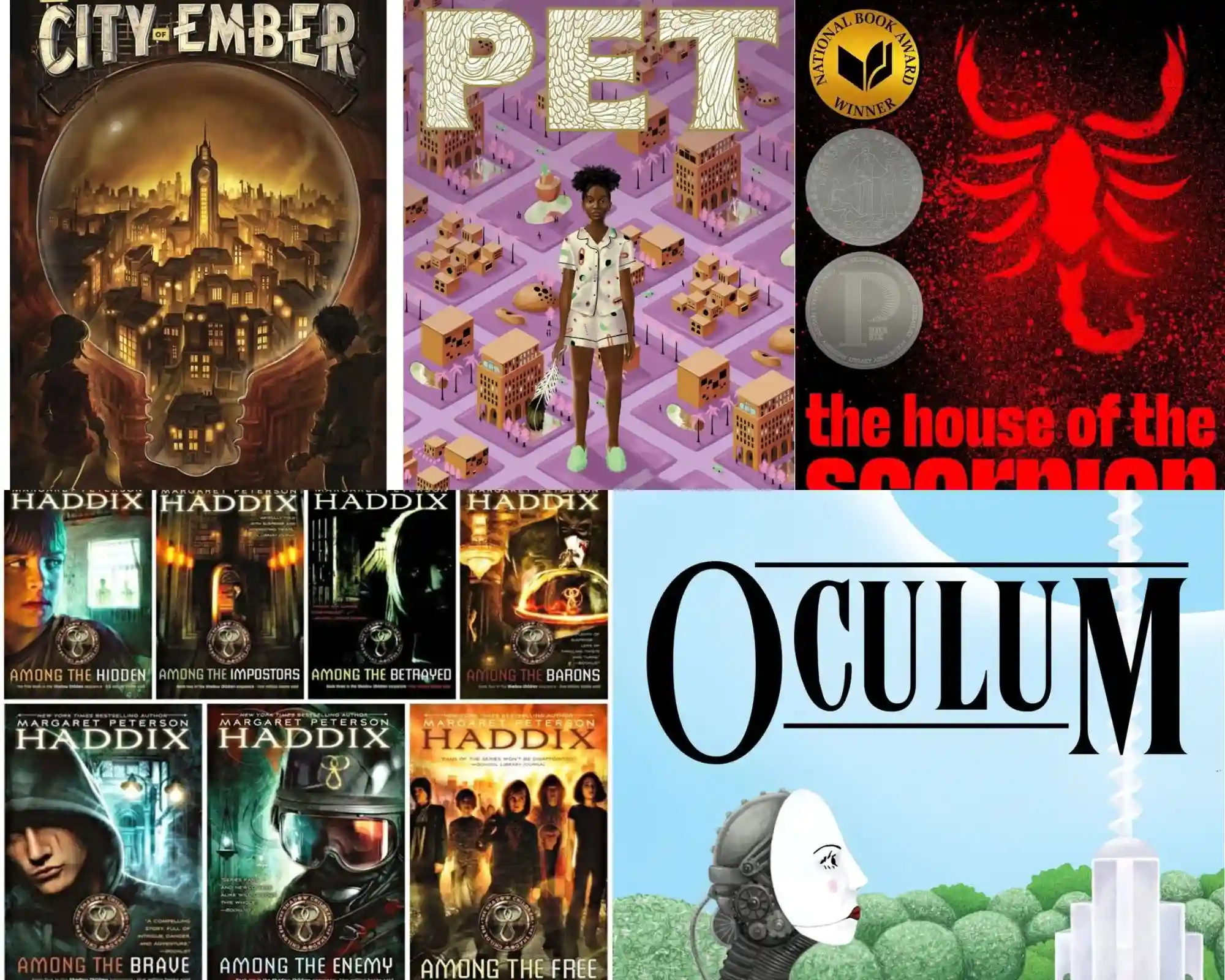
Their YA novel Pet features a world where “monsters” are said to no longer exist, only for the protagonist to hunt one down with the help of a creature that emerged from a painting.

Emezi’s storytelling is visceral and poetic, focusing on bodily transcendence and unseen powers. They expand the potential of fantasy and science fiction writers by highlighting the non-human and spiritual as central realities.
Onyebuchi excels at blending dystopia with prophetic social commentary. In Riot Baby, he tells the story of siblings gifted with supernatural powers as they navigate a world of systemic racism and carceral violence.

The book is a haunting exploration of how “black excellence” or “black power” interacts with a state designed to suppress it.
His work, including Goliath, is often described as “urgent,” using speculative elements to amplify the lived experiences of marginalized communities in both America and Nigeria.

He has a rare gift for making high-concept sci-fi feel like a punch to the gut, grounding space colonies and telepathy in the struggle for civil rights.
A powerful voice within the science fiction writers community, Tsamaase’s work merges personal trauma with environmental dread. Her debut novel, Womb City, is a genre-bending “cyber-horror” that explores a future in which the state monitors its citizens’ bodies and morals through advanced technology and soul transfers.

Tsamaase is known for her surreal, introspective prose and her ability to critique corporate greed and patriarchal structures. Her stories often feel like fever dreams. Intense, unsettling, and impossible to forget. She represents a growing movement of authors using horror and sci-fi to dissect the specific anxieties of Southern African societies.
Emelumadu’s work draws heavily from folklore. In Dazzling, identity and transformation unfold through spiritual encounters.

The writer has a way of making the supernatural feel close and familiar. At the same time, everyday life takes on a strange edge. This balance gives her work a quiet but lasting impact.
Forna brings a visceral, feminist voice to YA fantasy with The Gilded Ones. Set in the kingdom of Otera, the story follows girls who are considered “demons” because their blood runs gold. They are recruited into an army of near-immortal warriors to fight for an empire that hates them.

The author uses this high-octane setting to explore the reclamation of agency and the bonds of sisterhood. Her work is a vibrant addition to the African-inspired “dark academia” and epic fantasy subgenres, focusing on how young women can dismantle oppressive systems from the inside out.
Talabi is an essential editor and author specializing in African futurism. His collection Incomplete Solutions showcases his ability to blend hard science with African philosophies.
In his novel Shigidi and the Brass Head of Obalefon, he creates a world where ancient gods are essentially supernatural corporate entities navigating a modern, high-tech landscape.

Talabi’s work is intellectual and fast-paced, exploring how traditional beliefs evolve in a world of digital spirits and globalized technology. He is a key theorist in the genre, often writing essays that define the distinction between Africanfuturism and Afrofuturism.
With the acclaimed Vagabonds!, Osunde brings a surreal, literary approach that budding speculative and science fiction writers could learn from.

The book functions as a series of interconnected stories about the “vagabonds”, the queer, the poor, and the displaced who inhabit the margins of Lagos.
In Osunde’s world, the city is governed by spirits like “Eko,” and the supernatural is a tool for survival and rebellion. Their prose is rhythmic and daring, merging the grit of contemporary Lagos with the fluid logic of a myth.
His work proves that speculative fiction can be a powerful home for marginalized voices to reclaim their space in the city and the cosmos.
Aguda writes haunting speculative stories that frequently explore the intersection of horror and the domestic.

Her fiction, such as the stories found in her collection Ghostroots, often centers on the uncanny. Ghosts that reside in architectural flaws or curses passed down through family lines.
Her work is masterful in its restraint, using the speculative to offer sharp social commentary on Nigerian society, urban life, and the psychological weight of the past. She excels at “quiet horror,” where the terror comes not from monsters, but from the realization that the world is not as stable as it seems.
Looking across these fantasy and science fiction writers, certain patterns begin to take shape.
Science fiction has always promised potential. But possibility only feels real when it includes a wide range of perspectives. Otherwise, it starts to feel repetitive, like the same future being imagined over and over again with slightly different details.
African-born writers are expanding that horizon, not just by adding new voices but by reshaping the genre’s structure itself. The stories feel different because they are different, in language, rhythm, and direction. That shift makes the future feel less predictable and far more open.

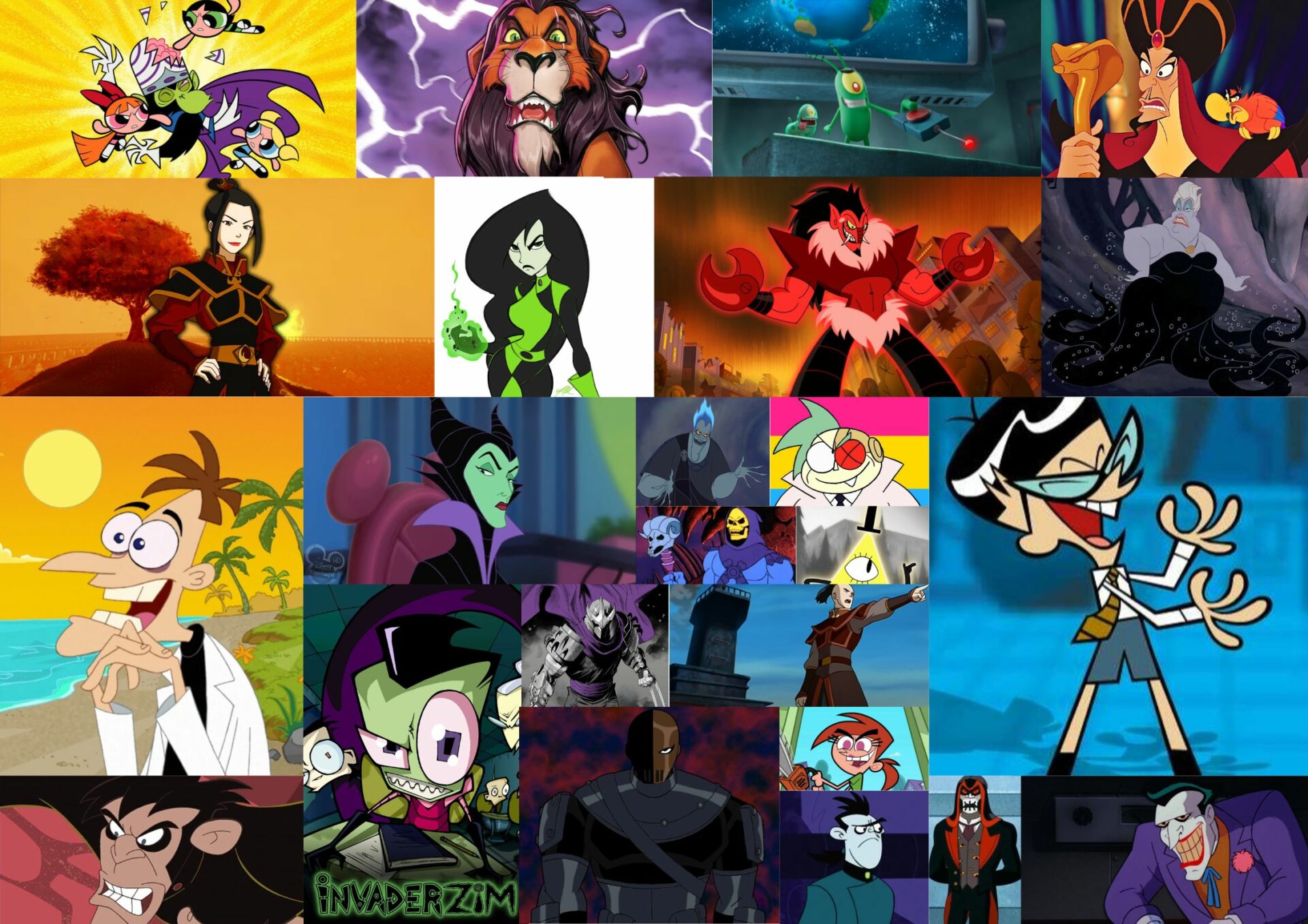
July 20, 2025 .
Animation, Lists
Our list rounds up the top 30 cartoon characters that were villains, each one more wonderfully wicked than the last.
READ MORE
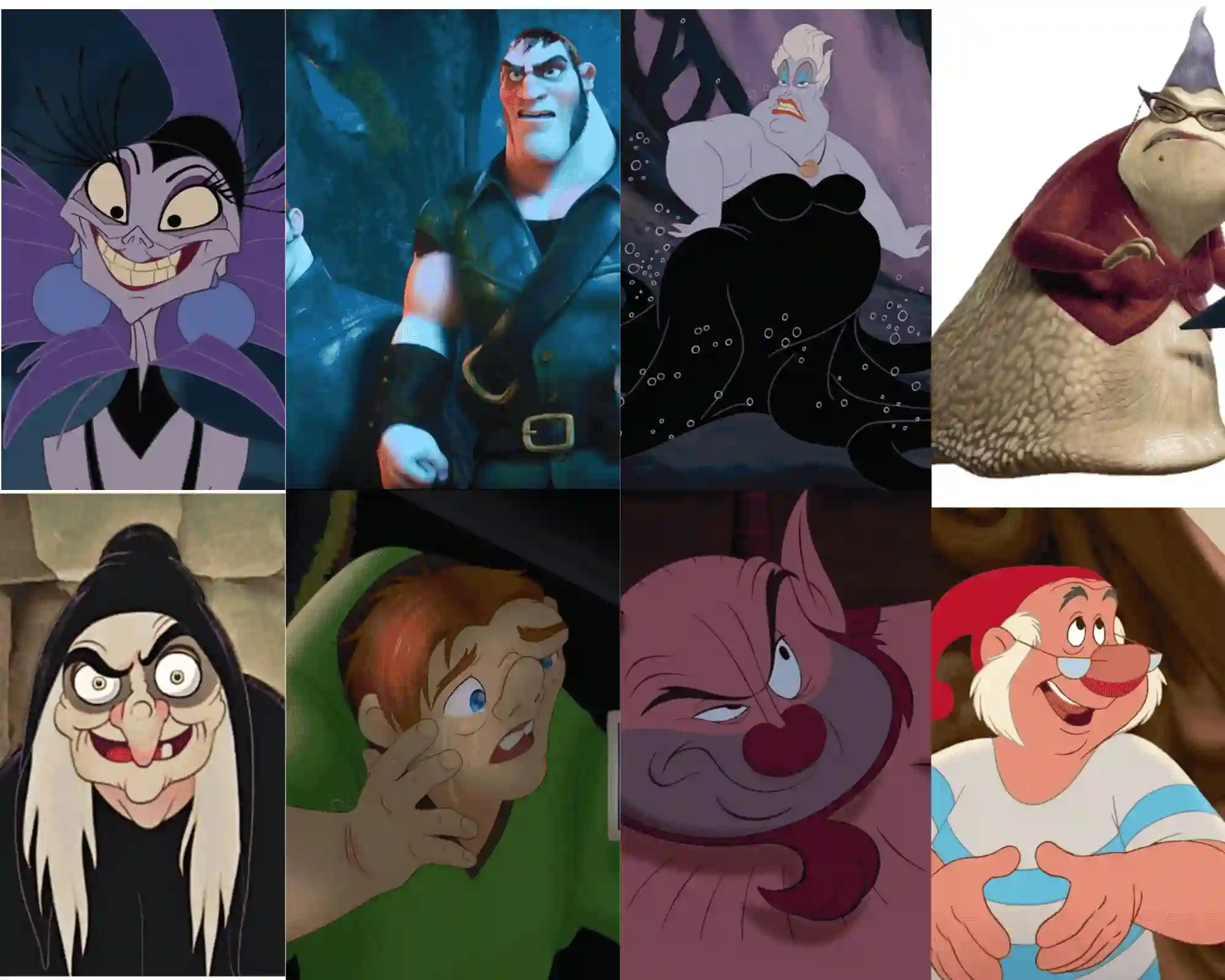
April 29, 2026 .
Lists, Opinions
The Mouse is famous for its princesses and princes. However, the studio’s true genius lies in its embrace of “ugly Disney characters”.
READ MORE
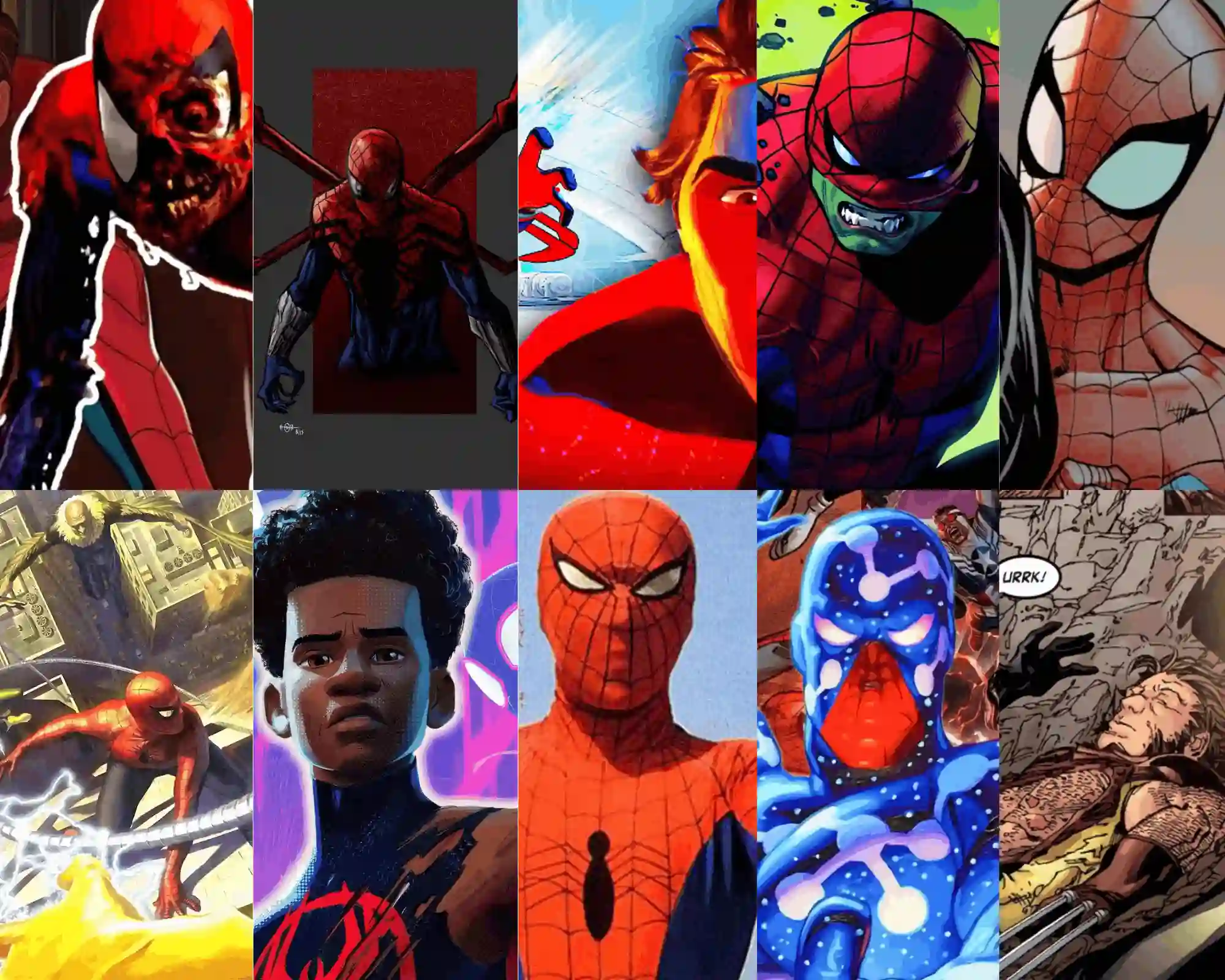
May 6, 2026 .
Lists, MCU
Spider-Man is one of the many superheroes from the Marvel Universe whose stories shaped many childhoods. Who is your strongest Spiderman?
READ MORE
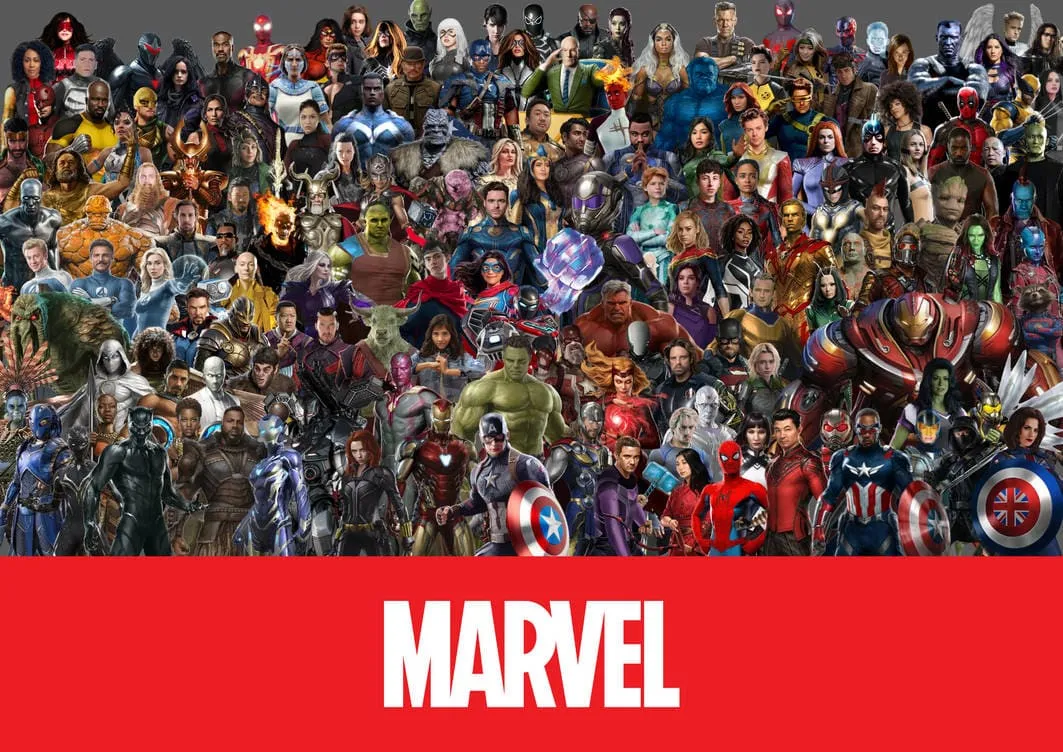
October 28, 2025 .
Debates, Lists, Marvel, MCU
Every Marvel hero brings something to the table. But if we had to pick the top 8 most popular Marvel superheroes, who would make the cut?
READ MORE
October 28, 2025 .
Lists, Marvel, MCU, Opinions
Let’s go through a list of the top 7 strongest Marvel villains, from the wickedly powerful to the absolutely unstoppable.
READ MORE
October 12, 2021 .
africanliterature, chimamanda, cna, zikora
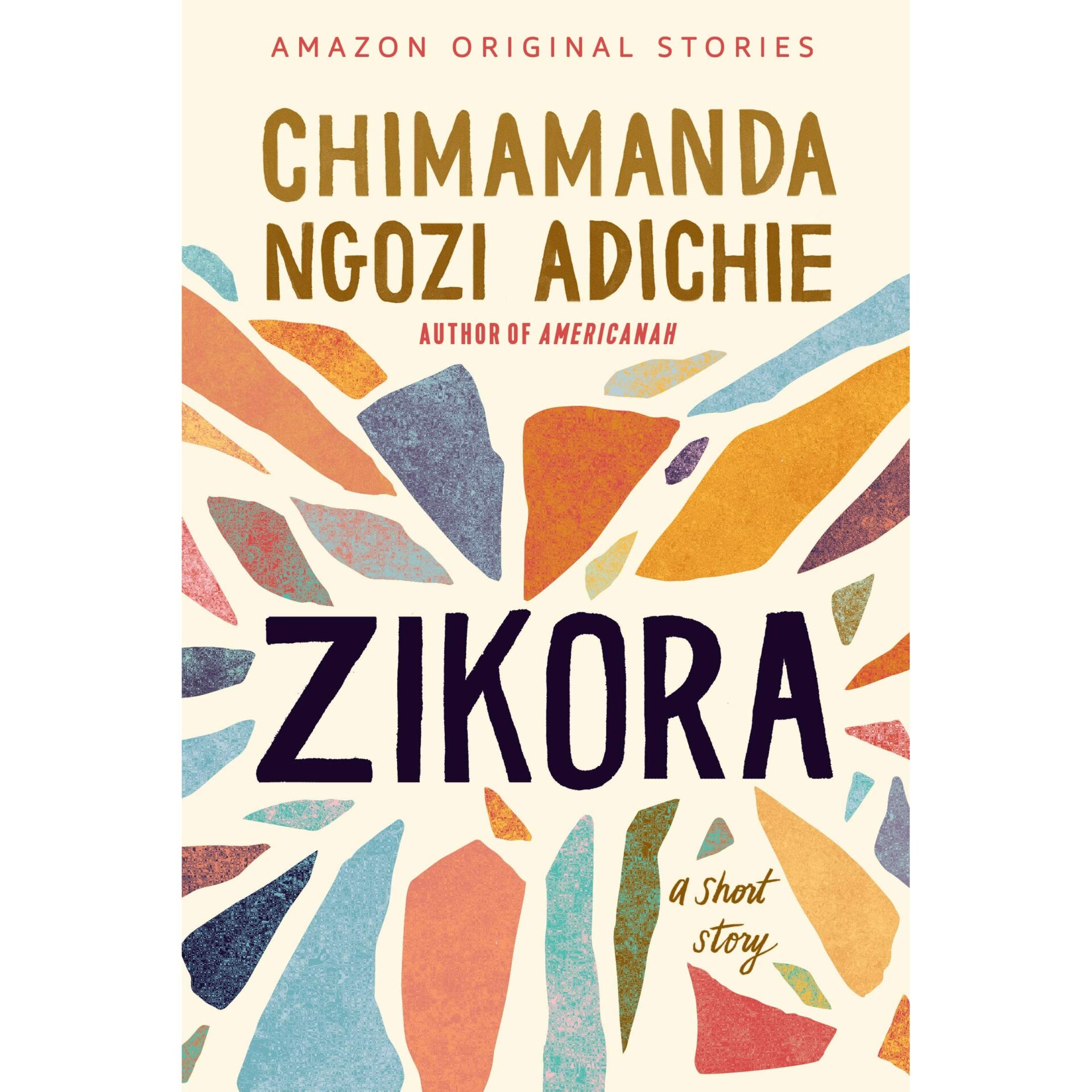
Hopefully, the reading of a book as this will enlighten men and generally educate people in the making of the right choices regarding amatory unions.
READ MORE
February 19, 2022 .
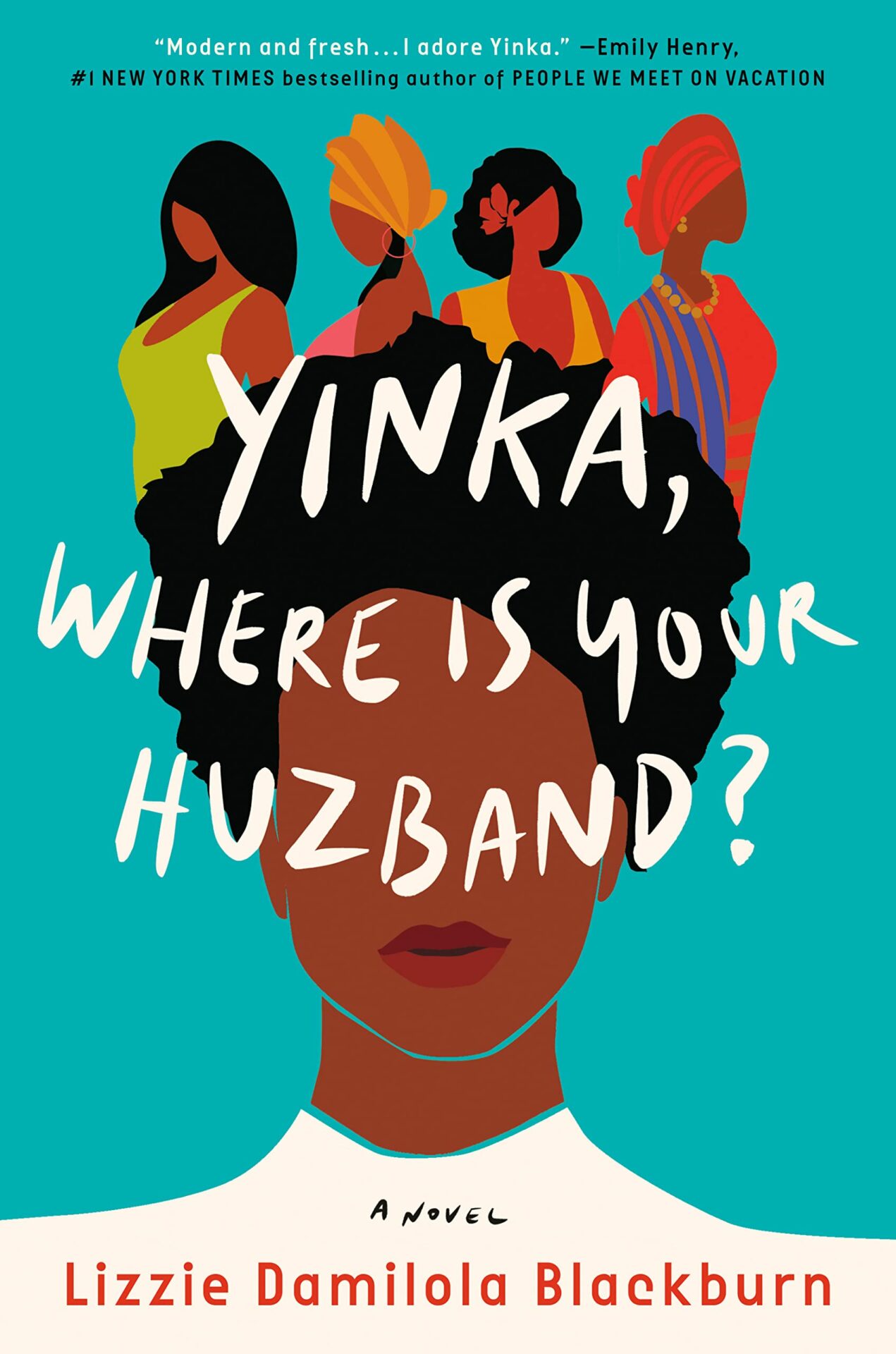
africanliterature, black, Book review, British Nigerian, lizziedamilolablackburn, Nigerian, Self growth, yinkawhereisyourhuzband
READ MORE

January 26, 2025 .
africanliterature, sharjah
READ MORE
November 12, 2023 .
africanliterature
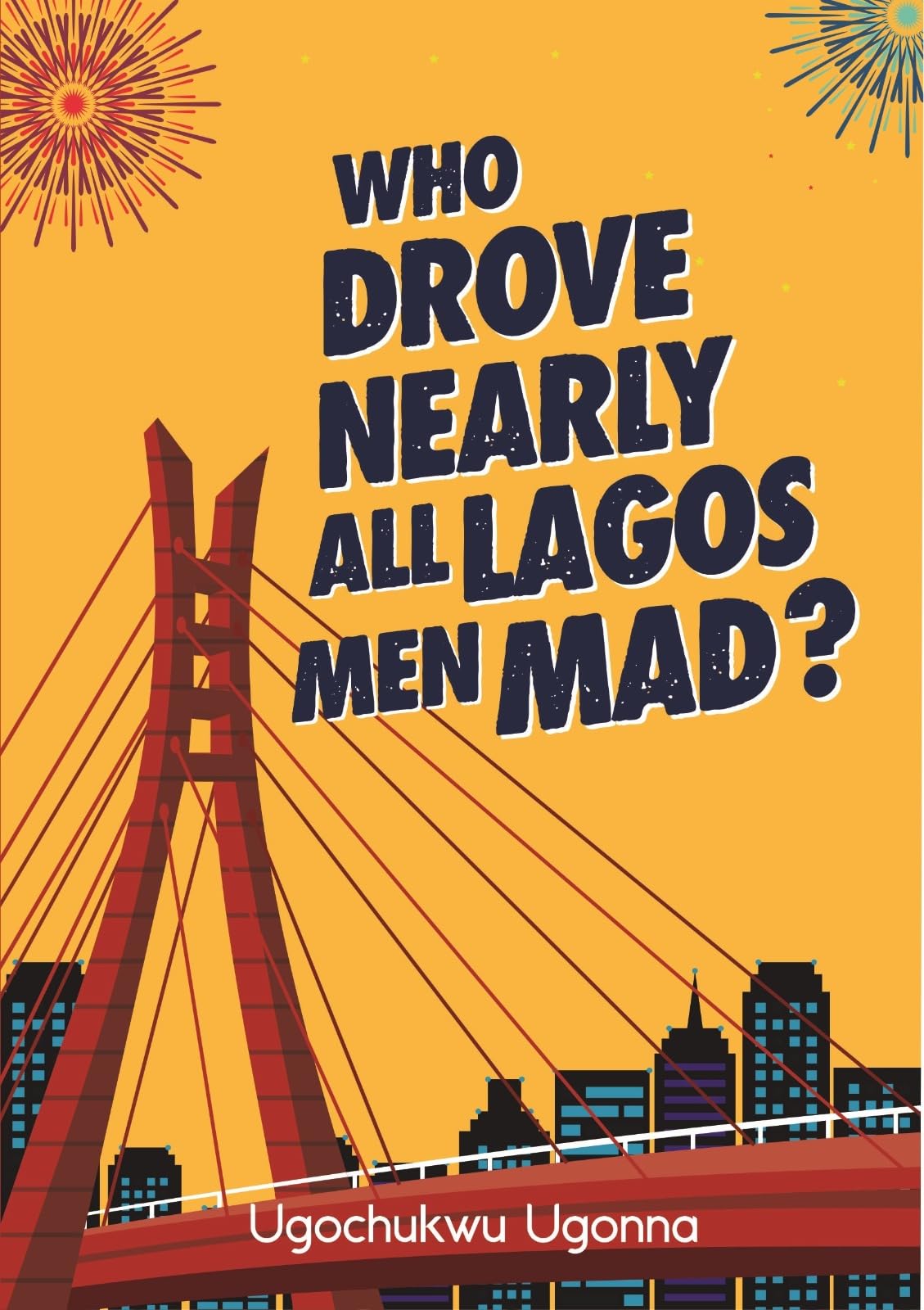
In these tales, women are portrayed as clever and tricky individuals, while men’s descent into madness is often a response to these traits.
READ MORE

December 4, 2023 .
africanliterature
READ MORE
February 3, 2025 .
africanliterature
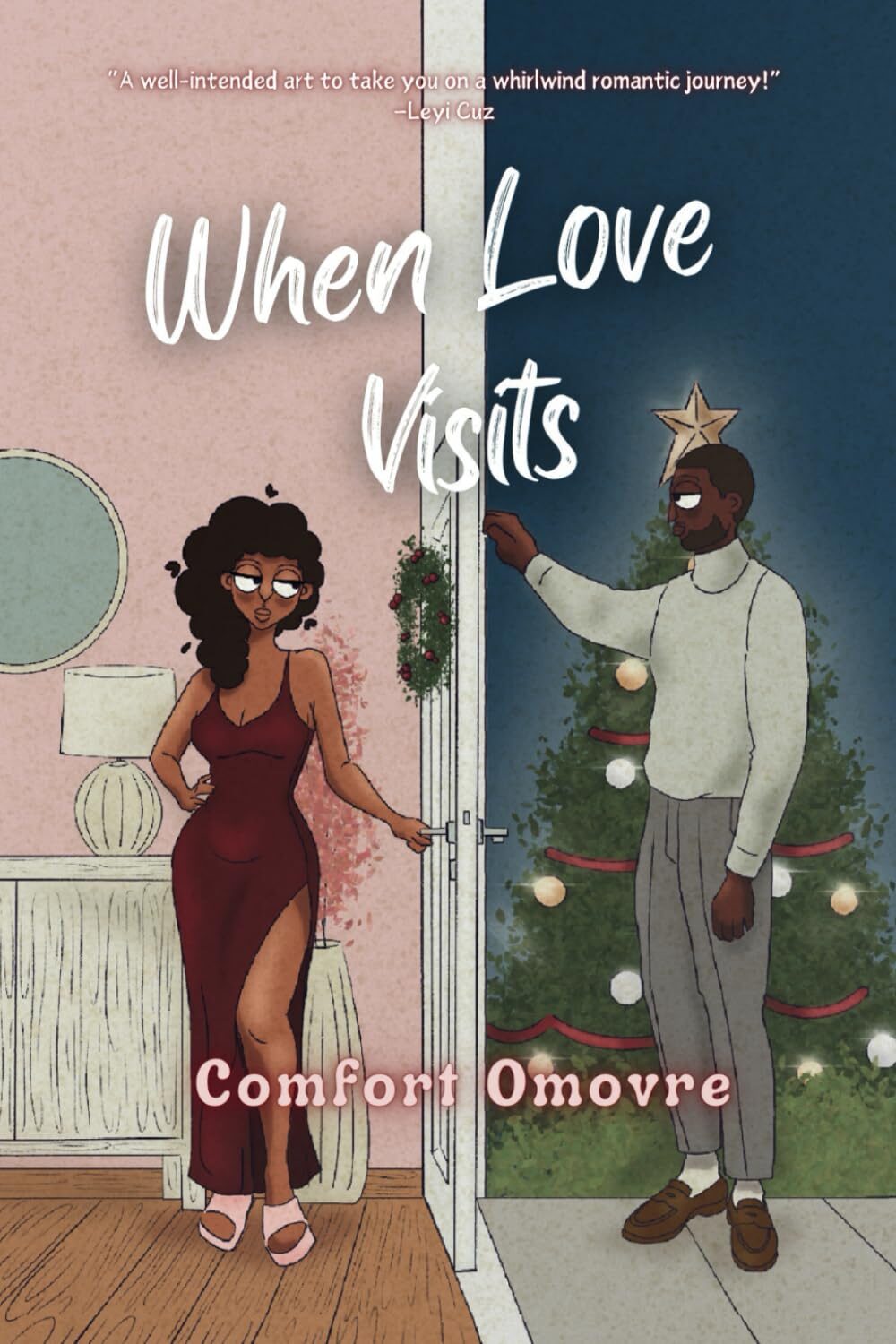
When Love Visits is a contemporary romance novel that narrates how Uju and Tade, both in their thirties and successful fall in love at first sight.
READ MORE

May 7, 2022 .
africanliterature, miracleemekankwor, whathappenedtojanetuzor
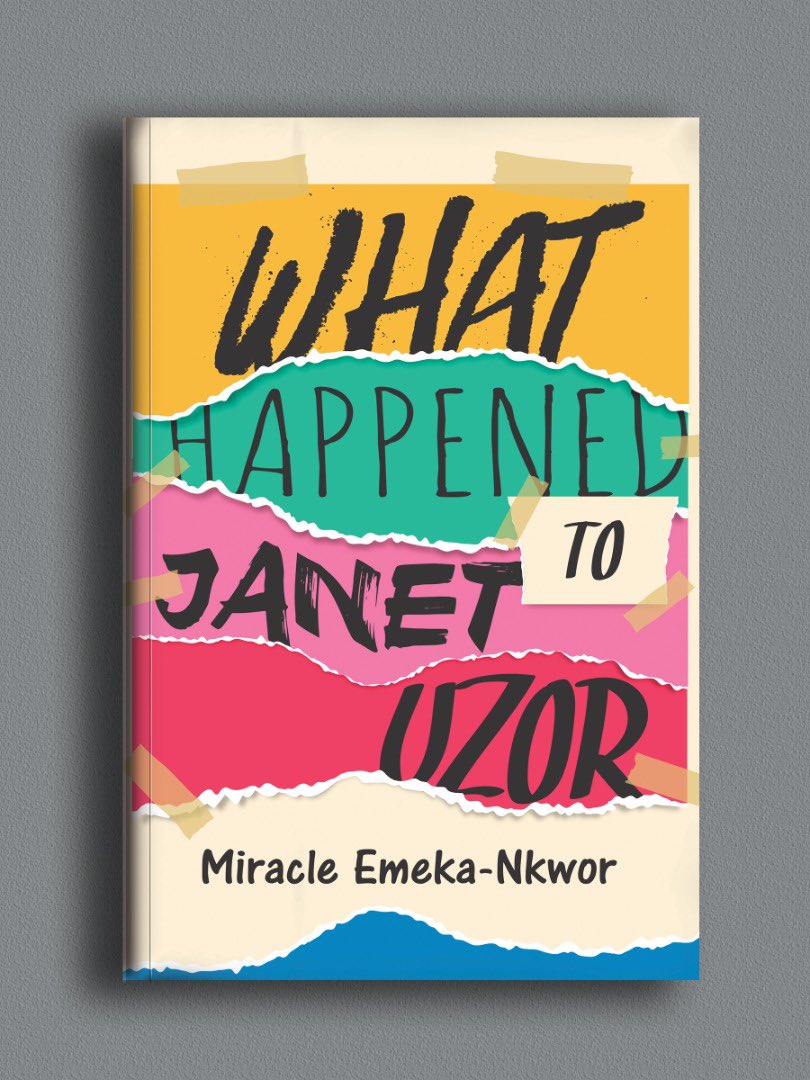
Ebere has a theory that a killer is out there that claims his victim every Christmas, and she believes their best friend Janet was one of his victims.
READ MORE
December 4, 2023 .
africanliterature
I don’t find What Happened to Janet Uzor very hair-raising thrilling, but it has ENOUGH suspense to get you flipping.
READ MORE

May 5, 2024 .
africanliterature
If you liked Dele Weds Destiny, then you’ll love We Were Girls Once. Aiwanose is a wonderful and insightful writer, and I look forward to reading more of her works.
READ MORE
Get our magazine for free!