Close menu
Ranking the best of African Literature




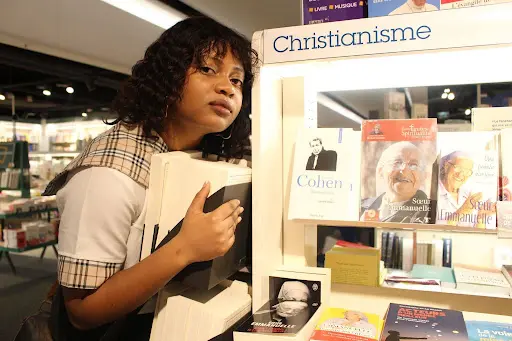







Needless to say, the creative nonfiction genre doesn’t have the best reputation among the more free-spirited reader community.
Some studies suggest that people now stay focused on a single digital task for roughly 40–50 seconds, although research on attention span is debatable.
The relatively low focus level is why many people consider nonfiction in general, well, boring. It feels, at best, like reading a textbook or, worse, “aspire to perspire” type material. Needless to say, the creative nonfiction genre doesn’t have the best reputation among the more free-spirited reader community.
Nonfiction is, as the name implies, based on true events. What separates creative nonfiction from the parent category is its use of factual writing alongside literary techniques.
For instance, Rich Dad Poor Dad by Robert Kiyosaki uses a character-driven approach to teach personal finance.

It frames financial lessons through personal experiences, adopting a more narrative, sharing-than-lecturing tone.
Also, the popular Christian motivational book An Enemy Called Average by John Mason uses short, attention-grabbing nuggets called mini-aphorisms to break down bigger ideas into bite-sized pieces.

The national bestseller also relies on anecdotes and a generally conversational tone.
Nonfiction has existed before the term was properly named. The earliest recorded forms of nonfiction were administrative records, receipts, and inventory lists produced by the Sumerians in ancient Mesopotamia, dating back to approximately 3500–3000 BCE.

The Kish Tablet contains pictographic inscriptions in Mesopotamia that likely function as early administrative records.
Creative nonfiction, by contrast, goes back to prehistoric times. Cave paintings recorded hunting and daily life, serving as early visual storytelling.

Ancient travel accounts largely existed in the works of classical writers such as Herodotus, Plutarch, and Tacitus, who recorded history with a literary, narrative focus.
The more modern proponents of creative nonfiction are Michel de Montaigne, Joan Didion, and Truman Capote.
Michel de Montaigne pioneered the personal essay. He published two volumes in 1580, followed by a third in 1588.

One factor that really stood out, especially for the 16th century, was the use of a mix of complete honesty and informality.
Joan Didion helped evolve journalism by merging factual reporting with subjectivity, precise prose, and strong imagery.

Didion was known mostly for her lucid prose, in which she observed and reported on social unrest, especially in the 1960s.

The 1966 publication In Cold Blood by Truman Capote is considered a foundational text of the true-crime genre, pioneering the “nonfiction novel”. This amazing feat is possible through combining rigorous, in-depth reportage with the narrative structure and psychological depth of fiction.
There is an assumption that the memoir is the only form of creative nonfiction, which is incorrect. Nonfiction is a wide genre that includes many sub-genres, including:
A memoir is a nonfiction first-person narrative that focuses on a specific, pivotal period or theme in the author’s life rather than their entire life story. An early example dates back to 50–52 BCE with Julius Caesar’s Commentaries on the Gallic Wars (Commentarii de Bello Gallico).

Nowadays, memoirs have gotten a facelift. Trevor Noah’s Born a Crime draws on stories from his South African childhood and offers social commentary.

A personal essay is a short, nonfiction work of autobiographical writing that shares a story from the author’s life, focusing on personal experience, reflection, and growth.
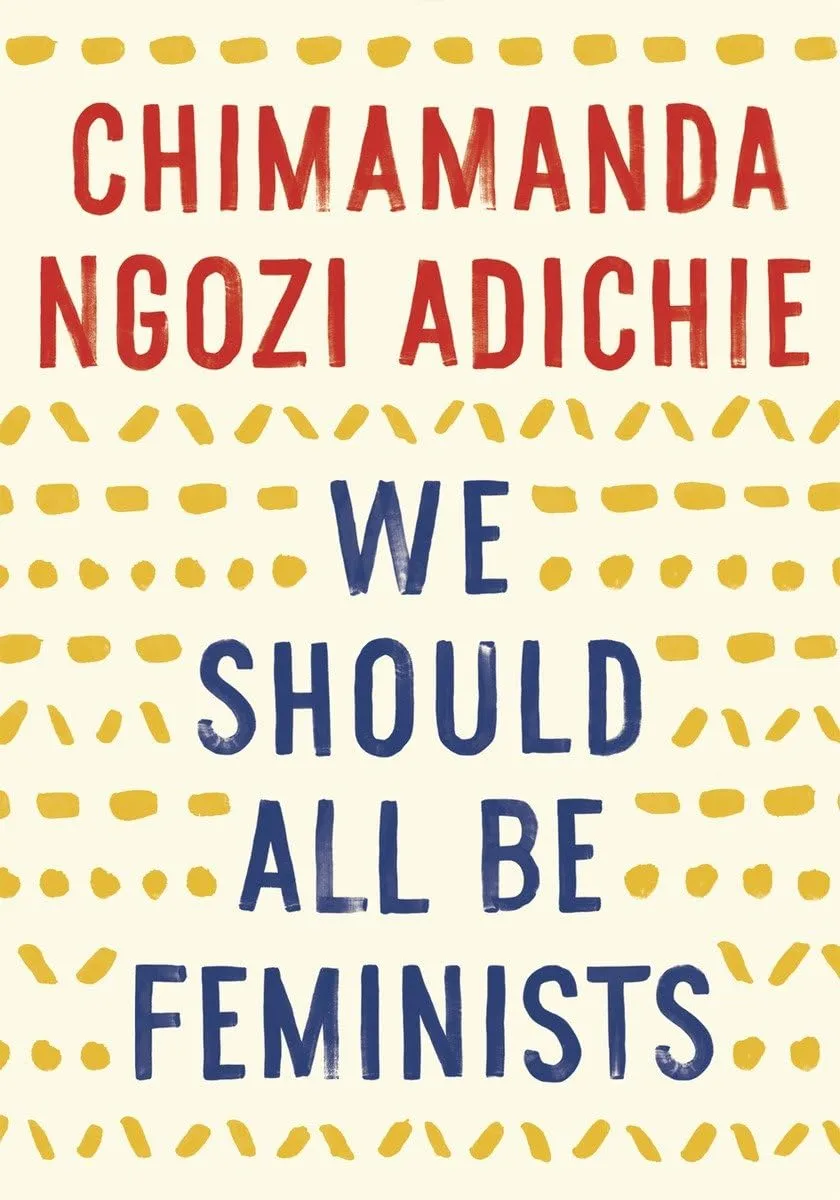
Modern adaptations of the personal essay include Chimamanda Ngozi Adichie’s Notes on Grief and Sakeenah Kareem’s What Being Disabled Taught Me About Nigerians.

Literary journalism is a form of nonfiction writing that utilizes narrative, stylistic, and structural techniques commonly associated with fiction, such as scene-setting, character development, and immersive description, while adhering to strict factual accuracy.
Daniel Defoe’s A Journal of the Plague Year, often labeled as a proto–literary journalism work, is one of the earliest examples of creative nonfiction.

Still, the genre currently includes impactful work such as Slouching Towards Bethlehem (1968) by Joan Didion and The Warmth of Other Suns (2010) by Isabel Wilkerson.

Narrative history is the practice of writing history in a story-based form, focusing on telling a compelling, chronological tale of past events rather than relying solely on analytical or thematic structures.
The earliest example of narrative history is The Stele of the Vultures.

Books such as Fall and Rise: The Story of 9/11 by Mitchell Zuckoff and There Was a Country: A Personal History of Biafra by Chinua Achebe demonstrate the art form’s continued vitality.

Travel writing documents journeys and focuses on the culture, people, and mood of each place.

One of the earliest recorded forms of travel writing was Herodotus’s account of the cultures, traditions, and geography of the Mediterranean, Egypt, and Western Asia in The Histories.
The backbone of creative nonfiction is accuracy. Events, people, and experiences must be real for a work to be nonfiction.
For instance, In Cold Blood is based on the real 1959 murders of the Clutter family in Holcomb, Kansas.
The structure of creative nonfiction, however, borrows elements from fiction writing, such as plot, pacing, imagery, narrative techniques, and story arcs.

Nice Girls Don’t Get the Corner Office features the typical problem, situation, and resolution storytelling format, prevalent in fiction.
Here, the writer’s perspective stands out, with tones ranging from reflective to personal.

James Clear’s Atomic Habits uses a distinctive, somewhat conversational tone with personal anecdotes.
The core reason: creative nonfiction usually suffers from bad writing.
The goal of any literature is to engage the readers to the point they become fans, or at the very least, positive promoters of the material in question. Some of the specific reasons for the unpopularity of nonfiction are
Nonfiction is too often linked to academic essays and texts, and rightly so. A significant percentage of nonfiction follows a more rigid format that many people do not enjoy.
However, there are genuinely interesting nonfiction books.

The international bestseller, The Subtle Art of Not Giving a Fuck, shares principles for living using personal anecdotes, a humorous conversational tone, and storytelling elements to capture the reader’s attention.
The aim of creative nonfiction is to tell the truth in an engaging, literary manner, blending facts with narrative. Unfortunately, in some nonfiction books, the focus is on sharing information without organizing it in a way readers want to see.
The result is highly educational material, akin to an academic essay. This style of writing is mostly prevalent in instruction manuals and self-help guides.
Fiction is full of unpredictability that readers love. Sadly, nonfiction doesn’t work that way. Everything follows a clear, safe progression that the audience may not enjoy. But the rules are the rules.
Because creative nonfiction is factual, there isn’t room for world-building or twists, which can limit audience satisfaction.
That is, unless one finds themselves reading an autobiography of a deeply adventurous individual, such as I’m Glad My Mom Died by Jennette McCurdy.

The former child star discusses family issues, using vivid scene construction, character arcs, dialogue reframing, proper pacing, and emotional depth that reads like great fiction rather than a memoir.
Now, the question remains: Is creative nonfiction mislabeled, or as dull as some claim? Yes.
The genre is misrepresented, and it does include work that is slightly insipid and high-handed. But a few bad eggs shouldn’t affect the perception of such an expansive specialization.
Ultimately, books such as Born a Crime, Nice Girls Don’t Get the Corner Office, I’m Glad My Mom Died, and The Subtle Art of Not Giving a Fuck show that the creative nonfiction genre is evolving and will continue to remain relevant.

July 20, 2025 .
Animation, Lists
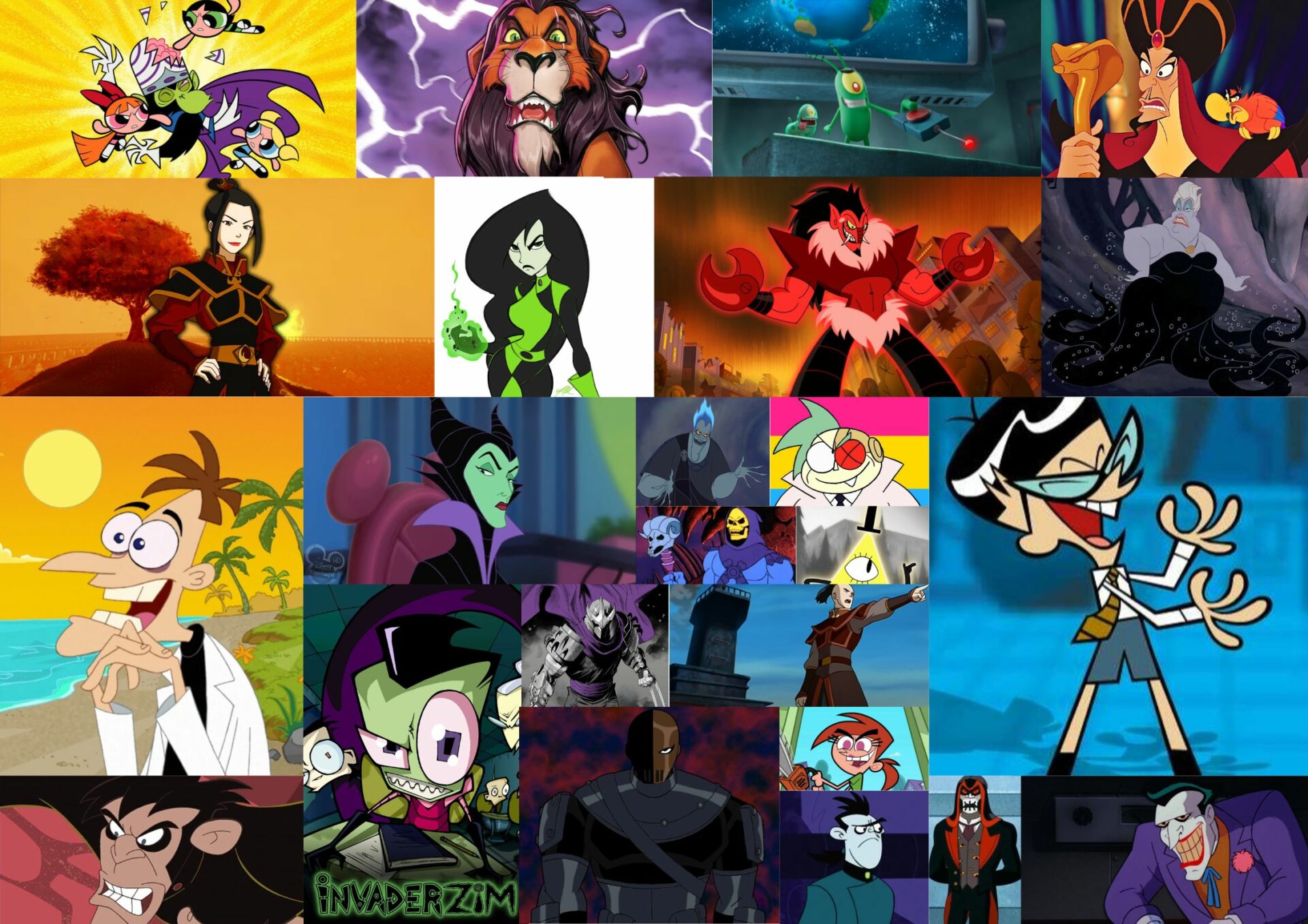
Our list rounds up the top 30 cartoon characters that were villains, each one more wonderfully wicked than the last.
READ MORE
May 6, 2026 .
Lists, MCU
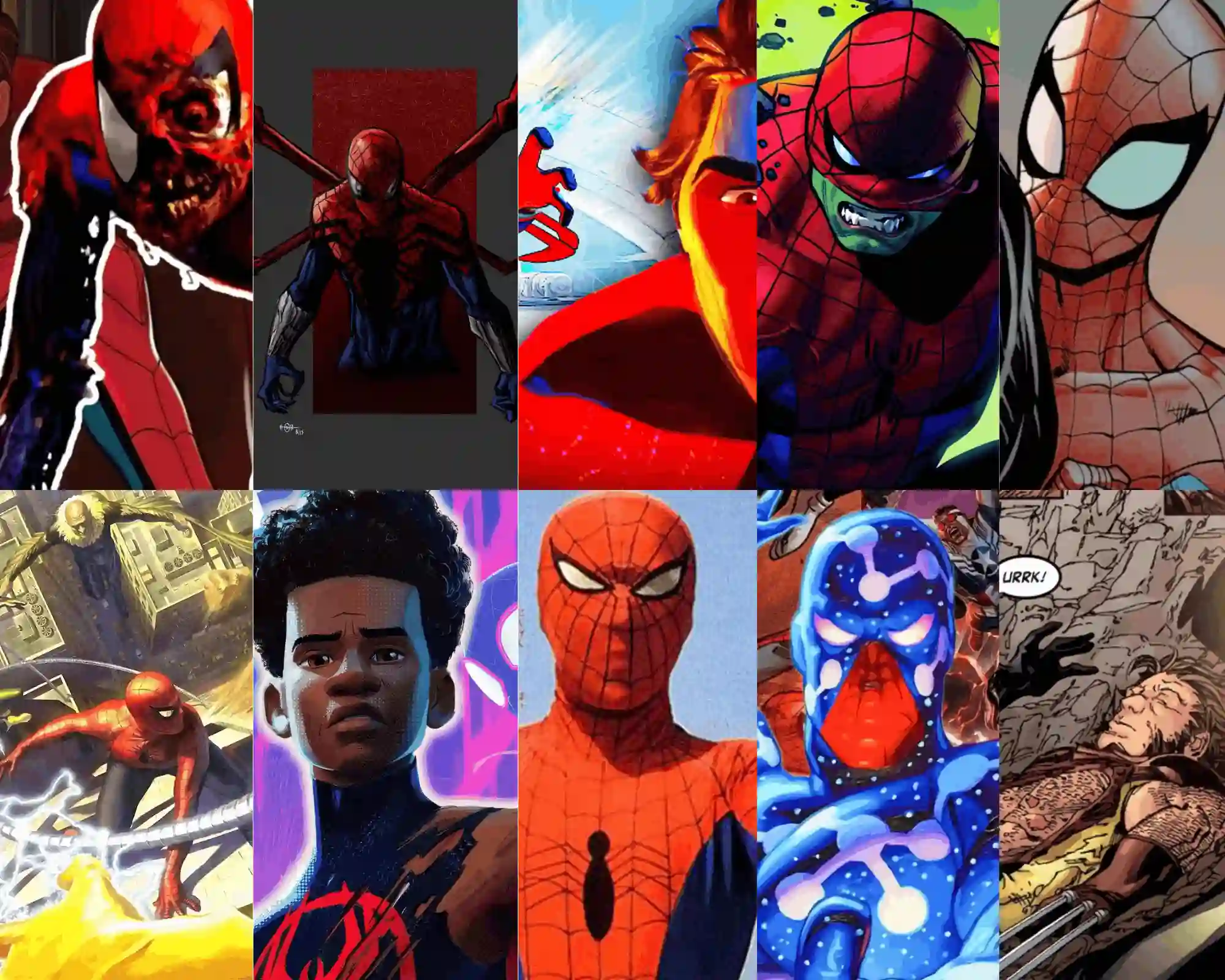
Spider-Man is one of the many superheroes from the Marvel Universe whose stories shaped many childhoods. Who is your strongest Spiderman?
READ MORE
April 29, 2026 .
Lists, Opinions
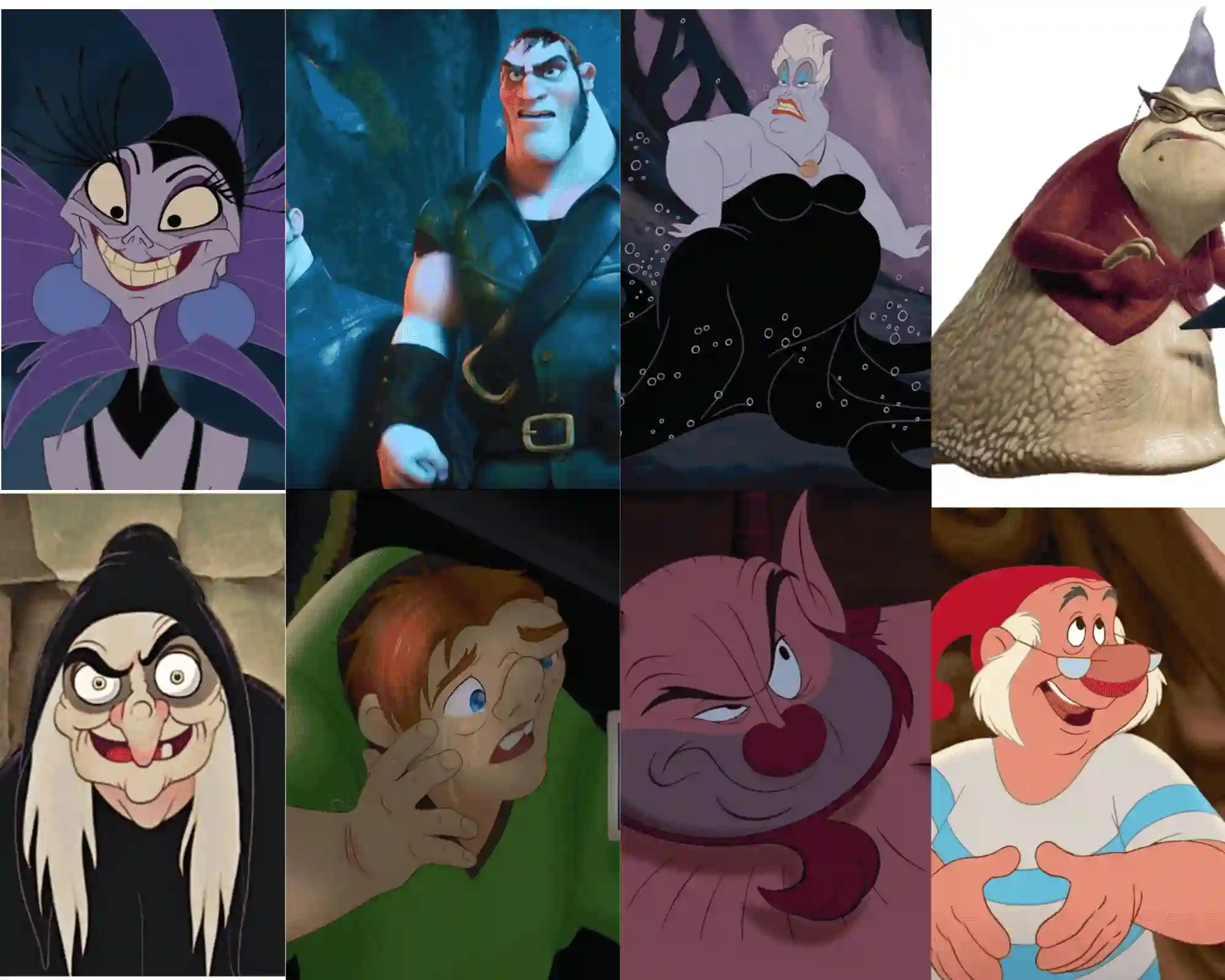
The Mouse is famous for its princesses and princes. However, the studio’s true genius lies in its embrace of “ugly Disney characters”.
READ MORE
October 28, 2025 .
Lists, Marvel, MCU, Opinions
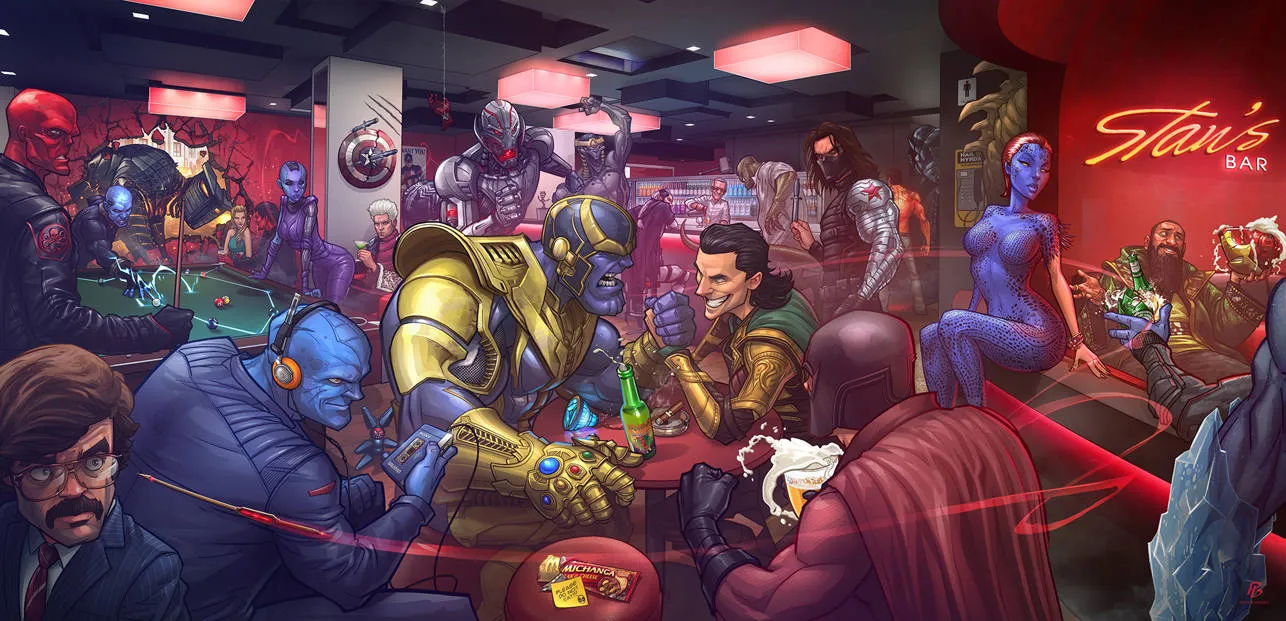
Let’s go through a list of the top 7 strongest Marvel villains, from the wickedly powerful to the absolutely unstoppable.
READ MORE
February 26, 2026 .
Cartoons, Lists
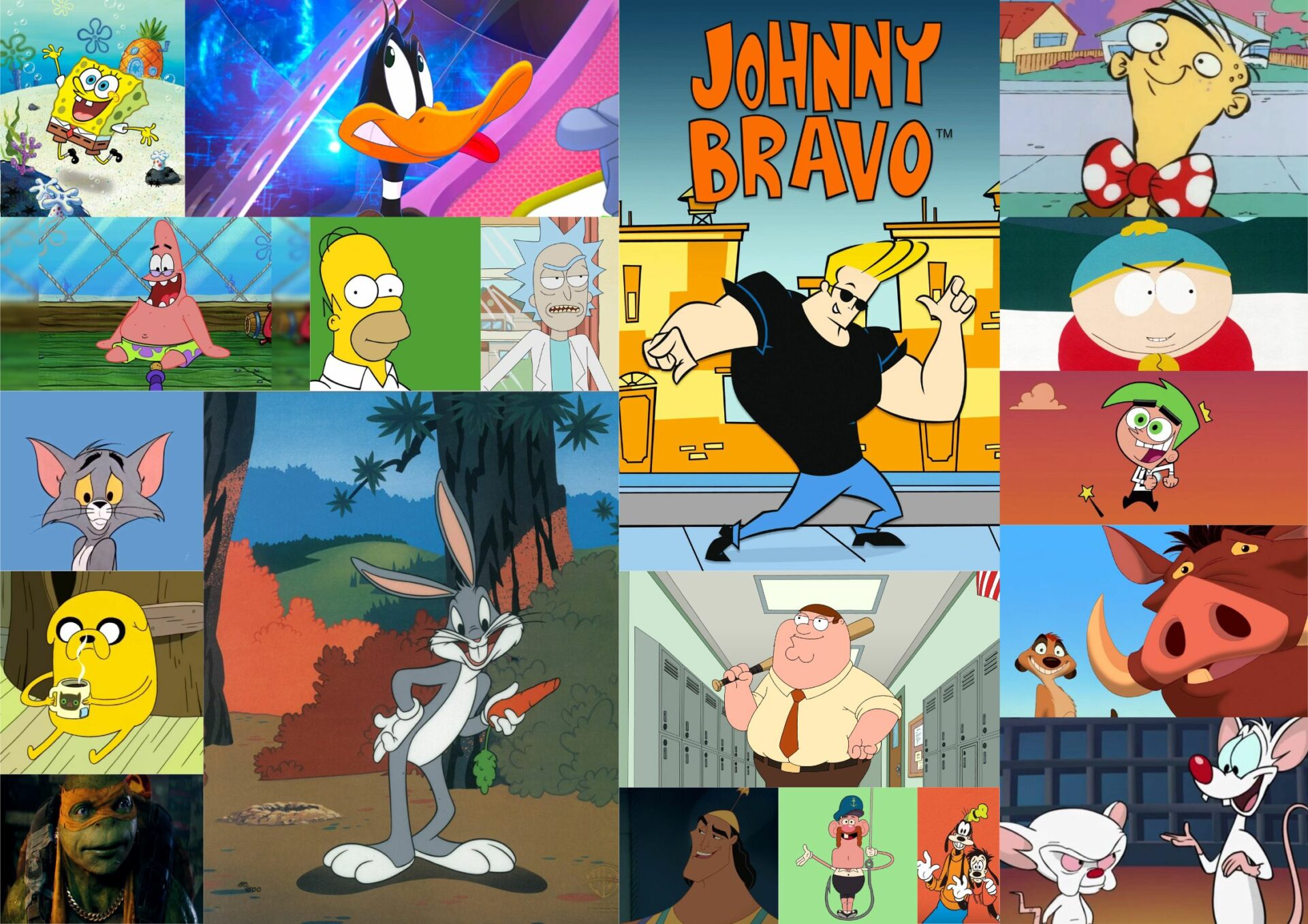
There are some outright funny cartoon characters who exist solely to crack you up, loud, hard, and with zero apology.
READ MORE


July 20, 2025 .
Debates, Opinions
Reading nonfiction about what interests you can provide more color and context that might make your fiction reading experience more enjoyable.
READ MORE
November 24, 2025 .
Debates, Opinions
Reading is active while watching movies is passive. The act of turning pages creates a pause that enhances understanding.
READ MORE

July 20, 2025 .
Audiobook, Debates, Opinions
African novels deserve to be narrated by African voices—not only for authenticity but also to preserve the integrity of the stories.
READ MORE

July 20, 2025 .
Debates, Opinions
If your girlfriend is a stacker, she’s already high maintenance, whether or not you buy the books for her.
READ MORE

July 20, 2025 .
Debates, Fantasy
Despite the occasional criticism that good vs evil fantasy narrows the genre’s scope, its timeless appeal can spawn many new, exciting stories.
READ MORE

July 20, 2025 .
Debates
I will compare the movie and the comic books because, yes, while I liked watching the characters come to life on screen, I did have some gripes with it.
READ MORE

September 12, 2025 .
Debates, Writer Resources
Here’s what you should know about this unique narrative style, a few popular books written in said style, and alternative storytelling POVs.
READ MORE

September 8, 2025 .
Debates, Opinions
Okay, paperback supporters, hold it. That’s enough! The eBook team is about to make a grand entrance. Or is it?
READ MORE
August 13, 2026 .
Debates, Writers Resources
An author can publish independently. This has made it difficult to define the relationship between the internet and reading.
READ MORE
Get our magazine for free!