

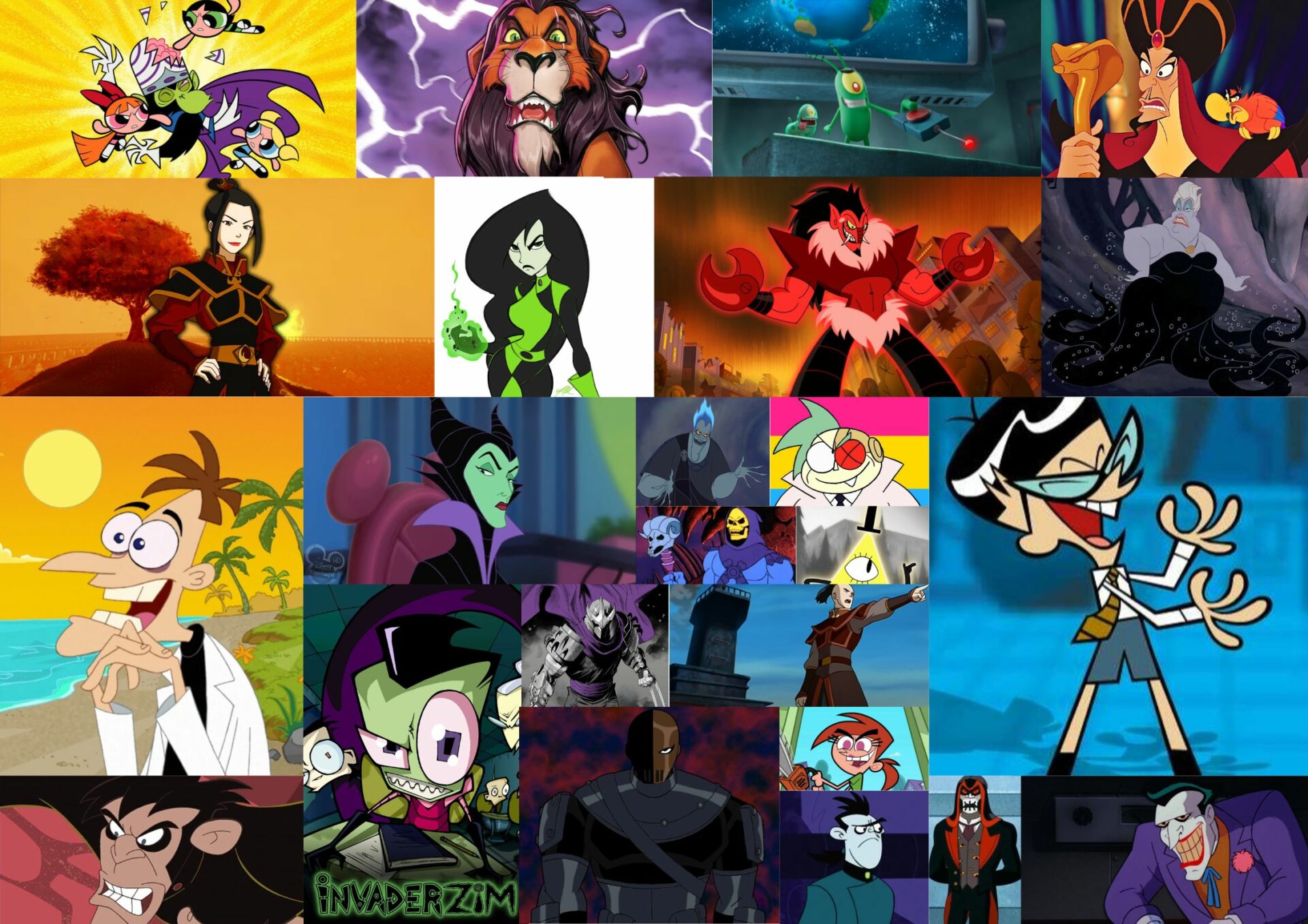
Top 30 Cartoon Characters That Were Villains
Our list rounds up the top 30 cartoon characters that were villains, each one more wonderfully wicked than the last.
Essays
The modern world rests entirely upon ancient ideas. The contributions of ancient Chinese inventions stand as a pillar of human progress.
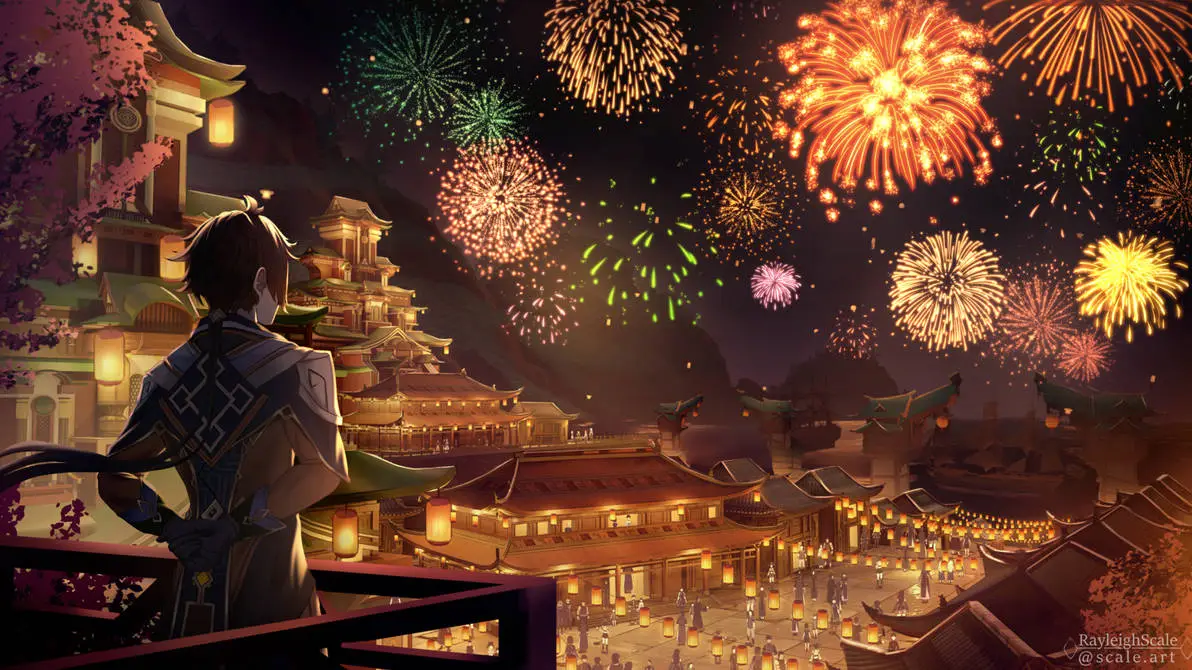
Human history features many brilliant civilisations. The contributions of ancient Chinese inventions stand as a monumental pillar of human progress.
This is why a study of ancient China offers a fascinating insight into how innovations are born. It will also show how they change over millennia. Exploring these marvels offers insight into humanity’s brilliance and its interconnectedness in shaping global development.
This ingenuity, found in the Yellow River valley and beyond, established foundations for modern science, economics, and culture. As a result, it reshaped the past, present, and future.
The spread of information relies on accessible media. Ancient Chinese inventions fueled global literacy and shaped the world of books. These advances enable people to record and share complex ideas, allowing societies to build on previous knowledge.
Before the second century, texts were recorded on bamboo strips or animal skins. Writing on bamboo was tedious and difficult, while animal skins were costly and hard to prepare. Cai Lun, a Han Dynasty court official, invented a material that transformed global administration.

By combining mulberry bark, hemp, rags, and fishing nets, Cai Lun soaked the mixture in vats of water for days. Afterward, he pounded it with a mallet into fine pulp. He then dipped a bamboo screen into the vat to catch a thin layer of pulp. The screen drained the water, leaving a wet sheet on the surface. Once the sheets dried in the sun, Cai Lun created a light, flexible surface that led to the origin of paper.
The advent of papermaking spread literature and created a boom in education, which in turn cemented the empire’s cultural dominance.
Today, the global paper industry produces millions of tonnes of material for packaging, books, and hygiene products, and although modern factories now use huge mechanical rollers and chemical bleaching processes, the fundamental chemistry of cellulose extraction remains unchanged.
After the paper’s invention, reproducing text remained challenging; handwriting was slow and error-prone. Monks carved characters onto wooden blocks, applied ink, and pressed paper on them, creating the earliest printed texts. The Diamond Sutra, from the ninth century, exemplifies this method.

In the eleventh century, Bi Sheng invented movable type from baked clay: he carved individual characters, made them durable with heat, and arranged them on an iron board coated with wax and resin.
This system not only allowed printers to rearrange characters across pages but also saved thousands of hours of manual labour, making the replication of religious texts and government edicts much easier.
Although the Gutenberg press received widespread acclaim in Europe centuries later, the Asian prototype served as its conceptual ancestor. The evolution toward modern digital and 3D printing traces its origins to the same enduring desire for the rapid, mechanical mass reproduction of varied layers and texts.
Carrying heavy metal coins burdened merchants during long journeys. The weight of coins limited how much a caravan could carry. In the Tang Dynasty, merchants left coins with trusted agents for promissory notes, a localized credit system.

The Song Dynasty later formalized the system by issuing state-backed paper money, known as Jiaozi. This changed the global economy, reducing the risk of theft and supporting economic growth. The state backed the notes, decoupling wealth from the value of metal. Modern currencies and digital assets operate on the same principle of institutional trust.
Ancient Chinese inventions in medical philosophies have influenced modern health practices worldwide, as these systems approach the human body as an interconnected ecosystem rather than a collection of isolated parts.
The World Health Organization recognises acupuncture as a valid treatment for numerous conditions. This technique views illness as a disruption of internal harmony. Restoring this balance promotes healing. Ancient physicians developed acupuncture to balance the flow of life force, or Qi.
Practitioners insert thin needles into specific points, mapping an intricate network of meridians in the body. This helps clear blockages and alleviate pain.

Acupuncture is one of the ancient Chinese inventions that is lauded, especially in modern clinical settings. It integrates this traditional technique with newer pain management strategies. It offers relief for chronic migraines, osteoarthritis, and postoperative nausea with sterile, single-use stainless steel needles.
Many modern medical researchers suggest that this needle insertion system stimulates the central nervous system. It releases endorphins and natural painkillers into the muscles, spinal cord, and brain.
In addition to acupuncture, ancient scholars compiled texts detailing the medicinal properties of plants, minerals, and animal products, most notably in the Shennong Ben Cao Jing, which categorized substances by therapeutic effect. Over generations, physicians refined these herbal combinations to treat diseases.

Rigorous botanical study laid the groundwork for modern pharmacology. For example, in the twentieth century, Tu Youyou researched ancient texts to find a cure for malaria.
She discovered sweet wormwood in a fourth-century manual, extracted artemisinin from the plant, and this compound has since saved millions of lives worldwide. Today, pharmaceutical companies continue to analyze ancient herbal remedies as sources for new active ingredients in modern medications.
Understanding the physical world and navigating its vast expanses required precise instruments, making navigation critical for exploration. The ability to cross oceans without getting lost changed the course of human history and enabled connections between distant societies.
Han Dynasty diviners observed that lodestone, a magnetic ore, aligned with Earth’s poles. They carved it into a spoon, which rested on a bronze plate marked with directions.
In the Song Dynasty, scholars like Shen Kuo recorded magnetic declination. Sailors refined this tool, using magnetised iron needles in water for oceanic navigation.

Before compasses, mariners stayed near coasts or relied on clear skies. The magnetic needle allowed safe ocean crossings regardless of weather. This enabled the Age of Discovery. Today, GPS and smartphones serve the same purpose: guiding travelers with invisible forces.
Early maritime vessels used fragile steering oars along the hull that demanded immense strength in rough seas. Chinese shipwrights addressed this by inventing the stern-mounted axial rudder during the Han Dynasty, attaching a steering blade to the back of the ship and controlling it with a tiller.

This advantage allowed one helmsman to steer large ships through difficult waters. It made Admiral Zheng He’s treasure ships possible. The technology spread to Europe, enabling ocean exploration. Modern ships and submarines still use this principle, with electronic adaptations.
The desire to create new inventions brought unintended, life-altering consequences, as scientific curiosity occasionally produced tools of immense destruction.
By mixing saltpetre, charcoal, and sulphur, Daoist alchemists created a volatile compound. To maximize its explosive force, these early chemists documented precise proportions. The military quickly adapted this innovation for fire arrows, bombs, and the first firearms known as fire lances.

Gunpowder changed war, breaching walls and altering geopolitics globally. Its formula spread across Eurasia, leading to the development of cannons and muskets that made castles obsolete. Modern explosives, rockets, and ballistics still rely on its chemistry.
While bows existed in many ancient cultures, the crossbow’s invention in ancient Chinese inventions revolutionised infantry warfare. Its success stemmed from a complex, mass-produced bronze trigger: this interlocking device held the bowstring under intense tension, letting soldiers aim calmly without physical strain.

The Qin Dynasty equipped entire armies with these weapons. Furthermore, the trigger parts were cast to precise standardisations. If a piece broke on the battlefield, a soldier could replace the specific part from another broken weapon.
This represented one of the earliest examples of interchangeable parts in manufacturing. Now, modern compound bows, professional sports equipment, and modular manufacturing concepts reflect the engineering genius behind the ancient crossbow trigger.
The desire for luxury goods drove international trade routes and cultural exchange, and this, in turn, led to the transformation of raw materials into items of unprecedented beauty and utility.
Legend credits Empress Leizu with discovering silk after a cocoon fell into her hot tea, unravelling a shimmering thread that artisans later mastered weaving using complex looms.

Yet for a while, the cultivation of the Bombyx mori silkworm and the production secrets of this fabric remained under strict imperial guard. This created an industry for smugglers who would risk their lives to export silkworm eggs to rival nations.
However, as times changed, this fabric was opened up to the world and became a status symbol across Europe and Asia, creating the famous Silk Road trade network.
These days, fashion houses prize silk for its unique texture, strength, and sheen. In addition to fashion, medical professionals use refined silk sutures for delicate surgeries due to the material’s biocompatibility and tensile strength.
Potters mixed kaolin clay with petuntse rock and heated the mixture to extreme temperatures in specialised kilns.
They produced a translucent, durable, and waterproof ceramic known as porcelain. The high temperatures vitrified the materials, creating a glass-like surface. The material’s non-porous nature made it ideal for dining, chemical storage, and art.

The brilliant glazes, particularly the cobalt blue-and-white designs of the Ming Dynasty, transformed everyday objects into masterpieces. Museums across the world display these fragile treasures in pristine condition.
Modern applications extend far beyond tableware. Engineers use industrial porcelain for high-voltage electrical insulation on power lines and in the creation of dental crowns.
Understanding natural phenomena and the passage of time required sophisticated instruments. Ancient engineers built devices to measure the invisible forces of nature.
Earthquakes devastated ancient communities without warning. Zhang Heng, a brilliant astronomer and mathematician, invented the first earthquake detector in the second century. His bronze vessel featured eight dragons holding bronze balls in their mouths. Eight toads sat below the dragons with their mouths open.

A tremor from a distant earthquake would cause a carefully balanced internal pendulum to swing. This dislodged a ball from a specific dragon into a toad’s mouth, indicating the cardinal direction of the earthquake. The emperor required immediate notification of natural disasters to dispatch aid and military support.
This early detection system helped preserve social order during crises. Modern seismometers use electronic sensors and electromagnetic pendulums to detect tectonic shifts, saving lives through early warning systems and tsunami alerts.
Monks, scholars, and astrologers needed to track time for complex rituals and precise astronomical observations. Yi Xing created the first known escapement mechanism for a water-powered armillary sphere. This mechanism regulated the continuous flow of water into discrete, measurable ticks.

In subsequent generations, the engineer Su Song built a massive astronomical clock tower standing over thirty feet tall.
These machines regulated the flow of power to measure time in distinct intervals. The measurement of hours and minutes brought absolute order to complex urban societies. The coordination of civic, agricultural, and religious life depended on these massive structures.
Modern mechanical watches, atomic clocks, and the quartz processors inside computers echo the creativity of the first clockmakers who sought to capture and divide the flow of time.
The modern world rests entirely upon ancient ideas. These historical breakthroughs show humans’ enduring desire to improve their lives, understand nature, build resilient societies, and connect with others.
Every great technological leap begins with a simple observation of the natural world and the determination to harness its potential. Studying these achievements reminds us to appreciate our shared, global heritage. No single culture holds a monopoly on genius.
The flow of ideas across continents over centuries proves that innovation is a collaborative human endeavour. Each interaction with a printed page, a digital map, a wristwatch, or a paper banknote should stand as an ode to the ancient Chinese inventions and remain a constant, unbreakable thread in humans’ pursuit of learning.

Our list rounds up the top 30 cartoon characters that were villains, each one more wonderfully wicked than the last.

DC is great at making comics and animated movies, while the MCU has the upper hand in its cinematic aspects

Discover the best apps to read books for free in 2025. Access thousands of free e-books and audiobooks on your phone or tablet. ...

There are some outright funny cartoon characters who exist solely to crack you up, loud, hard, and with zero apology.

Things Fall Apart is for the colonizers as well as the colonized, helping to understand the role of colonialism in the realization...

While many of the Nollywood movies on our list are quite old, it’s a testament to the capabilities of the industry’s p...
While this isn’t an exhaustive list, it comprises some of the most popular mythical creatures from around the world.
Get our magazine for free!