

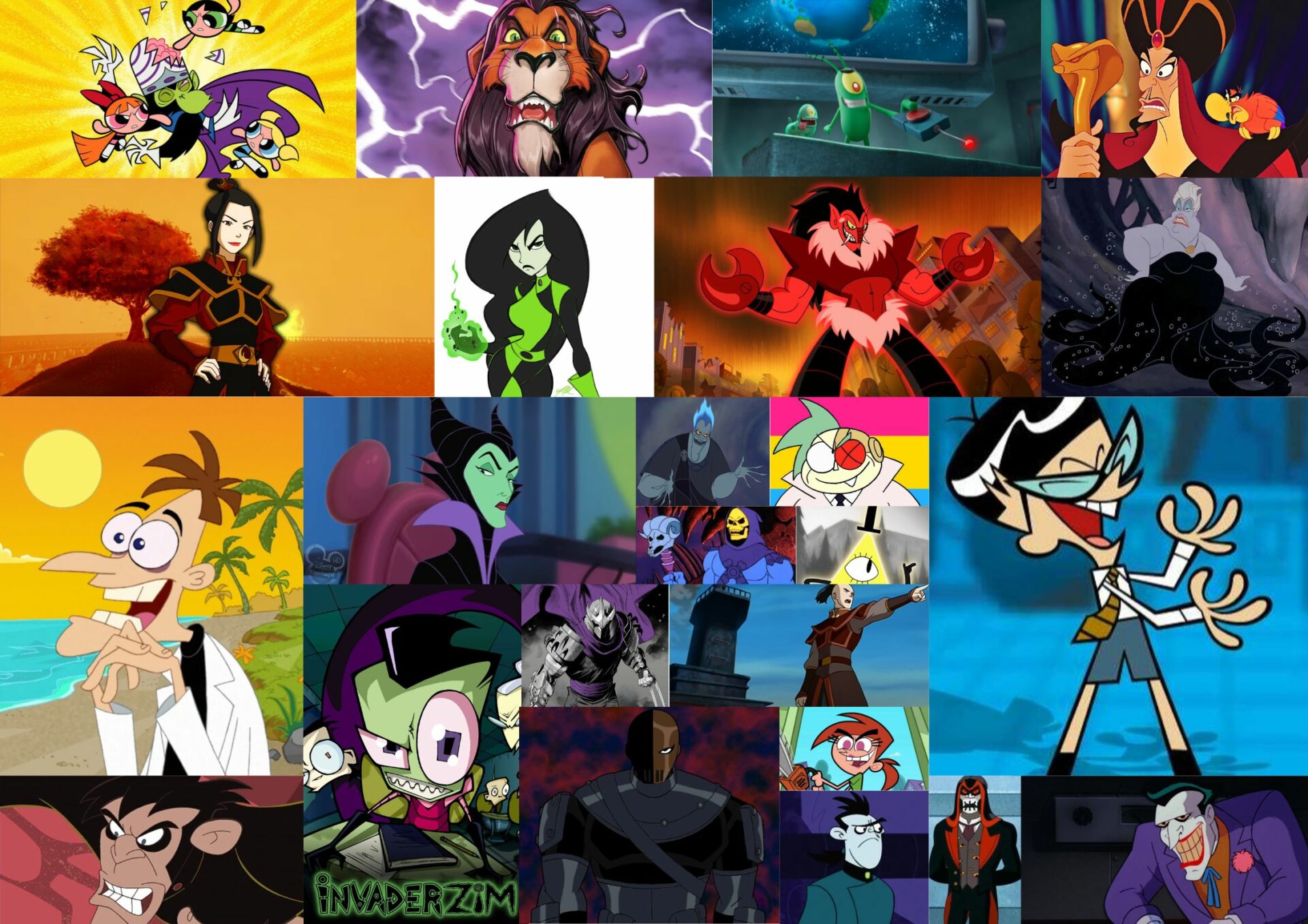
Top 30 Cartoon Characters That Were Villains
Our list rounds up the top 30 cartoon characters that were villains, each one more wonderfully wicked than the last.
Motion Picture, Opinions
The Roses accidentally mirrors the gaslighting experience. We keep waiting for the moment of no return, and it keeps not giving it to us.
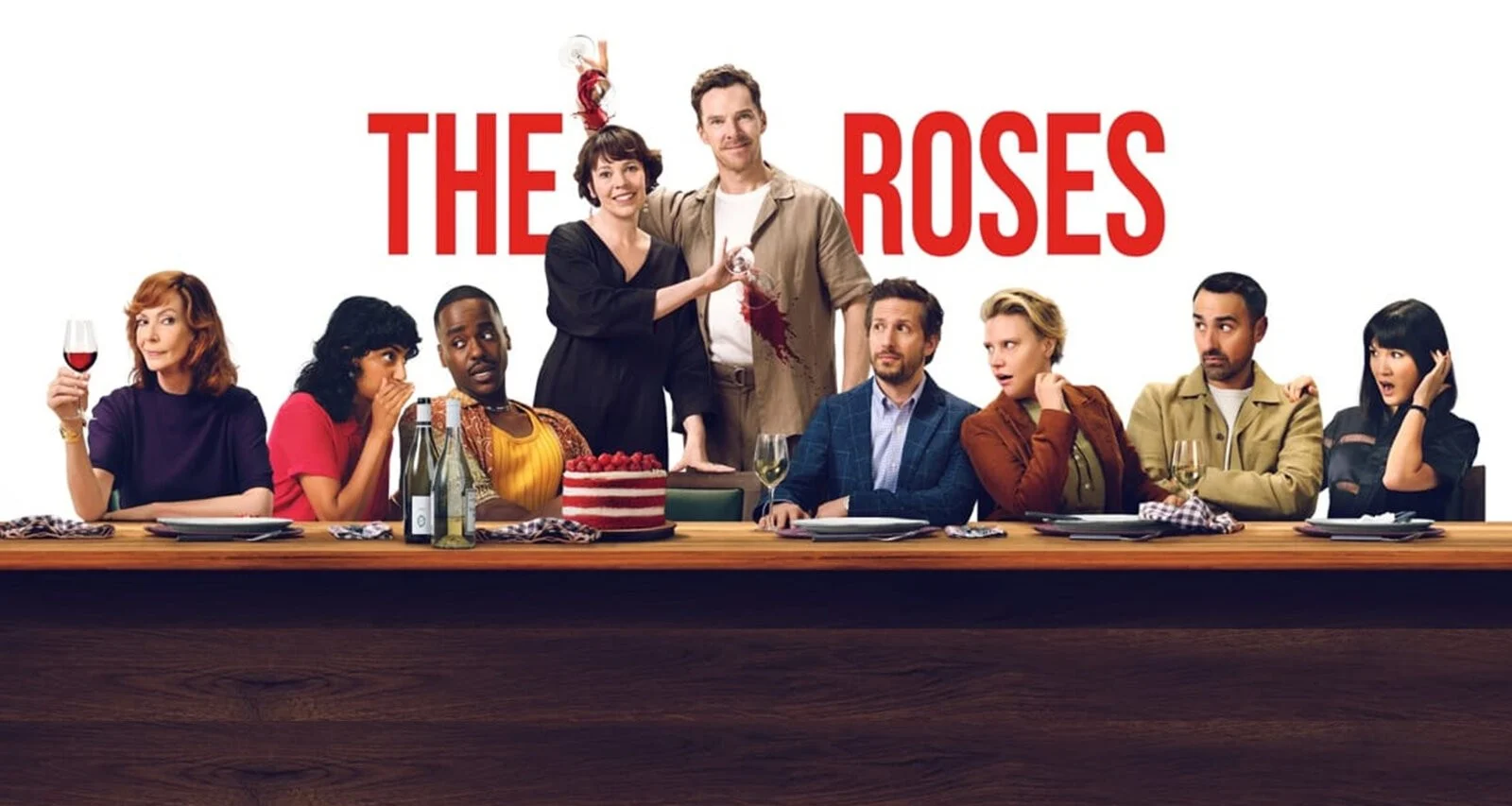
What happens when two narcissists fall in love and start a family together? Chaos and Mutually Assured Destruction, that’s what.
In the beginning, it’s all rosy and matching each other’s freak, in an intense and fast-paced romantic buildup. Then it becomes a competitive, toxic battleground for dominance.
The Roses is a classic tale of how a picture-perfect love story slowly morphs into a cautionary tale of why two narcissists can’t coexist in a marriage. This 2025 adaptation of Warren Adler’s 1981 novel, The War of the Roses, is also a remake of the self-titled 1989 film starring Michael Douglas, Kathleen Turner, and Danny DeVito.

The movie revolves around Theo, a successful architect and entitled man-child (played by Benedict Cumberbatch), and Ivy, a brilliant chef with questionable parenting and life skills (played by Olivia Colman).
The film starts as a romcom, complete with a meet-cute at Ivy’s restaurant, after which they proceed to have sex in a walk-in freezer (and violate so many health codes).
Fast-forward several years, and they’ve moved to the US and have two kids. Theo is the breadwinner and super successful at his architectural firm, while Ivy is the stay-at-home mom. She has a small restaurant that she treats more as a pet project than an actual business.
Theo supports her dreams (in theory) while Ivy roots for him to design his most ambitious project yet. While they’re both narcissists, Ivy’s is more subtle.
This dynamic of Theo being the star of the show and sole breadwinner works until everything changes. One night, a freak storm destroys Theo’s building project on its grand opening, flushing his career down the toilet. That same night, Ivy’s small roadside restaurant sees an influx of customers (thanks to the same storm) and becomes a sensation.
Thanks to a glowing review from a critic, Ivy becomes an overnight success and lands a deal to open a chain of restaurants across the country.
A role reversal happens, Theo becomes the stay-at-home dad (because no one would hire him again), and Ivy becomes the successful one.
And so begins the conflict.

The Roses serves as a satirical dissection of a “perfect marriage” that detonates under the weight of ego, narcissism, and resentment, with both parties equally to blame.
On paper, Theo and Ivy Rose are the couple everyone wants to be. Successful careers, beautiful kids, a house that looks like it belongs in an architectural digest. They’re polished, ambitious, and magnetic together. The kind of couple that makes you question your own life choices at dinner parties.
But here’s the thing about narcissism: it loves an audience. It thrives in the performance of love, in the curated version of a relationship that looks flawless from the outside.
The movie slowly peels back that facade, revealing that the picture-perfect couple was never a foundation. It was a front. And the moment the spotlight shifted, everything underneath it cracked.
Unlike many satirical rom-coms, the one thing that works in The Rose is that you can genuinely see that Theo and Ivy loved each other at the beginning. Their mutual admiration was real. They wanted each other to win, which makes what follows not just messy but tragic.
So, it starts the way it always does for narcissists—intoxicatingly; the meet-cute in Ivy’s restaurant kitchen, the undeniable chemistry, the sex in the walk-in freezer. Theo is charming, ambitious, and completely locked in on Ivy. She mirrors his energy back perfectly. Together, they feel electric.
This stage is the love-bombing phase, designed to feel like destiny. It paints Theo and Ivy as kindred souls embarking on a grand adventure. It’s the two of them against the world.
Narcissists are magnetic in the beginning because they are exceptional at mirroring, reflecting exactly what you want to see.
Theo’s grand gestures (like buying Ivy her dream restaurant) feel romantic. And maybe in the moment, they even are. But grand gestures from a narcissist are never purely selfless. They are investments. They are IOUs dressed up as love. The unspoken contract underneath every gesture is: “I did this for you, so you owe me your admiration forever.”
When Ivy eventually outgrows the role Theo cast her in, he doesn’t just feel hurt. He feels robbed.

While watching the movie, my patience with Theo Rose was tested repeatedly. He’s a very hard character to like. Even in the moments where you almost feel sorry for him, he does something that reaffirms your dislike for him.
Theo is, at his core, a man who built his entire identity around being the star of the show. The brilliant architect. The provider. The one whose success gave the marriage its structure. So when his building, his magnum opus, literally collapses on its grand opening night, it doesn’t just end his career. It detonates his entire sense of self.
And this is where the film becomes a masterclass in the narcissistic wound. For all his passion and intellect, Theo cannot handle irrelevance. He cannot process the fact that the same storm that destroyed his life handed Ivy hers.
Theo’s resentment builds slowly. Watching Ivy’s restaurant go from a small hobby she barely took seriously to a nationwide success is, for Theo, not just painful. It’s an affront.
It wasn’t Ivy’s fault that she became successful while his career failed, but he punished her for it.
Here’s the question the film never quite answers directly but constantly gestures toward: why doesn’t Ivy just leave? Even when it’s obvious they no longer love each other, but merely tolerate each other. Their kids are even happy when they hear about the divorce.
The easy answer is the house. The seaside Mansion that Theo designed and built, funded by Ivy’s money. They both want it, neither will concede it, and so they stay locked in the same space like two live wires refusing to disconnect.
The house is really a symbol of everything they built together: their life, their identity, the version of themselves that existed only within the marriage. Walking away from the house means admitting that version of yourself is gone.
It’s the only thing Theo wants in the divorce settlement. It’s his pride and joy. The proof that he still had it in him after his career imploded and ruined his sense of self. Ivy wants to keep it because it’s her money that built his dream house, and she wants to spite him.
Ivy is not innocent in any of this. She’s a narcissist too, albeit subtler than Theo. She let her career consume her so completely that her children bonded more tightly with Theo than with her. And instead of sitting with that loss honestly, she accused him of stealing her children.
Yes, Theo raised the kids for three years after Ivy went back to work full-time, but Ivy had been the stay-at-home parent until they were ten. Theo’s strict regime with the kids made Ivy feel shut out from their lives, and she didn’t know how to deal with that.
They were both selfish people. The tragedy is that they were selfish in incompatible directions, and neither could see it clearly enough to stop.

It’s at this point that The Roses stops being a dark comedy and starts functioning as a documentary.
The sabotage begins small, petty, and almost laughable. Theo messes with Ivy’s restaurant orders. Ivy retaliates with his clients. And then the escalation becomes relentless. By the time we get to triggering a severe allergy and withholding medical help as a power move, we’re no longer in the territory of “toxic couple behaving badly.” We’re watching a narcissist deploy his full arsenal.
While Theo claimed he wasn’t going to let her die (debatable), going as far as triggering an allergic reaction and holding her EpiPen as hostage until she accepted his terms was irredeemable in my eyes. And you could see it had escalated beyond pettiness.
These aren’t random acts of cruelty. They follow a recognizable pattern, what psychologists call DARVO: Deny, Attack, Reverse Victim and Offender. Theo provokes, Ivy reacts, and suddenly he’s the wounded party. The narrative keeps shifting, the goalposts keep moving, and Ivy keeps getting pulled deeper into a war she didn’t start but can’t seem to walk away from.
Here’s the criticism most reviewers landed on: The Roses doesn’t go dark enough, at least not as dark as the previous adaptations. It pulls its punches. For a story about two people destroying each other, it stays surprisingly watchable, almost comical at times.
And honestly? That might be its most accidental insight.
Because that is exactly how narcissistic relationships work in real life. They rarely tip into something so obviously terrible that you can point at it and say, “There, that’s the moment everything broke.”
Instead, they hover in this maddening middle ground; bad enough to exhaust you and functional enough to keep you second-guessing yourself. The film doesn’t go dark enough, and neither does the relationship, right until it does, and by then it’s too late.
The Roses accidentally mirrors the gaslighting experience. We keep waiting for the moment of no return, and it keeps not giving it to us. Whether that was intentional or a failure of nerve, it ends up being the most truthful thing about it.

In the end, the house was everything.
It was the physical manifestation of the life they were promised, the dream they co-authored before resentment rewrote the whole story. Neither Theo nor Ivy will give it up, not because of its square footage or its ocean view, but because surrender means accepting that everything they destroyed each other over was ultimately not worth it.
And that’s the final, quiet horror of marrying a narcissist. It doesn’t end with a dramatic revelation. It ends with two people standing in the ruins of something once beautiful, each convinced the other burned it down, neither willing to let go of the ashes.
Chioma is a creative who writes everything from tech reviews, B2B/B2C marketing content, movie reviews, and blog posts for websites and businesses. She loves reading Fantasy, YA, Thriller, and Chick-Lit. She has an avid fascination with tech and how it improves our daily lives. In her free time, she binges TV shows and movies, reads fan-fiction if they don’t end the way she wanted them to, and writes movie reviews about the best and crappiest ones.
Our list rounds up the top 30 cartoon characters that were villains, each one more wonderfully wicked than the last.
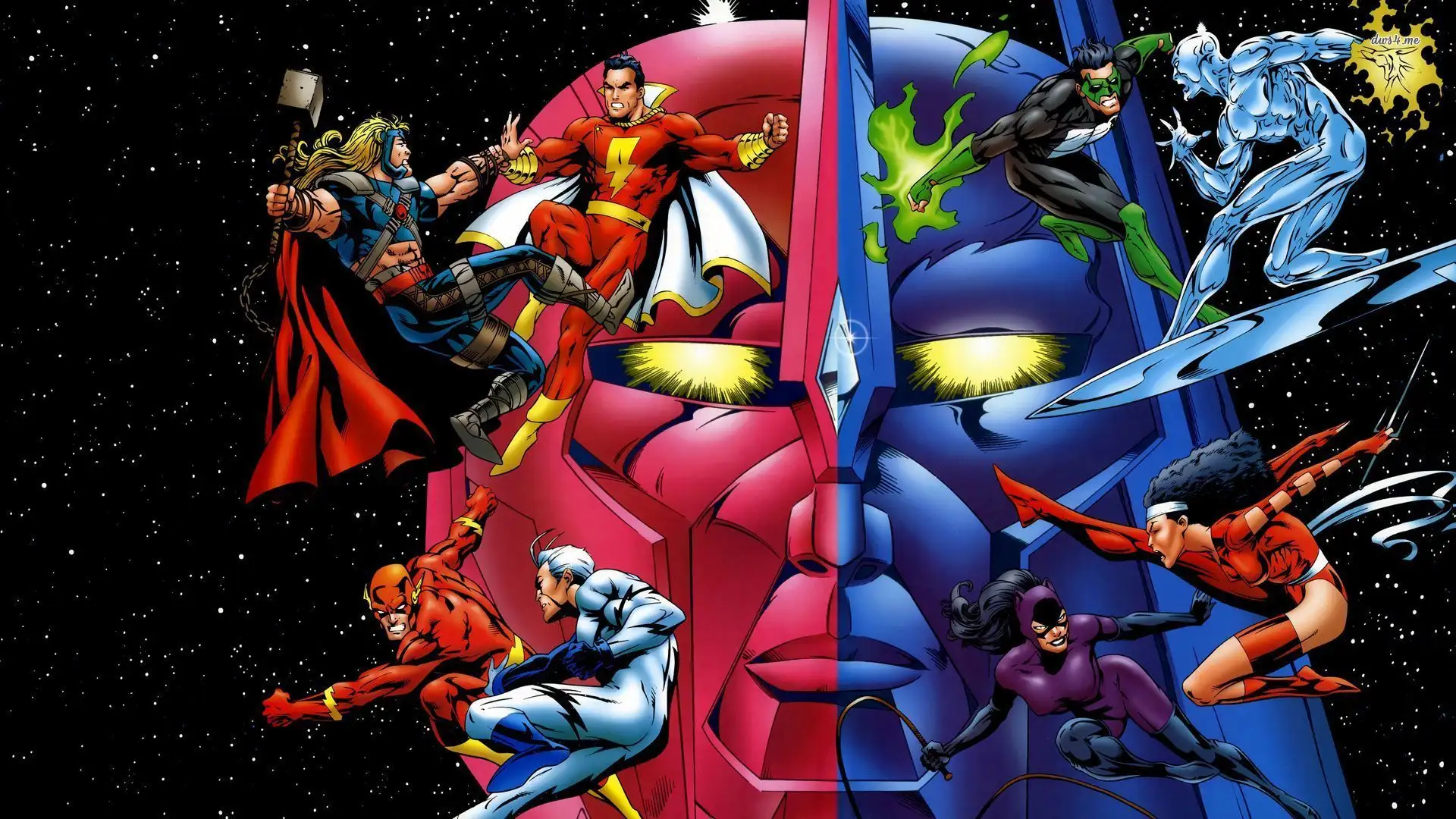
DC is great at making comics and animated movies, while the MCU has the upper hand in its cinematic aspects
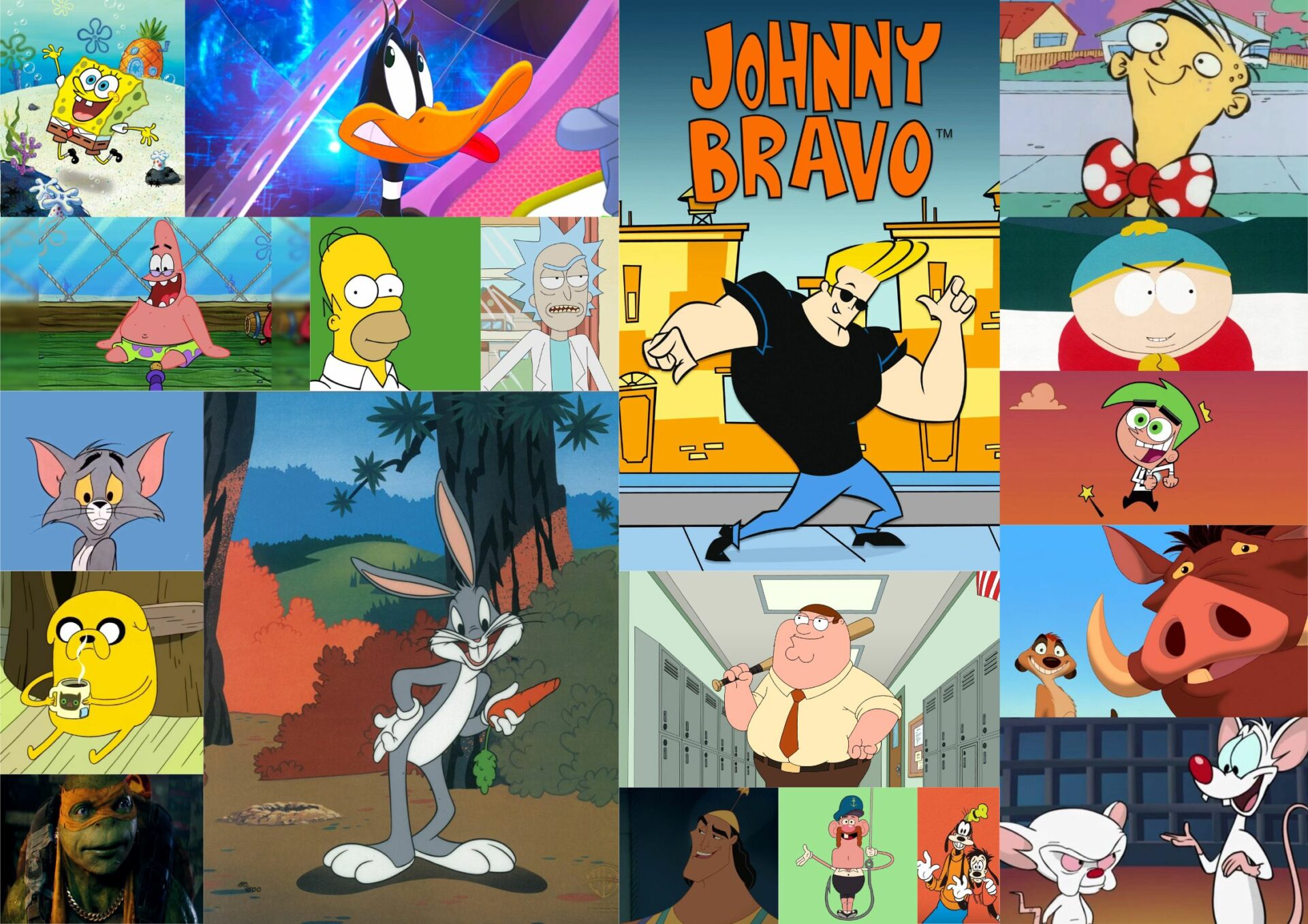
There are some outright funny cartoon characters who exist solely to crack you up, loud, hard, and with zero apology.

Discover the best apps to read books for free in 2025. Access thousands of free e-books and audiobooks on your phone or tablet. ...

Things Fall Apart is for the colonizers as well as the colonized, helping to understand the role of colonialism in the realization...

While many of the Nollywood movies on our list are quite old, it’s a testament to the capabilities of the industry’s p...

While this isn’t an exhaustive list, it comprises some of the most popular mythical creatures from around the world.
Get our magazine for free!