Close menu
Ranking the best of African Literature





















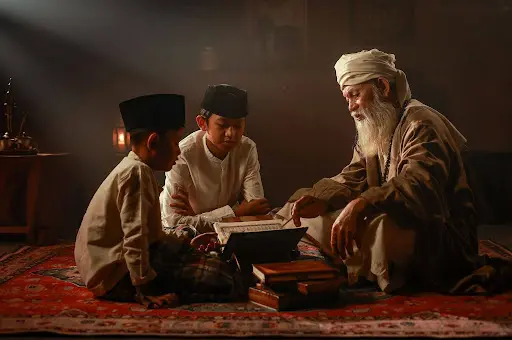



At the heart of this craft sits the relationship between mood and literature, a dynamic that allows words to become a breathing space.
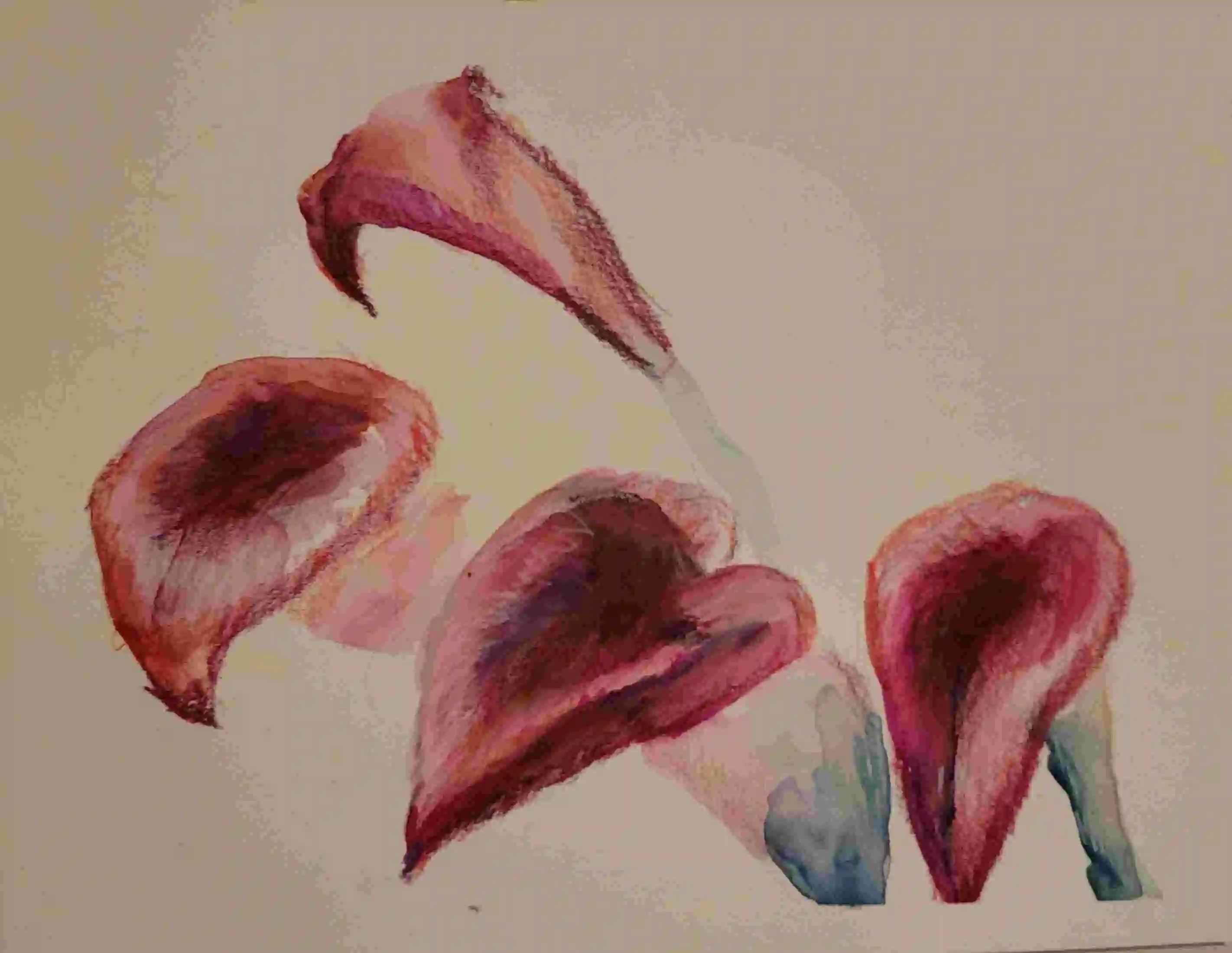
If an author writes, “The room was creepy.”, the message has been passed across. But what if the writer says, “The floorboards groaned underfoot, and the single, unshaded bulb cast long shadows that danced across the peeling wallpaper”?
Suddenly, the whole scene is experienced rather than described. That is the magic of Show, Don’t Tell, and it is the ultimate weapon for establishing mood in literature.
At the heart of this craft sits the relationship between mood and literature, a dynamic that allows the collection of words to become a breathing psychological space. Many assume it simply means replacing statements with descriptions, but the principle runs much deeper than that.
Understanding this correlation is a practical skill that enables writers to create stories readers can feel.
Mood is the emotional atmosphere surrounding a scene, chapter, or entire story. It is the response that authors aim to evoke in readers, making the entire reading experience memorable and immersive.
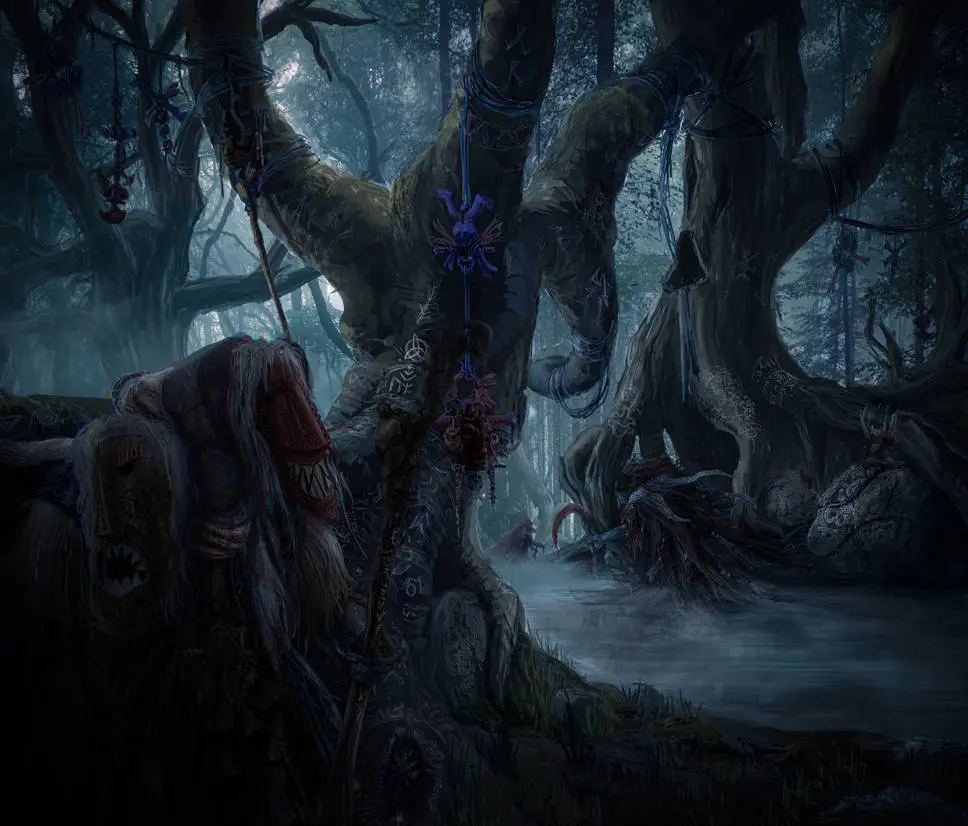
Unlike emotion, which belongs to the characters, mood belongs to the audience. A character might feel confident while the mood remains ominous because readers know something the character doesn’t. Likewise, a character may be terrified while the mood is humorous if the circumstances are deliberately absurd
Before we dive into the how, let’s clarify the what. Writers oftentimes confuse mood with tone, but they are two distinct terms in literature. Tone is the author’s or a specific character’s attitude toward a particular subject matter.
Inflection brings the reader a little closer to the author or character whose viewpoints are being expressed, giving the reader insight into their disposition and personality. It can aid in revealing and helping the reader understand a character’s evolution throughout the plot.
On the other hand, mood is built from the ground up using the environment, sensory details, and subtext.
In the interplay between mood and literature, the goal is to construct an invisible emotional sequence. Relying on explicit emotional labels, such as declaring a forest “spooky” or a room “depressing”, collapses this sequence and rushes the audience, preventing them from fully immersing in the story. Instead of stating that the room was creepy, allow them to draw the inference.
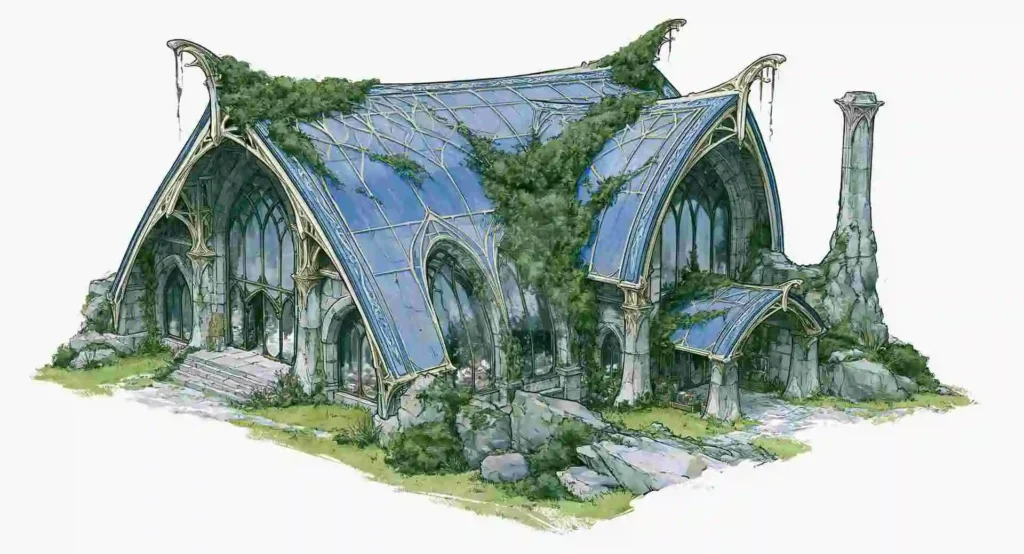
Mood emerges from multiple elements working together and not from descriptions alone. Here are some great tips for using mood effectively in your writing.
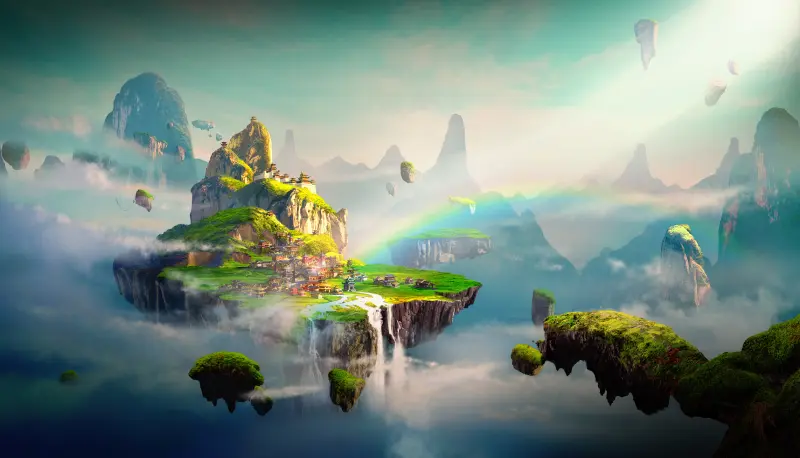
The environment is often the first contributor to mood. When writing about the setting, it should be described as vividly as possible.
Take these settings, for example: a playground at noon, the sun high in the sky, filled with laughing children running across the grass. The same playground after midnight, with rusted swings creaking in the wind, the sound echoing in the distance.
The location remained the same, but the mood shifted completely because of the time, atmosphere, and sensory details. Setting is the perfect way to ‘show don’t tell’ and allow your reader to truly feel. Utilize sensory words that are synonymous with the setting, and describe what it looks, feels, and even sounds like.
In the same way that we pick our setting details to establish mood, we can also carefully engage the five senses to enhance it.
The more senses you engage, the stronger the mood becomes. For example, simply stating that the kitchen felt warm as soon as a character entered the room, consider saying “Butter crackled in the pan, with the smell of cinnamon drifting through the air and steam fogging the windows while the old kettle whistled on the stove”.
Similarly, horror often relies on sounds that cannot be identified, unpleasant smells, cold air, or the uncomfortable sensation of being watched. The senses of sight, taste, touch, smell, and sound can all enhance the scene’s atmosphere and make the reading experience more vivid for our readers.
Individual words possess emotional weight. The right words will elicit the desired mood for writing.
The use of verbs to describe certain actions: for example, “The dog walked across the yard” and “The dog stalked across the yard.” Each verb creates a different mood, even when describing essentially the same action. Even adjectives influence atmosphere. A “small house” feels different from a “weathered cottage,” which feels different from a “decaying shack.”
Another way to set the mood through words is through dialogue. For instance, if you want to set an ominous mood for a certain scene, you can have the characters express themselves and how scared they feel. They can point out how off-putting some items in their environment are, or how creeped out they feel. The emotional associations hidden inside words shape the reader’s experience. The key is to ensure that the dialogue is realistic and does not come across as fake.
Mood in literature is also influenced by rhythm. How fast-paced or slow-moving a scene or sentence is portrays the author’s intentions for that scene.
Fast, fragmented sentences create a sense of urgency or fear, while longer, flowing sentences slow readers down and encourage reflection. The speed of your prose becomes part of the emotional experience.
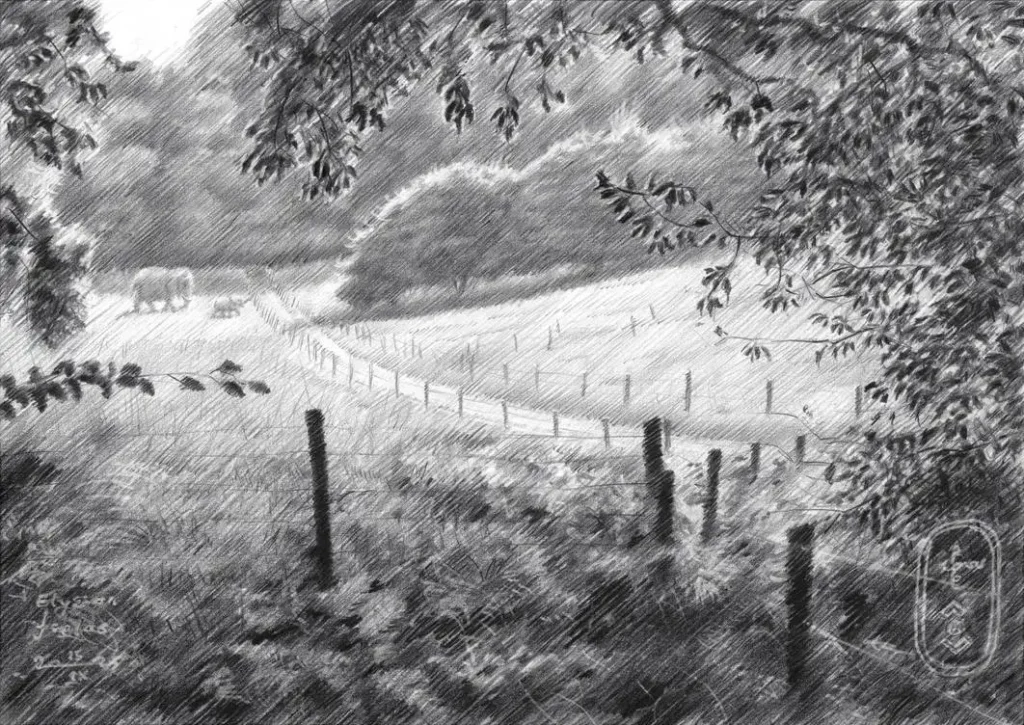
Mood can take countless forms, but some appear repeatedly across genres.
Suspense depends on uncertainty; the readers sense that something is coming but don’t know when or how. It creates a tight, uncomfortable atmosphere, keeping readers on edge and ready to find out what happens next.
Uncertainty can be achieved through cliffhangers, a foreboding atmosphere, or even a character’s thoughts. If done properly, it can create a sense of satisfaction, making readers feel as if they are discovering secrets with the protagonists.
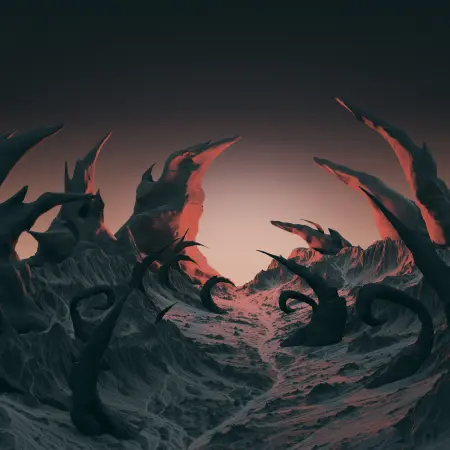
While suspense builds anticipation, an ominous mood establishes a deep, lingering sense of horror, rot, or existential doom. This is the hallmark of Gothic fiction and psychological horror, where the psychological space feels actively hostile.
Melancholy encompasses sadness, reflection, longing, and acceptance.
This mood helps create a meditative atmosphere where characters and, consequently, the readers explore themes of nostalgia, regret, or unfulfilled desires.
This emotion evokes a bittersweet longing for the past, a trip down memory lane, which immerses readers in reflective emotions, prompting empathy and emotional resonance.
Reminiscence is often found in coming-of-age narratives, historical fiction, and memoirs; a blend of warmth with a subtle, aching undercurrent of loss. This mood deepens character development, giving readers a glimpse into their backstory and, in turn, creating emotional depth.
Romantic mood in literature evokes feelings of love and passion between the two characters.
It is the art of shrinking the universe until only those two characters exist, creating an atmosphere of safety, heightened awareness, and mutual vulnerability, heightening the senses.
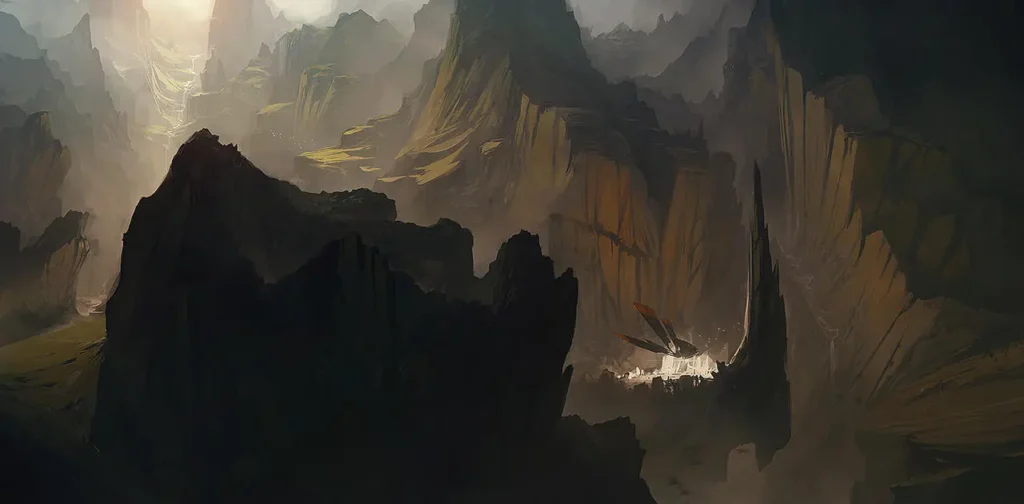
Mood is the emotional glue that keeps a story together, ensuring readers care about the characters.
Mastering mood and literature is therefore less about writing more description and more about writing with greater intention, trusting the readers to interpret the meaning.
The successful application of ambience in a literary work relies on the author’s ability to accurately balance the story’s setting, tone, and diction.

15 Writing-Adjacent Careers for Writers Looking for a Career Change
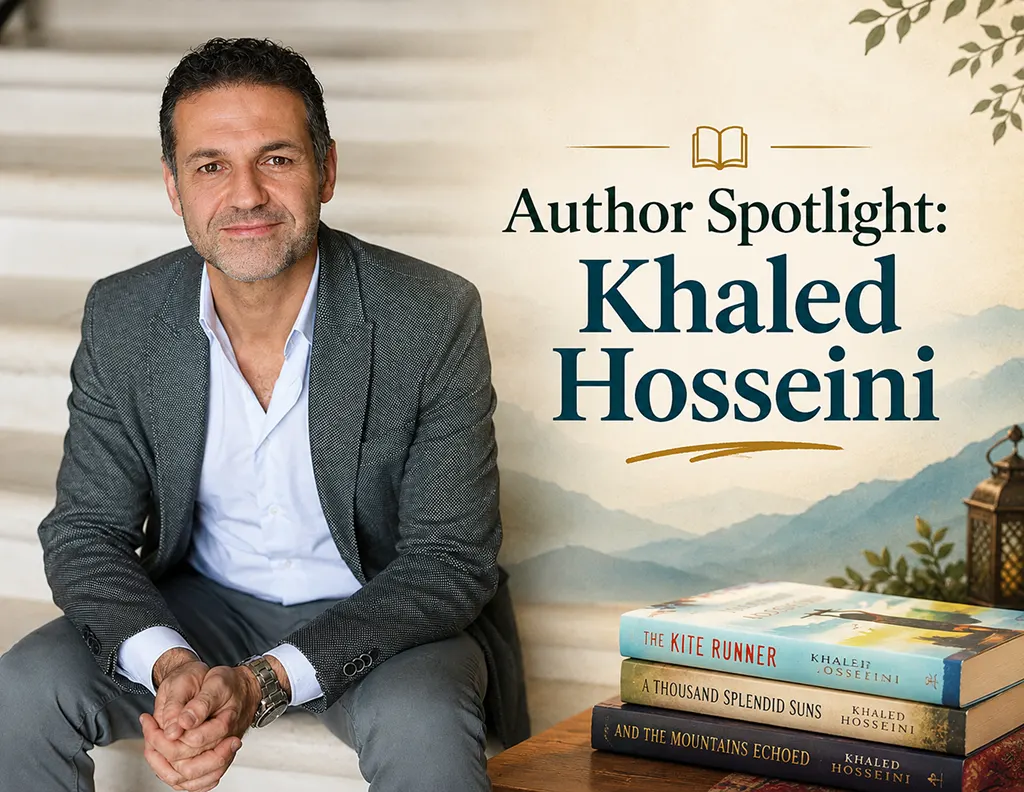
Authors Spotlight: Khaled Hosseini
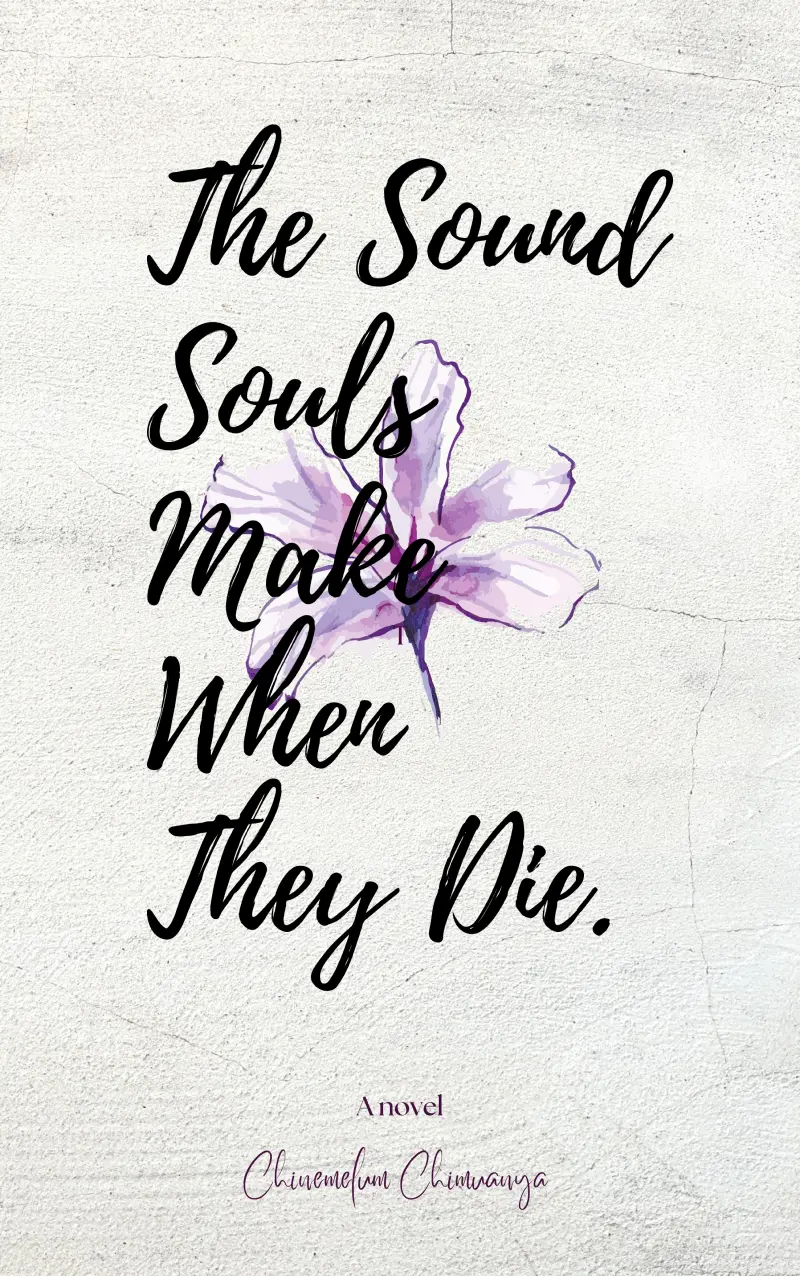
The Sound Souls Make When They Die by Chinemefun Chimuanya
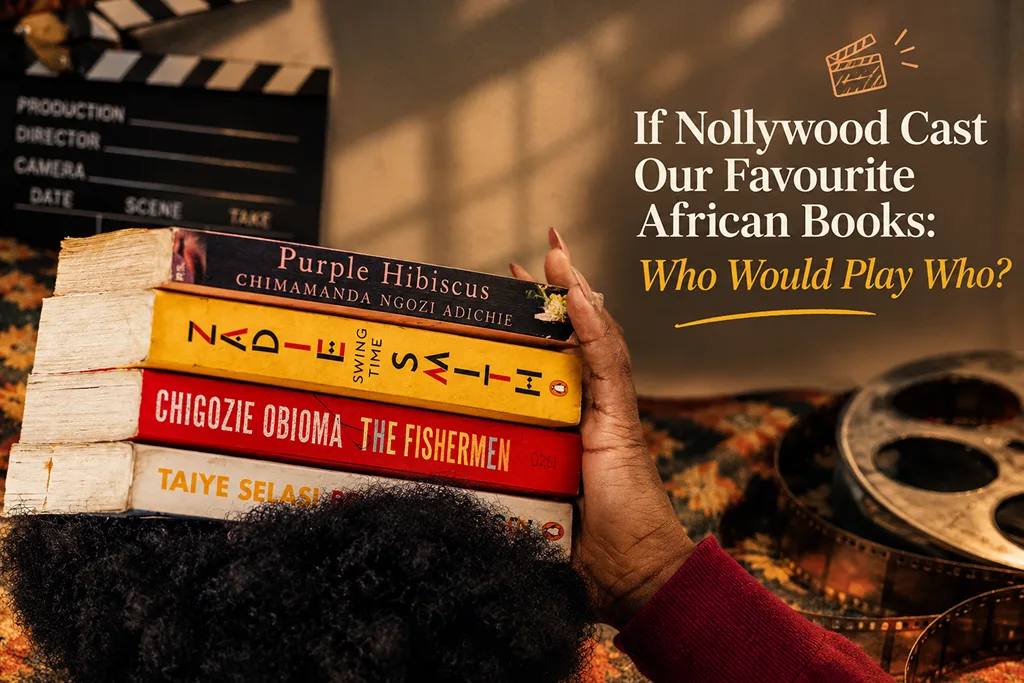
If Nollywood Cast Our Favourite African Books: Who Would Play Who?
Best Films About Unexpected Age Gap Romance
Literary Awards and the Racism Card: A Wake-Up Call for Black Africa
Interview with the Vampire Relationships, Ranked
10 Top Recent Films for Action and Comedy Fans
Comma Rules Every Writer Should Know
10 Most Hype-worthy 2026 Book Releases (African Literature Version)
Five Gambling Films That Know the Bet Is Only Half the Story
Movies Where Poker Reveals Who a Character Really Is
July 20, 2025 .
Animation, Lists
Our list rounds up the top 30 cartoon characters that were villains, each one more wonderfully wicked than the last.
READ MORE

November 27, 2025 .
Lists, Mythology
While this isn’t an exhaustive list, it comprises some of the most popular mythical creatures from around the world.
READ MORE
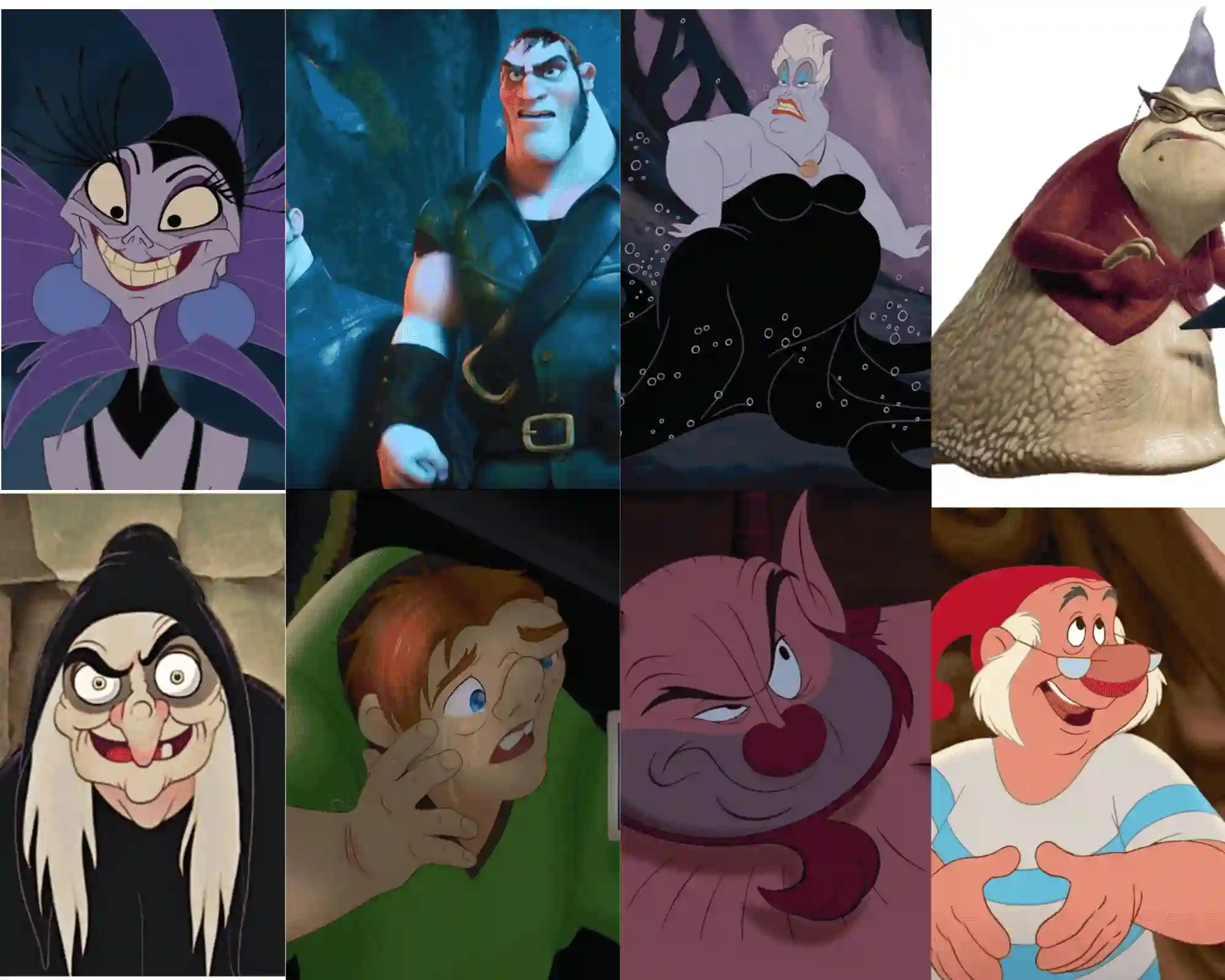
April 29, 2026 .
Lists, Opinions
The Mouse is famous for its princesses and princes. However, the studio’s true genius lies in its embrace of “ugly Disney characters”.
READ MORE
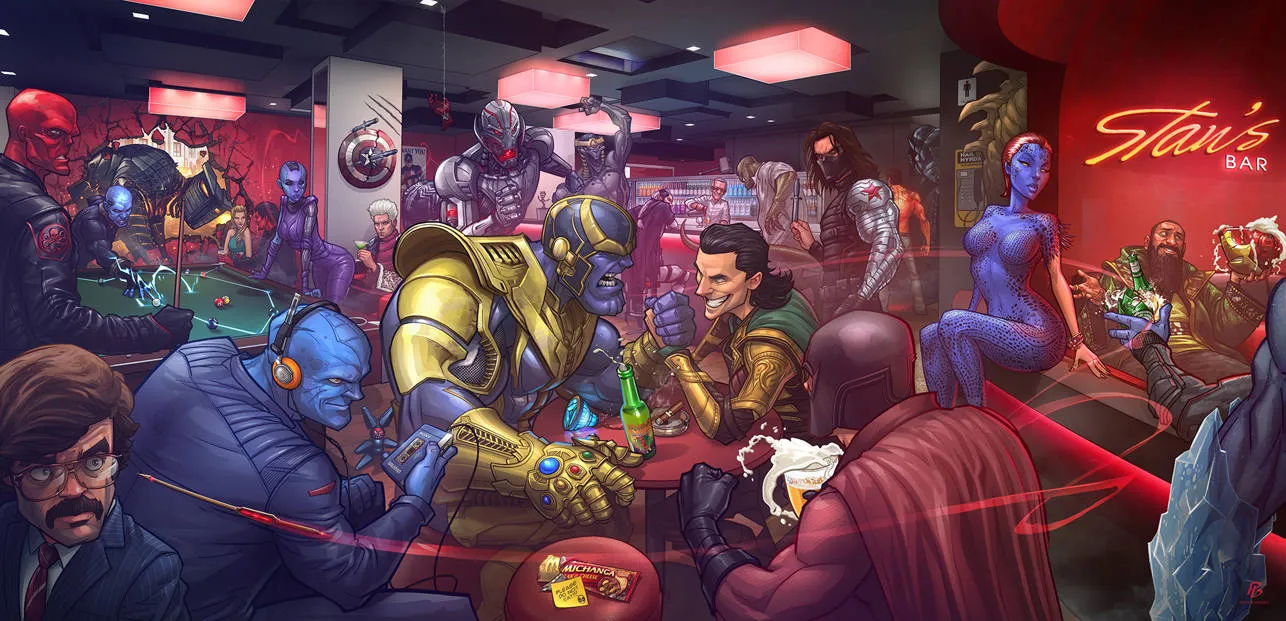
October 28, 2025 .
Lists, Marvel, MCU, Opinions
Let’s go through a list of the top 7 strongest Marvel villains, from the wickedly powerful to the absolutely unstoppable.
READ MORE
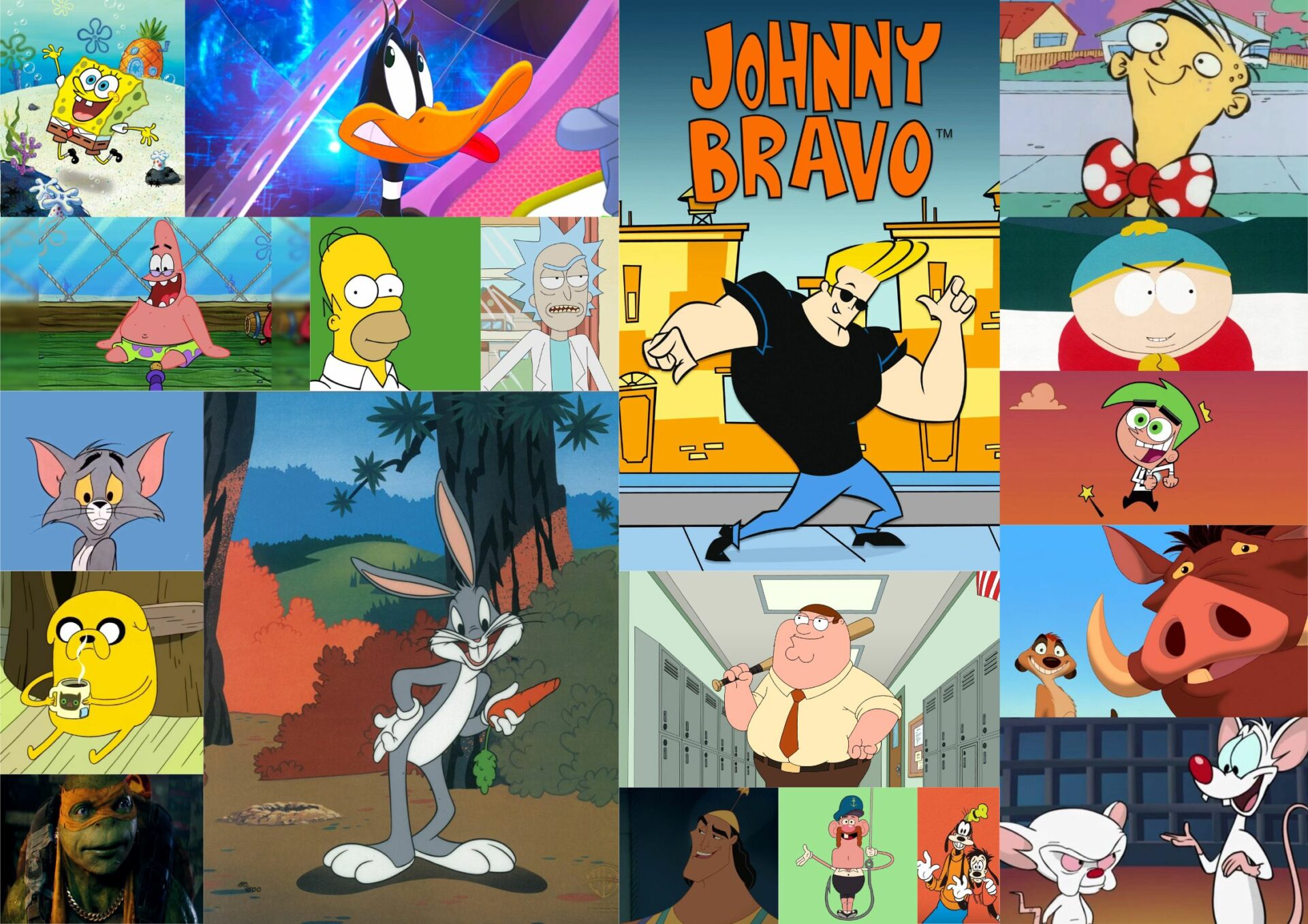
February 26, 2026 .
Cartoons, Lists
There are some outright funny cartoon characters who exist solely to crack you up, loud, hard, and with zero apology.
READ MORE

July 20, 2025 .
Writer Resources
Discover the differences in First-Person Point of View and Third-Person POV, and how each impacts character connection and narrative style.
READ MORE
May 15, 2026 .
Writer Resources
The tension between writer-centered and reader-centered approaches defines how a story is told and who it serves.
READ MORE

October 22, 2025 .
Essays, Writer Resources
Ever found a book that looks like a comic but tells a complete, well-structured story? Congratulations, it’s a graphic novel.
READ MORE
June 26, 2026 .
Writer Resources
Writing starts with forming ideas, imagination, dreams, and thoughts. And when these condense into a coherent progression, you have a plot.
READ MORE
May 10, 2026 .
Writer Resources
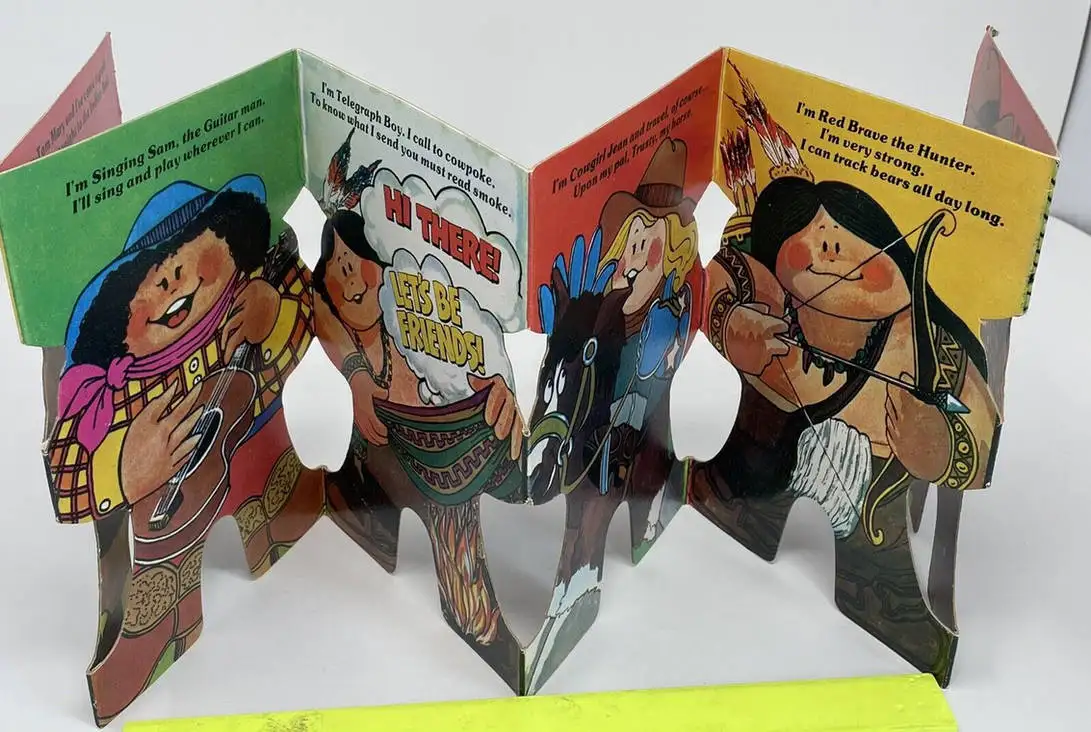
What is a board book, and how does it differ from others? Traditional publishing usually means novels, but published works span much more.
READ MORE
July 24, 2025 .
Essays, Writer Resources
READ MORE
February 8, 2026 .
Writer Resources
Breaking into traditional publishing can feel like decoding a secretive industry. This guide is a resource for finding the right agent.
READ MORE
February 28, 2026 .
Writer Resources
There are three paths in book publishing: traditional, self-publishing, and hybrid. The current focus is on traditional publishing.
READ MORE

July 20, 2025 .
Writer Resources
Today, writers are needed who combine creativity with technical expertise, professionalism, and adaptability.
READ MORE

Get our magazine for free!