

























The main reason for the audience reception is that this story comes to life under the guidance of David Frankel.
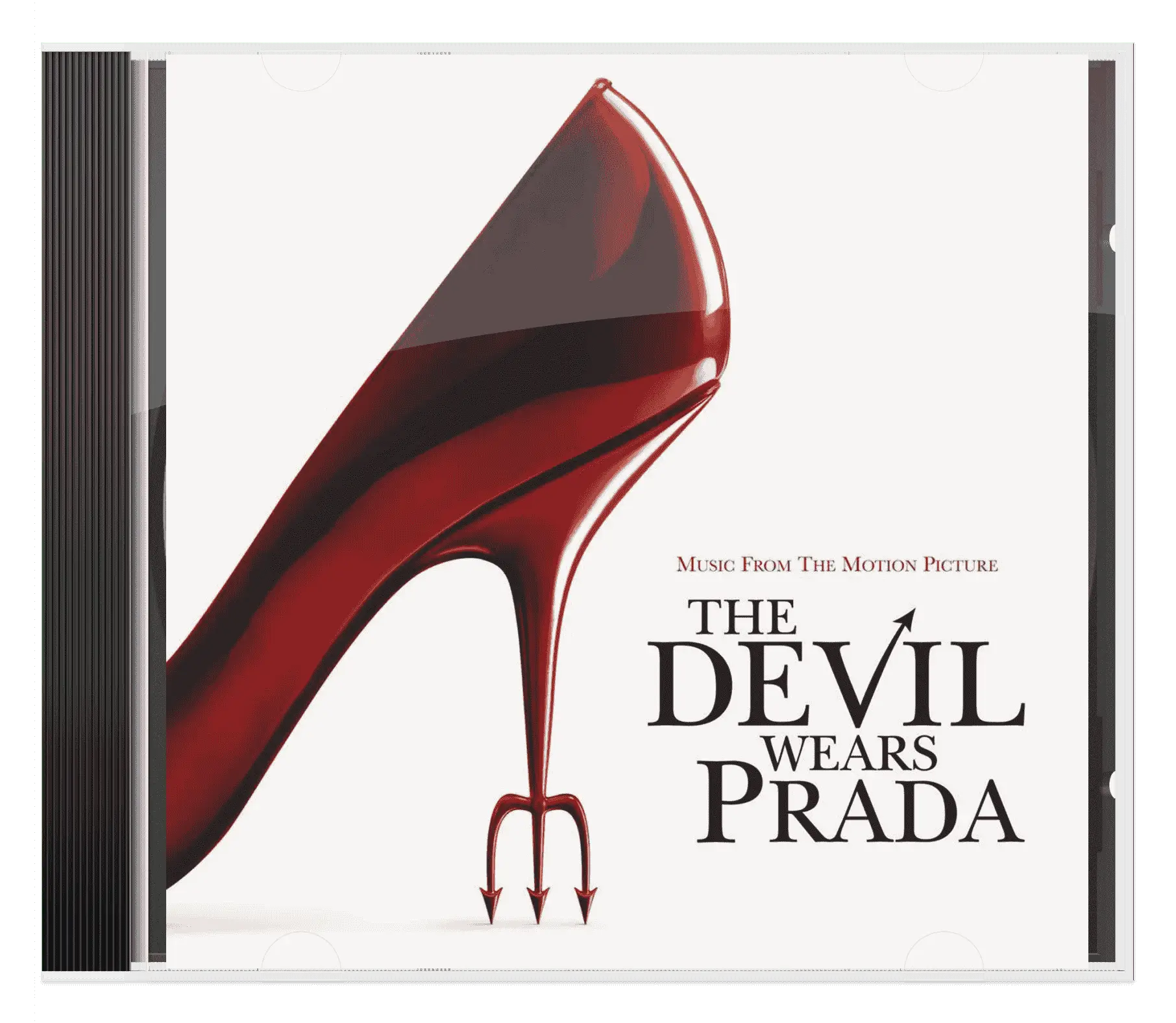
The Devil Wears Prada took the world by storm, grossing $326 million following its 2006 debut. Nearly twenty years later, the sequel retains its popularity with a $77 million domestic debut.
Part of this success lies in its universally understood theme of ambition, which many professionals can relate to.
The main reason for the audience reception, however, is that this story comes to life under the guidance of David Frankel. The seasoned director transformed a tell-all book into a universe of contradictory characters, ambition, and choices through accessible cinematic tools.
The story is based on the namesake novel by Lauren Weisberger, a former assistant to Anna Wintour. Still, this connection remains open to interpretation.
It is said that Anna Wintour distanced herself from the 2006 movie out of concern it would paint her in a demeaning light, but later appeared in a promotional video for the second instalment.

In The Devil Wears Prada, repeated walking shots, shifting backgrounds, wardrobe changes, and affirmative glances depict Andrea Sachs’s “transformation”.
The 2026 take does the same thing from a different angle. Andy, like every employee, wants her boss to know she is doing good work. The moment her mindset shifts from “this job is hard” to “I must produce results” also reflects in match cuts and rhythmic editing.
David Frankel uses silence to define Miranda Priestly. Instead of raising her voice or resorting to direct insults, she uses pauses, eye contact, slower responses, and restrained emotion to convey her messages.
The most important element to note is the purpose behind the silence. In the 2006 production, silence is a logical and self-regulating tool. In The Devil Wears Prada 2, quietness strategically frames the moment as she weighs her many options.
One of the most popular uses of silence is the “and Emily, that’s all” scene.
Every introduction is objective in the impression it creates of a character. The original begins with panic, assistants preparing, and phones ringing before a Mercedes, pumps, and finally a stoic Miranda appear.
The second instalment still features the natural commotion that leads to Miranda’s presence, but with less fear and more reverence, built over years of authority in the fashion industry.
As a result, the more vintage Miranda is less stuck up, because at this point, her reputation precedes her.
Growth is evident in Miranda Priestly, Andrea Sachs, Emily Charlton, and Nigel Kipling.
Miranda starts younger, sharper, and more intimidating. Over time, she, like everyone else, becomes older, thinner, slightly less forceful, and more willing to adapt.
Andy is the typical fresh college graduate: positive, naive, eager to please, and unsure of herself. It takes years, but she evolves into a more confident, accomplished, outspoken person who isn’t afraid to challenge or pioneer change where possible.
Emily is a professional who believes the way to the top is to climb the ladder. It works, except her view is based on a borderline need to idolize and require approval as an indicator of progress.
Eventually, Ms. Charlton grows the metaphorical backbone and builds her own table.
Every space needs a stabilizer, and Nigel is that person. He is the faithful, consistent, reliable runway staff member who hopes to take over from his superior, but doesn’t.
Regardless, he stays because he understands his place and perhaps hopes his chance for recognition will come.
This directional shift from the first to the second highlights the nuances and genuineness in the presentation of characters that come across to viewers as deeply intentional.
David Frankel presents a realistic view of the current media industry and company culture in the sequel, closely mirroring reality.
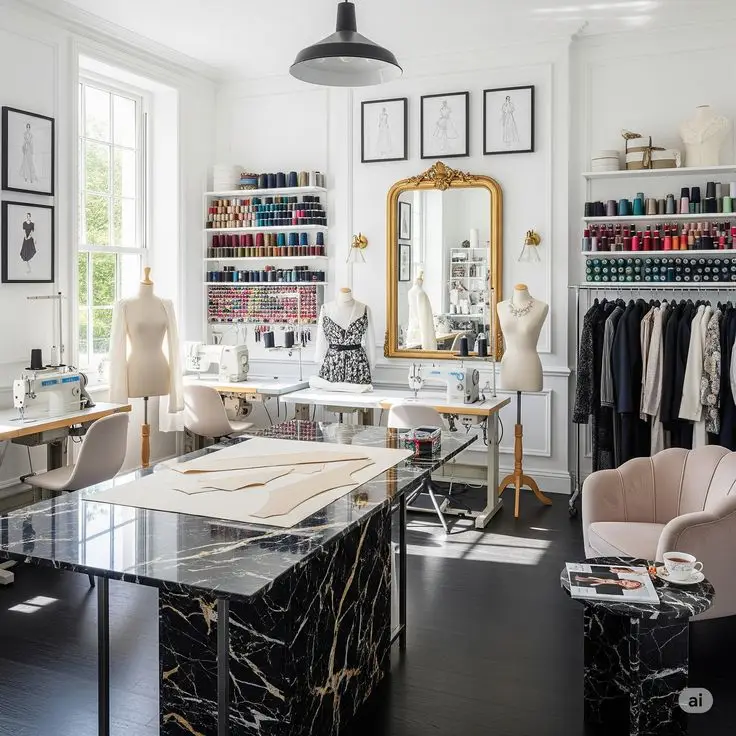
The office itself evolves as what is considered appropriate changes. For instance, part of Miranda’s daily routine in The Devil Wears Prada was to talk and throw coats at her assistants.
As time went on, using people as hangers and subtly disparaging staff became Human Resource violations and had to stop.
The new rules mean Ms Priestly hangs her own coats and has a potential issue detector (read: assistant) to ensure she doesn’t, well, Miranda. Even when she does slip up, it comes across as poetic and genuinely humorous.
In the new era, runway has to go digital and jump through hoops to ensure visibility. This industry change compels Miranda to rethink how she runs the magazine, especially since it is no longer what it once was.
The duology features Relational Self Theory, which posits that identity and personality result from connections with significant others.
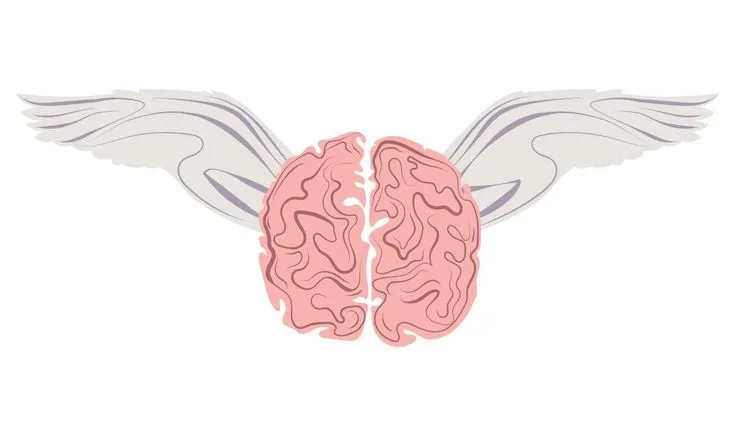
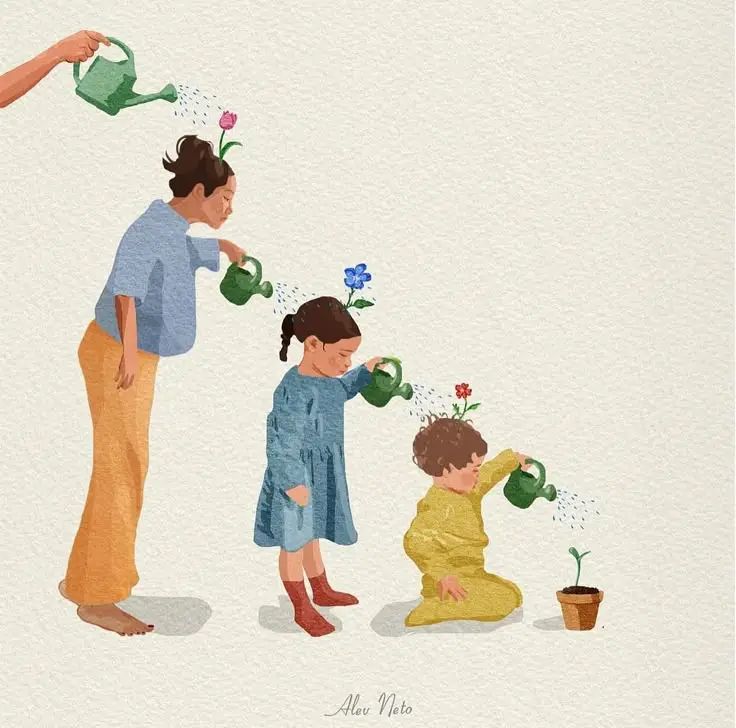
People do not have just one fixed self; rather, they have different versions of themselves that activate in different relationships.
This theory proves true in almost every scene. When Andy returns to Runway, despite her acclaimed success, she slips back into her people-pleasing, trigger-happy younger self. Miranda does the same by falling into the unbothered mentor-boss role.
In the same vein, Emily and Andy bicker like old coworkers, while Nigel and Andrea continue their admirable work friendship.
This psychological phenomenon underscores the simplicity and predictability of human interactions.
The sequel expertly uses familiarity to evoke nostalgia. In Andrea’s homecoming scene, she steps into Miranda’s office, this time excited to be invited rather than asking to join.
Again, the car scenes are pivotal to both films. In the first, Andrea decides she does not like who she is becoming and quits.
In the second, after painstakingly working to “preserve Runway for Miranda,” as she puts it, they talk about working together as a team.
The most touching moment comes when Andrea walks, this time not away from Runway, but toward the version of Runway that she fought for and loves.
This literary device is important because it shows consistency in character choices across different circumstances.
David Frankel frames office politics as a fluid concept. Emily, a once-besotted assistant, becomes the enemy, so to speak, and wants revenge.
Andrea, based on conversations with friends, considers writing a tell-all book but changes her mind out of loyalty.
Nigel is probably the only person who is not part of the problem. Despite these varying dynamics, the situation still works out.
Sometimes, what we plan is not the most fruitful path. Andrea was not initially elated about Runway, especially with her seemingly impossible boss, but she came to care about her job and her difficult employer.
Similarly, Emily initially wanted to be Miranda but learned that was not her path.
Miranda built a successful career, had to adapt to the times, and was open to letting go of the career she had worked so hard for.
Something David Frankel does well is offer positive resolutions. Not every story about growth has to end badly.
This is evident when Andrea returns to Runway after leaving on less-than-ideal terms, eventually finds her footing, and builds bridges.
Emily and Andrea finally see that beneath all the office debacles is a companionship that never got to bud, and they commence the process.
Perhaps the most subtle resolution was with Sasha Barnes. She valued her time with Miranda because the editor-in-chief saw her as a human being, not through the lens of a failed relationship, which Miranda could relate to. In the end, Sasha “saved” Runway.
Rather than directing two films built solely on nostalgia or black-and-white stereotypes, David Frankel steers one built on emotional maturity and life’s unpredictability.
The familiar fashion, offices, and characters remain, but they no longer serve as symbols of ambition alone.
They become reminders that evolution continues decades later, when we return to the people and places that shaped us and realize that, while they have changed, so have we.

July 20, 2025 .
Animation, Lists
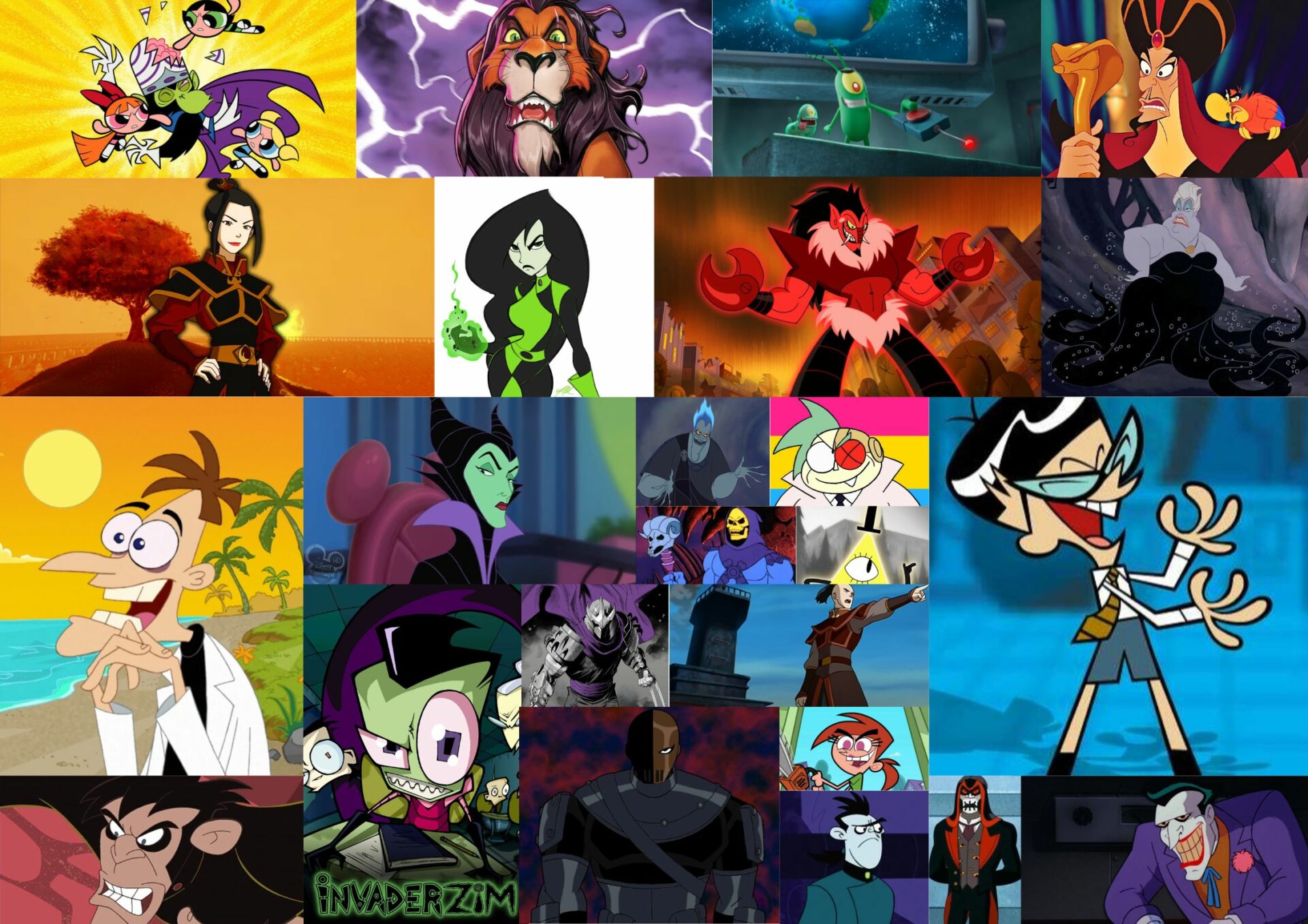
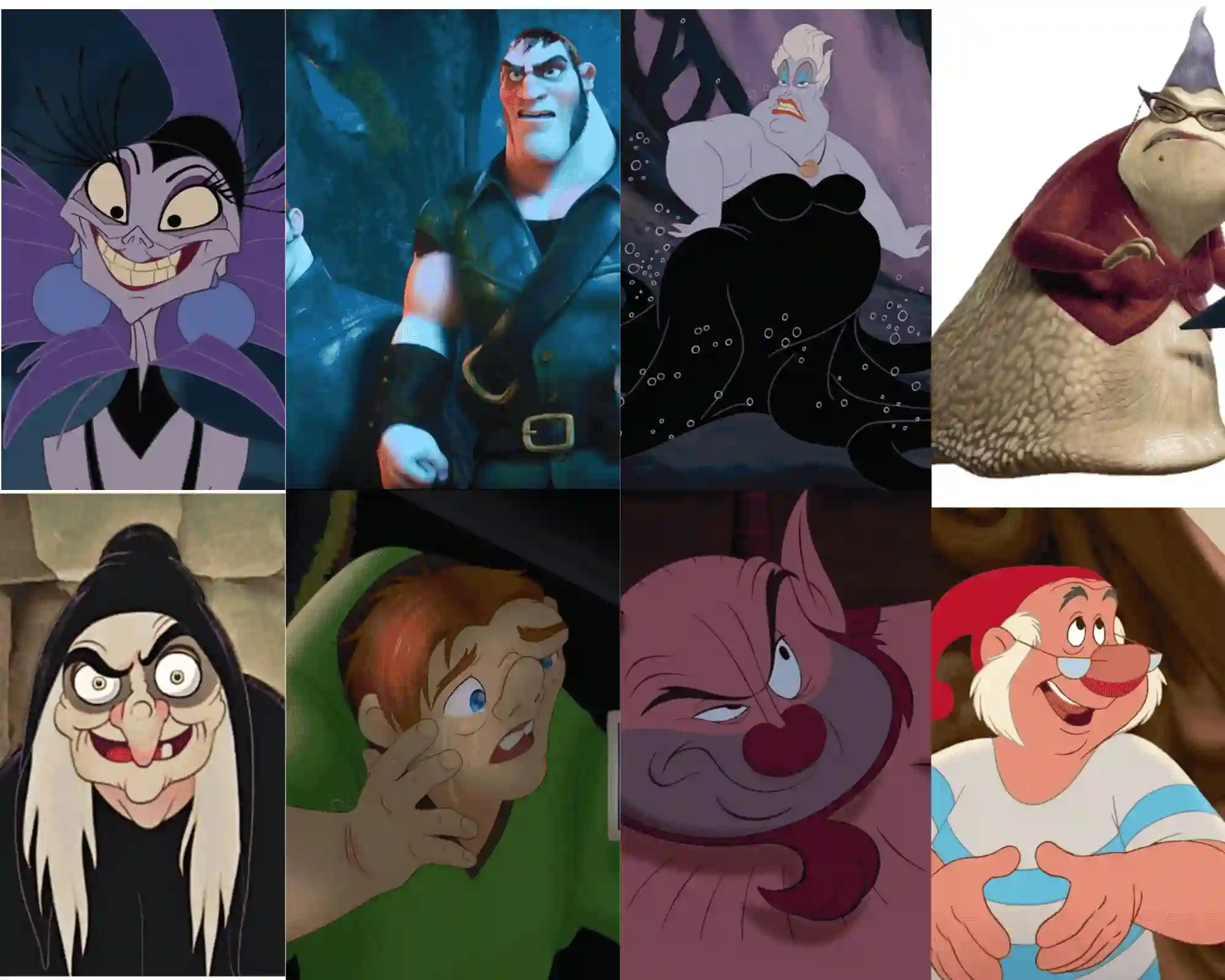
Our list rounds up the top 30 cartoon characters that were villains, each one more wonderfully wicked than the last.
READ MORE
May 6, 2026 .
Lists, MCU
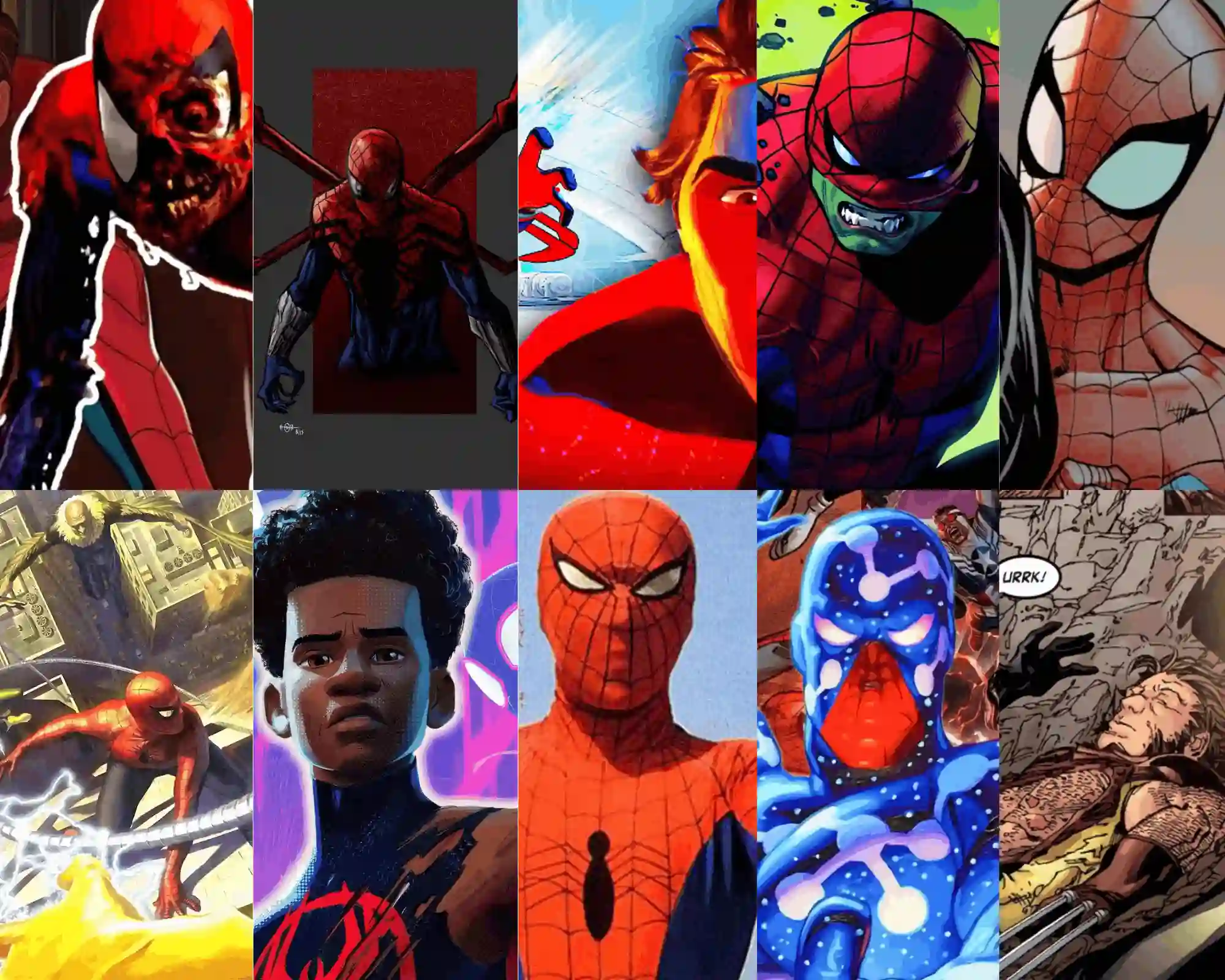
Spider-Man is one of the many superheroes from the Marvel Universe whose stories shaped many childhoods. Who is your strongest Spiderman?
READ MORE
April 29, 2026 .
Lists, Opinions
The Mouse is famous for its princesses and princes. However, the studio’s true genius lies in its embrace of “ugly Disney characters”.
READ MORE
October 28, 2025 .
Lists, Marvel, MCU, Opinions
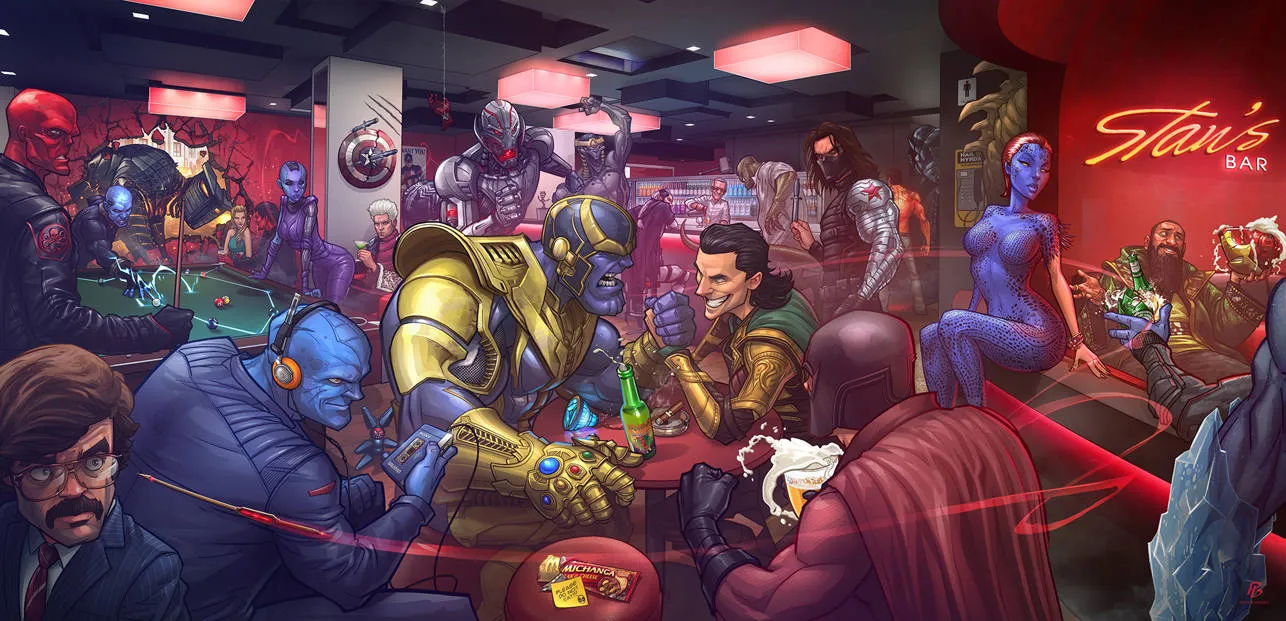
Let’s go through a list of the top 7 strongest Marvel villains, from the wickedly powerful to the absolutely unstoppable.
READ MORE

November 27, 2025 .
Lists, Mythology
While this isn’t an exhaustive list, it comprises some of the most popular mythical creatures from around the world.
READ MORE
July 15, 2026 .
Motion Picture, Opinions
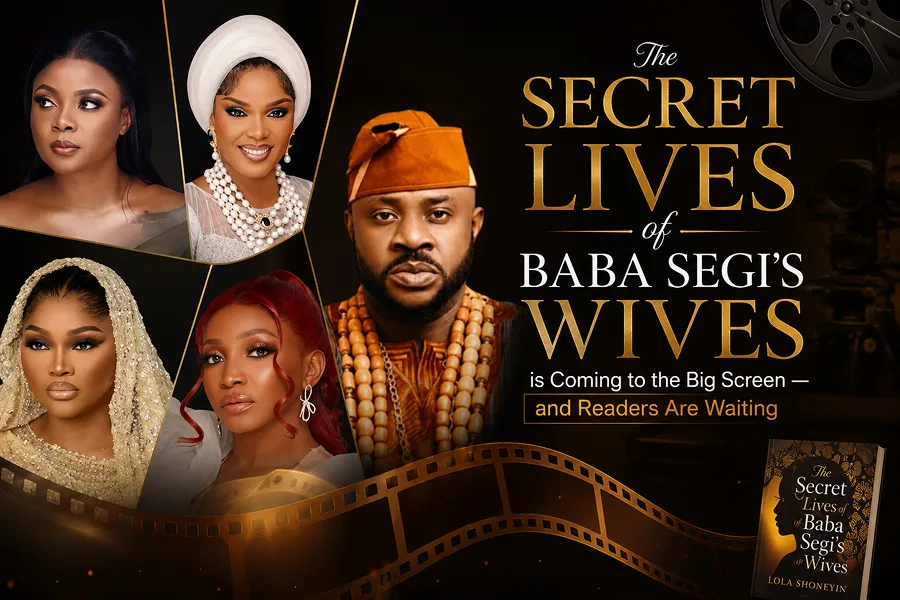
There’s already an audience waiting for this film, readers who’ve loved the novel for years and will show up with high expectations.
READ MORE
April 9, 2026 .
Motion Picture, Opinions
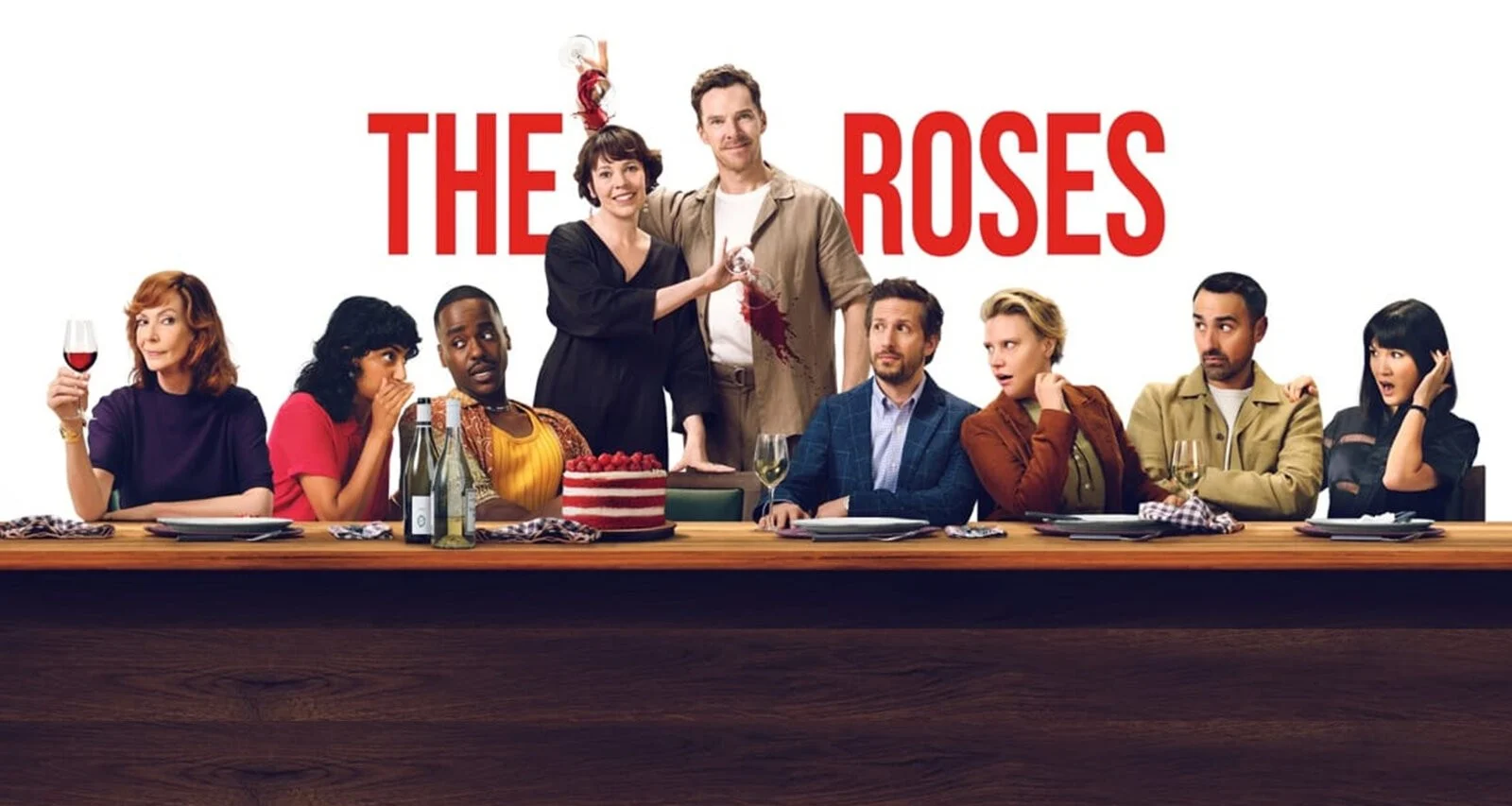
The Roses accidentally mirrors the gaslighting experience. We keep waiting for the moment of no return, and it keeps not giving it to us.
READ MORE
July 15, 2026 .
Motion Picture
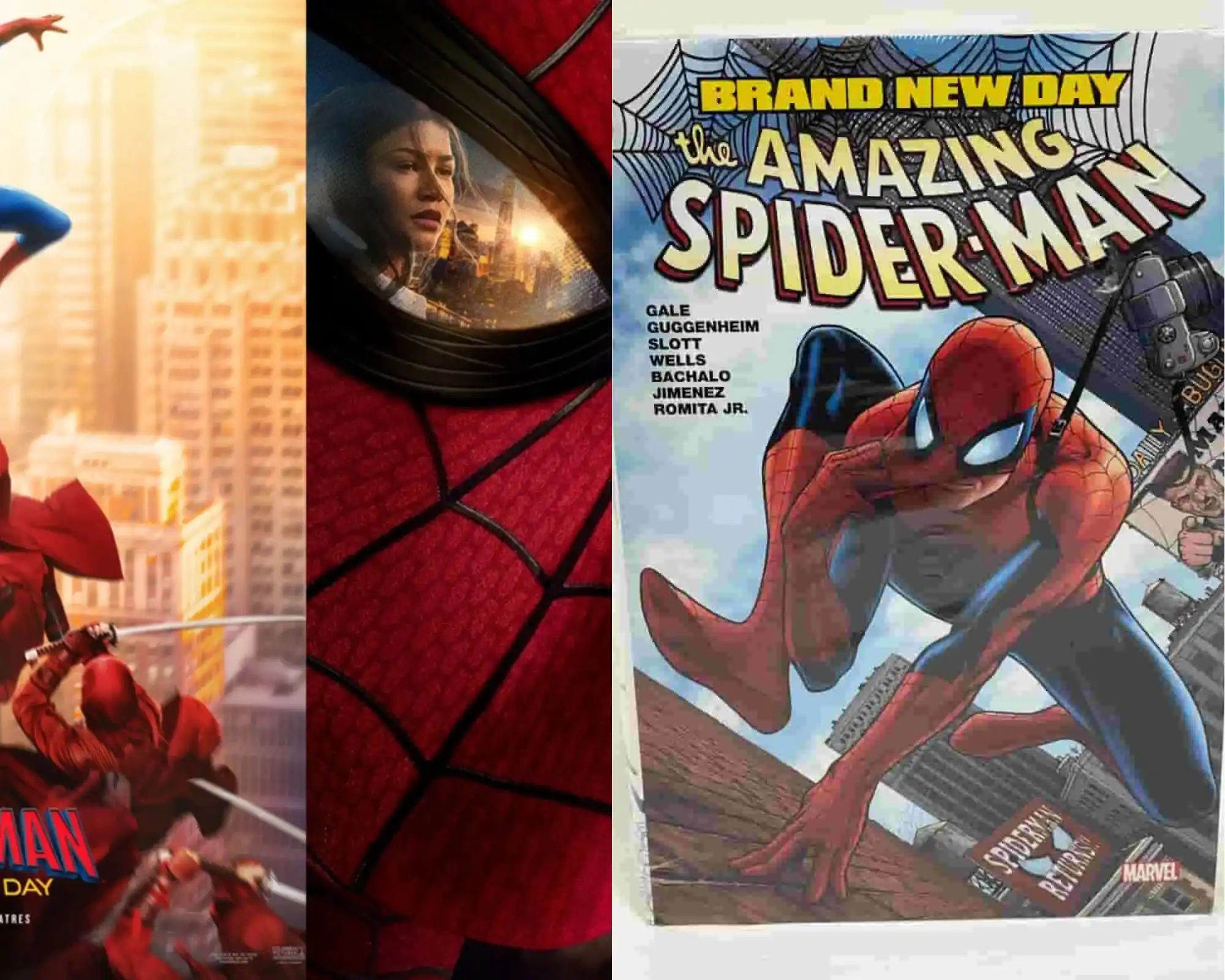
Fans have picked apart every teaser. However, there is an easier route: the Spider Man Brand New Day comic.
READ MORE
Get our magazine for free!