Close menu
Ranking the best of African Literature


















Plato described literature as an imitation of life. Today, this sub-genre is called realistic fiction books.

Plato described literature as an imitation of life. He suggested that writers reflect human experience in the language they use, whether straightforward or elaborate. Today, this sub-genre is called realistic fiction books.
In these publications, characters’ lives are no different from ours or the world around us. These ten books capture the essence of daily life and offer social commentary on genres like contemporary romance and domestic drama.
Americanah revolves around Ifemelu and Obinze, two teenagers who fall in love in Lagos but are separated. Life’s turbulence takes them to the United States of America and the United Kingdom consecutively.

The novel goes on to paint a clear picture of the immigrant experience. Although these lovebirds reunite in Nigeria, time has changed how they feel about love. They navigate a transformed Lagos, the subtle shifts in their language and behavior, and confront their changed personalities.
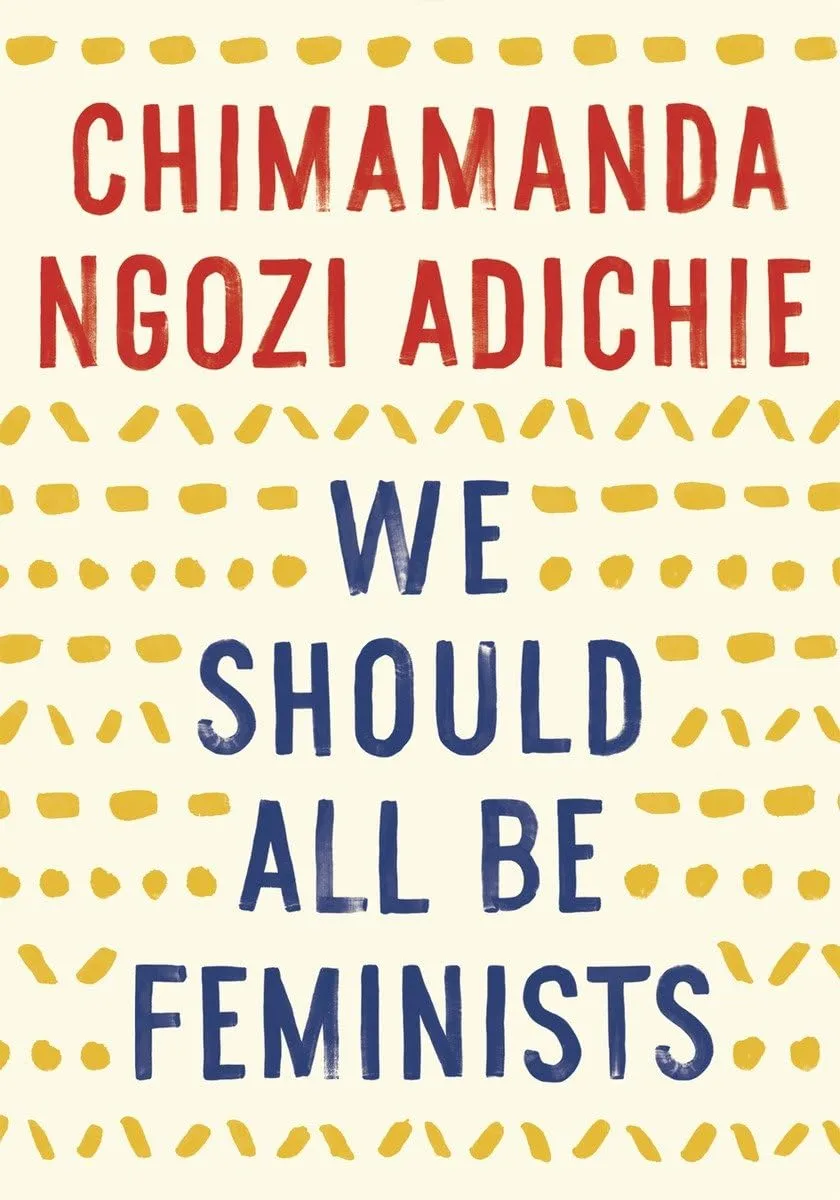
Ms. Adichie dissects the concept of home, asking whether home is where we grow up or where we make home. Likewise, the exploration of class dynamics in Nigerian society adds a brilliant depth to the narrative. Adichie uses her novel as a tool for societal observation
Every Day is for the Thief follows a young medical student’s return to Lagos after a fifteen-year absence. They wander the city streets. The unnamed narrator observes the daily rhythms of the metropolis.

The realistic fiction book describes the mechanics of traffic and shows the prevalence of corruption in minor transactions. As a result, it reads like both a travelogue and a memoir. The narrative avoids grand dramatic arcs, focusing on an accumulation of minor incidents.
Normal People is about the complex relationship between two Irish teenagers, Connell and Marianne, who attend the same secondary school.

The literature portrays the physical and emotional realities of intimacy and explores the impact of class disparities on personal relationships present in realistic fiction books.
Generally, the prose is clean and unadorned, with the focus remaining on the protagonists’ internal landscapes. The author captures the realism that stems from the microscopic examination of human emotions.
Stay with Me is a tale exploring marriage, family interference, and societal expectations.

Yejide and Akin face a crisis as Yejide struggles to conceive. This theme is important, especially in the patriarchal 1980’s, and the choices made to cope.
The author describes Yejide’s life as a business owner and hairdresser, showing how she manages her salon, employees, and clients. Ultimately, the characters confront the consequences of their deceptions.
Gail Honeyman introduces Eleanor Oliphant, a protagonist defined by routine and isolation. Ms. Oliphant is a finance clerk who wears the same clothes, eats the same meal deal for lunch, completes crosswords, drinks two bottles of vodka on the weekend, and avoids human interaction.

The novel paints a devastating picture of modern loneliness and the mundane cruelties of office life. A minor incident disrupts Eleanor’s established routine: she and her disorganized IT colleague, Raymond, assist an elderly man. This act pulls Eleanor into the world, where she begins attending social gatherings and experiences basic human kindness.
Eleanor Oliphant is Completely Fine stands out as one of the most memorable realistic fiction books, focusing on how small acts of friendship reflect authentic healing and reveal hope in even the smallest gestures of connection.
Chibundu Onuzo begins the story in the Niger Delta, where Chike, an army officer, abandons his post because he does not want to execute innocent civilians.

He travels toward Lagos with a group of runaways who join him, and together they attempt to build a life from nothing. They navigate the informal economy, seeking work in bakeries and schools.
The plot explores the intersection of extreme wealth and poverty, highlighting the daily struggle for survival. The group’s diverse backgrounds reflect the city’s multifaceted nature, and their trials mirror broader questions of morality and resilience in the face of state failures.
In A Man Called Ove, Fredrik Backman writes about grief, aging, and community. Ove is an ill-tempered old man who bothers everyone. Unbeknownst to them, he has faced deep sorrow. His wife, Sonja, died. In addition, he lost his job and his will to live.

The novel captures the quiet desperation of solitary existence. He installs a hook in his ceiling and prepares a rope. But when a chaotic family moves in next door, they disrupt his plans. The story’s beauty lies in neighborhood interactions and the need for connection and purpose later in life.
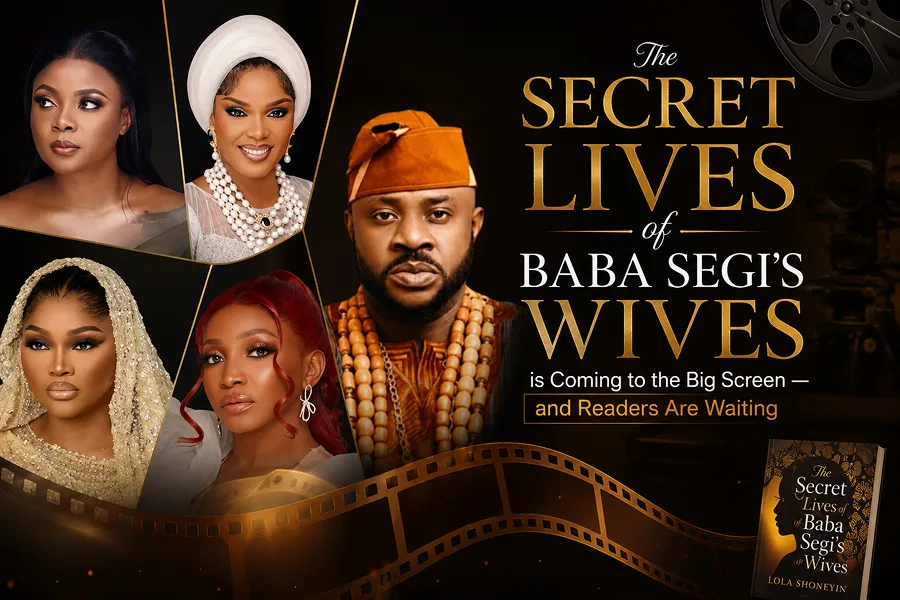
The Secret Lives of Baba Segi’s Wives provides a detailed look into domestic politics, shifting to the characters’ perspectives.

The text reveals how women are taught to fight for resources and exposes the lengths people go to in order to protect their social positions. The NLNG Nigeria Prize for Literature winner stands out as one of the most iconic realistic fiction books for its portrayal of survival within a complex family structure.
The Joy Luck Club examines the relationships between Chinese immigrant mothers and their American-born daughters.

Four older women meet in San Francisco and share stories of their past lives in China. These experiences span war, famine, and extreme patriarchal oppression.
Tan captures the chasm of misunderstanding between the generations. The mothers view the daughters as ungrateful, while the daughters view the mothers as critical and demanding. Yet, the characters seek a balance between honoring their heritage and forging their own identities.
Celeste Ng dissects the illusion of perfection in a planned suburban community. Shaker Heights is a wealthy town that follows strict rules.

Elena Richardson, a journalist, manages her four teenagers with rigid expectations. Mia Warren arrives in town with her teenage daughter, Pearl. Naturally, the two families’ lives become entwined.
Little Fires Everywhere exposes subtle racism and classism beneath polite interactions, detailing the tension of secrets brewing in quiet neighborhoods and how the desire for control leads to destruction.
Realistic fiction books provide a safe space for introspection, and by observing the flaws of fictional characters, individuals gain insight into their own lives.
The global scope of these novels highlights the universal nature of human emotion. From the crowded streets of Lagos to the quiet suburbs of Shaker Heights, the core desires remain constant because literature mirrors life. Happy reading!

Godsgift Isaiah is a music and book whore who enjoys everything about art.
July 20, 2025 .
Animation, Lists
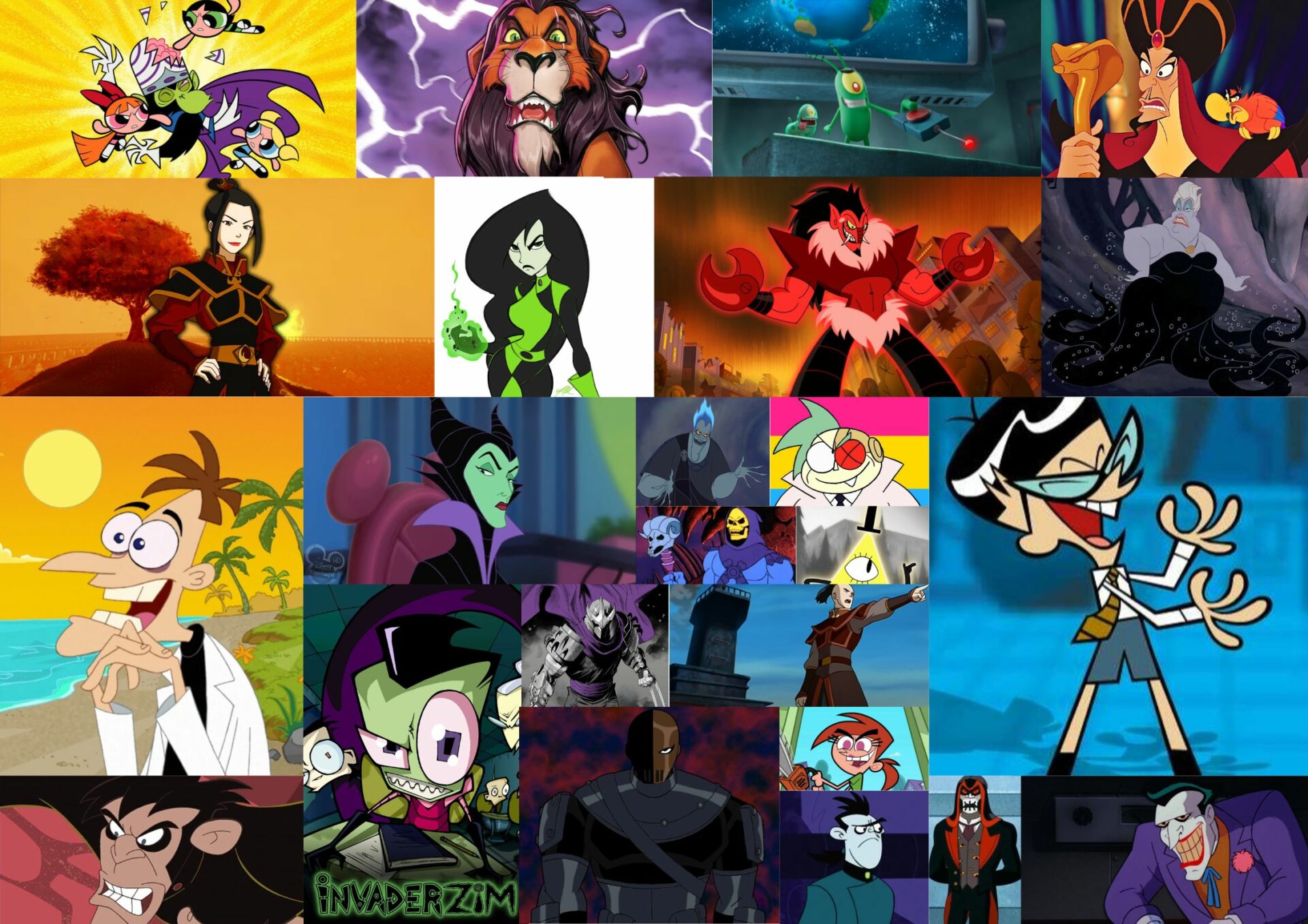
Our list rounds up the top 30 cartoon characters that were villains, each one more wonderfully wicked than the last.
READ MORE
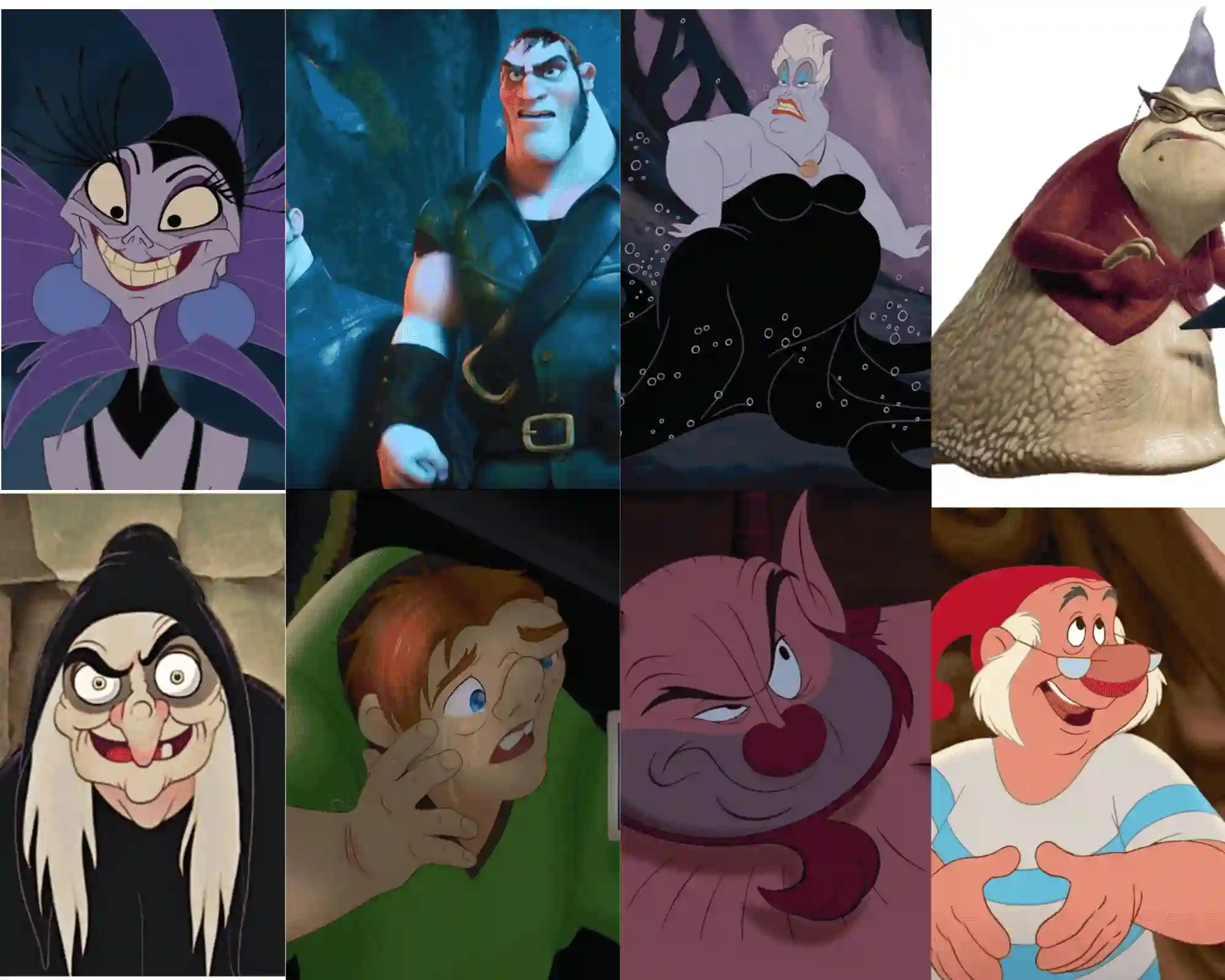
April 29, 2026 .
Lists, Opinions
The Mouse is famous for its princesses and princes. However, the studio’s true genius lies in its embrace of “ugly Disney characters”.
READ MORE
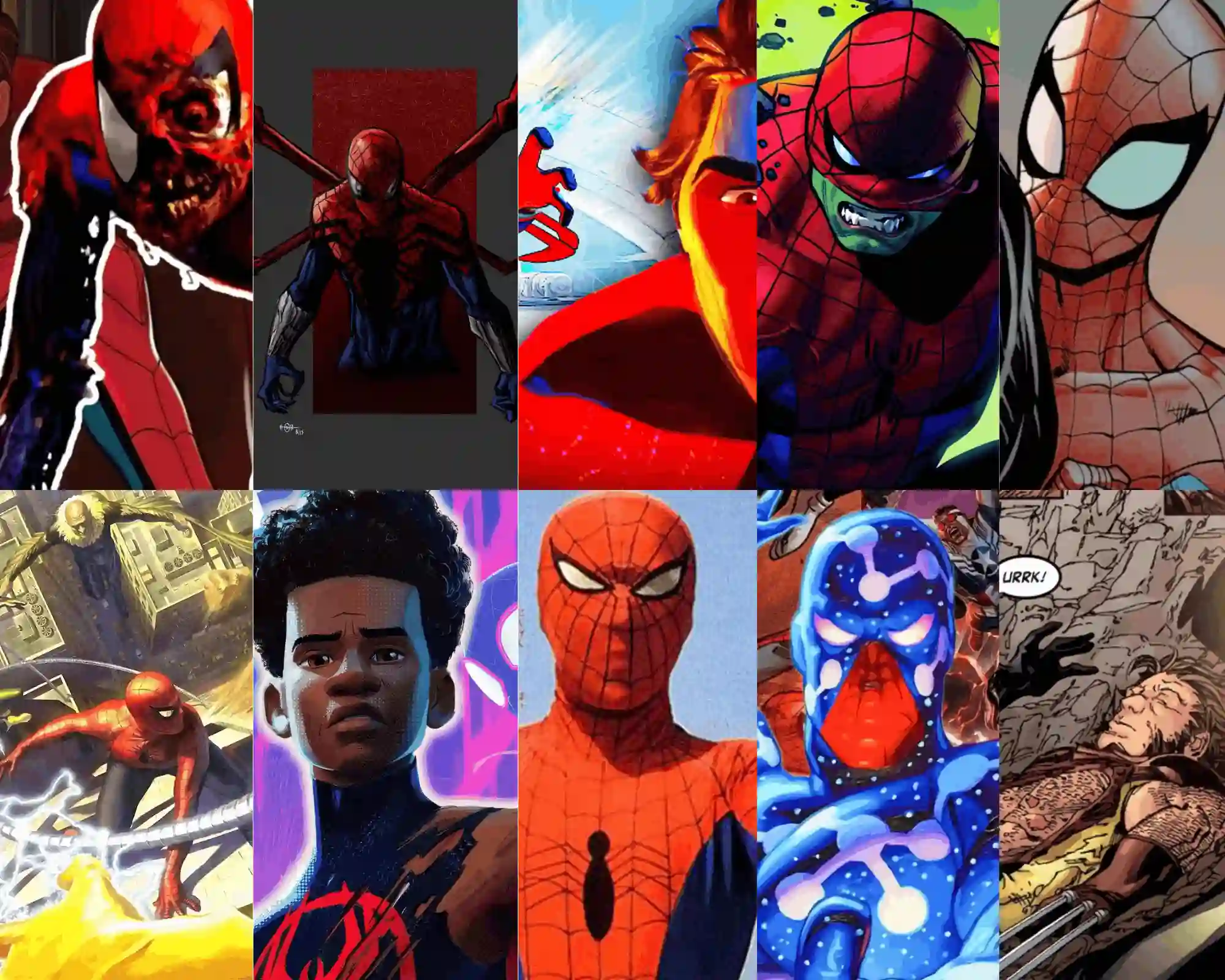
May 6, 2026 .
Lists, MCU
Spider-Man is one of the many superheroes from the Marvel Universe whose stories shaped many childhoods. Who is your strongest Spiderman?
READ MORE
September 12, 2026 .
Lists
What connects these books is how each author uses them. Here are ten sci-fi and fantasy books like The Hunger Games.
READ MORE
June 25, 2026 .
Lists, Opinions
If Game of Thrones taught us anything, it’s that the characters we hate the most tend to outlive everyone else.
READ MORE

September 9, 2026 .
Lists, TV Shows, Upcoming Movies
There’s something for everyone from every genre you love.
READ MORE
September 9, 2026 .
Lists, TV Shows, Upcoming Movies
July gears up with the hottest lineups of upcoming movies and TV shows.
READ MORE
September 9, 2026 .
Lists, TV Shows, Upcoming Movies
August line-up is here and they don’t disappoint.
READ MORE
April 29, 2026 .
Lists, Opinions
The Mouse is famous for its princesses and princes. However, the studio’s true genius lies in its embrace of “ugly Disney characters”.
READ MORE
September 9, 2026 .
Lists, Upcoming Movies
September’s lineup offers everything from action flicks to buddy comedy to romcom adaptations to keep you entertained all month long.
READ MORE
February 9, 2026 .
Lists
From Masobe to Narrative Landscape and Penguin Random House South Africa, here are the top 9 publishers of African Literature.
READ MORE

July 20, 2025 .
Lists
From Gardens of the Moon, it’s clear that the world of Malazan is richer in history and geographic detail, and than any other fantasy world.
READ MORE
February 23, 2026 .
African Literature, Lists
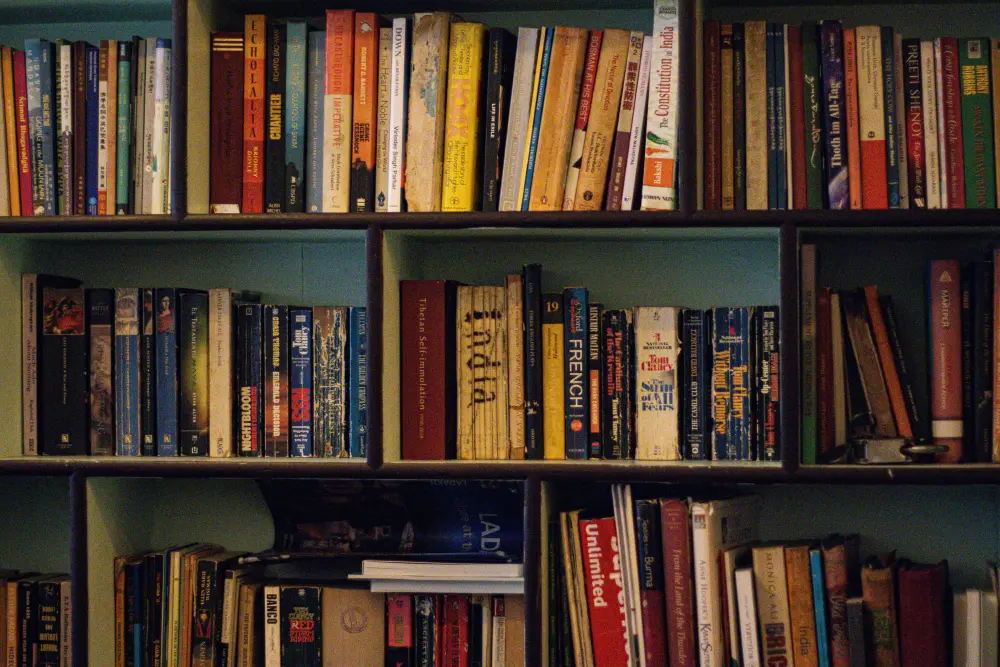
These are the books that could hold that kind of attention again. Not because they’re flawless, but because they can survive stillness.
READ MORE

July 20, 2025 .
Lists
Discover the best apps to read books for free in 2025. Access thousands of free e-books and audiobooks on your phone or tablet.
READ MORE
Get our magazine for free!