


















The arrival of streaming platforms, first local players like IROKO TV, then global giants like Netflix, Amazon Prime Video, and Showmax, marked a turning point in Nigerian filmmaking.
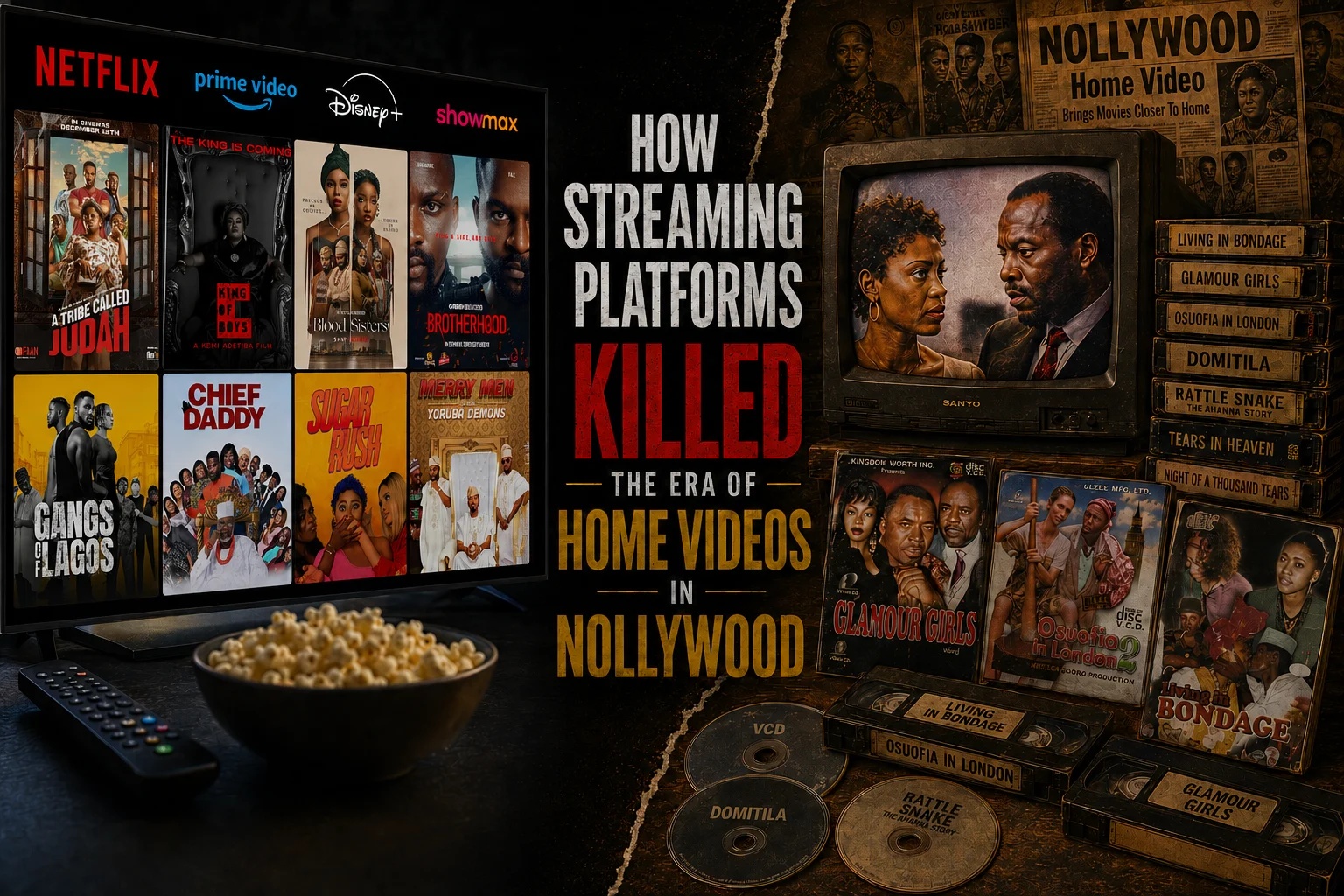
For over two decades, the straight-to-DVD (home video) model was the backbone of Nollywood. It was imperfect, chaotic, and often exploitative, but it worked. Movies moved quickly from set to the streets, from camera to cardboard sleeves stacked high in Alaba, Idumota, Onipanu, 51 Iweka Road, Onitsha, and 1/3 Pound Road, Aba.
To these producers, speed mattered more than intricacy, range mattered more than packaging, and profit was measured in how fast discs sold off the shelves, not in critical acclaim. Today, that ecosystem has all but collapsed. In its place stands a new gatekeeper: streaming platforms.
The rise of streaming platforms has not merely changed how Nollywood films are distributed; it has also changed how they are financed, produced, marketed, and perceived. In doing so, it has effectively killed the era of Home videos that once defined the industry.
The Home Video era emerged in the early 1990s out of necessity. With no strong cinema culture, limited access to celluloid cameras, and minimal support from corporate bodies, Nigerian filmmakers built an industry around home videos, VHS tapes, and later VCDs and DVDs, allowing them to bypass cinemas entirely and take films directly to people’s homes.
This model made filmmaking a democracy. Anyone with a script, a camera, and access to distribution networks could make a film. Stories were local, urgent, and moralistic, reflecting everyday anxieties about wealth, religion, power, gender, and betrayal. Production timelines were brutally short; it took weeks from pre-production to distribution, and films were often shot back-to-back in multiple parts to maximize profit.
But the system was fragile. Piracy was rampant, plagiarism was the norm, contracts were informal, and creatives, especially actors and writers, were routinely underpaid. Still, the system, however archaic it may be, sustains thousands of livelihoods and made Nollywood one of the most prolific film industries in the world.
By the late 2000s, the Home Video model was already in trouble. Piracy had become so widespread that legitimate sales plummeted. DVDs were copied and sold before official releases hit the market. The same informal distribution networks that once empowered filmmakers now undermined them.
Audiences were also changing. Urban viewers, exposed to foreign films and higher production standards, began to demand better sound, better visuals, and more cohesive storytelling. The emergence of multiplex cinemas in cities like Lagos and Abuja hinted at an alternative future, but theatrical releases remained expensive and limited in reach.

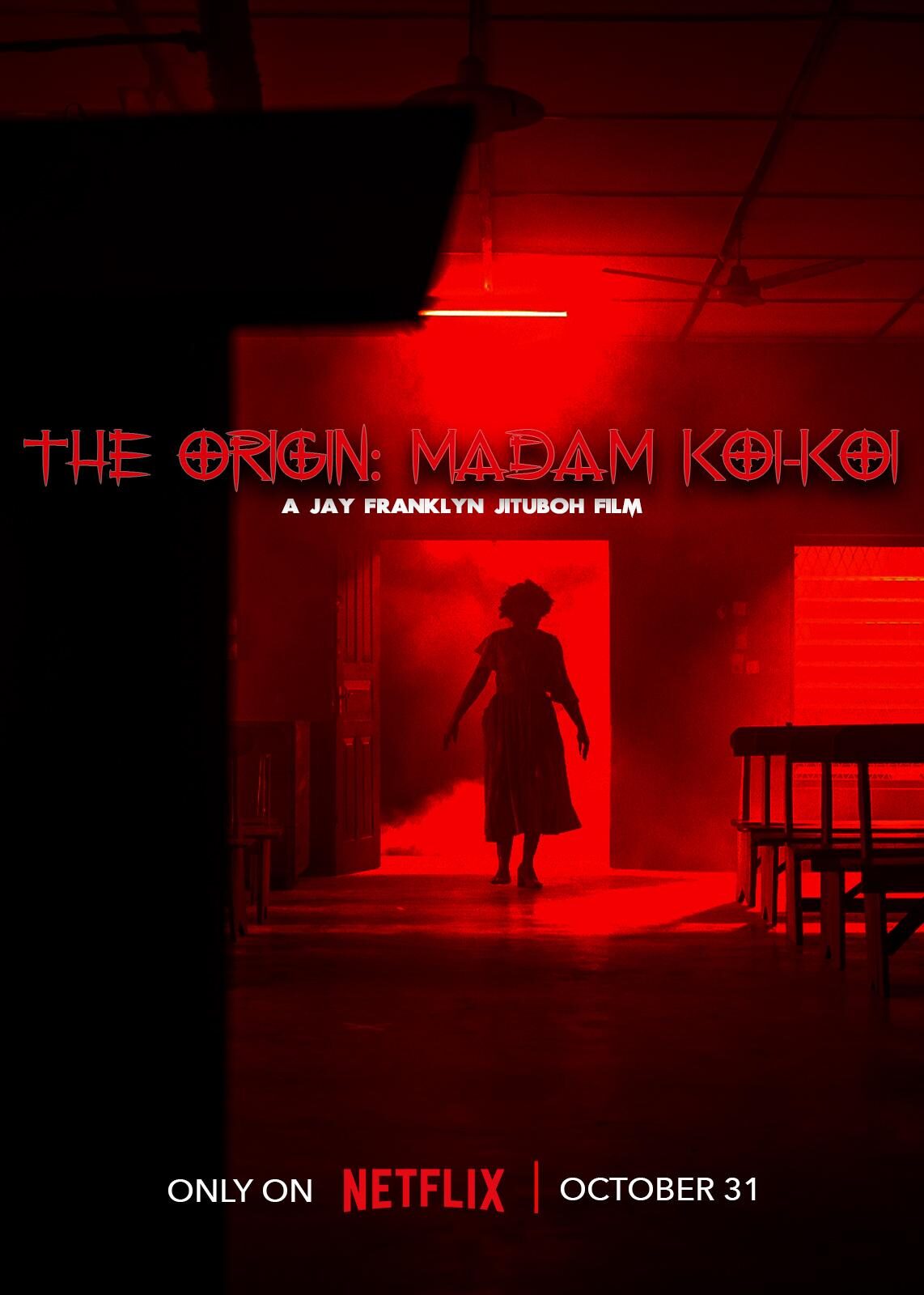
The arrival of streaming platforms, first local players like IROKO TV, then global giants like Netflix, Amazon Prime Video, and Showmax, marked a turning point in Nigerian filmmaking. For the first time, Nollywood films could bypass physical distribution entirely and reach audiences instantly, legally, and globally.
Streaming platforms solved several problems at once. They reduced piracy by centralizing access, offering clearer licensing structures, and introducing upfront payments rather than speculative post-release sales. For filmmakers burned by decades of losses in the DVD market, this was revolutionary.
More importantly, streaming changed the economics of storytelling. Instead of producing mediocre films in a matter of weeks to flood the market quickly before pirates struck, filmmakers could now focus on longevity and make legendary films with a longer shelf life. A film on a streaming platform could live for years, not weeks, and generate sustained value through licensing and viewership metrics.
As streaming platforms expanded and gained traction, the DVD market finally died. Street sellers disappeared, video clubs shut down, and once-powerful distribution hubs lost their influence. Younger audiences, accustomed to on-demand content, had little interest in physical media. Even in semi-urban areas where DVDs once thrived, smartphones and mobile data gradually replaced disc players.
The Home video model did not evolve; it was abandoned. Its infrastructure, built on physical replication and informal sales, could not compete with the convenience and scale of digital platforms. What had once been Nollywood’s strength became its weakness in a world that rewarded quality over quantity.

July 20, 2025 .
Animation, Lists
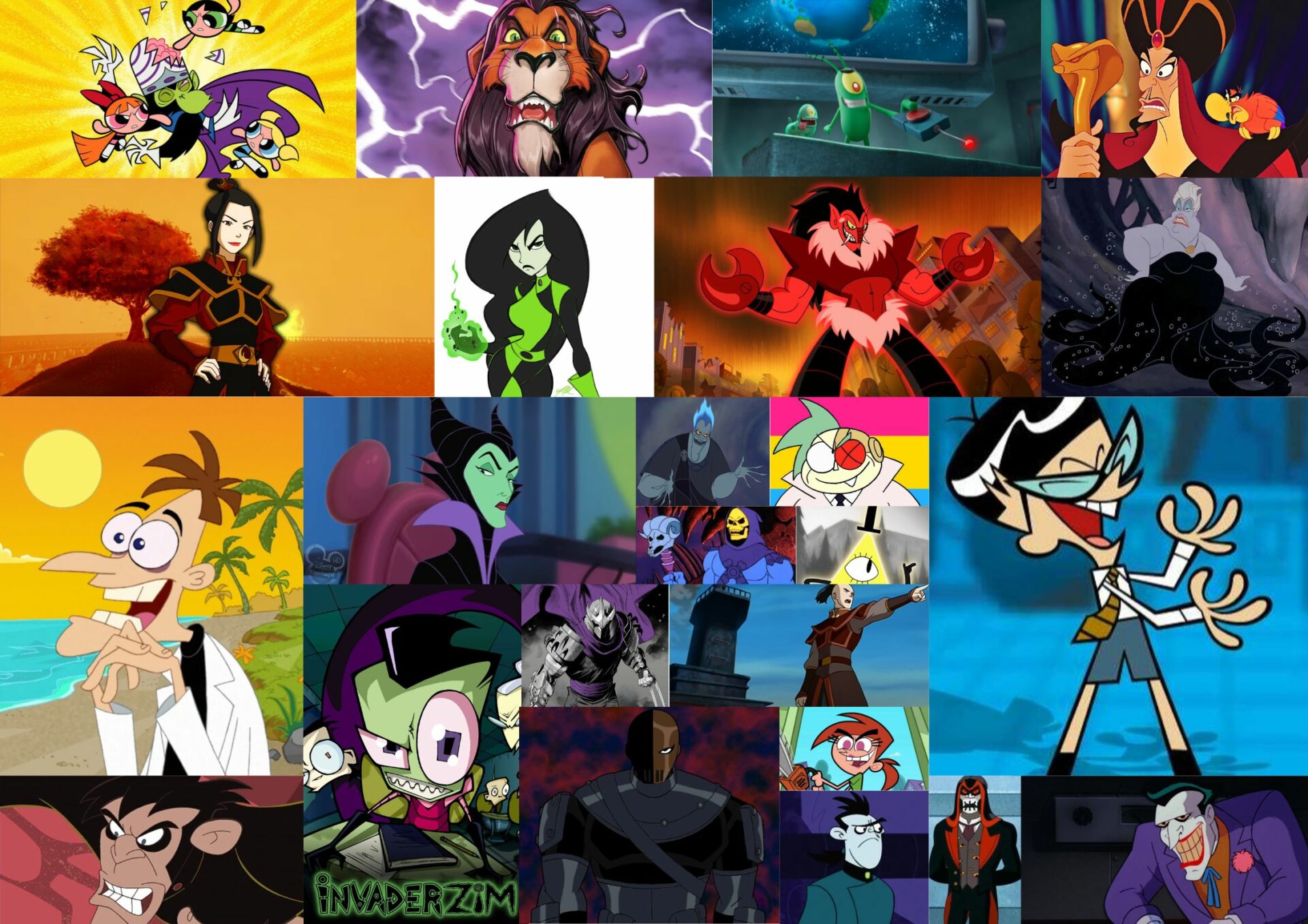
Our list rounds up the top 30 cartoon characters that were villains, each one more wonderfully wicked than the last.
READ MORE
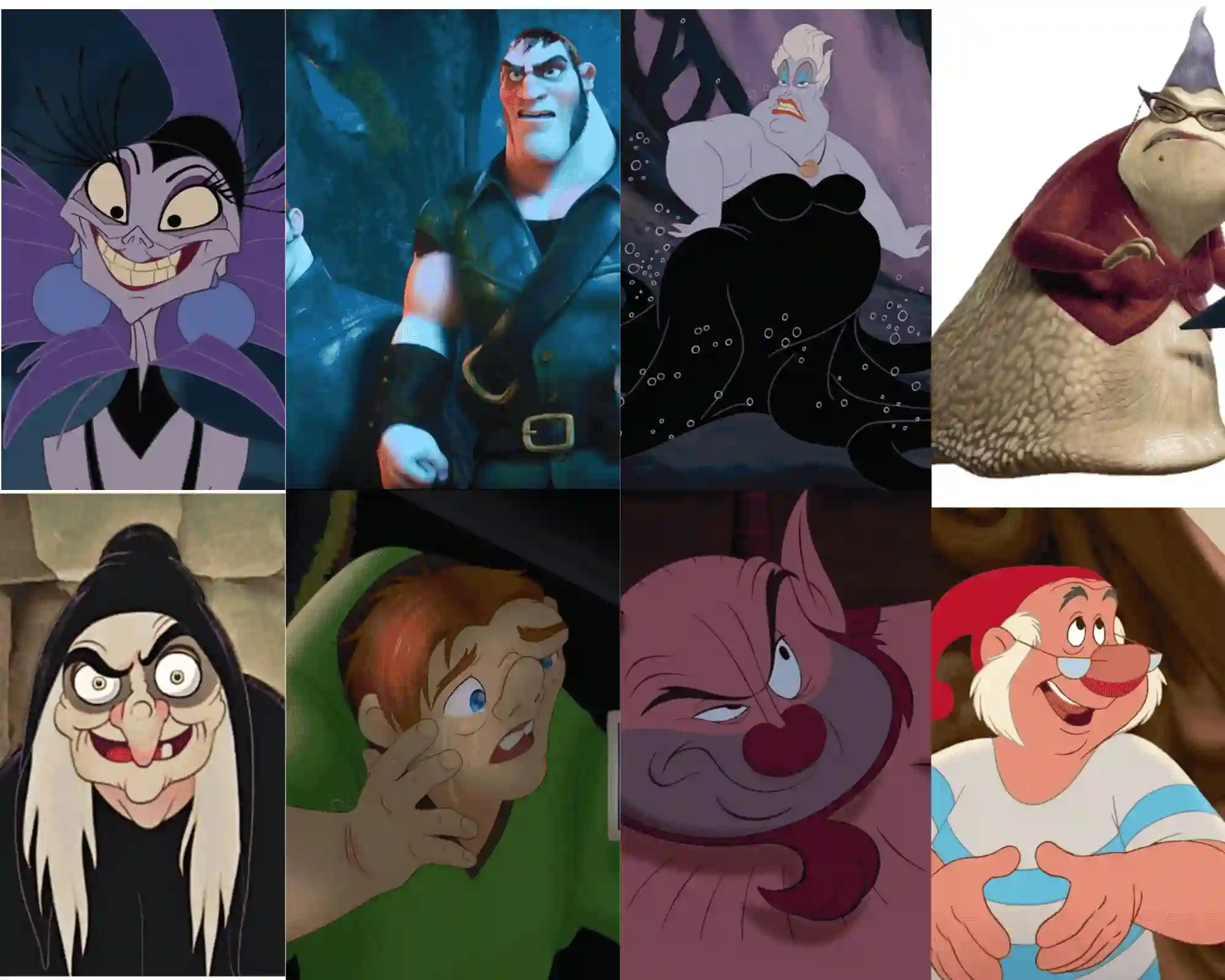
April 29, 2026 .
Lists, Opinions
The Mouse is famous for its princesses and princes. However, the studio’s true genius lies in its embrace of “ugly Disney characters”.
READ MORE
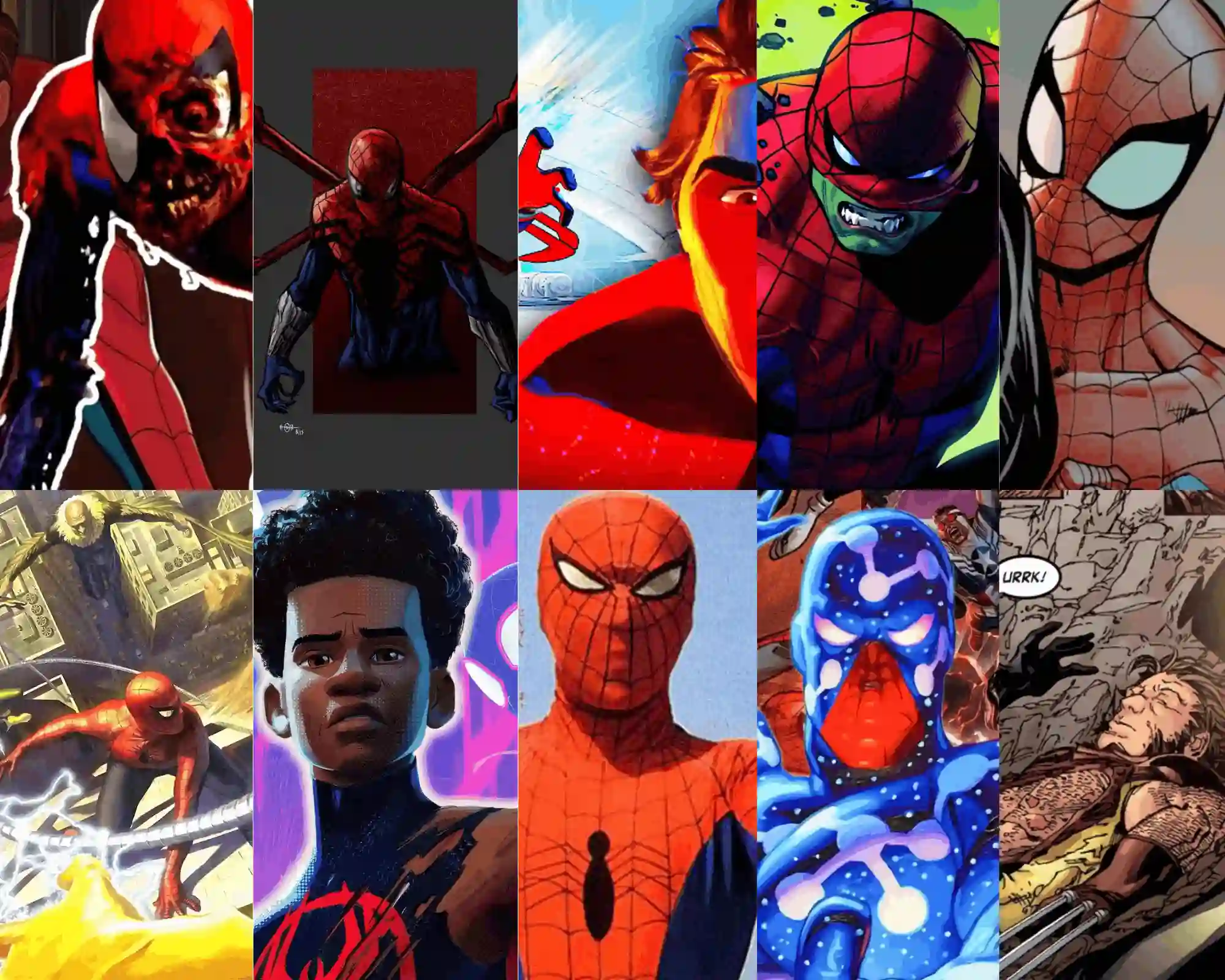
May 6, 2026 .
Lists, MCU
Spider-Man is one of the many superheroes from the Marvel Universe whose stories shaped many childhoods. Who is your strongest Spiderman?
READ MORE
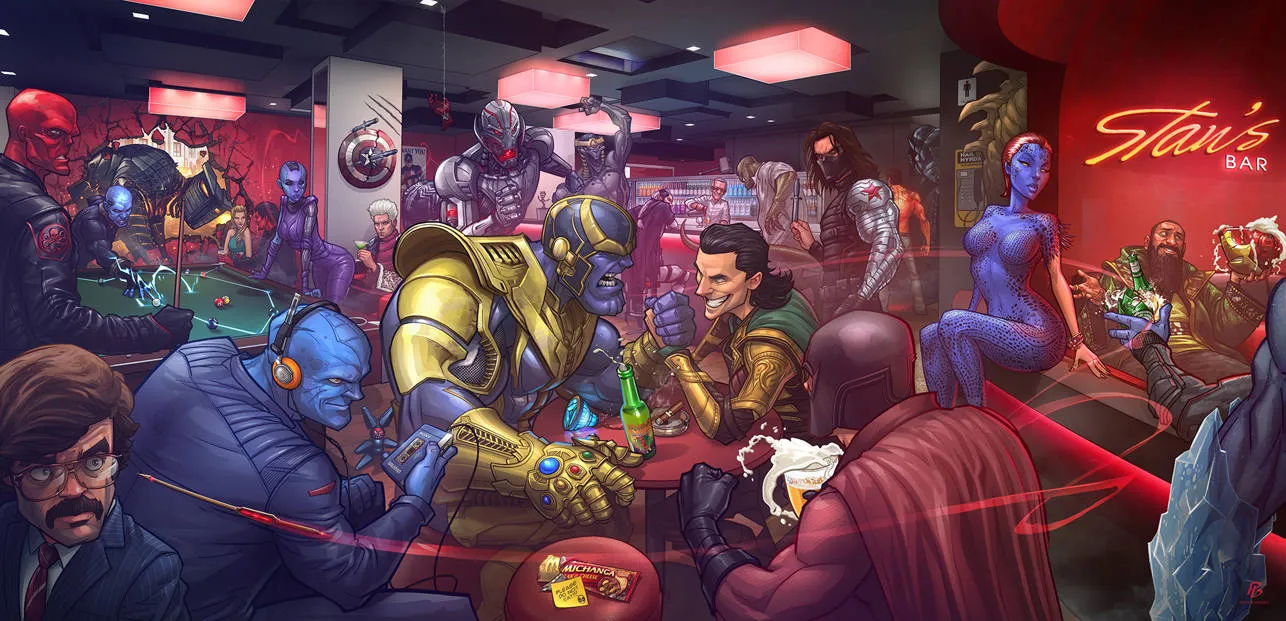
October 28, 2025 .
Lists, Marvel, MCU, Opinions
Let’s go through a list of the top 7 strongest Marvel villains, from the wickedly powerful to the absolutely unstoppable.
READ MORE
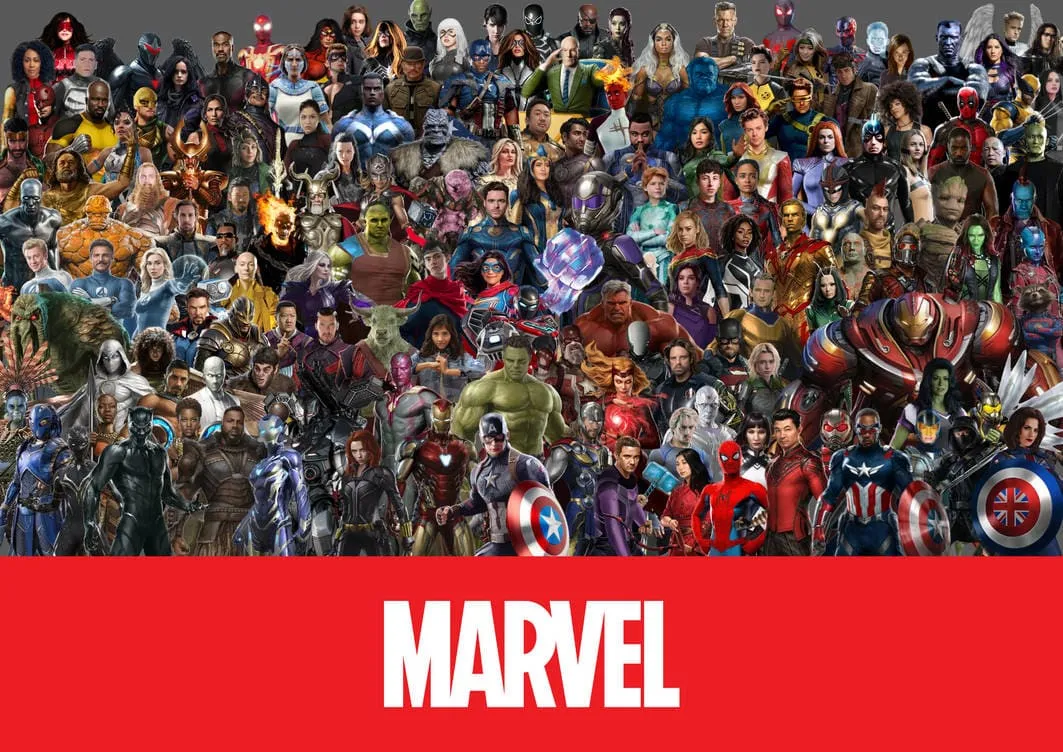
October 28, 2025 .
Debates, Lists, Marvel, MCU
Every Marvel hero brings something to the table. But if we had to pick the top 8 most popular Marvel superheroes, who would make the cut?
READ MORE

July 20, 2025 .
Opinions
Book recommendations from random places don’t always cut it, and you often end up feeling unsatisfied with them.
READ MORE

July 20, 2025 .
Essays, Opinions
READ MORE

July 20, 2025 .
Essays, Opinions
READ MORE

September 11, 2026 .
Opinions
Book reviews aren’t just a jumble of words on how a book made you feel but also a veritable document that you can quickly refer to when your memories temporarily fail you.
READ MORE

July 20, 2025 .
Opinions
Reading hundreds of pages for a single book can be like facing Smaug, Chiefest of Calamities, but a short story is a small dragon that you can easily conquer.
READ MORE

July 20, 2025 .
Debates, Opinions
Reading nonfiction about what interests you can provide more color and context that might make your fiction reading experience more enjoyable.
READ MORE
September 12, 2025 .
Opinions
In a fast-paced world, reading asks us to slow down, surrender, and sit with another person’s words long enough for them to settle inside us.
READ MORE
November 24, 2025 .
Debates, Opinions
Reading is active while watching movies is passive. The act of turning pages creates a pause that enhances understanding.
READ MORE
July 26, 2025 .
Fantasy, Opinions
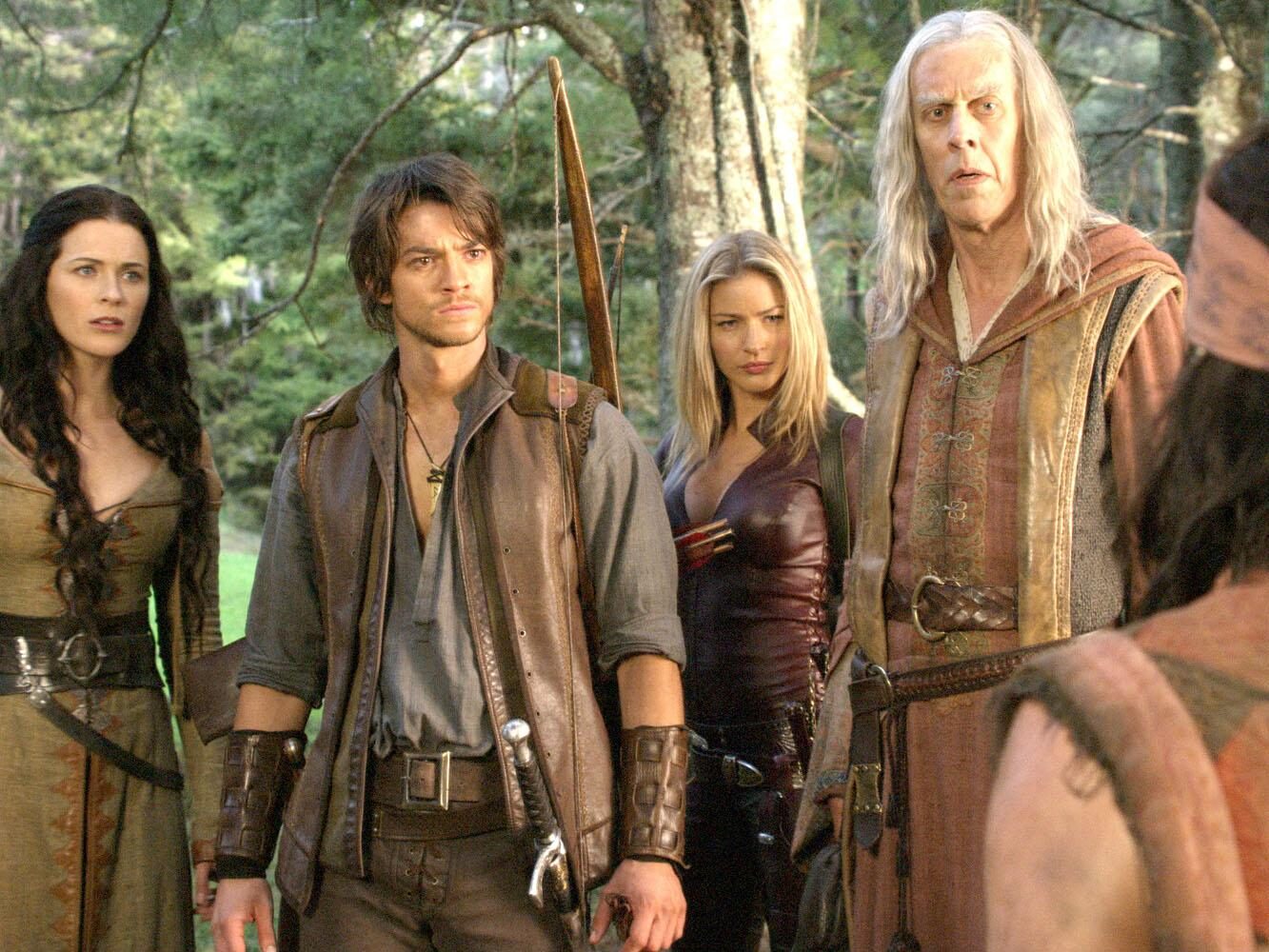
It’s cliche. But it’s rapid. It’s predictable. But it’s enjoyable. For lovers of the classic tropes, Legend of the Seeker is a worthy watch.
READ MORE
Get our magazine for free!