


















We’ve all heard the golden rule of creative writing: “Show, don’t tell.” But what happens when we apply this rule to the theme in literature?
Every iconic story operates on two distinct levels. On the surface lies the plot, but beneath that surface, however, lies the narrative’s heartbeat.
Theme acts as the cohesive force that turns a series of random events into a resonant exploration of the human condition. Simply put, it is what gives the story depth.
We’ve all heard the golden rule of creative writing: “Show, don’t tell.” Usually, this advice comes up when talking about character emotions or scene setting. But what happens when we apply this rule to the theme in literature?
For many emerging writers, the theme can feel more abstract than plot or dialogue. It is easier to outline events than to weave meaning into those events.
This guide explores how theme can elevate a simple narrative into an impactful work of art.
A common misconception among emerging writers is confusing a theme with a topic or a moral.

Topic is the subject matter being explored, e.g, love, war or ambition. On the other hand, Moral is a simplistic or didactic lesson, e.g, “Honesty is the best policy”.
Theme is the underlying idea, question, or insight explored through a story. Unlike plot, which describes what happens, the theme explores what those events mean. The bigger issue emerges as the characters pursue their goals. It involves the deeper questions and conflicts about identity, philosophy, or morality that arise in their attempts.
For example, a plot may follow a soldier returning home after war. The theme may explore trauma, identity, forgiveness, or the impossibility of returning to the past.
A useful way to think about theme in literature is that it represents the conversation a story has with the world. A story’s theme can come through characters, setting, dialogue, plot, word choice, literary devices, or a combination of these elements.
Many beginning writers start with a message they want to communicate. This often leads to stories that feel preachy because the narrative exists only to prove a point.
A stronger approach is to begin with a question. When the theme begins as a question, characters are free to struggle, fail, contradict themselves, and evolve. The story becomes an exploration rather than a lecture.
Theme emerges from several interacting elements.

The sections below examine some of the most common themes in literature, why they continue to appear across genres, and examples of how they are implemented.
It is an undying force that has sustained literature since the beginning of time and will continue to do so for a long time to come.
While some authors lean into this theme to create cozy, comforting escapes from daily life, others use it to examine the weight of dependency and the ever-shifting dynamics between two people, so bare themselves.
It could be that force for good that inspires people to sacrifice themselves for others, or a toxic force that drives people to madness or violence. It could be a pure true love story, forbidden love, family love, unrequited love or friendship love.
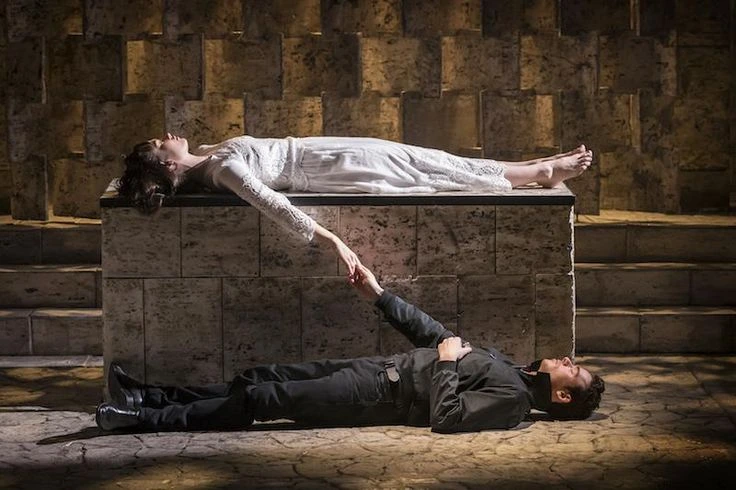
A forbidden love example is William Shakespeare’s Romeo and Juliet, which explores how social barriers and fate can turn passion into tragedy.
Another good instance of a sacrificial love story is Cormac McCarthy’s The Road. For obsessive love, we have Emily Brontë’s Wuthering Heights.
It is also known as a Bildungsroman; the structure relies on the friction between a sheltered worldview and the unvarnished realities of society.
It is a tale of identity and self-discovery, gaining wisdom at the direct expense of innocence. While coming-of-age stories are popular in young adult literature, they’re also common in memoirs.
Classic examples include Harper Lee’s To Kill a Mockingbird, which follows Scout as she witnesses the racial injustice of her hometown.
Another prime example is The Catcher in the Rye by J. D. Salinger; Holden Caulfield’s wandering through New York reflects his struggle to understand himself and the adult world.
Little Women is another coming-of-age story about four sisters as they grow from children into women and find their independent identities.
This classic theme remains central to myths, fairy tales, fantasy, and many modern novels. However, contemporary literature often complicates the distinction between good and evil.
Rather than presenting purely heroic or villainous characters, many stories explore moral ambiguity, leaving readers torn about which side to pick.
The theme of good versus evil may appear through characters’ actions and dialogue, or through their internal struggle to do the right thing when faced with temptation.
Notable instances include The Lord of the Rings by J. R. R. Tolkien, which depicts the struggle against Sauron and represents a clear conflict between good and evil, yet the Ring also reveals the corrupting potential within ordinary individuals.
Another example is Strange Case of Dr. Jekyll and Mr. Hyde by Robert Louis Stevenson, which is not a classic hero-versus-villain story. The novel suggests that good and evil coexist within the same person, making the theme psychological rather than purely external.
Literature frequently examines how power changes individuals and institutions.
The central question is often whether power reveals character or destroys it. This is often closely related to “Man vs Society.”
This theme appears in political fiction, dystopian novels, tragedies, and historical literature. The focus may be on power’s corrupting effects, or on the exchange of power between oppressive states and individuals; sometimes it’s simply the power of dreams. But power is the central idea.
Examples include Shakespeare’s Macbeth, in which Macbeth’s ambition leads to murder, paranoia, tyranny, and psychological collapse.
Animal Farm by George Orwell demonstrates how revolutionary ideals can become corrupted when power concentrates in the hands of a few.
Stories of revenge ask whether retaliation can heal suffering or create further destruction.
What are the proper consequences for people who do the wrong thing? Who is best equipped to dispense justice? Can revenge beget justice? And how far is too far?
A classic example is Hamlet by William Shakespeare. Hamlet’s desire for revenge becomes entangled with grief, uncertainty, morality, and political corruption.
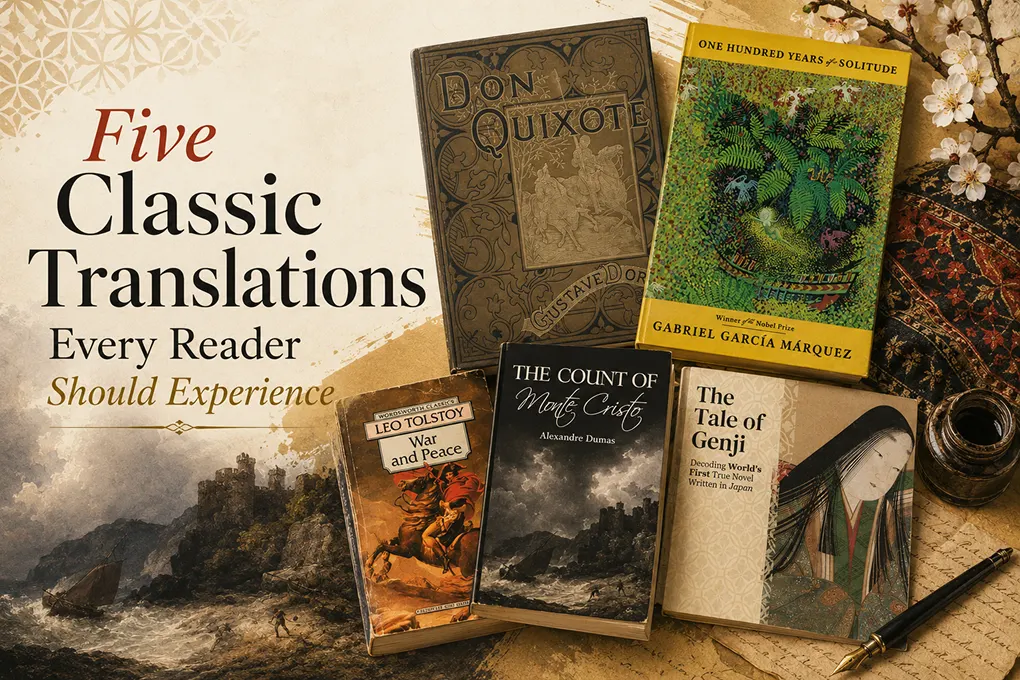
Another instance is The Count of Monte Cristo by Alexandre Dumas. Edmond Dantès achieves his revenge, but the novel ultimately questions whether vengeance truly restores what was lost.
Incorporating a solid literary theme into your work may be tricky and confusing at first, but it doesn’t have to be incredibly difficult. These foundational narrative pillars interact to shape theme in literature.
Characters are the primary vehicles through which thematic truth is tested and revealed.

A story’s deeper meaning is directly linked to the protagonist’s internal struggle, specifically, the battle between a False Belief (a flaw or misconception about the world) and the Thematic Truth.
Most themes center on controversial ideas that create conflict for people. When a character makes a high-stakes choice during a narrative climax, that decision serves as the ultimate proof of the theme. The audience witnesses the consequences of that choice, making the theme emotionally convincing without explicit narration.
A motif is a recurring element; it could be a sound, a phrase, a visual image, a weather pattern, or a structural device that appears throughout a work to reinforce its core concepts.

While a symbol carries a specific meaning, a motif works through repetition, establishing a pattern that subtly guides reader perception.
In Macbeth, the theme of guilt is established through blood. The characters constantly see blood, try to wash it off their hands, or talk about bloodstains that will not disappear.
Symbolism bridges the narrative’s physical world and its abstract conceptual foundation. A well-crafted symbol operates seamlessly within the physical setting while carrying heavy emotional or philosophical weight.

Symbols are objects, characters, or settings used to represent something else.
Writers turn abstract themes into concrete moments using objects that gain emotional weight through the plot or by tapping into universal archetypes, such as winter representing decay and dawn representing renewal.
When characters interact with these objects, the theme clicks into place. A protagonist smashing an heirloom, clinging to a faded photograph, or dropping a wedding ring into the ocean shows their internal shift and proves the story’s theme.
Themes are a huge part of what readers ultimately take away from a work of literature when they’re done reading it.
They’re the universal lessons and ideas that we draw from our experiences. Rather than explaining what a story means, the writer creates experiences that allow readers to discover meaning for themselves.
Theme emerges when character arcs, plot pressures, motifs, and symbolic weight align. When these elements operate in harmony, theme in literature ceases to be an abstract academic term and becomes the very force that makes stories unforgettable.

July 20, 2025 .
Animation, Lists
Our list rounds up the top 30 cartoon characters that were villains, each one more wonderfully wicked than the last.
READ MORE
April 29, 2026 .
Lists, Opinions
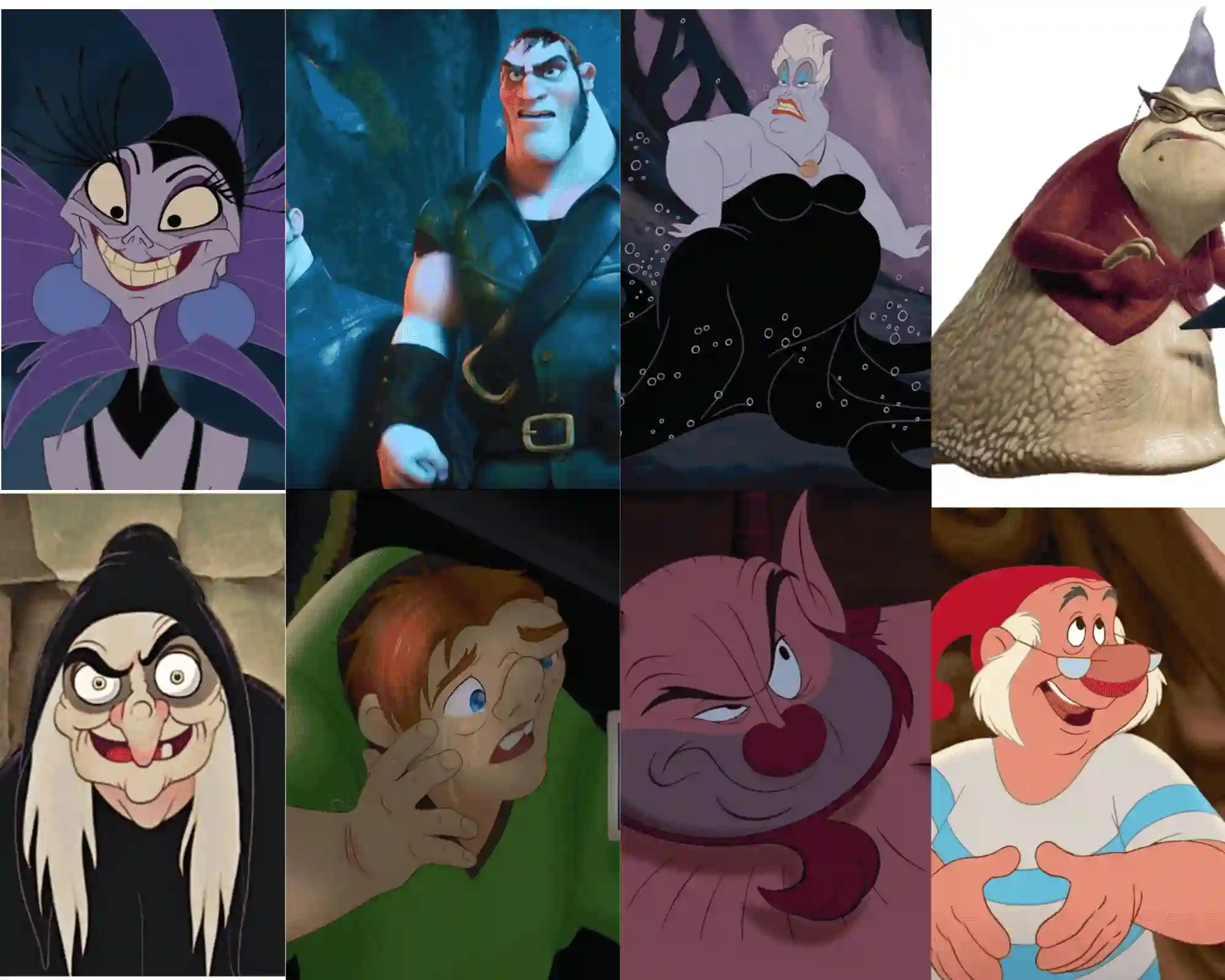
The Mouse is famous for its princesses and princes. However, the studio’s true genius lies in its embrace of “ugly Disney characters”.
READ MORE
May 6, 2026 .
Lists, MCU
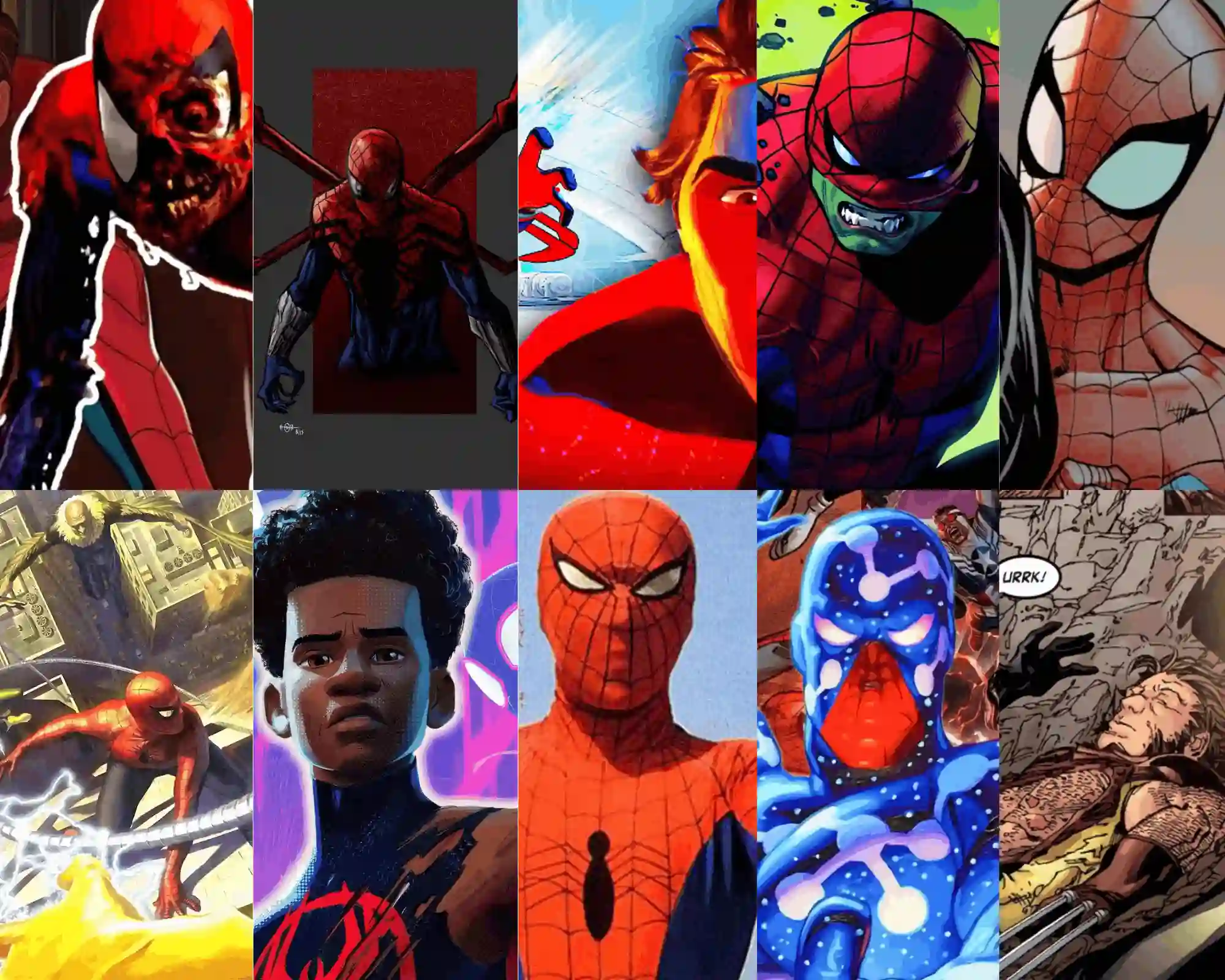
Spider-Man is one of the many superheroes from the Marvel Universe whose stories shaped many childhoods. Who is your strongest Spiderman?
READ MORE
October 28, 2025 .
Debates, Lists, Marvel, MCU
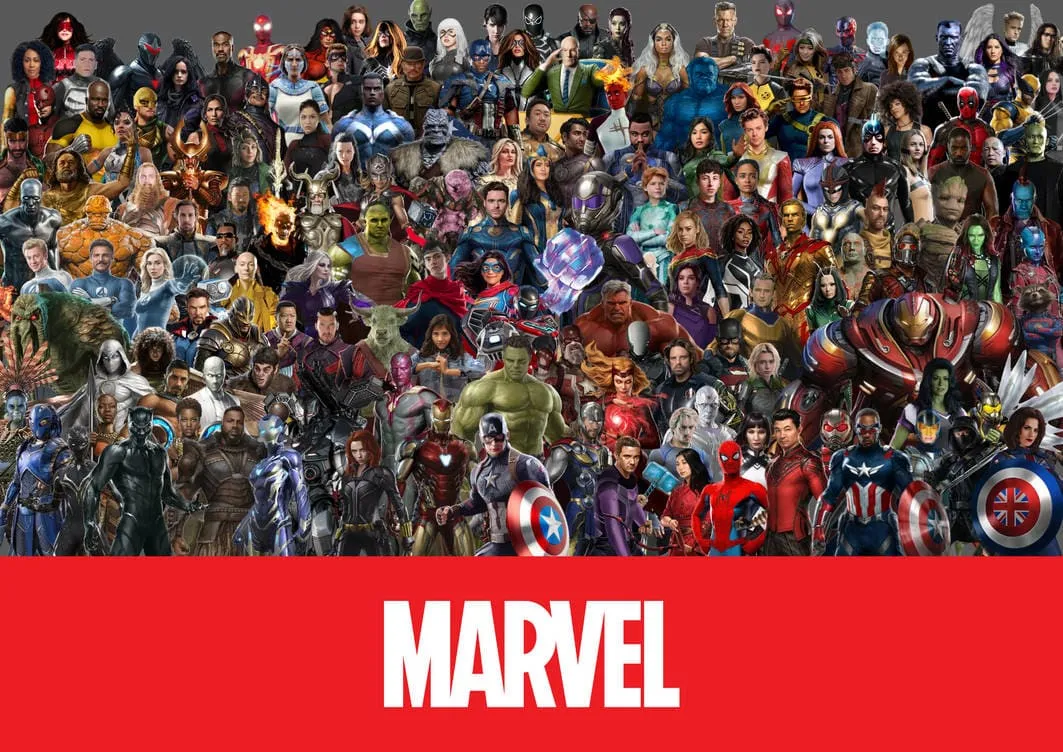
Every Marvel hero brings something to the table. But if we had to pick the top 8 most popular Marvel superheroes, who would make the cut?
READ MORE
October 28, 2025 .
Lists, Marvel, MCU, Opinions
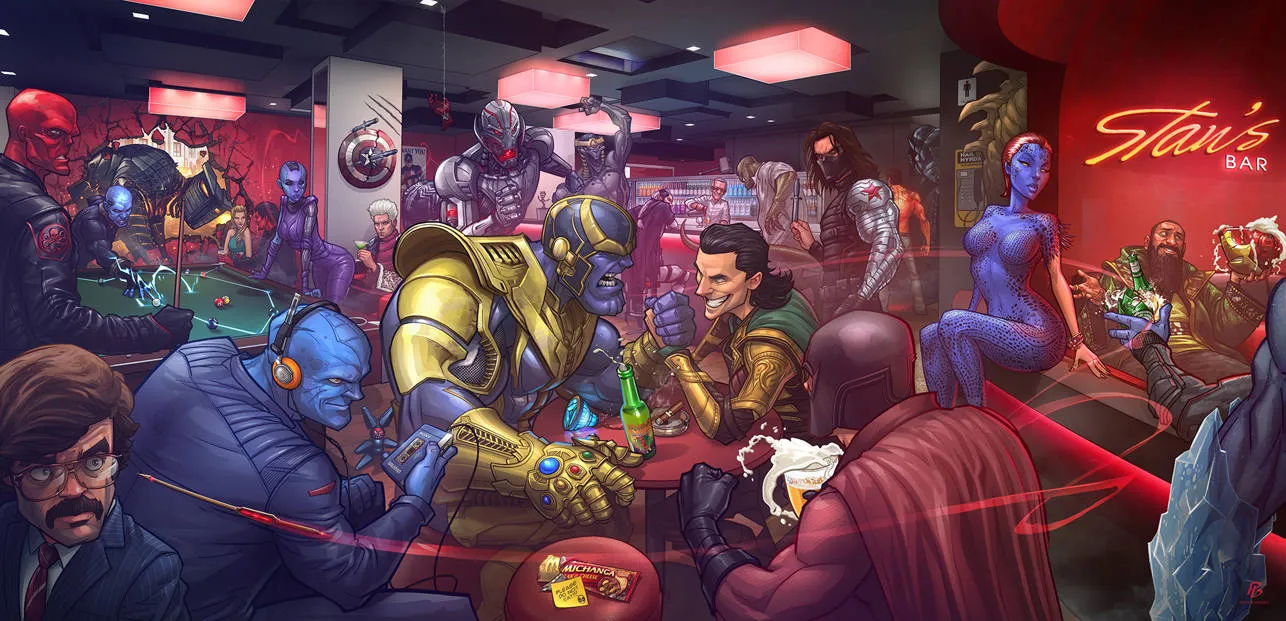
Let’s go through a list of the top 7 strongest Marvel villains, from the wickedly powerful to the absolutely unstoppable.
READ MORE


July 20, 2025 .
Writer Resources
Discover the differences in First-Person Point of View and Third-Person POV, and how each impacts character connection and narrative style.
READ MORE
May 15, 2026 .
Writer Resources
The tension between writer-centered and reader-centered approaches defines how a story is told and who it serves.
READ MORE
October 22, 2025 .
Essays, Writer Resources
Ever found a book that looks like a comic but tells a complete, well-structured story? Congratulations, it’s a graphic novel.
READ MORE
June 26, 2026 .
Writer Resources
Writing starts with forming ideas, imagination, dreams, and thoughts. And when these condense into a coherent progression, you have a plot.
READ MORE
May 10, 2026 .
Writer Resources
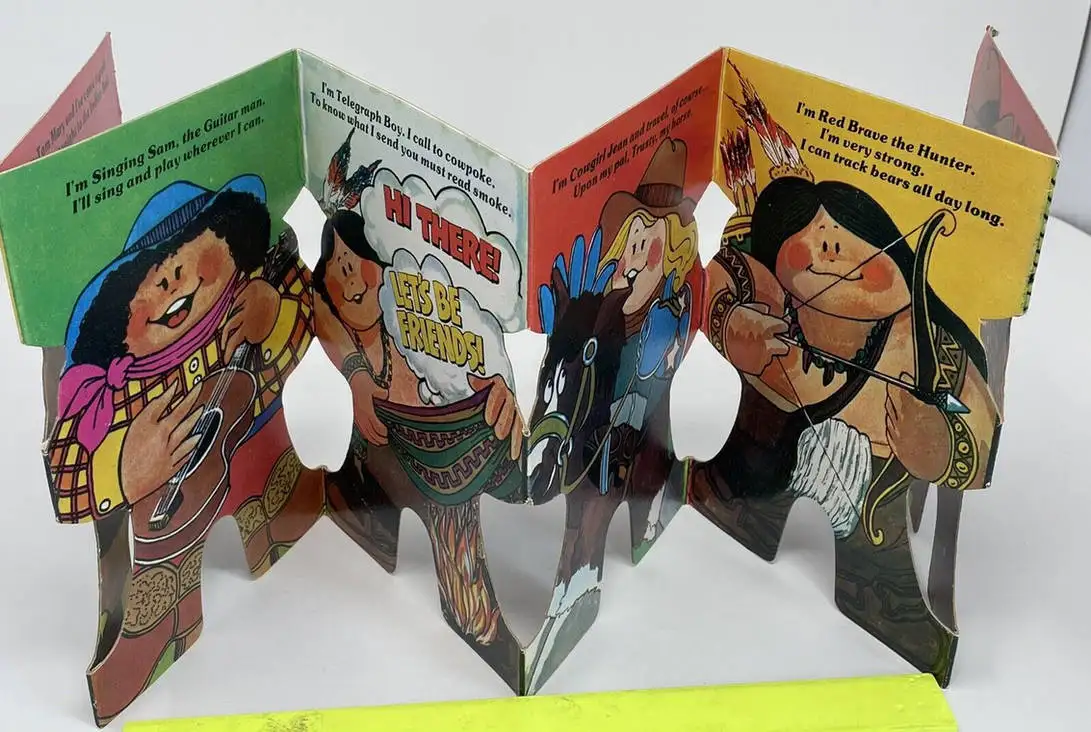
What is a board book, and how does it differ from others? Traditional publishing usually means novels, but published works span much more.
READ MORE
July 24, 2025 .
Essays, Writer Resources
READ MORE
February 8, 2026 .
Writer Resources
Breaking into traditional publishing can feel like decoding a secretive industry. This guide is a resource for finding the right agent.
READ MORE
February 28, 2026 .
Writer Resources
There are three paths in book publishing: traditional, self-publishing, and hybrid. The current focus is on traditional publishing.
READ MORE

July 20, 2025 .
Writer Resources
Today, writers are needed who combine creativity with technical expertise, professionalism, and adaptability.
READ MORE
Get our magazine for free!