Close menu
Ranking the best of African Literature



















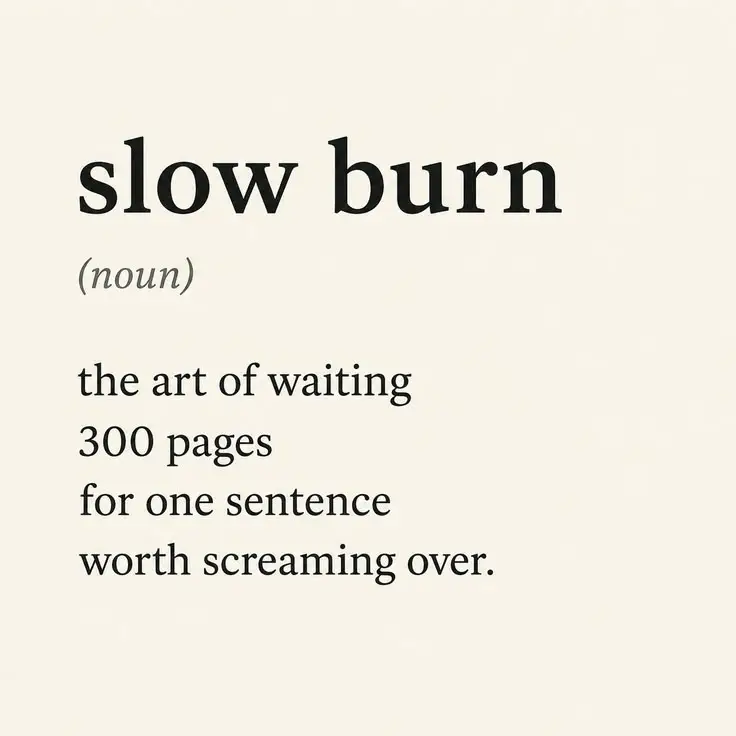




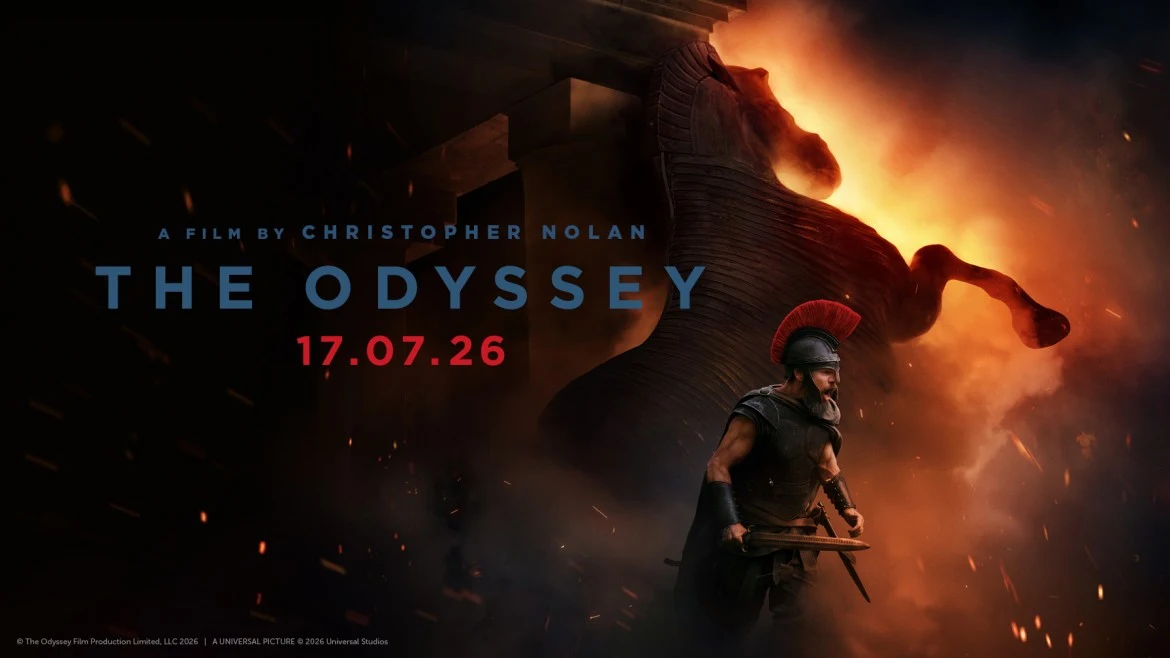
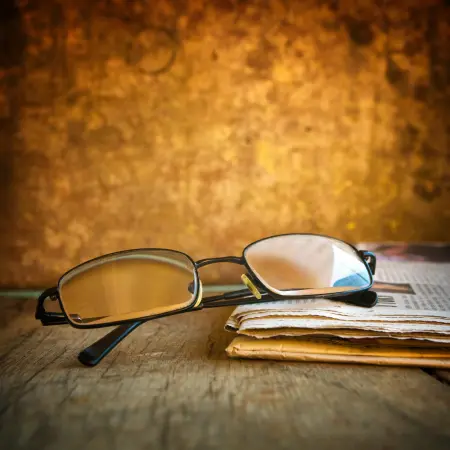
Slow reading is not about being a “serious” reader or reading for the sake of it. It’s about giving a book enough room to work on us.
“A little learning is a dangerous thing; Drink deep, or taste not the Pierian spring.”
— Alexander Pope
In light of the widespread Olodo Uprising discussions, various angles on intelligence and reading have been brought forward, but this is for those who already read. How you engage with the work matters; just like you can 2x a long-form video, you can also feel the urge to skim over a text. This form of reading is often counterproductive.
As it is popularly said, “Half-knowledge is worse than ignorance.” Because then a person embodies the arrogance of someone who thinks he understands the content of a book, but may have misconstrued it or, at the very least, taken it out of context.
In a world that rewards speed, reading slowly can feel dull and grueling. We are encouraged to finish more books, track more pages, complete more challenges, and turn reading into another measurable achievement. But books are not meant to be rushed; that’s what doomscrolling is for. When reading, you’re meant to linger over a text and engage with it.
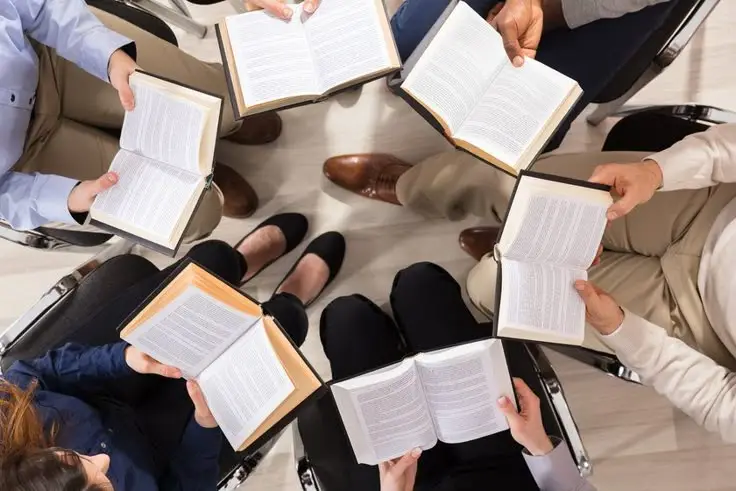
Slow reading is not about being a “serious” reader. It is about giving a book enough room to work on us. It means rereading a sentence because it glows. It means pausing after a chapter instead of immediately starting the next one. It means letting a character’s choice bother us for a whole afternoon. It means reciting lines from a work to hear how they sound when said aloud.
It is important to note that books are among the biggest yet underappreciated agents of change we have. Readers are not trying to extract knowledge from a text but to allow that text to influence their perspective, thereby transforming them.
There is a special intimacy in moving through a book at an unhurried pace. Details rise to the surface: a repeated image, a shift in tone, a small gesture that changes how we understand everything that follows. This improves your power of observation even when you are not reading, as well as your attention to detail. The book becomes less like content to consume and more like something you can relate to.
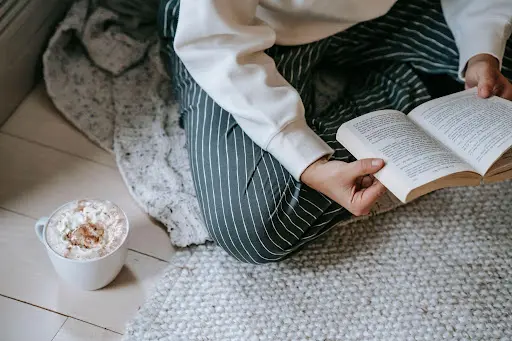
If you want to slow down and engage more fully with a book, begin by setting aside a small, protected stretch of time. Even twenty quiet minutes can change the quality of your attention. Put your phone out of reach, make a cup of tea or coffee, and let reading be the only thing you ask yourself to do.
Try reading fewer pages at a time. Instead of aiming to finish a chapter, aim to notice it.
After a scene or section, pause and question what you have just read. Did a character reveal something? Did the mood change? Did one sentence seem to hold the emotional weight of the whole passage? Did you agree with the sequence of things, how they played out?
Keep a pencil, sticky notes, or a reading journal nearby. Highlight the lines that make an impression on you, confuse you, or make you feel something sharply. You do not need to write polished analysis. A few words are enough: “beautiful image,” “why did she say this?” or “this feels important.”
These small notes create a conversation between you and the book.
Reread without guilt. If a paragraph feels dense, strange, or especially lovely, return to it. Slowness often begins with repetition. The second reading may reveal rhythm, irony, tenderness, or tension that the first reading only brushed past.
Another useful habit is to stop before you are tired. It is tempting to push through, especially when a book is good, but ending while you are still alert helps the story stay vivid.
Close the book with a question in mind. What are you wondering? What are you hoping for? What are you afraid might happen? Also, feel free to discuss the ideas in a book with others, share your excitement or letdowns.
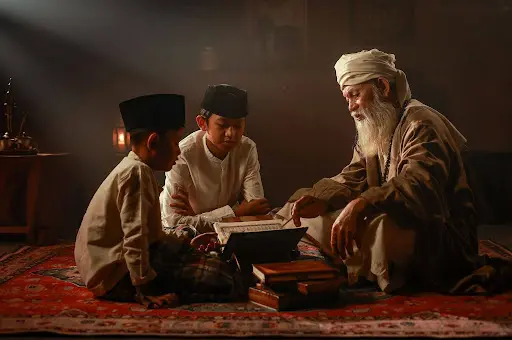
You might also try reading aloud or listening to audiobook versions, especially for poetry, essays, classics, or lyrical fiction. It helps you gain insight into those works that are not native to you. Hearing the sentences and dialogues can change how you understand them.
Language has texture, pace, and breath; some books open themselves more fully when they are heard as well as seen. It essentially adds voice and cadence the next time you read that text or a similar one. It’s especially true with literary fiction, memoirs, poetry, and classics, but any book can reward slowness. Even a mystery or fantasy novel can feel richer when we stop chasing only the plot and begin noticing atmosphere, language, and emotional texture.
Slow reading also restores something many readers quietly miss: attention. Not the strained attention that productivity requires, but the soft, absorbed attention of being fully present. A good book can become a pocket of stillness. For a little while, the noise recedes.
Of course, there is joy in devouring a book in one sitting. There are stories that pull us along breathlessly, and that pleasure is real. But reading slowly offers a different kind of enjoyment. It reminds us that books are not only destinations but also landscapes.
So perhaps the next time a book requires you to pause, let it. Sit with the sentence. Turn the page tomorrow. Carry the character with you.

Hi I'm Tega, I am a microbiologist with a lifelong passion for reading, I fell in love with books as child (where I was briefly obsessed with Enid Blyton, lol) reading is simply my escape and hobby and sometimes doubles as therapy for me . My favorite genres are African lit, historical fiction, memoirs/biographies and fantasy. I do beta reading and post book reviews which you can check out on my Instagram @ te_ga_o.
Best Films About Unexpected Age Gap Romance
Literary Awards and the Racism Card: A Wake-Up Call for Black Africa
Interview with the Vampire Relationships, Ranked
10 Top Recent Films for Action and Comedy Fans
Comma Rules Every Writer Should Know
10 Most Hype-worthy 2026 Book Releases (African Literature Version)
Five Gambling Films That Know the Bet Is Only Half the Story
Movies Where Poker Reveals Who a Character Really Is
Ranking the Top 20 Nigerian Romance Novels since 2020
In Defense of Reading and Gaming
8 Third-Person Omniscient Examples for the Plot
A Trade of Blood (Ana and Din Mysteries #3) by Robert Jackson Bennett
July 20, 2025 .
Animation, Lists
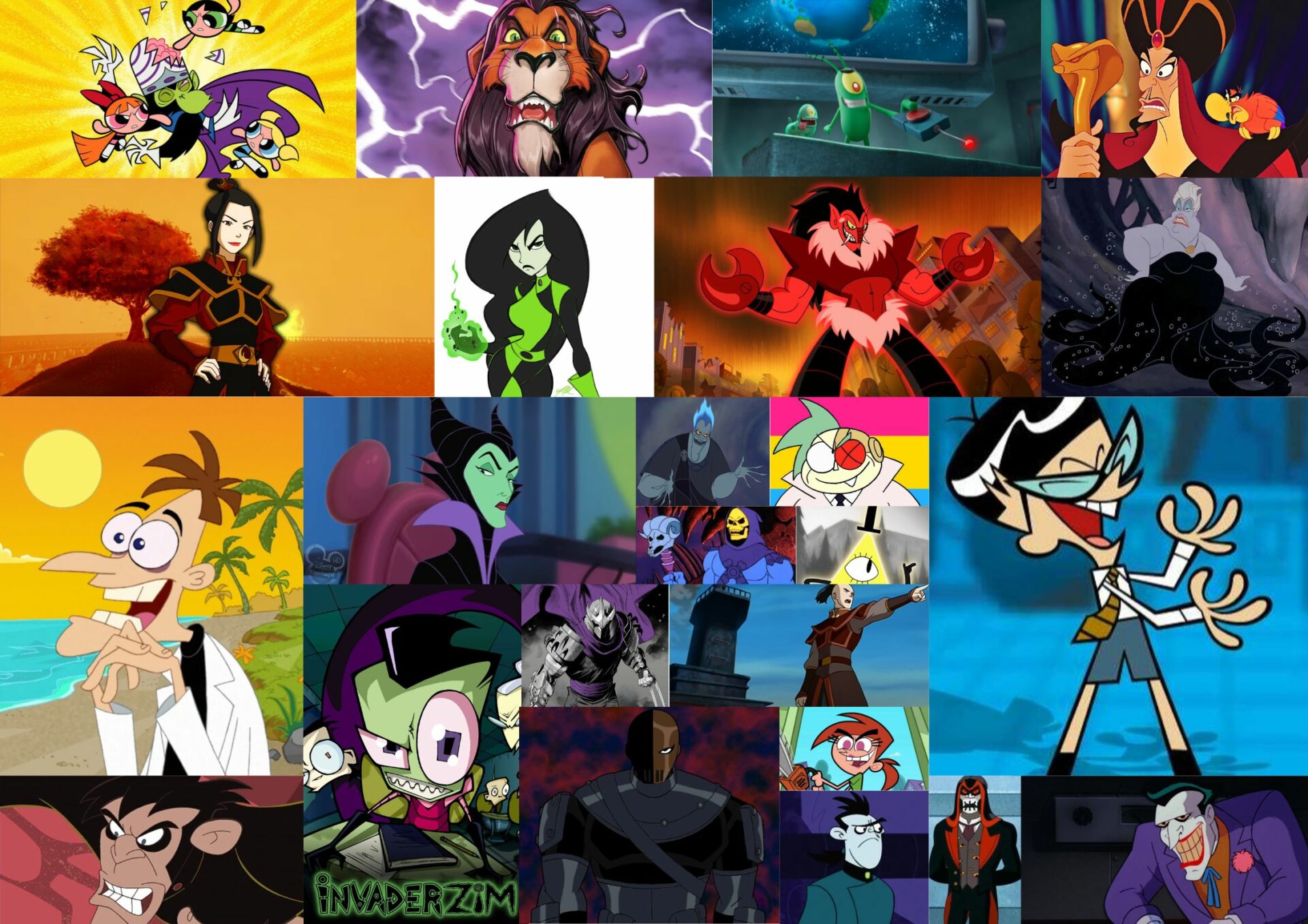
Our list rounds up the top 30 cartoon characters that were villains, each one more wonderfully wicked than the last.
READ MORE
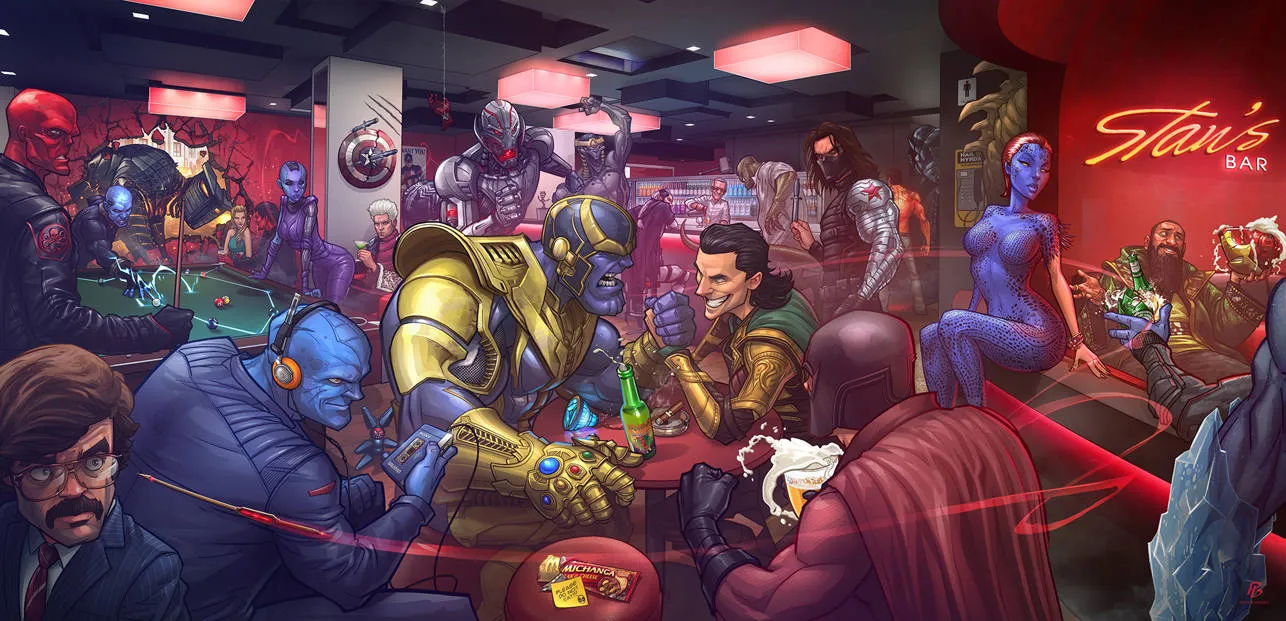
October 28, 2025 .
Lists, Marvel, MCU, Opinions
Let’s go through a list of the top 7 strongest Marvel villains, from the wickedly powerful to the absolutely unstoppable.
READ MORE
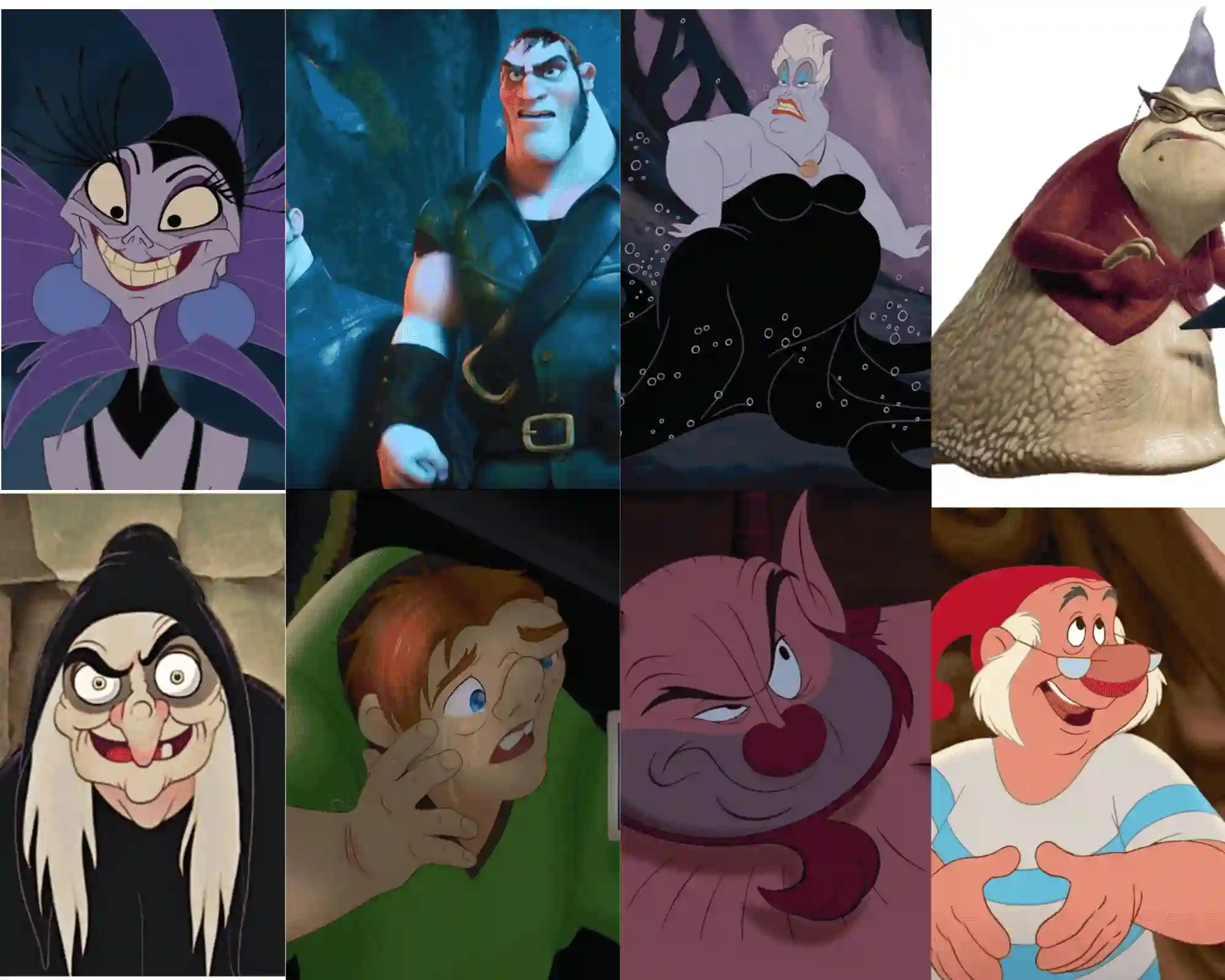
April 29, 2026 .
Lists, Opinions
The Mouse is famous for its princesses and princes. However, the studio’s true genius lies in its embrace of “ugly Disney characters”.
READ MORE
November 27, 2025 .
Lists, Mythology
While this isn’t an exhaustive list, it comprises some of the most popular mythical creatures from around the world.
READ MORE
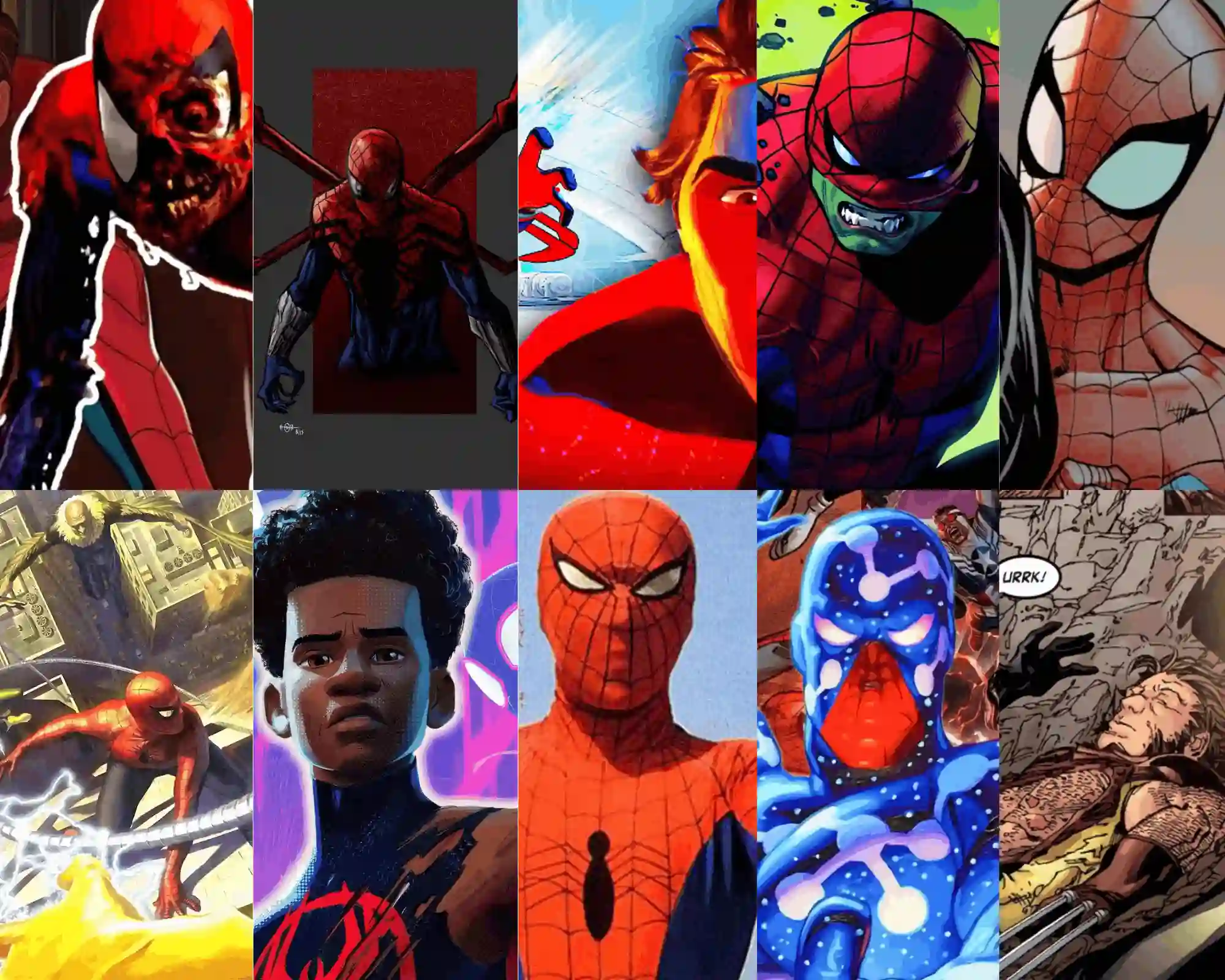
May 6, 2026 .
Lists, MCU
Spider-Man is one of the many superheroes from the Marvel Universe whose stories shaped many childhoods. Who is your strongest Spiderman?
READ MORE

July 20, 2025 .
Opinions
Book recommendations from random places don’t always cut it, and you often end up feeling unsatisfied with them.
READ MORE

July 20, 2025 .
Essays, Opinions
READ MORE

July 20, 2025 .
Essays, Opinions
READ MORE

September 11, 2026 .
Opinions
Book reviews aren’t just a jumble of words on how a book made you feel but also a veritable document that you can quickly refer to when your memories temporarily fail you.
READ MORE

July 20, 2025 .
Opinions
Reading hundreds of pages for a single book can be like facing Smaug, Chiefest of Calamities, but a short story is a small dragon that you can easily conquer.
READ MORE

July 20, 2025 .
Debates, Opinions
Reading nonfiction about what interests you can provide more color and context that might make your fiction reading experience more enjoyable.
READ MORE
September 12, 2025 .
Opinions
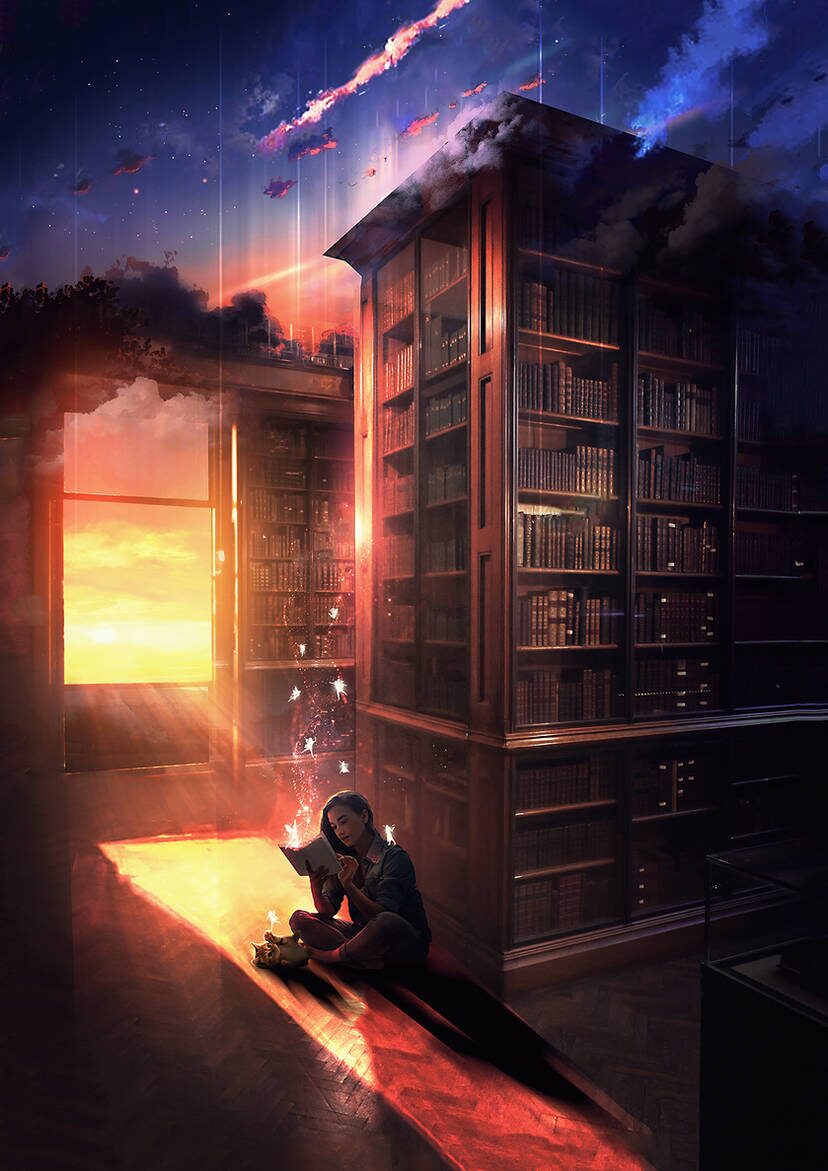
In a fast-paced world, reading asks us to slow down, surrender, and sit with another person’s words long enough for them to settle inside us.
READ MORE
November 24, 2025 .
Debates, Opinions
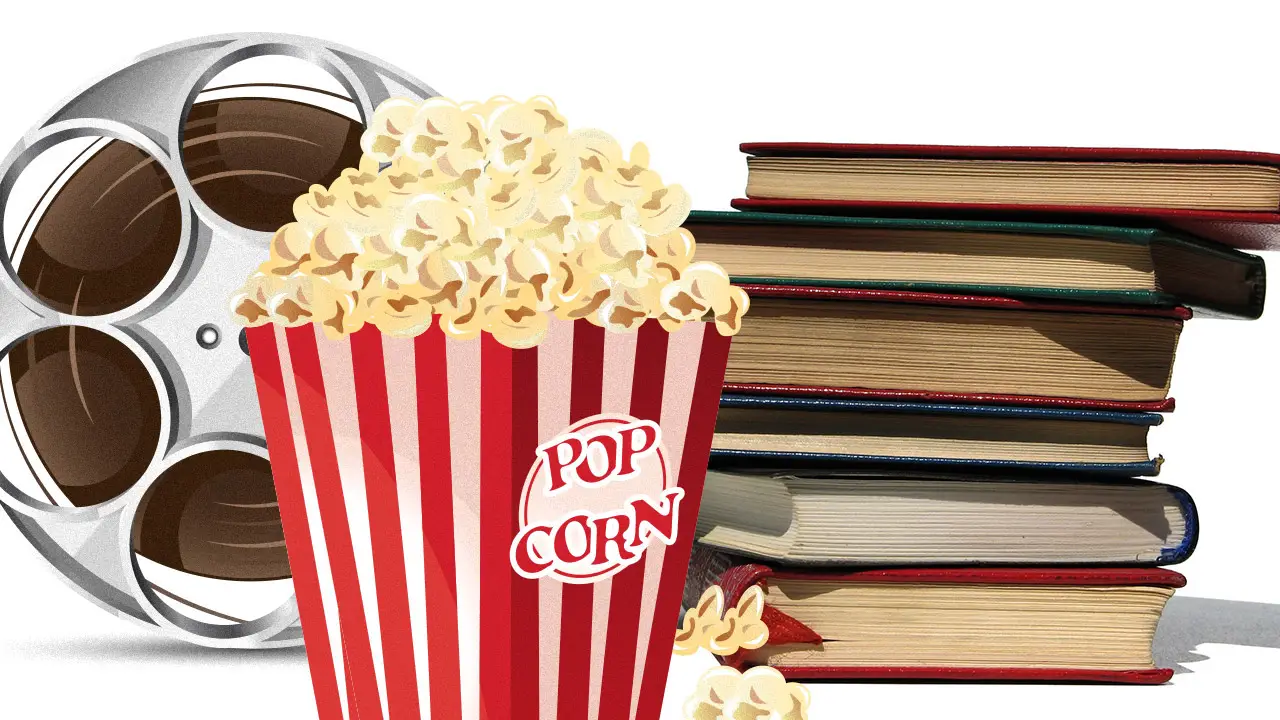
Reading is active while watching movies is passive. The act of turning pages creates a pause that enhances understanding.
READ MORE
July 26, 2025 .
Fantasy, Opinions
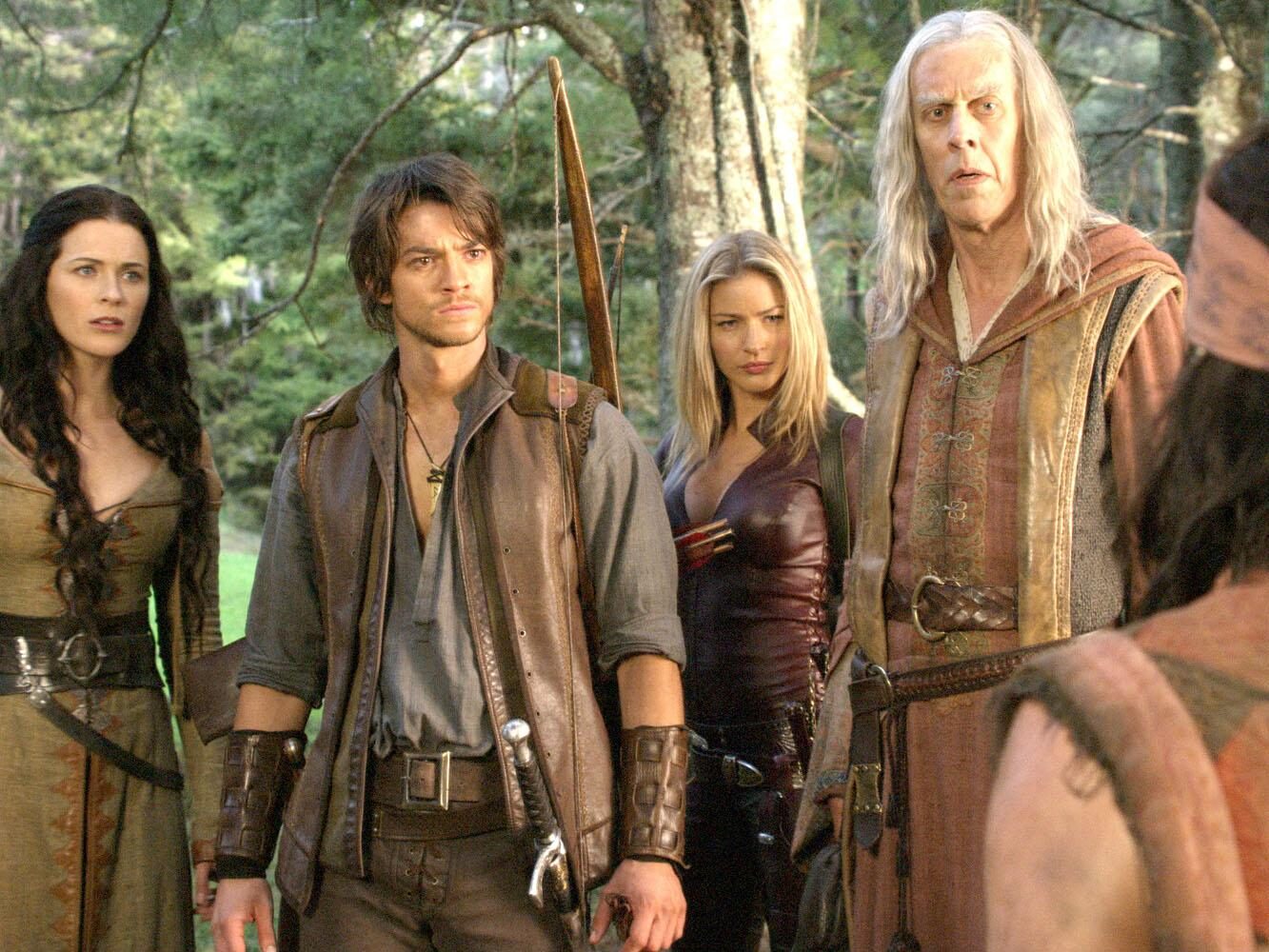
It’s cliche. But it’s rapid. It’s predictable. But it’s enjoyable. For lovers of the classic tropes, Legend of the Seeker is a worthy watch.
READ MORE
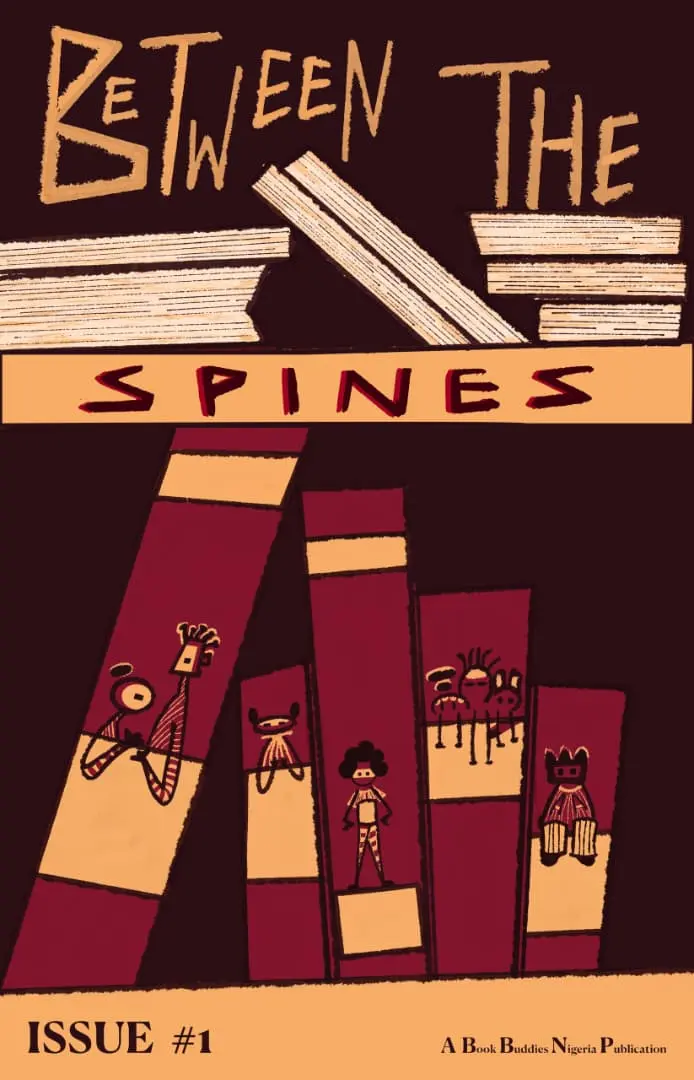
Get our magazine for free!