








































































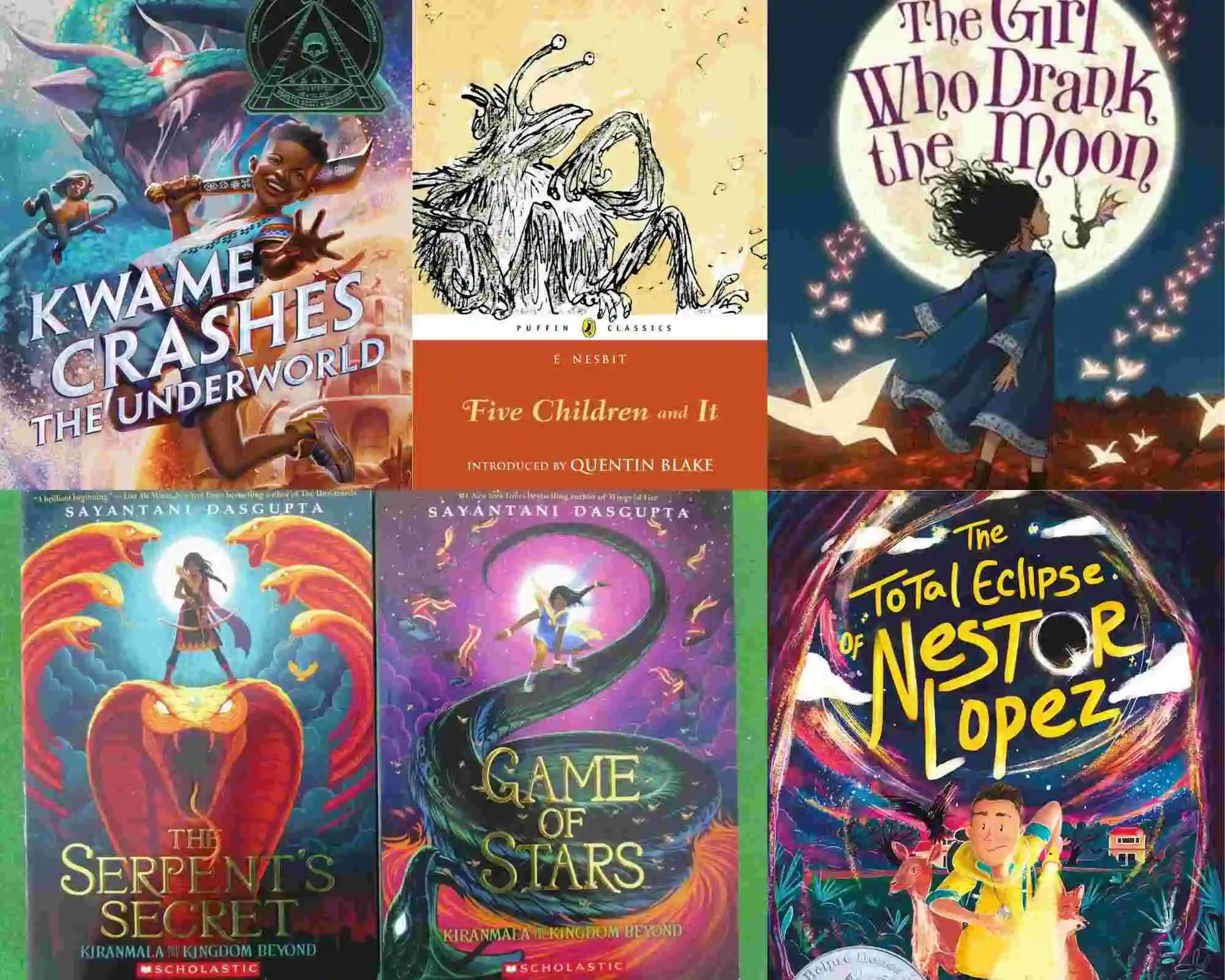


For many children, knowledge sticks when wrapped in friendly interaction. That is one reason children’s card games continue to have a place.
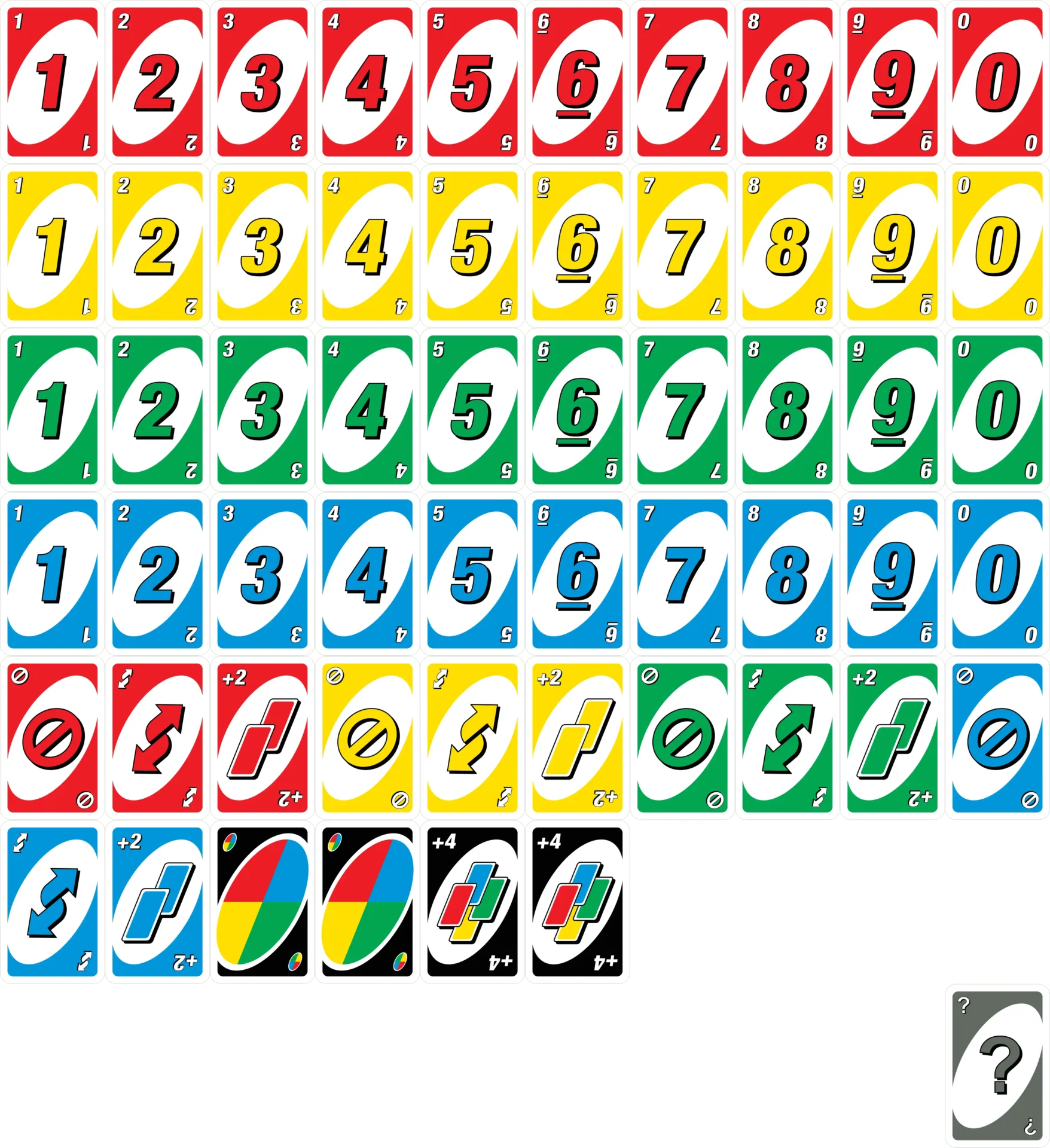
For many children, knowledge sticks more easily when it is wrapped in play, curiosity, and friendly interaction.
That is one reason children’s card games continue to have a place in homes, classrooms, libraries, and after-school programmes. A simple deck of thoughtfully designed cards can introduce new words, reinforce classroom topics, encourage teamwork, and even help children develop confidence as they solve problems.
Unlike many digital learning tools, card games invite face-to-face interaction. They encourage conversation, turn-taking, observation, and decision-making while keeping distractions to a minimum.
Educational researchers have consistently found that play-based learning helps children remain engaged, particularly when activities balance enjoyment with clear learning objectives. Rather than replacing traditional teaching, games often strengthen it by giving children another way to practice important skills.
For authors, educators, and game designers, creating children’s card games offers the chance to combine education with entertainment. The challenge is to make learning feel like a natural part of the game instead of a classroom exercise. A successful deck captures children’s interest first, then reinforces knowledge through repeated play.
This guide explains how to design children’s card games from the ground up. It covers setting clear learning goals, choosing suitable mechanics, creating engaging content, testing the game with children, and preparing it for publication.

A simple deck of cards can support several areas of child development at the same time. Reading, listening, memory, communication, and reasoning often work together during play, allowing children to build multiple skills in a single activity.
Unlike passive forms of learning, card games require children to participate actively. They recognise patterns, solve problems, make decisions, and adapt as the game progresses. This involvement keeps attention focused while encouraging children to apply what they already know in new situations.
Understanding these benefits provides a strong foundation for creating games that are both enjoyable and educational.
Many children’s card games begin with language because reading forms the foundation for learning in almost every subject. Depending on the intended age group, cards can introduce letters, phonics, vocabulary, sentence construction, or reading comprehension through short, engaging activities.
Popular literacy activities include:
Seeing the same words in different rounds helps children naturally recognise spelling patterns. Instead of relying only on memorization, they strengthen reading skills through regular exposure in a playful setting.
Children’s card games can also support many classroom subjects by presenting information in small, manageable pieces. Children focus on one concept at a time before gradually connecting ideas across several rounds.
Common topics include:
Breaking information into smaller activities helps children build confidence while reducing feelings of overwhelm.
The value of educational card games extends beyond academic learning. Playing together helps children develop everyday social skills that are difficult to teach through worksheets alone.
Games encourage children to:
Some games also introduce discussions about kindness, honesty, empathy, fairness, responsibility, and respect. Presenting these ideas through play allows children to explore them in practical situations rather than simply reading about them.
The strongest children’s card games challenge children to think as well as remember. Different game formats strengthen different thinking skills.
For example:
As children become familiar with the rules, they spend less time working out how to play and more time applying what they have learned. This allows knowledge and thinking skills to develop together naturally.

A successful educational card game begins with careful planning. Before thinking about artwork, colours, or game mechanics, it is important to define what the game should achieve. A clear foundation keeps the project focused and makes later design decisions much easier.
Children develop rapidly during their early years. A game that suits a six-year-old may feel too easy for a nine-year-old, while a game created for older primary pupils could frustrate younger children who are still learning to read.
Before designing a single card, consider factors such as:
Educational psychologists often recommend matching activities to children’s developmental stage rather than simply their age. Two children of the same age may have very different reading confidence, making flexibility an important part of game design.
A game designed for early readers might rely heavily on pictures and single words. Older children, meanwhile, can comfortably handle short questions, clues, and strategy-based challenges.
Planning with these differences in mind creates a learning experience that feels achievable without becoming repetitive or frustrating.
Every successful educational game begins with a simple question: What should children know or be able to do after playing?
Specific objectives are usually more effective than broad ones. Rather than aiming to “teach English,” a game might focus on recognizing sight words, building simple sentences, or identifying parts of speech. Likewise, a maths game could focus on number bonds, multiplication, or shape recognition rather than trying to cover every topic at once.
Some examples include:
Keeping the objective narrow often produces stronger results than trying to teach several unrelated skills at once. Once one game succeeds, additional editions can introduce new topics while maintaining a familiar format.
Educational card games generally fall into two categories.
A single-subject game explores one topic in depth, such as spelling, fractions, or the solar system. This approach provides repeated practice and works well for classroom revision or focused learning.
A multi-subject game combines different areas of knowledge within a single deck. One card may cover spelling, the next science, and the next geography or history. This variety keeps gameplay fresh and reflects the way children encounter different subjects at school.
Each approach has its strengths.
The best choice depends on the game’s purpose and intended audience rather than current trends.
A strong theme makes a game more memorable by giving learning a meaningful setting. Instead of presenting isolated facts, it creates a world that children want to explore.
For example:
The theme should support learning rather than distract from it.
Popular choices include:
When the educational content and theme work together naturally, children are more likely to stay engaged and remember what they have learned.

Planning provides the foundation, but thoughtful execution turns an idea into a game children genuinely enjoy. The strongest educational card games rely on clear content, simple rules, and activities that encourage children to keep playing.
The content should challenge children without discouraging them. If the cards are too difficult, interest quickly fades. If they are too easy, the game offers little opportunity for growth.
Simple, consistent language is usually the most effective. Short instructions help children understand new cards quickly, allowing them to focus on the activity rather than decode lengthy explanations.
Good practice includes:
For example, an early spelling game may only need a picture of an apple alongside the word apple. As children’s reading skills improve, later decks can introduce missing-letter activities, sentence building, or simple word puzzles.
Each card should be easy to understand while contributing to the game’s overall learning goal.
The way children interact with the cards directly impacts how they learn. Simple mechanics often work best because they allow children to focus on the activity rather than on complicated rules.
Several formats have remained popular because they naturally encourage participation.
Matching games
Children pair related cards, such as words and pictures, countries and flags, or animals and habitats.
Memory games
Players remember the location of hidden cards while strengthening concentration and recall.
Question-and-answer cards
These encourage quick thinking and allow knowledge to be tested in an enjoyable setting.
Sorting activities
Children group cards according to categories, colours, numbers, or shared characteristics.
Sequencing games
Cards are arranged in the correct order, helping children understand processes, timelines, or story development.
Story-building games
Players combine cards to create simple narratives, strengthening imagination, vocabulary, and communication skills.
Selecting mechanics that naturally support the learning objective keeps gameplay purposeful rather than feeling like a quiz disguised as a game.
Good visual design supports learning by making information easy to recognise at a glance. Attractive illustrations can capture attention, but clarity should always come first.
Effective cards generally include:
For example, a science card about rainforest animals becomes more memorable when the illustration accurately reflects the habitat rather than serving as background decoration.
Keeping the layout consistent also allows children to focus on the activity instead of adjusting to different designs on each card.
Children are far more likely to revisit a game they genuinely enjoy. Making the experience entertaining encourages repeated practice, which naturally strengthens understanding over time.
A balanced game often includes:
For example, a spelling game might reward every correctly spelled word rather than declaring only one overall winner. Younger children stay motivated because progress is recognized throughout the game rather than only at the end.
Cooperative games can be just as effective as competitive ones. Working towards a shared goal encourages communication, teamwork, and problem-solving while reducing the pressure some children feel when competing.
When children ask to play again without prompting, the game has achieved its purpose. Learning continues because the experience remains enjoyable.

The educational value of children’s card games largely depends on the quality of their content.
Even the most creative game mechanics cannot compensate for poorly organised lessons or those unsuitable for the intended age group. Every card should introduce information that is accurate, meaningful, and easy for children to absorb through repeated play.
Rather than trying to cover every possible topic, it is often more effective to focus on concepts that children encounter in everyday life or during their early school years. Familiar ideas help build confidence, while gradually introducing new information keeps the experience engaging.
Language-based games remain among the most effective educational resources because strong literacy skills support learning across every subject. Activities should encourage children to recognise, use, and gradually expand their vocabulary.
Ideas include:
As children’s reading ability improves, introduce more challenging vocabulary alongside familiar words. This gradual progression keeps the game engaging without becoming intimidating.
Card games provide a practical way to explore mathematical concepts through regular practice rather than formal exercises. Short activities help children build confidence while strengthening number sense.
Suitable topics include:
Visual aids such as number lines, counters, or simple illustrations can help younger learners understand abstract ideas.
Science encourages observation and curiosity, making it well-suited to educational card games. Rather than relying solely on memorization, activities should invite children to explore how the world works.
Possible topics include:
For example, instead of asking children to memorize the stages of a butterfly’s life cycle, a sequencing activity allows them to arrange each stage in order. This encourages understanding rather than simple recall.
General knowledge games help children connect classroom lessons with everyday life. They also introduce different cultures, places, occupations, and traditions in an accessible way.
Topics may include:
Mixing familiar and unfamiliar topics keeps the game interesting while gradually expanding children’s understanding of the world.
Not every children’s card game needs to focus on academic subjects. Card games can also encourage discussions about behaviour, relationships, and decision-making.
Themes might include:
Instead of asking children to memorize definitions, use simple scenarios that reflect everyday situations. For example, a card describing a disagreement on the playground could ask players to choose the kindest response. These conversations help children connect positive values with real-life experiences, making the lessons more meaningful and easier to remember.

Designing the first version of a card game is only the beginning. Playtesting helps identify unclear instructions, unbalanced gameplay, and opportunities to improve the overall experience before publication.
Whenever possible, testing should involve children from the intended age group. Adults can spot spelling errors or layout issues, but children quickly reveal whether a game is engaging, easy to understand, and enjoyable to play.
Watching children play often provides more useful insights than written feedback alone. It shows how naturally they interact with the cards and where they encounter difficulties.
During playtesting, look for answers to questions such as:
These observations highlight practical improvements that may not become obvious during development.
Different groups notice different aspects of the game. Children can explain which parts feel fun, confusing, or repetitive. Parents often notice whether the game encourages conversation and independent play, while teachers can assess whether the content aligns with classroom expectations and developmental stages.
Comparing feedback from all three groups makes it easier to identify patterns and prioritise meaningful changes.
Few educational games are perfect after the first draft. Small adjustments often have the greatest impact on the finished product.
Common improvements include:
Each revision should make the game easier to understand while preserving its educational purpose.
The final stage of testing asks an important question: Is the game actually teaching what it was designed to teach?
After several rounds, children should show greater confidence with the skills or knowledge the game introduces. Depending on the subject, this may include recognizing words more quickly, recalling information more accurately, solving problems more easily, or participating more confidently in discussions.
If learning outcomes remain limited, the mechanics, content, or presentation may need further refinement before publication.

Even well-planned ideas can lose their impact if avoidable mistakes appear during development. Recognizing these issues early saves time and improves the finished product.
Common pitfalls include:
Most of these issues can be addressed through careful planning and repeated playtesting. Simplicity often produces stronger educational outcomes than unnecessary complexity.

Once the gameplay has been refined through testing, attention can shift to production. Good materials, clear packaging, and easy-to-follow instructions all contribute to a positive experience and encourage children to use the game repeatedly.
Educational card games should be durable enough to withstand frequent handling. Choosing suitable materials helps the deck remain in good condition, whether it is used at home or in the classroom.
Consider the following:
For younger children, larger cards with simple layouts are often easier to hold and read. Older players may prefer standard-sized cards, particularly if the game includes strategy or collecting elements.
Good packaging protects the cards while making storage simple. A well-designed box also helps children keep all the components together after each game.
Effective packaging should:
These practical details improve the overall experience and help the game last longer.
Even an enjoyable game can become frustrating if the rules are difficult to understand. Clear instructions allow families, teachers, and children to begin playing with minimal confusion.
A helpful guide should include:
Simple diagrams or illustrations can make the instructions even easier to follow, particularly for younger players.
A successful game does not have to end with a single deck. Expanding an established format allows creators to introduce new topics while keeping familiar gameplay.
Possible expansions include:
A consistent design across multiple editions also helps children move naturally from one level to the next as their knowledge grows.
Children’s card games remain valuable learning tools because they combine education with play. A carefully planned deck can strengthen literacy, reinforce classroom subjects, encourage critical thinking, and promote positive social skills, all while keeping children actively involved.
Creating an effective game begins with a clear purpose and develops through thoughtful content, age-appropriate design, engaging gameplay, and careful testing. Paying attention to production quality and clear instructions ensures the finished deck is both practical and enjoyable.
The most successful educational card games do more than present information. They encourage children to explore ideas, solve problems, communicate with others, and return to learning through play again and again. When those elements come together, a simple deck of cards can become a resource that supports learning long after the first game has ended.

July 20, 2025 .
Animation, Lists
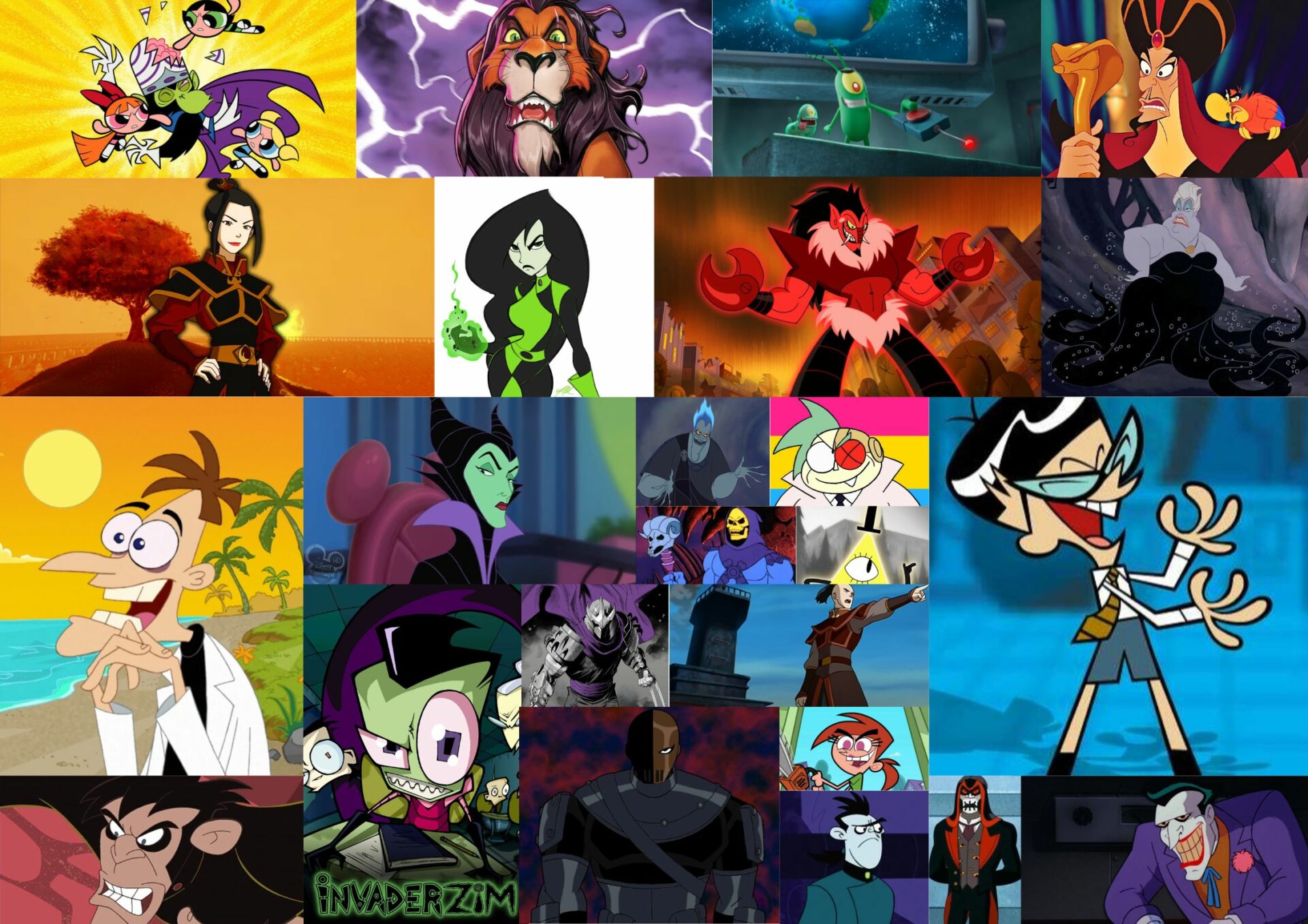
Our list rounds up the top 30 cartoon characters that were villains, each one more wonderfully wicked than the last.
READ MORE
April 29, 2026 .
Lists, Opinions
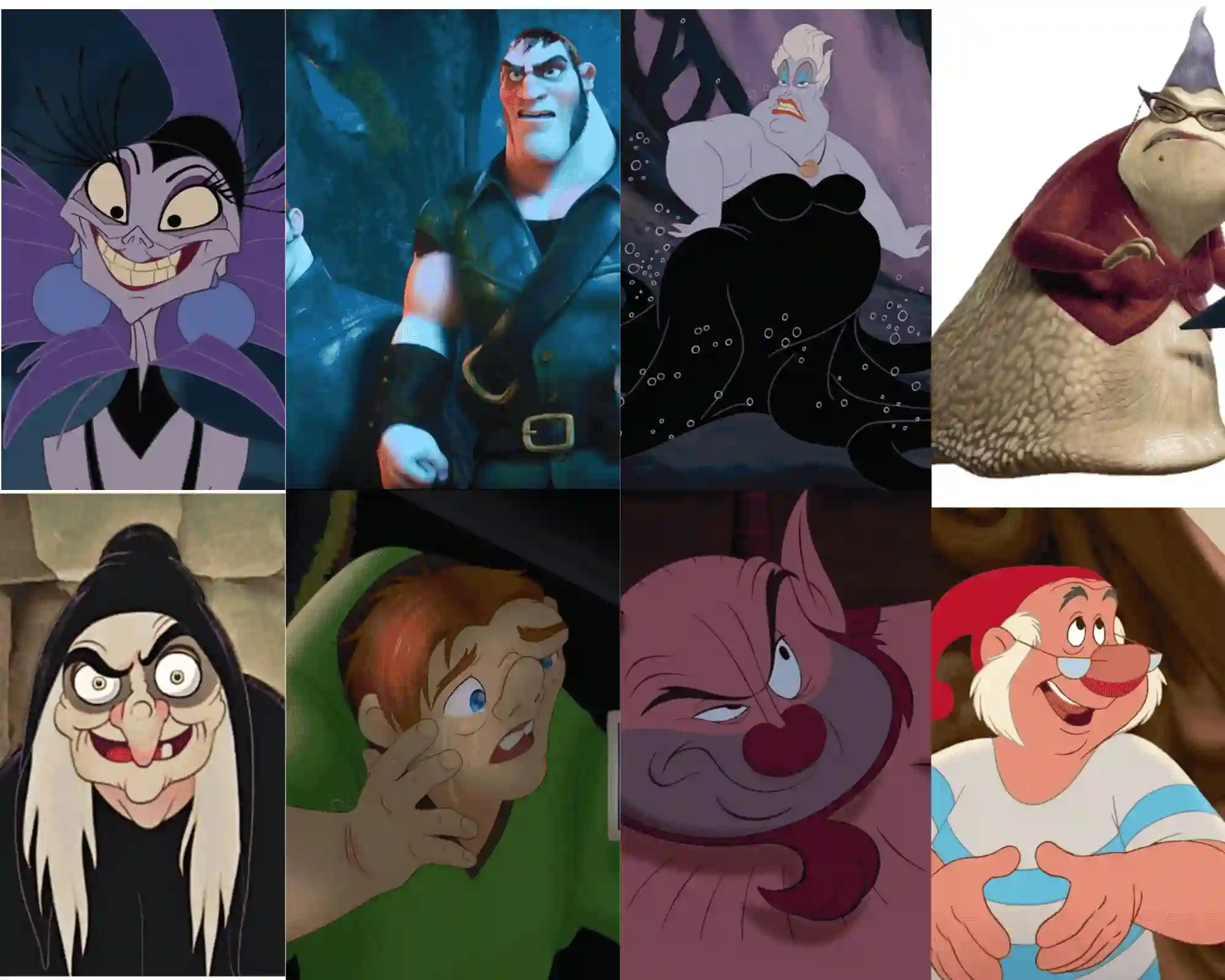
The Mouse is famous for its princesses and princes. However, the studio’s true genius lies in its embrace of “ugly Disney characters”.
READ MORE
May 6, 2026 .
Lists, MCU
Spider-Man is one of the many superheroes from the Marvel Universe whose stories shaped many childhoods. Who is your strongest Spiderman?
READ MORE
February 26, 2026 .
Cartoons, Lists
There are some outright funny cartoon characters who exist solely to crack you up, loud, hard, and with zero apology.
READ MORE

October 28, 2025 .
Lists, Marvel, MCU, Opinions
Let’s go through a list of the top 7 strongest Marvel villains, from the wickedly powerful to the absolutely unstoppable.
READ MORE


July 20, 2025 .
Writer Resources
Discover the differences in First-Person Point of View and Third-Person POV, and how each impacts character connection and narrative style.
READ MORE

May 15, 2026 .
Writer Resources
The tension between writer-centered and reader-centered approaches defines how a story is told and who it serves.
READ MORE

October 22, 2025 .
Essays, Writer Resources
Ever found a book that looks like a comic but tells a complete, well-structured story? Congratulations, it’s a graphic novel.
READ MORE

June 26, 2026 .
Writer Resources
Writing starts with forming ideas, imagination, dreams, and thoughts. And when these condense into a coherent progression, you have a plot.
READ MORE
May 10, 2026 .
Writer Resources
What is a board book, and how does it differ from others? Traditional publishing usually means novels, but published works span much more.
READ MORE

July 24, 2025 .
Essays, Writer Resources
READ MORE

February 8, 2026 .
Writer Resources
Breaking into traditional publishing can feel like decoding a secretive industry. This guide is a resource for finding the right agent.
READ MORE

February 28, 2026 .
Writer Resources
There are three paths in book publishing: traditional, self-publishing, and hybrid. The current focus is on traditional publishing.
READ MORE

July 20, 2025 .
Writer Resources
Today, writers are needed who combine creativity with technical expertise, professionalism, and adaptability.
READ MORE

Get our magazine for free!