
























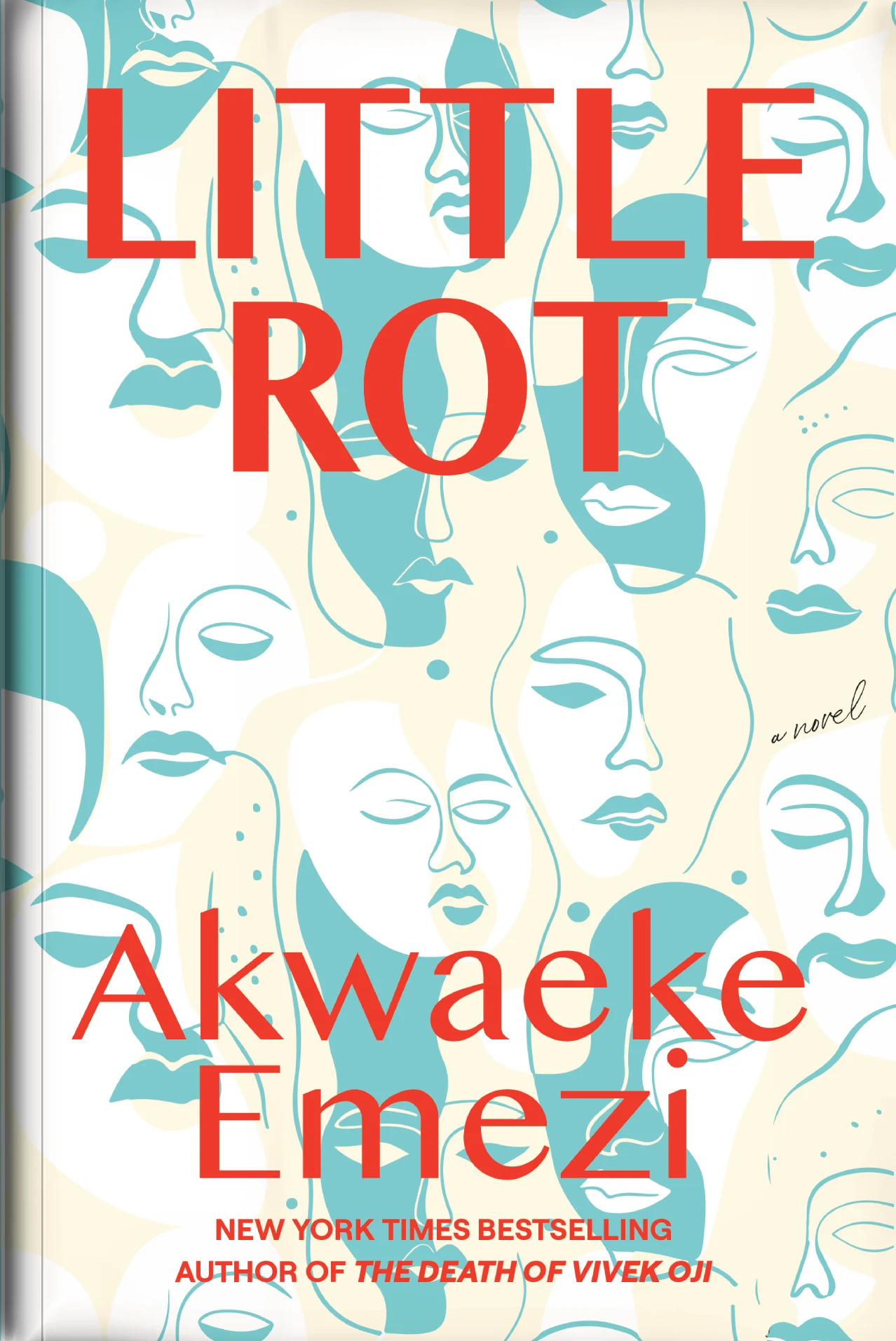
Is literary fiction actually “better” than genre fiction, or has everyone simply agreed to act like it is?
Is literary fiction actually “better” than genre fiction, or has everyone simply agreed to act like it is? Decades of academic debate, bestseller envy, and shelf-label anxiety rarely produce such heated questions unless something bigger is at stake.
The longer this debate continues, the less it resembles a genuine rivalry and the more it looks like a disagreement over priorities that gradually hardened into a hierarchy.
Literary fiction and genre fiction are not opposites; they are more like two people who both love coffee but order it differently.
One drinks it black, slow, and serious, appreciating every bitter note. The other prefers an extra shot of plot, a little more pacing, and perhaps some world-building on the side. Somewhere along the way, however, elitism slipped into the conversation, and the question shifted from preference to legitimacy.
That shift has shaped everything from publishing and prize culture to university classrooms and bookshop shelves. It has also encouraged writers to believe they must choose between depth and entertainment, as though the two cannot coexist in the same publication.
Literary fiction is often defined by what it values most: interior life over spectacle, ambiguity over certainty, and prose that carries meaning beyond simply moving the story forward.

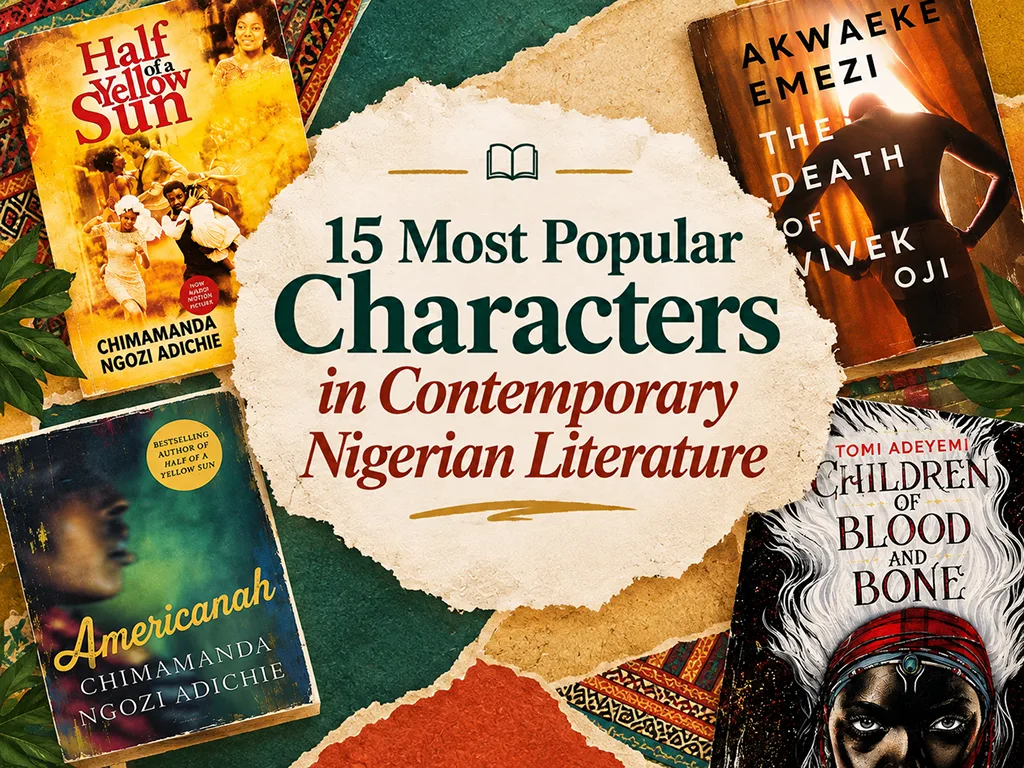
Works such as Things Fall Apart and Americanah are frequently cited for their equal emphasis on language, character, and theme.
In Things Fall Apart, Achebe explores the collision between tradition and colonialism through Okonkwo, whose personal struggles are inseparable from the wider cultural upheaval surrounding him.
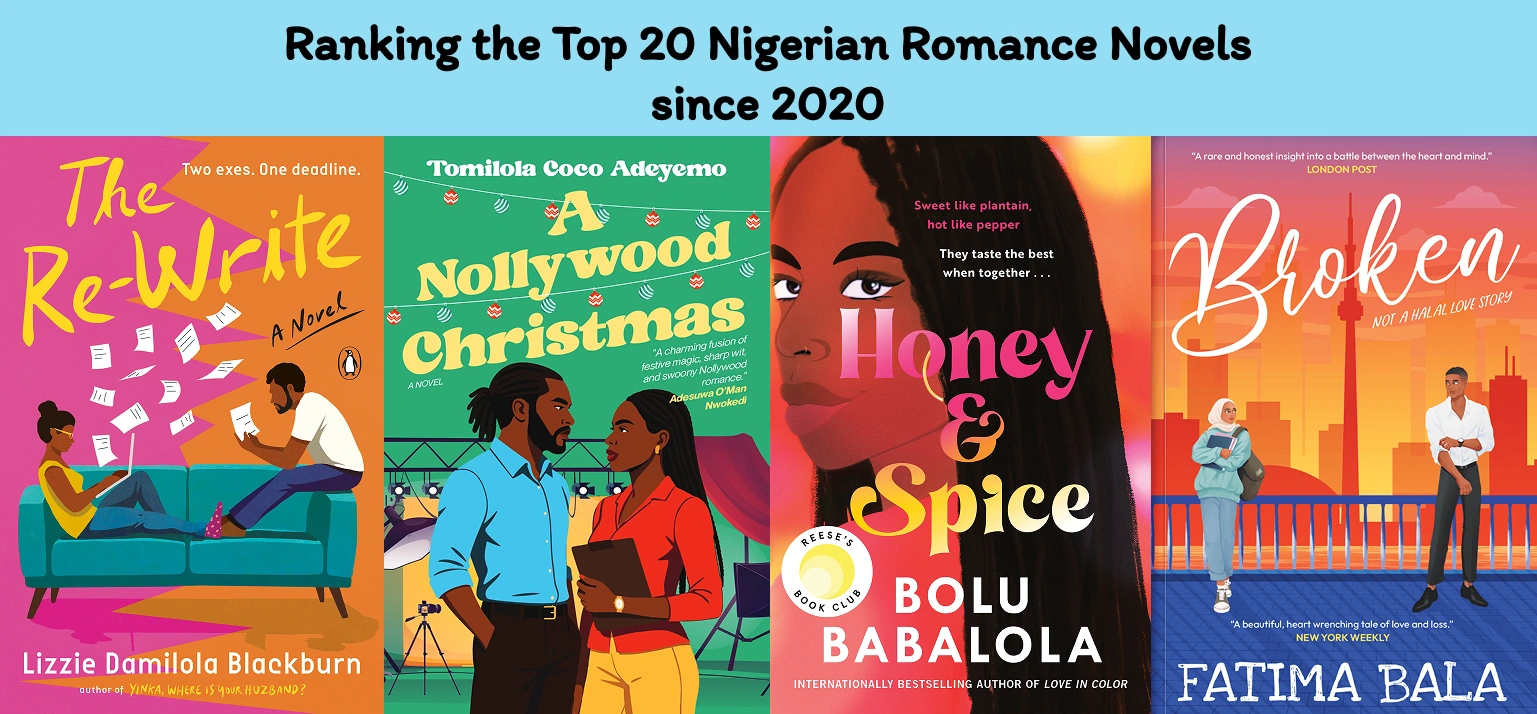
Similarly, Odeluwa combines romance, migration, race, and identity into a story that resists easy classification.
Genre fiction, on the other hand, operates by contract.

Every genre carries expectations that help shape the reading experience. Fantasy invites readers into imagined worlds. Mysteries promise questions that demand answers. Romance offers an emotional journey toward fulfilment, while thrillers build tension through escalating danger.
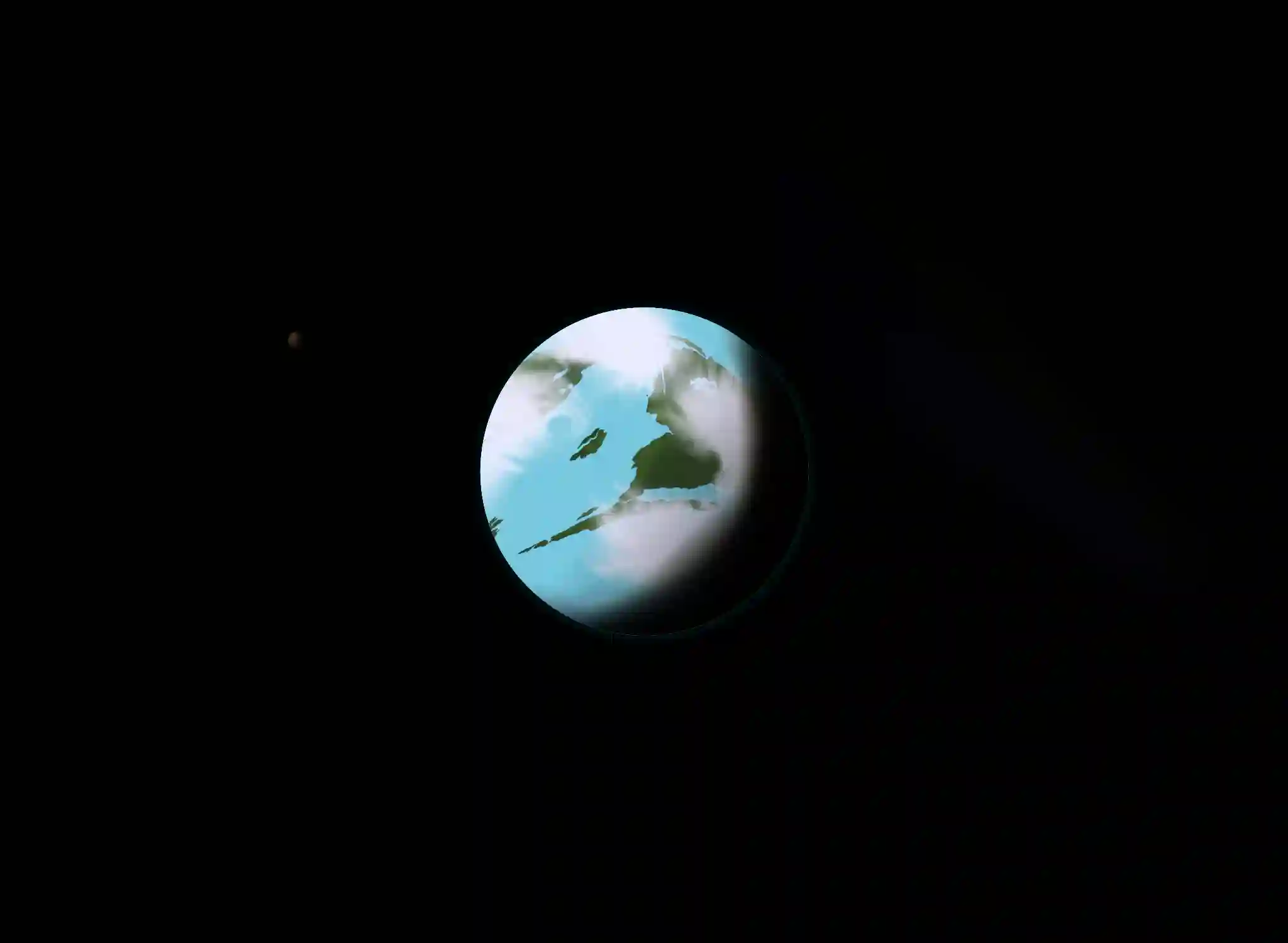
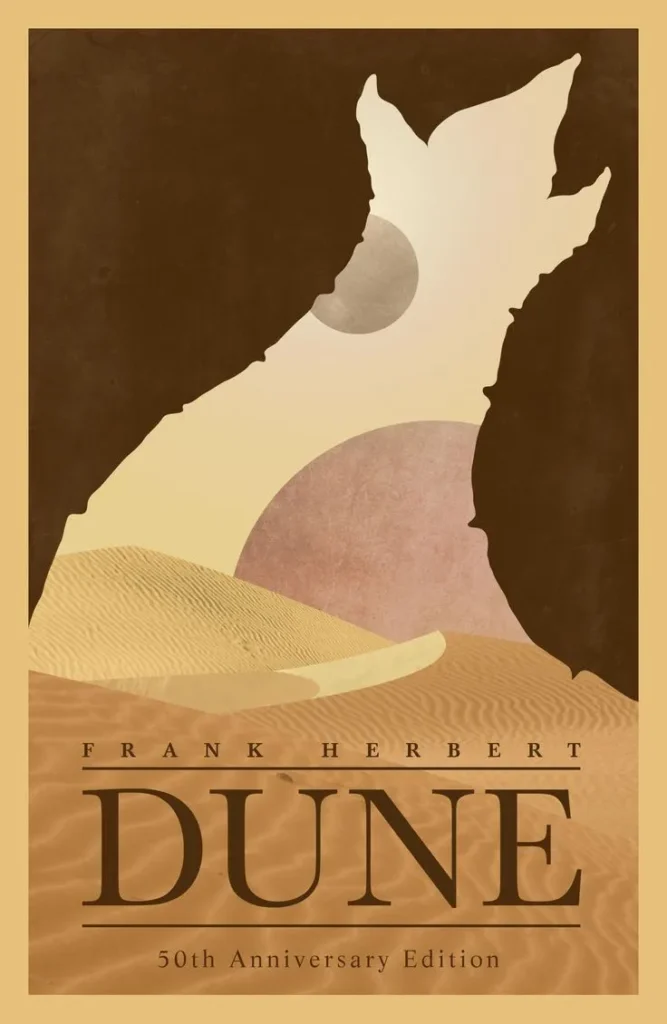
The Lord of the Rings and Dune demonstrate the ambition of genre fiction. Tolkien created an expansive mythology complete with languages, histories, and cultures without losing sight of the central quest. Herbert combined ecology, religion, politics, and power struggles while maintaining the momentum of an epic science fiction adventure.
Strong plotting is the engine that keeps these novels moving, but that does not make them shallow. Their ideas are every bit as ambitious as their stories, and that is where their appeal expands beyond momentum alone.

If both have the same goal, why do they recieve different treatment? The bias has a few tangled roots, but they all point to the same problem: literary value is often assigned by status.
Prestigious literary awards have long shaped public ideas about what counts as “serious” fiction.
Honours such as the Booker Prize and the Pulitzer Prize have historically recognised literary fiction far more often than romance, fantasy, science fiction, or thrillers. Over time, that pattern reinforced the belief that literary merit and literary fiction were almost interchangeable.
The result is a feedback loop. Prize-winning novels receive greater critical attention, are taught more frequently, and remain visible for longer. Genre fiction, even when it demonstrates exceptional craftsmanship, is often discussed within the limits of its category rather than alongside the broader literary canon.
Ursula K. Le Guin’s career captures this divide. For decades, she produced acclaimed novels that examined politics, anthropology, gender, and philosophy through the lens of speculative fiction. Yet many critics overlooked those achievements because they appeared under the science fiction and fantasy labels. When she received the National Book Foundation’s Medal for Distinguished Contribution to American Letters in 2014, many commentators viewed the honor as long overdue rather than unexpected.
In her acceptance speech, Le Guin thanked her fellow fantasy and science fiction writers for continuing to create despite spending years outside the literary establishment. Her remarks captured a frustration shared by many genre authors: recognition often depends as much on classification as on quality, and that shapes who gets heard.
Universities have also influenced perceptions of literary value.
For decades, many creative writing programmes developed around literary traditions that emphasised close reading, stylistic precision, and psychological realism. Students interested in fantasy, romance, horror, or mystery are often encouraged to write in a more conventionally literary style.
That preference did not necessarily come from hostility towards genre fiction. Instead, it reflected the academic traditions that shaped creative writing itself.
Writer Elif Batuman traces much of this influence to New Criticism, a movement that encouraged the analysis of texts as self-contained works of art. Its emphasis on language, symbolism, and structure naturally aligned with many qualities associated with literary fiction, while plot-driven storytelling often received less attention.
The growing number of MFA programmes dedicated to speculative fiction, crime writing, and other genres reflects a gradual shift away from that narrow focus. Rather than rejecting literary craft, these programmes argue that strong storytelling and serious artistic ambition can coexist comfortably, giving writers a clearer path to both.
Genre fiction frequently outsells literary fiction by a wide margin. Fantasy, in particular, has an outsized commercial footprint; industry data show that five of the ten best-selling fiction titles of all time belong to the fantasy genre. Tolkien’s The Hobbit alone is cited as the best-selling fiction book in history, with roughly 140.6 million copies sold.
Literary fiction, while critically celebrated, rarely competes at that commercial scale. Some of the snobbery aimed at genre fiction may simply be a coping mechanism for that imbalance. That imbalance cuts both ways, though, because critical status does not always follow sales.
Genre bestsellers tend to earn their sales in a concentrated burst around release, while literary fiction more often survives through backlist longevity, staying in print and on syllabi for decades after its initial sales window closes. Neither pattern is inherently superior, but each side can cite its own numbers as evidence of relevance, which only deepens the standoff.
Not every divide between literary fiction and genre fiction comes from the writing itself. Marketing shapes audience reception, and that perception changes what readers expect before they begin.
In her essay “The Second Shelf,” novelist Meg Wolitzer argues that novels by women about relationships, family, or domestic life are often packaged as “women’s fiction,” even when they explore themes comparable to those in books marketed as literary fiction by male authors.
Cover design became one of her most visible examples. Publishers frequently package books by women with softer, more decorative covers, shaping readers’ expectations before they have read a single page. Similar stories written by men often receive more restrained designs associated with literary prestige.
These marketing choices influence far more than appearance. They affect reviews, shelving decisions, award conversations, and public expectations. In many cases, the distinction says less about the work itself than about the assumptions surrounding it.
Supporters of literary fiction often argue that its greatest strength lies in its willingness to leave questions unresolved. Rather than tying every thread into a neat conclusion, it creates space for uncertainty, inviting interpretation instead of providing definitive answers.
Americanah illustrates this approach. Although it follows a love story, the novel refuses to reduce race, identity, migration, and belonging to simple conclusions. Those questions remain open because they reflect experiences that rarely end with complete resolution.
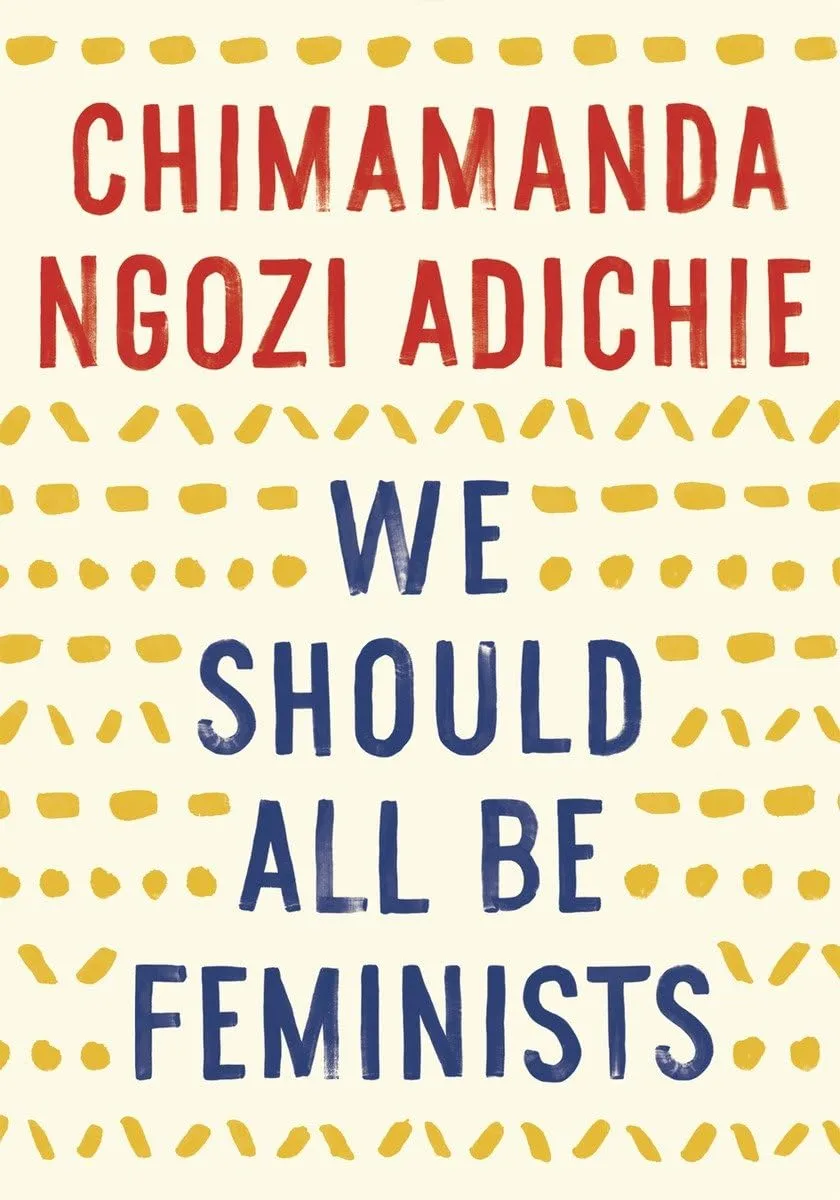
This preference for ambiguity appears throughout Chimamanda Ngozi Adichie’s work. Novels such as Half of a Yellow Sun and Purple Hibiscus also resist tidy endings, suggesting that uncertainty is a deliberate artistic choice rather than an unfinished plot. That restraint reflects confidence in both the story and its audience.
Literary fiction also places unusual importance on language itself. Not only do events shape the experience, but each sentence also communicates emotion, atmosphere, and meaning.
Things Fall Apart remains a compelling example. Rather than adopting a purely Western literary style, Chinua Achebe infused his English prose with Igbo proverbs, oral storytelling traditions, and communal rhythms. The result is a voice that feels inseparable from the culture it represents.
That level of craftsmanship rewards careful reading. A memorable sentence, image, or conversation can carry emotional weight long after the details of the plot have faded. For many writers, this attention to language is one of literary fiction’s defining achievements.
Literary fiction has also benefited from sustained institutional recognition. Prestigious prizes, academic study, and critical reviews have helped establish it as the benchmark by which readers and critics evaluate many narratives.
Achebe’s influence extends well beyond his debut novel. In 2007, he received the Man Booker International Prize in recognition of his body of work. Americanah received the National Book Critics Circle Award for Fiction in 2013, further reinforcing its standing within contemporary literature.
These honours do not prove that literary fiction is inherently superior. Institutions have played a significant role in shaping the conversation, even if they do not have the final word.
Defenders of this genre argue that its greatest strength lies in construction. A convincing fantasy world, intricate mystery, or sprawling science fiction universe does not emerge by chance. It requires careful planning, internal consistency, and an understanding of how every element supports the story.
Tolkien’s work demonstrates that level of precision. Long before The Lord of the Rings took shape, he had developed languages, histories, and myths that gave Middle-earth the depth of a living civilisation. The novels feel expansive because the foundations were built long before the plot began.
Frank Herbert approached Dune with similar discipline. His vision of Arrakis drew on extensive research into desert ecology, allowing the planet’s environment to shape its politics, religion, economy, and culture. The world feels believable because every detail works within the same system.
For genre writers, world-building is not decoration. It is structured, and a strong structure lends greater weight to every conflict.
Genre fiction is often praised for keeping readers invested from beginning to end. Strong pacing, rising tension, and satisfying payoffs are not shortcuts around literary craft. They are forms of craft in their own right.
Creating momentum without sacrificing character or emotional depth is a difficult balancing act. Every chapter must encourage the next, every conflict must escalate naturally, and every revelation must arrive at the right moment.
That accessibility also helps genre fiction travel across cultures. Stories built around compelling conflicts, recognizable stakes, and engaging characters often resonate with readers regardless of language or background. The Lord of the Rings, translated into dozens of languages, demonstrates how a well-constructed narrative can connect with audiences across generations and continents.
Rather than making a novel less ambitious, accessibility can broaden the reach of its ideas.
Fantasy titles dominate the all-time bestseller lists, and genre categories such as romance and thriller consistently post billions of dollars in annual sales. At that scale, genre advocates argue, reach is itself a form of literary achievement.
That reach also extends past the page. The Lord of the Rings trilogy alone grossed roughly 3 billion dollars worldwide at the box office, with a combined production budget of around 281 million dollars. The Hobbit films included, the Middle-earth franchise’s lifetime theatrical total climbs past $5 billion.
A story strong enough to sustain that scale of adaptation, merchandising, and repeat viewing across generations is doing narrative work that box-office receipts alone cannot fully explain.
For all the arguments surrounding literary fiction and genre fiction, the boundary between them has never been as rigid as the debate suggests.
Many of the novels most often held up as examples of one category comfortably borrow techniques from the other.
Dune is plot-driven, yet its exploration of empire, ecology, religion, and power rivals the thematic ambition of many literary novels. Things Fall Apart, meanwhile, moves with the inevitability of tragedy, building tension through carefully structured events while remaining deeply concerned with character and culture.
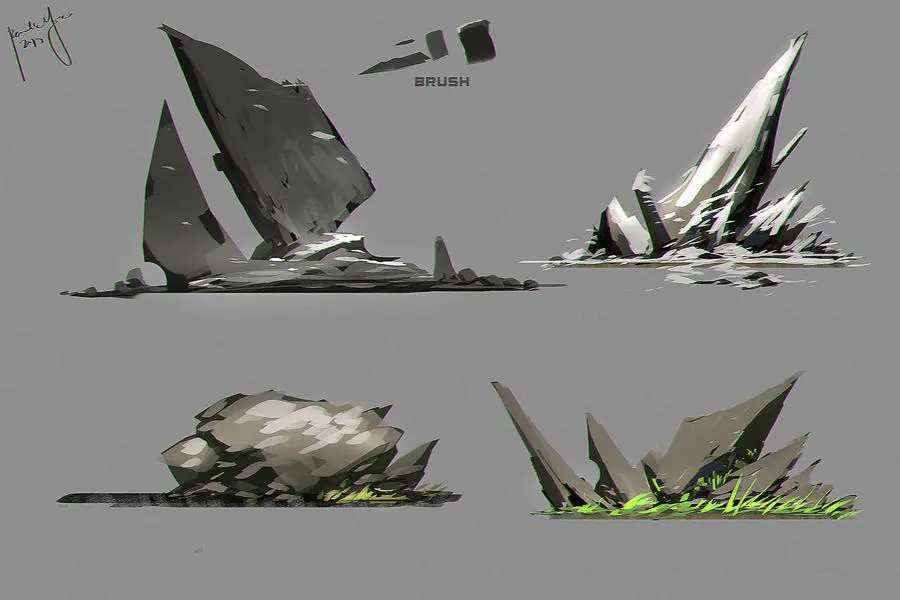
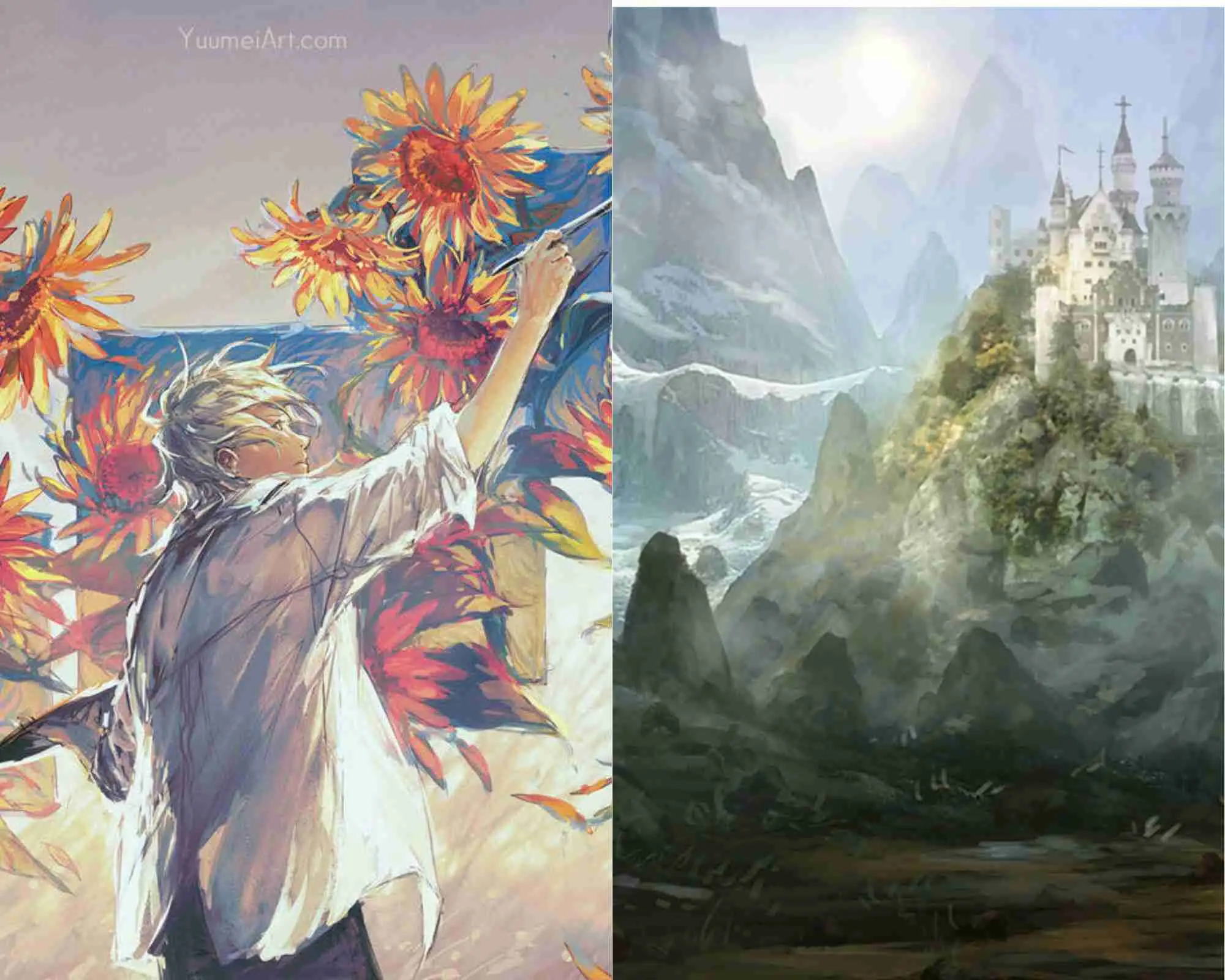
A closer look at these artworks makes it harder to separate them into neat boxes. Labels may help publishers market books and readers find familiar stories, but they never really capture everything a novel does.
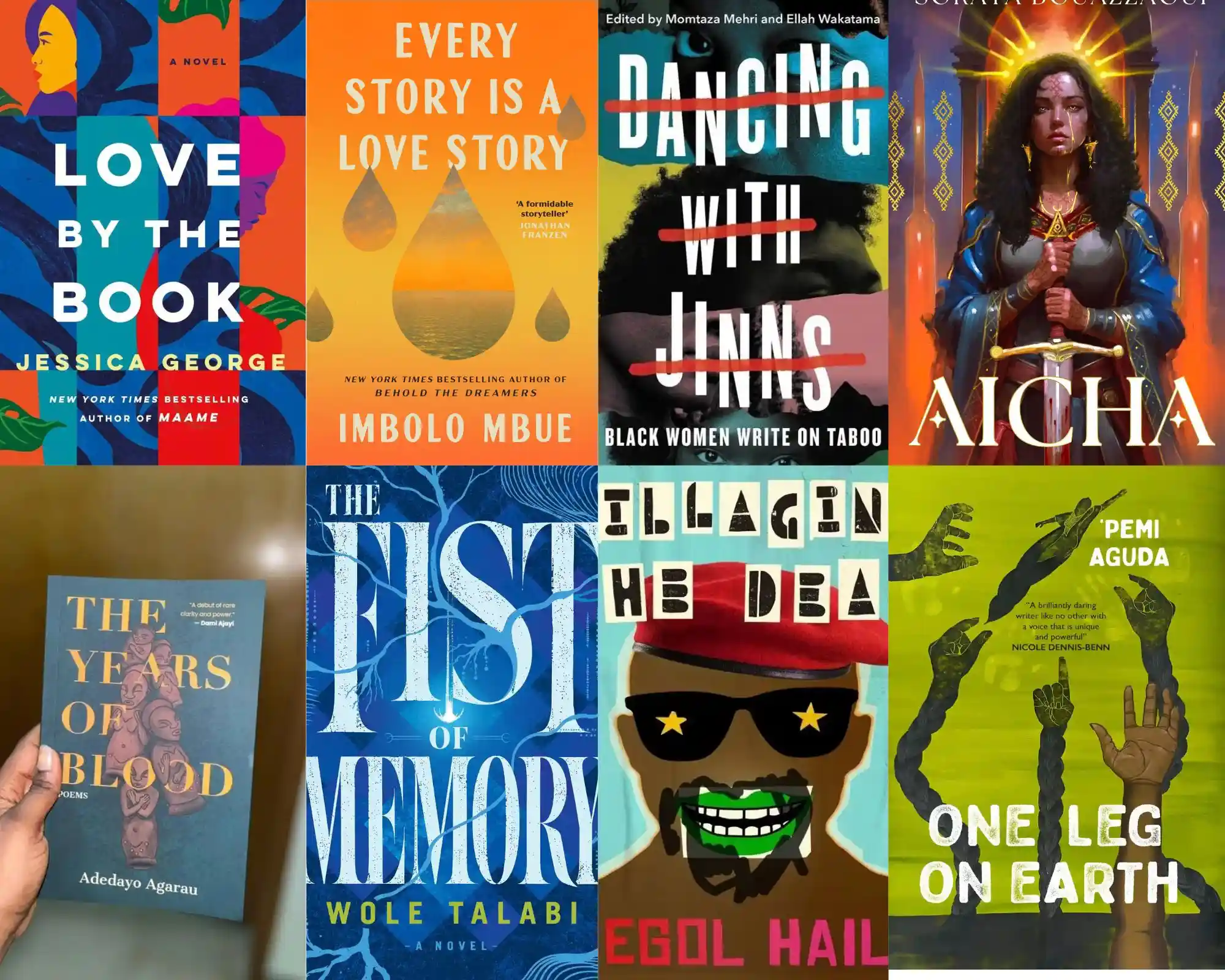
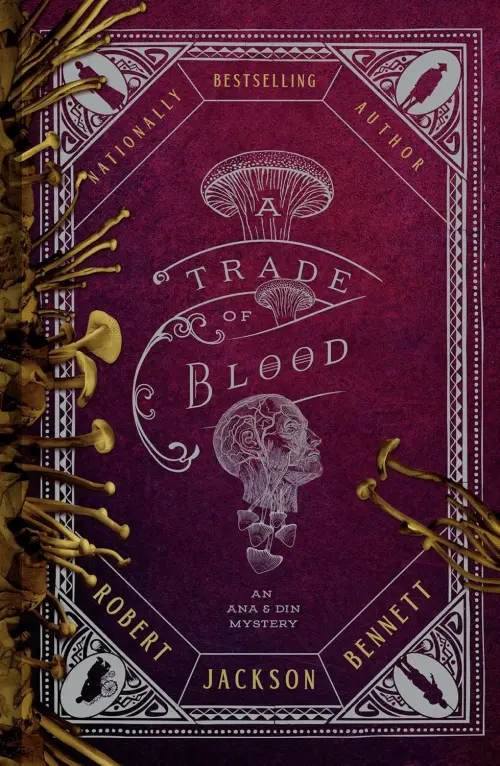
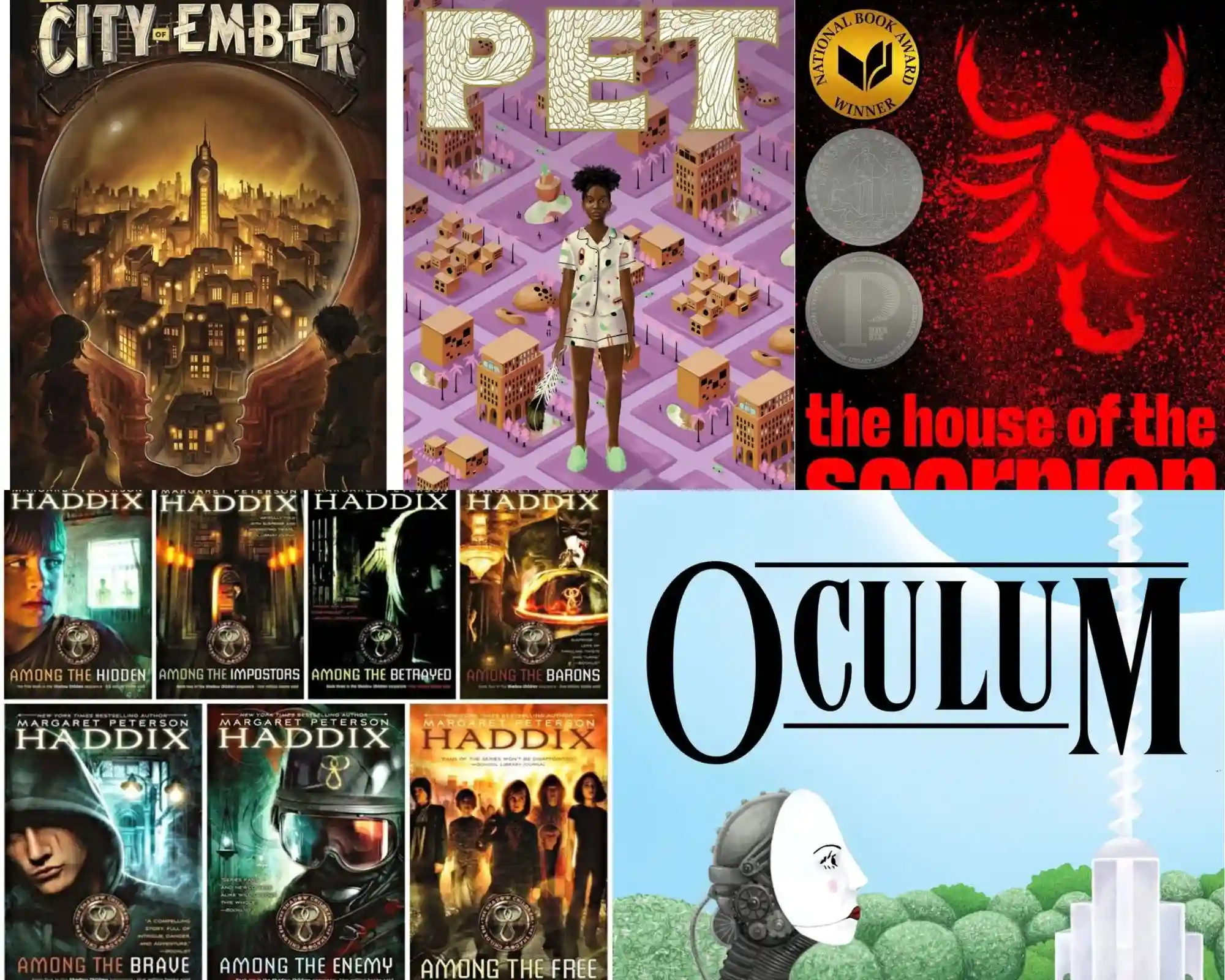
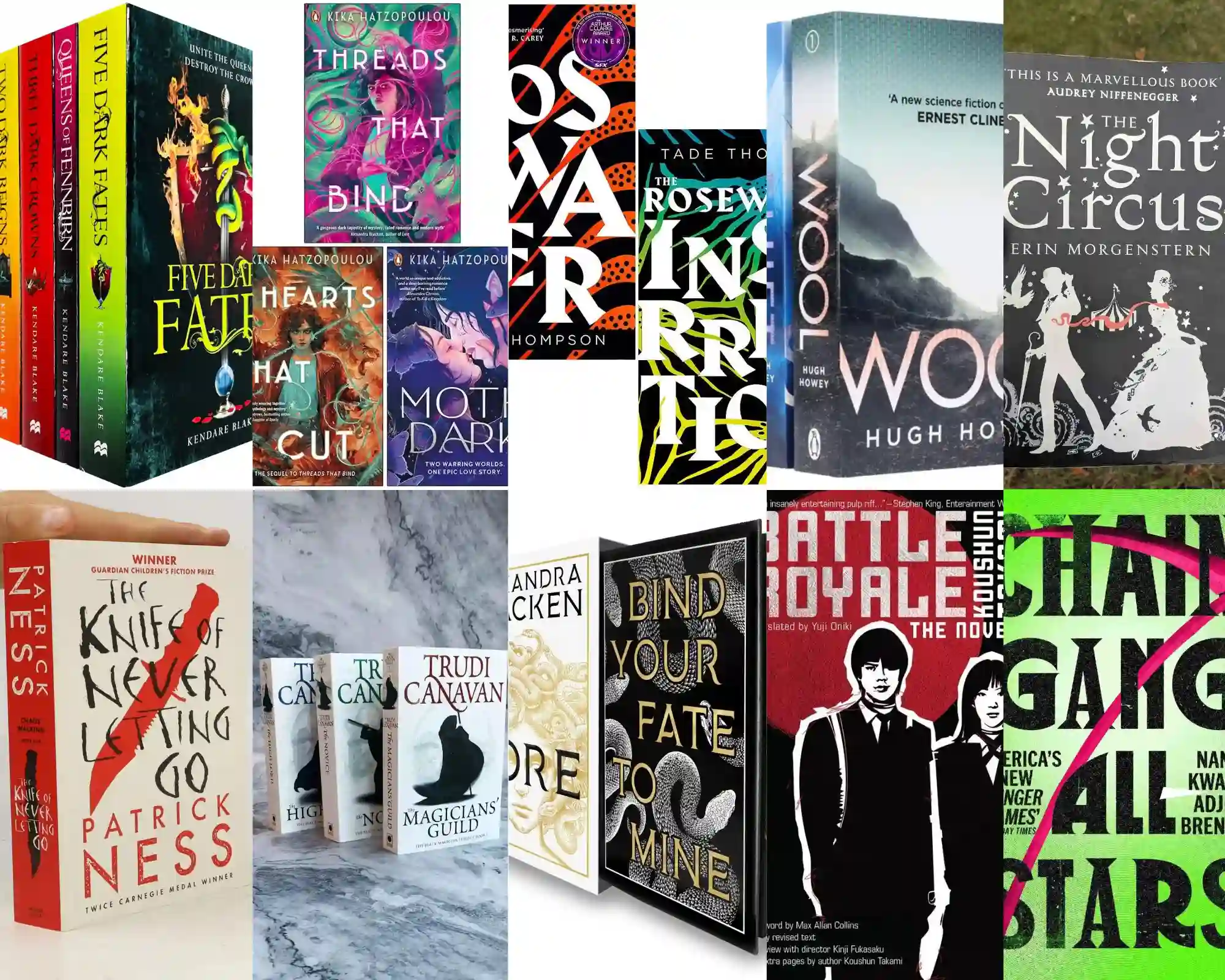
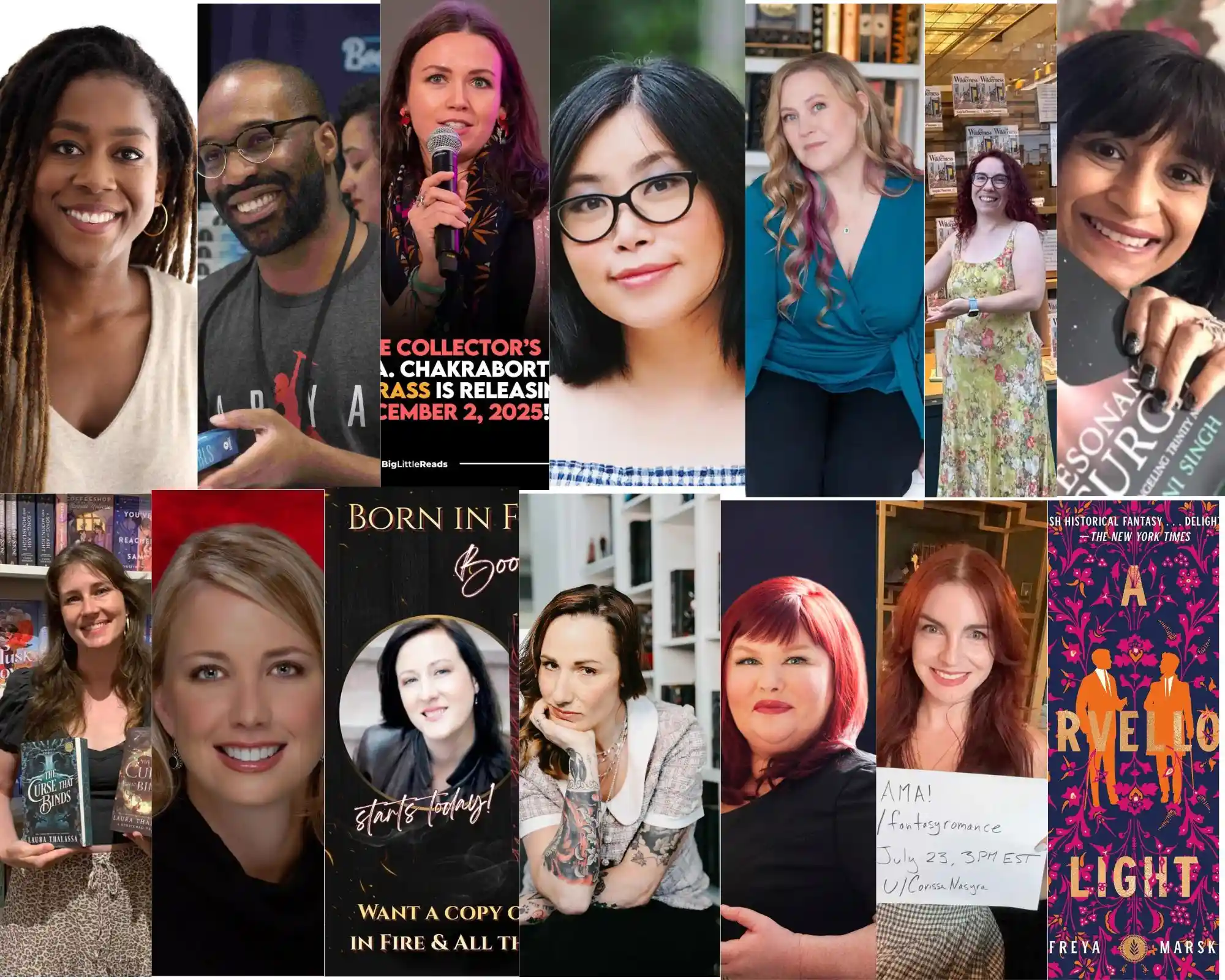
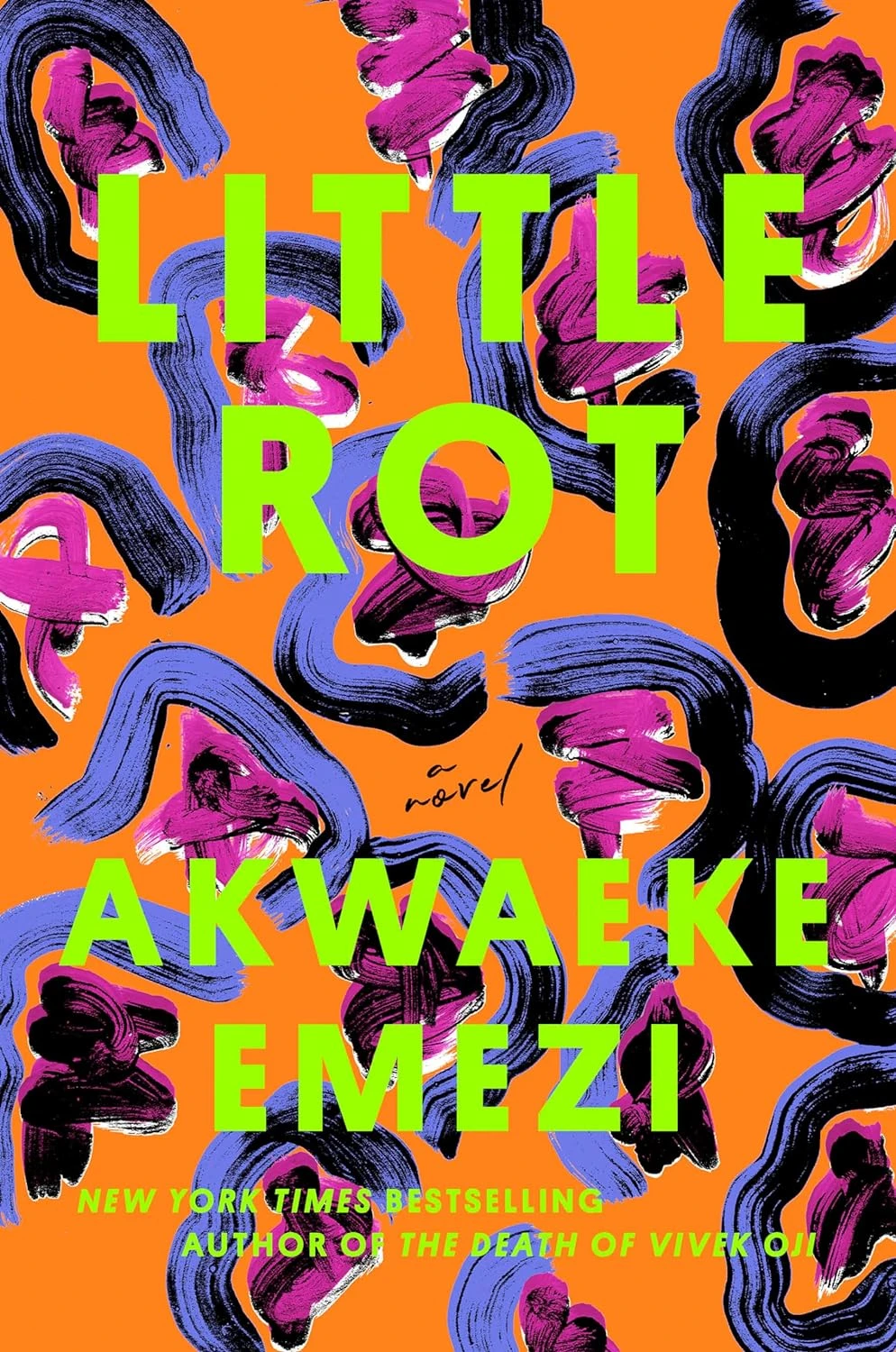
Many contemporary novels deliberately straddle both worlds, proving the boundary is porous:
Rather than choosing one tradition over the other, these novels demonstrate that storytelling is often strongest when it borrows freely from both.
Rather than treating literary fiction and genre fiction as opposing philosophies, it helps to see them as different sets of storytelling tools.
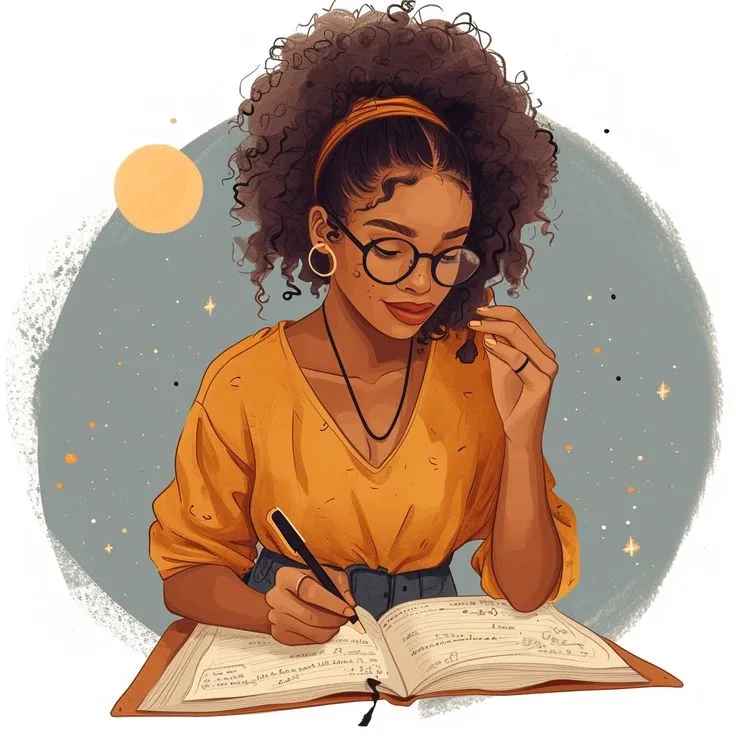
A quiet, introspective novel may benefit from the patience and ambiguity often associated with literary fiction. A fast-moving adventure or mystery may rely on the pacing and structure that genre fiction has refined over decades. Many memorable novels succeed by drawing on both traditions rather than limiting themselves to one.
The debate between literary fiction and genre fiction has endured for generations, but it is less a question of quality than of emphasis.
Literary fiction places greater weight on character, language, and ambiguity, inviting readers to engage with complexity rather than neatly resolved answers. Genre fiction builds its strength through momentum, structure, and the satisfaction of a well-crafted narrative.
The strongest publications do not fit neatly into a single category. They borrow what they need, ignore unnecessary boundaries, and remain faithful to the story they are trying to tell.

July 20, 2025 .
Animation, Lists
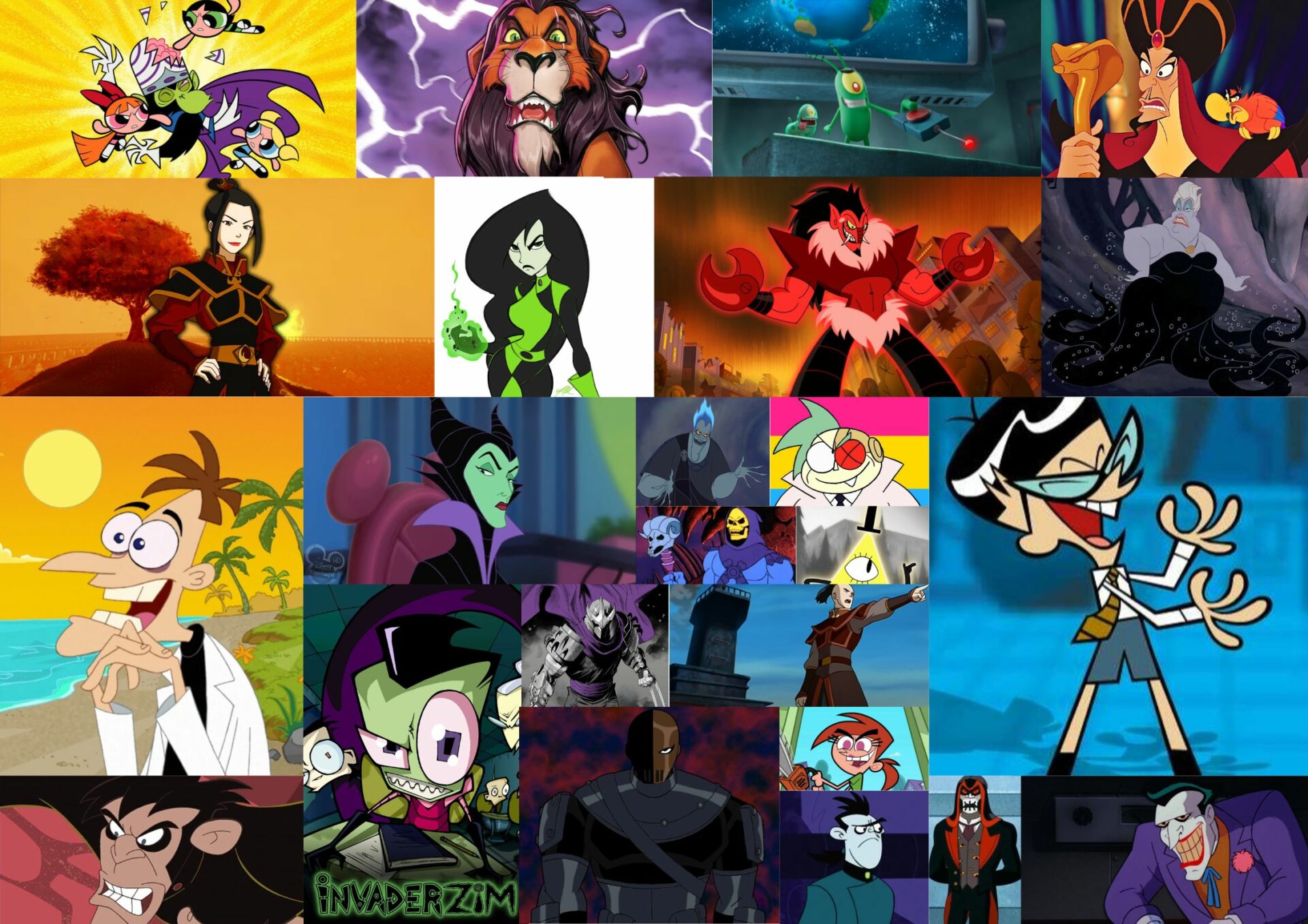
Our list rounds up the top 30 cartoon characters that were villains, each one more wonderfully wicked than the last.
READ MORE
May 6, 2026 .
Lists, MCU
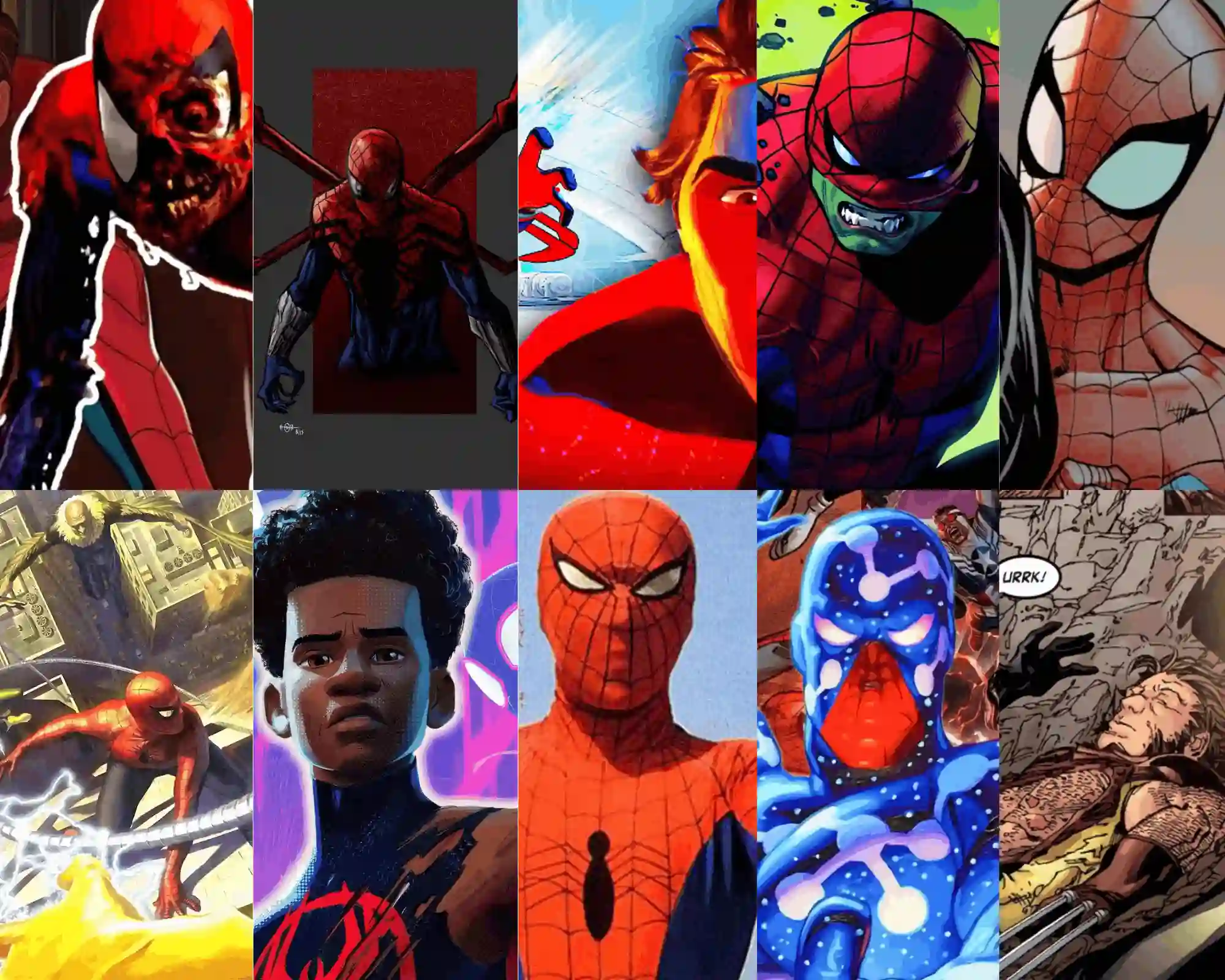
Spider-Man is one of the many superheroes from the Marvel Universe whose stories shaped many childhoods. Who is your strongest Spiderman?
READ MORE
April 29, 2026 .
Lists, Opinions
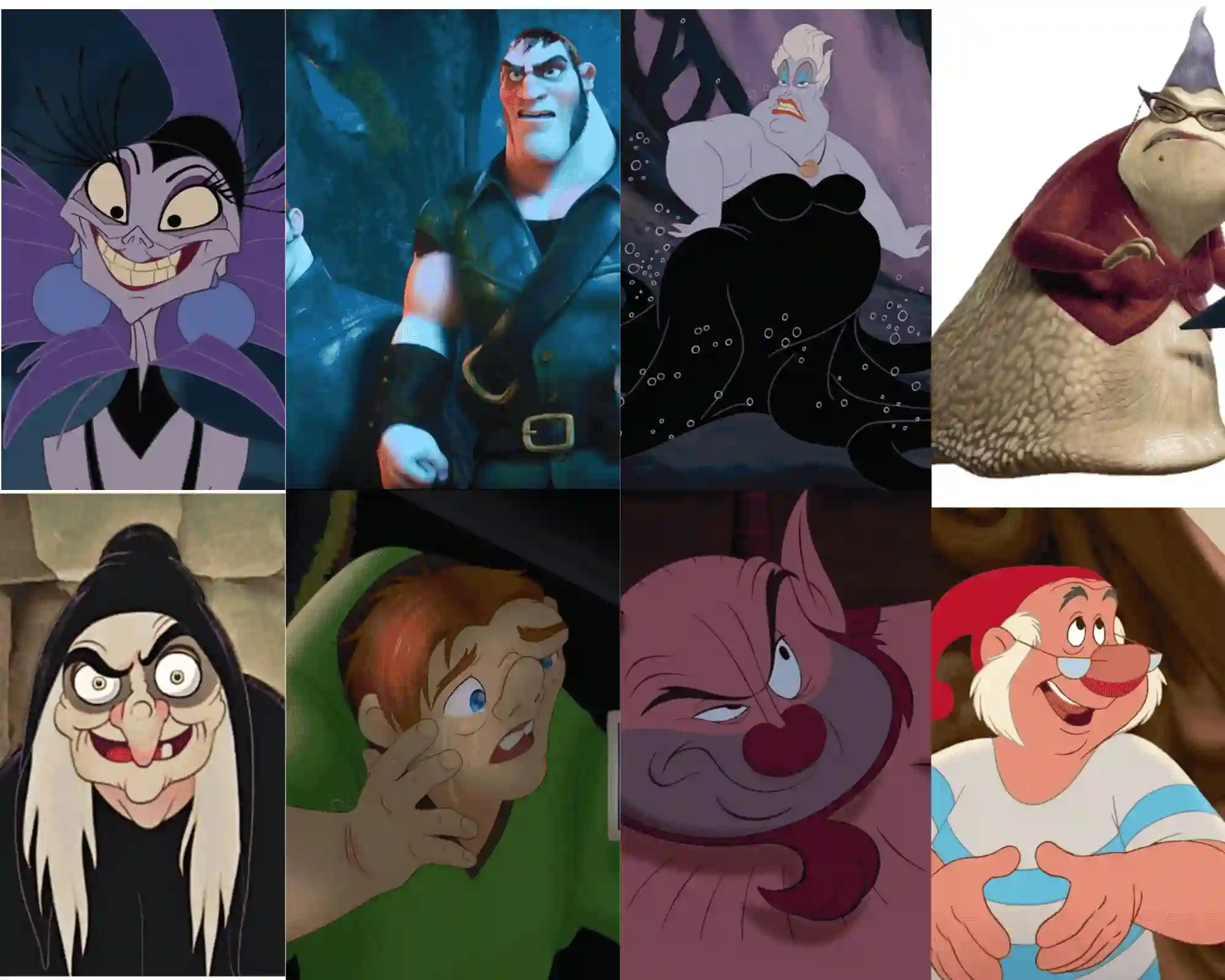
The Mouse is famous for its princesses and princes. However, the studio’s true genius lies in its embrace of “ugly Disney characters”.
READ MORE
November 27, 2025 .
Lists, Mythology
While this isn’t an exhaustive list, it comprises some of the most popular mythical creatures from around the world.
READ MORE
October 28, 2025 .
Lists, Marvel, MCU, Opinions
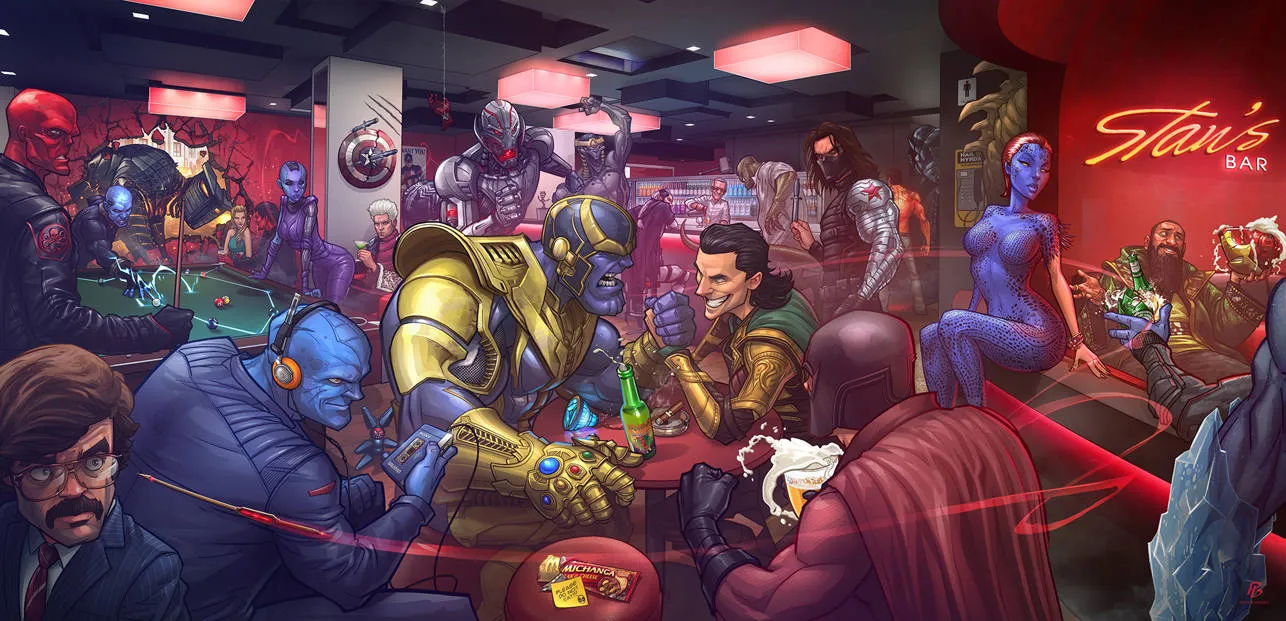
Let’s go through a list of the top 7 strongest Marvel villains, from the wickedly powerful to the absolutely unstoppable.
READ MORE


July 20, 2025 .
Writer Resources
Discover the differences in First-Person Point of View and Third-Person POV, and how each impacts character connection and narrative style.
READ MORE
May 15, 2026 .
Writer Resources
The tension between writer-centered and reader-centered approaches defines how a story is told and who it serves.
READ MORE

July 20, 2025 .
Debates, Opinions
Reading nonfiction about what interests you can provide more color and context that might make your fiction reading experience more enjoyable.
READ MORE
November 24, 2025 .
Debates, Opinions
Reading is active while watching movies is passive. The act of turning pages creates a pause that enhances understanding.
READ MORE

July 20, 2025 .
Audiobook, Debates, Opinions
African novels deserve to be narrated by African voices—not only for authenticity but also to preserve the integrity of the stories.
READ MORE

July 20, 2025 .
Debates, Opinions
If your girlfriend is a stacker, she’s already high maintenance, whether or not you buy the books for her.
READ MORE
October 22, 2025 .
Essays, Writer Resources
Ever found a book that looks like a comic but tells a complete, well-structured story? Congratulations, it’s a graphic novel.
READ MORE
June 26, 2026 .
Writer Resources
Writing starts with forming ideas, imagination, dreams, and thoughts. And when these condense into a coherent progression, you have a plot.
READ MORE
May 10, 2026 .
Writer Resources
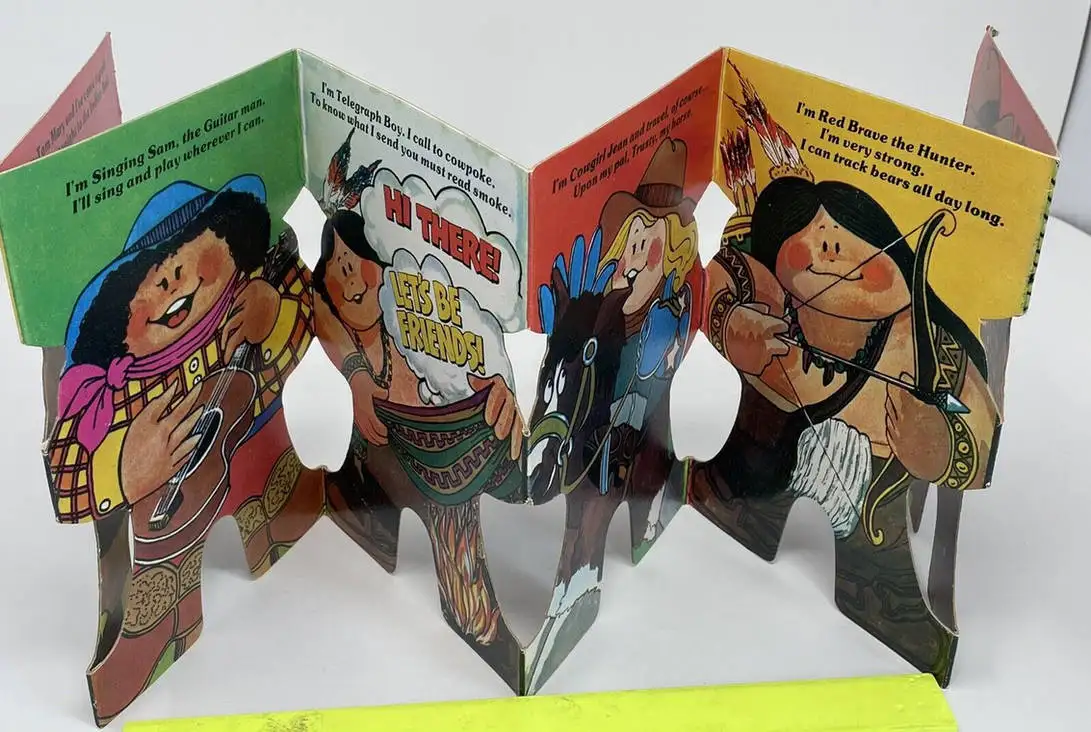
What is a board book, and how does it differ from others? Traditional publishing usually means novels, but published works span much more.
READ MORE
Get our magazine for free!