Close menu
Ranking the best of African Literature























Few literary conversations embody these contrasts more fully than the enduring debate surrounding prose vs poetry.
Few literary conversations embody these contrasts more fully than the enduring debate surrounding prose vs poetry.
For centuries, writers and critics have argued over which form better captures human experience, artistic sophistication, and emotional truth.
The discussion extends beyond preference to intent. Should language primarily explain, narrate, and document life? Or should it distill emotion, rhythm, and symbolism into something more abstract and intimate?
For aspiring creatives, understanding the distinctions between prose and poetry is more than a theoretical exercise.
At the foundation of the prose vs poetry debate lies a simple but important distinction: the way language is organized and experienced.

Prose refers to language written in ordinary grammatical form without deliberate metrical structure. It follows natural speech patterns and conventional sentence construction, making it the dominant mode of communication in novels, essays, journalism, memoirs, speeches, and academic writing.
Prose’s primary strength lies in expansion and creates room for:
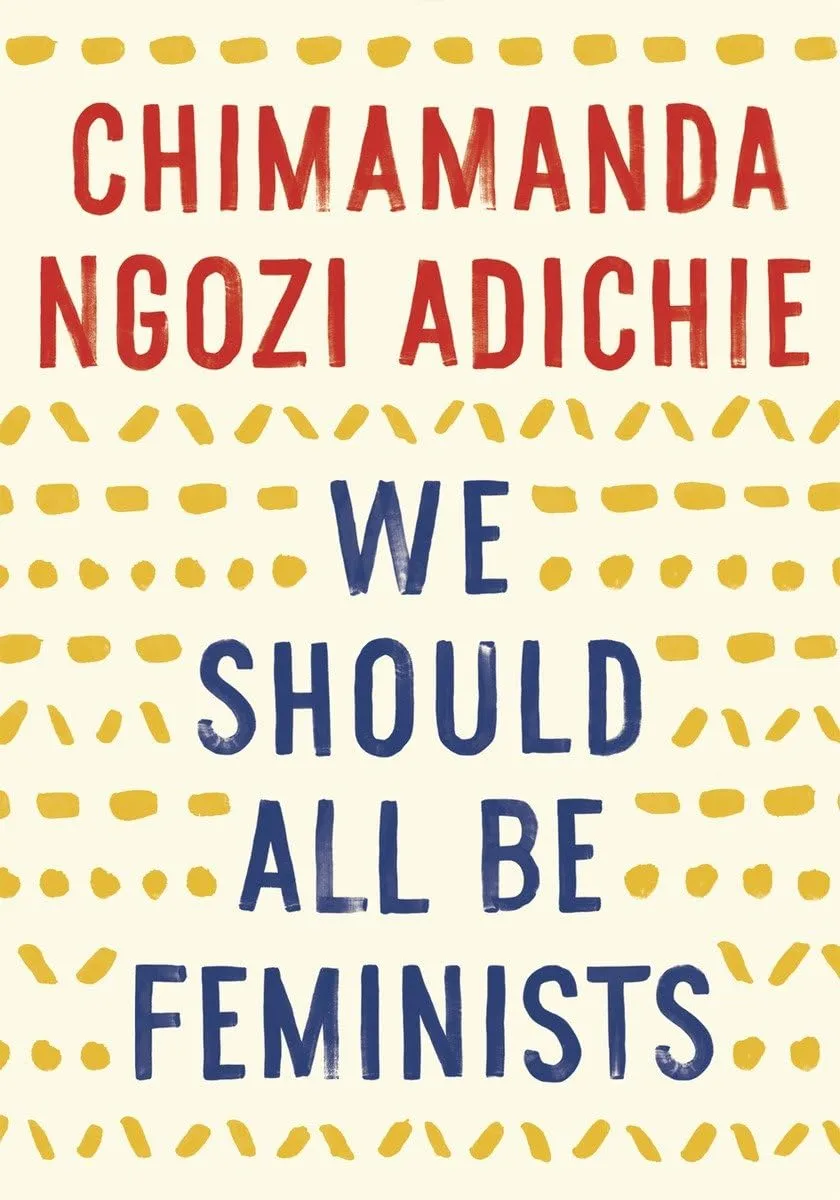
Classic prose literature demonstrates how expansive narrative can mirror the complexity of human life. Publications such as Things Fall Apart by Chinua Achebe and Pride and Prejudice by Jane Austen remain influential partly because prose allows gradual emotional and thematic development across hundreds of pages.
Prose also possesses flexibility. A novel may contain humor, philosophy, political commentary, romance, tragedy, and psychological analysis simultaneously without collapsing under its own weight.

Poetry differs fundamentally in intention and execution. Rather than expanding language outward, poetry compresses it inward. Meaning is concentrated through imagery, rhythm, symbolism, sound, and emotional resonance.
Traditional poetry frequently employs:
However, modern poetry has evolved far beyond rigid forms. Free verse, spoken word, and prose poetry have blurred the boundaries between genres while still preserving poetry’s emotional intensity and musical qualities.
Poetry often values implication over explanation. A poem may reveal emotion indirectly through metaphor or fragmented imagery rather than straightforward narration. Because of this, poetry invites interpretation in ways prose sometimes does not.
Works like The Waste Land by T. S. Eliot and Leaves of Grass by Walt Whitman demonstrate how poetry can transform language into something simultaneously intellectual, emotional, and musical.

Despite poetry’s historical prestige, prose has become the dominant literary form in modern culture. Bookstores, streaming adaptations, online publishing platforms, and educational systems overwhelmingly prioritize prose narratives.
Several factors contribute to this dominance.
Prose closely resembles everyday communication, making it easier for most readers to process and interpret. Stories unfold in familiar patterns involving characters, conflicts, settings, and resolutions.
Readers generally require less interpretive effort to engage with prose than with highly symbolic or experimental poetry. This accessibility broadens the prose’s audience considerably. A reader encountering a novel immediately understands how to navigate it structurally.
Poetry, especially modern poetry, can feel less predictable. Fragmentation, unconventional formatting, and layered symbolism sometimes create barriers for inexperienced readers.
As a result, prose often appears more approachable within commercial publishing spaces.
The publishing industry has historically invested more heavily in prose because novels and nonfiction tend to generate greater commercial returns. Adaptation opportunities also favor prose narratives since novels naturally lend themselves to film, television, and serialized storytelling.
Modern entertainment culture reinforces prose dominance through:
Poetry collections rarely achieve comparable mass-market success. This imbalance does not necessarily indicate superior artistic value. Rather, it reflects broader market behavior and audience consumption habits.
We humans naturally gravitate toward stories. Prose excels at narrative immersion because it allows gradual emotional investment over time. Readers spend days or weeks living alongside fictional characters, absorbing detailed worlds and evolving conflicts.
A novel provides continuity, building sustained emotional attachment. Poetry, in contrast, frequently aims for emotional concentration within shorter spaces.
If prose dominates commercially, another question naturally emerges: why has poetry survived for thousands of years? The answer lies in poetry’s unique relationship with emotion, memory, and sound.

Poetry possesses remarkable emotional compression. A few carefully arranged lines can communicate grief, longing, joy, or despair with extraordinary force.
Unlike prose, poetry eliminates explanatory distance and recreates emotion.
This is partly why poetry remains central to funerals, ceremonies, protests, music, spiritual traditions and spoken word performances
Even readers who rarely consume poetry still encounter poetic language through song lyrics and public speeches.
Poetry transforms language into sound. Rhythm, meter, repetition, and sonic texture create experiences that extend beyond literal meaning. Prosody studies the acoustic and rhythmic elements contributing to poetic effect.
This musical dimension distinguishes poetry from ordinary prose communication. The famous observation by Paul Valéry that “prose is walking, poetry dancing” continues to resonate because poetry often prioritizes movement and rhythm alongside meaning itself.
Modern artists such as Kendrick Lamar demonstrate how contemporary lyrical traditions still rely heavily on poetic techniques, including metaphor, internal rhyme, cadence, and symbolic layering.
Poetry thrives on openness. A poem rarely demands one singular interpretation. Different readers may discover entirely different meanings within the same text.
This interpretive flexibility creates intimacy between the reader and the work. Poetry often requires participation rather than passive consumption.
Prose tends to guide readers through events sequentially. Poetry often leaves emotional and intellectual gaps that readers must bridge. These differences go beyond technique and touch the philosophy of language.
The prose vs poetry debate is not merely structural. It also reflects differing philosophies about language and artistic expression.
Prose values development. It unfolds gradually, allowing complexity to emerge through accumulation. Because prose expands outward, it excels at portraying societies, civilizations, and evolving relationships.
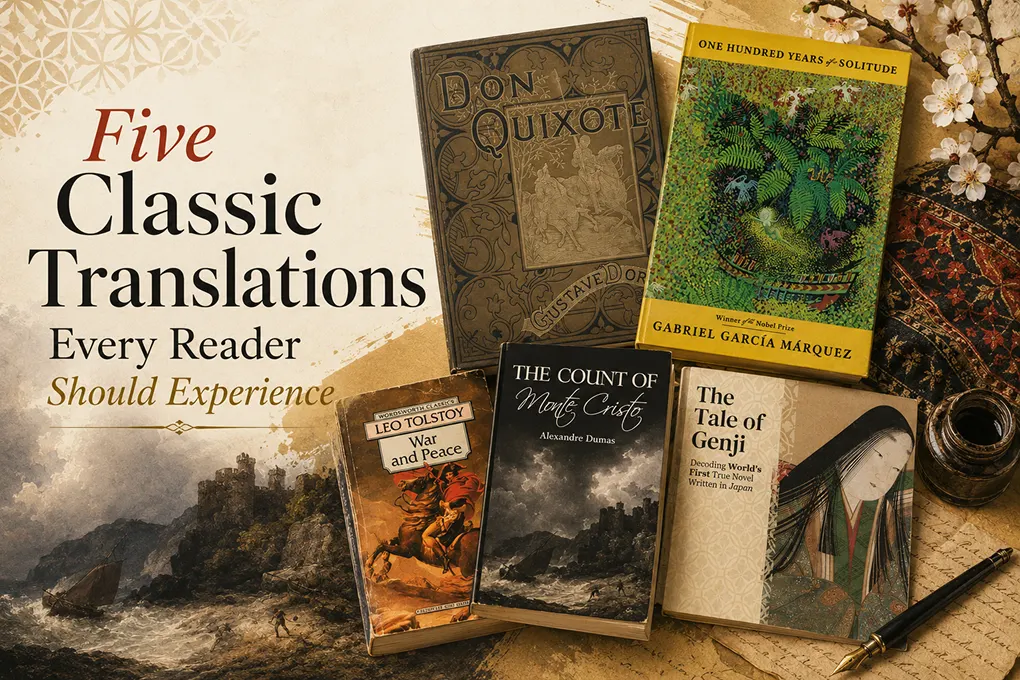
For instance, One Hundred Years of Solitude by Gabriel García Márquez demonstrates prose’s capacity to contain generations of political, cultural, and emotional history within a single narrative framework.
Poetry works differently, frequently asking readers to slow down. Each word carries heightened significance because there is little excess. This concentration explains why poetry often feels more intimate and immediate than prose.
Literary culture sometimes treats poetry as inherently more intellectual or artistically refined than prose. This assumption usually stems from poetry’s density, symbolism, and technical elements such as meter or rhyme.
However, such comparisons oversimplify both forms.
Strong prose demands extraordinary discipline. Writing a successful novel requires mastery of:
Sustaining coherence across hundreds of pages is an immense artistic challenge.
A prose writer must sustain engagement while balancing multiple themes, characters, and structural demands simultaneously.
Poetry presents different challenges. Because poems are often brief, every word matters intensely. Weak phrasing becomes immediately visible.
Poetry demands:
Neither form is objectively harder. They simply require different creative muscles. Yet modern literature increasingly challenges the idea that prose and poetry must remain entirely separate forms.

Modern literature increasingly rejects strict boundaries between prose and poetry.
Prose poetry combines poetic language with prose formatting. Though written in paragraph form, it maintains poetic qualities such as rhythm, imagery, and emotional intensity.
Writers like Charles Baudelaire helped popularize prose poetry during the nineteenth century as a rebellion against rigid poetic conventions.
This hybrid form demonstrates that prose and poetry are not always opposing forces.
Many contemporary novels employ poetic language and fragmented structures. Authors such as Toni Morrison and Ocean Vuong frequently blend narrative prose with lyrical intensity.
Social media favors brevity, emotional immediacy, and visual presentation, qualities that poetry naturally accommodates.
Although critics debate the literary depth of some online poetry movements, these platforms have undeniably expanded poetry’s visibility and cultural reach.
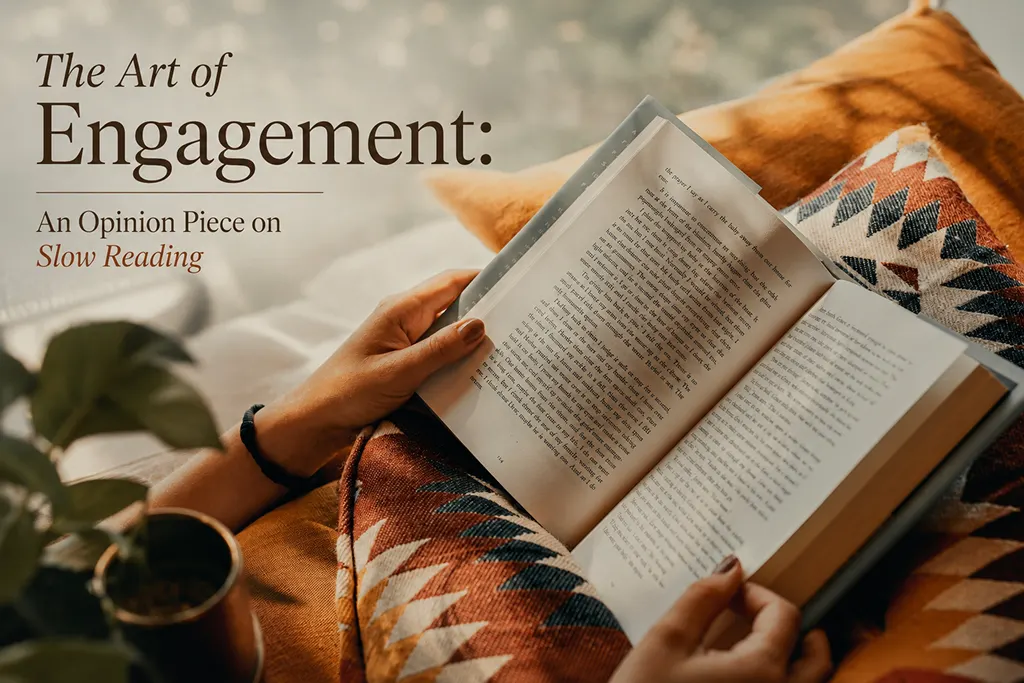
For developing writers, the prose vs poetry debate is most useful as a learning tool rather than a competition. Both forms strengthen different writing abilities and contribute to a more complete understanding of language and storytelling.

Prose teaches structure, pacing, and narrative development. It helps writers learn how to build characters, sustain reader interest, and organize ideas across longer works.
Poetry, by contrast, sharpens precision and emotional expression. Because poems rely heavily on imagery, rhythm, and word choice, poetry trains writers to communicate meaning with greater intensity and economy.
Studying poetry can improve prose by making sentences more vivid and emotionally resonant, while studying prose can help poets develop stronger coherence and narrative flow. Many modern writers blend elements of both forms, proving that the boundary between them is often flexible rather than fixed.
Ultimately, prose and poetry offer different creative strengths. Learning from both allows writers to develop greater versatility, control, and artistic depth.
Some of literature’s strongest voices draw from both traditions simultaneously.
A prose writer informed by poetry often produces more memorable language. A poet informed by prose frequently develops greater thematic coherence and narrative movement.
At advanced levels of literary craft, the divide between prose and poetry becomes far less rigid than many beginners initially assume.
Writers interested in novels, journalism, essays, screenwriting, historical fiction, fantasy, and long-form storytelling may veer to prose. Its commercial opportunities and broad readership make prose attractive for writers seeking narrative expansion and publishing versatility.
On the other hand, writers or enthusiasts who value emotional expression, experimentation, performance art, lyrical language, symbolic exploration, brevity, and intensity may prefer poetry.
The discourse surrounding prose vs poetry persists because both forms reveal different truths about language and human experience. One form is not inherently superior to the other.
The real value of the debate lies not in choosing permanent sides but in understanding what each form contributes to artistic growth.
The greatest creative advantage may not come from the possibility of language itself.

July 20, 2025 .
Animation, Lists
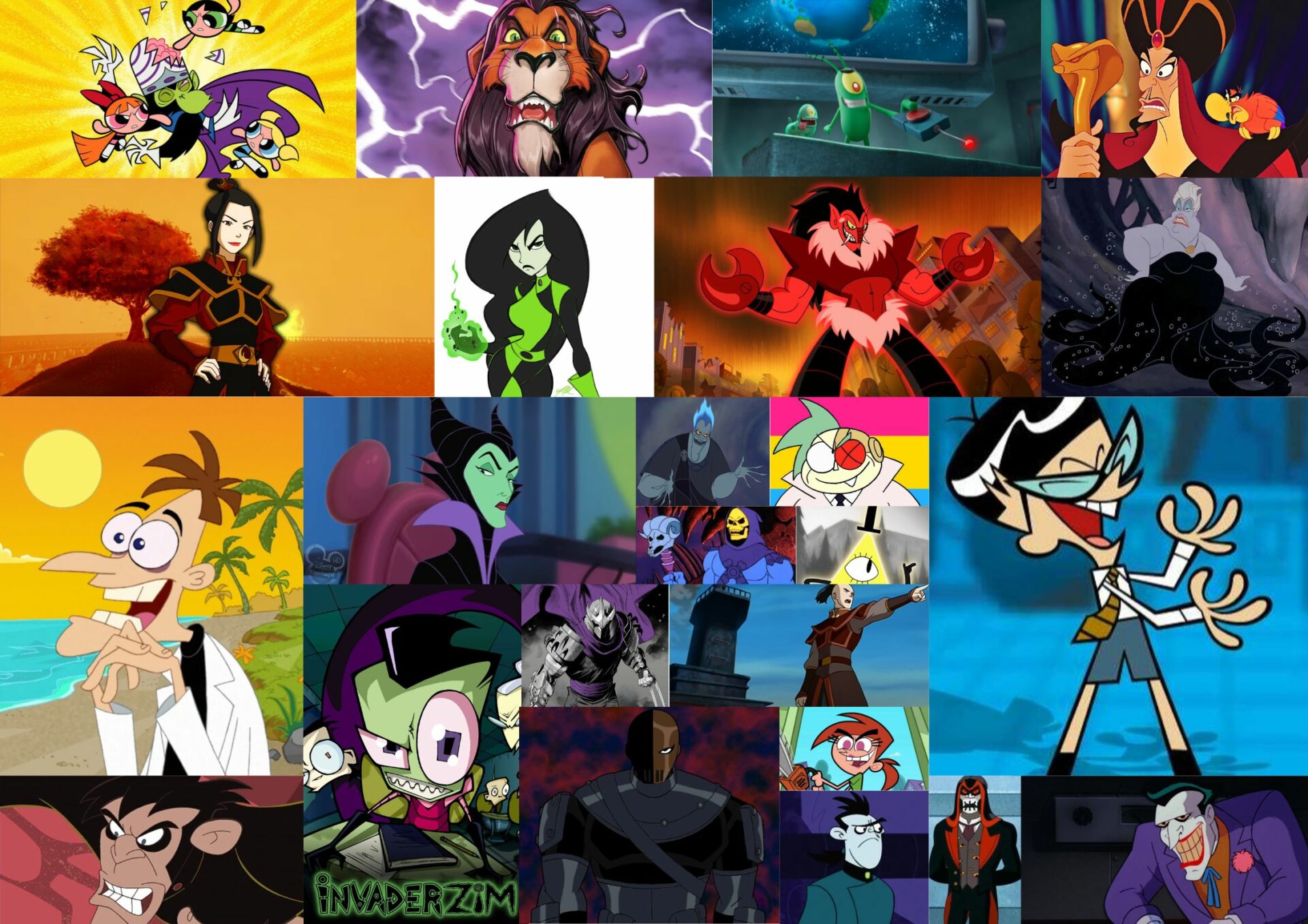
Our list rounds up the top 30 cartoon characters that were villains, each one more wonderfully wicked than the last.
READ MORE
May 6, 2026 .
Lists, MCU
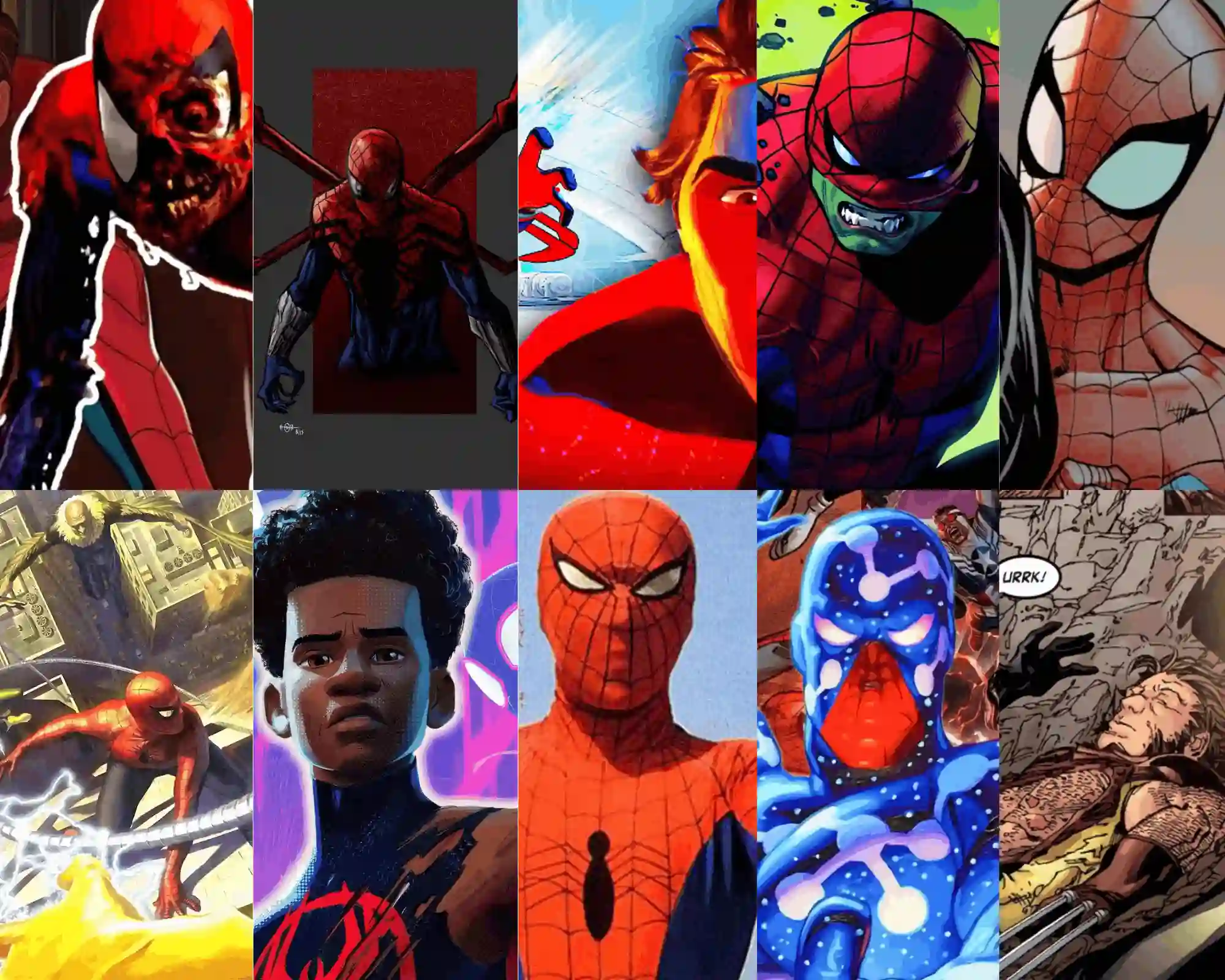
Spider-Man is one of the many superheroes from the Marvel Universe whose stories shaped many childhoods. Who is your strongest Spiderman?
READ MORE
April 29, 2026 .
Lists, Opinions
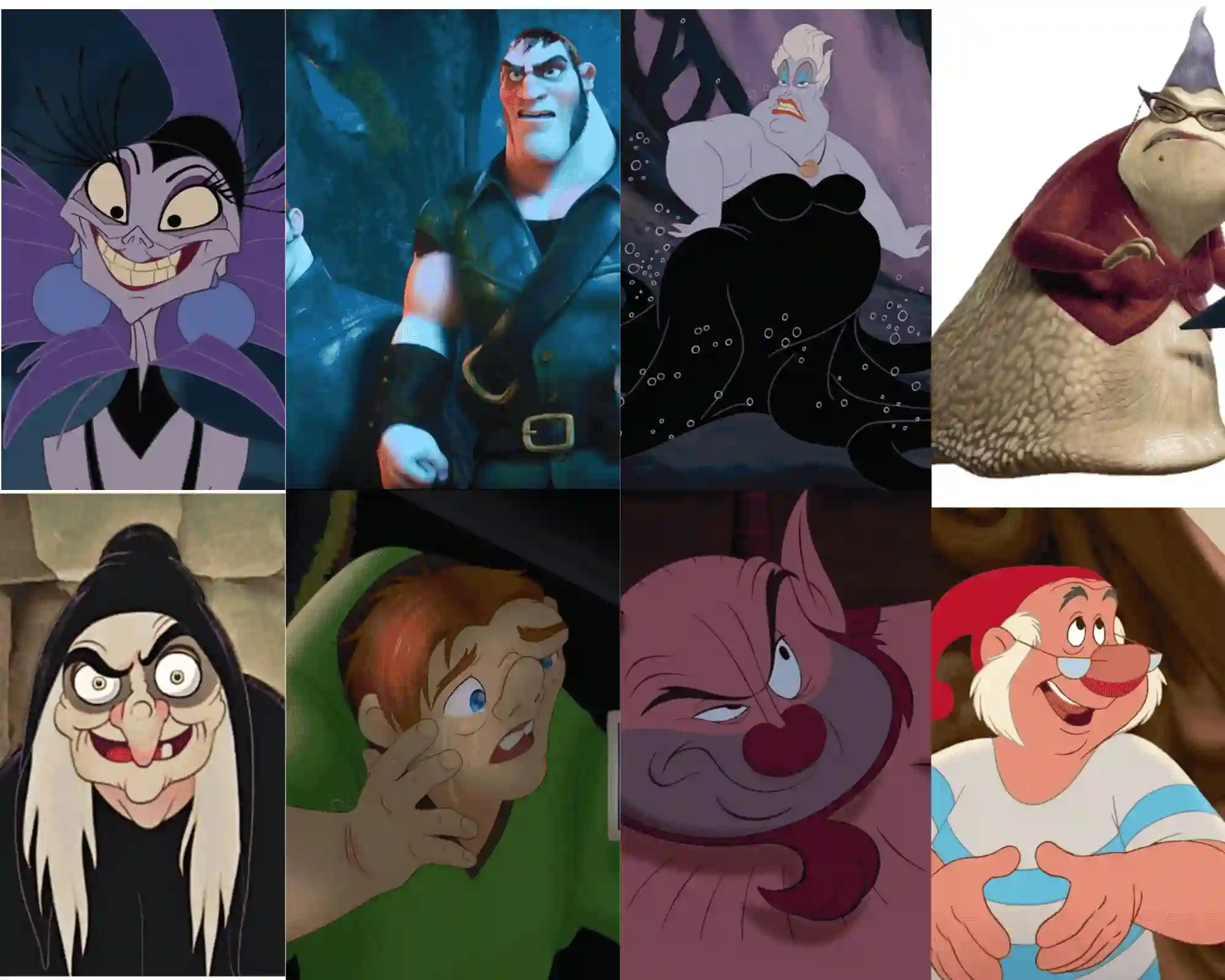
The Mouse is famous for its princesses and princes. However, the studio’s true genius lies in its embrace of “ugly Disney characters”.
READ MORE
October 28, 2025 .
Lists, Marvel, MCU, Opinions
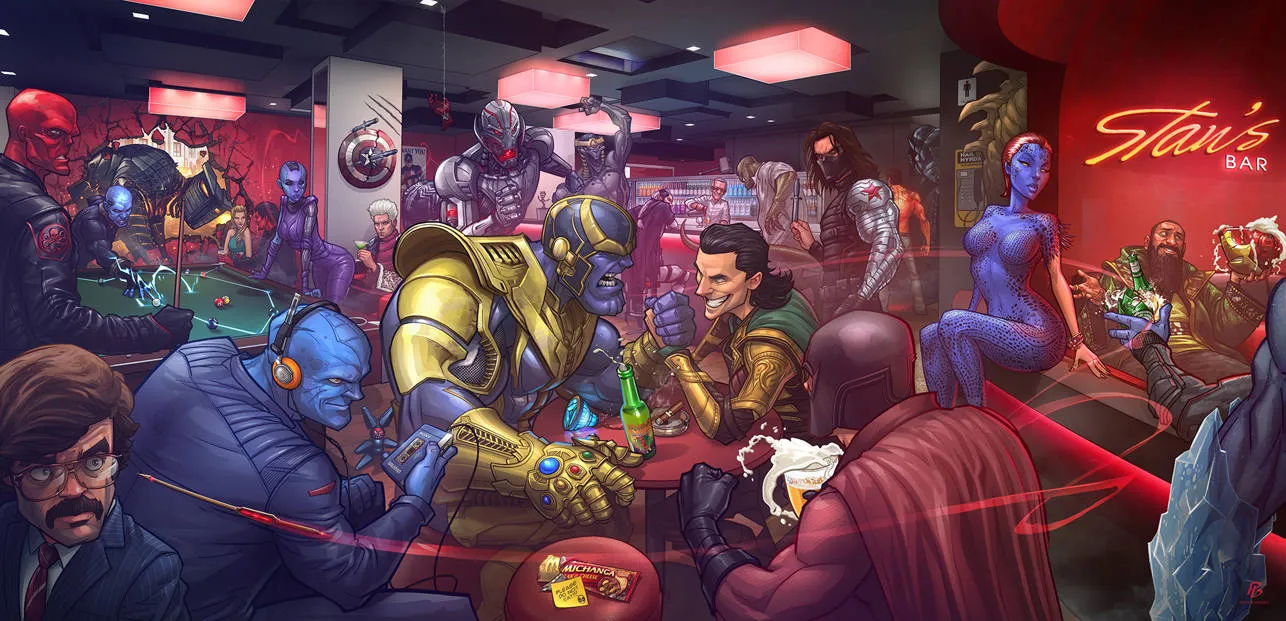
Let’s go through a list of the top 7 strongest Marvel villains, from the wickedly powerful to the absolutely unstoppable.
READ MORE
February 26, 2026 .
Cartoons, Lists
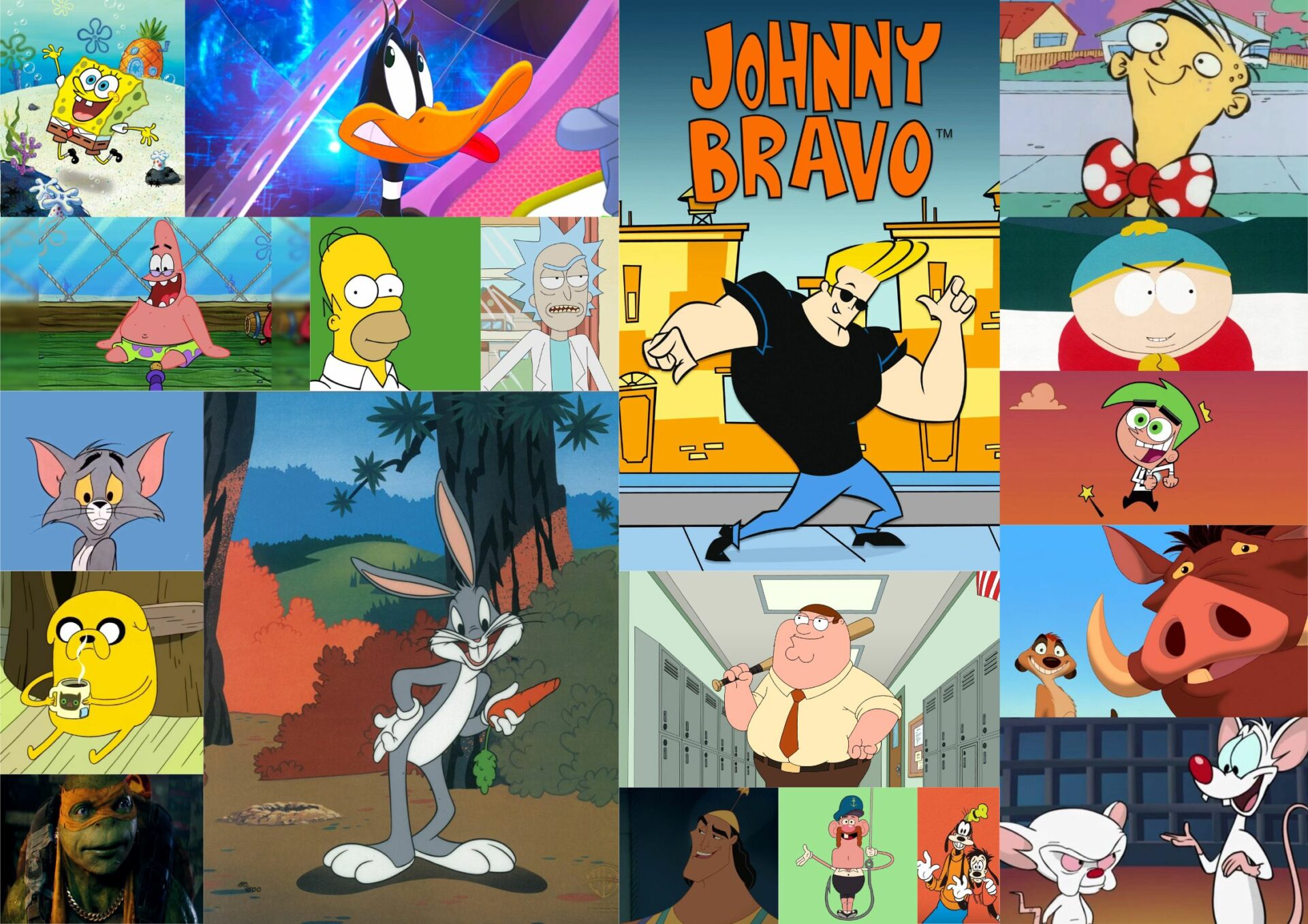
There are some outright funny cartoon characters who exist solely to crack you up, loud, hard, and with zero apology.
READ MORE


July 20, 2025 .
Writer Resources
Discover the differences in First-Person Point of View and Third-Person POV, and how each impacts character connection and narrative style.
READ MORE
May 15, 2026 .
Writer Resources
The tension between writer-centered and reader-centered approaches defines how a story is told and who it serves.
READ MORE

July 20, 2025 .
Debates, Opinions
Reading nonfiction about what interests you can provide more color and context that might make your fiction reading experience more enjoyable.
READ MORE
November 24, 2025 .
Debates, Opinions
Reading is active while watching movies is passive. The act of turning pages creates a pause that enhances understanding.
READ MORE

July 20, 2025 .
Audiobook, Debates, Opinions
African novels deserve to be narrated by African voices—not only for authenticity but also to preserve the integrity of the stories.
READ MORE

July 20, 2025 .
Debates, Opinions
If your girlfriend is a stacker, she’s already high maintenance, whether or not you buy the books for her.
READ MORE

October 22, 2025 .
Essays, Writer Resources
Ever found a book that looks like a comic but tells a complete, well-structured story? Congratulations, it’s a graphic novel.
READ MORE
June 26, 2026 .
Writer Resources
Writing starts with forming ideas, imagination, dreams, and thoughts. And when these condense into a coherent progression, you have a plot.
READ MORE
May 10, 2026 .
Writer Resources
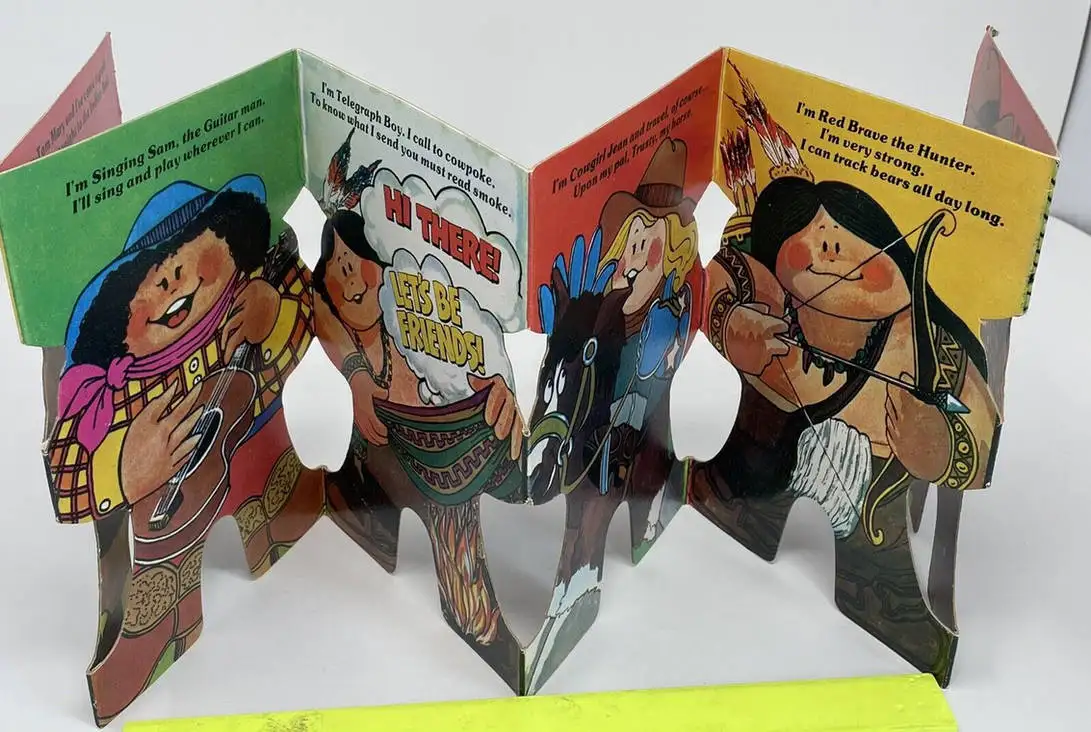
What is a board book, and how does it differ from others? Traditional publishing usually means novels, but published works span much more.
READ MORE
Get our magazine for free!