










































































The round vs flat character debate becomes more interesting when “flatness” stops being treated as a synonym for poor writing.
A strange hierarchy shapes how writers are taught to think about fictional characters.
Round characters are often presented as the ambitious choice, while flat characters are treated as something a writer should eventually outgrow. “Round” suggests depth and dimension, while “flat” suggests incompleteness, as though the writer stopped developing the character halfway through.
That assumption is too simple. A character does not become useful by becoming complicated. Meanwhile, a character built around one dominant trait can be memorable, purposeful, and exactly as developed as the story requires.
The round vs flat character debate becomes more interesting when “flatness” stops being treated as a synonym for poor writing. A character can be round without changing, just as a relatively simple character can undergo a significant transformation.
The real question, then, is not which type is superior. It is how much complexity a particular character needs to do its job well.
Consider a suspicious neighbour in a mystery novel. The character notices everything, trusts nobody, and assumes that harmless events have hidden explanations.

There may not be much psychological complexity behind the suspicion, but that may be precisely what makes the character useful. Giving a character an elaborate emotional history could add information without adding value.
Mrs Bennet in Jane Austen’s Pride and Prejudice provides a useful literary example. Her characterisation is relatively narrow, but that narrowness lets Austen expose attitudes surrounding marriage, financial security, and women’s social position. Calling a character flat does not make that character irrelevant.
This matters because fictional worlds contain people with different levels of narrative importance. A novel with numerous characters cannot give every person the psychological attention given to its protagonist.
Some characters need substantial development, while others exist to create conflict, provide information, establish atmosphere, or sharpen another character through contrast.
A flat character becomes a problem only when the story demands complexity that the characterisation does not provide.
Simplicity and emptiness are not the same thing. A character can have one dominant trait and still feel deliberate, but the problem begins when the trait exists only as a label. Calling someone brave, kind, intelligent, or ambitious tells us very little unless those qualities affect behaviour.
A brave character becomes more convincing when courage creates a difficult decision. A loyal character becomes more interesting when loyalty conflicts with justice.
An independent character becomes more revealing when independence prevents them from asking for help. The defining trait does not need to disappear. The circumstances need to test it.
That is often more effective than adding five more personality traits. A writer can create a character who is intelligent, funny, ambitious, insecure, romantic, sarcastic, independent, and kind, yet still produce someone who feels strangely empty.
Characterisation gains depth when qualities have consequences. Ambition might conflict with kindness, insecurity might distort the way praise is received, and independence might make accepting help feel humiliating.
One of the easiest ways to mistake detail for depth is to give a character an enormous backstory.

Suddenly there is an unhappy childhood, a complicated family, an old betrayal, a secret ambition, and a childhood fear that supposedly explains every decision. The character may now have a biography, but a biography is not automatically characterisation.
History becomes meaningful when it affects the present. Consider two characters who were raised by demanding parents. One has the fact mentioned in a paragraph of exposition.
The other becomes suspicious whenever someone praises them because approval was always conditional while growing up. The second character has not simply been given more history. The history has changed how the character behaves.
That distinction is crucial. A character’s past should not exist merely to prove that the writer has thought about them. It should influence choices, relationships, fears, or desires when those elements matter to the story.
The same principle applies to contradictions. Imagine a character who believes honesty matters above everything else. A sibling then commits a serious crime, and telling the truth could destroy that sibling’s life.
The character now has two values that cannot easily coexist. The decision reveals the character more effectively than a paragraph announcing deep conflict. The choice shows whether justice, loyalty, or self-preservation matters most.
That is where complexity in round vs flat character becomes visible.
This distinction deserves particular attention because the two classifications are often confused. A round character can remain largely unchanged throughout a story.
Imagine a judge who deeply believes in the law. During the novel, the judge discovers corruption within the legal system and becomes increasingly aware of the damage that rigid rules can cause. The discovery creates doubt and disappointment, but the judge continues to believe that the law must be followed.
The character has gained a more complicated understanding of the world without undergoing a fundamental transformation. The character can therefore be round while remaining static. Static describes change, while round describes complexity.
The reverse is also possible. A young soldier might begin a story believing that war is glorious and end it completely opposed to combat after experiencing its consequences. That is a significant transformation, making the character dynamic. It does not automatically make the character round.
The story may portray only one clear shift in belief without exploring competing motives, conflicting values, or a complicated inner life.
The need for roundness depends largely on what the story asks a character to carry.

A minor character who appears three times may not need a secret history, complicated motives, and a personal subplot. Similarly, a shopkeeper who gives the protagonist important information can perform that function without becoming the subject of another story.
If a novel’s emotional weight rests on a character’s decisions, those decisions need enough complexity to sustain the story. The same applies to a central antagonist whose choices shape the plot.
This does not mean major characters need endless psychological detail. It means their important decisions need convincing foundations. Narrative economy matters because every additional layer demands attention. If a detail does not influence the story, it may be unnecessary.
A writer can weaken a character by explaining too much, just as easily as by explaining too little.
Writers are often told to surprise the audience, but surprise without preparation can make a character feel arbitrary.
Suppose a quiet character suddenly betrays everyone without any indication that betrayal is possible. The action may shock the audience, but shock alone does not create believable characterisation.
Now suppose the same character has repeatedly chosen ambition over friendship throughout the story. The betrayal may still be unexpected, but it belongs to the pattern established earlier.
One argument in the round vs. flat character discourse is that roundness equals likeability. A selfish, manipulative, cruel, or dishonest character can still be round because understanding a character does not require approving of their behaviour.

A person can love their children while treating other people terribly. In the same vein, someone can perform genuine acts of kindness while becoming selfish when their own interests are threatened. A character can possess admirable qualities without being morally admirable.
Modern storytelling often tries to explain every villain through suffering, including neglect, betrayal, abuse, loss, or rejection. Such experiences can create compelling motivations, but they are not mandatory ingredients for depth.
A villain can understand that an action is cruel and choose it anyway. Another might believe completely in their own justification. Someone else might love one person sincerely while treating everyone else as disposable.
The interesting question is not always what happened to make someone bad. Sometimes it is what a person chooses to do after recognising what they are becoming. Roundness is not redemption.
Flat characters can also contribute to complexity through contrast.
Imagine a cautious protagonist paired with an impulsive friend. The friend’s recklessness makes the protagonist’s hesitation more visible, while the protagonist’s caution makes the friend’s impulsiveness easier to recognise.
Neither character needs to become more like the other. The contrast creates meaning.
This is one reason eliminating all flat characters can weaken a story. If everyone has equally complex motives, conflicting histories, and shifting beliefs, the distinctions between characters can become harder to maintain. Flatness can therefore be a deliberate form of contrast rather than evidence of poor writing.
A neutral stance in the round vs flat character chat is that not every character needs to be a psychological puzzle.

The gossip can remain a gossip, the comic friend can remain comic, the strict teacher can remain strict, and the loyal servant can remain loyal.
The question is whether the simplicity serves a purpose. If a minor character becomes more complicated simply because the writer fears creating a flat character, the additional material may distract from the story.
A character who exists to create suspicion does not necessarily need to become the unexpected villain. A character who delivers crucial information does not necessarily need a secret life.
Good characterisation involves knowing what not to develop. This is especially important in longer stories, where too much attention to minor characters can dilute the central conflict.
The distinction comes down to one useful principle: detail describes a character, while depth changes what that character does.
When two important values collide, the character has to reveal priorities through action. A father may want to protect his daughter while believing strongly in justice. A woman may want independence while craving her family’s approval. A businessperson may want professional success while despising the behaviour required to achieve it.
The conflict does not need to be explained repeatedly. The character has to choose, and that choice gives the reader evidence about who the person actually is.
Human beings are inconsistent, but they are rarely completely without patterns. Fictional characters need the same balance.

The danger comes when inconsistency exists only because the plot requires it. A character should not behave one way in one chapter and completely differently later without some development, pressure, or established pattern connecting those choices. Round characters can surprise, but they should not feel like different people whenever the story needs a new direction.
People often discuss dynamic characters as though change automatically means growth.
A kind person can become bitter, a confident person can lose confidence, someone who once trusted easily can become suspicious, and a person who feared violence can eventually become comfortable with it.
Change means significant transformation. That transformation can be positive, negative, or morally complicated. A character can learn the wrong lesson. Someone can become worse while believing they have become stronger. A person can achieve their goal and discover that the person they became to achieve it is someone they no longer recognise.
This matters because character arcs do not need to end in improvement. Sometimes the transformation itself is the tragedy.
The round vs flat character debate becomes much less useful when flat and round characters are treated as opposing levels of quality.
Round characters offer psychological complexity, competing motivations and the capacity for convincing surprise. They are particularly valuable when a story depends heavily on a character’s internal conflict and decisions.
Flat characters offer clarity, economy and consistency. They can establish contrast, support a theme, create humour, move the plot forward or make another character’s complexity more visible.
Neither quality is automatically superior. The better choice depends on what the story needs.
A writer who makes every character round may create a crowded story in which every person demands explanation. A writer who keeps every character flat may produce a world where nobody feels capable of surprising the audience. Strong characterisation exists between those extremes.
The real skill lies in knowing when complexity creates meaning and when it only creates clutter. A character does not need ten traits to feel human. A character needs enough depth for the story to make their choices matter.
That is ultimately where the round vs flat character debate should end. Flat characters are not failed round characters, and round characters are not automatically better-written characters. They are different tools for creating different effects.
The strongest writers are not necessarily the ones who make every character complicated. They understand when complexity is necessary, when simplicity is powerful, and how the difference between the two can make the story work better.

July 20, 2025 .
Animation, Lists
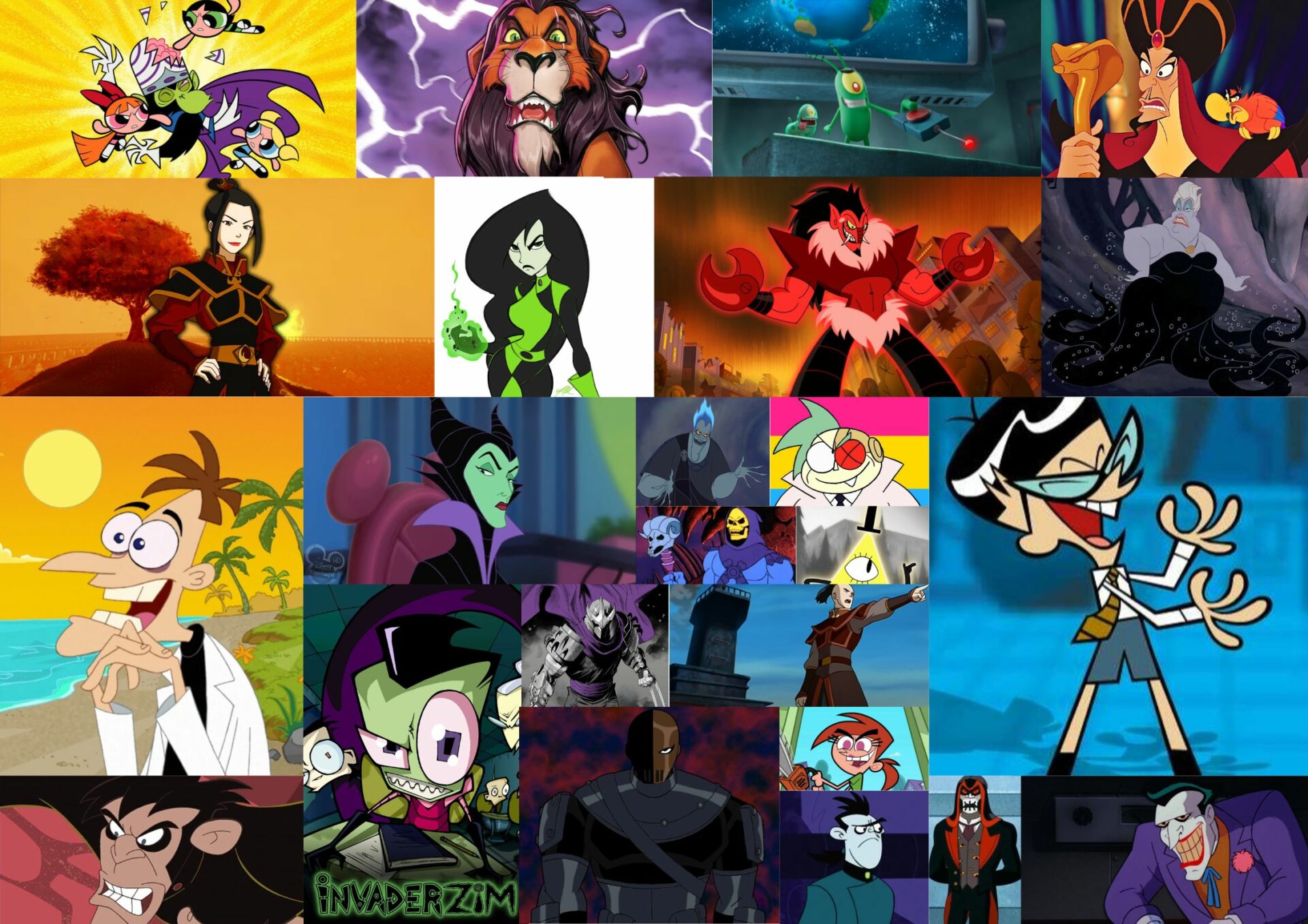
Our list rounds up the top 30 cartoon characters that were villains, each one more wonderfully wicked than the last.
READ MORE
April 29, 2026 .
Lists, Opinions
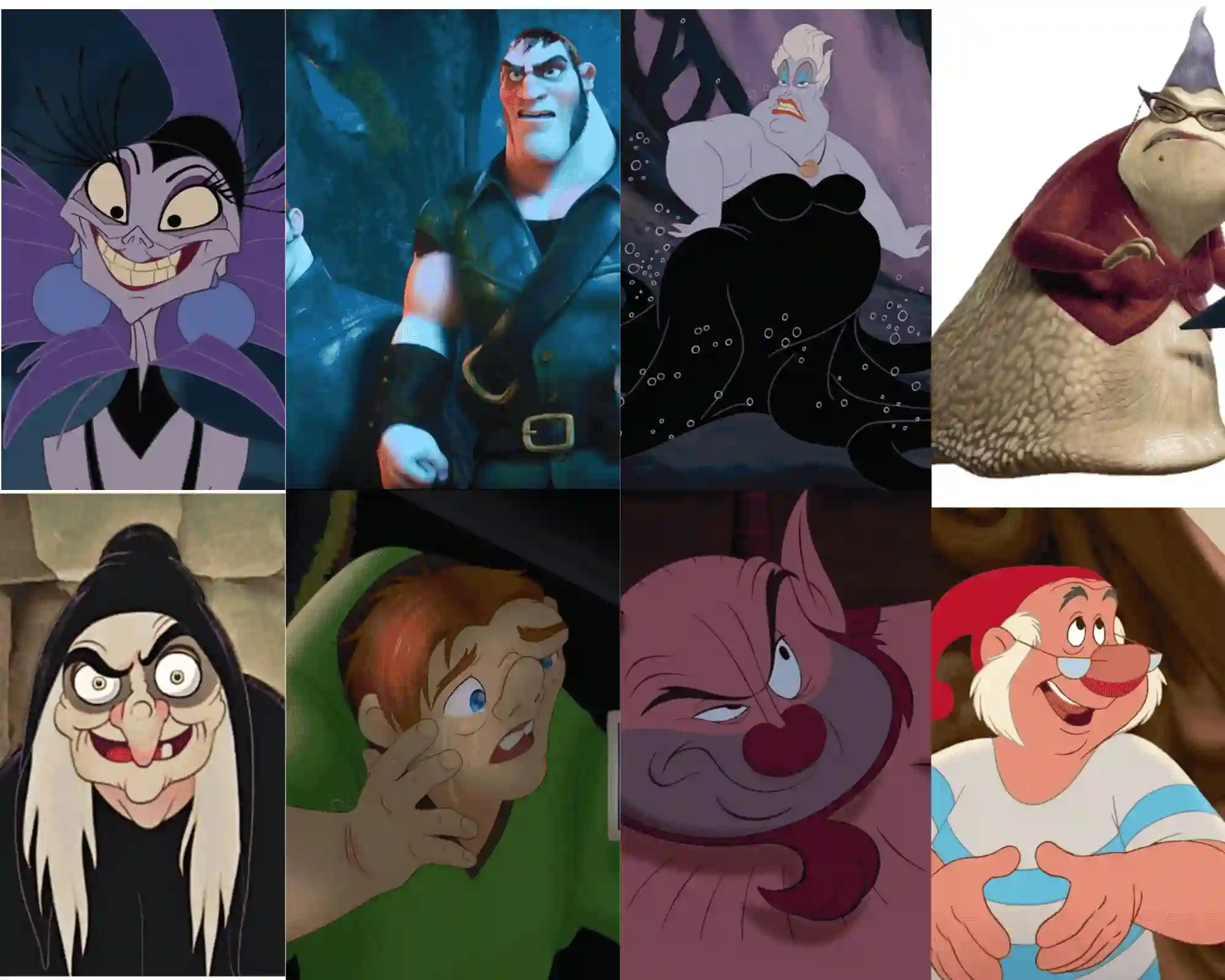
The Mouse is famous for its princesses and princes. However, the studio’s true genius lies in its embrace of “ugly Disney characters”.
READ MORE

May 6, 2026 .
Lists, MCU
Spider-Man is one of the many superheroes from the Marvel Universe whose stories shaped many childhoods. Who is your strongest Spiderman?
READ MORE

October 28, 2025 .
Debates, Lists, Marvel, MCU
Every Marvel hero brings something to the table. But if we had to pick the top 8 most popular Marvel superheroes, who would make the cut?
READ MORE
February 26, 2026 .
Cartoons, Lists
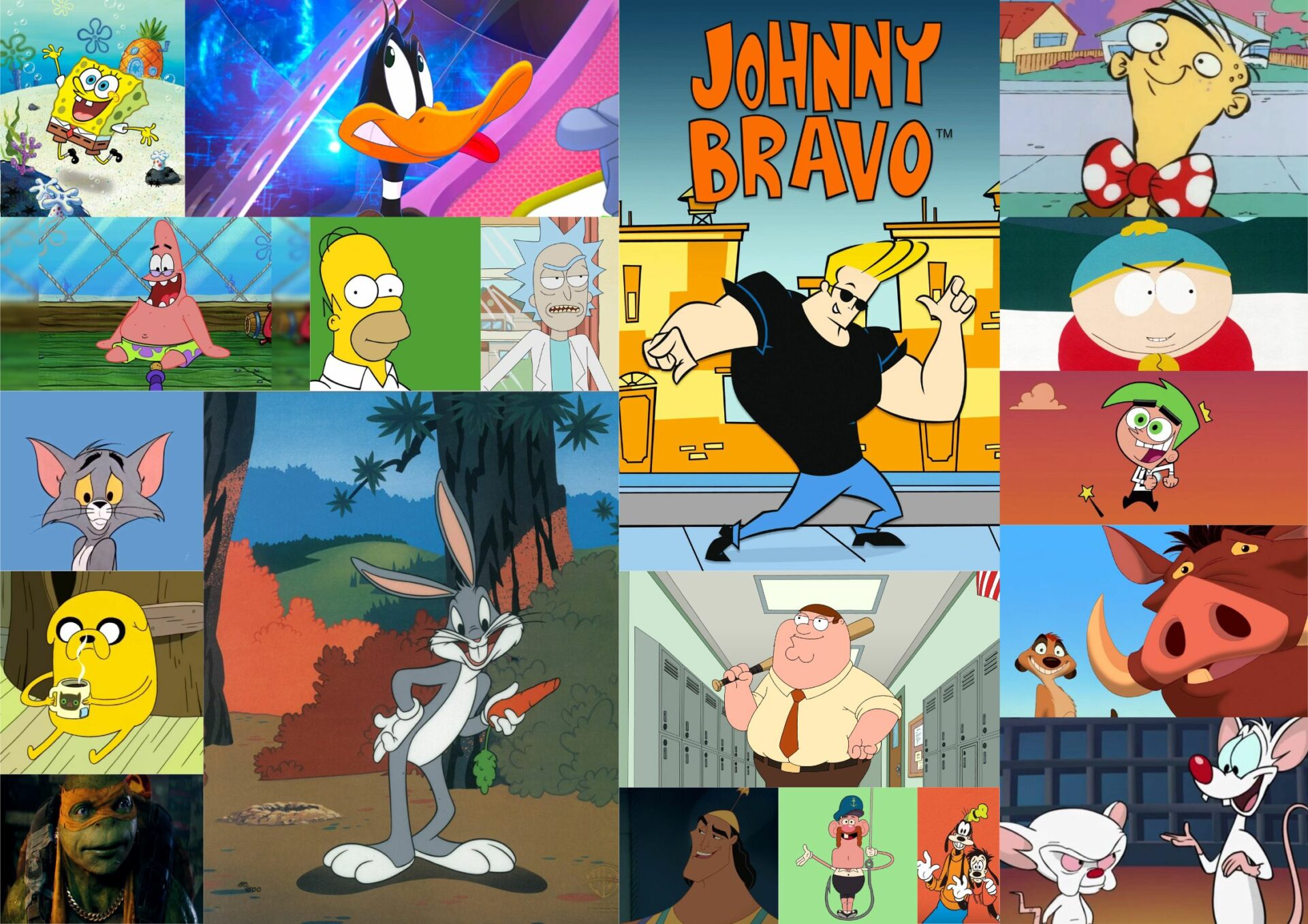
There are some outright funny cartoon characters who exist solely to crack you up, loud, hard, and with zero apology.
READ MORE


July 20, 2025 .
Writer Resources
Discover the differences in First-Person Point of View and Third-Person POV, and how each impacts character connection and narrative style.
READ MORE

May 15, 2026 .
Writer Resources
The tension between writer-centered and reader-centered approaches defines how a story is told and who it serves.
READ MORE

July 20, 2025 .
Debates, Opinions
Reading nonfiction about what interests you can provide more color and context that might make your fiction reading experience more enjoyable.
READ MORE

November 24, 2025 .
Debates, Opinions
Reading is active while watching movies is passive. The act of turning pages creates a pause that enhances understanding.
READ MORE

July 20, 2025 .
Audiobook, Debates, Opinions
African novels deserve to be narrated by African voices—not only for authenticity but also to preserve the integrity of the stories.
READ MORE

July 20, 2025 .
Debates, Opinions
If your girlfriend is a stacker, she’s already high maintenance, whether or not you buy the books for her.
READ MORE

October 22, 2025 .
Essays, Writer Resources
Ever found a book that looks like a comic but tells a complete, well-structured story? Congratulations, it’s a graphic novel.
READ MORE
June 26, 2026 .
Writer Resources
Writing starts with forming ideas, imagination, dreams, and thoughts. And when these condense into a coherent progression, you have a plot.
READ MORE
May 10, 2026 .
Writer Resources
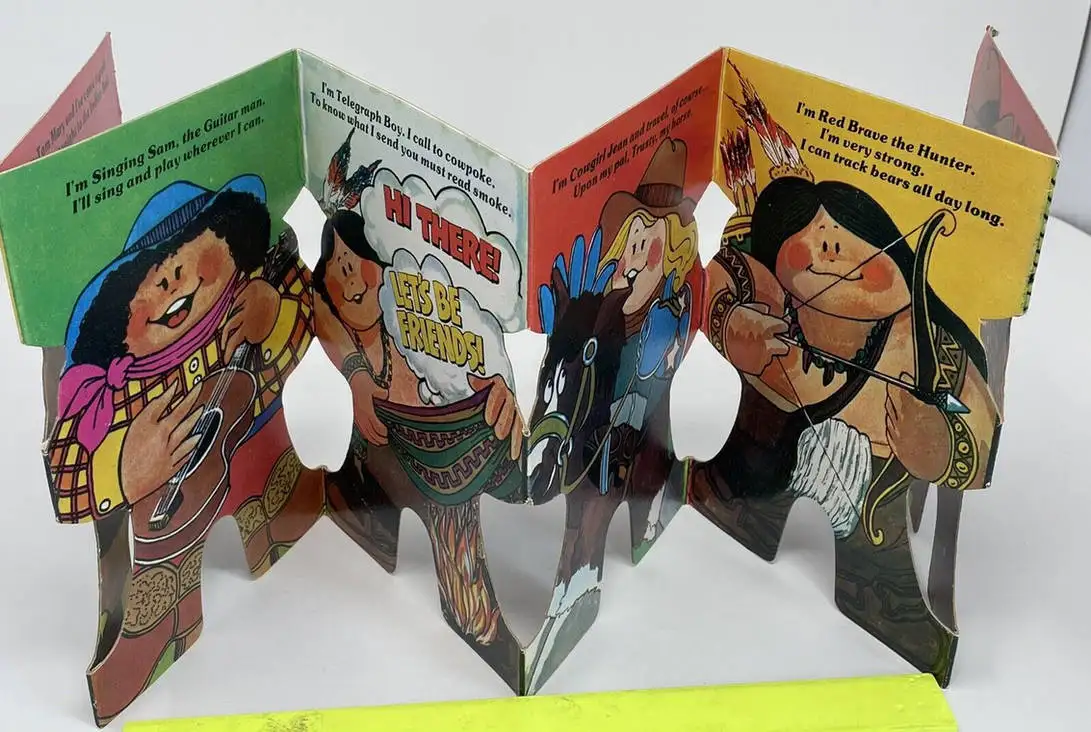
What is a board book, and how does it differ from others? Traditional publishing usually means novels, but published works span much more.
READ MORE

Get our magazine for free!