Close menu
Ranking the best of African Literature





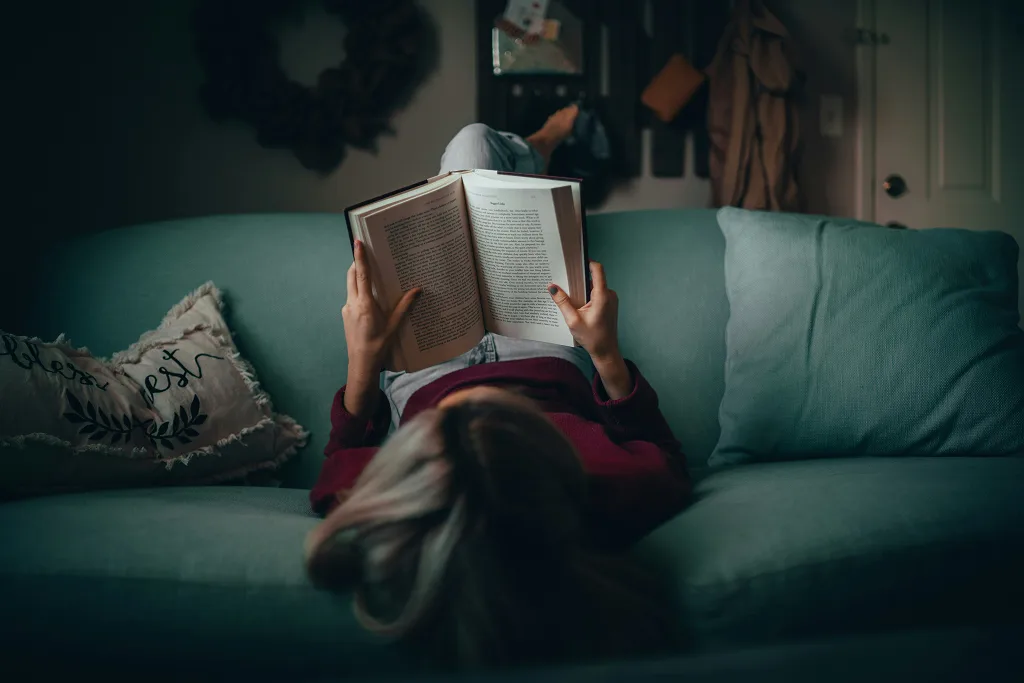

Critics have lauded We, the Survivors, for its sharp social commentary and emotional resonance, and by the end of the last chapter, you’ll see why.

We, the Survivors by Tash Aw, is one of the books I discovered in the first term of my Creative Writing class. I initially picked this book out of curiosity because it was mentioned at a seminar that the author, Tash Aw, is an alumnus of my Creative Writing program. Then I read the opening.
“You want me to talk about life, but all I’ve talked about is failure, as if they’re the same thing, or at least so closely entwined that I can’t separate the two—like the trees you see growing in the half-ruined buildings in the Old Town.”
This very poignant opening paragraph creatively and immersively illustrates the protagonist’s internal struggle and introduces readers to immediate tension, setting the tone for the story, themes, and expectations.
We, the Survivors, discusses themes of class disparity, migration, and the human condition in contemporary Malaysia.
The narrative centers on Ah Hock, a man from a modest fishing village whose life takes a tragic turn, leading to the murder of a migrant worker.

The novel’s structure is particularly noteworthy. It unfolds through a series of interviews between Ah Hock and Su Min, a US-educated writer and researcher pursuing a doctorate in sociology.
Su Min returns to Malaysia to conduct field research, which includes interviewing Ah Hock about his life and the events leading up to his crime.
This conversational style provides an intimate glimpse into Ah Hock’s psyche, effectively conveying his reflections and justifications.
While the novel is not a conventional “serial killer” story, its exploration into the psychology of Ah Hock, who commits a single, shocking act of violence, fueled one of my hidden obsessions (and a topic of interest to many), the psychology of serial killers.
As Ah Hock gives his accounts, the questions of culpability, morality and the factors that drive a person to commit such acts are raised. These questions, you will agree, are similar to the kind of introspection often found in true crime and serial killer stories.
Another noteworthy factor about this novel is the seamless transitions between past and present events. These transitions enrich the storytelling, offering a comprehensive understanding of the circumstances that shaped Ah Hock’s actions. But that is beside the point.
It is how Tash Aw seamlessly does this and yet does not lose the reader. Even while in the narrative past, he manages to follow different story threads, which, in themselves, transition between pasts.

Also, the choice to insert shorter chapters of the narrative present was spot on. Ah Hock’s present interactions with Su Min contributed to my appreciation of the structure. It might not be new or the first to be done, but it was a brilliant choice for this novel.
Also, I like how almost everything connects, in a full circle, in this novel. There is no single element in the book that is introduced or mentioned that does not have a purpose. Each detail contributes to the overarching story. At some point, I smiled and said, “Chekov would be proud.” The deliberate commitment to the narrative economy is commendable.
Lastly, Tash Aw’s deliberate choice to incorporate foreign languages (mostly Malay) without translation intrigued me.
Coincidentally, while reading this book, I was at the bridge of confusion regarding using local language in my prose, the need to translate for a global audience, and how to navigate that (especially if you are not keen on translating these words). Tash Aw does it boldly and creatively.
This technique adds authenticity to the narrative, immersing readers in Malaysia’s multicultural landscape. It underscores the complexities and cultural nuances of the book’s setting.
Critics have lauded We, the Survivors, for its sharp social commentary and emotional resonance, and by the end of the last chapter, you’ll see why.
If you’re a fan of thought-provoking literature that blends sharp social commentary with a deeply human story, I highly recommend We, the Survivors by Tash Aw.

I am Alpha. 🤓 Writer, Filmmaker, creative entrepreneur, book connoisseur, an undercover nerd etc. I am a Ghanaian currently in Lagos with Multichoice Talent Factory✌️🏿 Follow my Bookstagram: Instagram.com/books.kitchen For my writing: Instagram.com/let_alpha_write And where I am mostly myself: Instagram.com/the_alpha_himself I would love a follow. I will follow back. 😉
July 20, 2025 .
Animation, Lists
Our list rounds up the top 30 cartoon characters that were villains, each one more wonderfully wicked than the last.
READ MORE
May 6, 2026 .
Lists, MCU
Spider-Man is one of the many superheroes from the Marvel Universe whose stories shaped many childhoods. Who is your strongest Spiderman?
READ MORE
October 28, 2025 .
Lists, Marvel, MCU, Opinions
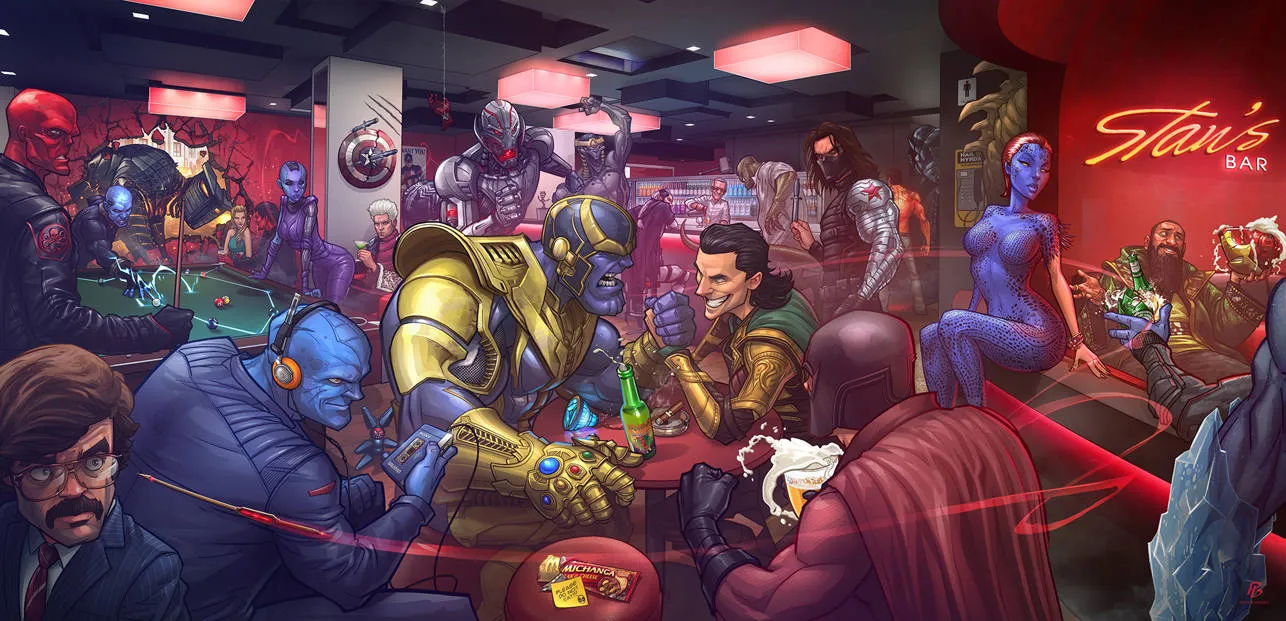
Let’s go through a list of the top 7 strongest Marvel villains, from the wickedly powerful to the absolutely unstoppable.
READ MORE
April 29, 2026 .
Lists, Opinions
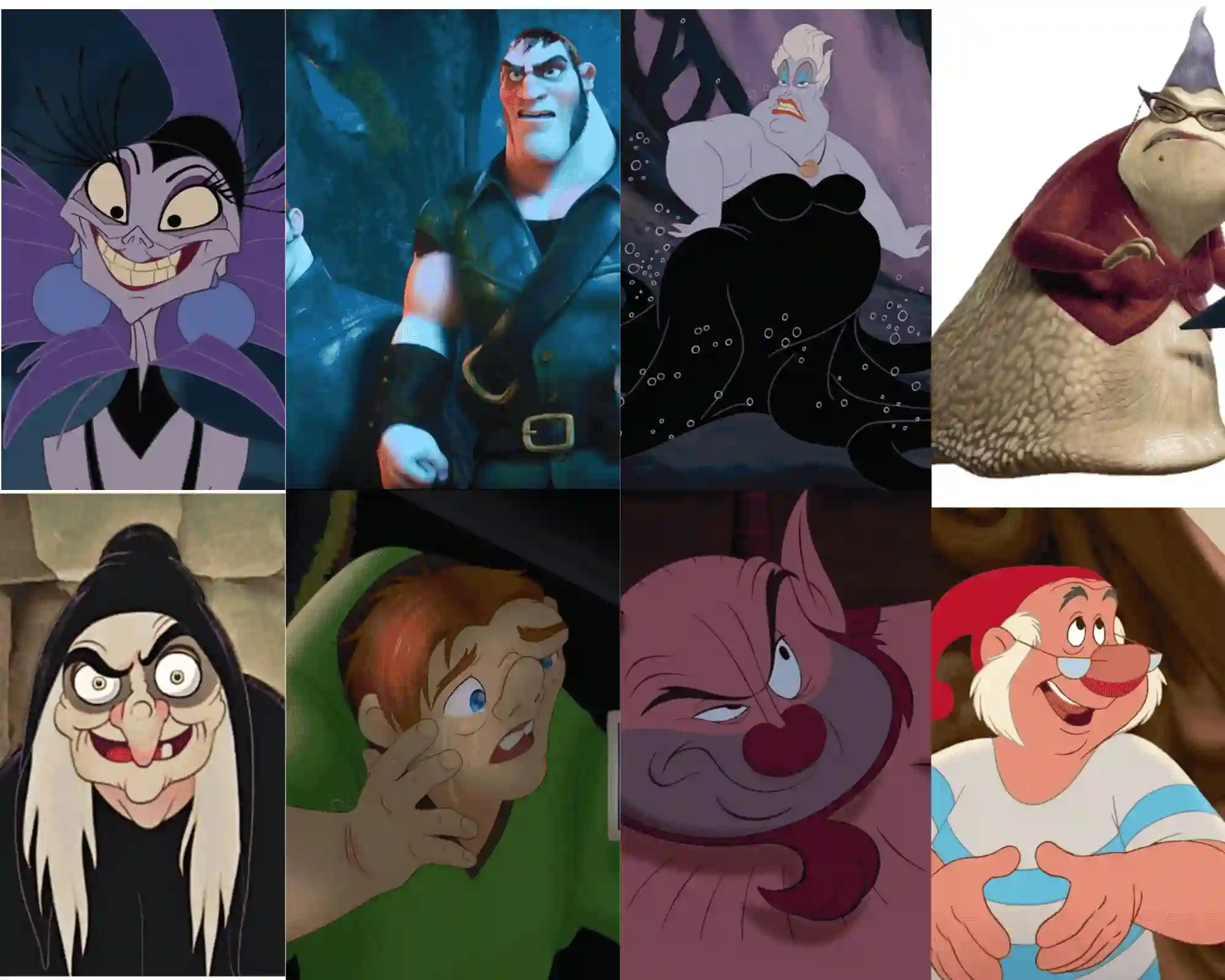
The Mouse is famous for its princesses and princes. However, the studio’s true genius lies in its embrace of “ugly Disney characters”.
READ MORE
February 26, 2026 .
Cartoons, Lists
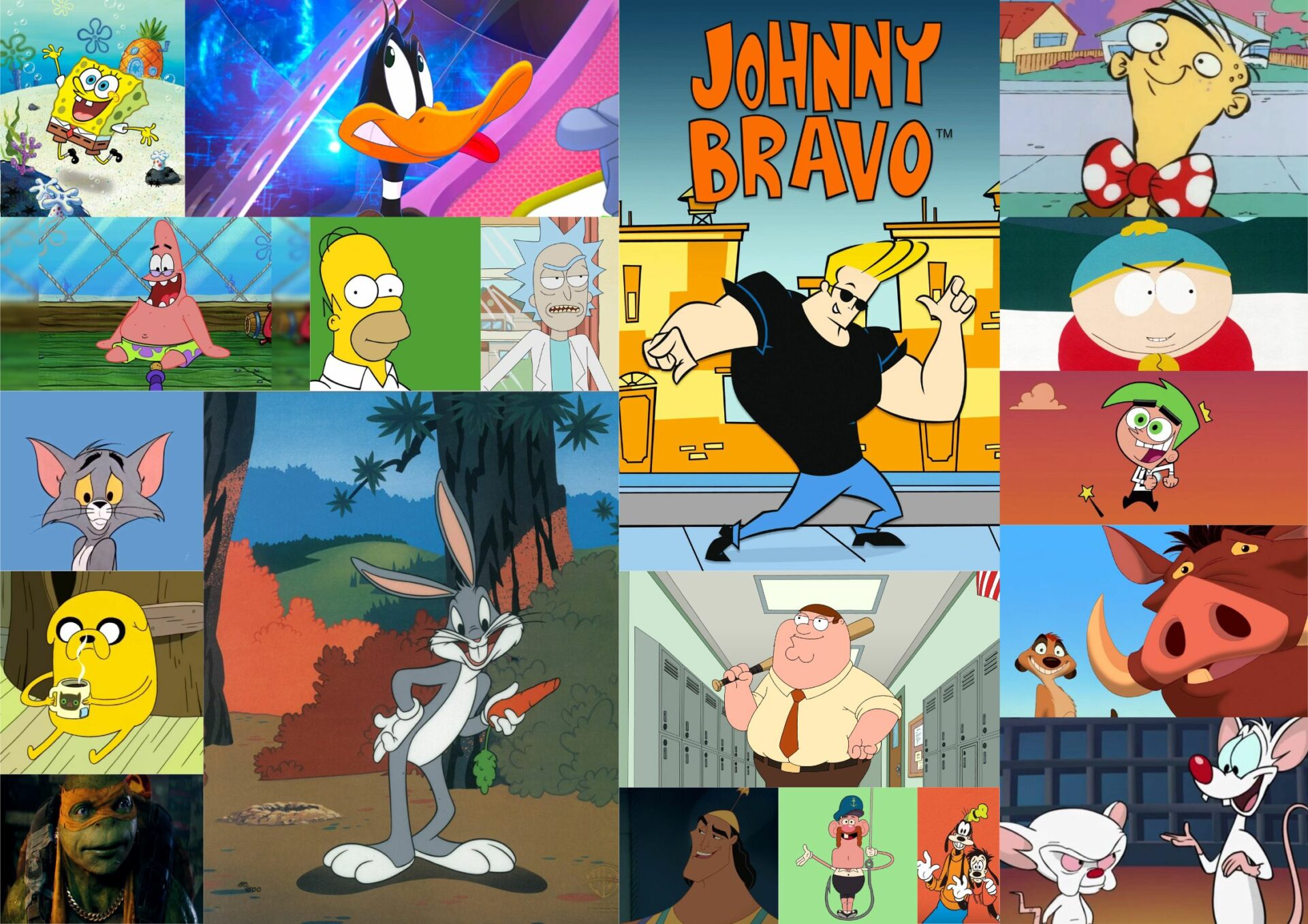
There are some outright funny cartoon characters who exist solely to crack you up, loud, hard, and with zero apology.
READ MORE
October 12, 2021 .
africanliterature, chimamanda, cna, zikora
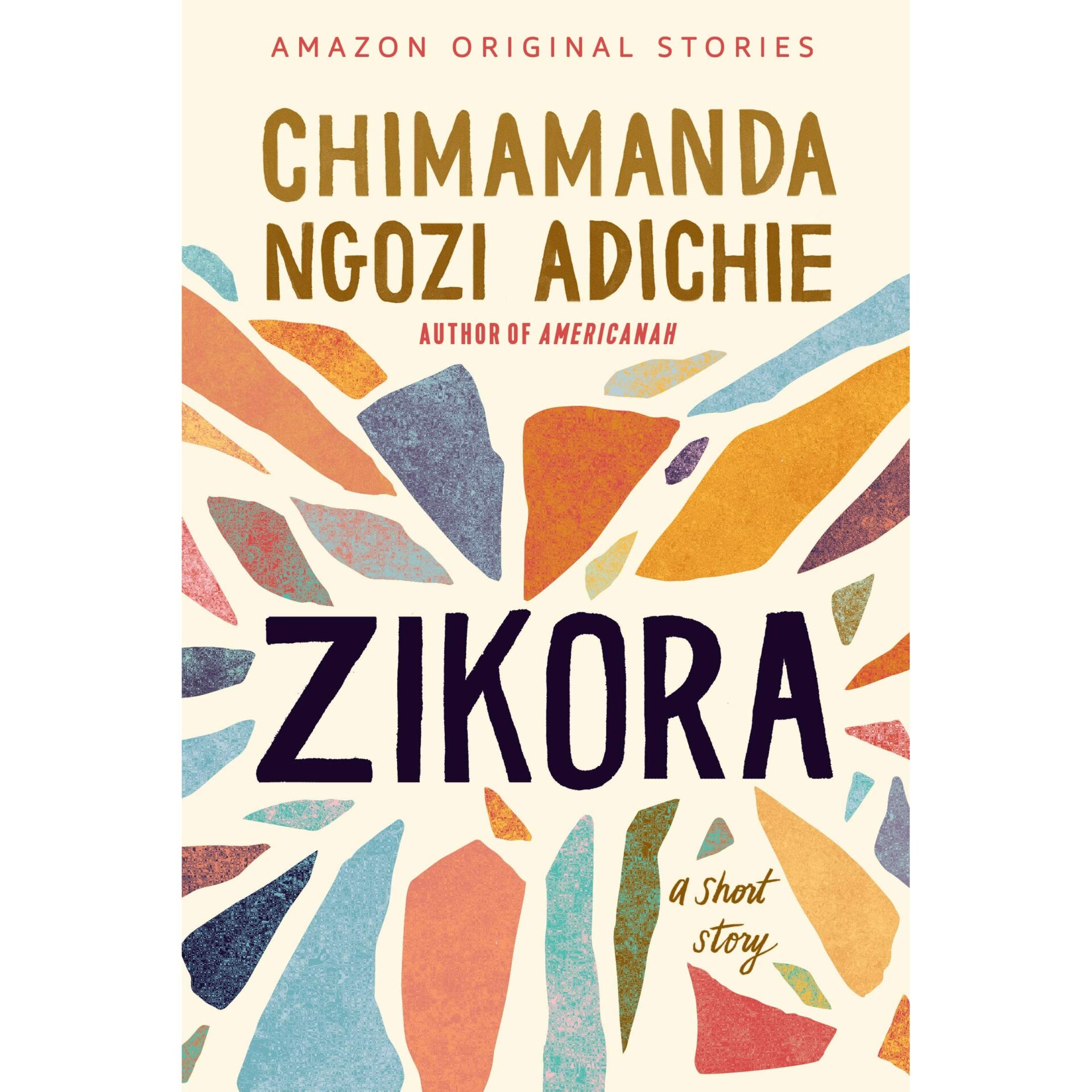
Hopefully, the reading of a book as this will enlighten men and generally educate people in the making of the right choices regarding amatory unions.
READ MORE

July 20, 2025 .
Opinions
Book recommendations from random places don’t always cut it, and you often end up feeling unsatisfied with them.
READ MORE
September 2, 2025 .
African Literature
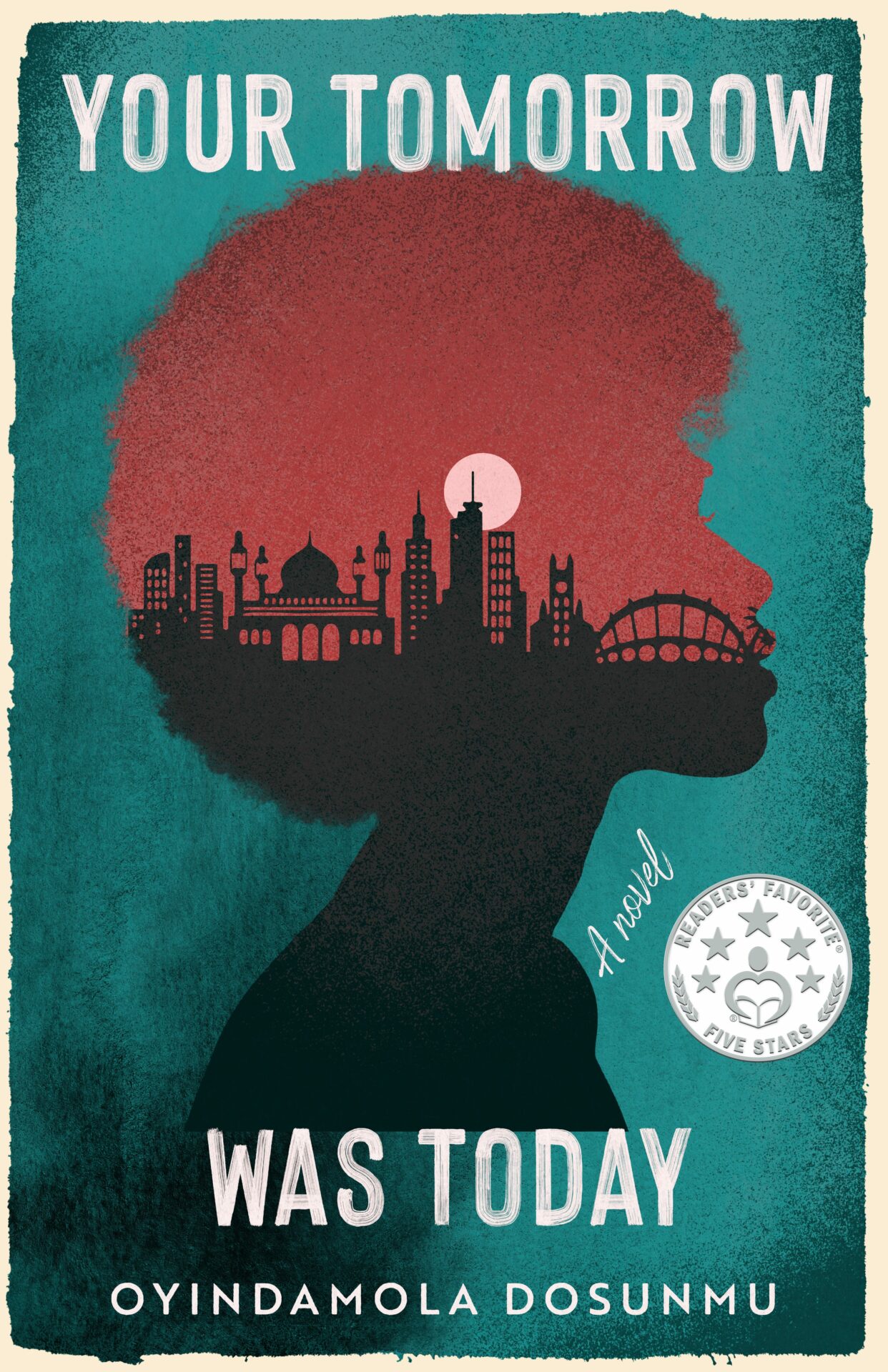
So yes, Your Tomorrow Was Today is guaranteed to be a book that will touch you, regardless of gender, interests or philosophy.
READ MORE
October 24, 2021 .
Netflix, Psychopaths, Serial Killer, Thriller, You S3
READ MORE

November 2, 2025 .
Netflix, Psychopath, Serial Killer, You S1, You S2
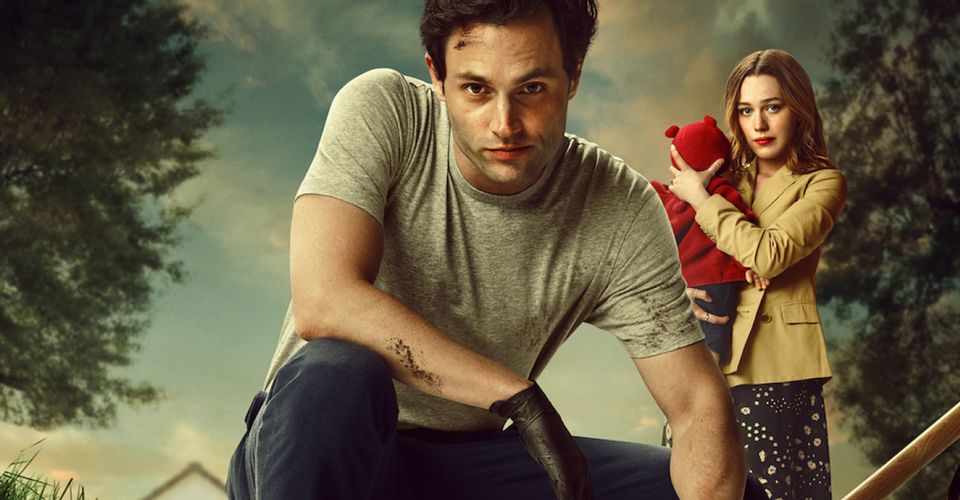
Oh, and Joe is also a stalker and serial killer who believes he’s helping his ‘love interests’ by killing people he thinks are a threat or bad influence to them
READ MORE
July 18, 2022 .
akwaekeemezi, youmadeafoolofdeathwithyourbeauty
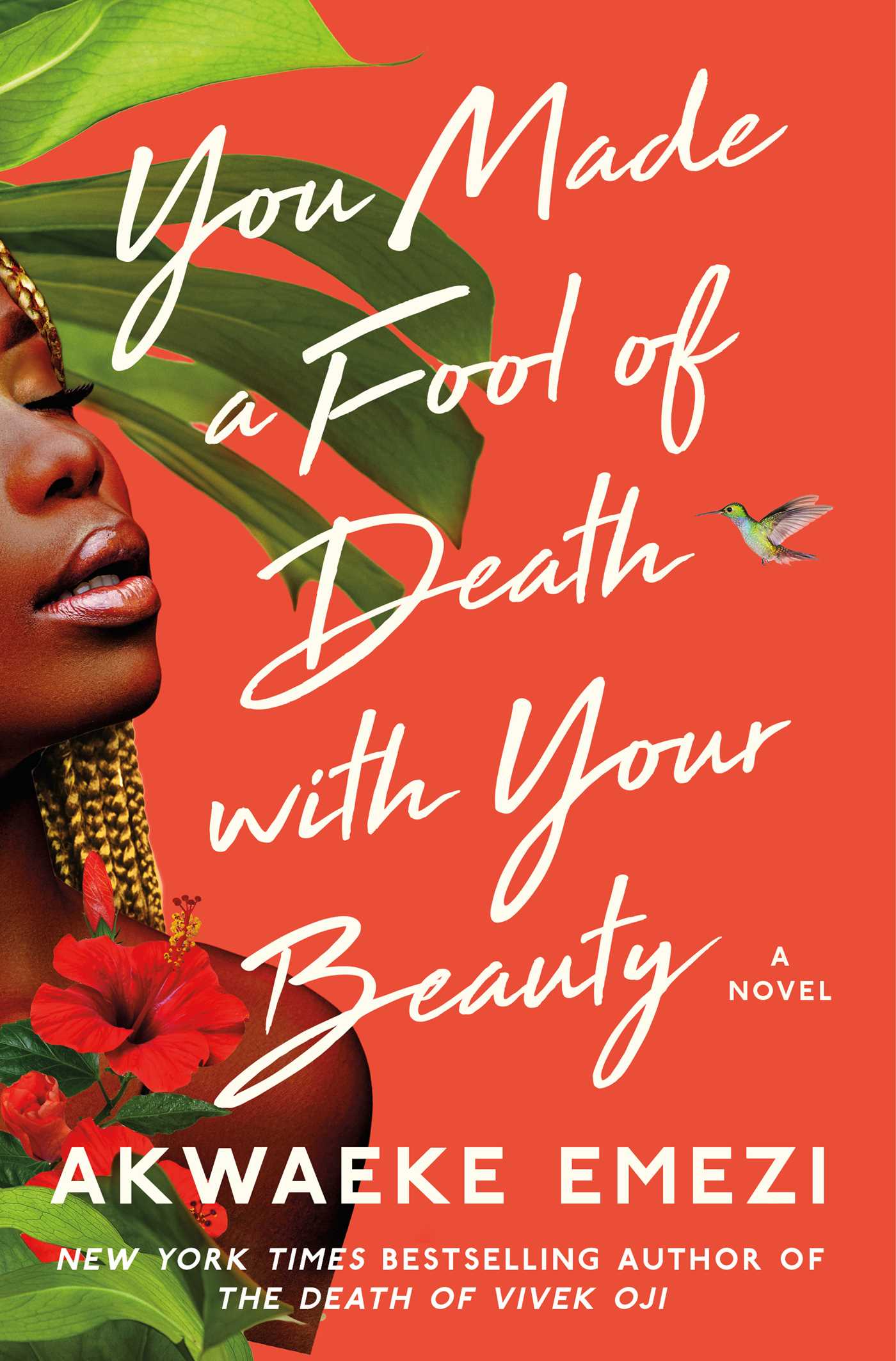
I have reread it for the 100th time since its release, and I still do not feel full… I very much recommend this book with all the gods in my village backing me!
READ MORE
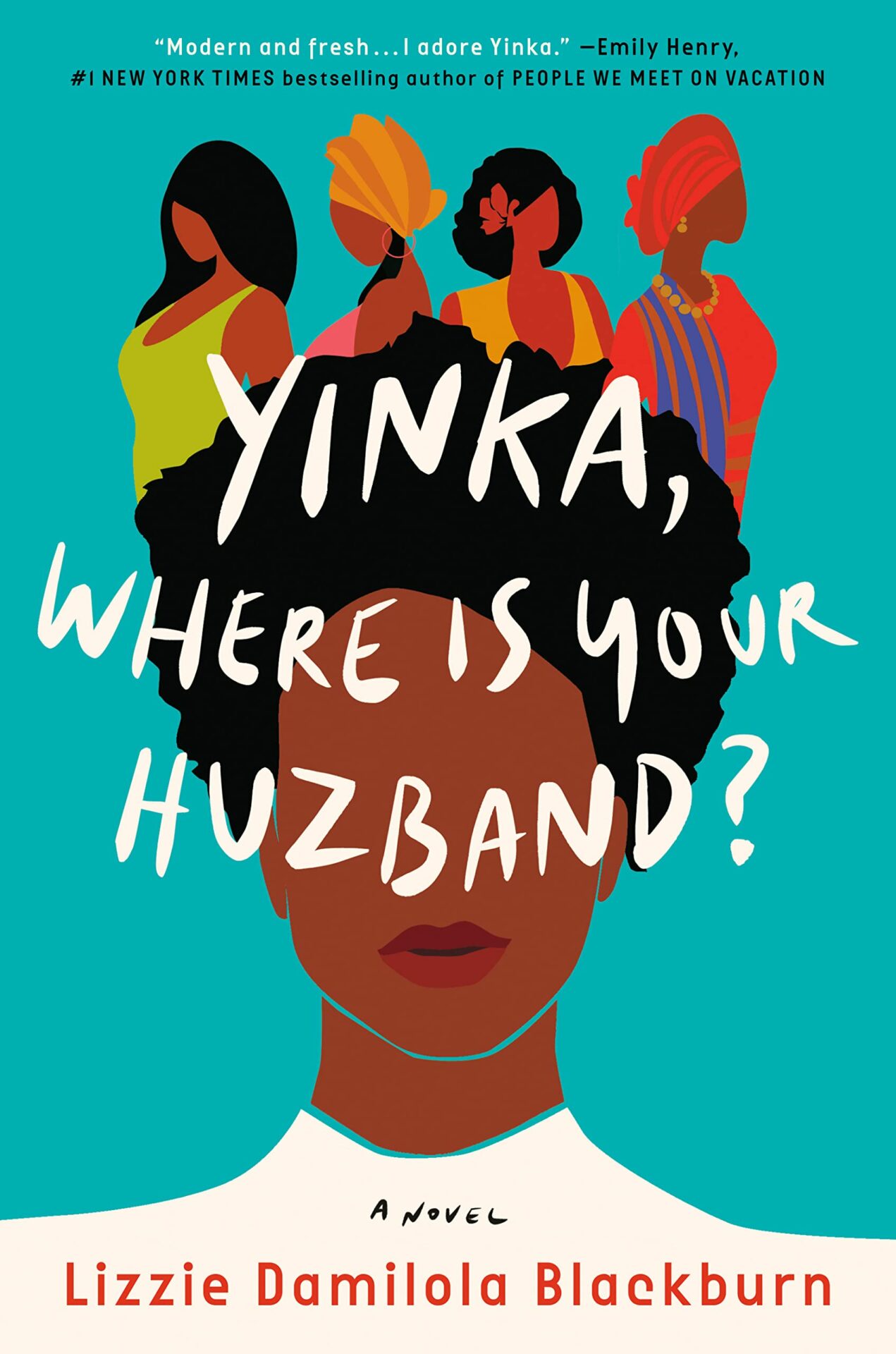
February 19, 2022 .
africanliterature, black, Book review, British Nigerian, lizziedamilolablackburn, Nigerian, Self growth, yinkawhereisyourhuzband
READ MORE
July 24, 2023 .
contemporary
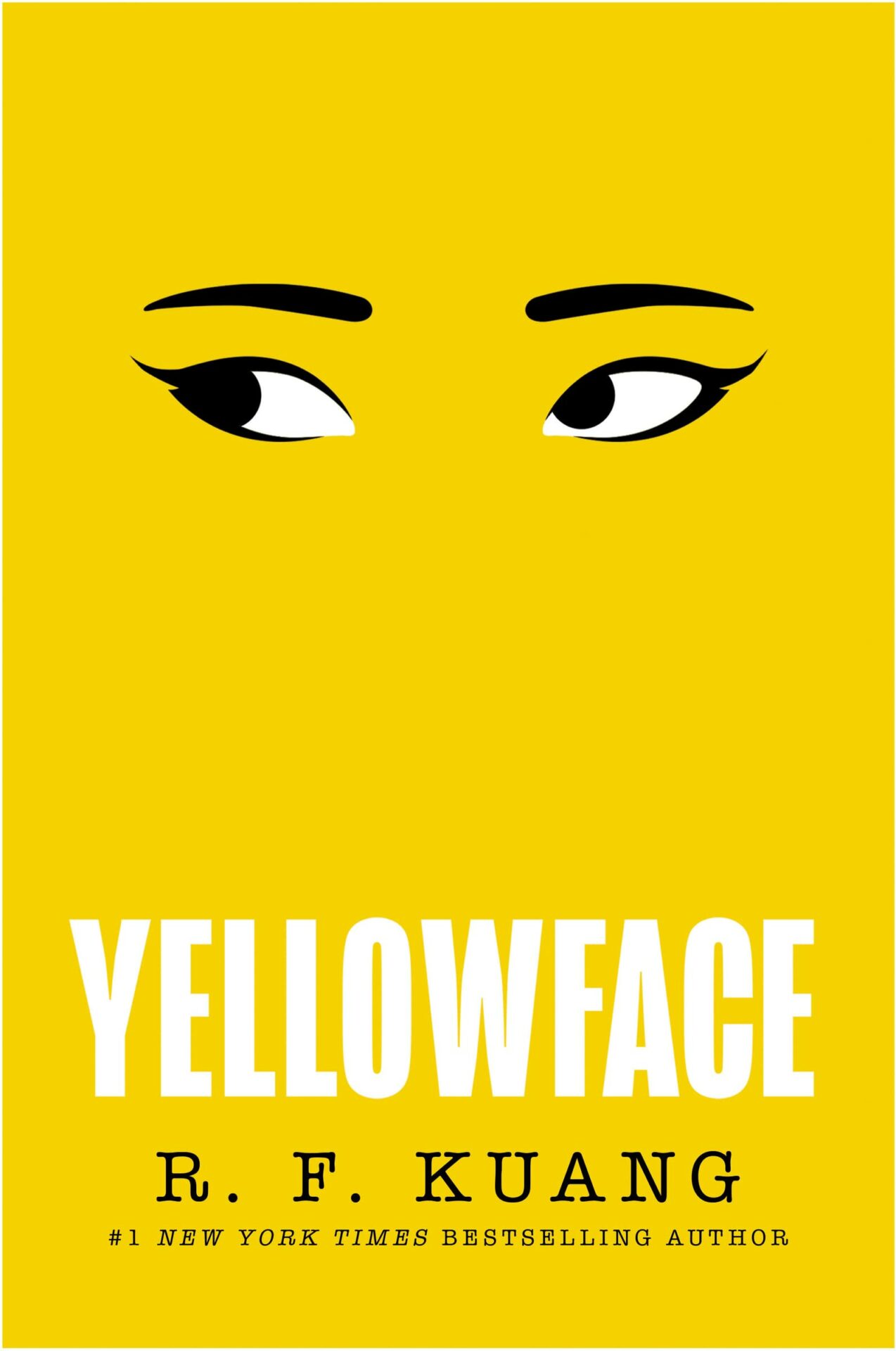
The story exposed some of the tricks and techniques of the publishing world and how small and sometimes brutal the industry can be.
READ MORE
July 20, 2025 .
Writer Resources
Discover the differences in First-Person Point of View and Third-Person POV, and how each impacts character connection and narrative style.
READ MORE
Get our magazine for free!