
Menu


















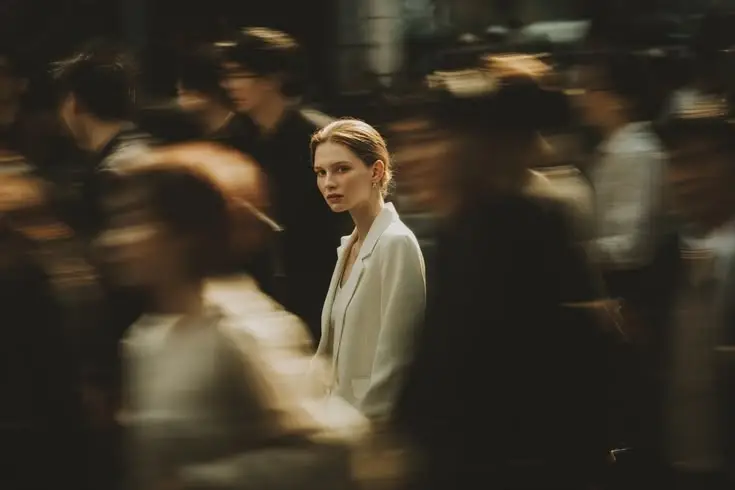






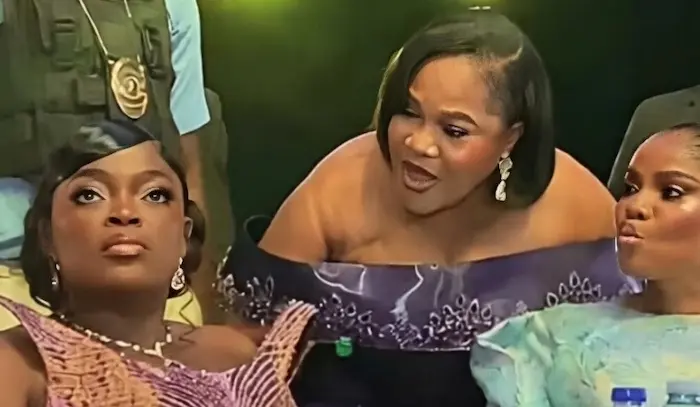
This situation is more than just a snub at a movie premiere. It reflects the realities of Nollywood at the highest level, where success, ego, loyalty, and strategy constantly clash.
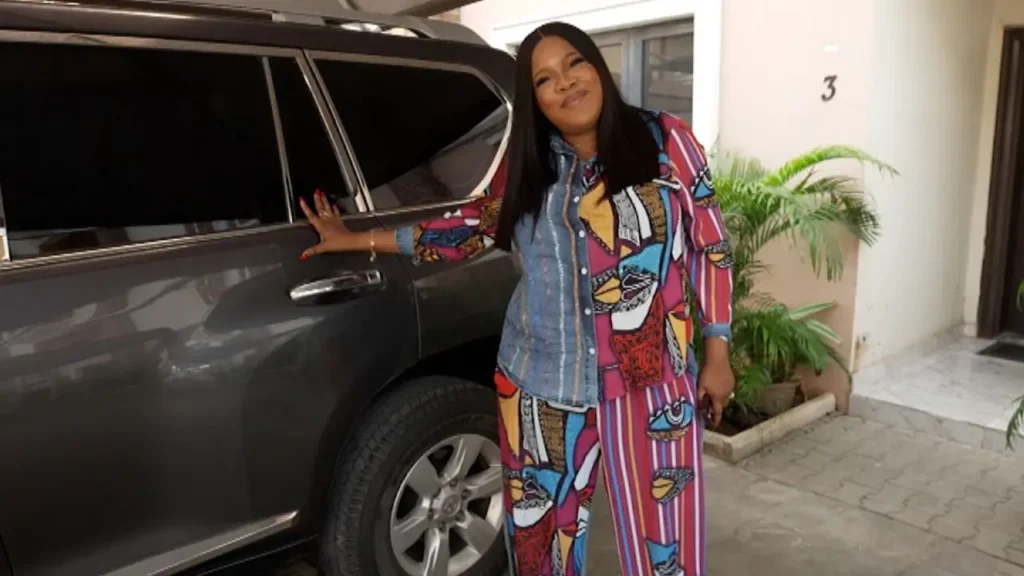
Toyin Abraham, Funke Akindele, and Iyabo Ojo are not strangers to the average Nigerian. They are superstar giants in Nollywood; actors, directors, producers, and expert promoters of their own brands.
Beyond the bright lights of live action, their antics provide the public with a steady stream of drama on social media, where perception is just as important as performance.
At the heart of their latest controversy is a moment that might seem small on the surface level, but carries heavy emotional and professional weight.
At the premiere of Iyabo’s new movie, an event that Funke had heavily promoted, Toyin approached Funke to greet her. What should have been a simple exchange of pleasantries quickly turned into an awkward and public display of anyhowness.
Funke ignored her. Not once, but repeatedly. Every attempt Toyin made to greet her was met with silence and a cold expression.
Eventually, Toyin removed herself from the situation, but the story did not end there. It quickly moved online, where she has been vocal about feeling disrespected and has declared that she is done with Funke for good.
Iyabo, interestingly, has chosen to remain neutral, at least outwardly. She has not publicly taken sides, maintaining a careful balance between both women.
To fully understand this situation, one must look beyond the present moment and examine the long history between these three women.
In 2025, Funke earned the unofficial title of ‘Cinema Landlord’ after her December movie achieved massive box office success, grossing billions. While many celebrated her achievement, not everyone was pleased. Toyin, alongside a producer named Niyi, accused Funke of monopolizing the industry and creating an environment where other films struggled to thrive.
Then, in 2026, another filmmaker (let’s call him Kunle), criticized producers who relied heavily on content creation, choreography, and social media theatrics to promote their movies. This sparked widespread debate, as this promotional style is strongly associated with Funke’s brand.
Funke responded directly, asking Kunle to address her openly rather than use coded language. Toyin, however, publicly supported Kunle and subtly threw shades at Funke, further deepening the divide.
However, the tension did not start there.
Years earlier, Iyabo and Toyin had once formed an alliance against Funke when a movie critic gave Toyin’s film a poor rating. They accused the critic of bias and even suggested that Funke had influenced the review.
There was also the political episode. When Funke ventured into politics as a deputy governorship candidate, Toyin was asked in an interview whether she would support her colleague. She declined, claiming to be apolitical. However, she was later seen actively campaigning for the opposition party, dancing enthusiastically and publicly endorsing their candidate.
These incidents paint a picture of consistently shifting alliances, subtle rivalries, and unresolved grievances.
It is easy to focus only on the moment of the snub, but actions rarely exist in isolation. In an industry where reputation, loyalty, and public image matter deeply, past behavior often shapes present reactions.
Over time, Toyin has publicly and indirectly criticized Funke, aligned with her detractors, and questioned her methods. From that perspective, Funke’s refusal to engage may not be entirely surprising.
Whether or not it was the right thing to do is another matter. Professional spaces often demand a level of courtesy, even among people who do not get along. Ignoring someone publicly sends a strong message, one that goes beyond personal feelings and enters the realm of public perception.
Your current position is perhaps the most delicate.
Your renewed closeness with Funke, especially in a moment where Toyin appears isolated, raises questions. Some may describe your stance as strategic; a smart alignment with a powerful figure in the industry. Others may see it as opportunistic, given your past alliance with Toyin against Funke.
Loyalty in the entertainment industry is unstable, and the speed at which it shifts can make it highly unreliable. While it is understandable to do what works for your career, it is also important to recognize how these choices are perceived.
In the end, neutrality is not always as neutral as it seems.
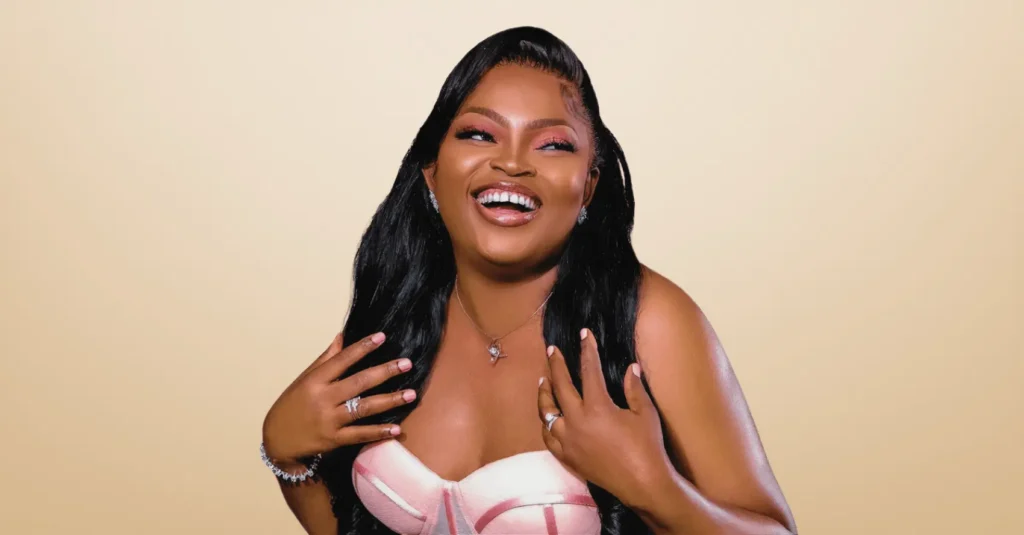
Your success in cinema is undeniable. You have built a brand that commands attention, respect, and impressive financial returns. However, success does not exist in isolation from character.
There is a recurring narrative in your relationships with former mentees, colleagues, and collaborators who no longer associate with you. When such patterns repeat themselves, it becomes necessary to reflect on whether you are the problem.
Ignoring Toyin in a public setting may have felt justified, especially if you believe that respect must be consistent both privately and publicly. However, basic courtesy does not necessarily equal friendship. A simple acknowledgment could have maintained professionalism without compromising your personal stance.
Power lies in restraint, not only in dominance.
Your situation highlights a different challenge: the desire to be liked.
You have, at various points, thrown subtle jabs, aligned with critics, and engaged in behind-the-scenes commentary. Yet you channel cordiality toward these same individuals in public. This inconsistency creates confusion and sometimes, backlash.
You do not need to be everyone’s friend to succeed. In fact, trying to maintain that image can lead to uncomfortable and avoidable situations.
Consistency is key. If there is a conflict, own it. If there is distance, maintain it. Authenticity, even when it is uncomfortable, often earns more respect than selective diplomacy.
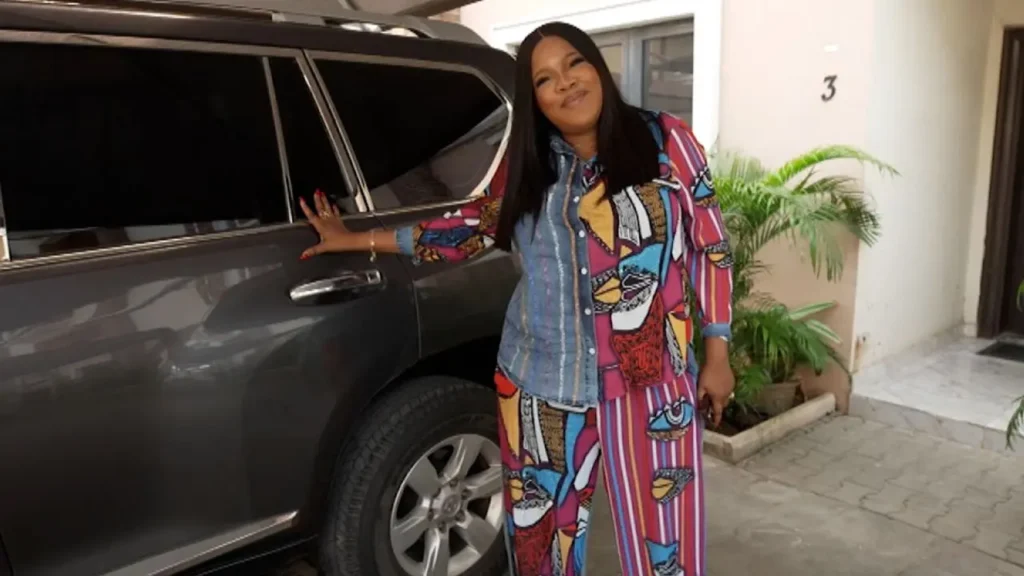
This situation is more than just a snub at a movie premiere. It reflects the realities of Nollywood at the highest level, where success, ego, loyalty, and strategy constantly clash.
These women are not just actresses; they are brands, institutions, and competitors navigating a space where perception can be as powerful as performance.
In the end, none of them is entirely right or entirely wrong. They are individuals making decisions based on their experiences, ambitions, and need for self-preservation.
And perhaps that is the real story here: not the snub, not the social media reactions, but the ongoing balancing act of staying relevant, respected, and in control in an industry that never stops watching.

The Case for Copyright Leniency
Avengers Endgame Should Have Been Endgame
Inside the Nigerian Secondary School Folklore Cinematic Universe
Netflix’s The Body: The Type of Psychological Thriller We’ve Missed
Why Are Books So Expensive in Nigeria? The Cost of Reading
Fatima Bala Honoured With TFAA’s 2026 Prize for Literature
Thuso Mbedu as Zélie: A Casting Choice or a Cultural Conversation?
Why Greek Mythology Keeps Returning in Modern Fantasy
Tomi Adeyemi Calls the Children of Blood and Bone Film ‘Made for All of Us’, Months After Distancing Herself From It
Lagos Book & Art Festival 2026 Opens at Freedom Park With ‘Repair’ Theme as CORA Turns 35
7 African Literature Books Set Outside Lagos and Abuja
10 Fantasy Characters Who Would Be Insufferable in Real Life
November 13, 2026 .
Essays
Do we forever operate on the defensive, fingers perpetually pointed towards the dark deeds of neo-colonial contemporaries and their colonial forebears?
READ MORE
November 11, 2026 .
Netflix, news
The Vampire Diaries star joins Daisy Jelley and Connor Simos in Netflix’s adaptation of Hannah Grace’s hockey romance, now filming in Vancouver.
READ MORE
November 16, 2026 .
African Literature, news
READ MORE

October 12, 2026 .
akefestival, nnediokorafor
Nnedi Okorafor found the calling to be a writer of the spectacular and the fantastic after she wrote her first ever story in the pages of a gifted copy of Isaac Asimov’s I, Robot
READ MORE

May 4, 2026 .
warriornun
They got my two favorite genres (fantasy and science fiction) and merged them. The result was an entertaining ten hours of world-building, character development, and badass fighting nuns.
READ MORE

January 9, 2025 .
filmone, Nollywood
As Nollywood continues to gain global recognition, Reel Love represents an exciting milestone in both storytelling and production quality
READ MORE
January 1, 2026 .
Essay, Essays, Nollywood
READ MORE
August 14, 2025 .
Nollywood
To Kill a Monkey explores themes of mental health, desperation, and moral decadence from multiple perspectives, which I appreciated.
READ MORE
March 2, 2022 .
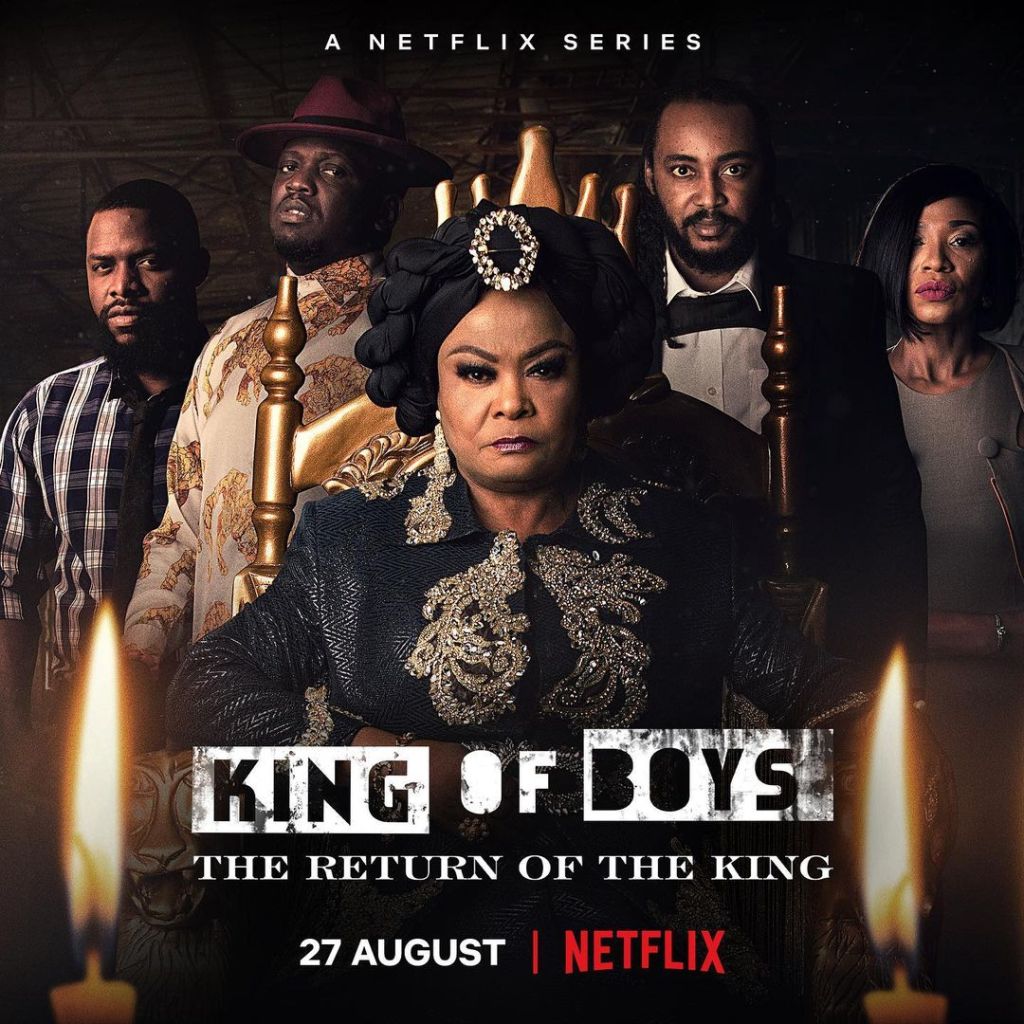
king of boys, KOB, movies, naija, nigerian movies, Nollywood, sequel
Nevertheless, we know is that this sequel is a win for Nollywood. And when someone asks you if anything good has ever come out from Nollywood, beat your chest and point to this masterpiece!
READ MORE
February 19, 2026 .
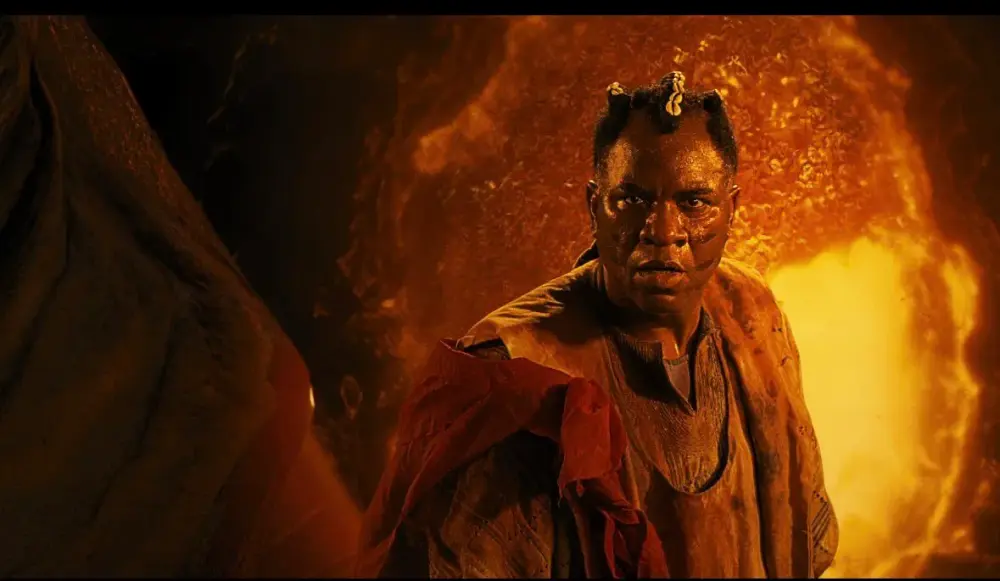
Netflix, Nollywood
Right now, Aníkúlápó: The Ghoul Awakens feels less like a complete chapter and more like a long, uneven bridge between two stronger stories.
READ MORE
November 6, 2025 .
Essays, Netflix, Nollywood, Opinions
The journey from Old Nollywood to New Nollywood is about the evolution of culture, creativity, and how Nigerians tell their own stories.
READ MORE
January 1, 2026 .
Nollywood
Where Love Lives is a story of sisterhood, fire-forged friendships, living in your own truth, and the everyday struggles of upper-middle-class Nigerian couples.
READ MORE

October 18, 2023 .
movie, Netflix, Nollywood
The Black Book was a huge success. More importantly, it heralds an enviable future for the Nigerian film industry.
READ MORE
April 26, 2025 .
Netflix, Nollywood
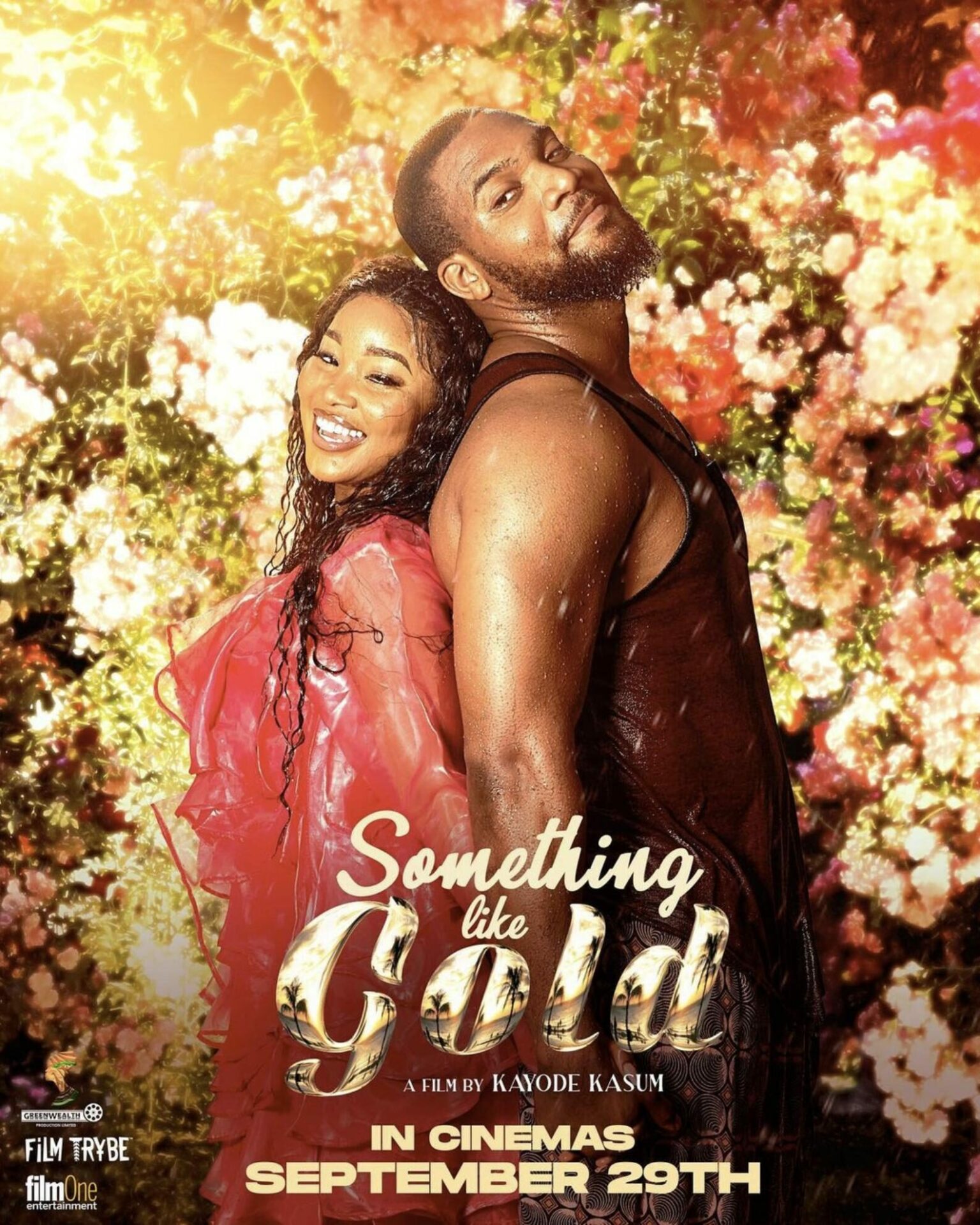
Something Like Gold, miss or hit?
I can’t really say, but the sexual tension between the characters and the happy ever after make it a worthy watch.
READ MORE
Get our magazine for free!