Close menu
Ranking the best of African Literature

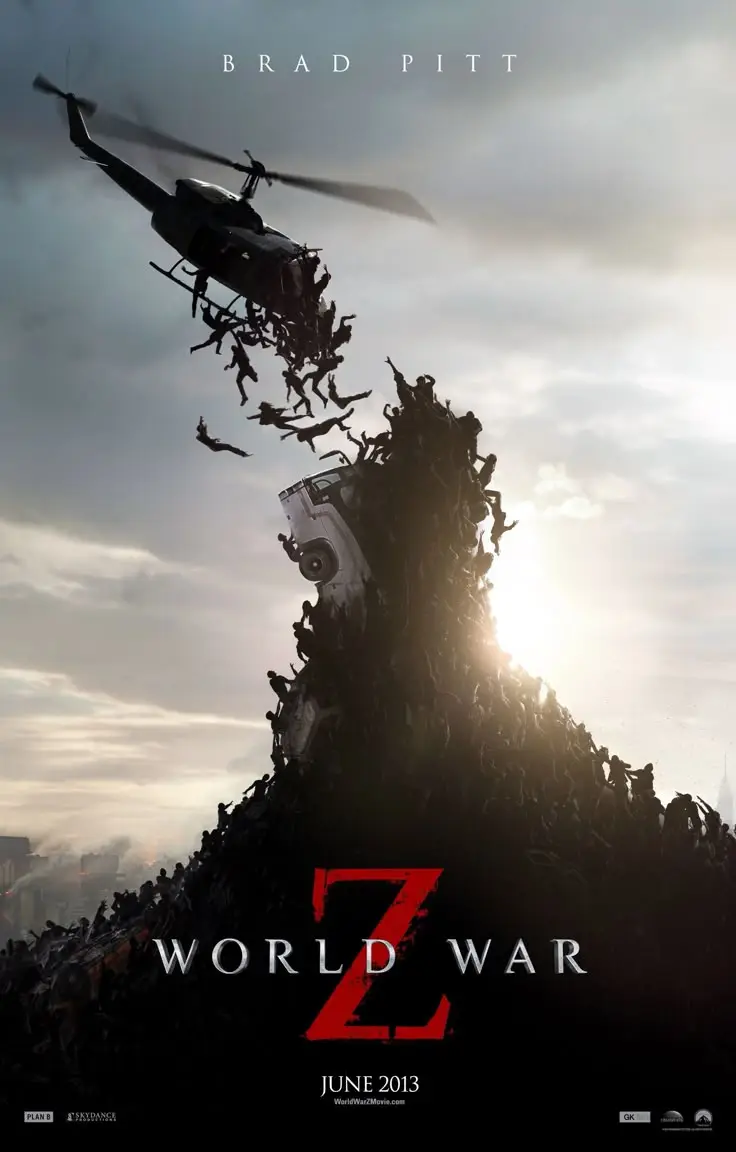



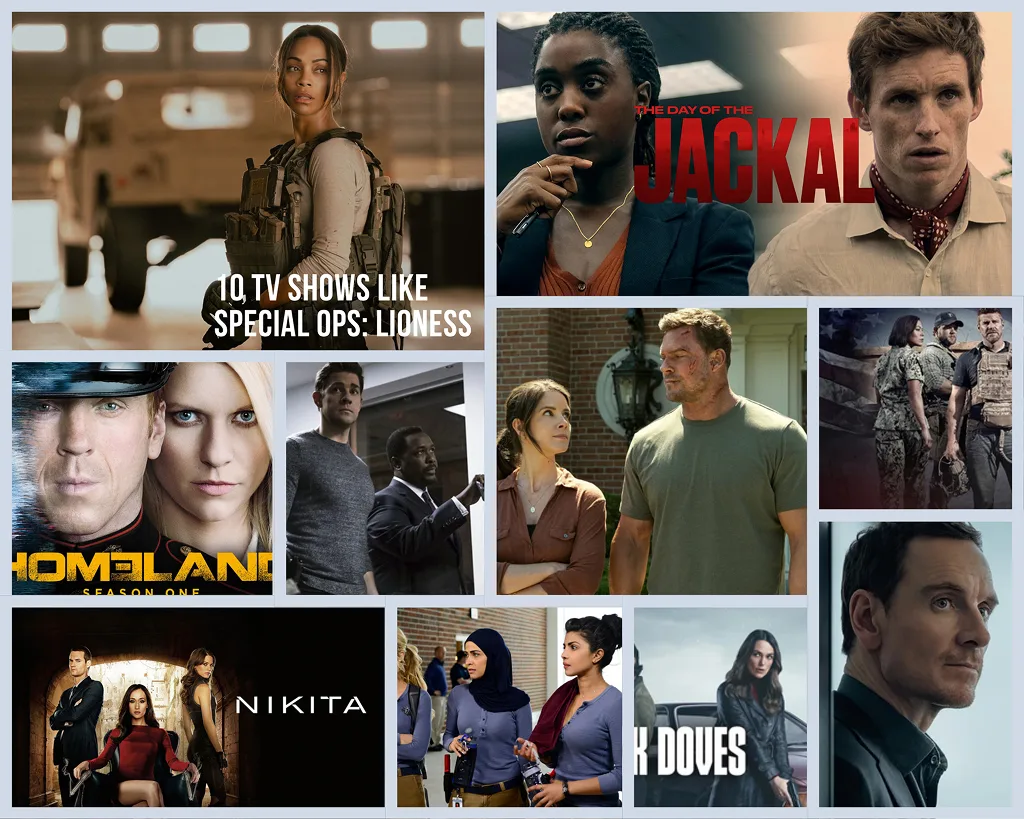













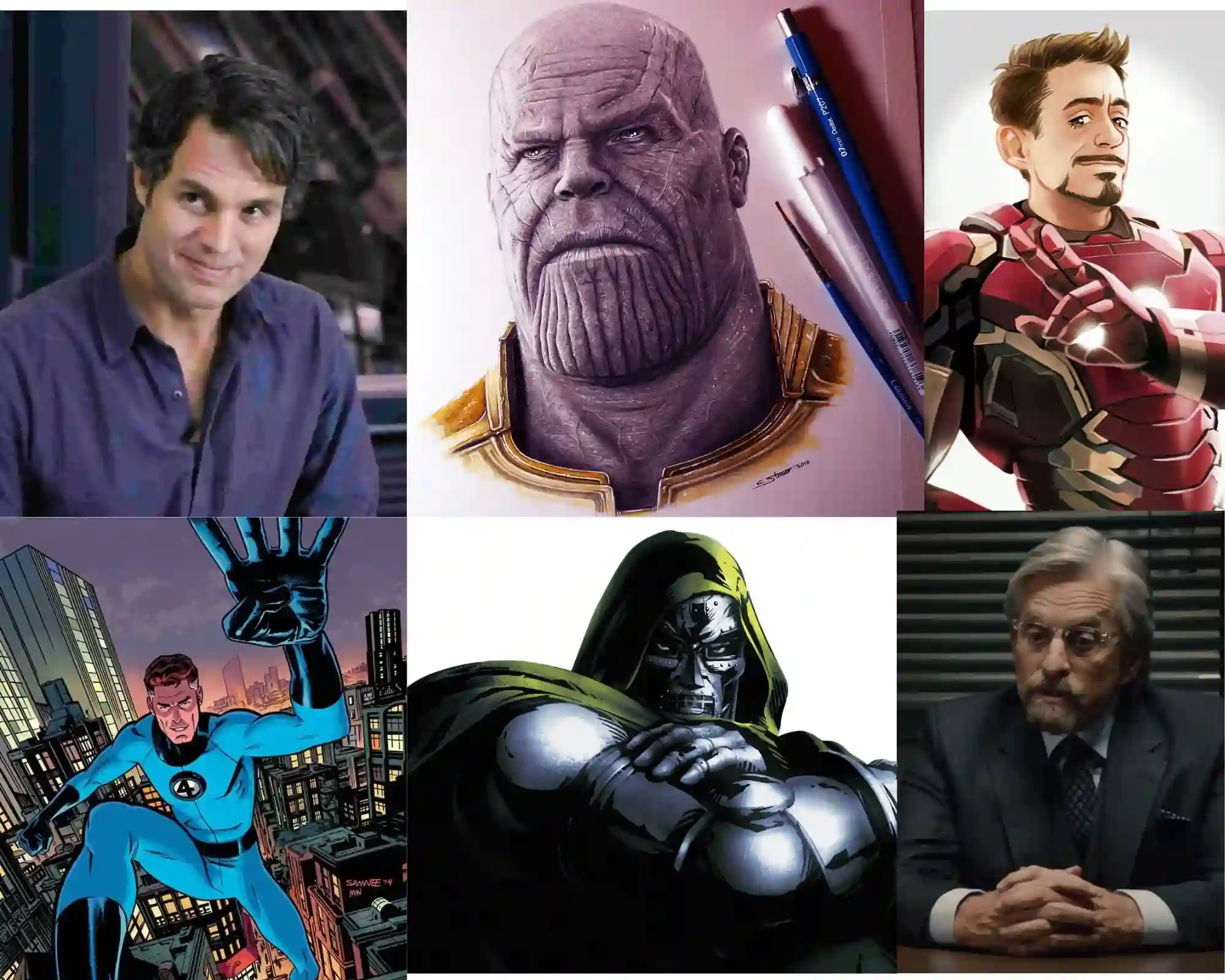






The complaining always sounds the same. We need to champion a more flexible approach to book and movie character alignments.
We’ve all seen it happen. A massive fantasy novel or bestselling thriller gets turned into a Hollywood movie, and instantly the internet explodes into a turf war between book lovers and movie buffs.
The complaining always sounds the same: “Why did they change the character? They aren’t like that in the book at all!”
And honestly, this endless nitpicking has gotten incredibly stale. We need to champion a more flexible approach to book and movie character alignments.
A novel has access to a character’s interior voice in a way film cannot reproduce.

Prose can spend pages inside someone’s thoughts, moving between memories, contradictions, private fears, and observations.
Film has to externalise much of that information. A filmmaker may turn internal reflection into a look, a pause, a gesture, a costume change, a piece of blocking, or a carefully timed line. An actor’s face, movement, timing, accent, and physical presence become part of the character’s construction.
Looking at Katniss Everdeen in The Hunger Games.

The novels give readers direct access to her thoughts, allowing Suzanne Collins to show her fear, calculations and doubts from the inside.
A motion picture cannot reproduce that constant interior narration without disrupting the pace, so Jennifer Lawrence’s performance must carry much of what the books explain.
Another problem with demanding exact book and movie character alignments is that readers do not necessarily share one definitive image of a character.
A novel might tell us that someone is tall, young, pale, nervous, or sharply dressed. It can establish their habits and describe their mannerisms. Personal experience and imagination can shape those mental images, meaning two readers can encounter the same description and imagine remarkably different people.
So when a film casts an actor who looks “wrong”, wrong according to whom?
That does not make casting criticism meaningless. A performance can certainly misunderstand a character. But physical resemblance is only one part of characterisation.
An actor can look almost exactly as described and still miss the character’s loneliness, humour, arrogance, vulnerability, or moral uncertainty.
Hermione Granger shows how complicated this can become.

Readers encountered her first through descriptions, dialogue, and their own imaginations, while Emma Watson gave the character a physical presence that became familiar to millions of viewers.
For readers who had imagined Hermione differently, the casting could initially feel wrong. Yet Watson’s performance eventually became inseparable from how many people picture the character.
The “real” Hermione was never a single image waiting to be transferred from page to screen. Thousands of versions of her already lived in readers’ imaginations.
The reverse can also happen. An actor can look nothing like the person a reader imagined and still capture the character’s emotional centre. Physical resemblance suggests alignment, but it is not alignment itself.
Once book and movie character alignments stops being treated as a photographic test, creative differences become easier to examine on their own terms.

Film concentrates information differently from prose. A novel can distribute a character’s qualities across narration, backstory, internal thoughts, and other people’s observations. A film has less time and fewer ways to provide that information, so that it may bring one particular quality to the foreground.
A restrained character might become visibly wounded. A comic character might acquire unexpected authority. A passive observer might be given more agency because the film needs a stronger dramatic viewpoint.
The character has changed, but the change can make something more visible.
The same principle applies to structural changes. A film may merge two characters, remove another, alter a relationship, or expand a minor role because the story must fit within a much shorter running time. These choices can affect characterisation significantly, but they are not automatically evidence of misunderstanding.
The useful question is not simply, “Did they change the character?”
Every adaptation changes something.
The better questions are:
Those questions tell us considerably more than a checklist of whether every physical and biographical detail survived the journey from page to screen.
Defending loose book and movie character alignments does not mean defending every creative decision. Some changes genuinely weaken characters by removing the complexity that made them interesting in the first place.
The Hobbit shows us why creative freedom still needs limits.

Tauriel was created for the films and does not appear in Tolkien’s novel, while other characters and relationships were expanded considerably for the adaptation. Adding material is not automatically a problem, especially when a film needs to develop its own dramatic structure.
But each addition shifts the story’s balance. The useful question, then, is not whether Tauriel belongs in the book, where she never existed, but whether her presence gives the film’s version of the story something meaningful.
A filmmaker can alter a character while preserving what makes them interesting. Another adaptation can make the same kind of alteration and strip away the very contradiction that gave the character meaning.
This is where creative freedom needs some discipline. Rejecting fidelity as the only standard doesn’t mean every decision deserves praise. The film still has to establish believable motivations, maintain emotional credibility, and give its characters enough complexity to function within the new version of the story.
Loose alignment is not automatically good alignment simply because it is loose.
The point is more modest, and perhaps more useful: examine difference before condemning it.
Very often, a changed character creates disagreement that sends people back to the source material. This is Ginny Weasley.

Readers who knew her from the novels encountered a character whose personality and development had considerably more room to unfold.
In contrast, viewers who knew her mainly from the films got a more limited version. That difference became part of the conversation around the adaptation.
A viewer could pick up the books and discover a Ginny who feels fuller on the page, while a reader could return to the films and consider what compression lost. The disagreement becomes a bridge between the two versions. The disagreement becomes a bridge between the two versions.
The book and film begin to explain each other through their differences. Cinema may make a reader notice a quality that was easy to overlook on the page. The book may reveal why a cinematic choice feels strange. Neither version has to defeat the other for the comparison to be worthwhile.
In fact, perfect alignment might leave audiences with less to investigate.
If every character looked exactly as imagined, behaved exactly as expected, spoke the same lines, carried the same relationships, and fulfilled the same emotional function, the adaptation could become an exercise in recognition rather than interpretation.
Difference gives audiences something to do.
It gives readers a reason to say, “That is not how I remember them,” and viewers a reason to ask, “So how were they in the book?”
That exchange keeps people moving between mediums. A film can send someone towards a novel, while a novel can send someone back to the film with a different understanding of what they have watched.
The crossover is not created despite the disagreement. Sometimes, it is created because of it.
If literal duplication is not the best measure, what should replace it?

Perhaps the most useful form of fidelity is fidelity to pressure: the desires, conflicts, contradictions, fears, ambitions, and emotional stakes that make a character dramatically alive.
A film might change a character’s profession while preserving their need for control. It might alter their age while retaining their sense of exclusion. It might give them new dialogue while maintaining the tension between public confidence and private fear.
The details have changed, but the pressure remains.
This approach also leaves room for genuine reinterpretation. Characters do not exist outside the periods in which their stories are adapted.
Filmmakers bring contemporary ideas about identity, power, romance, violence, family, responsibility, and social expectations into their work.
Sometimes those choices produce a character readers recognise immediately. Other times, they produce one that feels unfamiliar.
Of course, the result may sometimes be disappointing. A new interpretation can misunderstand the character just as easily as it can illuminate them. But that is an argument for better criticism, not stricter rules about resemblance.
Instead of asking whether the film gave us “the same character”, perhaps audiences should ask whether it gave us a character with the same dramatic weight, or a compelling reason for changing it.
Readers should be allowed to prefer the book. Cinephiles should be allowed to dislike a performance. Nobody needs to pretend that every adaptation choice works. But there is a difference between saying, “I think this interpretation failed,” and saying, “This character changed, therefore the adaptation failed.”
Neither process is neutral.
After all, an adaptation does not have to give us the character we already know. Sometimes it is more interesting when it gives us a reason to look at that character again.

July 20, 2025 .
Animation, Lists
Our list rounds up the top 30 cartoon characters that were villains, each one more wonderfully wicked than the last.
READ MORE
April 29, 2026 .
Lists, Opinions
The Mouse is famous for its princesses and princes. However, the studio’s true genius lies in its embrace of “ugly Disney characters”.
READ MORE
May 6, 2026 .
Lists, MCU
Spider-Man is one of the many superheroes from the Marvel Universe whose stories shaped many childhoods. Who is your strongest Spiderman?
READ MORE
June 25, 2026 .
Lists, Opinions
If Game of Thrones taught us anything, it’s that the characters we hate the most tend to outlive everyone else.
READ MORE
October 28, 2025 .
Debates, Lists, Marvel, MCU
Every Marvel hero brings something to the table. But if we had to pick the top 8 most popular Marvel superheroes, who would make the cut?
READ MORE

July 20, 2025 .
Opinions
Book recommendations from random places don’t always cut it, and you often end up feeling unsatisfied with them.
READ MORE

July 20, 2025 .
Essays, Opinions
READ MORE

July 20, 2025 .
Essays, Opinions
READ MORE

September 11, 2026 .
Opinions
Book reviews aren’t just a jumble of words on how a book made you feel but also a veritable document that you can quickly refer to when your memories temporarily fail you.
READ MORE

July 20, 2025 .
Opinions
Reading hundreds of pages for a single book can be like facing Smaug, Chiefest of Calamities, but a short story is a small dragon that you can easily conquer.
READ MORE

July 20, 2025 .
Debates, Opinions
Reading nonfiction about what interests you can provide more color and context that might make your fiction reading experience more enjoyable.
READ MORE
September 12, 2025 .
Opinions
In a fast-paced world, reading asks us to slow down, surrender, and sit with another person’s words long enough for them to settle inside us.
READ MORE
November 24, 2025 .
Debates, Opinions
Reading is active while watching movies is passive. The act of turning pages creates a pause that enhances understanding.
READ MORE
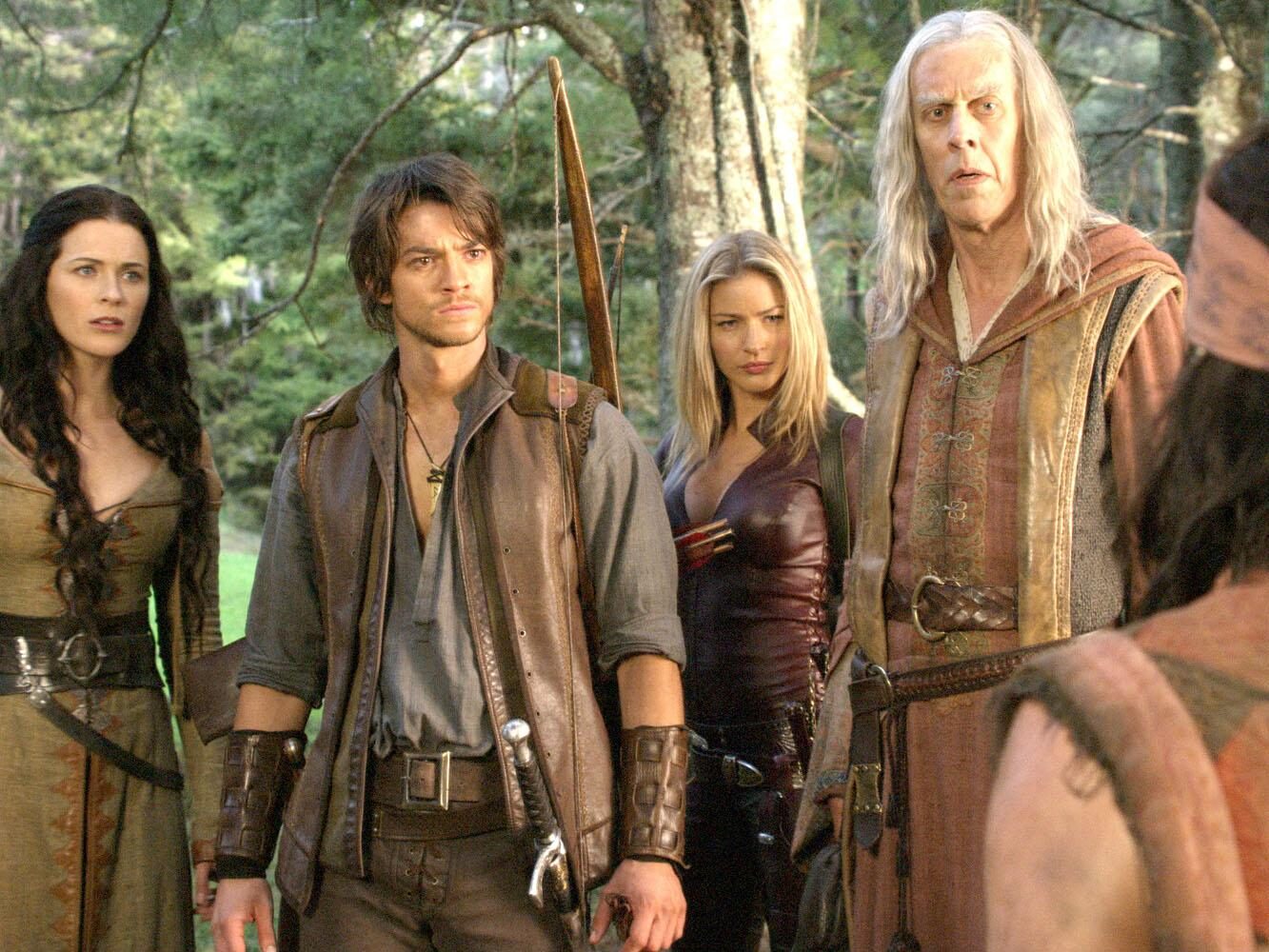
July 26, 2025 .
Fantasy, Opinions
It’s cliche. But it’s rapid. It’s predictable. But it’s enjoyable. For lovers of the classic tropes, Legend of the Seeker is a worthy watch.
READ MORE
Get our magazine for free!