Close menu
Ranking the best of African Literature
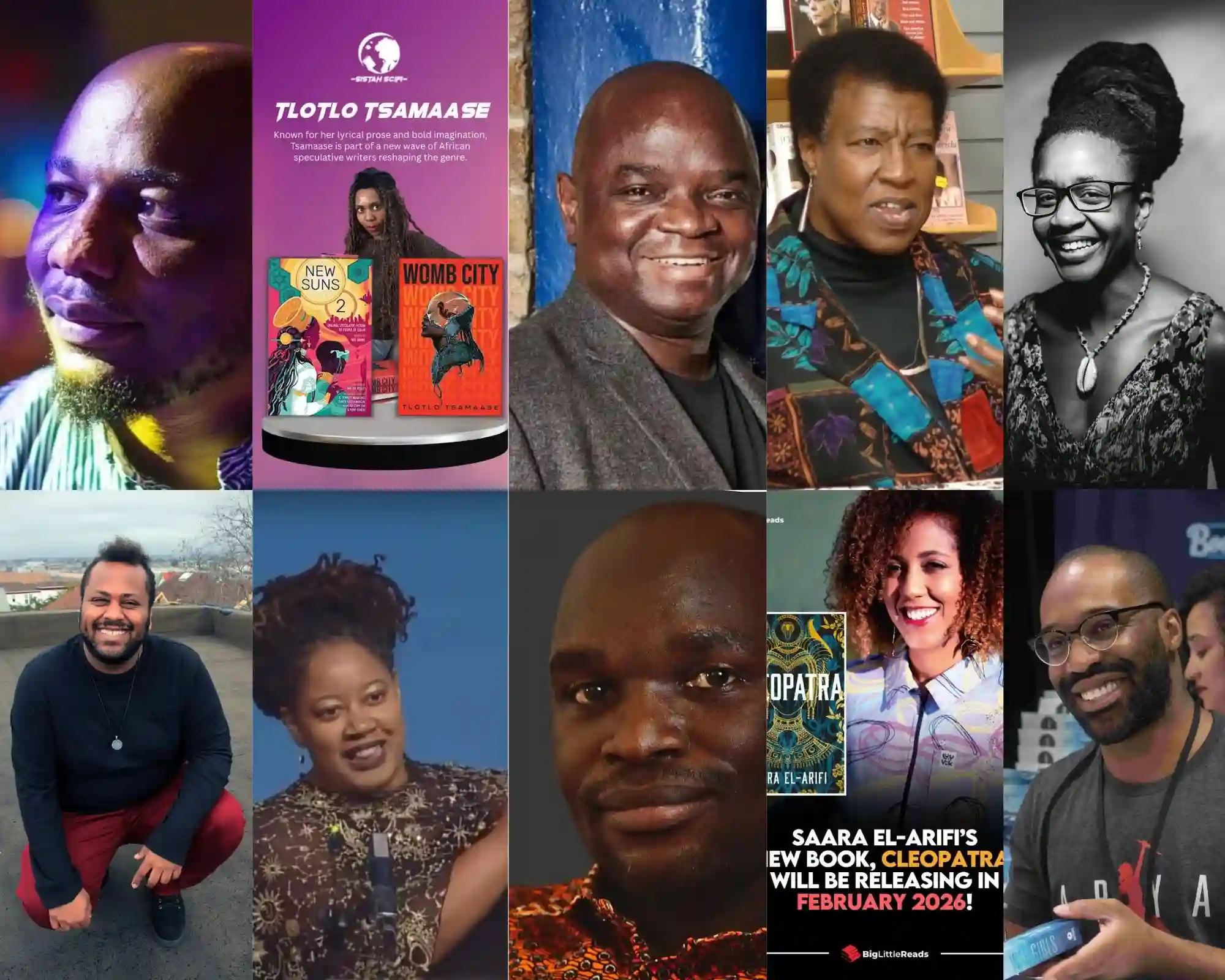
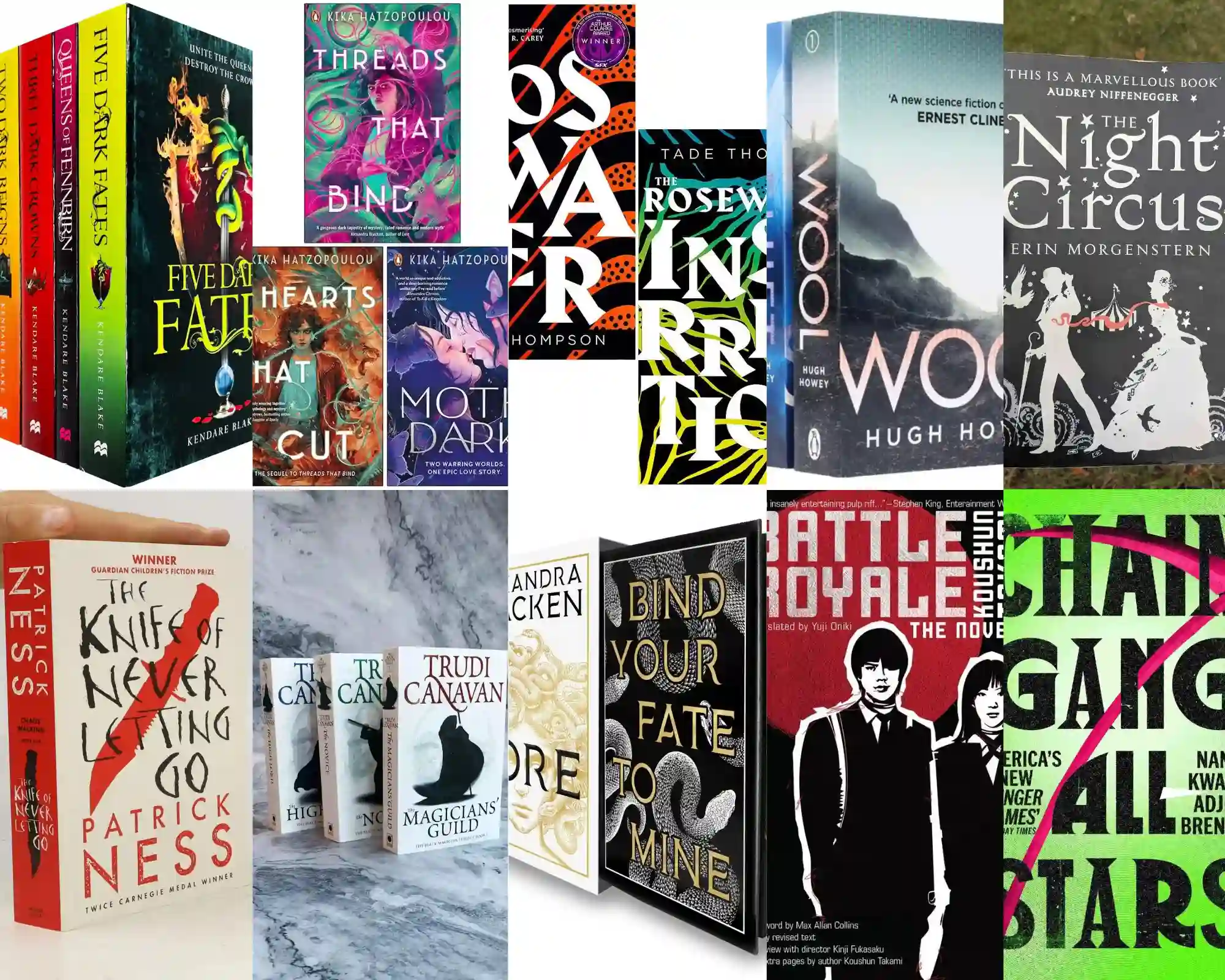





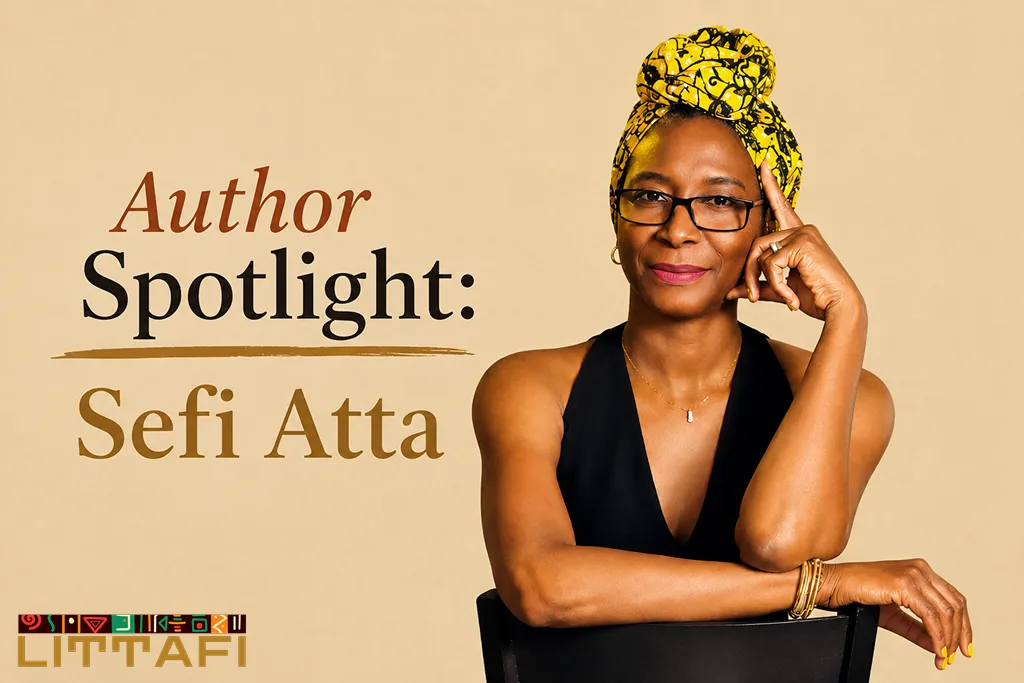

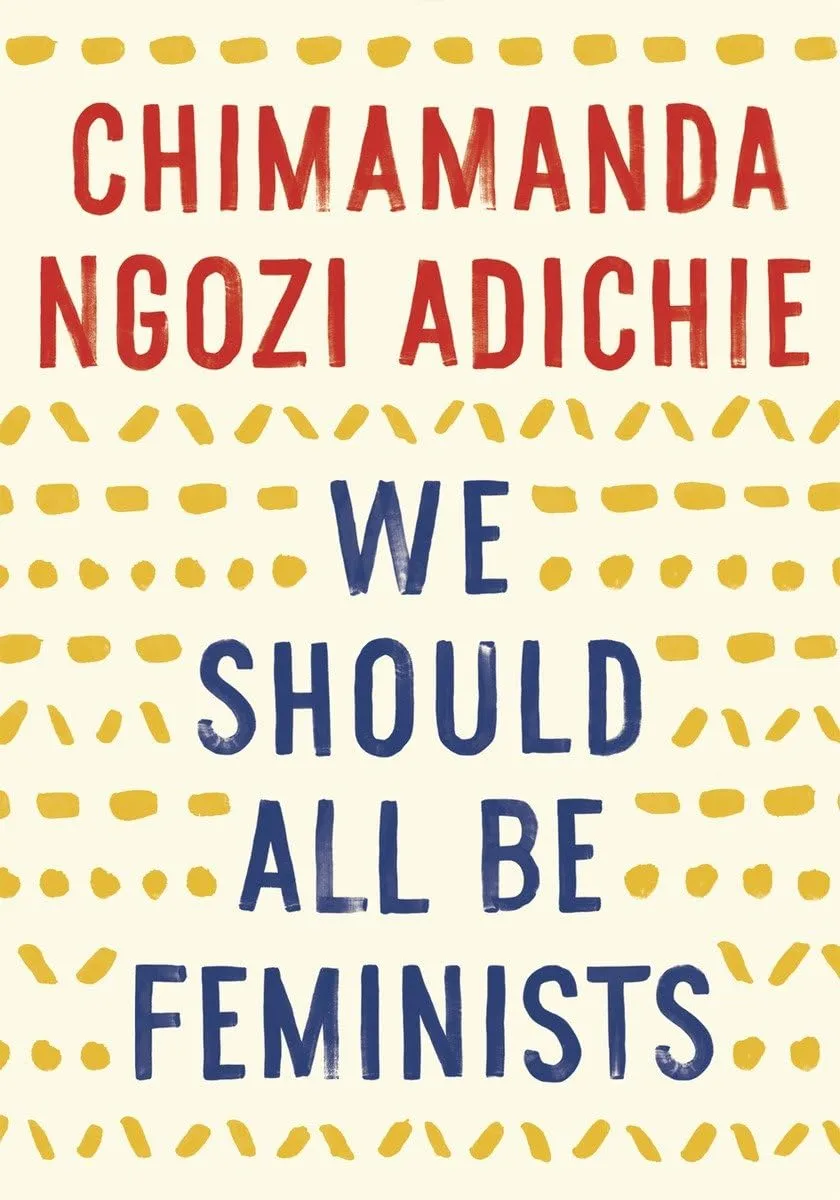







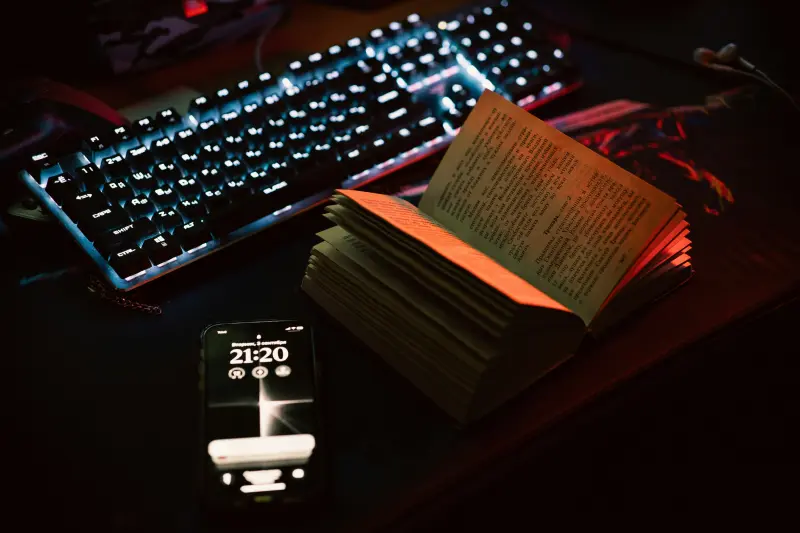

Many brilliant Black sci fi authors have contributed immensely. We’ll shine a spotlight on ten of the best Black sci fi wordsmiths.
Sci-fi became a formal literary genre in the 19th century during the Industrial Revolution. Mary Shelley’s Frankenstein is widely considered the first sci-fi novel.
It would be an injustice to talk about science fiction without acknowledging the impact of authors from Black, Indigenous, and people of colour communities.
Many brilliant Black sci fi authors have contributed immensely to the genre. That is why we’ll shine a spotlight on ten of the best Black sci fi wordsmiths.
Octavia E. Butler was a science fiction powerhouse.

She earned the title “Grand Dame of Science Fiction” and spent her career quietly pulling down the walls that had long excluded people who looked like her.
Butler was an African American writer born in 1947. Before her death in 2006, she published 12 original novels, two short-story collections, and several uncollected essays and short fiction pieces.
She was the first Black woman to win multiple Hugo and Nebula Awards. Her achievements also earned her the MacArthur “Genius” Grant in 1995.
Born in the United States to immigrant parents, Nnedi Okorafor is of Igbo Nigerian descent.

Over the course of her career, Okorafor has written around forty books, including novels, novellas, children’s books, and graphic works.
In terms of her impact on Black science fiction, Okorafor is a trailblazer. She famously pushed back against the umbrella term “Afrofuturism,” coining the more specific terms Africanfuturism and Africanjujuism to describe work that draws on African culture, history, and perspectives.
The novelist has scooped up every major prize in the industry: the Hugo, Nebula, and World Fantasy Awards. She also recently joined the Science Fiction Hall of Fame.
Nora Keita Jemisin, widely known as N. K. Jemisin, is a major voice among modern sci fi authors. Her African-American woman roots inform the themes of her work.

Dissecting systemic racism, cultural clashes, and what it actually feels like to navigate marginalisation. Jemisin has written 25 books across various formats, including standalones, short story collections, and collaborative graphic novels.
The current crowning achievement remains the Broken Earth trilogy. This series made her the first author in history to win the prestigious Hugo Award for Best Novel for three consecutive years, proving that stories exploring Black survival and resistance are not only universally felt but represent the peak of modern literature.
Tade Thompson is a Yoruba British-Nigerian psychiatrist and award-winning author.

His breakthrough came with Rosewater, a sci-fi novel set in Lagos and centered on an alien invasion. Rosewater grew into the acclaimed Wormwood Trilogy and earned him the prestigious Arthur C. Clarke Award in 2019.
Tade is the second writer of Black African heritage to take home the prize. He was also instrumental in establishing the African Speculative Fiction Society.
Dila is a Ugandan author and filmmaker whose identity and writing draw heavily from his cultural background.

He draws heavily on a blend of multi-tribal folktales and oral traditions that he heard as a child to shape his unique storytelling voice.
Dila has written two major short story collections, one of which won a prestigious Philip K. Dick Award nomination. Alongside these, he has written at least five distinct novellas and standalone longer fiction pieces.
The writer rejects the approach of simply placing Black characters into traditional Western sci-fi tropes.
Instead, he uses his platform to promote indigenous knowledge systems, blending things like traditional African fractal mathematics and local spiritual mythology with advanced technology like genetic engineering and space travel.
Na’amen Gobert Tilahun is an Ethiopian-American speculative fiction writer, essayist, and poet best known for his queer urban fantasy and science fiction trilogy, The Wrath & Athenaeum.

His advocacy for unapologetic, intersectional representation is inseparable from his refusal to treat blackness or queerness as incidental tokens or cautionary tragedies.
By creating gritty, richly textured mythologies where marginalised protagonists are flawed, powerful, and central to the universe’s survival, he helps carve out vital space in modern speculative fiction for sci fi authors and voices that celebrate both African diaspora roots and queer identity.
Born Oluwole Talabi in Warri, Delta State, Talabi is widely regarded as one of the most prominent modern architects of African speculative fiction and African futurism.

This perception stems from his catalogue. It includes two full-length novels, two major solo short-story collections, and five notable anthologies he edited.
Rather than treating science and African spirituality as opposites, Talabi weaves traditional Yoruba metaphysics seamlessly with artificial intelligence, transhumanism, and quantum mechanics.
His footprint on Black and African science fiction extends well beyond his own prose, reaching his editorial work and critical essays.
These works show that African-centred sci-fi can achieve major critical and commercial success while staying true to indigenous folklore, local dialects, and distinct political realities.
Saara El-Arifi is a bestselling British author of Sudanese and Ghanaian descent.

While her work spans fantasy and other genres, her influence on Black science fiction and speculative worldbuilding is profound.
By writing unabashedly queer, Black, and Arab characters, she provides a richer vision of what speculative futures and alternate realms look like.
Tochi Onyebuchi is an acclaimed Nigerian-American author who has written nine published books across science fiction, fantasy, and non-fiction, as well as comic books.

Onyebuchi’s impact on modern Black science fiction and Afrofuturism stems from how he tackles structural oppression, anger, and systemic racism without diluting the genre’s flow.
Rather than treating speculative tropes as mere escapism, he uses telekinesis, mech warfare, and orbital colonies to interrogate real-world traumas.
These ordeals include mass incarceration, police brutality, environmental racism, and the commodification of Black pain.
By bridging continental African futures with the realities of the African diaspora, he has earned prestigious honours, including the World Fantasy Award and the Nommo Award.
Tlotlo Tsamaase is a Motswana speculative fiction writer.

Her visceral, genre-defying narratives have carved out a distinctive space within contemporary African futurism and global Black science fiction.
She has two published books and dozens of influential short fiction pieces in top-tier speculative venues and anthologies.
Tsamaase refuses to tread familiar sci-fi tropes, instead pioneering a searing blend of cyberpunk tech, folklore, body horror, and psychological thriller.
In her writings, she focuses on urgent socio-political realities, particularly patriarchal oppression, gender-based violence, queer themes, and the policing of women’s reproductive autonomy.
These ten Black sci fi authors refuse to treat Black experience as decoration on a familiar sci-fi frame.
If possible, observe how differently each treats technology, myth, and the future, and let that variety guide the next purchase or library trip.
However, do not stop here; search out a novel by Thompson or Tilahun, sit with a short story collection from Dila or El-Arifi, and see which voice pulls you in. Enjoy the next read!

Godsgift Isaiah is a music and book whore who enjoys everything about art.
July 20, 2025 .
Animation, Lists
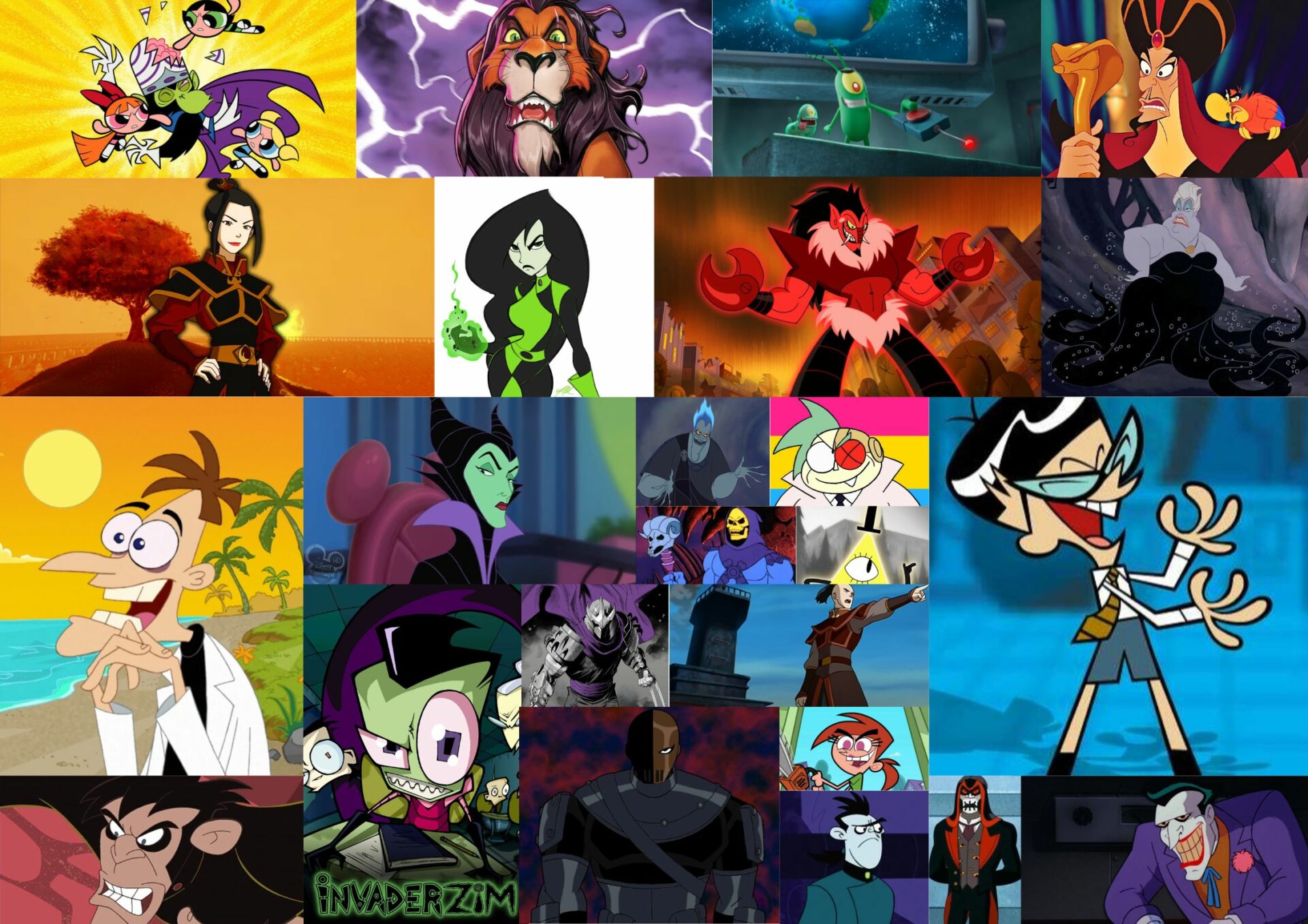
Our list rounds up the top 30 cartoon characters that were villains, each one more wonderfully wicked than the last.
READ MORE
May 6, 2026 .
Lists, MCU
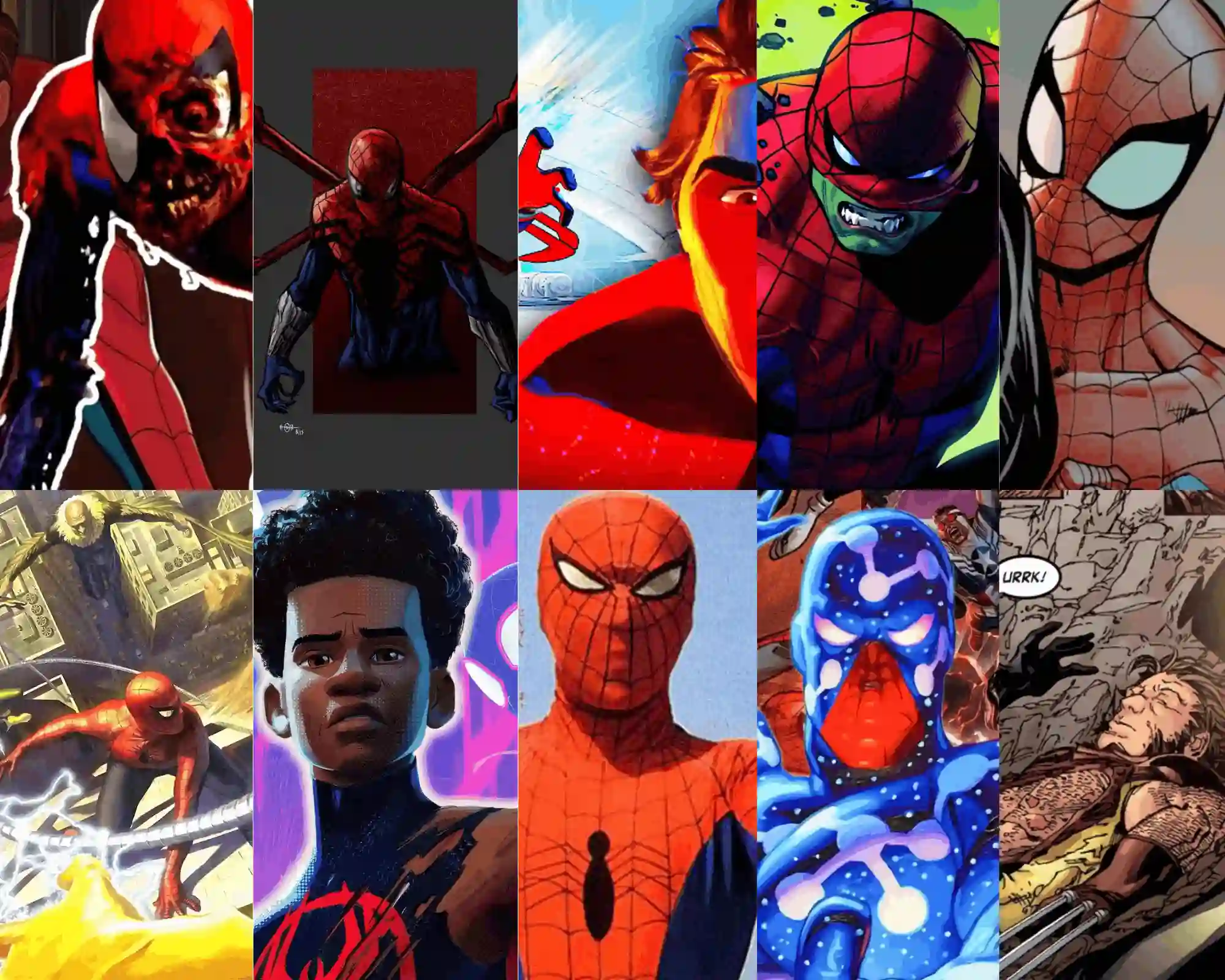
Spider-Man is one of the many superheroes from the Marvel Universe whose stories shaped many childhoods. Who is your strongest Spiderman?
READ MORE
April 29, 2026 .
Lists, Opinions
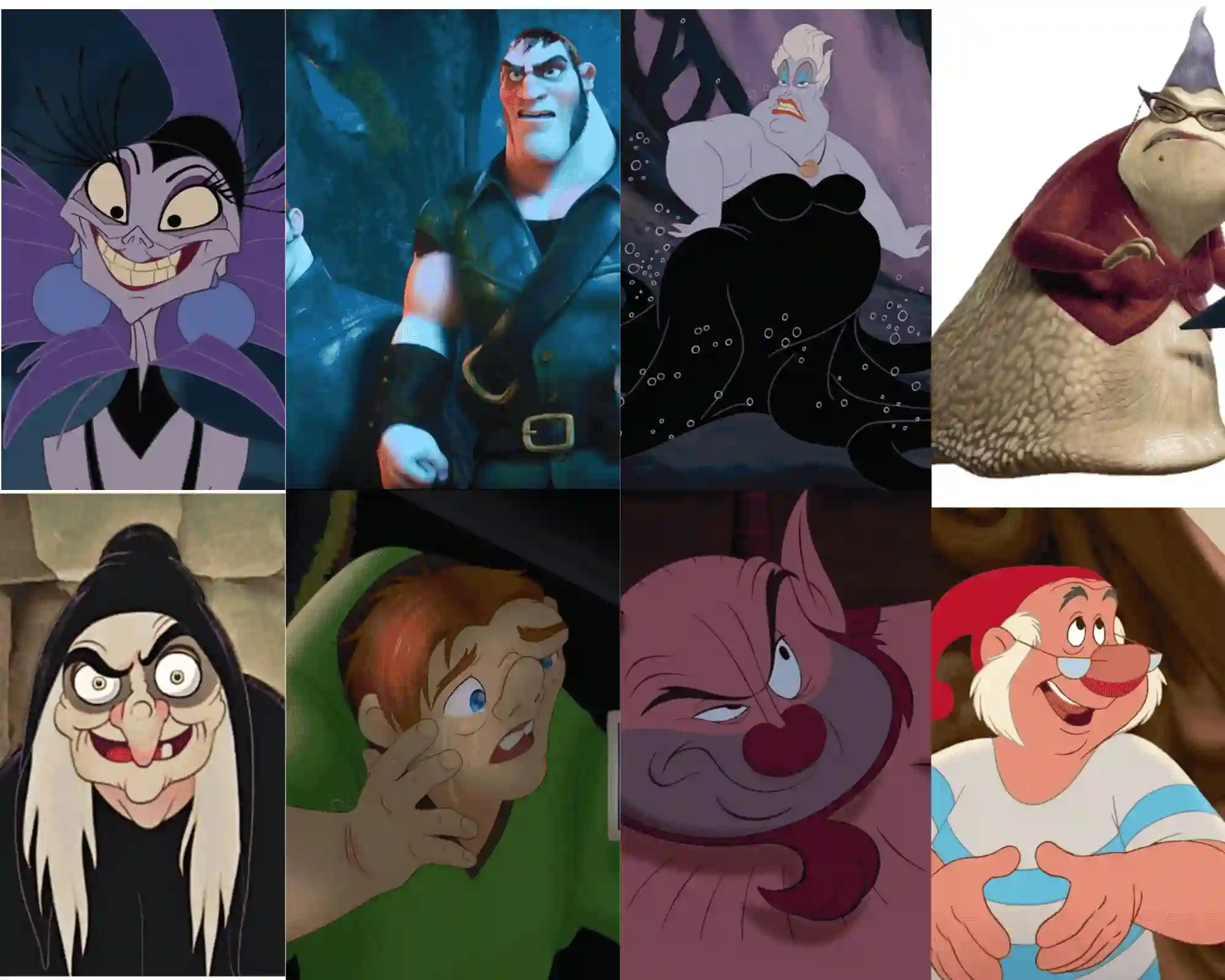
The Mouse is famous for its princesses and princes. However, the studio’s true genius lies in its embrace of “ugly Disney characters”.
READ MORE
October 28, 2025 .
Lists, Marvel, MCU, Opinions
Let’s go through a list of the top 7 strongest Marvel villains, from the wickedly powerful to the absolutely unstoppable.
READ MORE
February 26, 2026 .
Cartoons, Lists
There are some outright funny cartoon characters who exist solely to crack you up, loud, hard, and with zero apology.
READ MORE
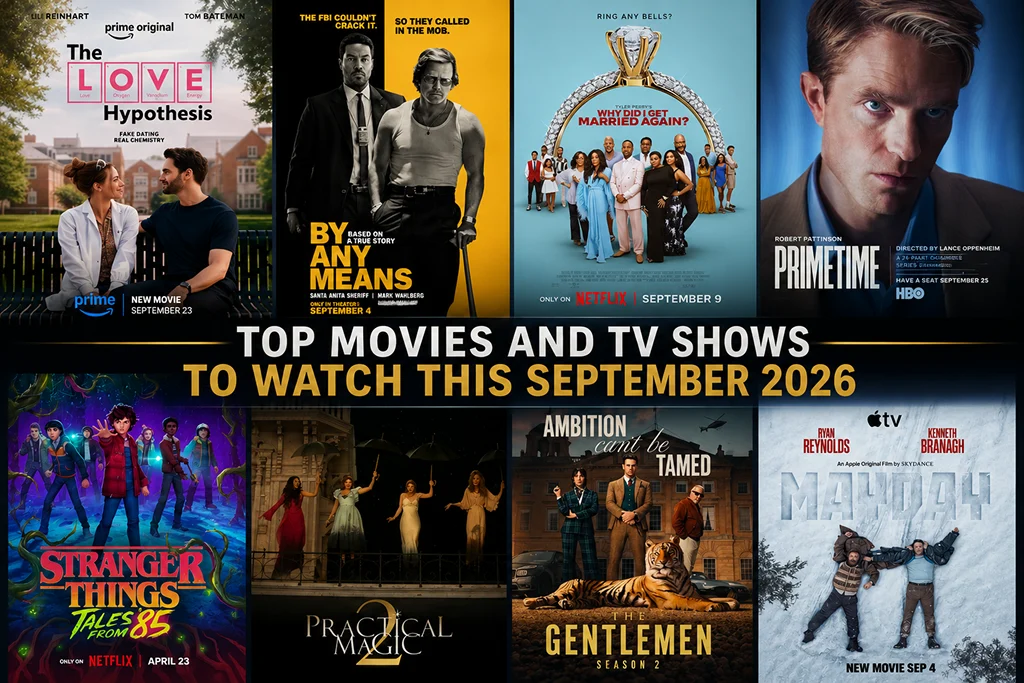
September 9, 2026 .
Lists, TV Shows, Upcoming Movies
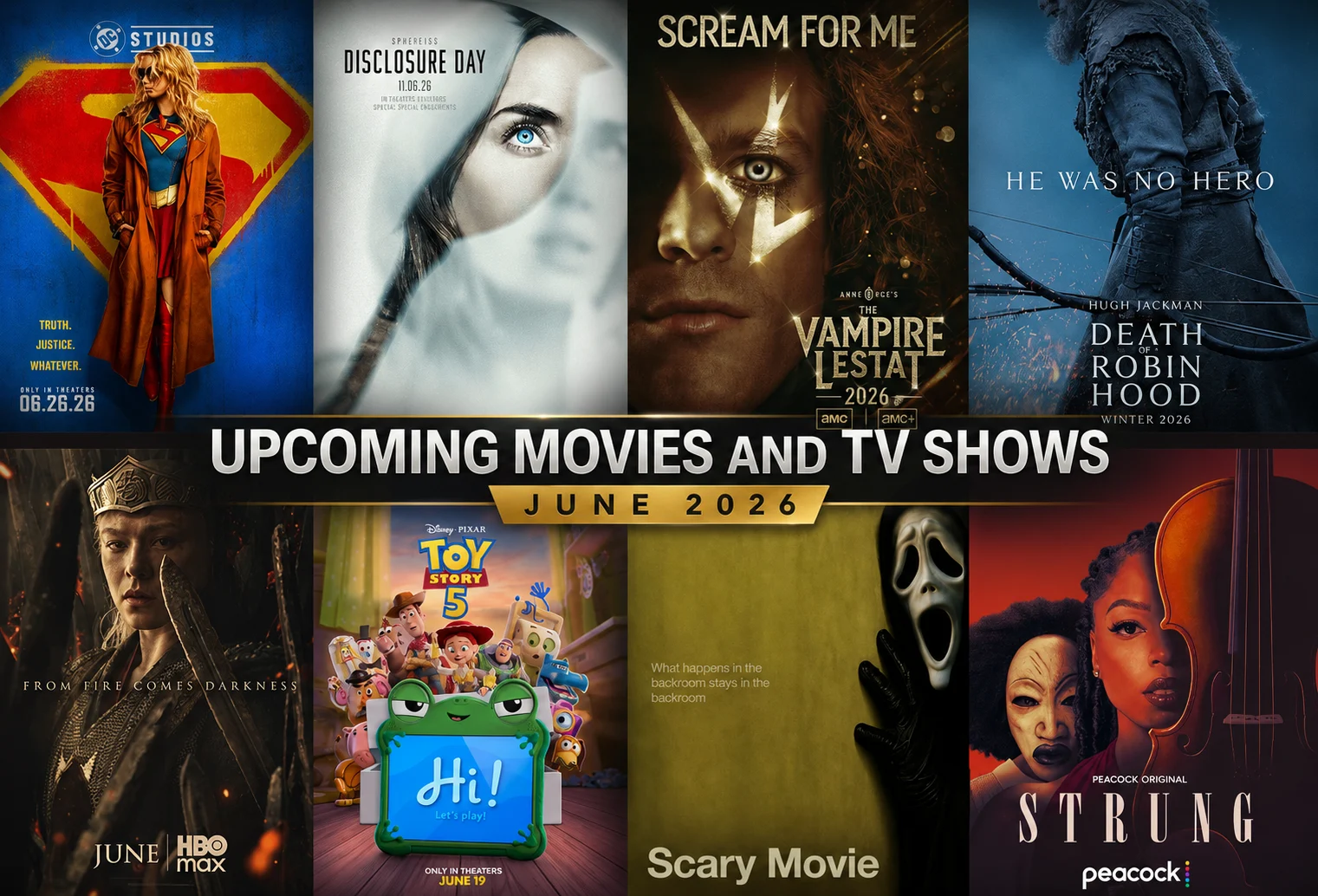
There’s something for everyone from every genre you love.
READ MORE
September 9, 2026 .
Lists, TV Shows, Upcoming Movies
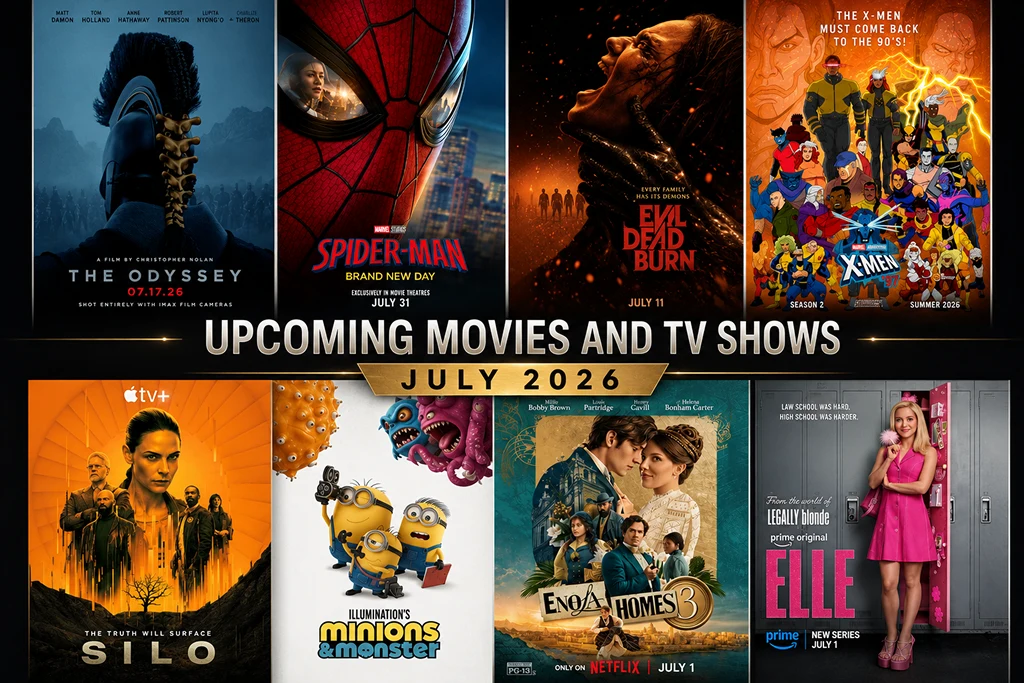
July gears up with the hottest lineups of upcoming movies and TV shows.
READ MORE
September 9, 2026 .
Lists, TV Shows, Upcoming Movies
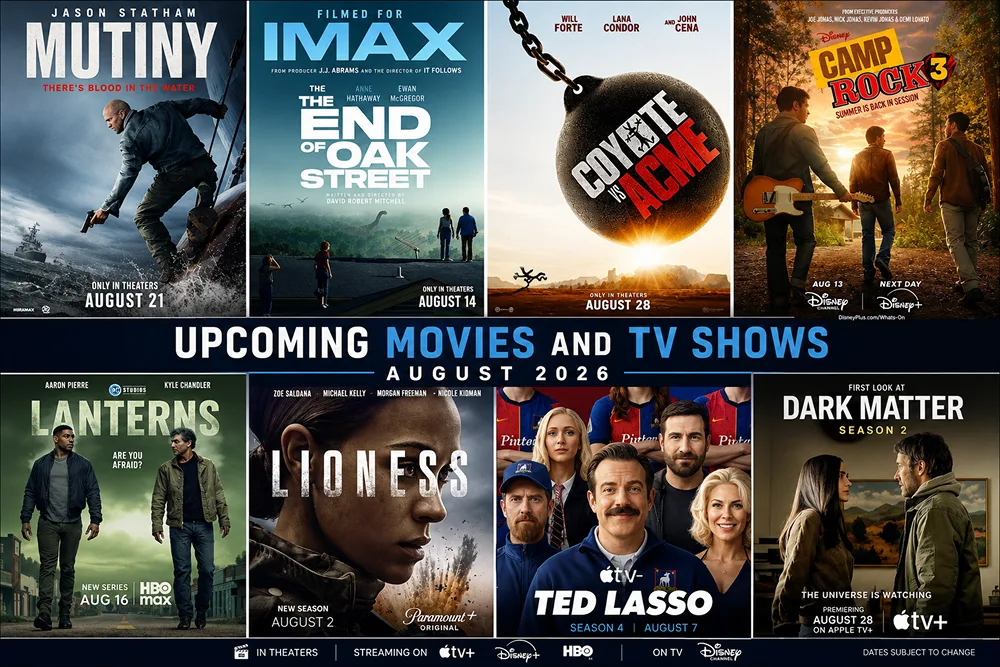
August line-up is here and they don’t disappoint.
READ MORE
April 29, 2026 .
Lists, Opinions
The Mouse is famous for its princesses and princes. However, the studio’s true genius lies in its embrace of “ugly Disney characters”.
READ MORE
September 9, 2026 .
Lists, Upcoming Movies
September’s lineup offers everything from action flicks to buddy comedy to romcom adaptations to keep you entertained all month long.
READ MORE
February 9, 2026 .
Lists
From Masobe to Narrative Landscape and Penguin Random House South Africa, here are the top 9 publishers of African Literature.
READ MORE

July 20, 2025 .
Lists
From Gardens of the Moon, it’s clear that the world of Malazan is richer in history and geographic detail, and than any other fantasy world.
READ MORE
February 23, 2026 .
African Literature, Lists
These are the books that could hold that kind of attention again. Not because they’re flawless, but because they can survive stillness.
READ MORE

July 20, 2025 .
Lists
Discover the best apps to read books for free in 2025. Access thousands of free e-books and audiobooks on your phone or tablet.
READ MORE
Get our magazine for free!