
Close menu
Ranking the best of African Literature












































You reread a family argument after an AI editing pass and realize something has changed. The grammar is cleaner. The dialogue moves faster. But the brother who normally avoids direct answers now explains himself neatly, and his sister—usually sharp when she is hurt—responds with polite restraint. Nothing is technically wrong with the scene. That is […]
You reread a family argument after an AI editing pass and realize something has changed. The grammar is cleaner. The dialogue moves faster. But the brother who normally avoids direct answers now explains himself neatly, and his sister—usually sharp when she is hurt—responds with polite restraint.
Nothing is technically wrong with the scene. That is the problem.
In fiction, awkwardness can carry information. A repeated word may reveal resentment. An unfinished sentence may show embarrassment. A character who refuses to answer may be protecting something. Smooth those details away, and the prose can improve while the people inside it become less distinct.
The useful question is not whether AI editing belongs in fiction. It is whether an edit helps the reader follow the scene without changing what each character is trying to do inside it.
“Make this more polished” sounds harmless until you apply it to a scene in which the rough edges are doing narrative work. An application letter and a family quarrel do not need the same kind of clarity. In a quarrel, a person may dodge a question because answering honestly would cost them something. Making that reply more direct can make the sentence easier to read and the scene less true.
Research on AI-assisted creative writing points to a related tension. A 2024 study found that access to AI-generated ideas improved reader ratings of short stories, particularly for less creative writers, while the resulting stories also became more similar to one another. That experiment concerned idea generation rather than line editing, so it does not tell us what every editing tool will do to dialogue. It does show why “better” and “more individual” should not be treated as synonyms.
For a fiction writer, the practical test is simple: what improved, and what disappeared? A revision may remove an unclear phrase. It may also remove the hesitation that tells us a character does not want to commit to an answer.
Before sending a scene through an online rewriting tool, decide which parts need clearer wording and which are deliberately awkward. If you revise a scene with Walter Writes AI, compare it with the original while focusing on character behavior rather than polish alone. Notice whether a refusal became more direct, a joke disappeared, or an evasive answer suddenly explains too much. Keep the changes that make the exchange easier to follow without making the people easier to interchange.
Suppose three characters are asked for money:
Mara: “You still owe me for the boiler.”
Leon: “Sure. Do I sell a kidney first, or have you already promised both?”
Ruth: “I can do the grocery shopping. Don’t ask me for cash.”
All three refuse the request, but the refusals are not doing the same job. Mara reaches for an old debt. Leon turns resentment into a joke. Ruth draws a boundary and then offers practical help.
Now smooth all three responses into: “Sorry, but I’m unable to give you any additional money.” The line is grammatical. It could belong in another scene. Here, it erases what makes each refusal different.
Dialogue tags cannot restore what the wording removed. “Mara said sharply” can tell us how she speaks; it cannot replace the fact that she chose the boiler as her weapon. When reviewing an edit, ask what the character is doing with the line. Accusing? Bargaining? Dodging? Testing the other person? Trying to end the conversation?
Fiction often depends on what a character refuses to explain. That makes over-explanation a useful warning sign during revision.
Consider a small exchange:
“You kept the receipt?”
“It was an expensive coat.”
The answer may suggest mistrust, practicality, regret, or something else entirely, depending on the scene around it. The speaker answers the practical question and leaves the emotional one alone.
An editor could make the implication explicit by adding a sentence about the relationship. That might eventually be true, but revealing it here could collapse the space the reader was meant to interpret.
The same thing happens when indirect dialogue is translated into a neat emotional summary. “You said Tuesday. I kept Tuesday clear” is not equivalent to “I’m disappointed you broke your promise.” The second line names the feeling; the first line makes the other person confront the cost of one specific day.
Before adding an explanation, ask whether the reader is genuinely confused or whether the scene is simply asking them to infer something. Those are different problems.
A character’s voice is also present in description, attention, comparison, and omission. Point of view decides what becomes visible.
Picture two siblings returning to the house where they grew up. One notices that the front gate still hangs crooked. The other notices that the spare key is still under their mother’s flowerpot.
They are standing in the same house, but they are noticing different versions of it. One may be counting repairs that were never made. The other may be looking for evidence that home still works the way it used to.
Replace both observations with “The familiar house brought back many memories,” and the geography survives while the minds disappear.
During an edit, look at what the point-of-view character notices first, what they compare, what they ignore, and what they misunderstand. Those choices deserve as much protection as a favorite phrase. A novel can have consistent narration without giving every character the same emotional vocabulary or the same rhythm of thought.
A broad request such as “make this chapter better” gives an editor no way to know which roughness is intentional. A useful brief names the problem before asking for a repair.
You might ask for vague pronoun references to be flagged, repeated information to be identified, or confusing physical action to be marked. Those are changes you can evaluate. “Make it flow” is much harder to audit because almost any alteration can be defended as smoother.
A 2025 study of LLM feedback on stories found that models could give specific, largely accurate comments while still missing the story’s main problem or misjudging when criticism was warranted. That is a good reason to treat AI feedback as material for an editorial decision, not as the decision itself.
For a dialogue-heavy scene, an editing brief might say: “Flag wording that makes the action or speaker unclear. Do not rewrite yet. Preserve intentional fragments, repetition, indirect answers, and differences in formality. Explain each issue and suggest the smallest change that would fix it.”
Then add context about the people. “Mara is blunt” does not tell an editor enough. “Mara avoids naming emotional pain and talks instead about practical failures” gives the behavior a pattern. A few existing lines that already sound right can be more useful than a list of adjectives.
Leave room for change as well. A character who is usually evasive may speak plainly at a breaking point. Protecting voice should not turn personality into a rulebook.
A line can sound plausible on its own and still flatten the scene when everyone else has been edited in the same direction. Sentence-level review misses that problem.
After checking individual edits, read several characters’ exchanges together. Do they now apologize in the same way? Do they all explain their motives before anyone asks? Has every disagreement acquired the same tidy pattern of acknowledgement, objection, and conclusion?
Try removing dialogue tags for a page. You do not need to identify every speaker instantly, but the scene should still contain different habits of pressure and retreat. Who answers a question with another question? Who names the practical problem instead of the emotional one? Who notices a way out before anyone else does?
A 2026 study on personal-style writing offers a useful, if indirect, comparison point. Human editing moved AI-generated drafts closer to participants’ own styles, yet the edited texts remained less stylistically varied than unaided writing according to the study’s metrics. It was not a fiction-dialogue experiment, so it should not be treated as one. The practical lesson is narrower: compare revisions against a baseline that already sounds right.
For a novel, that baseline may be an earlier scene in which the character is fully alive on the page. Compare sentence flow, evasions, favorite kinds of detail, and what changes when the character is under pressure—not just recurring expressions.
Avoiding bland dialogue does not mean giving everyone a stammer, a catchphrase, or eccentric spelling. A quirk only earns its place when it tells us something.
An unfinished sentence can suggest hesitation. Repetition can turn into an accusation. A very formal answer can put distance between people who once knew each other well. In those cases, the irregularity is part of the scene’s social logic.
Other roughness simply gets in the way. A vague pronoun may remain vague without adding anything to character or tension. A useful question is whether the phrasing deepens the character or merely makes the reading harder.
Do not freeze characters into verbal formulas either. The same person may be patient with a child, evasive with a partner, and exact with a supervisor. A believable voice changes with the relationship and the stakes.
When you read a revised scene aloud, listen for intention before elegance. Is the character trying to get something, hide something, test something, or escape something? If the intention disappears, smoother wording will not save the scene.
AI editing can be useful in fiction when the job has boundaries a writer can inspect. Flagging ambiguity is one task. Deciding how every character ought to sound is another.
Keep edits that remove unintended confusion. Question edits that replace specific grievances, evasions, jokes, and observations with language that could belong to almost anyone.
The strongest version of a scene is not always the smoothest one. It is the version in which the reader can still feel that different people want different things.
Before accepting a polished line, ask one last question: did this sentence become clearer, or did this character become easier to replace?

The Tyrant Overlord. Fantasy buff and avid football fan.
July 20, 2025 .
Animation, Lists
Our list rounds up the top 30 cartoon characters that were villains, each one more wonderfully wicked than the last.
READ MORE
April 29, 2026 .
Lists, Opinions
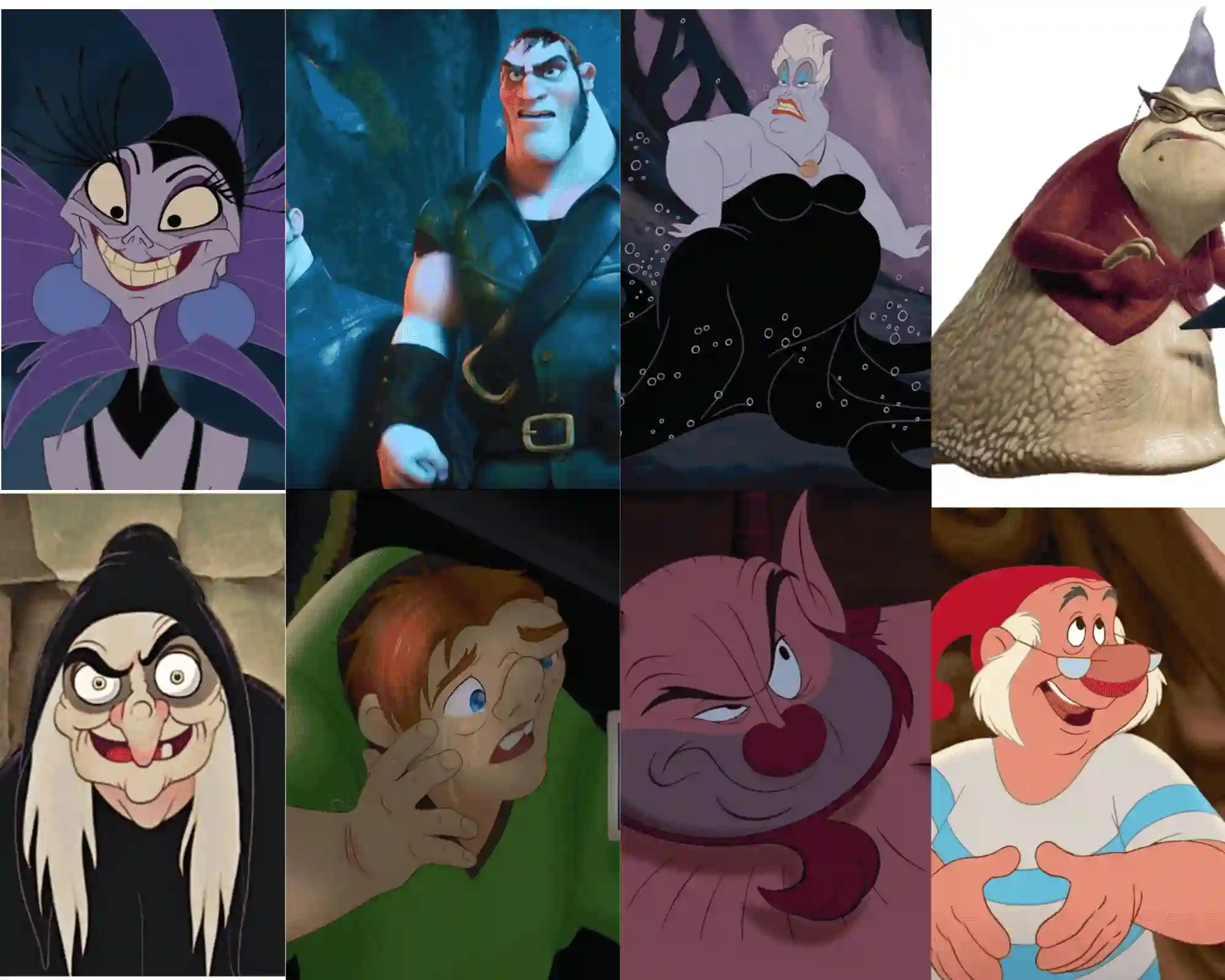
The Mouse is famous for its princesses and princes. However, the studio’s true genius lies in its embrace of “ugly Disney characters”.
READ MORE
May 6, 2026 .
Lists, MCU
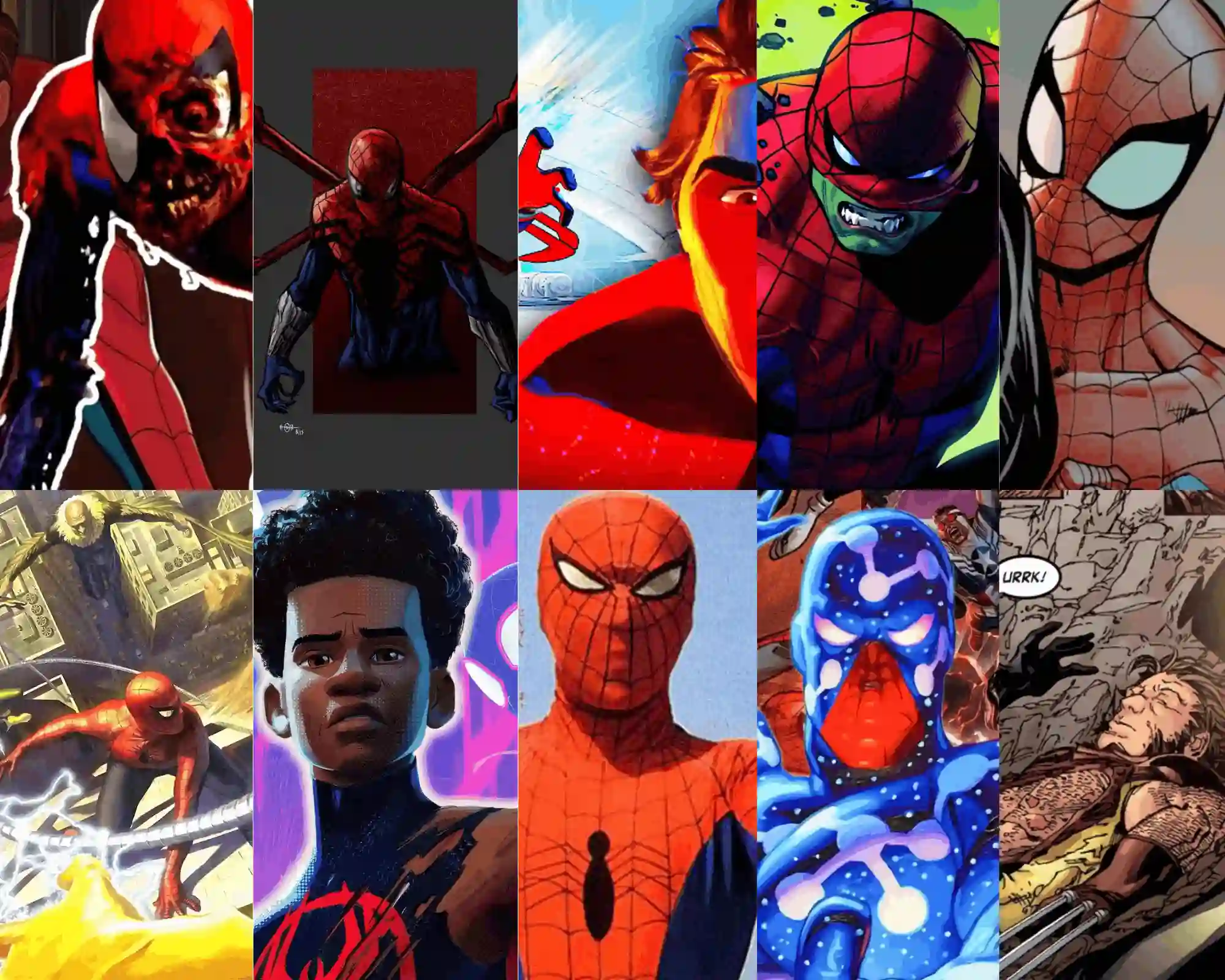
Spider-Man is one of the many superheroes from the Marvel Universe whose stories shaped many childhoods. Who is your strongest Spiderman?
READ MORE
June 25, 2026 .
Lists, Opinions
If Game of Thrones taught us anything, it’s that the characters we hate the most tend to outlive everyone else.
READ MORE
October 28, 2025 .
Lists, Marvel, MCU, Opinions
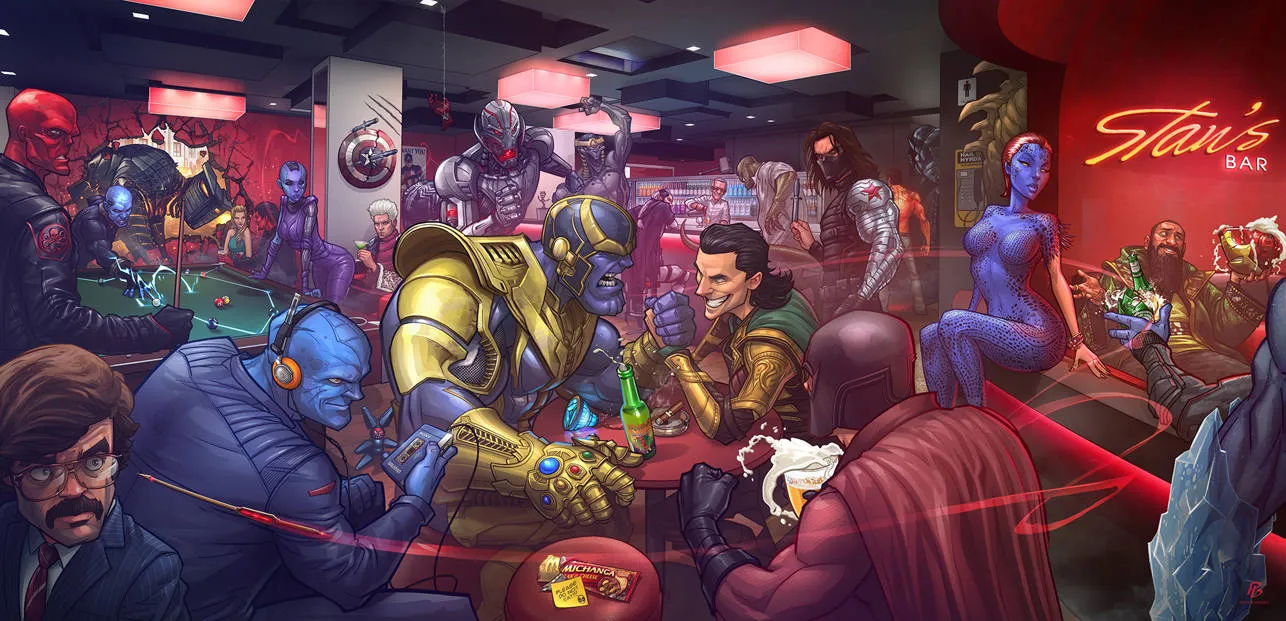
Let’s go through a list of the top 7 strongest Marvel villains, from the wickedly powerful to the absolutely unstoppable.
READ MORE


October 12, 2021 .
africanliterature, chimamanda, cna, zikora
Hopefully, the reading of a book as this will enlighten men and generally educate people in the making of the right choices regarding amatory unions.
READ MORE

July 20, 2025 .
Opinions
Book recommendations from random places don’t always cut it, and you often end up feeling unsatisfied with them.
READ MORE
September 2, 2025 .
African Literature
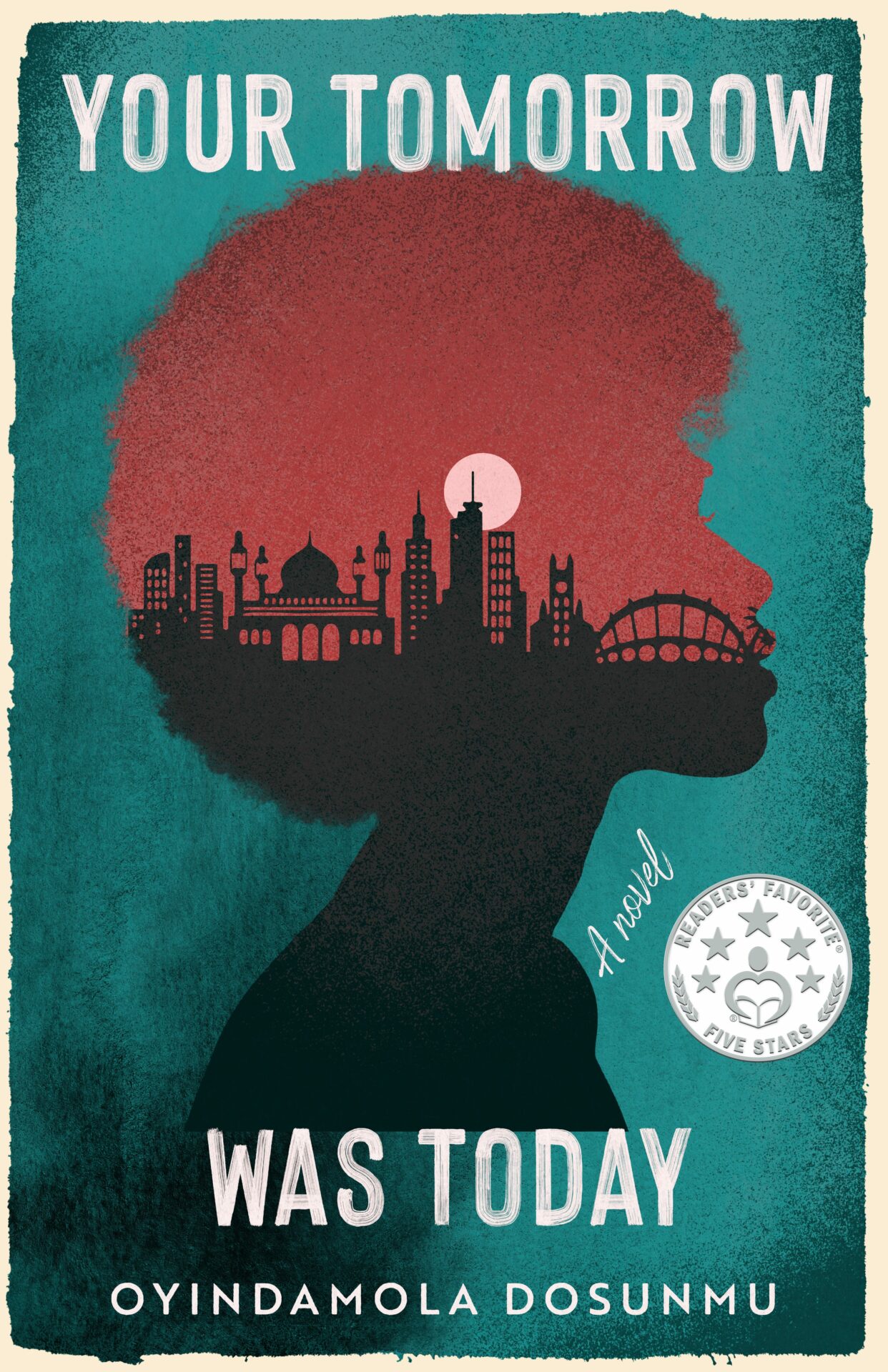
So yes, Your Tomorrow Was Today is guaranteed to be a book that will touch you, regardless of gender, interests or philosophy.
READ MORE

October 24, 2021 .
Netflix, Psychopaths, Serial Killer, Thriller, You S3
READ MORE

November 2, 2025 .
Netflix, Psychopath, Serial Killer, You S1, You S2
Oh, and Joe is also a stalker and serial killer who believes he’s helping his ‘love interests’ by killing people he thinks are a threat or bad influence to them
READ MORE
July 18, 2022 .
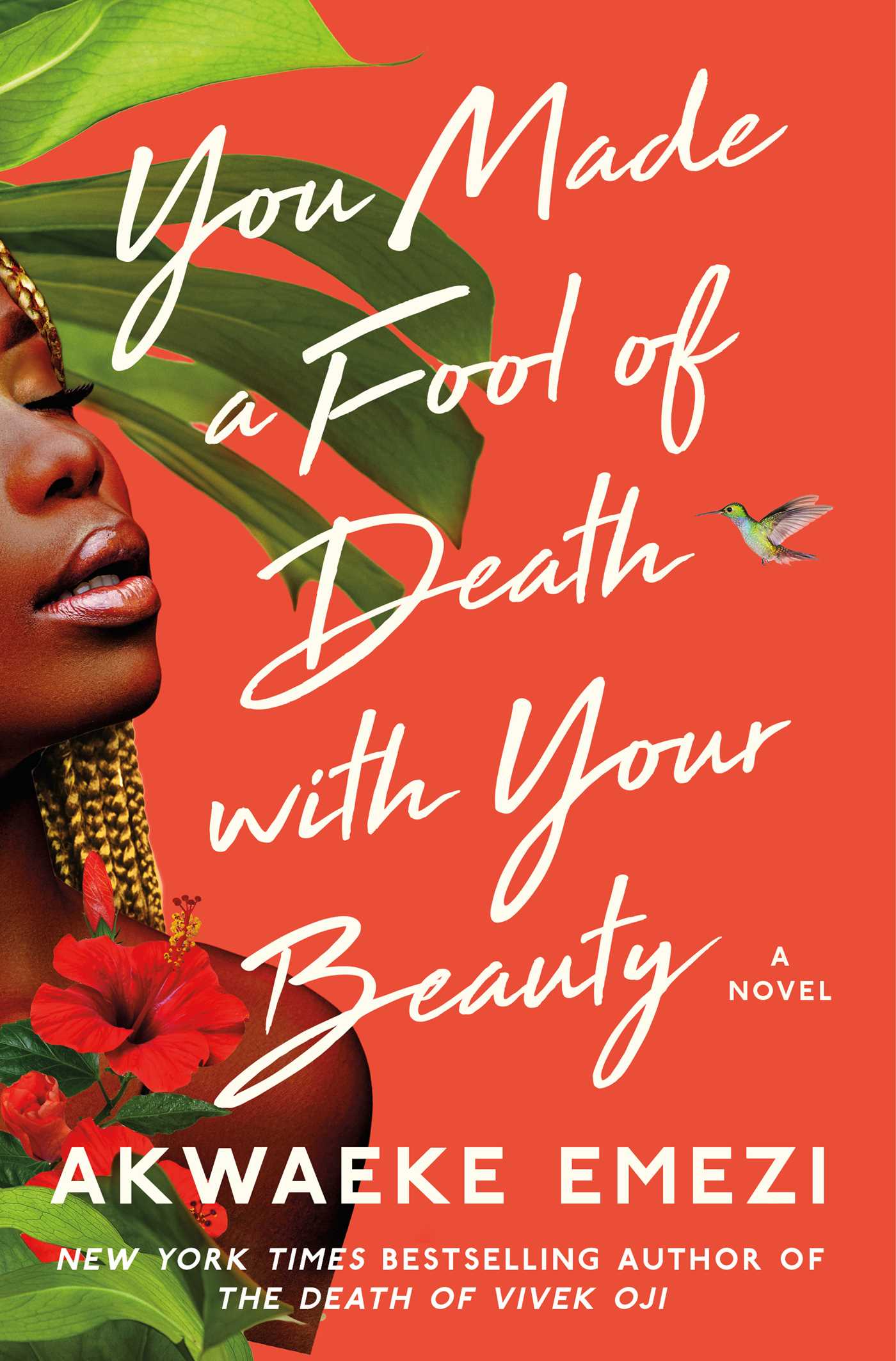
akwaekeemezi, youmadeafoolofdeathwithyourbeauty
I have reread it for the 100th time since its release, and I still do not feel full… I very much recommend this book with all the gods in my village backing me!
READ MORE
February 19, 2022 .
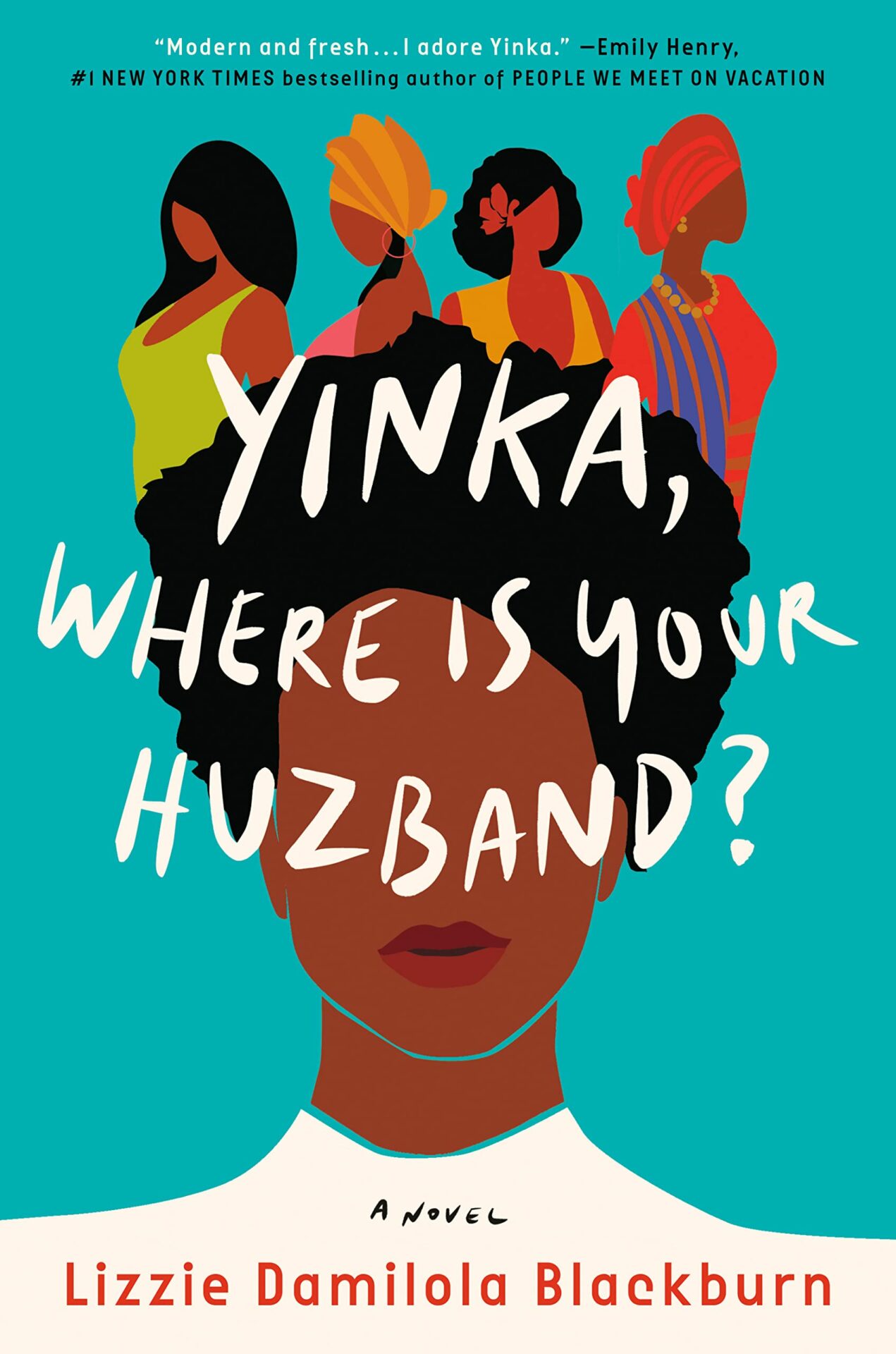
africanliterature, black, Book review, British Nigerian, lizziedamilolablackburn, Nigerian, Self growth, yinkawhereisyourhuzband
READ MORE

July 24, 2023 .
contemporary
The story exposed some of the tricks and techniques of the publishing world and how small and sometimes brutal the industry can be.
READ MORE

July 20, 2025 .
Writer Resources
Discover the differences in First-Person Point of View and Third-Person POV, and how each impacts character connection and narrative style.
READ MORE

Get our magazine for free!