





























What if there were a way to write about life’s most impactful experiences, but cooler? That is the fascinating territory of autofiction.
What if there were a way to write about life’s most impactful experiences, but cooler?
A diary left open for everyone to read, yet no one can tell whether the pages contain a real memory, a carefully disguised confession, or a story entirely made up.
That is the strange, fascinating territory of autofiction. Autofiction is a literary genre that combines autobiography and fiction. The author draws heavily from personal experiences, relationships, memories, or major life events, but reshapes them using invented scenarios, dialogue, characters, and circumstances.
In many ways, it’s the dream territory for fiction lovers who enjoy the rawness of non-fiction but don’t necessarily want the heavy, strictly factual, aspirational experience of writing a traditional memoir.
Autofiction is fiction that draws substantially from the author’s own life, experiences, or identity. The term combines autobiography and fiction, capturing the tension at the form’s centre.

For an author, the appeal is fairly obvious: a wealth of material already exists. Embellishing personal experience lets the writer explore and exaggerate an incident from their life in depth and detail, creating a great story in the process.
That means an autofictional novel can contain events that genuinely happened alongside completely invented ones. Characters might resemble real people but have different names, personalities, or histories.
A real location might remain unchanged while an entirely fictional event takes place there. This form of storytelling offers readers deeper insights into the author’s motivations and emotions, often resembling a journal or diary format, which enhances its appeal.
The distinction between autofiction and memoir matters because both can draw heavily on personal experience. It is never referred to as memoir writing because memoir writing is about writing 100% truth.

The important distinction is that autofiction does not promise the factual truth expected from autobiography or memoir. A memoir generally asks readers to trust that the author is presenting their recollection of real events.
Autofiction gives the writer more freedom to distort, exaggerate, or invent. With the lines between fact and fabrication blurred, readers wonder what’s real, what isn’t, and how to tell.
Some critics and literary analysts believe autofiction offers value to writers. Chief among these may be the buffer that fiction provides between the author and personal trauma.
Writers have been blurring the boundaries between life and fiction for decades, although the term autofiction itself is relatively modern.
Some authors have openly borrowed from their own experiences, while others have left readers to debate where autobiography ends and invention begins.
Batuman’s The Idiot is one of the clearest examples of how an author can take personal experience and reshape it into fiction.

The novel follows Selin, a Turkish-American freshman at Harvard who becomes fascinated by literature, language, and a complicated relationship with an older student.
Batuman similarly studied at Harvard, studied Russian, and spent time in Hungary. However, The Idiot is not simply an author’s autobiography disguised as a novel.
While the facts of both the real and fictional story are likely the same, the autofiction genre gave Batuman the distance needed to tell the story well.
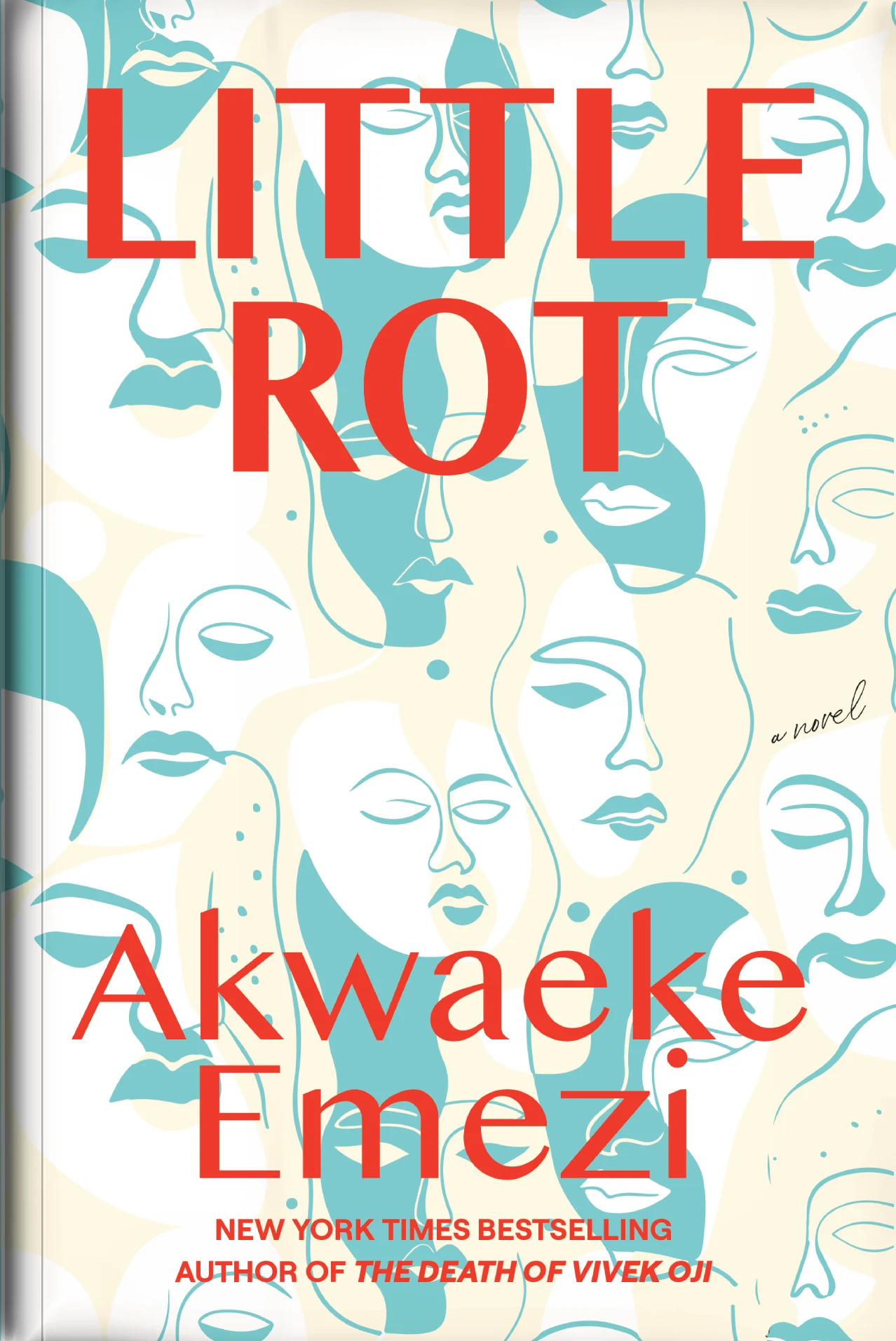
This is another compelling example of autofiction.

Written as a letter from Little Dog to his illiterate mother, the novel explores family, immigration, trauma, identity, and war’s lasting effects.
Much of Little Dog’s life reflects Vuong’s own, including his Vietnamese-American background, childhood in Hartford, Connecticut, and experiences growing up with his mother and grandmother.
Vuong takes these raw biographical materials- the brutal labor in tobacco fields, complex mother-son dynamics shaped by PTSD, and the painful isolation of identity and refines them through poetic prose and fluid narrative structures.
Rather than delivering a factual account of his upbringing, Vuong utilizes the freedom of fiction to leap across time and explore emotional realities that strict memoir cannot capture.
This one particularly takes a quieter approach.

Much of the novel unfolds through conversations with other people, whose stories gradually reveal something about the narrator herself.
Cusk revolutionized the form by turning the traditional narrator inside out.
In Outline, Transit, and Kudos, the protagonist, Faye, a divorced female writer and teacher who closely mirrors Cusk, serves almost entirely as a passive vessel.
Instead of revealing herself through internal monologue, her identity is constructed purely through the conversations, confessions, and philosophies of the strangers and acquaintances she meets along her journeys.
This is another striking example of autofiction, drawing heavily from the author’s own experiences as a Nigerian-American returning to Lagos after years abroad.

His return becomes an opportunity to look closely at a city that is both familiar and strangely distant. The unnamed narrator moves through the city, observing its people, culture, corruption, art, and everyday contradictions.
Cole utilizes his own real-life observations, urban encounters, and personal distance from his homeland to construct a fragmented, journal-like narrative that drifts through the city’s chaotic rhythms, systemic corruption, and vibrant cultural pulse.
His outsider-insider perspective allows the book to capture the complicated feeling of returning home after being away for so long.
This is where autofiction becomes particularly exciting. Writing from personal experience might sound easier than creating a story from scratch.
The material already exists, after all, so there is no need to invent anything; unfortunately, real life has one major flaw as a source of fiction: it has terrible pacing.
People do not conveniently reveal secrets at the midpoint; relationships rarely end at precisely the moment the third act needs a climax. It needs shape, and that is where the author comes in.
The auto aspect of autofiction often overlaps more with memoir than autobiography because the story the writer chooses to tell doesn’t usually cover their entire life; it focuses on key events and scenarios of concern.
Other characters, settings, and events can be fabricated to support the story. You may choose to give the protagonist your exact name, a slight variation, or no name at all.
Using one’s own name increases the stakes and the tension for the reader, but it requires immense psychological bravery. The crafter can (and should) alter timelines, invent dialogue, and compress geography. If a real-life argument happened over three years, compress it into one claustrophobic dinner scene.
Autofiction often operates through two versions of the self. There is the experiencing self, the person living through the events without knowing how they will turn out.
Then there is the narrating self, the older or more reflective consciousness looking back and giving those experiences shape. Tension between these perspectives can add depth to the writing.
The experiencing self might believe a friendship is permanent, while the narrating self already understands that it will end. In the same vein, the younger self might interpret a parent’s behaviour as rejection, while the narrating self recognises the complexity of that relationship years later.
Autofiction does not need a dramatic event in every chapter. Some of its most effective moments can come from ordinary life: cooking dinner, taking a bus, scrolling through an old message, cleaning a childhood bedroom, or noticing a familiar object in an unfamiliar place.
These details give the fictional world texture. A major argument may communicate the conflict, but describing the kitchen where it happened can make that conflict feel real.
Once you’ve identified the central material, let fiction do its job. A real event might need a different ending; a character may need to make a different choice.
Two separate experiences might work better as one. A location might need to change because the fictional story requires a different atmosphere. These changes should serve the book’s larger purpose.
Autofiction asks the writer to consider not only what happened, but what the experience reveals and how to apply it effectively.
Autofiction is not a shortcut around research or imagination; it is an intentional choice to use one’s own life as the raw material for art.
By letting go of the need to prove every detail is factual, you gain the freedom to explore what those moments truly meant. It offers writers the best of both worlds: the unvarnished resonance of a personal confession, protected by the infinite flexibility of fiction.
Reality provides the memories, the author provides the imagination, and somewhere between the two, a beautiful narrative begins.


July 20, 2025 .
Animation, Lists
Our list rounds up the top 30 cartoon characters that were villains, each one more wonderfully wicked than the last.
READ MORE
April 29, 2026 .
Lists, Opinions
The Mouse is famous for its princesses and princes. However, the studio’s true genius lies in its embrace of “ugly Disney characters”.
READ MORE
May 6, 2026 .
Lists, MCU
Spider-Man is one of the many superheroes from the Marvel Universe whose stories shaped many childhoods. Who is your strongest Spiderman?
READ MORE
June 25, 2026 .
Lists, Opinions
If Game of Thrones taught us anything, it’s that the characters we hate the most tend to outlive everyone else.
READ MORE
October 28, 2025 .
Debates, Lists, Marvel, MCU
Every Marvel hero brings something to the table. But if we had to pick the top 8 most popular Marvel superheroes, who would make the cut?
READ MORE


July 20, 2025 .
Writer Resources
Discover the differences in First-Person Point of View and Third-Person POV, and how each impacts character connection and narrative style.
READ MORE
May 15, 2026 .
Writer Resources
The tension between writer-centered and reader-centered approaches defines how a story is told and who it serves.
READ MORE

October 22, 2025 .
Essays, Writer Resources
Ever found a book that looks like a comic but tells a complete, well-structured story? Congratulations, it’s a graphic novel.
READ MORE
June 26, 2026 .
Writer Resources
Writing starts with forming ideas, imagination, dreams, and thoughts. And when these condense into a coherent progression, you have a plot.
READ MORE
May 10, 2026 .
Writer Resources
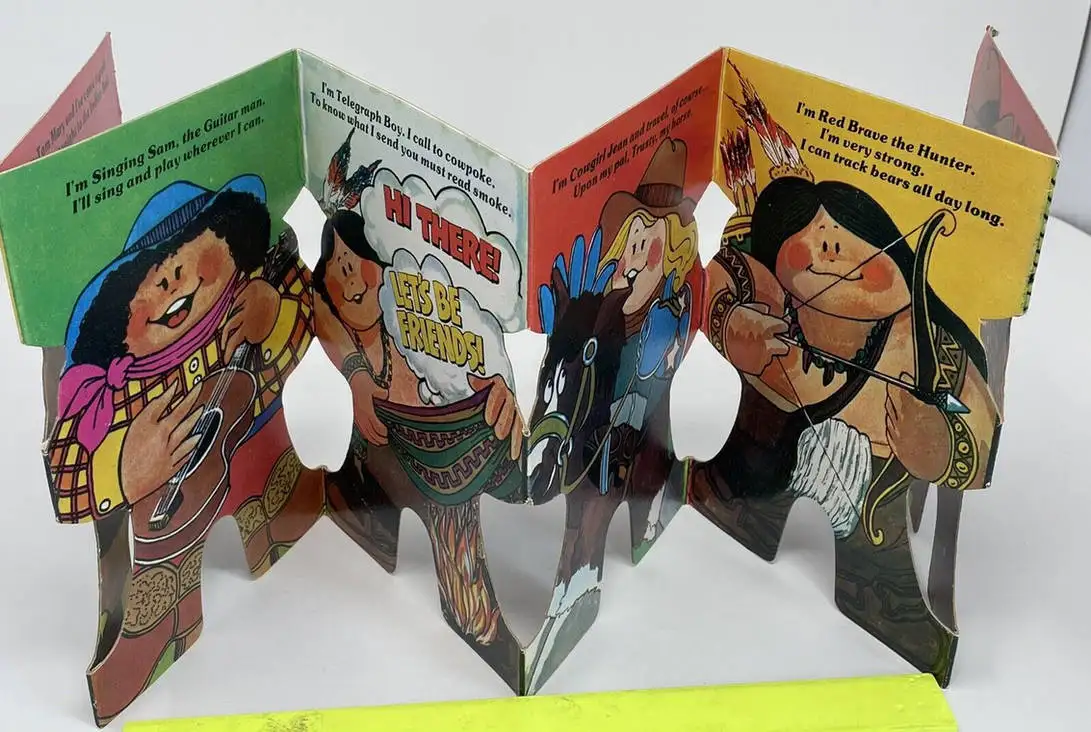
What is a board book, and how does it differ from others? Traditional publishing usually means novels, but published works span much more.
READ MORE
July 24, 2025 .
Essays, Writer Resources
READ MORE
February 8, 2026 .
Writer Resources
Breaking into traditional publishing can feel like decoding a secretive industry. This guide is a resource for finding the right agent.
READ MORE
February 28, 2026 .
Writer Resources
There are three paths in book publishing: traditional, self-publishing, and hybrid. The current focus is on traditional publishing.
READ MORE

July 20, 2025 .
Writer Resources
Today, writers are needed who combine creativity with technical expertise, professionalism, and adaptability.
READ MORE
Get our magazine for free!