




























































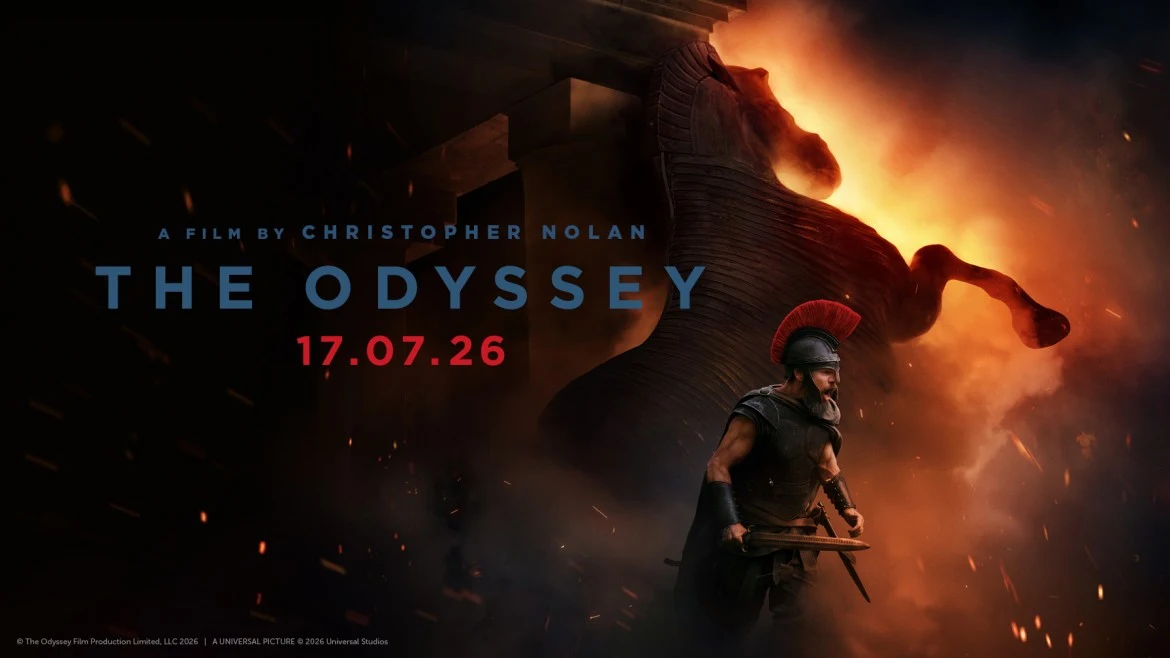


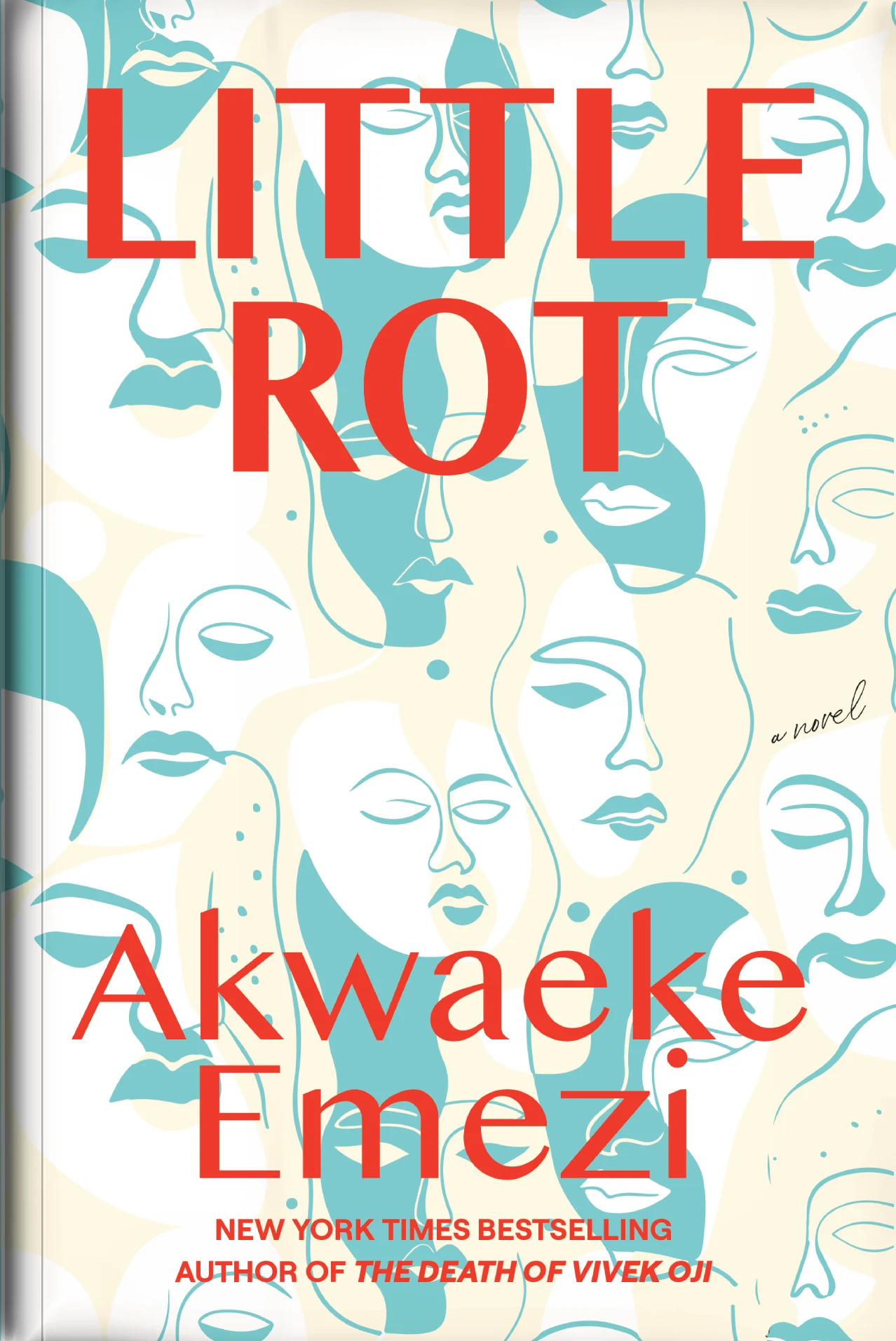



Narratives do not always need dramatic transformations. A static character is not simply someone who does nothing.
Narratives do not always need dramatic transformations. Static characters carry significant plot weight when their consistency serves a clear purpose.
A static character is not simply someone who does nothing. They can face danger, lose relationships, make difficult choices, and suffer serious consequences.
A character can also reveal new sides of themselves without undergoing a major transformation. Conflict, relationships, and difficult choices can expose qualities that were present from the beginning.
A static character remains essentially the same person throughout a story. Their core beliefs, values, personality, or worldview do not undergo a major transformation.

However, this does not prevent the character from learning. They can gain information, develop skills, understand other people, and respond differently to new circumstances. The defining part of their identity simply remains intact.
Consider a detective who believes every crime should be solved through evidence and careful reasoning. An investigation may expose corruption, threaten their career, and put their life in danger. The detective can gain experience without abandoning the principle that evidence should guide the investigation.
The story tests the character’s established outlook rather than replacing it.
A flat character lacks meaningful complexity. They may exist mainly to fulfil one function, represent a stereotype, deliver information, or move the plot forward.

A static character can have far greater depth. They may possess motives, fears, contradictions, relationships, personal history, preferences, and conflicting desires.
Imagine two characters who refuse to forgive someone. The first refuses because the plot requires an obstacle, and nothing else explains the decision.
The second refuses because forgiveness would violate a promise made to a dead parent. That character still loves the person involved, struggles with resentment, and fears becoming bitter.
Both remain unforgiving, but only one has a developed inner life. Static describes the character’s lack of major internal transformation, while flat describes a lack of complexity.

Static characters can serve different narrative functions. Their purpose determines how their consistency affects the story.
This character holds firmly to an ethical principle and challenges others who become cynical or corrupt. Their presence keeps the story’s moral questions visible.
This character refuses to abandon a defining belief or flaw even when doing so might prevent disaster. Their inability to change becomes part of the tragedy.
Some antagonists remain committed to power, revenge, control, or destruction. Their determination can make them an enduring threat because circumstances rarely redirect their goals.
This character highlights another person’s development through contrast. Their stable outlook makes changes in the other character easier to recognise.
A mentor may already possess the knowledge or conviction that another character needs. Their role is to guide someone else’s development rather than undergo the central transformation themselves.
This character remains committed to another person despite changing circumstances. Their loyalty can strengthen a relationship, create difficult obligations, or expose the limits of devotion.
A dynamic character undergoes a significant change in their understanding, values, behaviour, or worldview.

A static character starts with an established outlook and keeps it despite the challenges the story presents.
Neither approach is automatically better. A coming-of-age novel may depend on a protagonist learning from experience, while a detective story may benefit from a protagonist whose convictions remain firm under pressure.
The choice should depend on the role the character needs to fulfil.
A static character should have a clear narrative purpose.

Their consistency can reveal another character’s development, explore an idea, provide stability, or create a particular kind of conflict.
A static character can make another character’s transformation easier to recognise. For instance, two sisters who begin with similar values.
One gradually becomes more independent, while the other remains committed to tradition. The second sister’s consistency highlights how far the first has moved from her starting point.
The contrast becomes stronger when both women face similar circumstances. Their different responses reveal how experience has affected one character while leaving the other largely unchanged.
Some stories explore whether a principle can survive serious opposition. A character who refuses to abandon that principle can carry this question throughout the narrative.
A journalist who refuses to fabricate evidence, even when doing so could save their career, creates a conflict between professional survival and personal ethics.
The story can explore how much the journalist is willing to sacrifice rather than requiring them to adopt a new philosophy.
A static character can give an abstract theme a human form. A character might consistently embody loyalty, ambition, revenge, compassion, tradition, justice, pride, or selfishness. Their actions allow the story to examine the strengths and dangers of that quality.
The effect becomes stronger when another character holds an opposing value. Their disagreement then becomes a conflict between different ways of understanding the world.
A story may contain enormous external changes. A war can destroy a city, a family can collapse, or a kingdom can fall.
A character who remains recognisable throughout that upheaval can provide continuity. Their presence helps connect different stages of the narrative without requiring them to undergo the same transformation as the world around them.
A foil highlights another character through contrast. A disciplined character can expose another person’s recklessness. A forgiving character can reveal another person’s bitterness.
A loyal character can make another person’s betrayal more obvious. When the foil remains consistent, the comparison becomes easier to track as the other character develops.
A convincing static character needs more than a decision not to change.
Their established outlook should grow from a believable personality, history, desires, and relationships.
Begin with the principle that shapes the character’s decisions. Avoid vague descriptions such as “she is stubborn” or “he is loyal”. Ask what belief produces that behaviour.
Perhaps she believes accepting help makes people weak. Perhaps he believes family loyalty matters more than personal happiness. Another character might believe justice requires punishment rather than mercy.
A useful formula is: I believe that __________, therefore I __________.
For example: I believe people reveal their true nature when given power; therefore, I never trust anyone with authority.
The principle should influence behaviour. A character who distrusts authority might question instructions, avoid positions of power, or react defensively when placed under institutional control.
Consider what happened before the story began, who influenced the character, which experience shaped their conviction, what loss still affects them, and what promise they made.
The complete backstory does not need to appear in the manuscript. Its purpose is to inform present behaviour.
A character who distrusts authority because of childhood abuse does not need to explain that history whenever an official appears. The history can emerge through hesitation, suspicion, anger, avoidance, or guarded speech.
A character should want something beyond proving that their worldview is correct. They may want financial security, recognition, love, freedom, revenge, belonging, professional success, or a peaceful home.
Imagine a doctor who believes every patient deserves equal treatment. She also wants to become head of her department, but the hospital leadership rewards doctors who prioritise wealthy patients.
Her ambition now conflicts with her ethics. The character has something important to pursue and something equally important to protect.
Consistency does not require identical behaviour in every situation. A fiercely independent woman may secretly want someone to care for her. A strict judge may break a rule for a child. A selfish businessman may adore his daughter. A ruthless criminal may refuse to harm animals.
These contradictions keep the character from becoming a symbol and keep them human.
A character who sees forgiveness as a weakness may still feel tenderness toward the person they refuse to forgive. That tension creates emotional depth without changing the character’s central outlook.
Relationships reveal sides of a character that exposition cannot. A strict teacher may become playful around a younger sibling. A ruthless politician may become gentle with an elderly parent. A guarded detective may completely trust one childhood friend.
These differences show how the same person behaves when different emotional needs are involved.
Relationships should also introduce disagreement. Someone can question the character’s methods, challenge their assumptions, or expose the harm their beliefs cause.
A mother who believes children should never be protected from hardship might clash with an adult daughter who strongly disagrees. Their arguments can reveal their histories, fears, and values without requiring either person to adopt the other’s position.
Give the character habits, preferences, routines, fears, speech patterns, or unusual ways of interpreting events. These details should reveal personality rather than exist as decoration.
A character who always carries spare food might initially appear practical. Later, the habit could reveal a childhood shaped by scarcity. Someone who refuses to sit with their back to a door might seem cautious until the behaviour reveals a history of danger.
Dialogue can reinforce these qualities. Someone who values evidence may ask questions before offering an opinion. Another who values loyalty may defend absent friends. Someone who values control may dislike vague answers.
The goal is not to create repeated catchphrases. The character’s voice should reflect a recognisable way of interpreting situations.
A static character still needs an active story. Since internal transformation isn’t the main source of progression, external conflict must put the character’s established outlook under increasing strain.
A static protagonist needs something concrete to pursue.
They might need to expose a conspiracy, solve a murder, rescue someone, protect a community, defeat an enemy, uncover the truth, or prevent a catastrophe.
The goal should connect naturally with the character’s established outlook.
A detective who believes truth matters more than reputation might investigate a case that powerful people want buried. The investigation gives the character a clear objective while placing that principle at risk.
The strongest opposition comes from people and circumstances that offer credible alternatives.
Someone might argue that strict honesty is cruel in certain circumstances. Another person might claim family loyalty should outweigh loyalty to the law. A third character might demonstrate that following the protagonist’s principle has harmed innocent people.
The opposing position should have enough merit to create genuine conflict. It does not need to convince the static character, but it should give them something serious to consider.
Begin with manageable challenges before raising the stakes.
A character who values honesty might first face pressure to overlook a minor mistake. Later, telling the truth could threaten a friendship. Eventually, honesty might put their career or safety at risk.
Temptation should offer a meaningful alternative. A character who values honesty might have an opportunity to lie and protect someone they love. Someone who values loyalty might gain freedom by betraying an ally.
The alternative must provide something the character genuinely wants. Otherwise, refusing it requires little sacrifice.
A static character should make decisions that alter what happens next.
Their honesty can expose a secret. Their loyalty can save someone. Their stubbornness can create danger. Their ambition can destroy an alliance. Their compassion can influence another person’s actions.
The consequences should become increasingly significant. A refusal might trigger an argument early in the story, while a similar decision near the climax could cost the character their career, relationship, freedom, or safety.
This gives the character agency and keeps their established outlook connected to the plot.
A static character can follow a clear narrative progression even when their fundamental outlook remains intact.

The following structure provides a practical framework for building that progression.
Introduce the character through an action that demonstrates their established outlook. Showing the quality through behaviour gives the audience a foundation for understanding later choices.
Bring in a person, event, institution, relationship, or problem that creates a serious challenge.
Allow the character to compromise. Their decision shows what they are willing to defend.
Increase the consequences until maintaining the same position becomes increasingly difficult.
Offer something the character genuinely wants in exchange for abandoning their principle.
Make the decision costly. The sacrifice might involve money, status, safety, love, freedom, or survival.
The final conflict should require the character to make their most important decision. Their defining principle should directly affect the outcome.
Show what the character’s decisions have caused. The outcome might involve victory, loss, tragedy, change in another character, or a lasting effect on the wider world.
Use the following questions to build the character before drafting scenes.
Name:
Role in the story:
Age and occupation:
Distinctive qualities:
Important habits:
The character’s unique selling point?
The character’s strongest belief?
What matters most to them?
Their worst fear?
Greatest desire?
Greatest strength?
Defining flaw?
Non-negotiables?
What experience shaped their worldview?
Who influenced their beliefs?
Most impactful loss they have experienced?
Promise made?
What past event still affects their behaviour?
Part of their history would they rather keep hidden?
Who understands the character best?
Challenges them most?
Person they trust the most?
They struggle to understand?
Beneficiaries of their current choices?
Who is harmed by it?
Which relationship reveals an unexpected side of the character?
How does the character speak?
How do they behave when frightened or angry?
Contradictions?
Hidden vulnerabilities?
What habit reveals something about their history?
What small detail makes them recognisable?
How does their worldview affect the way they interpret other people?
What part of the character must remain fundamentally unchanged?
Why is that consistency important to the story?
What, if anything, could seriously challenge it?
Could they ever be genuinely tempted to abandon it?
If they remained committed, what would that reveal about them?
Belief worth defending till the end?
A compelling static character begins with an established identity that affects how they pursue goals, handle relationships, and respond to conflict.
This consistency should have consequences. Opposing views should carry enough weight to create genuine conflict, while difficult choices should reveal what the character values most.
Most importantly, the story can examine what happens when an established identity faces circumstances powerful enough to demand compromise.
The character may finish the story holding the same fundamental belief. What matters is the price of maintaining it and the consequences that follow.

July 20, 2025 .
Animation, Lists
Our list rounds up the top 30 cartoon characters that were villains, each one more wonderfully wicked than the last.
READ MORE
April 29, 2026 .
Lists, Opinions
The Mouse is famous for its princesses and princes. However, the studio’s true genius lies in its embrace of “ugly Disney characters”.
READ MORE

May 6, 2026 .
Lists, MCU
Spider-Man is one of the many superheroes from the Marvel Universe whose stories shaped many childhoods. Who is your strongest Spiderman?
READ MORE

October 28, 2025 .
Debates, Lists, Marvel, MCU
Every Marvel hero brings something to the table. But if we had to pick the top 8 most popular Marvel superheroes, who would make the cut?
READ MORE
October 28, 2025 .
Lists, Marvel, MCU, Opinions
Let’s go through a list of the top 7 strongest Marvel villains, from the wickedly powerful to the absolutely unstoppable.
READ MORE


July 20, 2025 .
Writer Resources
Discover the differences in First-Person Point of View and Third-Person POV, and how each impacts character connection and narrative style.
READ MORE

May 15, 2026 .
Writer Resources
The tension between writer-centered and reader-centered approaches defines how a story is told and who it serves.
READ MORE

October 22, 2025 .
Essays, Writer Resources
Ever found a book that looks like a comic but tells a complete, well-structured story? Congratulations, it’s a graphic novel.
READ MORE

June 26, 2026 .
Writer Resources
Writing starts with forming ideas, imagination, dreams, and thoughts. And when these condense into a coherent progression, you have a plot.
READ MORE
May 10, 2026 .
Writer Resources
What is a board book, and how does it differ from others? Traditional publishing usually means novels, but published works span much more.
READ MORE

July 24, 2025 .
Essays, Writer Resources
READ MORE

February 8, 2026 .
Writer Resources
Breaking into traditional publishing can feel like decoding a secretive industry. This guide is a resource for finding the right agent.
READ MORE

February 28, 2026 .
Writer Resources
There are three paths in book publishing: traditional, self-publishing, and hybrid. The current focus is on traditional publishing.
READ MORE

July 20, 2025 .
Writer Resources
Today, writers are needed who combine creativity with technical expertise, professionalism, and adaptability.
READ MORE

Get our magazine for free!