
Menu
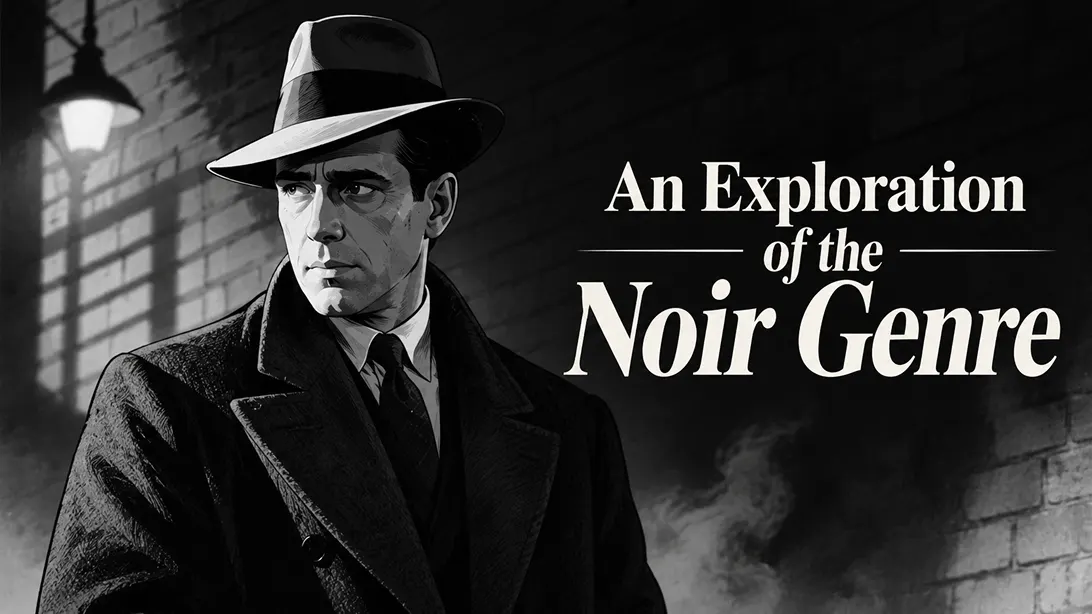




















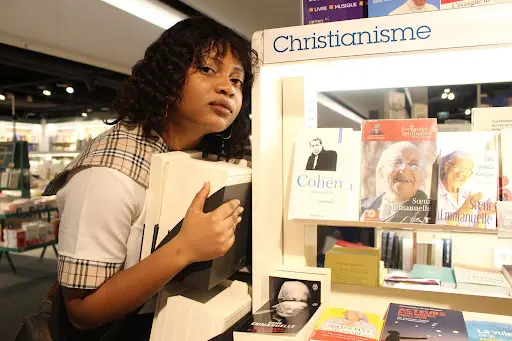

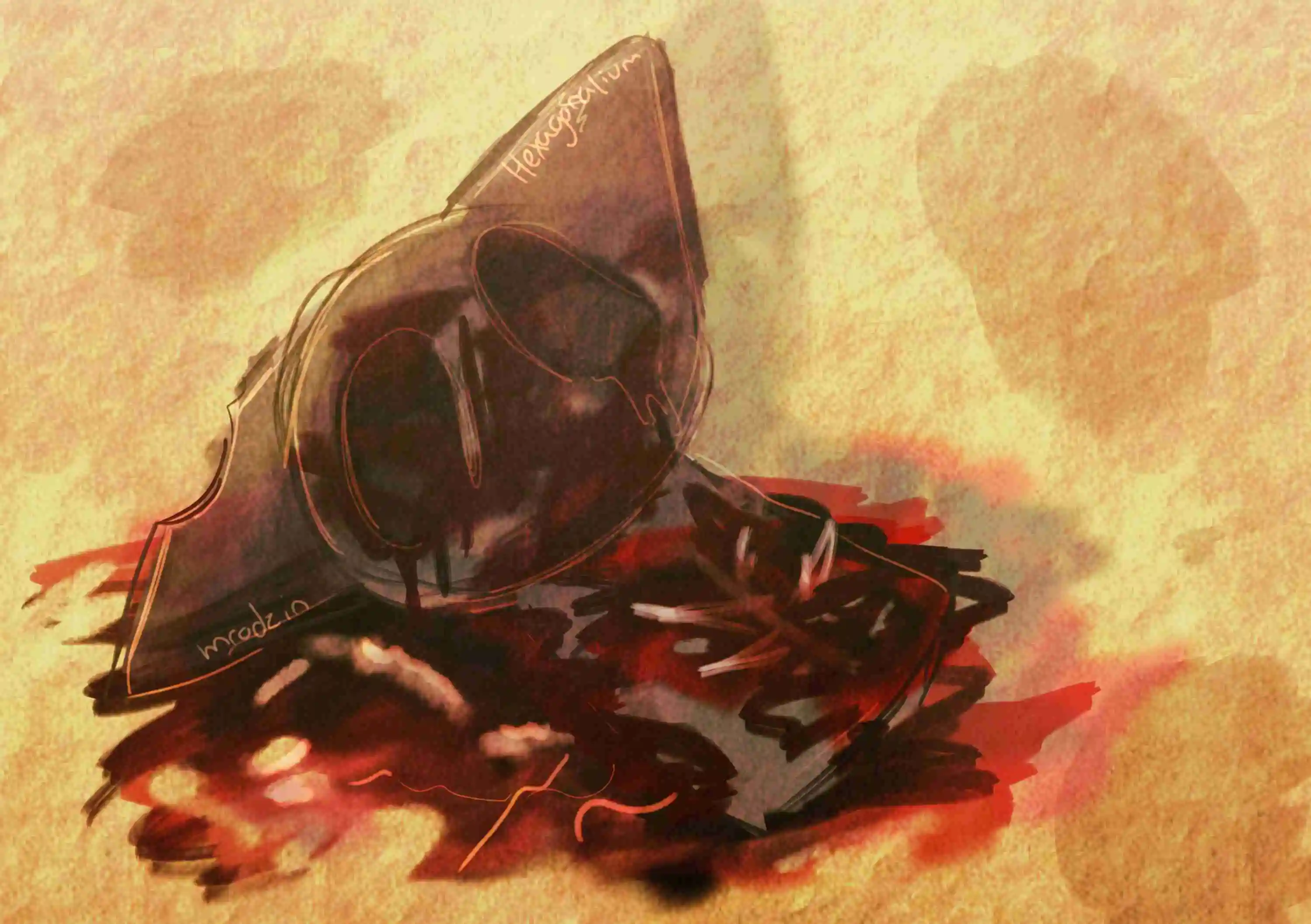
The noir genre in literature and film explores themes like antiheroes, moral ambiguity, corruption, and a refusal of happy endings.
Underread and underrated, noir takes you somewhere uncomfortable. It’s known for its bleakness and cynicism. There are no happily-ever-afters here. It’s often a lose-lose situation, and everyone has a price.
So what makes it a necessary read?
It’s a more grounding one, for a start. Most genres give you a resolution, for better or worse. The mystery gets solved. The villain is exposed. Justice is served, or the protagonist finds some kind of redemption.
Noir doesn’t work that way. It shows us the grey areas and the moral compromises men make when they have to. That’s what gives the genre its atmosphere of doom, fatalism, and futility.
Noir doesn’t much care about good triumphing over evil. It asks what happens when you can’t tell the two apart anymore.
The genre isn’t interested in who’s right. It wants to know what people do when they’re backed into a corner.
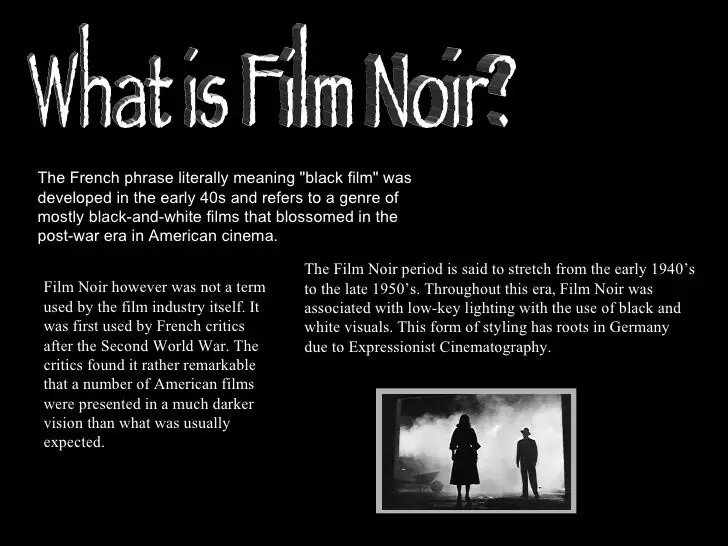
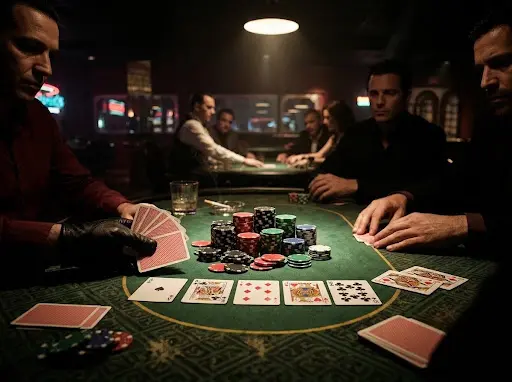
Photo credit: Pinterest
Noir isn’t your average thriller or mystery. The difference lies in its characters and in how it interprets morality.
Thrillers often hold out hope. They expose a societal ill, and something might change.
Their central characters tend to be brave, resilient, emotionally steady, ultimately a force for good. Even when they make bad calls, a moral compass still exists somewhere underneath.
Noir flips that. Its characters are flawed, compromised, and, more often than not, deeply unreliable.
Three elements sit at the heart of the genre: the antihero, the femme fatale, and a corrupt system.
The antihero isn’t driven by justice or morality, or by any real wish to do right, but by a sense of rote and deep discontent.
He may be selfish, dishonest, or maybe just trying to survive. Sometimes he’s no better than the people he’s out to expose.
His motives are rarely simple. Sometimes he means well but goes about it the wrong way. Other times, he makes one bad decision after another until you can’t tell him apart from the very people he despises.
And he doesn’t always learn from his mistakes. More likely, he becomes a casualty of them.
If you read James Hadley Chase, you’re not a stranger to her.
She’s one of noir’s most recognizable figures. Beautiful, calculating, and dangerously persuasive.
The femme fatale uses her intelligence, sexuality, or influence to work the men around her.
But writing her off as a seductress who leads men to ruin misses the point. She lives in a world where men hold most of the power, and manipulation is one of the few ways she can claim any control for herself.
Her reasons might be survival, greed, revenge, or ambition.
Whatever they are, she’s rarely as innocent as she looks. Her arrival sets things in motion, and neither she nor the protagonist can steer where they go.
The world these characters live in may be the most important element of all. Institutions are compromised, and justice is negotiable. Corruption isn’t treated as the work of a few bad apples.
It’s systemic and woven into how society runs. Police, politicians, businesses, even ordinary relationships can turn into tools of exploitation.
That’s what makes noir so uncomfortable. It’s jarring because we recognise it in our own systems. There’s rarely ever any reliable authority to turn to. And even when the truth comes out, there’s no guarantee justice will follow.
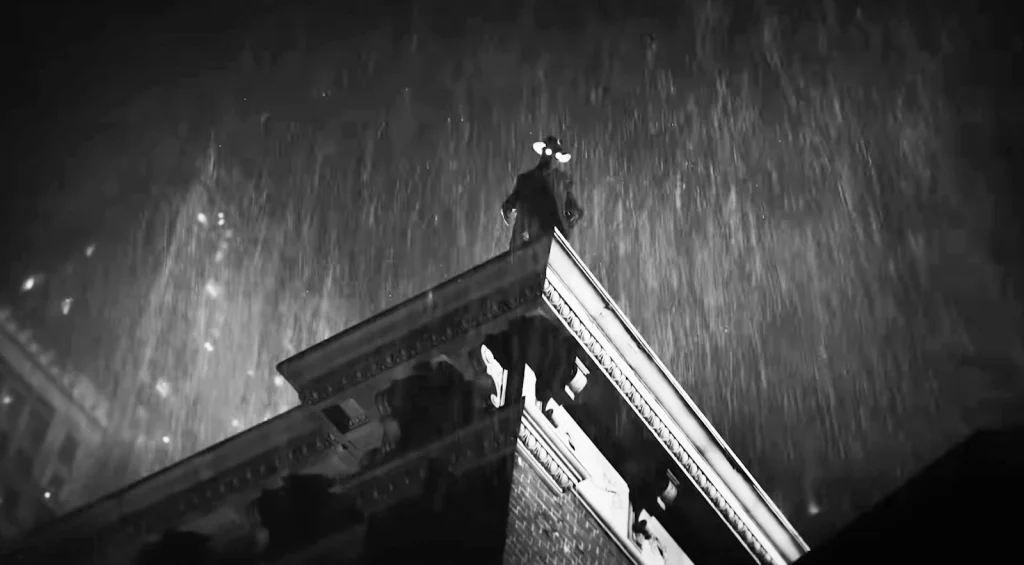
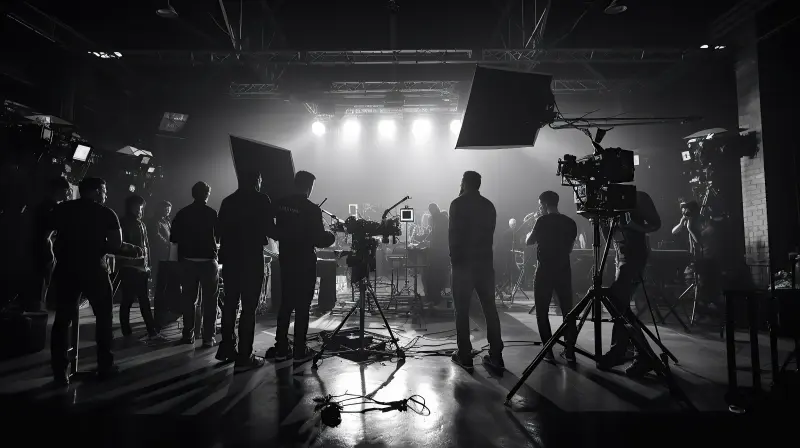
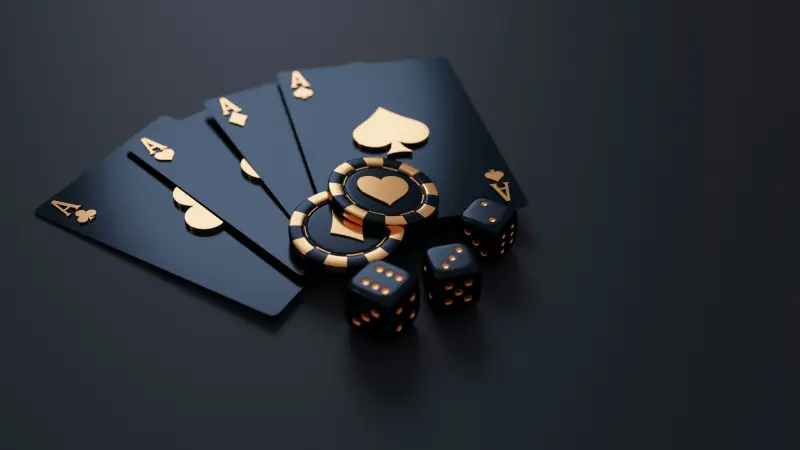
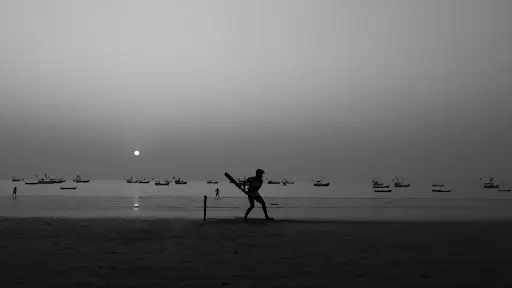
Photo credit: Stanisland
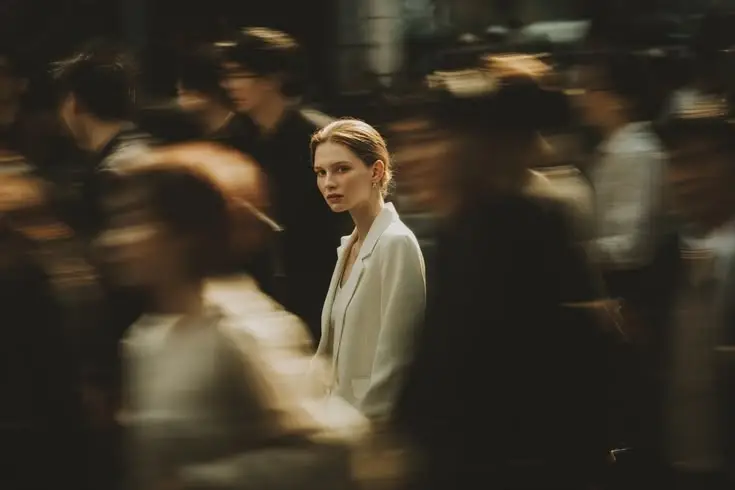
Noir isn’t just dark streets, dim rooms, cigarette smoke, and shady characters. Those are the familiar images, especially in classic film noir. But the darkness goes deeper than the setting.
It’s also psychological.
You feel that something is wrong. Danger is never far off. The characters are always moving toward disaster, and they can’t stop. Even ordinary conversations carry a note of suspicion.
Film noir builds this mood with high-contrast lighting, long shadows, rain-soaked streets, cramped interiors, and odd camera angles.
Literary noir gets there through cynical narration, morally murky characters, and a growing sense that nothing can be avoided.
The setting becomes an extension of the characters themselves. Disillusioned, unpredictable, often beyond redemption.
If one thing sets noir apart from other genres, it’s how it deals with fate.
In conventional storytelling, a protagonist’s choices lead to growth, redemption, or some kind of resolution. In noir, those same choices can just tighten the noose. You can’t be better than the system you’re stuck in.
Characters get trapped by their pasts, their circumstances, or their own weaknesses. Even when they see the consequences coming, getting out is rarely simple.
That doesn’t mean noir has no resolution. It does. It’s just an uncomfortable one. The truth may come out, but the guilty may walk free. A character may escape immediate danger and lose everything else. Sometimes the protagonist gets exactly what he wanted, and finds the price was far steeper than he thought.
Doing the right thing guarantees nothing. And maybe that’s the point.
Noir tells stories differently. It doesn’t try to make you comfortable. Rather, it makes us face the less flattering sides of human nature: greed, desperation, betrayal, ambition, and the lengths people will go to protect themselves.
Noir also challenges the idea that morality is simple. Circumstances shape decisions. Good people make terrible choices. And those who seem beyond saving may have gotten there through a string of small compromises.
There’s something compelling about stories that refuse to give easy answers.
Perhaps its greatest appeal is its honesty about human imperfection. It doesn’t promise things will work out. Sometimes people make their choices, live with the consequences, and carry on in a world that barely changes.
And sometimes, that’s as close to the truth as fiction gets.

Hi I'm Tega, I am a microbiologist with a lifelong passion for reading, I fell in love with books as child (where I was briefly obsessed with Enid Blyton, lol) reading is simply my escape and hobby and sometimes doubles as therapy for me . My favorite genres are African lit, historical fiction, memoirs/biographies and fantasy. I do beta reading and post book reviews which you can check out on my Instagram @ te_ga_o.
Why Hollywood Often Casts Older Men Alongside Much Younger Women
From Data to Discovery: The Best Online Libraries and Research Resources for Students
Native Intelligence: Lola Shoneyin on Whose Knowledge Builds the Future ahead of the 14th Aké Festival
5 Historical Fiction Books That Bring Lost Kingdoms to Life
Hit or Miss? Five Nollywood Movies That Missed the Mark in 2026
8 User-Friendly Apps to Read African Books in 2026
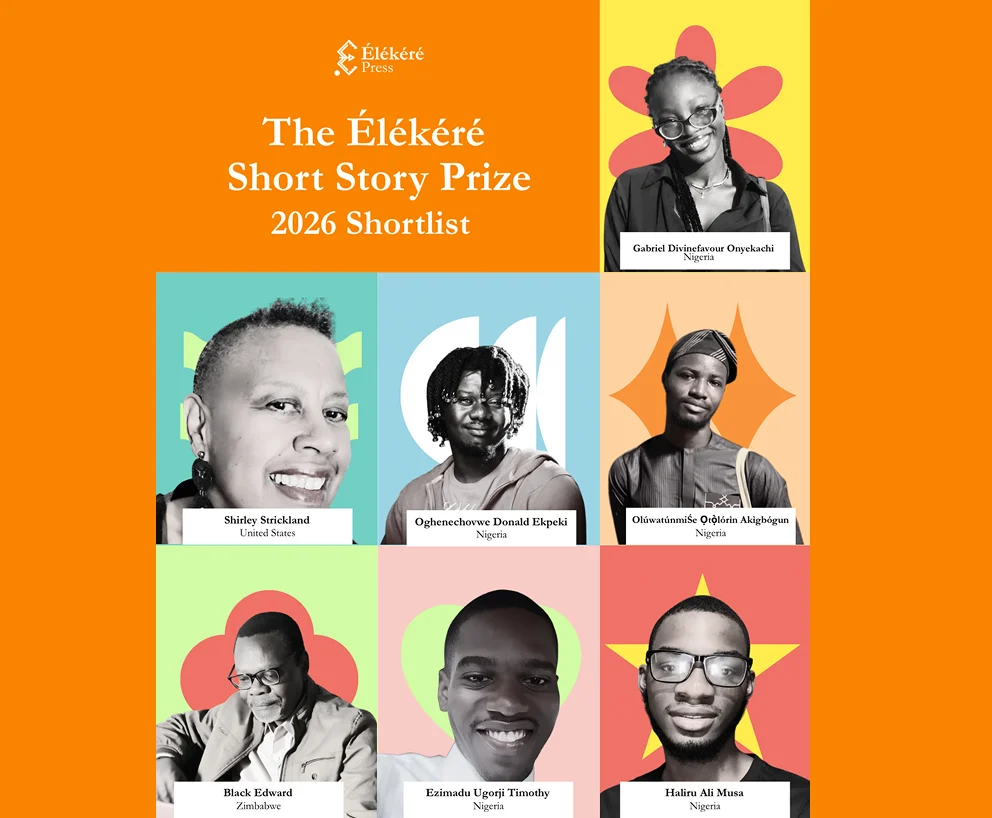
Olúwatúnmiṣe Ọ̀tọ̀lórìn Akìgbógun’s “Sweet Salt” Wins the Élékéré Short Story Prize
Upcoming Movies and TV Shows to Watch this November 2026
Top 10 Books and Movies That Featured Flying Cars
Is the Brave New World Film a Worthy Captain America Story?
8 Best Horror Books with Iconic Movie Adaptations
8 Teen Mystery Shows like Pretty Little Liars from 2020 to 2025
July 20, 2025 .
Animation, Lists
Our list rounds up the top 30 cartoon characters that were villains, each one more wonderfully wicked than the last.
READ MORE
November 6, 2026 .
Lists, Opinions
The Mouse is famous for its princesses and princes. However, the studio’s true genius lies in its embrace of “ugly Disney characters”.
READ MORE
November 27, 2025 .
Lists, Mythology
While this isn’t an exhaustive list, it comprises some of the most popular mythical creatures from around the world.
READ MORE
February 26, 2026 .
Cartoons, Lists
There are some outright funny cartoon characters who exist solely to crack you up, loud, hard, and with zero apology.
READ MORE
October 30, 2026 .
Lists, Marvel
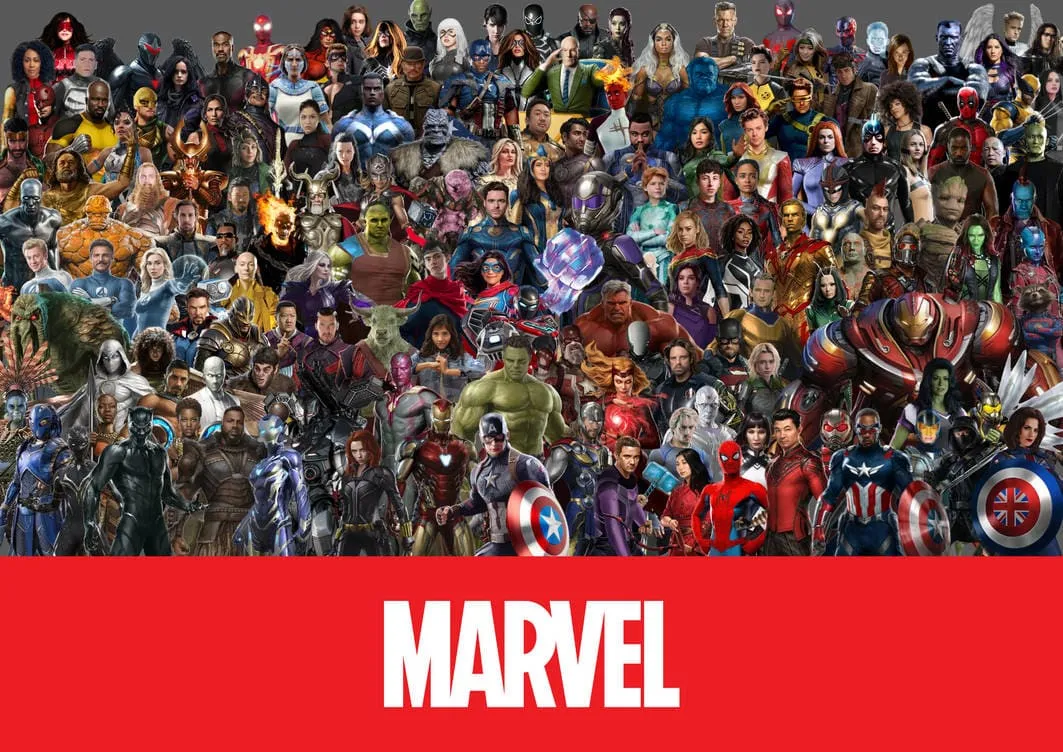
Every Marvel hero brings something to the table. But if we had to pick the top 8 most popular Marvel superheroes, who would make the cut?
READ MORE

July 20, 2025 .
Opinions
Book recommendations from random places don’t always cut it, and you often end up feeling unsatisfied with them.
READ MORE

July 20, 2025 .
Essays, Opinions
READ MORE

July 20, 2025 .
Essays, Opinions
READ MORE

September 11, 2026 .
Opinions
Book reviews aren’t just a jumble of words on how a book made you feel but also a veritable document that you can quickly refer to when your memories temporarily fail you.
READ MORE

July 20, 2025 .
Opinions
Reading hundreds of pages for a single book can be like facing Smaug, Chiefest of Calamities, but a short story is a small dragon that you can easily conquer.
READ MORE

July 20, 2025 .
Debates, Opinions
Reading nonfiction about what interests you can provide more color and context that might make your fiction reading experience more enjoyable.
READ MORE
September 12, 2025 .
Opinions
In a fast-paced world, reading asks us to slow down, surrender, and sit with another person’s words long enough for them to settle inside us.
READ MORE
November 24, 2025 .
Debates, Opinions
Reading is active while watching movies is passive. The act of turning pages creates a pause that enhances understanding.
READ MORE
July 26, 2025 .
Fantasy, Opinions
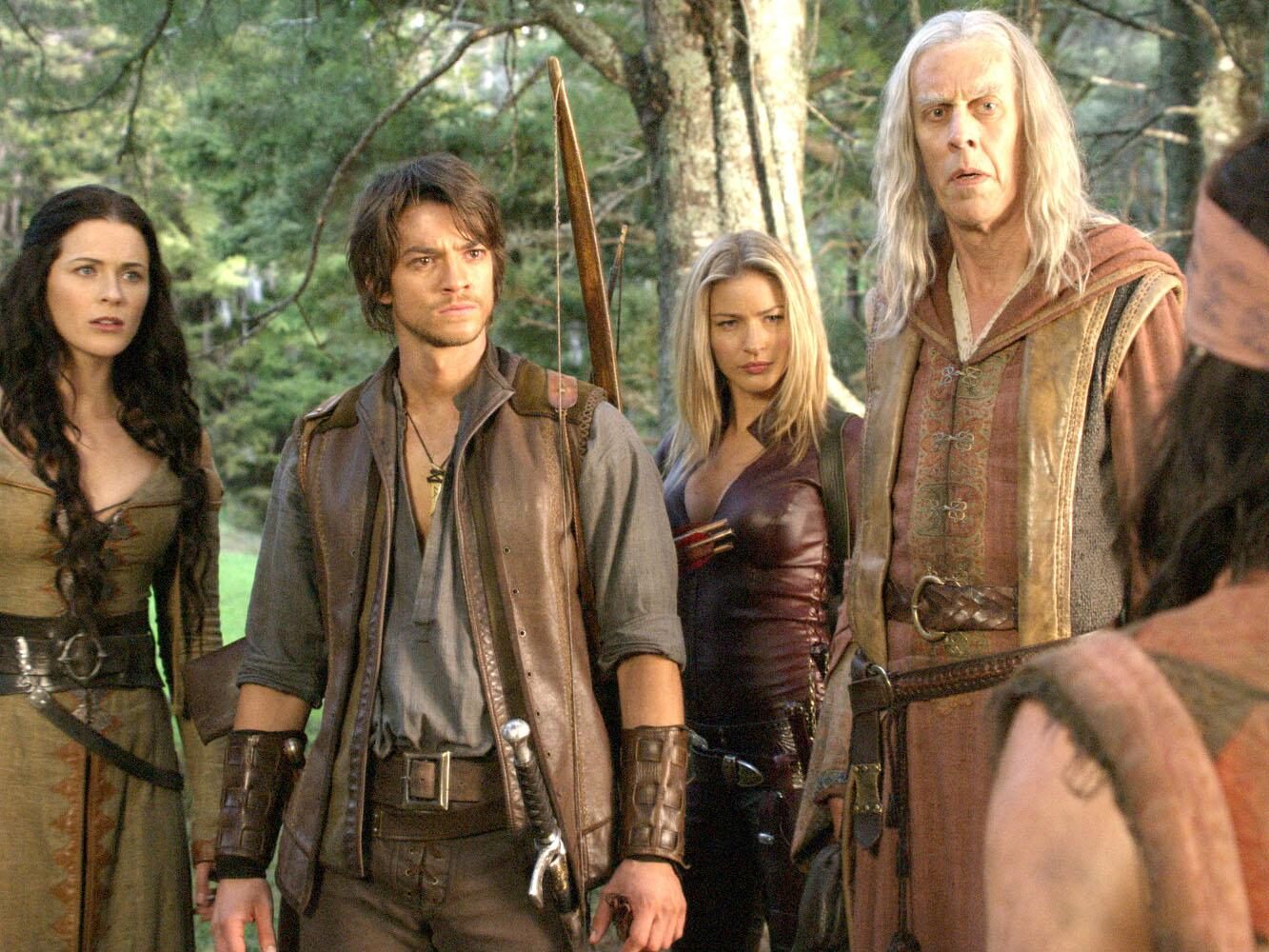
It’s cliche. But it’s rapid. It’s predictable. But it’s enjoyable. For lovers of the classic tropes, Legend of the Seeker is a worthy watch.
READ MORE
Get our magazine for free!