









































An author can publish independently. This has made it difficult to define the relationship between the internet and reading.
For a long time, one of the biggest problems facing a reader was finding something worth reading. A good book might exist somewhere, but getting hold of it was another matter.
Libraries had limited collections, while bookshops could not stock everything. A reader interested in an obscure subject might have had to search for years before finding the right material.
The internet changed that equation. A reader can now discover a book through a recommendation, find it within minutes, discuss it in an online community, and explore dozens of related texts.
An author can publish independently, while a library can extend its services beyond physical walls. A reader interested in an obscure novel can also find people discussing it from thousands of miles away.
This has made it difficult to define the relationship between the internet and reading. The usual argument focuses on attention, and there is good reason for that concern.
Digital devices bring notifications, social media, advertising and endless streams of information into the same space as a book. Around 30% of students across OECD (Organisation for Economic Co-operation and Development) countries reported feeling distracted by digital devices during most or every mathematics lesson.
Yet distraction is only part of the story. The internet has expanded access to books, created reading communities and opened publishing to writers who might once have struggled to reach an audience.
More importantly, it has changed what readers require. The old problem was scarcity, but the new problem is abundance.
The claim that people no longer read is tempting because people spend hours online, phones are constantly within reach, and short videos encourage rapid movement between pieces of content.

Yet the claim becomes harder to defend when reading is defined more broadly.
A person can read an article on a phone, a research paper on a laptop, a novel on an e-reader and a discussion about that novel on social media.
These activities do not demand the same level of concentration, but they all involve reading.
In 2025, 75% of American adults had read at least part of a book during the previous year. Print remained the most common format, but e-book use had increased from 17% of adults in 2011 to 31% in 2025. Audiobook use had also more than doubled during that period.
This does not prove that the internet has improved reading, but it does show that reading has not simply disappeared. Someone may read fewer novels but more articles, while another person may read fewer physical books but more digital research. Another person may spend hours reading reviews, essays and discussions without finishing a novel.
These activities are not equal. A long novel demands a different kind of attention from a social media post, while a research paper requires different skills from a comment. Yet, all belong to the wider reading environment. The internet has therefore made it harder to measure reading through book counts alone.
That shift matters because the debate often treats the physical book as the default measure of reading. Once reading takes place across articles, research, novels, reviews and online discussions, the question becomes less about whether reading survives and more about how its forms have changed.
The internet has solved one reading problem while creating another.

It has made books easier to find, but not easier to choose among them. Digital abundance creates a strange situation in which a reader can have hundreds of books available and still feel there is nothing to read.
Digital publishing has contributed to this abundance by lowering barriers to publication. Writers can now arrange editing, cover design, formatting and distribution without going through a traditional publishing house.
This innovation has opened space for niche subjects, unusual genres and writers who might have struggled to enter traditional publishing.
But abundance has a cost. When publishers controlled much of the publishing process, readers encountered a smaller pool of commercially available books. That system excluded many voices and genres, but it also reduced the number of choices facing readers.
The internet changed that balance. It removed some of the old restrictions and replaced scarcity with an enormous supply of material. Finding a book is therefore no longer only an access problem. It is also a problem of selection.
That distinction helps explain why greater access has not automatically produced better reading habits. Having more material available does not make every piece of material equally valuable, and an abundance of choices can make deciding where to begin surprisingly difficult.
Self-publishing shows what happens when the old restrictions on publication are weakened.

An author no longer necessarily needs a traditional publisher to reach an audience because digital tools allow writers to prepare, publish and distribute books with fewer institutional barriers.
That creates opportunities that did not exist at the same scale before the internet. A writer with a small but dedicated audience can publish for that audience, while a specialist subject can find a specialist readership. A genre overlooked by major publishers can also develop its own market.
The benefits are obvious, but traditional publishing performed a function beyond deciding which manuscripts were commercially viable.
Editors, publishers and booksellers helped narrow an enormous field of possibilities into a smaller selection. They could not guarantee quality, but they reduced the amount of filtering required from individual readers.
Digital publishing has shifted more of that responsibility towards the reader. Reviews, recommendations and personal judgement now play a larger role in deciding whether an unfamiliar book is worth trying.
This is an important change in the relationship between readers and books. Greater freedom has also brought greater responsibility. The reader is no longer simply choosing from what institutions have selected but is increasingly helping to determine what deserves attention.
Once publication became easier, another problem emerged: visibility. A book can exist online without being noticed, and equal access to publication does not create equal access to an audience.

Algorithms influence which books appear in recommendations. Search engines determine which results appear first. Social platforms promote content that generates engagement, while reader ratings can affect a book’s reputation and visibility.
Research into Goodreads activity has found that collective reader behaviour can help predict whether books will become Amazon bestsellers. This does not mean algorithms determine every bestseller, but it does show that reader behaviour can influence literary visibility at a scale that was difficult to achieve before digital platforms.
Traditional publishing could determine which books received investment and distribution, while digital platforms can influence which books become visible after publication. A review, rating or recommendation may appear insignificant on its own, but thousands of such actions can affect what other readers encounter.
The result is not the disappearance of gatekeeping, but its transformation. Influence is now distributed across publishers, platforms, communities, search engines and readers, making the modern reading environment less controlled by any single institution.
The social side of digital reading offers a different kind of change.

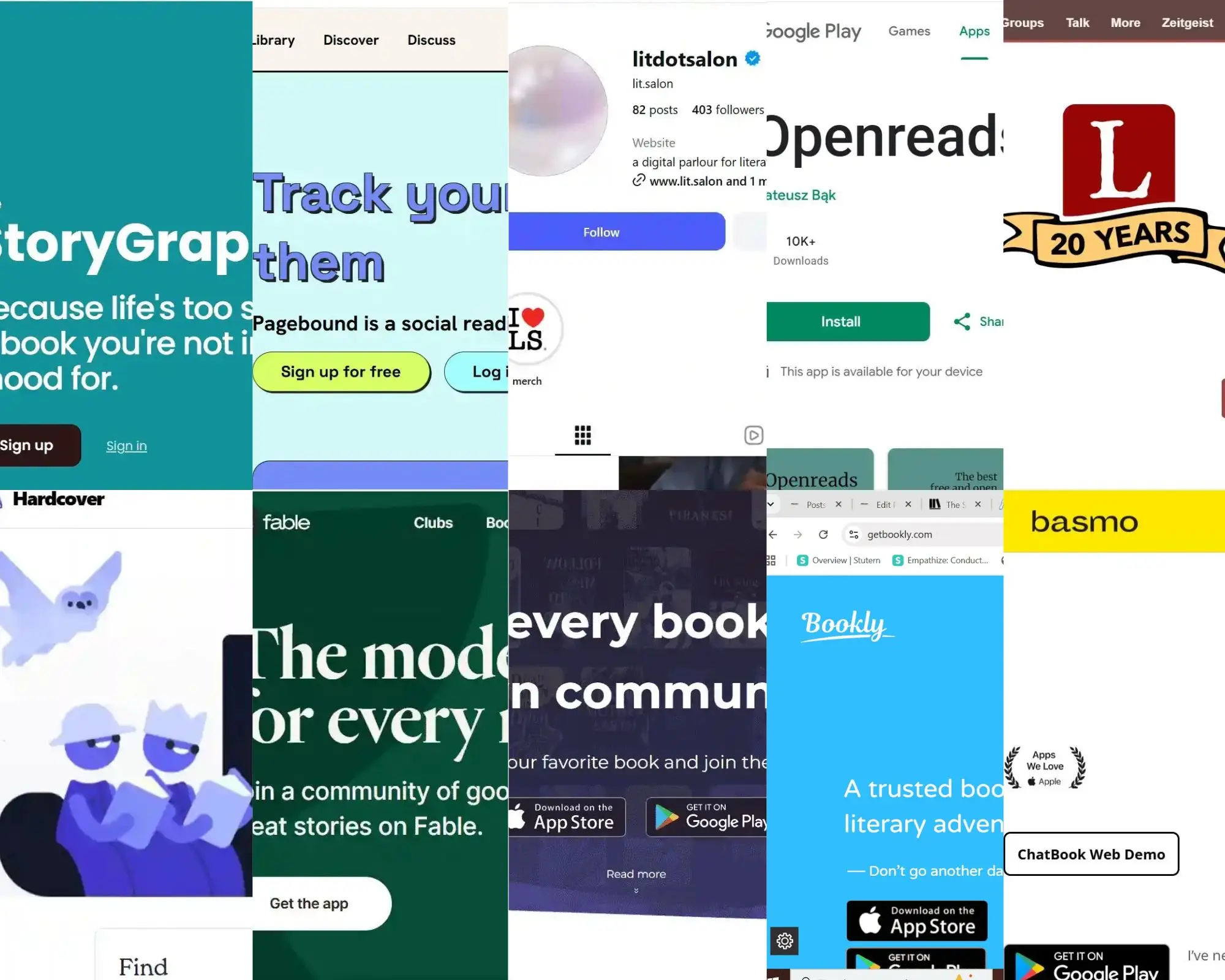
Traditional book clubs depend on geography because members need to live close enough to meet regularly. Online communities remove many of those restrictions, allowing people with highly specific interests to find one another regardless of location.
A group can focus on Nigerian literature, African history, romance, horror, fantasy, translated fiction or obscure classics without needing enough people in one neighbourhood who share the same interest. The internet can find the community first, and that community can then shape how its members encounter books.
This changes what happens after a book is finished. A reader can find thousands of reactions almost immediately, while reviews can become discussions and discussions can lead to new recommendations. The book becomes part of a wider conversation rather than remaining an isolated experience.
Research into online reader reviews has shown that these discussions can reveal how communities interpret characters, plot events, and narratives. This does not mean every online opinion is useful, but it does mean literary conversation is no longer limited to professional critics, teachers or local book clubs.
The significance lies in participation. The internet has given ordinary readers more opportunities to respond publicly to books and to encounter interpretations that would once have remained within small social circles.
The strongest criticism of digital reading concerns attention.

A printed book generally offers one obvious activity, while a smartphone can display a novel alongside messages, social media, email, news and entertainment. Reading therefore takes place in an environment where interruption is always possible.
The available evidence does not show that screens automatically make deep reading impossible. It does show that digital distractions can interfere with concentration. Around 30% of students across OECD countries reported being frequently distracted by digital devices during lessons, indicating that the surrounding digital environment can affect sustained attention.
The important distinction is between the screen and the environment around it. A digital reader can focus on a novel for hours, but the same device can make it easy to leave that novel whenever another notification or piece of content appears.
The concern, then, is not that digital reading is inherently shallow. It is that digital reading often takes place alongside competing demands for attention. The conditions surrounding the text can influence how deeply it is read.
Digital reading also demands skills that traditional reading did not always require.

Reading online involves more than understanding sentences, as it can require navigating links, comparing sources, identifying useful information, and deciding when to stop searching.
Research into online reading has found a strong relationship between effective digital navigation and reading performance. A reader of a physical book usually encounters a predetermined sequence, while a digital reader may encounter dozens of possible directions. One paragraph contains a link, another contains a reference, and a search can produce thousands of results before another article leads to yet another source.
The reader must decide whether to continue, stop, return or move elsewhere. That makes digital reading partly a problem of navigation. Understanding the text is still necessary, but so is understanding the environment surrounding it.
This is where digital literacy becomes part of reading literacy. A person can understand a sentence perfectly and still be misled by an unreliable source. The ability to read effectively online, therefore, includes knowing how to assess information, compare sources, and recognise when further searching is no longer useful.
The same technology that creates new demands can also remove old barriers.

A smartphone can provide access to digital books, online archives, academic material, public-domain texts and library services, which matters particularly where physical access to books is limited.
Digital reading can reduce the importance of geography. A reader does not necessarily need to live near a large library to find a particular text, while a researcher does not necessarily need a specialist bookshop. An independent writer can also reach an audience without travelling to another city.
But digital access is not universal. A device costs money, internet access costs money, and some resources require subscriptions. Copyright restrictions can also limit availability, while digital literacy affects people’s ability to locate and assess reliable material.
Research on library access across Africa has identified internet access, devices, digital literacy and electronic collections as important barriers, even as libraries increasingly use digital services to reach users beyond their physical locations.
This creates an important qualification to the idea that the internet has solved the problem of access. It has reduced some forms of physical scarcity, but access now depends partly on infrastructure, affordability and digital skills.
The argument that screens prevent deep reading is too simple.

Research does suggest that paper can offer advantages in some reading situations. A large review comparing paper and digital reading found an overall advantage for paper-based comprehension, although the effect varied according to factors such as reading time and text genre.
Other research complicates that conclusion. A separate review of controlled studies found little to no significant overall difference between paper and digital reading comprehension in the educational settings examined. Some groups showed an advantage for paper, but the evidence was considered low quality.
Taken together, the research does not support the claim that screens make deep reading impossible. It also does not support the idea that the medium never matters. The better conclusion is that reading conditions matter.
A long, difficult text may benefit from fewer distractions, while a digital document may work perfectly well when the reader is focused. A printed book can be skimmed, just as a digital book can be studied carefully. The medium influences the experience, but it does not completely determine it.
That is why “read physical books instead” is an incomplete answer to the modern reading problem. The more useful question is how to create conditions that allow sustained thought, regardless of whether the text appears on paper or a screen.
The internet has changed another part of reading by making reading visible.

A person can post a monthly reading list, share reviews, join a reading challenge or discuss a book with strangers. These communities can encourage reading, but visibility can also change the motivation behind it.
A book can become something to be completed rather than understood. A reading challenge can turn books into numbers, while a popular title can become a cultural badge.
This does not make online reading communities insincere. The issue is more subtle. When reading becomes visible, the social value of being seen reading can become mixed with the value of reading itself.
Books have long been used to signal education, taste and identity. The internet makes the performance easier to display. A reading life can now become content, creating a tension between reading for understanding and reading for visible participation.
The internet has created two forms of abundance: an abundance of text and an abundance of choice. Both can make reading more complicated.

A reader may have access to thousands of books but struggle to select one. Someone may begin an excellent essay but abandon it because another notification appears. A person searching for information may encounter thousands of contradictory sources.
The challenge is therefore not simply concentration. It is deciding what deserves attention in an environment where almost everything is competing for it.
That responsibility extends beyond choosing a book. Readers must assess recommendations, judge sources, resist unnecessary distractions, and recognise when further searching is no longer useful.
This is perhaps the most significant change brought by the internet and reading. The reader is no longer dealing only with a text. There is also a larger information system surrounding that text, influencing how it is discovered, interpreted and discussed.
The future is unlikely to produce a clean victory for either paper or digital media. Print books are not disappearing. In 2025, print remained the dominant book format among US adults, even as e-books and audiobooks continued to grow.
Digital reading is not disappearing either. Online book communities, self-publishing and digital libraries have become part of the wider reading ecosystem, and there is little reason to expect them to vanish simply because print remains popular.
A likely outcome is a mixed reading culture. A book might be discovered through an online recommendation, read digitally during a commute, bought in print later and discussed with an online group.
The internet has changed the problems surrounding reading. Access is easier for many people, but selection is harder. Publication is more open, but visibility is more competitive. Communities are larger, but attention is more fragmented. Information is abundant, but judging its value requires new skills.
For centuries, the central problem was finding something worth reading. The digital age has largely changed that problem into something else: deciding what deserves attention in the first place.
The future of reading may therefore depend less on choosing between paper and screens than on developing the judgement to navigate the best of both.

July 20, 2025 .
Animation, Lists
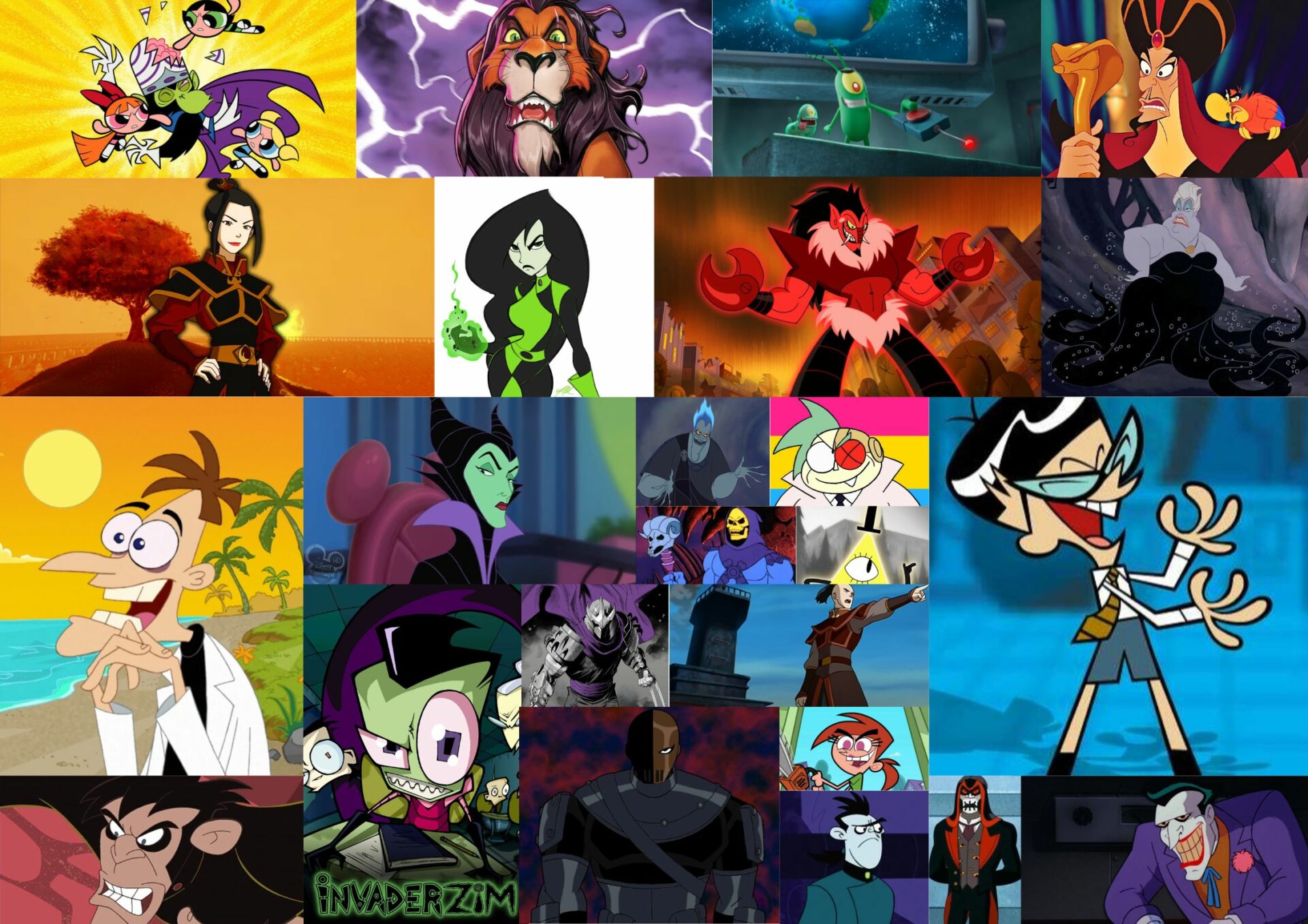
Our list rounds up the top 30 cartoon characters that were villains, each one more wonderfully wicked than the last.
READ MORE
May 6, 2026 .
Lists, MCU
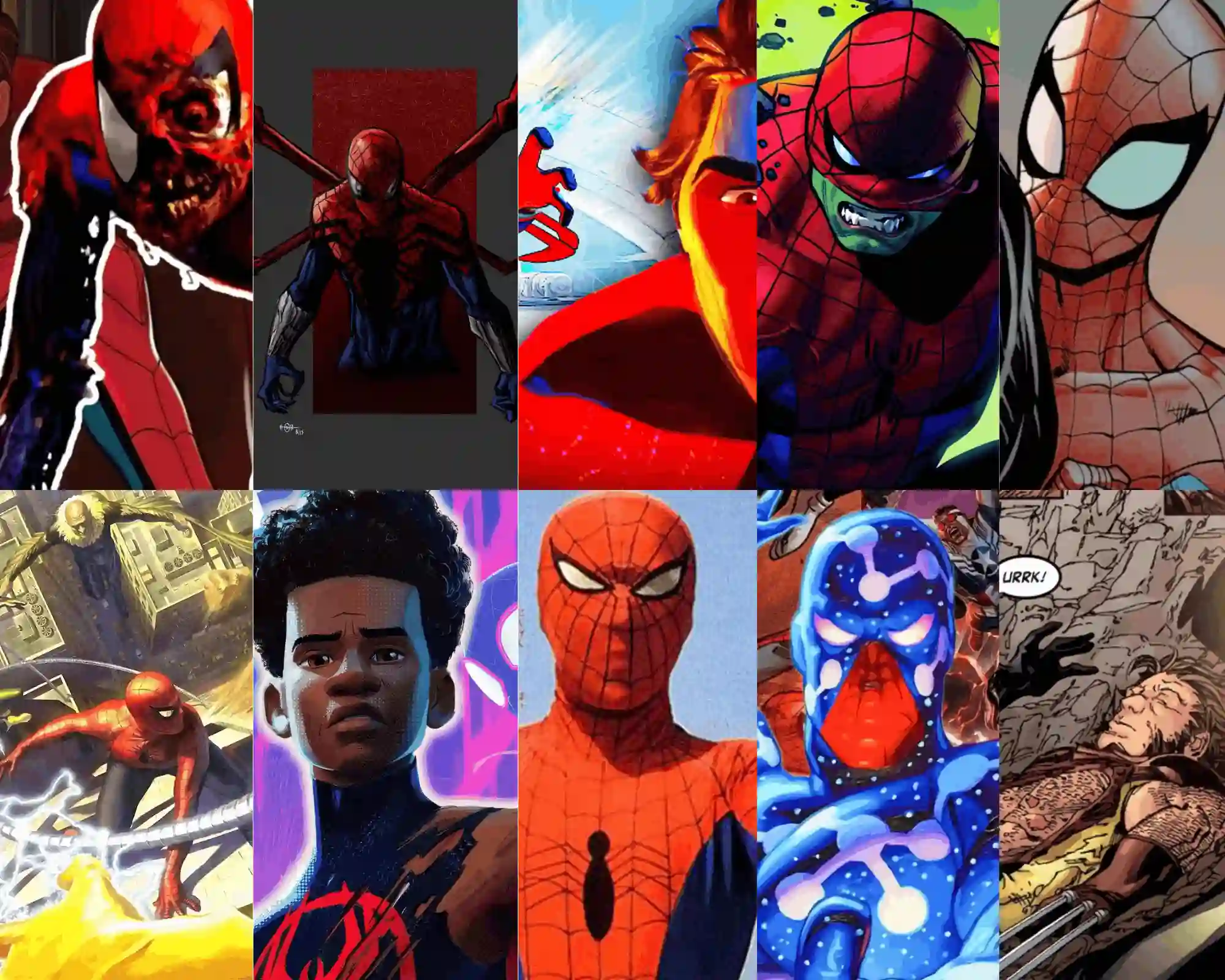
Spider-Man is one of the many superheroes from the Marvel Universe whose stories shaped many childhoods. Who is your strongest Spiderman?
READ MORE
April 29, 2026 .
Lists, Opinions
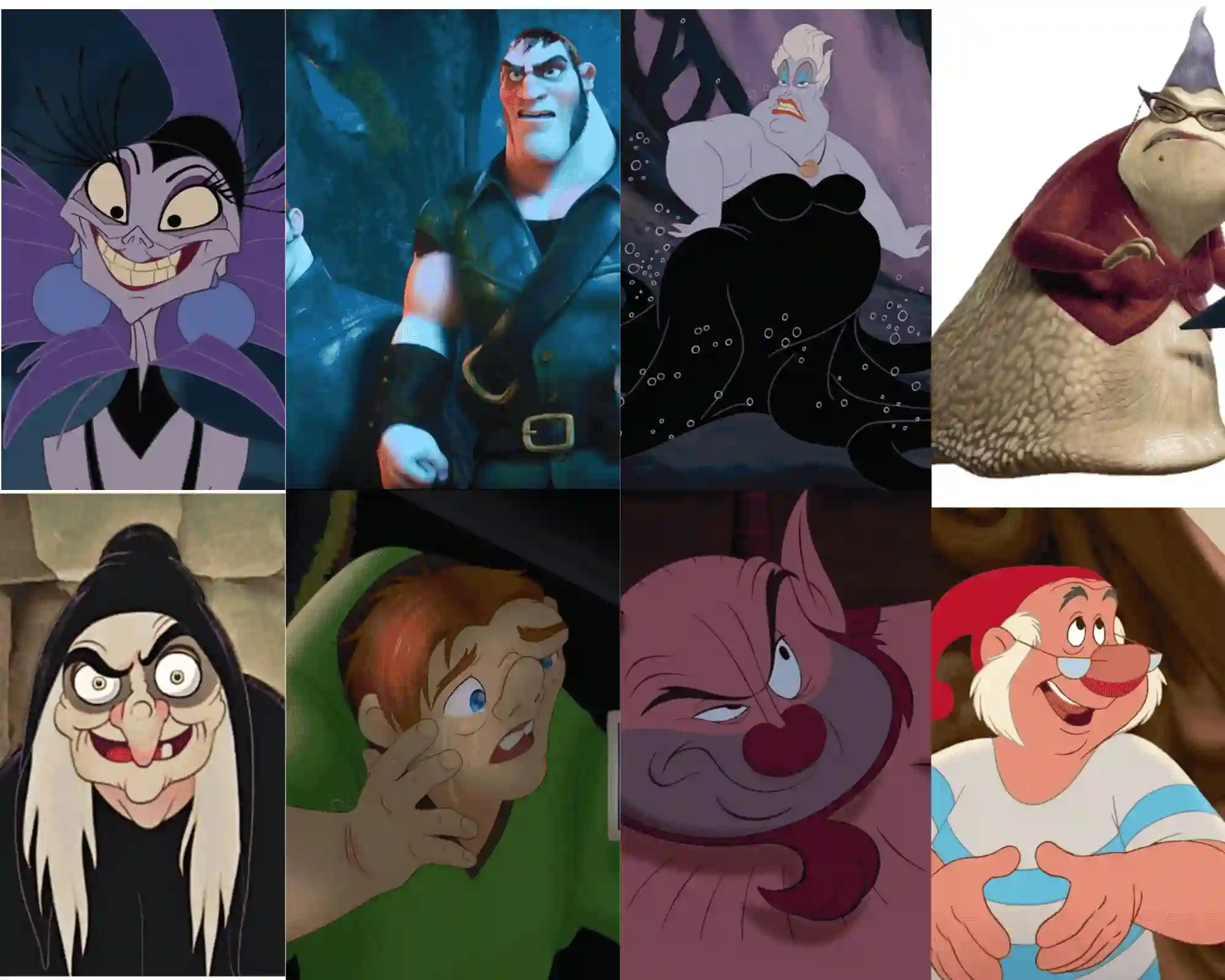
The Mouse is famous for its princesses and princes. However, the studio’s true genius lies in its embrace of “ugly Disney characters”.
READ MORE
October 28, 2025 .
Debates, Lists, Marvel, MCU
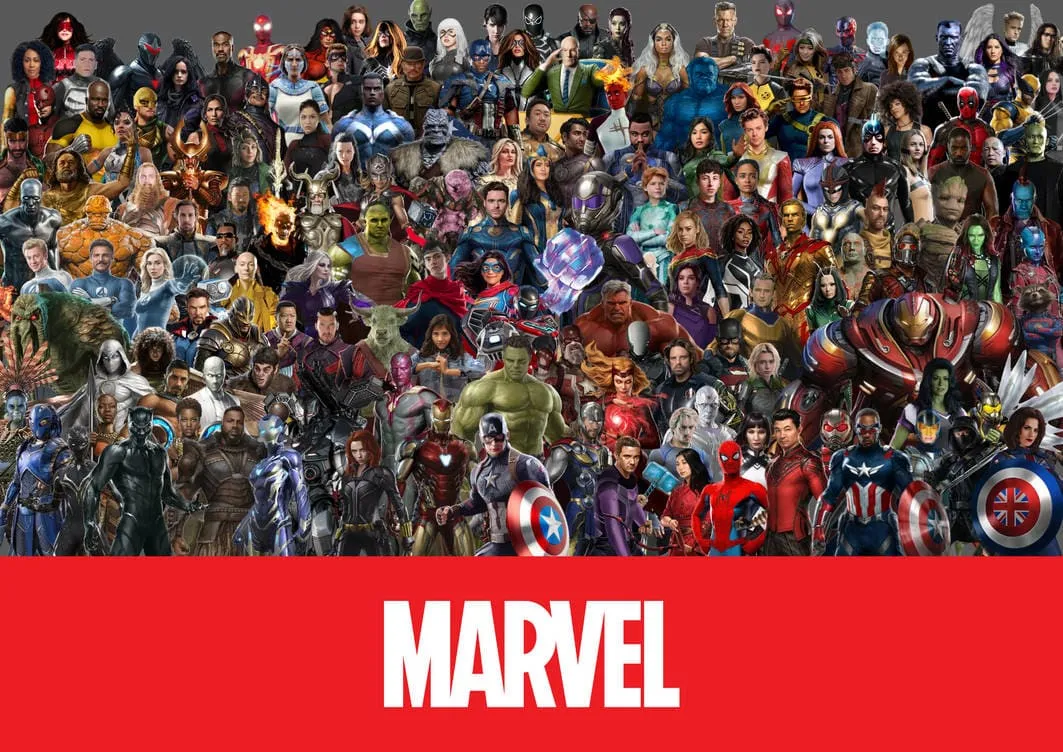
Every Marvel hero brings something to the table. But if we had to pick the top 8 most popular Marvel superheroes, who would make the cut?
READ MORE
June 25, 2026 .
Lists, Opinions
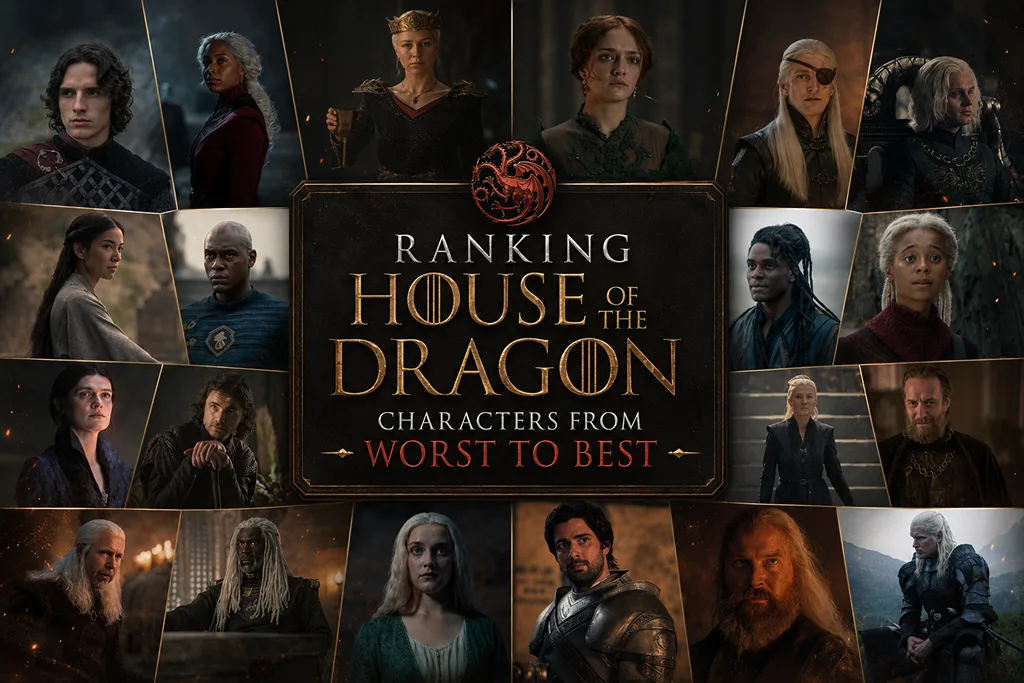
If Game of Thrones taught us anything, it’s that the characters we hate the most tend to outlive everyone else.
READ MORE


July 20, 2025 .
Debates, Opinions
Reading nonfiction about what interests you can provide more color and context that might make your fiction reading experience more enjoyable.
READ MORE
November 24, 2025 .
Debates, Opinions
Reading is active while watching movies is passive. The act of turning pages creates a pause that enhances understanding.
READ MORE

July 20, 2025 .
Audiobook, Debates, Opinions
African novels deserve to be narrated by African voices—not only for authenticity but also to preserve the integrity of the stories.
READ MORE

July 20, 2025 .
Debates, Opinions
If your girlfriend is a stacker, she’s already high maintenance, whether or not you buy the books for her.
READ MORE

July 20, 2025 .
Debates, Fantasy
Despite the occasional criticism that good vs evil fantasy narrows the genre’s scope, its timeless appeal can spawn many new, exciting stories.
READ MORE

July 20, 2025 .
Debates
I will compare the movie and the comic books because, yes, while I liked watching the characters come to life on screen, I did have some gripes with it.
READ MORE

September 12, 2025 .
Debates, Writer Resources
Here’s what you should know about this unique narrative style, a few popular books written in said style, and alternative storytelling POVs.
READ MORE

September 8, 2025 .
Debates, Opinions
Okay, paperback supporters, hold it. That’s enough! The eBook team is about to make a grand entrance. Or is it?
READ MORE

May 22, 2026 .
Debates, Romance
Slow burn advocates rave about the build-up and tension. Insta love defenders highlight chemistry and fate. Which is better?
READ MORE
Get our magazine for free!