Close menu
Ranking the best of African Literature




























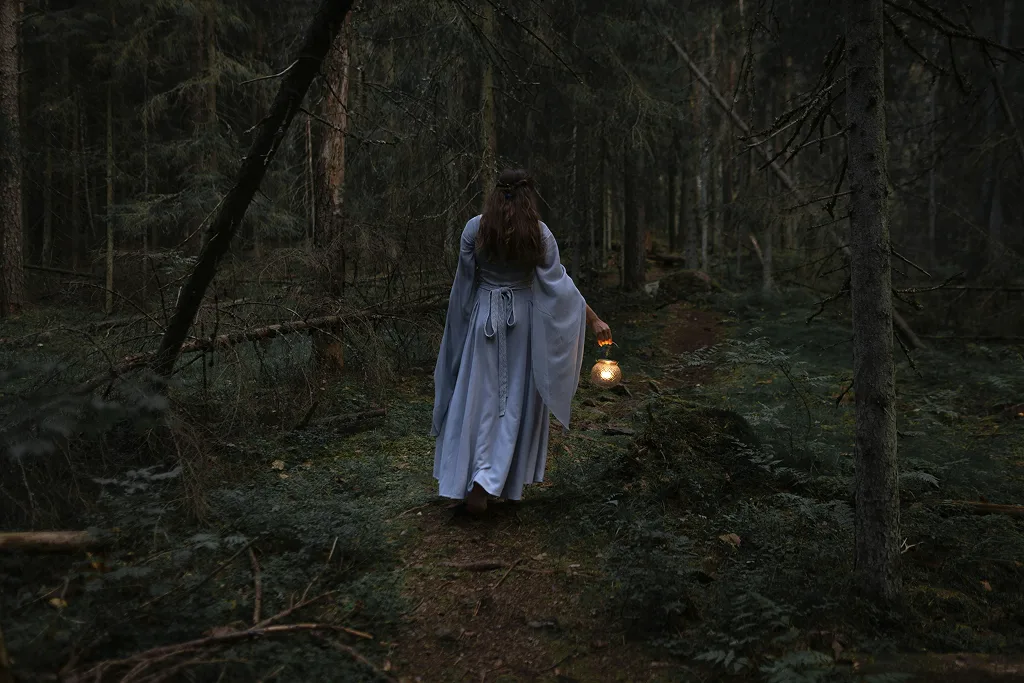











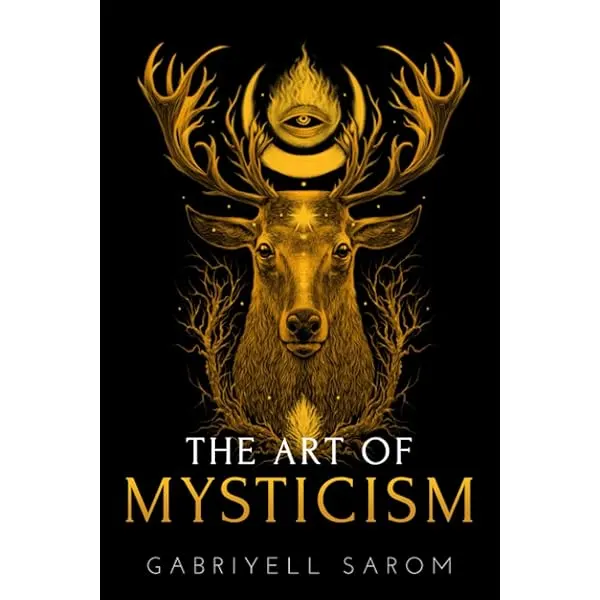
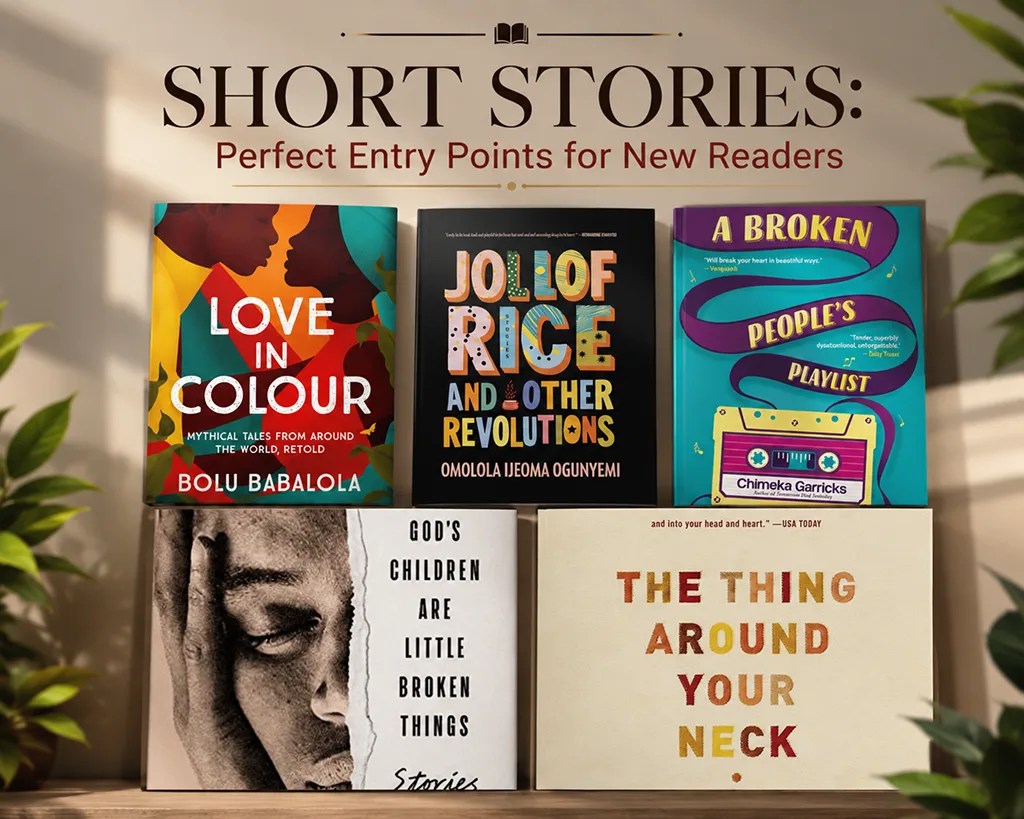



In African horror novels, juju serves as a moral and cultural force, marking the unseen boundaries between the living and the dead.
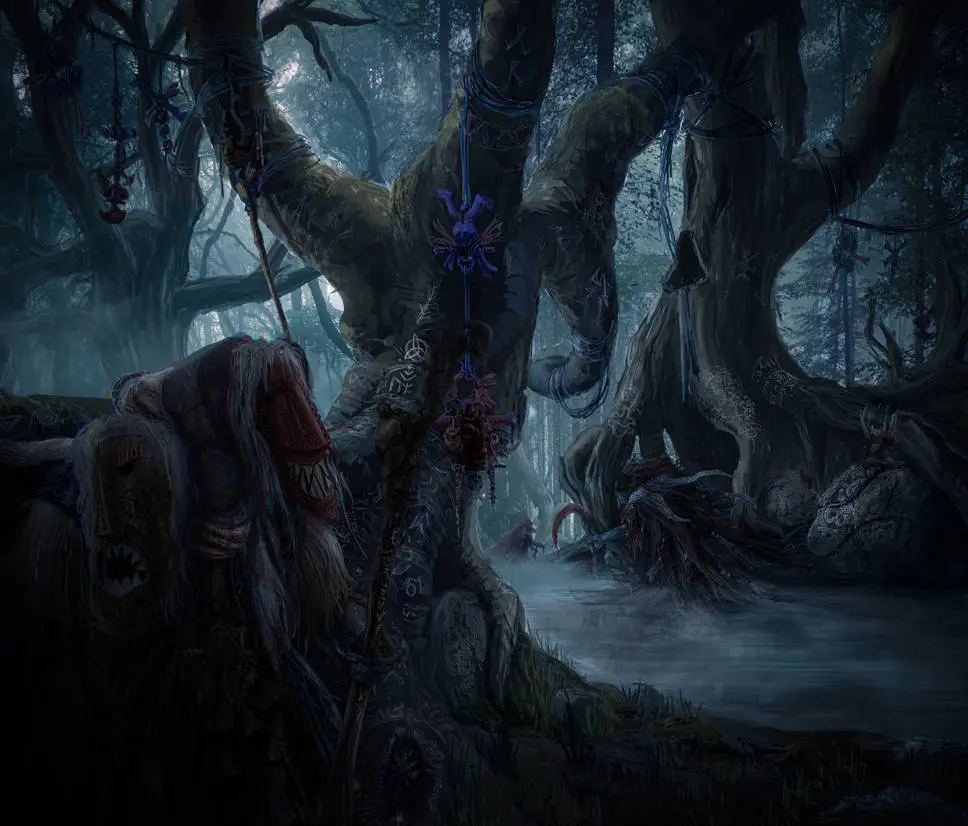
Horror in African literature does not always mean blood or monsters. Reality grounds itself in something far older and deeper: juju.
Depending on the region, juju refers to magic, charm, curse, or power that evokes both reverence and fear.
In African horror novels, juju is not just a backdrop. It acts as a moral and cultural force, marking boundaries between the living, the dead, and the forbidden.
Unlike non-African horror, where evil comes from external entities like vampires or demons, African horror grows from within.
The internal horror weaves into daily life through elders’ whispered warnings and inherited knowledge that some things remain sacred.
Juju operates as both a belief and a narrative tool. It creates tension through supernatural threats and the fear of violating communal taboos.
Before colonialism labeled African spirituality, people treated juju as part of the moral and spiritual order.
African horror novels later explore this foundation.
Through juju, communities were taught restraint, respect, and responsibility. The Yoruba, Igbo, Edo, and other West African peoples all had variations of this worldview. Everything, from objects to rivers, trees, animals, and even words, was believed to carry ase or chi, a spiritual essence.

In these traditions, juju was not inherently dark. It functioned within a moral framework shaped by community values and ancestral wisdom. Objects such as charms, amulets, or rituals are imbued with symbolic energy. They represent an agreement between the human and the spiritual.
When used properly, they safeguard individuals and communities, warding off harm, blessing crops, ensuring fertility, or restoring health. But the same knowledge, when corrupted or misused, becomes dangerous. It can inflict curses, manipulate minds, or exact revenge. This tension between protection and harm is what gives juju its power as a storytelling device.
Juju also shaped storytelling itself. In folktales and oral traditions, it served as a metaphor for balance, accountability, and respect for spiritual order. It didn’t exist only to frighten, but also to teach.
Those who used juju selfishly suffered. Others who used it wisely earned remembrance as just or divine favour. In that way, juju worked as both a lesson and a mirror, reflecting a community’s moral boundaries.
European colonizers and missionaries later reframed juju through a Christian moral lens. Colonizers labeled once-sacred, socially functional practices as “pagan” or “evil.”

This moral distortion served both ideological and political purposes. The suppression of indigenous religion was a way to undermine local authority and reinforce colonial control.
By the late 19th and early 20th centuries, juju had become a kind of shorthand in colonial writing for exotic, dangerous, and irrational African belief. That kind of dismissal stuck for a long time. Writers under colonial influence depicted juju as primitive, representing everything they considered “uncivilized.”
It took later generations of African writers to turn that around, to write juju as something complicated yet moral.
Today, modern African horror novels show juju not as superstition but as a reckoning.
It acts as an invisible thread connecting the living and the dead, revealing that African horror isn’t for horror’s sake.
In African storytelling, horror isn’t just for shock; it ties to consequence, history, and the emotional fabric of people haunted by what was once sacred.
Writers like Nnedi Okorafor, Ben Okri, and Nuzo Onoh revive juju to explore how belief shapes identity, justice, and desire.
In Who Fears Death, Okorafor uses juju as both a means of inheritance and rebellion. Her protagonist, Onyesonwu, wields magic born from pain; a power tied to her mixed heritage and the violence of her world. Here, juju doesn’t simply summon spirits or cause curses. It reflects trauma, resistance, and the desperate human desire to rewrite fate. Each spell or ritual is a confrontation with history.

The horror is not from monsters, but from what the characters must face within themselves to control such power. Okorafor uses this uncertainty to sustain the dread, transforming spiritual strength into a double-edged force that is capable of healing or devastating. Juju, in this context, becomes both a weapon and a wound.
Ben Okri’s The Famished Road offers a different kind of terror. The book doesn’t give us neat curses or exorcisms. It submerges readers in a world where there is constant overlap between the living and the spirits.

Azaro, the abiku child, lives in both worlds at once, and nothing around him stays stable. You can’t tell when the real world ends and the spiritual one begins. That confusion itself becomes horror. Juju here is the atmosphere around everything. It bends time, blurs memory, and turns daily life into a haunting experience.
In Nuzo Onoh’s Dance for the Dead, juju becomes the architecture of horror. Onoh’s story draws directly from Igbo cosmology, where the dead are never truly gone and vengeance from the spiritual realm is never arbitrary. The horror arises when sacred laws are broken, when greed or cruelty invites the wrath of the ancestors.

Here, juju functions as moral order, and its terror lies in justice itself. The suspense builds around the inevitability of punishment. The more the characters deny their guilt or refuse to make amends, the closer the spiritual retribution slowly approaches. Onoh’s use of juju heightens dread, not because of its strange nature. Rather, it is familiar, echoing the community’s collective understanding that every wrong has a price.
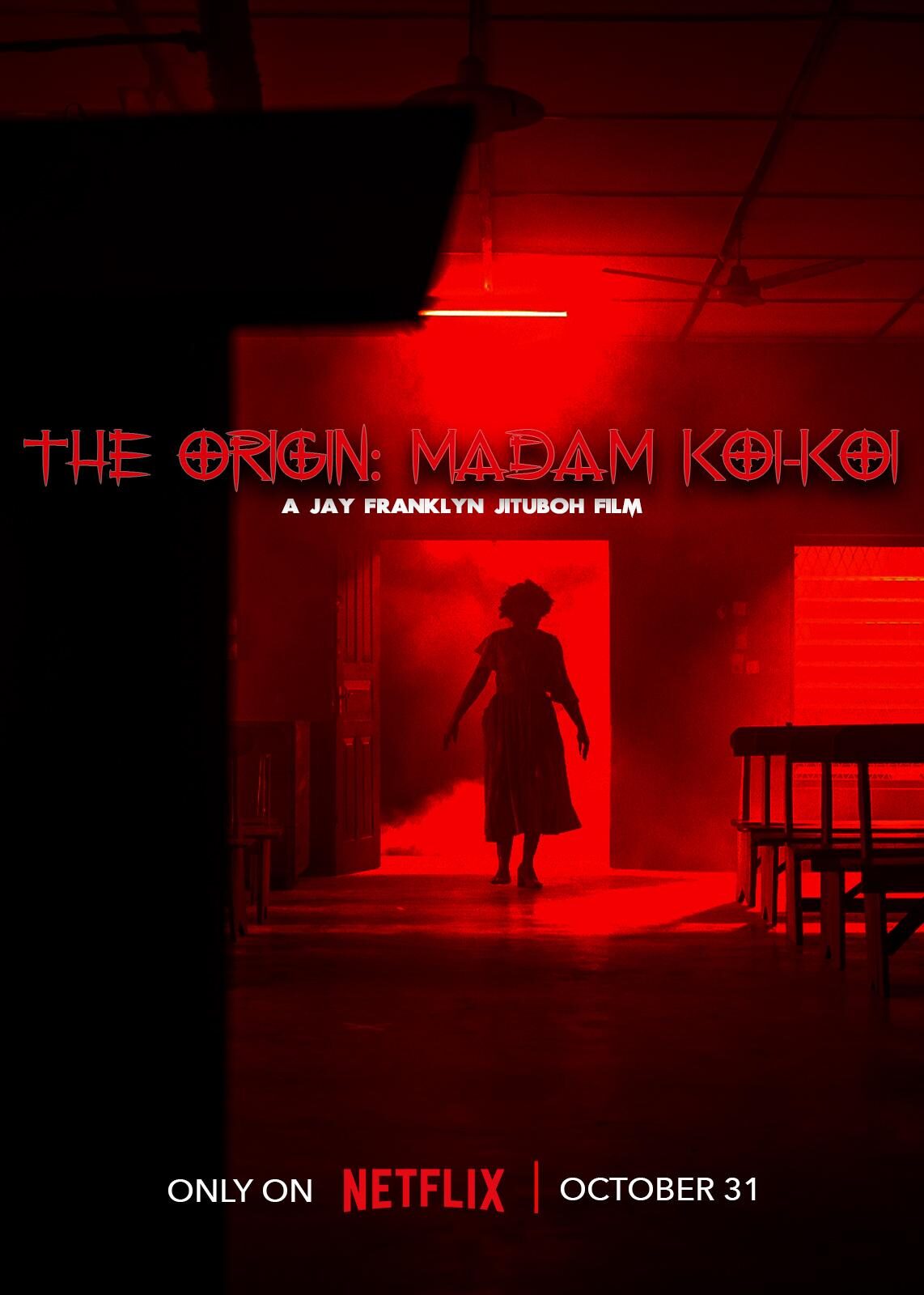
African horror cinema echoes these patterns as well. For example, the film Living in Bondage: Breaking Free modernizes juju into the sleek world of wealth, ambition, and occult practices. The film replaces old village shrines with luxury penthouses, yet the moral essence of juju remains: power comes at a spiritual cost.
The suspense does not rely on jump scares but on inevitability: lives slowly unravel as they fall victim to their own bargains.
Ritual sacrifice becomes a metaphor for capitalist greed, showing that even urban horror lets juju’s roots enforce moral consequences.
In the novel “Where the Dead Brides Gather” by Nuzo Onoh, fear of the unknown is central as young Bata confronts ghost brides and a spirit realm she cannot fully comprehend, making the invisible and unpredictable deeply unsettling.

Power and morality are intertwined, with Bata gaining secret abilities as Bride-Sentinel but quickly learning that misusing them or failing to respect the spirits has serious consequences.
The story also explores the tension between tradition and modernity, contrasting village spiritual practices with emerging Western influences as Bata navigates both worlds. Identity and heritage are key, too, as her role ties her to ancestral customs and the unresolved pasts of the ghost brides, emphasizing how understanding one’s roots shapes both selfhood and survival.
Across all these works, juju serves as a moral and emotional language used in horror novels to articulate guilt, transgression, and desire. The fear it generates is layered: the fear of losing control, of breaking sacred order, of confronting the unseen debts between the living and the dead.
In that sense, juju in literature and film does what folklore always did: it warns, it questions, it restores balance through terror. The horror, ultimately, is not the magic itself, but what it reveals about human nature when power, memory, and morality collide.
Some horror novels across Africa, especially those involving juju, share recurring themes and patterns such as:
Juju in African horror-themed novels is far more than a flashy magical tool. The narrative device draws deeply from culture, belief systems, spiritual cosmology, and societal values. When used effectively, it becomes a means to explore fear, both existential and communal, as well as identity, tradition, and the dynamics of change.
In our modern global readership, it also offers something distinct: horror anchored not just in Western tropes but in African ways of knowing, spiritual worlds, and ancestral weight.

July 20, 2025 .
Animation, Lists
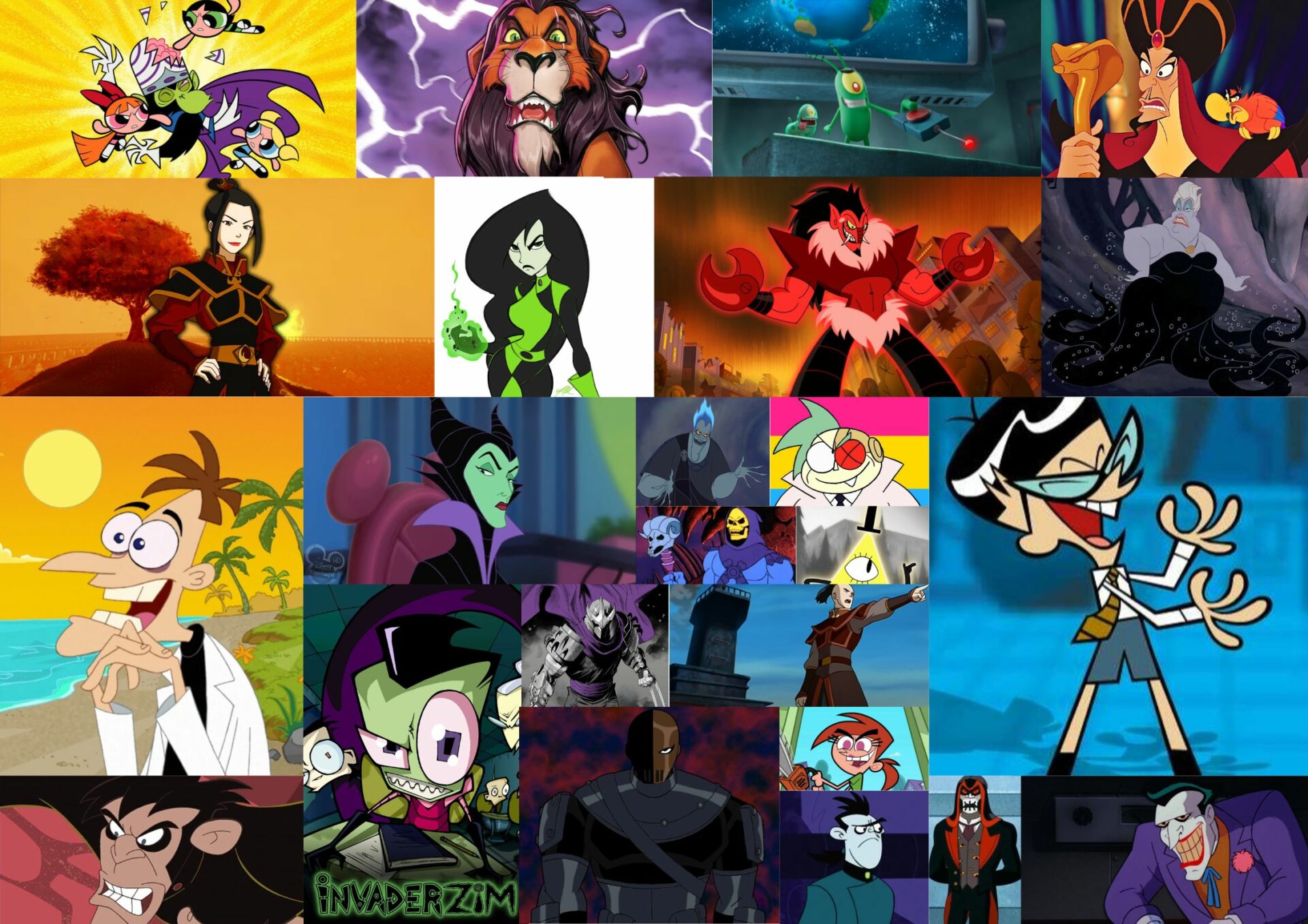
Our list rounds up the top 30 cartoon characters that were villains, each one more wonderfully wicked than the last.
READ MORE
May 6, 2026 .
Lists, MCU
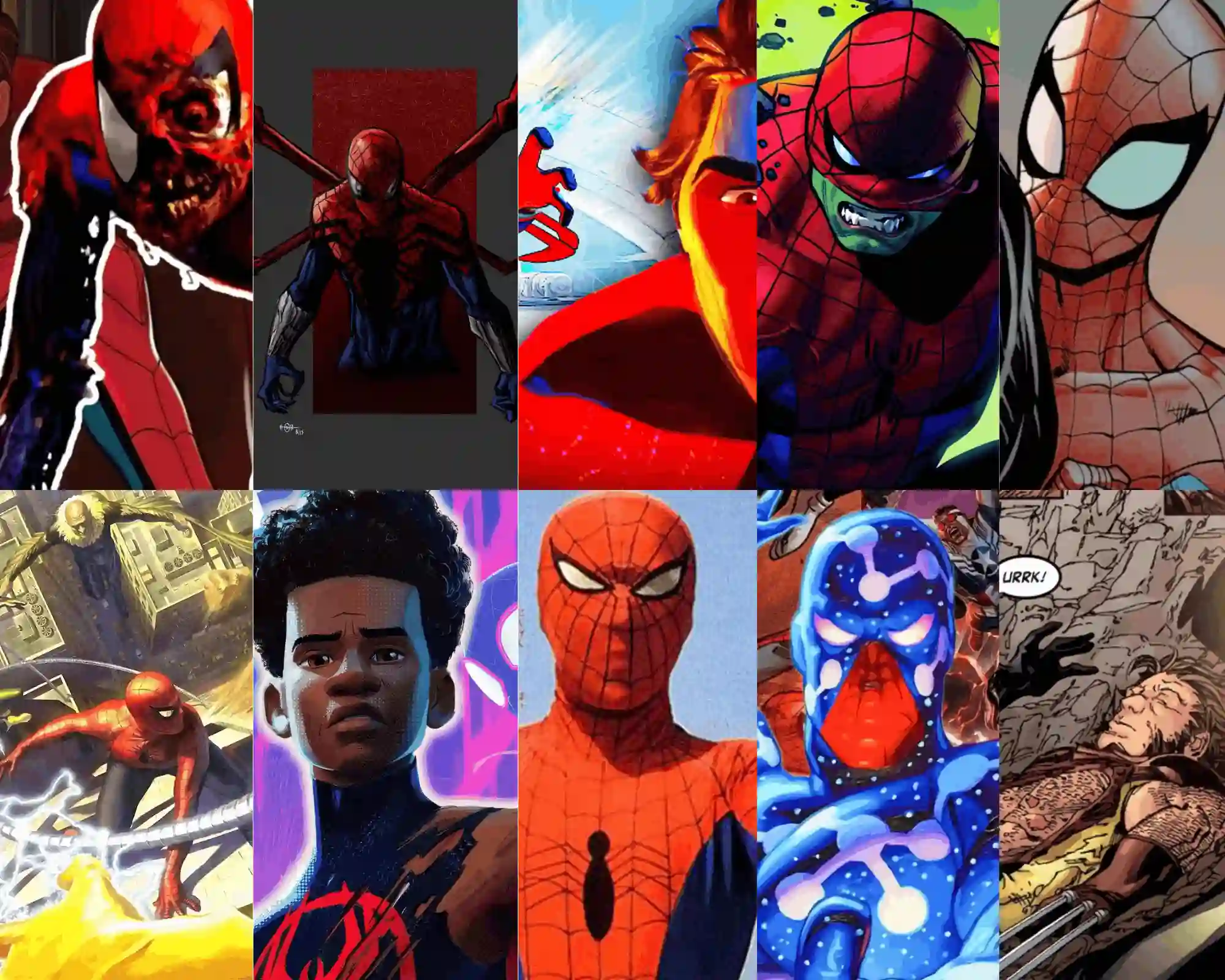
Spider-Man is one of the many superheroes from the Marvel Universe whose stories shaped many childhoods. Who is your strongest Spiderman?
READ MORE
October 28, 2025 .
Lists, Marvel, MCU, Opinions
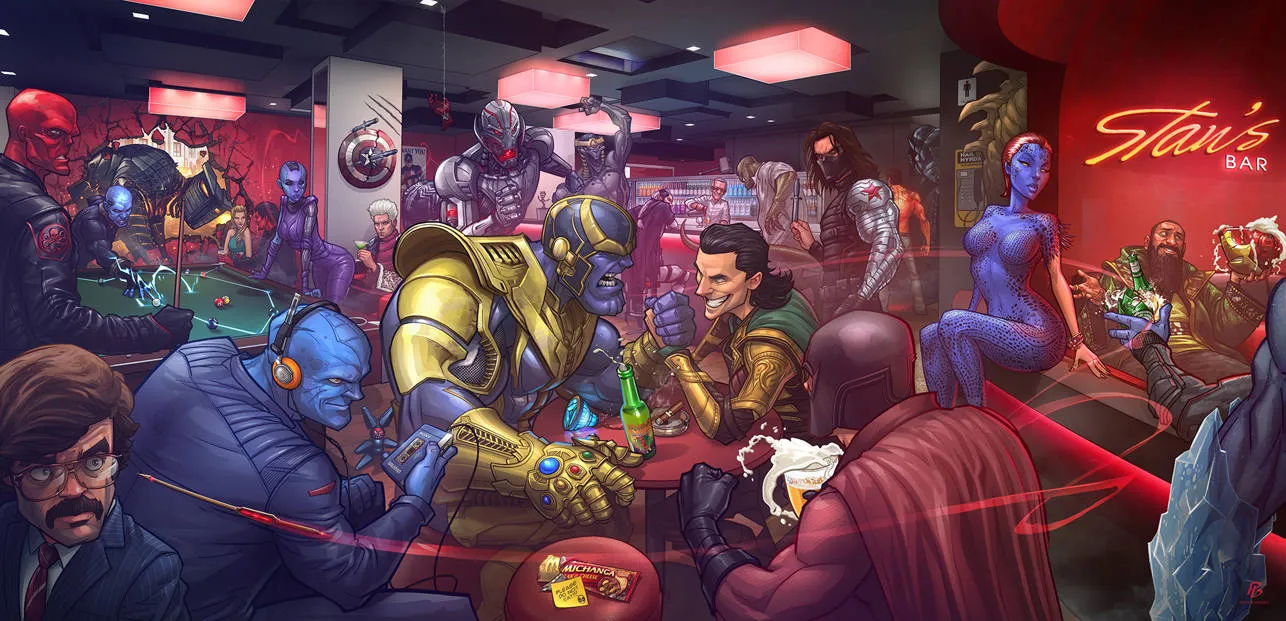
Let’s go through a list of the top 7 strongest Marvel villains, from the wickedly powerful to the absolutely unstoppable.
READ MORE
April 29, 2026 .
Lists, Opinions
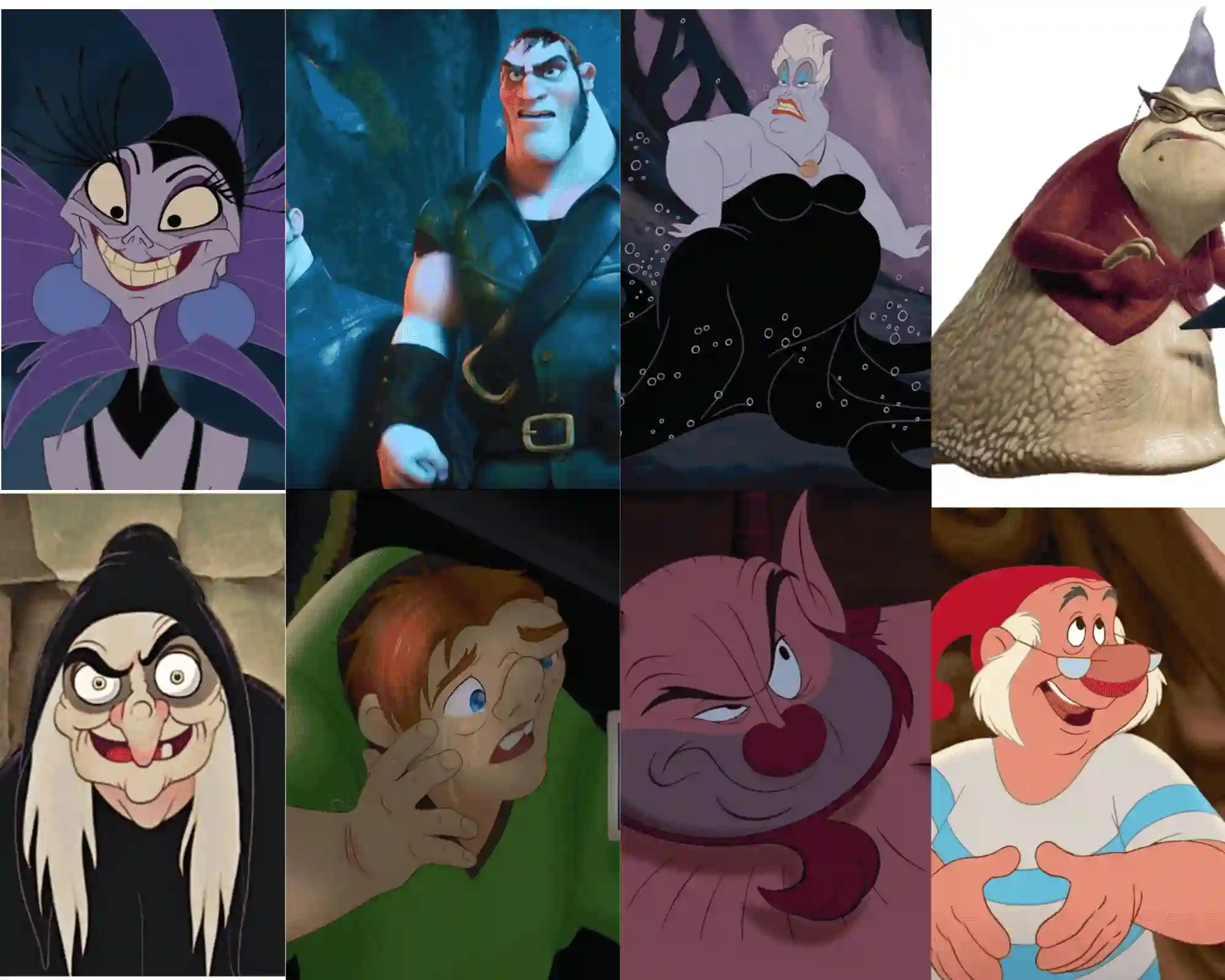
The Mouse is famous for its princesses and princes. However, the studio’s true genius lies in its embrace of “ugly Disney characters”.
READ MORE

February 26, 2026 .
Cartoons, Lists
There are some outright funny cartoon characters who exist solely to crack you up, loud, hard, and with zero apology.
READ MORE

September 2, 2025 .
African Literature
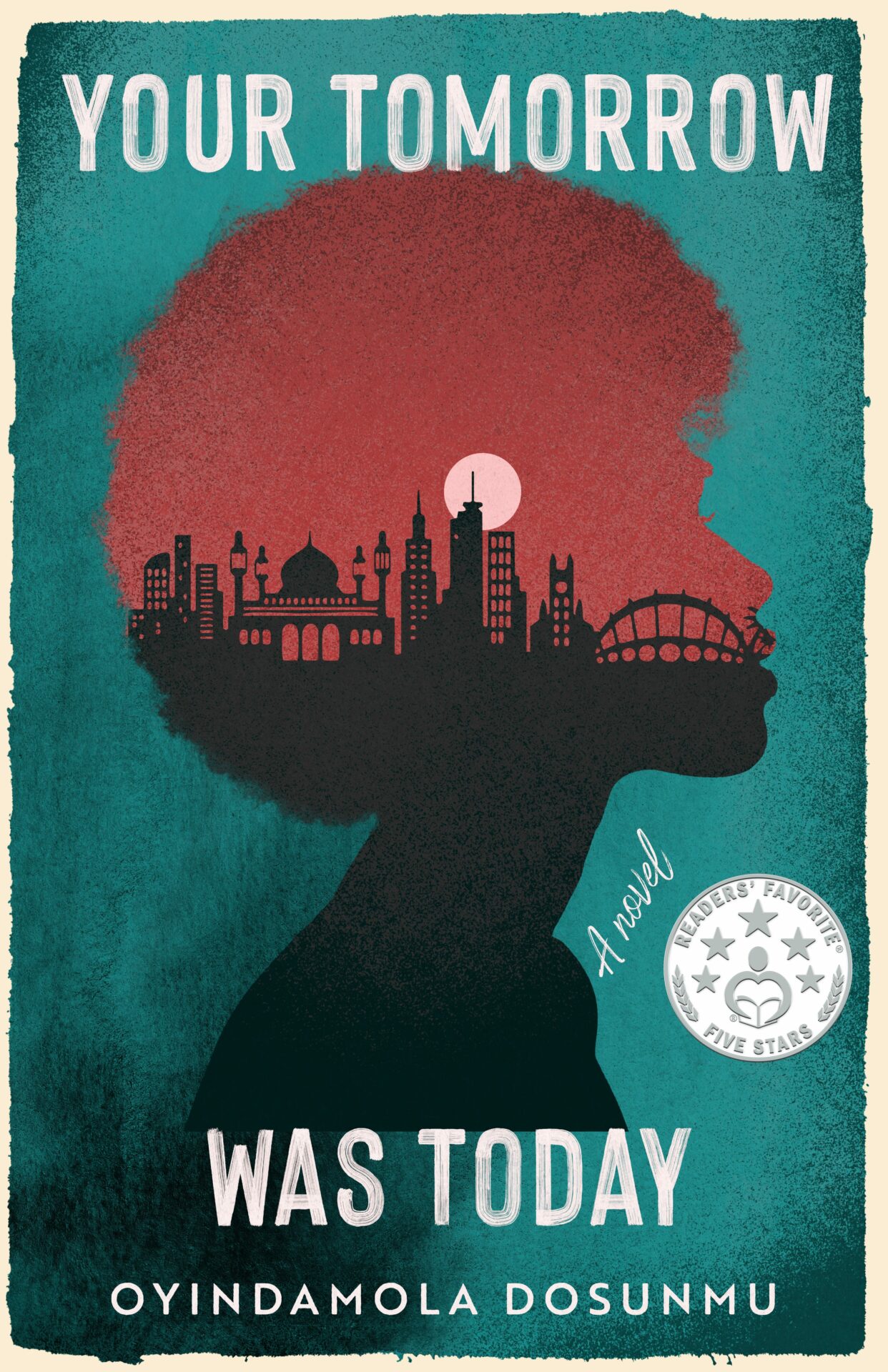
So yes, Your Tomorrow Was Today is guaranteed to be a book that will touch you, regardless of gender, interests or philosophy.
READ MORE
September 16, 2025 .
African Literature
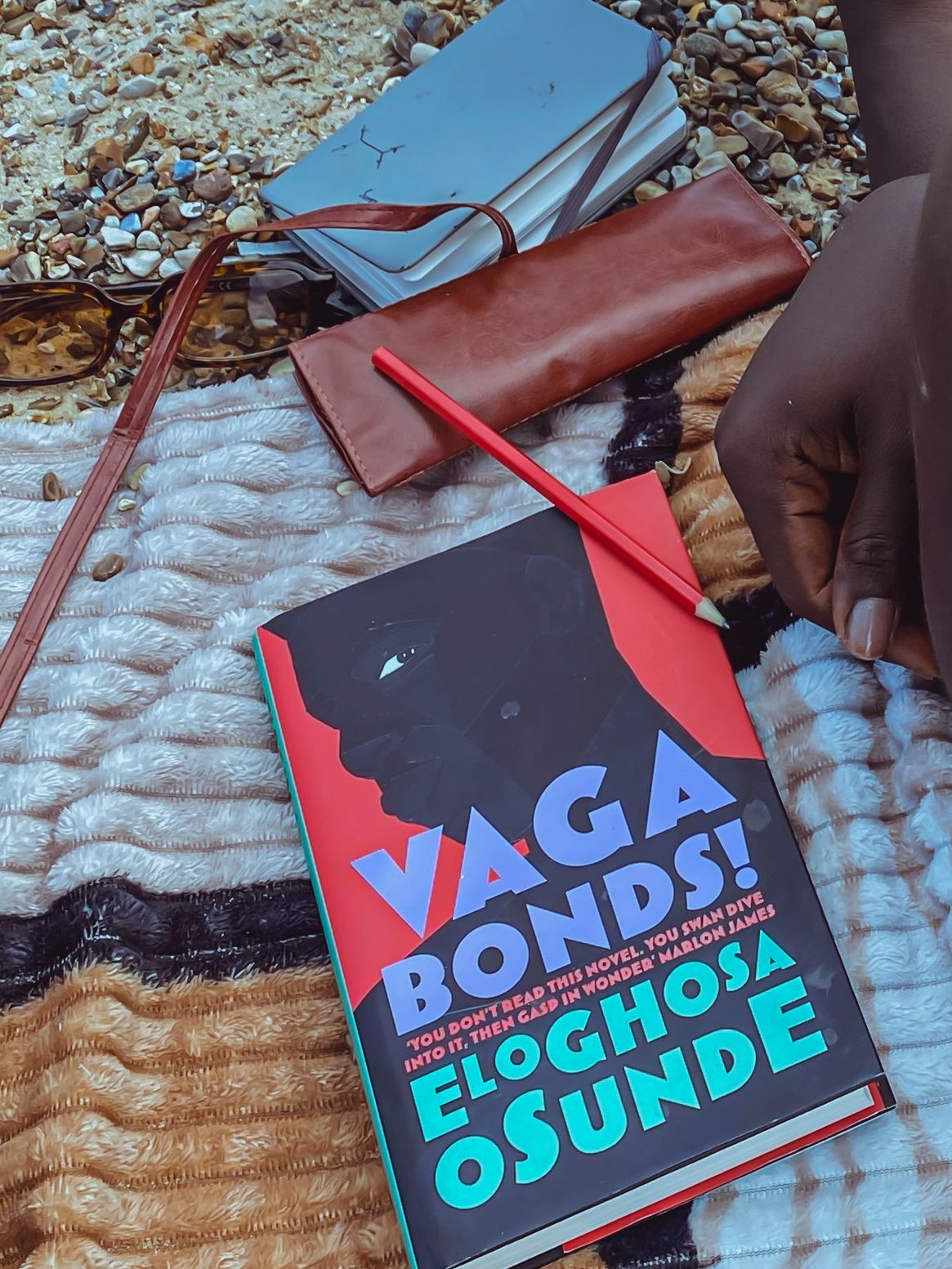
Eloghosa Osunde writes in a way that keeps the reader in awe and gives shivers. Refreshing. Subliminal. Surreal. Daring.
READ MORE

February 23, 2026 .
African Literature, Lists
These are the books that could hold that kind of attention again. Not because they’re flawless, but because they can survive stillness.
READ MORE
July 22, 2025 .
African Literature, Lists
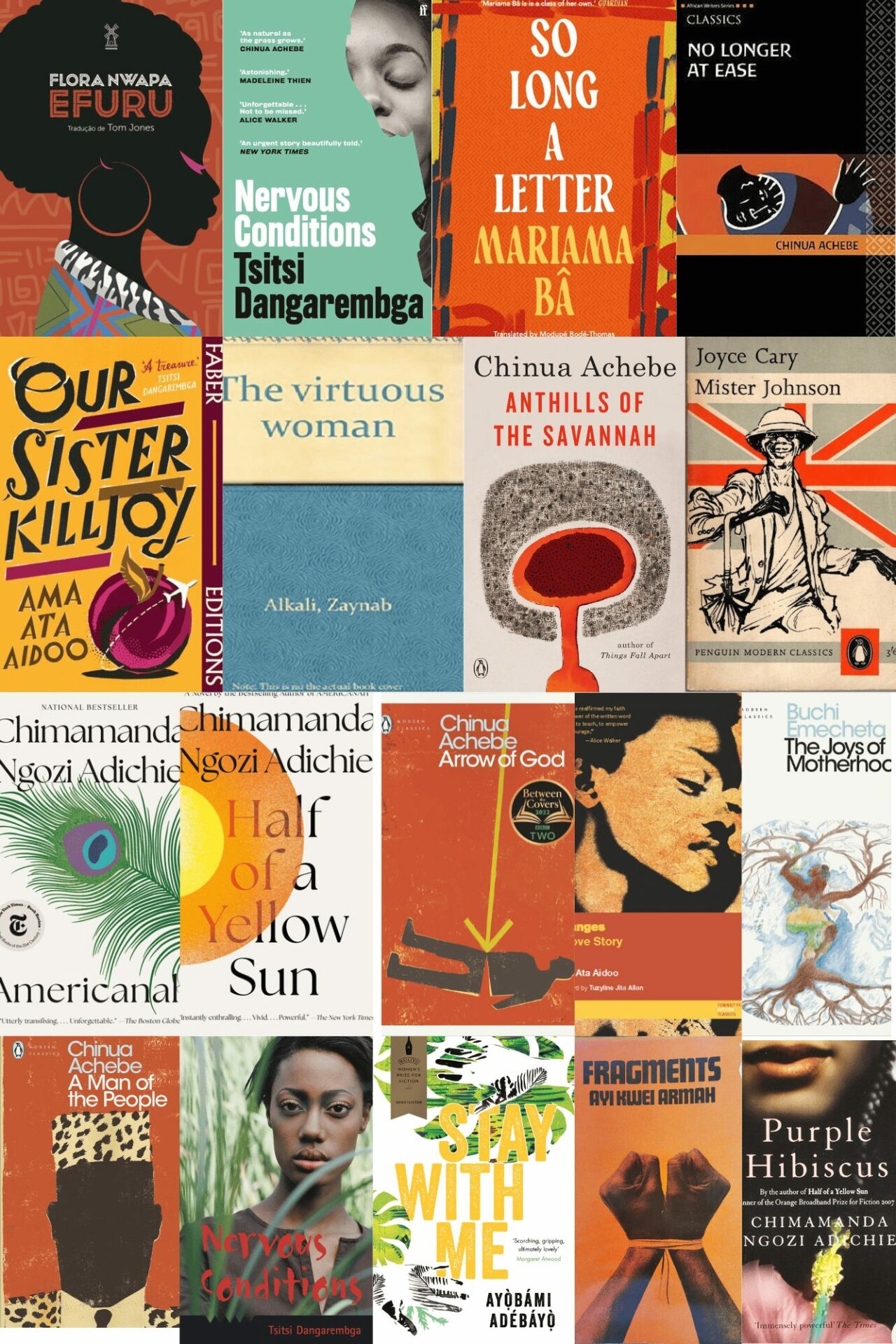
Some African literary characters deserve applause. These ones? They come with virtually all the negative personality traits.
READ MORE

August 9, 2025 .
African Literature, Lists
In these 15 quotes about grief, we see its many forms: communal, private, raging, and numb. Through their words, we find courage to rise.
READ MORE
September 2, 2026 .
African Literature, Opinions
A provocative title can spark curiosity and start conversations, but it also sets a very high bar for the book.
READ MORE

October 23, 2023 .
African Literature
The book revolves around 3 people: a husband, his wife, and her best friend. It’s told from all 3 aspects, and the whole plot is set in one day.
READ MORE
October 23, 2025 .
African Literature
READ MORE

September 2, 2025 .
African Literature
In the end, Parlour Wife is not without merit. It’s readable, even engaging at points, but its flaws hold it back from being truly memorable.
READ MORE

Get our magazine for free!