















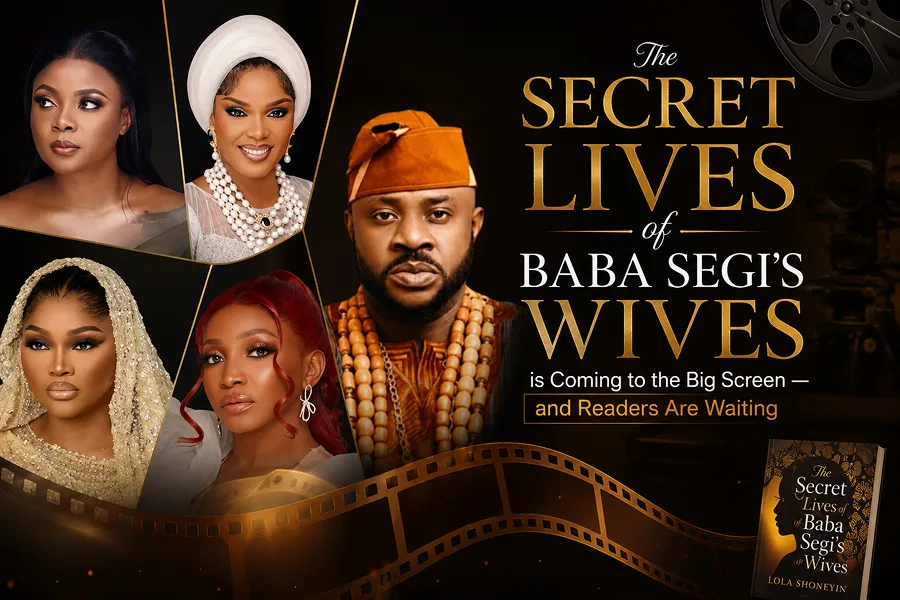
A provocative title can spark curiosity and start conversations, but it also sets a very high bar for the book.
The literary community has had it with titles, hooks, and high-concept premises.
Authors, publishers, enablers of clickbait, step forward. Court’s in session.
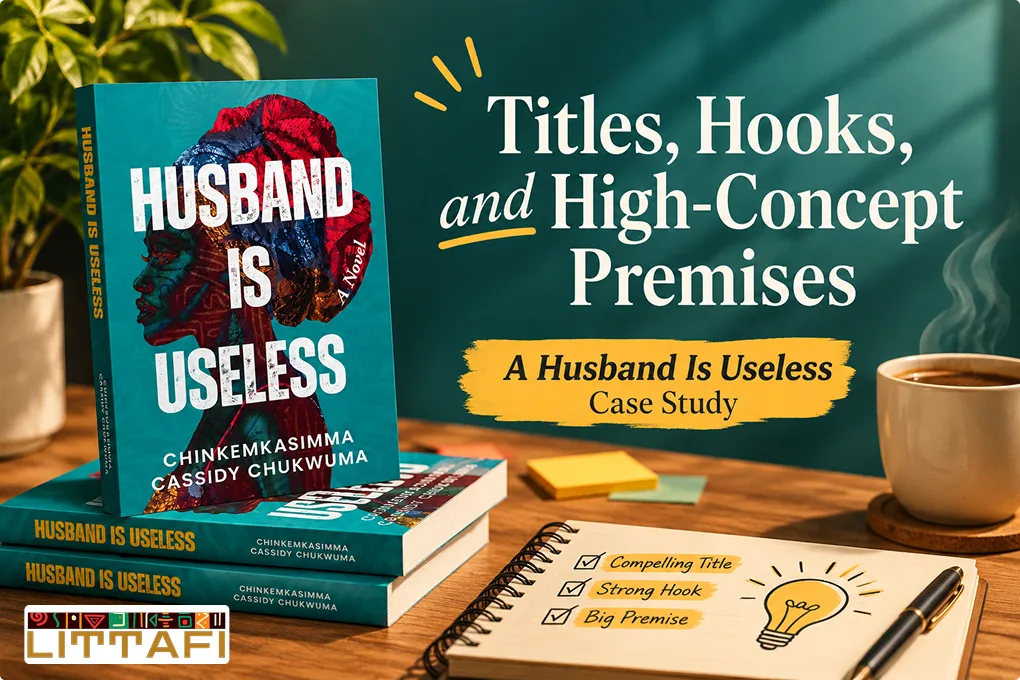
With the release of Husband Is Useless, the internet is awash with strong opinions about the author’s credibility and everyone involved in publishing the book. Some of these opinions are passionate. However, not all of them hold water. But approach the conversation from a literary angle, and a more interesting question comes up: are these titles worth it?
What’s the trend been with books like this in the past? At what point does an attention-grabbing title stop being clever marketing and start becoming a problem?
Let’s examine the divide.
Some claim there’s nothing wrong with titles like Husband Is Useless.
Their argument is fairly straightforward: using a provocative title to get attention is an age-old trick. Authors have always understood that the title is often the first thing a potential reader encounters, and a strong one can make someone stop scrolling, pick up a book, and ask, what is this about?
In that sense, there’s nothing particularly new about using shock, humour, controversy, or curiosity to sell a book.
And to be fair, Husband Is Useless does exactly what a memorable title is supposed to do; it makes you pause. Except that this time it elicited a “You have started again” reaction.
Judging it without actually reading it might be premature.
The title also isn’t necessarily the entire argument of the book. A novel can have a deliberately provocative title while the actual story offers a more complicated picture. Fiction, after all, isn’t a thesis statement. A character can say something extreme without the author necessarily presenting that statement as objective truth.
This is where the comprehension argument comes in. Some people argue there’s a comprehension problem in Nigeria, with readers reacting to what they think a title means rather than what it actually says. A missing article can make all the difference in a sentence.
There’s a difference between “Husband Is Useless,” “Husbands Are Useless,” and “A Husband Is Useless.” There’s also a difference between a sweeping statement made by a narrator or character, and an author personally making that statement about every husband everywhere.
The internet, though, isn’t always interested in that distinction. Most of the time, the title becomes the entire book before anyone’s even opened it.
The opposition sees titles like this as a cheap marketing ploy, designed to incite outrage and garner attention around a book that might otherwise struggle to stand out in an increasingly crowded publishing market. It’s easy to see why.
Books now compete not just with other books, but with everything else demanding attention online. A quiet, thoughtful title may disappear on a social media feed. A title that makes someone angry is much harder to ignore. One X user described Husband Is Useless as “an audacious sweeping generalization.” That criticism gets to the heart of the problem.
A provocative title can create curiosity and tension, but it can also set expectations before readers open a single page. It may even shape their disposition toward the work.
If the title promises confrontation, the reader expects confrontation. If it promises scandal, the reader has the right to expect scandal. If the book turns out quieter, more nuanced, or less daring than its title suggests, the marketing may have worked against the book.
You’ve successfully gotten the reader’s attention, only to potentially disappoint them.
There’s also a case against female writers recycling the same overused tropes about how men are terrible, slapping another catchy title on it, only to incite another gender war with no end in sight.
At what point do our books stop becoming fodder for fueling a never-ending crisis and start inspiring change? Why does an author’s writing matter? Are we just pulling money in, or is there something worth saying? The essay The Paid Pen explores this further.
This conversation goes beyond Husband Is Useless. The literary industry has always used hooks, and there’s nothing inherently wrong with that. In fact, a good hook is one of the most useful tools an author or publisher has. The problem begins when the hook becomes more interesting than the book, and consistently underdelivers on the promise the title made.
Publishing has a temptation to reduce a complex work to one easily marketable idea. A novel about marriage becomes a book about how useless husbands are. A story about female anger becomes a feminist takedown of men. A complicated examination of relationships becomes the book everyone will be arguing about.
It works because it gives people something simple to react to, a bias to favour or a side to pick. But good literature is often at its best when it refuses to be simple; the best plots are not black or white. While a provocative title can open the door to a good read, it cannot become a substitute for the entire plot.
There’s another criticism worth examining. Some readers believe titles like this are sometimes pushed by misandrists, meant to discredit marriage and promote harmful ideologies around relationships.
Here, I’d be careful.
A provocative title, by itself, isn’t enough evidence to establish the author’s ideology. Nor does a title attacking, mocking, or questioning husbands automatically amount to an attack on the institution of marriage itself.
We should read the actual work before making that conclusion. Some would point out that’s exactly the point, and that by doing so we may have already played into the publisher’s hands.
Still, the concern isn’t completely unreasonable. Publishing doesn’t happen in a vacuum. Authors, publishers, and marketers know certain cultural conversations generate attention. They know outrage translates into visibility, and visibility into sales—and that creates an incentive to push things further.
The question, then, isn’t simply whether a title is offensive.
The more useful question is: what is the title asking the reader to believe about the book, and does the book actually deliver on that promise?
Another concern today is how quickly these titles can travel without context.
A book title on the cover of a physical book required a reader to encounter the book itself. Today, a screenshot of a title can circulate on X, Instagram, or TikTok completely detached from the synopsis, genre, or actual contents.
The title has officially become content. How can a reader form a strong opinion about a 300-page novel from six words on a screen?
And once that opinion starts spreading, the book can become a cultural argument before it ever becomes a literary experience.
Yes, but only if the book can carry the title’s weight.
It would be preferable if the book itself made the title, but we can’t win all our battles.
There’s nothing inherently wrong with a catchy title. In fact, authors should want memorable titles. Publishers should want books that people notice. Readers should be curious enough to pick up a book because something about it catches their attention.
The issue isn’t attention. It’s what happens after you get it.
If the title creates curiosity and the content rewards that curiosity, the strategy has worked. If the title creates outrage but the book has little to say beyond it, the marketing may have overshadowed the literature.
A reader who feels deceived by a title may not simply dislike the book, but the author too. They may begin to question the author’s judgment, or the publisher’s credibility. In an industry where reputation matters, that can be a costly consequence of a few attention-grabbing words and the brief high of being an internet sensation.
Whichever side of the argument you fall on, authors and publishers should remember one thing: the content has to deliver on the catchy title.
A provocative title can spark curiosity. It can start conversations, put an unknown author on people’s radar, and make a book impossible to ignore. But it also sets a very high bar, and if the book doesn’t deliver, the same title that got people talking becomes the reason they feel disappointed.
In the end, a title can get you the click, the conversation, even the sale, but the book still has to earn its place.
Hi I'm Tega, I am a microbiologist with a lifelong passion for reading, I fell in love with books as child (where I was briefly obsessed with Enid Blyton, lol) reading is simply my escape and hobby and sometimes doubles as therapy for me . My favorite genres are African lit, historical fiction, memoirs/biographies and fantasy. I do beta reading and post book reviews which you can check out on my Instagram @ te_ga_o.
July 20, 2025 .
Animation, Lists
Our list rounds up the top 30 cartoon characters that were villains, each one more wonderfully wicked than the last.
READ MORE
April 29, 2026 .
Lists, Opinions
The Mouse is famous for its princesses and princes. However, the studio’s true genius lies in its embrace of “ugly Disney characters”.
READ MORE
October 28, 2025 .
Debates, Lists, Marvel, MCU
Every Marvel hero brings something to the table. But if we had to pick the top 8 most popular Marvel superheroes, who would make the cut?
READ MORE
February 26, 2026 .
Cartoons, Lists
There are some outright funny cartoon characters who exist solely to crack you up, loud, hard, and with zero apology.
READ MORE
November 27, 2025 .
Lists, Mythology
While this isn’t an exhaustive list, it comprises some of the most popular mythical creatures from around the world.
READ MORE

July 20, 2025 .
Opinions
Book recommendations from random places don’t always cut it, and you often end up feeling unsatisfied with them.
READ MORE
September 2, 2025 .
African Literature
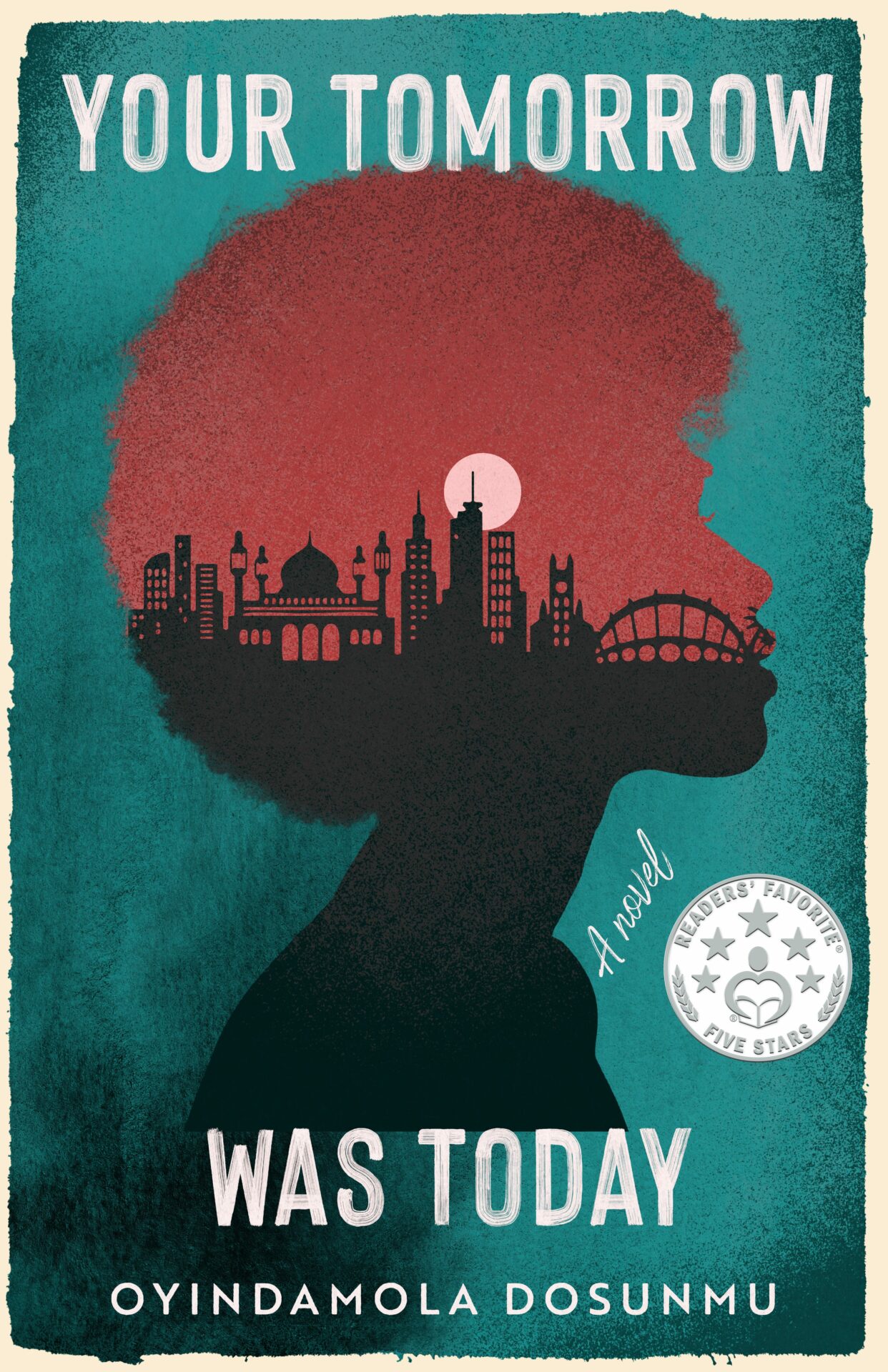
So yes, Your Tomorrow Was Today is guaranteed to be a book that will touch you, regardless of gender, interests or philosophy.
READ MORE

July 20, 2025 .
Essays, Opinions
READ MORE

July 20, 2025 .
Essays, Opinions
READ MORE

September 11, 2026 .
Opinions
Book reviews aren’t just a jumble of words on how a book made you feel but also a veritable document that you can quickly refer to when your memories temporarily fail you.
READ MORE

July 20, 2025 .
Opinions
Reading hundreds of pages for a single book can be like facing Smaug, Chiefest of Calamities, but a short story is a small dragon that you can easily conquer.
READ MORE

July 20, 2025 .
Debates, Opinions
Reading nonfiction about what interests you can provide more color and context that might make your fiction reading experience more enjoyable.
READ MORE

September 12, 2025 .
Opinions
In a fast-paced world, reading asks us to slow down, surrender, and sit with another person’s words long enough for them to settle inside us.
READ MORE
November 24, 2025 .
Debates, Opinions
Reading is active while watching movies is passive. The act of turning pages creates a pause that enhances understanding.
READ MORE
Get our magazine for free!