
Menu





















































A character can achieve everything they set out to do and still leave readers confused. This is where the A B story becomes valuable
A character can achieve everything they set out to do and still leave readers confused.
This is where the A B story becomes valuable. In screenwriting and fiction, the A story is the primary plot, while the B story is a secondary storyline that runs alongside it.
The two may involve different characters, goals, and immediate problems, but their development can shape the larger narrative’s meaning and outcome.
Understanding this structure helps writers create narratives in which events have consequences beyond their immediate results.
An A B story is a narrative structure built around two plotlines, each with a distinct function. The A story establishes the central conflict, while the B story introduces another problem that develops the narrative.
To better understand the subject matter, here is the A B story in popular books and productions.
| Example | A Story | B Story |
|---|---|---|
| The Hunger Games | Katniss’s external, tangible goal is to survive and win the lethal Hunger Games. | Her internal, spiritual journey is navigating her relationships with Peeta and Gale while deciding not to let the Capitol strip away her humanity or agency. |
| Divergent | Tris works hard to pass the brutal, highly competitive three-stage Dauntless training to avoid becoming factionless, all while hiding her illegal, uncontrolled “Divergent” identity. | Tris’s relationship with her instructor, Four, develops alongside her internal journey toward self-acceptance. |
| The Devil Wears Prada (2006) | Andy Sachs’s difficult role as the junior assistant to Miranda Priestly. | Andy Sachs’s slow indoctrination into what she once despised, shown when she takes her friend’s opportunity and misses Nate’s birthday. |
| High School Musical (2007) | Troy Bolton gets a summer job at the Evans Country Club and gets sucked into a world of privilege, college basketball networking, and special treatment, which causes him to neglect his friends, ignore Gabriella, and act arrogant. | Troy “demotes” himself, fixes his relationship with Chad and Gabriella, and decides to “go his own way” on his own terms. |
The A story and beat sheet serve different purposes.
An A B story refers to the relationship between two plotlines within a narrative. It helps the writer identify the primary conflict, the secondary conflict, and the ways they influence each other.
On the other hand, the beat sheet is a planning document that lists key events as the story progresses. Depending on the writer’s method, it may include the opening situation, inciting incident, turning points, midpoint, climax, and resolution. It can also include smaller developments that shape individual scenes or secondary plotlines.
The A story establishes the main problem that drives the narrative. It gives the protagonist an objective and introduces the obstacles that make it difficult to achieve.

In a mystery novel, the objective might be to identify a murderer before another person is attacked. In a sports drama, a young athlete might be fighting for a place on a national team. A literary novel could follow a woman as she decides whether to sell the family home after her father’s death.
The A story does not need spectacular action to hold a reader’s attention. A difficult personal decision can sustain an entire novel when the consequences are meaningful, and the conflict develops convincingly.
The B story introduces another problem that develops alongside the main one. It may involve the protagonist directly or follow another character whose experiences influence the wider narrative.

For example, in a sports drama, the athlete might struggle with a younger sibling who resents the time and attention they give to training. The competition remains the primary plot, but the family conflict introduces a different challenge. The athlete must consider how their ambition affects someone they care about.
A strong B story has its own direction. A friendship might deteriorate after a betrayal, a partnership might face a crisis of trust, or a character might struggle to accept responsibility for an earlier decision.
Although the B story is secondary in structural priority, it can carry considerable emotional weight. Readers may become just as invested in a relationship as they are in the main conflict. What matters is that the secondary plot develops purposefully rather than simply occupying space between major events.
A secondary plotline can do more than lengthen a narrative or change the pace.

When it serves a clear purpose, it helps writers address limitations that may arise when a story follows only one central conflict.
A protagonist’s main objective reveals what they want to achieve, but it may not explain the beliefs and experiences that shape their behaviour.
Imagine a teacher determined to improve a struggling school’s examination results. The main plot follows the changes the teacher introduces to raise academic performance.
A secondary storyline involving a student who struggles outside the classroom could challenge the teacher’s belief that discipline and hard work are enough to solve every problem.
The teacher’s response reveals more than professional competence. It shows how they react when their established methods fail and whether they can recognise the limits of their own judgement.
A central conflict establishes what can be won or lost. A B story can show why the outcome matters to the people involved, especially when success carries consequences the main objective doesn’t fully capture.
In a political drama, a candidate might be trying to win an election while caring for a parent whose health is declining. The campaign determines the candidate’s professional future, but the family storyline introduces competing demands on their time and attention.
The tension comes from having to choose when two important parts of life cannot easily be reconciled. The candidate’s eventual decision can reveal their priorities without requiring the main plot to abandon its political focus.
A story that relies on one type of conflict can become predictable if every scene repeats the same pattern of obstacles and responses.
A B story gives the writer another way to sustain interest. A tense legal drama might alternate between courtroom proceedings and a difficult negotiation between two siblings. The legal conflict depends on evidence and argument, while the family conflict may involve resentment, silence, and competing memories.
These different pressures create variation without changing the genre or constantly increasing the danger. The secondary storyline can also offer a quieter scene where a character processes an event before making another major decision.
A convincing secondary plot requires more than an interesting character or an additional problem.

It needs a clear conflict, a progression of events, and a reason to exist alongside the main storyline.
Establish the A story before deciding what the B story should be. Identify the protagonist’s objective, the main obstacles, and the decisions the conflict will demand.
Next, consider which aspect of the character’s experience deserves further exploration. Perhaps the protagonist’s ambition comes at others’ expense. Maybe their fear of failure prevents them from accepting help, or their commitment to a cause hides a personal insecurity.
These questions can reveal a secondary conflict that grows naturally from the main premise.
For instance, a conservationist trying to stop a mining project might have to work with a local business owner whose livelihood depends on the mine. Their disagreement could become the B story, bringing the dispute’s economic consequences to the forefront.
The strongest choice isn’t necessarily the most dramatic. It is the conflict that adds a meaningful dimension to the narrative without distracting from its central purpose.
Characters in the B story should want something, even if their goal differs from the protagonist’s main objective. Without a desire, obstacle, or decision to work towards, the storyline may become a series of conversations rather than a developing plot.
Suppose a young musician is preparing for a major audition. The A story follows the preparation and the obstacles threatening the musician’s chances. The B story follows a bandmate who wants to leave the group and pursue a different career.
The bandmate’s decision creates its own conflict. The musician may want to preserve the group, while the bandmate wants the freedom to make an independent choice. Their opposing aims give the relationship momentum and let the secondary plot develop beyond the demands of the audition.
A useful test is to summarise the B story in one sentence that identifies its central desire and obstacle. If that’s difficult, the idea may need clearer direction.
The A and B stories should not need to share the same conflict, but a deliberate connection helps them function as parts of one narrative.
That connection can take several forms:
For example, a novel about a doctor trying to introduce a new treatment could follow a secondary storyline about a patient who distrusts the medical system. Their experiences might challenge the doctor’s assumption that sound evidence automatically produces public trust.
The two conflicts remain distinct, but their connection creates a richer examination of the central subject.
A secondary storyline should change as the narrative develops. The changes don’t need to be dramatic in every scene, but each significant scene should advance the conflict, change a relationship, or affect a character’s understanding of the situation.
A friendship subplot might begin with mutual respect, develop through a disagreement over a difficult decision, and deteriorate when one character withholds important information. Later scenes can explore the consequences of that choice.
Writers can map these developments before drafting. Identify the event that introduces the conflict, the decisions that increase the pressure, the moment when the relationship reaches a turning point, and the outcome that follows.
This does not require equal space for both plotlines. The A story may occupy most of the narrative, while the B story appears at carefully chosen moments. What matters is that readers can recognise its development when it returns.
The secondary plot needs an outcome that follows from its own conflict and the characters’ choices. That outcome may be reconciliation, separation, compromise, failure, or a change in the terms of the relationship.
For example, a story about two siblings who disagree over their late parent’s estate does not have to end with them becoming close again. They might reach a fair agreement while accepting that their differences remain.
The resolution should reflect what has happened throughout the storyline. If a character has repeatedly rejected compromise, an immediate change of heart needs convincing preparation. If a relationship has deteriorated through several serious betrayals, one apology may not be enough to repair it.
A planned ending also helps writers decide which scenes the B story needs. Each development can prepare the reader for the outcome rather than prolonging the subplot without a clear reason.
The climax brings the main conflict to its decisive stage. The B story can influence this moment by changing the protagonist’s priorities, introducing a consequence, or revealing information that alters the available choices.
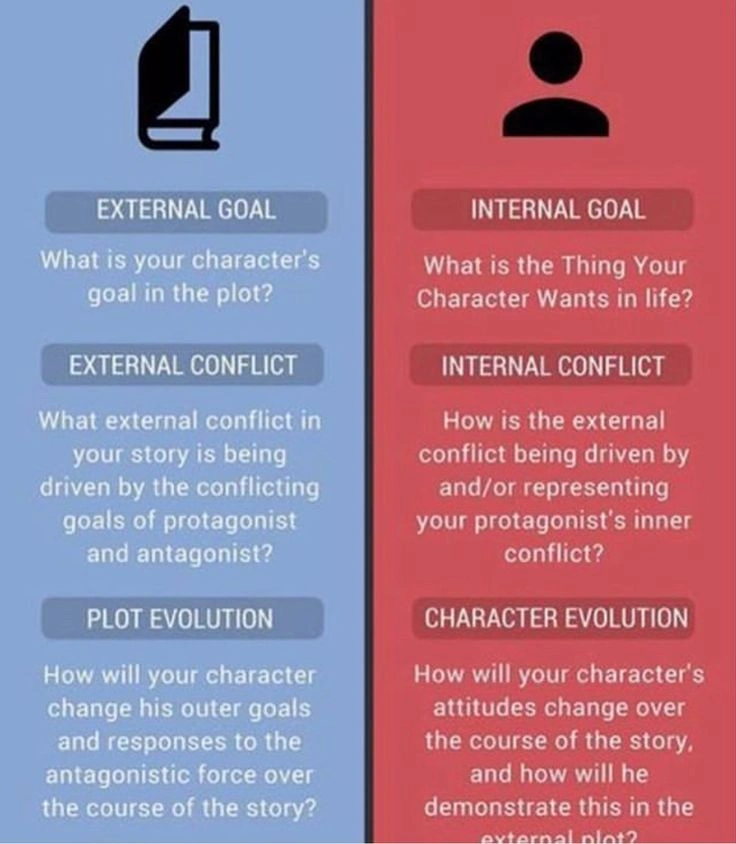
Consider a thriller in which a journalist must decide whether to publish evidence implicating a powerful public official—the A story centres on the investigation and the risks involved in exposing the wrongdoing. The B story follows the journalist’s relationship with a source who has provided information at considerable personal risk.
As the publication deadline approaches, the journalist discovers that releasing the evidence could also expose the source’s identity. The final decision now involves more than whether the investigation succeeds. It requires the journalist to weigh public accountability against a personal responsibility to protect someone who trusted them.
The B story does not need to supply the evidence or resolve the investigation. Its contribution is to shape the dilemma at the climax.
Writers can bring the plotlines together in several ways. The secondary conflict may directly affect the main outcome, force the protagonist to reconsider an earlier decision, or provide a contrasting resolution that changes how readers interpret the ending.
The two plotlines can also conclude differently. The protagonist might achieve the main objective but lose an important relationship. Alternatively, they might fail professionally while making a meaningful personal decision. These outcomes work best when they follow from the established conflicts rather than appearing as unrelated surprises.

Even a promising secondary plot can weaken a narrative if you don’t manage its purpose and development carefully.
A B story may introduce a different setting, character, or type of conflict, but it should contribute to the overall work. If removing it changes nothing about the characters, themes, or main events, the writer should reconsider its place in the narrative.
Not every connection needs to be obvious from the beginning. However, the secondary storyline should eventually justify the attention it receives.
A secondary plot can become more engaging than the A story, especially when it involves a compelling relationship or difficult personal decision. This isn’t automatically a flaw, but it can become a problem when the main conflict disappears for too long.
Writers should consider how much space each storyline needs to fulfil its purpose. A subplot can receive substantial attention without displacing the conflict that gives the narrative its direction.
Secondary plotlines do not have to revolve around grief, trauma, or painful relationships. Humour, friendship, competition, and shared interests can reveal important aspects of a character.
A cautious protagonist might develop confidence through a playful rivalry with a neighbour. A serious workplace drama might use an unlikely friendship to show how a character behaves outside professional settings.
The value lies in what the storyline reveals or changes, not in how distressing its events are.
A secondary plot that mirrors the main conflict too closely can feel like a less developed version of the same story. Two characters struggling with similar problems may work well if their different responses provide a useful contrast.
However, similarity alone is not enough. Writers should establish what the second conflict adds that the first cannot already communicate.
A subplot’s ending should be supported by the decisions and developments that precede it. A sudden reconciliation, unexpected change of belief, or convenient solution can undermine the characters’ credibility.
Before settling on an ending, writers should check whether the characters have faced the consequences of their choices and whether the resolution follows naturally from their actions.
This exercise shows how a primary conflict and a secondary storyline can develop separately while still influencing the same narrative.
Premise: A young architect has six weeks to redesign an abandoned community centre before the local council decides whether to sell the building to a private developer.
A story: The architect must prepare a workable proposal, secure residents’ support, and persuade the council to approve the redevelopment.
B story: The architect is estranged from a father who helped establish the centre but now opposes the redevelopment.
The central tension: The architect sees the project as an opportunity to restore a neglected building. The father believes the architect cares more about professional recognition than about the people who once relied on the centre.
The development: Their disagreements reveal that the architect has consulted residents selectively, favouring the opinions that support the original design. Meanwhile, the father must confront his own refusal to accept that the community’s needs have changed.
The turning point: New feedback from residents exposes serious weaknesses in the proposal. The architect must decide whether to revise the design, risking the deadline, or continue with a plan that no longer reflects the community’s priorities.
The climax: The architect presents a revised proposal that addresses the residents’ concerns. The council’s decision determines the project’s immediate fate, while the architect’s willingness to listen marks a shift in the relationship with the father.
The resolution: The council’s decision resolves the main practical question. The family conflict reaches its own outcome, which might involve a cautious reconciliation or an acknowledgement that trust will take longer to rebuild.
The two plotlines serve different functions.
The A story concerns the future of the community centre, while the B story examines the architect’s relationship with the people connected to it.
Their shared conflict over responsibility influences the architect’s final decision without making the family relationship responsible for resolving every practical obstacle.
To develop an A B story for an original narrative, answer these questions:
Once the writer has clear answers to these questions, they can map the major events of both plotlines in a beat sheet. This makes it easier to check their progression before drafting individual scenes.
A well-developed A B story gives a narrative more than one source of conflict without losing sight of its central direction.
The main plot establishes what is at stake, while the secondary plot introduces another perspective that can challenge the protagonist’s choices or complicate the outcome.
The key is to give each storyline a clear purpose, its own progression, and a reason to exist alongside the other. Writers who plan these elements carefully can build narratives in which the main action and its consequences work together, creating a more complete account of the characters and the world they inhabit.

What’s Up With the Forced Proximity Romance Trope?
The Tomi Adeyemi Book-Movie Adaptation Debacle, Explained
Nollywood vs Hollywood: The Ultimate Comparison
10 Things to Expect from Dr. Doom in Avengers Doomsday
8 Fantasy Children’s Books from the 90s That Deserve a Comeback
The Author’s Guide to the Rule of Three II
10 Coolest Swords in History and Fantasy
Marvel vs. DC Female Superheroes
The Author’s Guide to the Rule of Three I
15 Writing-Adjacent Careers for Writers Looking for a Career Change
Authors Spotlight: Khaled Hosseini
The Sound Souls Make When They Die by Chinemefun Chimuanya
July 20, 2025 .
Animation, Lists
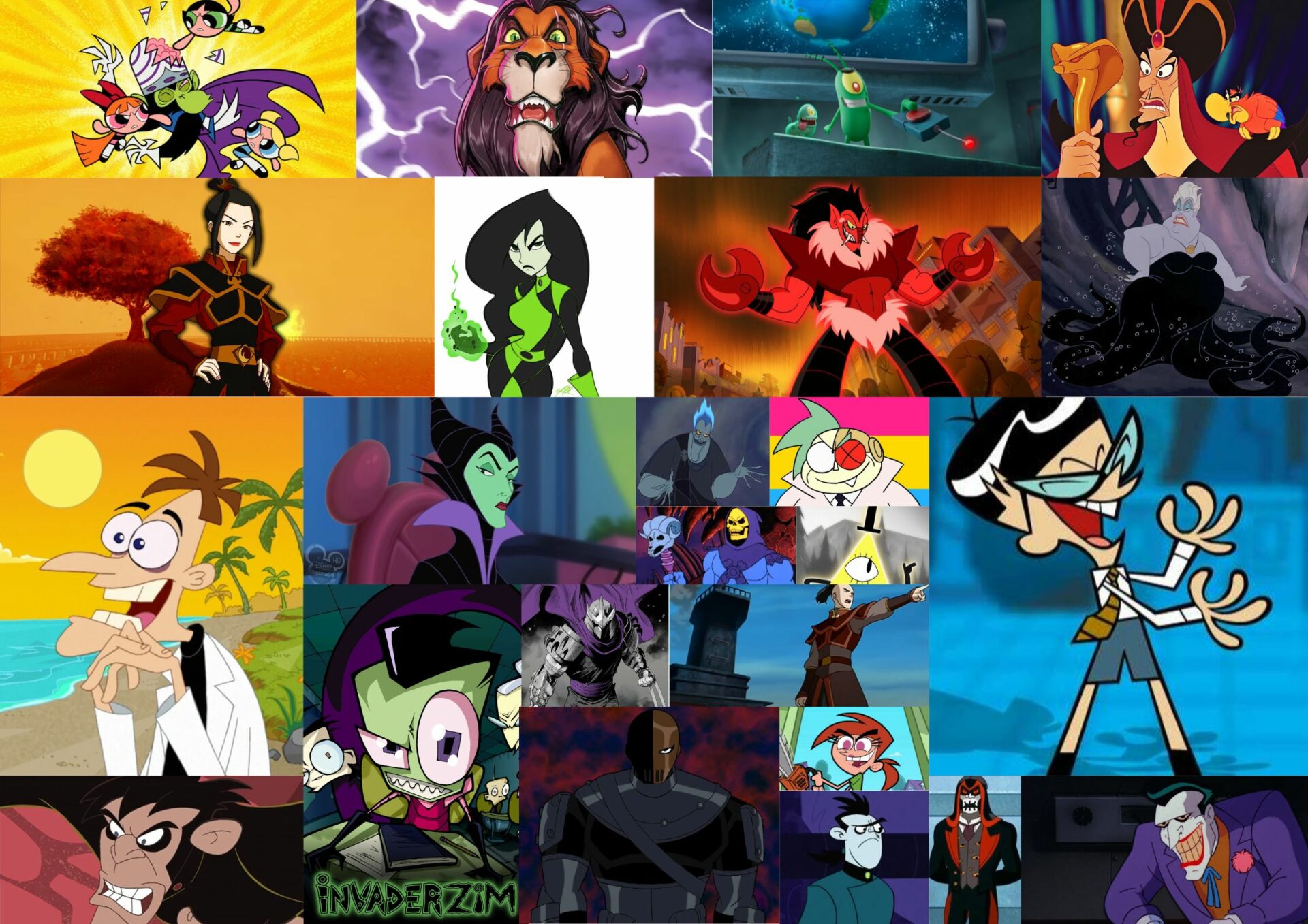
Our list rounds up the top 30 cartoon characters that were villains, each one more wonderfully wicked than the last.
READ MORE
April 29, 2026 .
Lists, Opinions
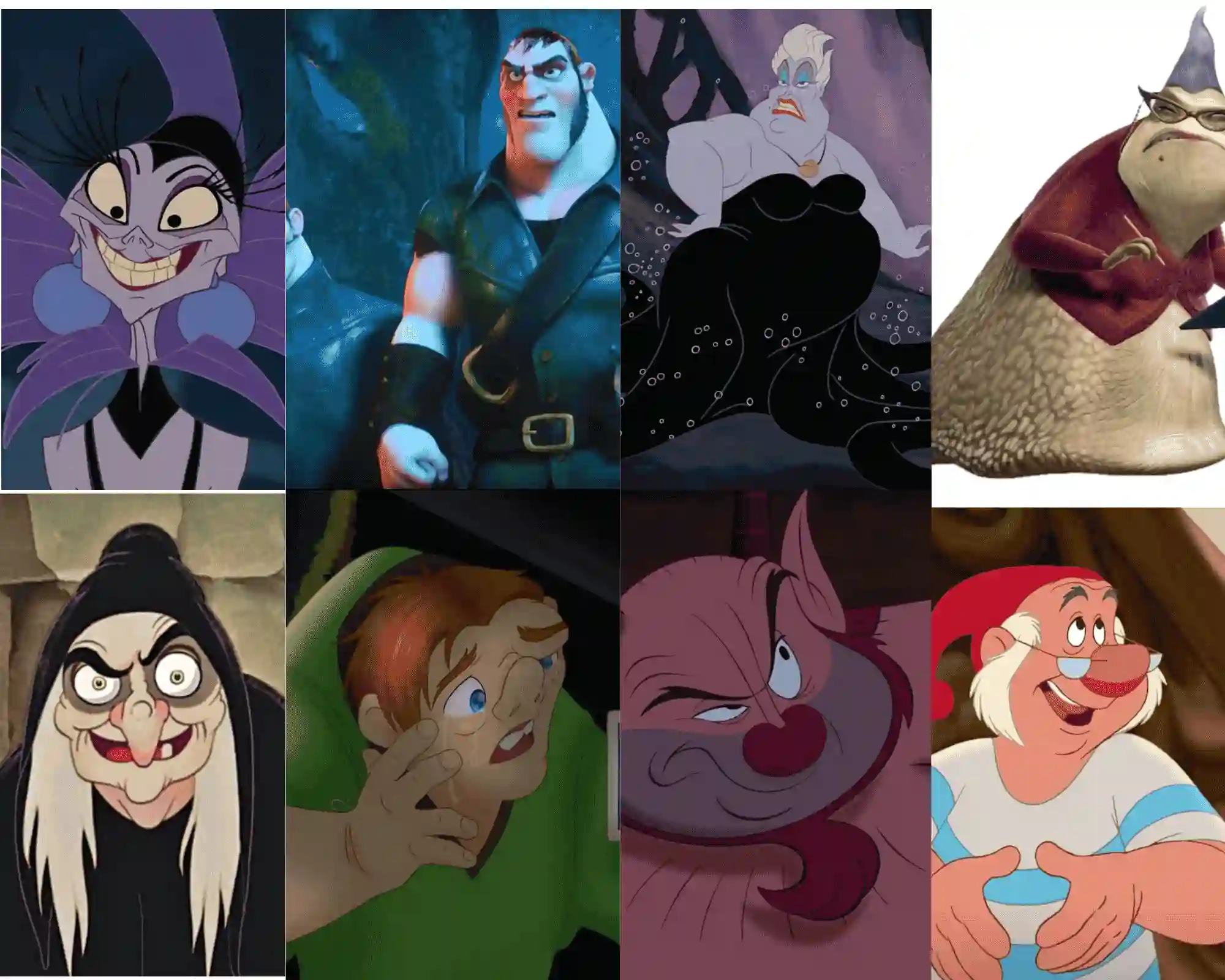
The Mouse is famous for its princesses and princes. However, the studio’s true genius lies in its embrace of “ugly Disney characters”.
READ MORE

November 27, 2025 .
Lists, Mythology
While this isn’t an exhaustive list, it comprises some of the most popular mythical creatures from around the world.
READ MORE
May 6, 2026 .
Lists, MCU
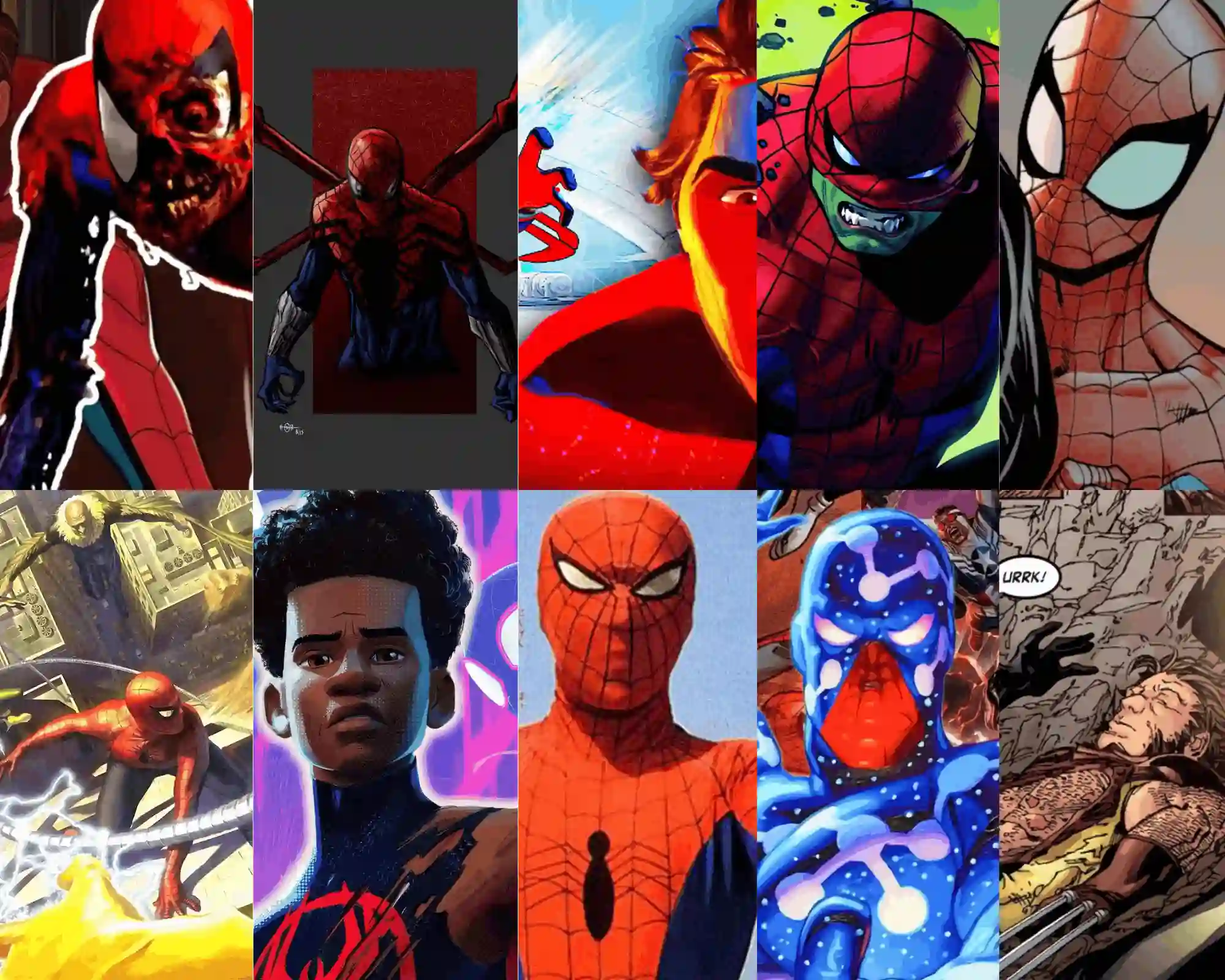
Spider-Man is one of the many superheroes from the Marvel Universe whose stories shaped many childhoods. Who is your strongest Spiderman?
READ MORE

October 28, 2025 .
Debates, Lists, Marvel, MCU
Every Marvel hero brings something to the table. But if we had to pick the top 8 most popular Marvel superheroes, who would make the cut?
READ MORE

July 20, 2025 .
Writer Resources
Discover the differences in First-Person Point of View and Third-Person POV, and how each impacts character connection and narrative style.
READ MORE

May 15, 2026 .
Writer Resources
The tension between writer-centered and reader-centered approaches defines how a story is told and who it serves.
READ MORE

October 22, 2025 .
Essays, Writer Resources
Ever found a book that looks like a comic but tells a complete, well-structured story? Congratulations, it’s a graphic novel.
READ MORE
June 26, 2026 .
Writer Resources
Writing starts with forming ideas, imagination, dreams, and thoughts. And when these condense into a coherent progression, you have a plot.
READ MORE
May 10, 2026 .
Writer Resources
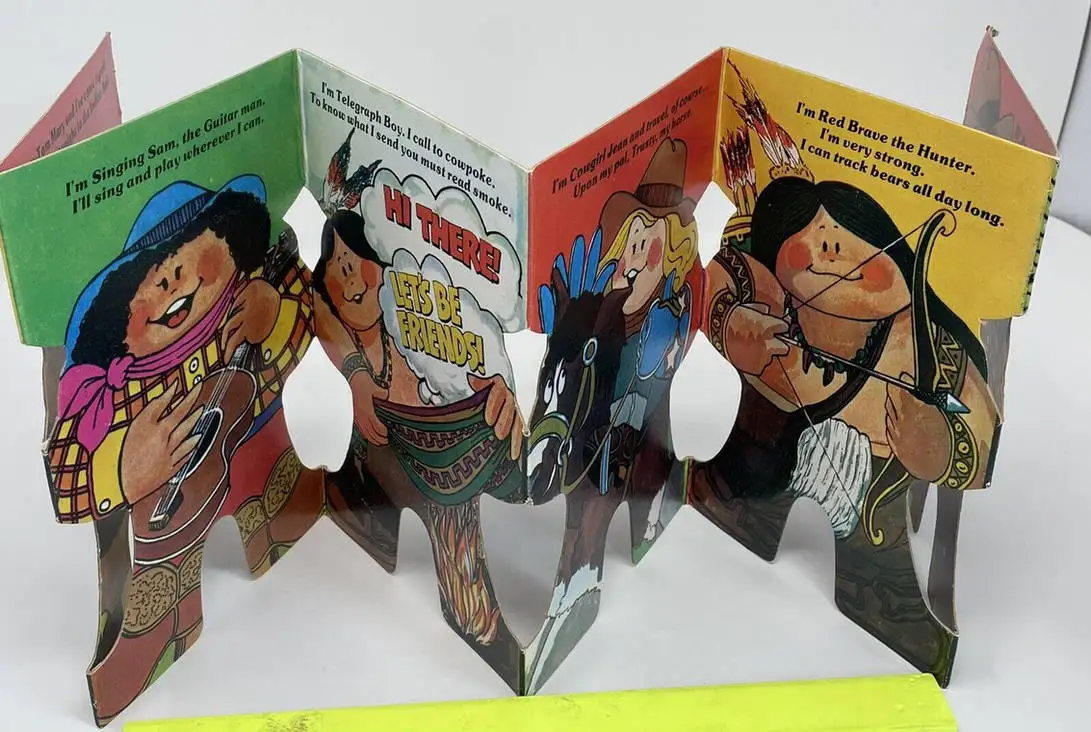
What is a board book, and how does it differ from others? Traditional publishing usually means novels, but published works span much more.
READ MORE

July 24, 2025 .
Essays, Writer Resources
READ MORE
February 8, 2026 .
Writer Resources
Breaking into traditional publishing can feel like decoding a secretive industry. This guide is a resource for finding the right agent.
READ MORE
February 28, 2026 .
Writer Resources
There are three paths in book publishing: traditional, self-publishing, and hybrid. The current focus is on traditional publishing.
READ MORE

July 20, 2025 .
Writer Resources
Today, writers are needed who combine creativity with technical expertise, professionalism, and adaptability.
READ MORE

Get our magazine for free!