








































Not every branch deserves the same defence. This conflict explains much of the appeal of forbidden love romance books.
The most interesting part of a forbidden romance is often the obstacle. The couple may want each other, but everything has already decided the relationship shouldn’t happen.
This conflict explains much of the appeal of forbidden love romance books. The trope can expose family loyalties, social prejudice, class expectations and the uneasy difference between choosing a life and inheriting one. It can also show how quickly a private relationship becomes public when others believe they have the right to approve it.
Not every branch deserves the same defence. Mafia romance can blur danger and devotion. Stories involving cheating can turn betrayal into romantic fantasy.
Incest raises far more serious questions about family power, coercion and harm. A relationship does not become meaningful simply because someone calls it forbidden.
The more interesting argument is narrower: the strongest forbidden romances are not really about breaking rules. They examine who created those rules, why they exist, and what they reveal about the people expected to obey them.
A forbidden relationship needs a convincing reason for staying forbidden. Without one, the obstacle feels like an artificial wall between two people, meant only to delay the inevitable kiss.
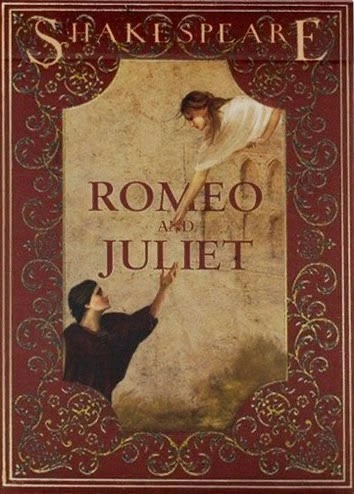
Family feuds provide one of the clearest examples. The lovers inherit a conflict that began before either of them was born, yet their families expect them to respect it. Their relationship therefore challenges more than parental approval. It asks whether an inherited hatred deserves to govern another generation.
Shakespeare built Romeo and Juliet around this kind of conflict.
Romeo and Juliet belong to families whose hostility shapes their world, making their relationship inseparable from the feud.
A contemporary writer can create similar pressure without copying Verona. The feud might involve rival businesses, a decades-old betrayal or two families that have spent years teaching their children not to trust one another.
The important question remains: does the older generation have the right to decide whom the younger generation may love? That question gives the relationship something substantial to investigate.
Family opposition becomes compelling because loyalty to relatives is rarely straightforward. Someone can disagree with a parent’s beliefs and still desperately want that parent’s approval. A person can recognise that a family tradition is unfair while feeling guilty about abandoning it.
The conflict hurts because both sides can represent something valuable. A lover offers intimacy and the possibility of a chosen future. Family offers history, belonging and relationships that may have existed since childhood. Choosing one does not suddenly make the other meaningless.
A good family-feud romance should allow the character to feel that contradiction. The decision should hurt precisely because there is something worth losing on both sides.
The history behind the feud can deepen the story further. Perhaps neither family remembers the original incident correctly. Maybe each side has inherited a version of events that makes its own relatives look innocent. Someone may have misunderstood, exaggerated, or deliberately concealed a betrayal that once seemed unforgivable.
The lovers can uncover that history while trying to understand their own feelings. Romance then becomes intertwined with memory, resentment and the question of whether people should remain loyal to conflicts they never chose.
Class-based forbidden love romance books often function as a fantasy about wealth.
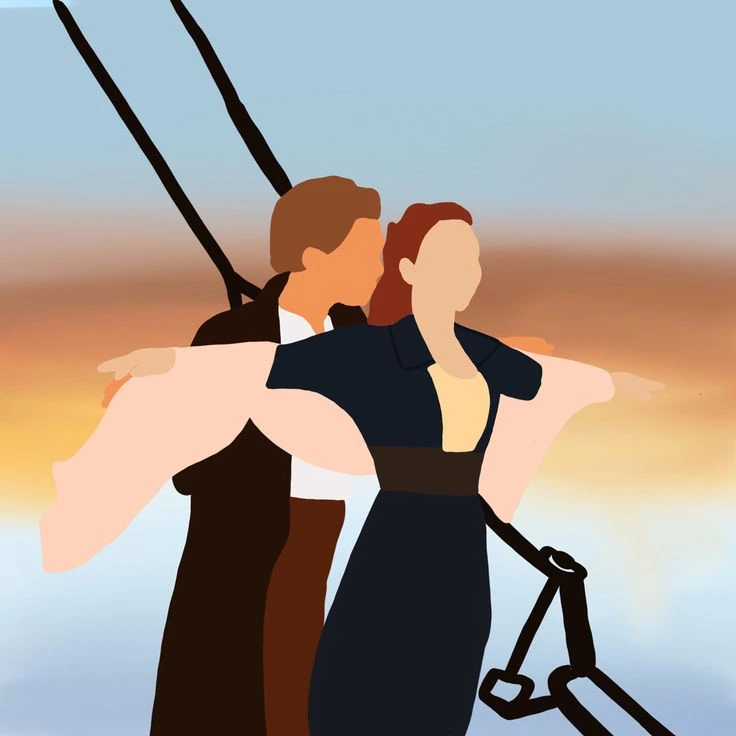
The wealthy character falls for someone outside their social circle, the family objects, and the couple proves that love matters more than money. But there is much more to explore.
Money affects education, housing, career opportunities, confidence and social connections. Two people can love each other while having completely different ideas about security because their experiences with money have shaped them differently.
Research on class and wealth in popular romance has examined cross-class relationships, social mobility, and how economic status shapes romantic stories. Such relationships can reveal assumptions about who belongs in particular social spaces and who counts as a suitable partner.
Consider a couple with very different experiences of money. One has never worried about rent, while the other has spent years choosing between necessities. Expensive gifts may feel generous to one person and uncomfortable to the other. Meeting friends may expose differences in education, speech, manners or expectations.
Love does not erase those differences, and it should not have to. Those differences give the relationship something to wrestle with beyond parental approval.
The strongest class romances are not simply about gaining entry into a richer world. They can question whether wealth and status should determine whom society considers worthy of love.
Cultural conflict deserves more care than the familiar narrative in which one family appears enlightened while the other seems hopelessly backward.
Culture can provide identity, history and belonging. Family traditions can connect people to generations that came before them.
At the same time, expectations surrounding marriage, gender, family responsibility or social status can become restrictive when individuals have no room to make their own decisions.
A character might love their culture while rejecting one particular expectation. Another may want to preserve family traditions while building a life with someone from a different background.
Neither desire needs to be mocked. Two people might disagree about where to live, how involved their families should be, which traditions to keep, or how to raise children.
The relationship gains credibility when both people have something meaningful to protect.
A popular idea is that forbidden love romance books are mainly about rebellion. That explanation captures part of the appeal, but it misses something more personal. Sometimes the fantasy is simply having the right to choose.
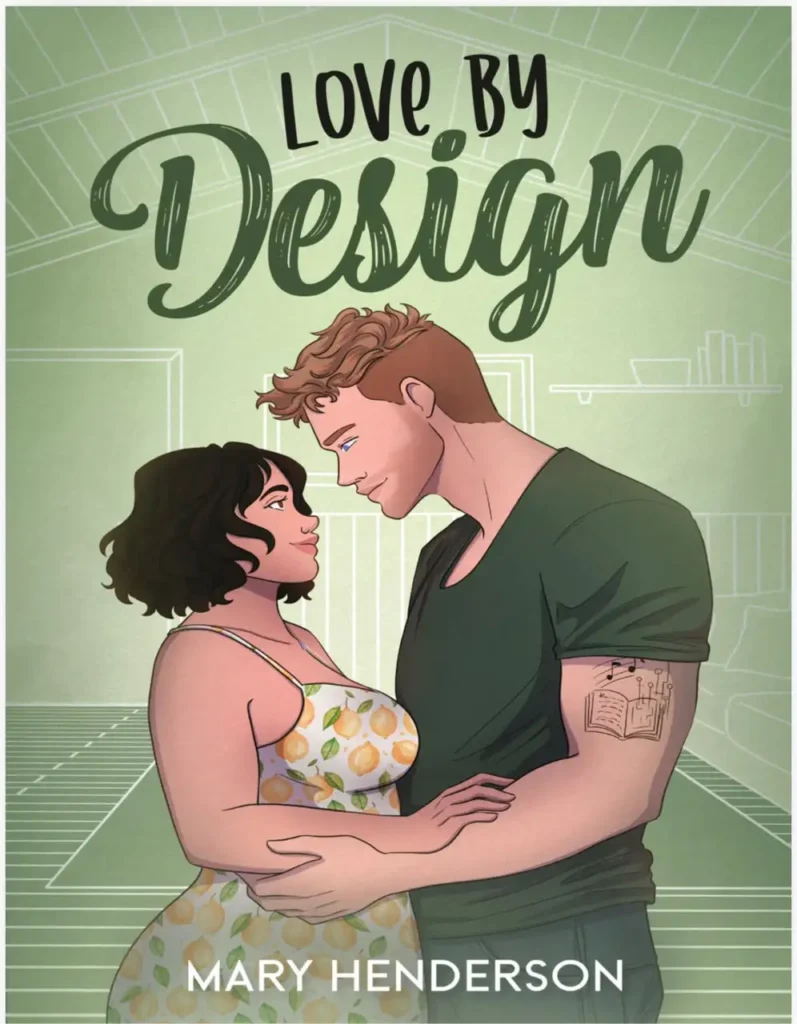
A character raised under intense family expectations may have spent years following decisions other people made. Their families may have planned their education, career, and future marriage before they were old enough to question any of it.
Then they fall in love with someone who does not fit the plan. The relationship forces an uncomfortable question: if family approval disappeared, what would this person actually choose?
Falling in love can become part of a character’s movement toward independence, and that decision is one of the first major choices they make entirely for themselves. Independence does not have to look like reckless rebellion. Sometimes it means quietly refusing a future that others chose for them.
Romance can make social prejudice intimate. A family might hold strong beliefs about class, ethnicity, or cultural background without thinking deeply about the people those beliefs affect.

The prejudice is no longer abstract. Research into cross-class romance has examined how romantic relationships intersect with social hierarchy, family expectations and wider structures of inequality. Romance can therefore become a useful space for exploring divisions that often remain hidden behind social conventions.
A strong story does not need a dramatic speech every time prejudice appears. A dismissive comment at dinner, an uncomfortable introduction, or a family member refusing to acknowledge the relationship can reveal more than pages of explanation.
Change should also take time.
A parent might recognise their prejudice and still struggle with it. Another relative might refuse to change. Someone may apologise without completely understanding the damage they caused. The relationship does not have to cure prejudice. It can simply force people to confront it.
Forbidden relationships often begin in secrecy, and secrecy changes the emotional texture of ordinary interactions. That atmosphere allows writers to build tension without constantly relying on dramatic events.
The lovers become conscious of time. Danger can make the relationship feel intense, but secrecy shouldn’t carry the entire story.
Eventually, somebody has to find out.
Some of the most effective forbidden love romance books understand that secrecy should change the characters rather than keep them apart. The hidden relationship can reveal what they fear, what they value and how far they are prepared to go for a life they have chosen.
Stories often treat getting caught as the climax of forbidden romance, but discovery can actually be the point where the plot becomes more interesting.
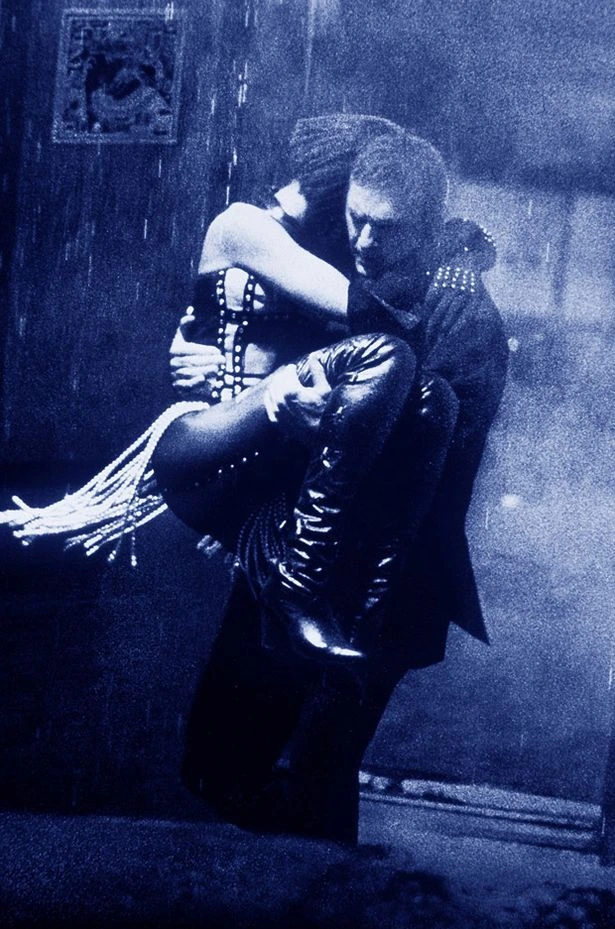
Once the secret is out, the characters lose the protection of fantasy. They have to decide what they are willing to sacrifice and whether they even want the same future.
One person might be willing to leave home. The other might refuse to abandon their family. Someone may want to fight publicly for the relationship while their partner would rather negotiate quietly.
The lovers can genuinely love each other and still disagree about what that love should require. That is more convincing than a relationship in which both characters automatically make the same sacrifice.
Forbidden love romance books have another weakness worth noting. Sometimes the obstacle makes the relationship feel more important than it really is.
When everyone says two people should stay apart, being together can start to feel like proof of destiny. Every sacrifice becomes evidence that the relationship must be extraordinary. The lovers may become so focused on defeating everyone else that they never ask whether they actually want the same life.
Opposition does not prove compatibility. One person may want children while the other does not. In the same vein, one may value financial stability while the other wants freedom above everything else.
Once the external barrier disappears, those differences remain. A particularly strong forbidden romance can use that reality instead of avoiding it.
The lovers finally defeat their opponents, only to discover that building a life together requires a different kind of courage.
A common weakness in forbidden romance is the division between enlightened lovers and foolish people trying to keep them apart. Real families are messier.
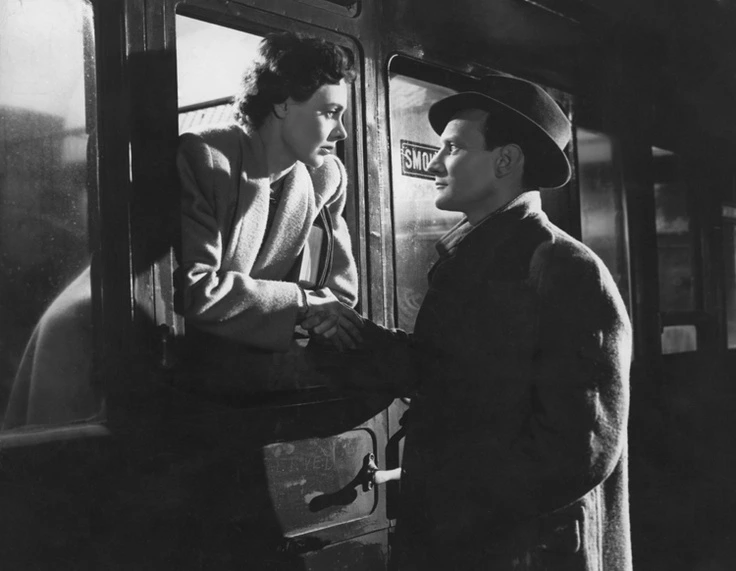
A parent might object to a relationship for prejudiced reasons and still have one legitimate concern. A lover might be fighting for independence while also making an irresponsible decision. Someone may accuse their family of controlling them while secretly wanting the security that family provides.
Characters should be capable of being wrong, and that shouldn’t weaken the relationship; it should give the couple something to survive beyond the external obstacle.
A couple who must examine their own motives feels far more convincing than two flawless people standing against a world that conveniently has no valid objections.
Mafia romance occupies a different category because danger and power can exist inside the relationship itself. Dark romance can explore morally complicated characters, violence, obsession and dangerous environments.
Fiction allows fantasies that would be unacceptable in ordinary life. A reader can find a fictional character fascinating without believing that person would make a healthy partner.
The difficulty comes when coercive behaviour is treated as proof of devotion. If one character cannot safely refuse another person’s demands, the relationship contains a power imbalance that changes what consent means. Possessiveness does not become healthy simply because the narrative describes it as protection.
That does not mean writers should avoid dark material. It means the story should understand what it is depicting. A dangerous relationship can be compelling precisely because it is dangerous. The danger does not need to be disguised as an ideal form of love.
The popularity of forbidden-love romance books also means writers must consider what the story asks the audience to find romantic. A dangerous setting can create tension, but danger alone should not be confused with emotional intimacy.
Infidelity is another complicated branch.

Cheating can produce excellent fiction because betrayal creates guilt, secrecy, temptation and emotional conflict. A character might fall for someone else while still caring about their partner.
They might remain in an unhappy relationship because ending it feels frightening. They might make selfish decisions and only understand the damage afterwards.
None of those motivations makes the betrayal disappear. A story can explore an affair without presenting the affair as morally correct. The central romance may even emerge from something that began badly, but the consequences should remain part of the narrative.
The betrayed partner should not become an inconvenient obstacle whose feelings disappear once the preferred couple gets together. Fiction can make room for complicated desire without pretending that desire excuses every choice.
Incest belongs in a much more serious category because family relationships can involve dependency, authority and power in ways that complicate consent.
Fiction can depict disturbing subjects without endorsing them. Horror, tragedy and psychological fiction often explore behaviour that audiences would never want to experience themselves.
A story examining an incestuous relationship is doing something very different from a story presenting incest as an ideal romantic relationship. The subject therefore needs a stronger purpose than shock.
A writer might explore family control, psychological damage, taboo or the collapse of boundaries. Those possibilities can produce serious fiction, but writers should not treat the material as interchangeable with a romance about two unrelated adults facing parental disapproval.
Calling both situations “forbidden” does not make their ethical circumstances equivalent.
Critics sometimes judge romance fiction as though every relationship it depicts must be suitable as a real-life model. Fiction has never worked that way.
Romance deserves the same freedom. A story can explore jealousy, obsession, betrayal or dangerous attraction because those experiences create conflict. Understanding why a character behaves badly is not the same as approving of the behaviour.
Research into emotional transportation and fiction has examined how becoming absorbed in fictional narratives can relate to empathy and social understanding. However, the effects depend on the nature and depth of engagement.
A complicated fictional relationship can therefore give audiences room to examine motives and consequences without turning the story into a relationship handbook.
Romance readers often expect the couple to end up together, and that expectation is perfectly reasonable within the genre.
Forbidden romance, however, offers an opportunity to question what a satisfying ending actually requires.
Romeo and Juliet remains a powerful example because the relationship does not survive in the conventional sense. The feud surrounding them causes their deaths, allowing the romance to expose the destructive consequences of inherited conflict.
A forbidden romance does not have to end with the lovers winning against everyone else. Sometimes the tragedy lies in discovering that love was genuine, but the circumstances were stronger.
Forbidden love romance books do not always need to reward the couple with a conventional happy ending. Sometimes the most fitting conclusion acknowledges that love can be genuine even when circumstances, choices or consequences make a shared future impossible.
Some of the most believable stories involve families where nobody is deliberately cruel.
There may be no threatening parent or scheming relative. Instead, everyone has absorbed the same expectations for years.
Marriage is supposed to happen within a particular community. Children are expected to remain close to home. Certain families are considered respectable while others are quietly judged.
A character can technically choose differently while still feeling trapped by the emotional cost.
That pressure can be powerful because it resembles conflicts outside fiction. Not every difficult romantic decision involves an obvious villain.
Sometimes the hardest person to disappoint is someone who genuinely loves the character but cannot understand the choice being made.
The story gains depth when the family is allowed to be human too.
Many forbidden romances end once the barrier falls. The families accept the relationship, the lovers overcome the social divide, and the story closes on a happy future.
Another possibility worth exploring: Let the couple win, then make them live with the victory.
They may discover that the excitement of being opposed partly sustained their relationship. Once the external pressure disappears, however, the couple may also find that the struggle made them stronger. Either outcome can work because the story has moved beyond the original obstacle.
The happy ending becomes a beginning rather than a reward.
Forbidden love remains one of romance’s most useful tropes because it can make private desire collide with public expectations.
Family feuds reveal the power of inherited resentment. Class differences expose how money and status shape intimacy. Cultural conflicts explore the difficult relationship between belonging and personal freedom. Prejudice becomes more visible when it affects someone the characters know and love.
The darker branches need a different level of care. Mafia romance can turn coercion into fantasy if power is ignored.

Cheating can become romanticised when betrayal has no consequences. Incest raises questions about family authority and consent that should not be treated as equivalent to ordinary social disapproval.
None of that makes forbidden romance worthless. The trope’s variety is part of its strength because each form can raise a different question about the relationship’s boundaries. Who created it? What does it protect? Who benefits from it? Who suffers under it? What happens when the people living under the rule decide to challenge it?
The lovers might cross the boundary and build a life together, or perhaps they discover that the boundary was hiding a genuine problem all along. Love may prove unable to resolve every difference between them. In another ending, they could lose each other and carry the consequences of that relationship for the rest of their lives.
All of those endings can work. The forbidden element is only the surface.
The deeper story lies in the rule itself and in the people taught to accept it. That is why the strongest forbidden love romance books do more than place two people on opposite sides of a social boundary.
A compelling forbidden romance does not need to argue that every rule is wrong. It only needs to make the rule worth questioning.
Once it does that, the love story becomes something larger than a couple trying to steal a kiss.
It becomes a story about choice, identity, family, power and the frightening freedom of deciding what a life should look like.

July 20, 2025 .
Animation, Lists
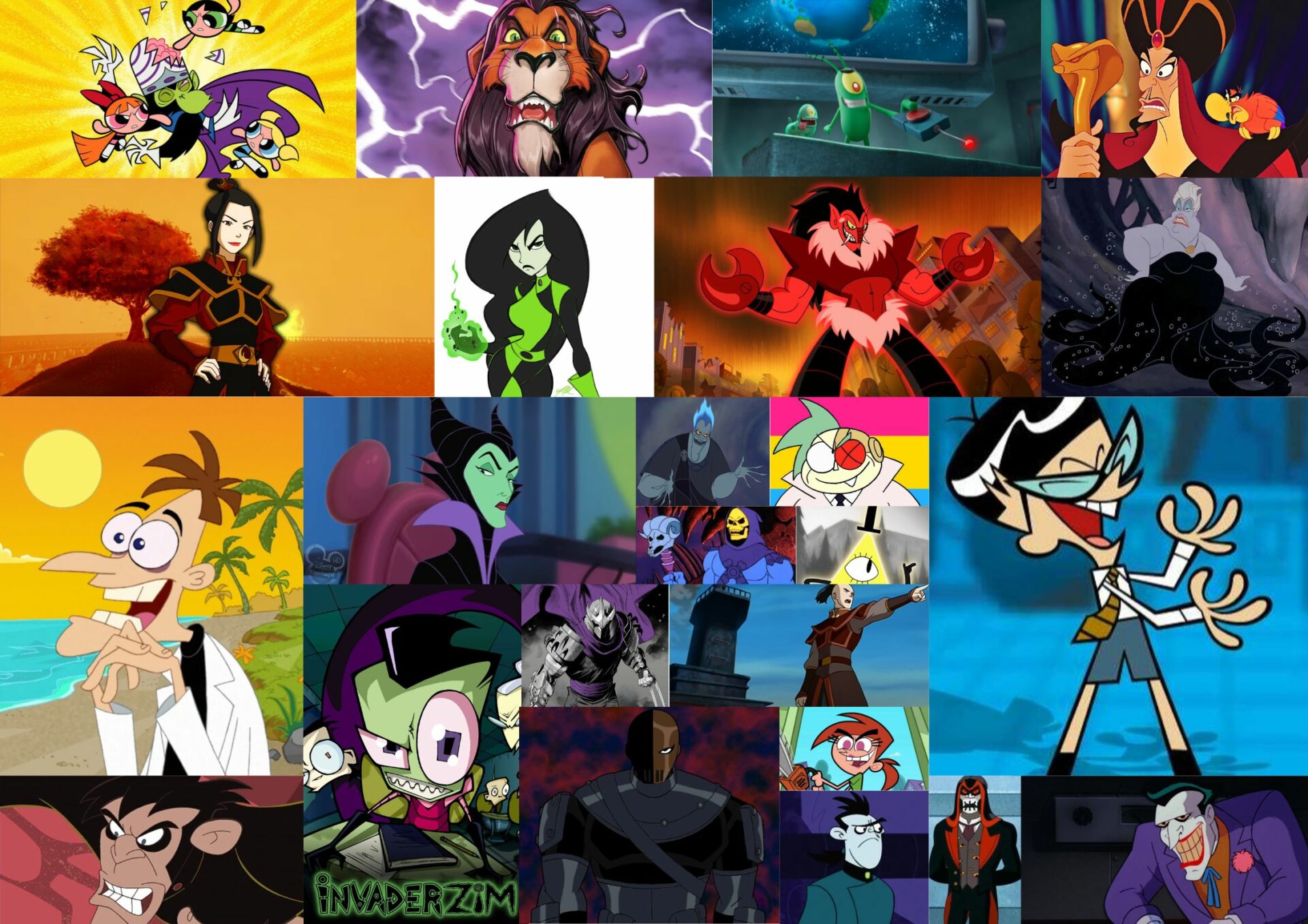
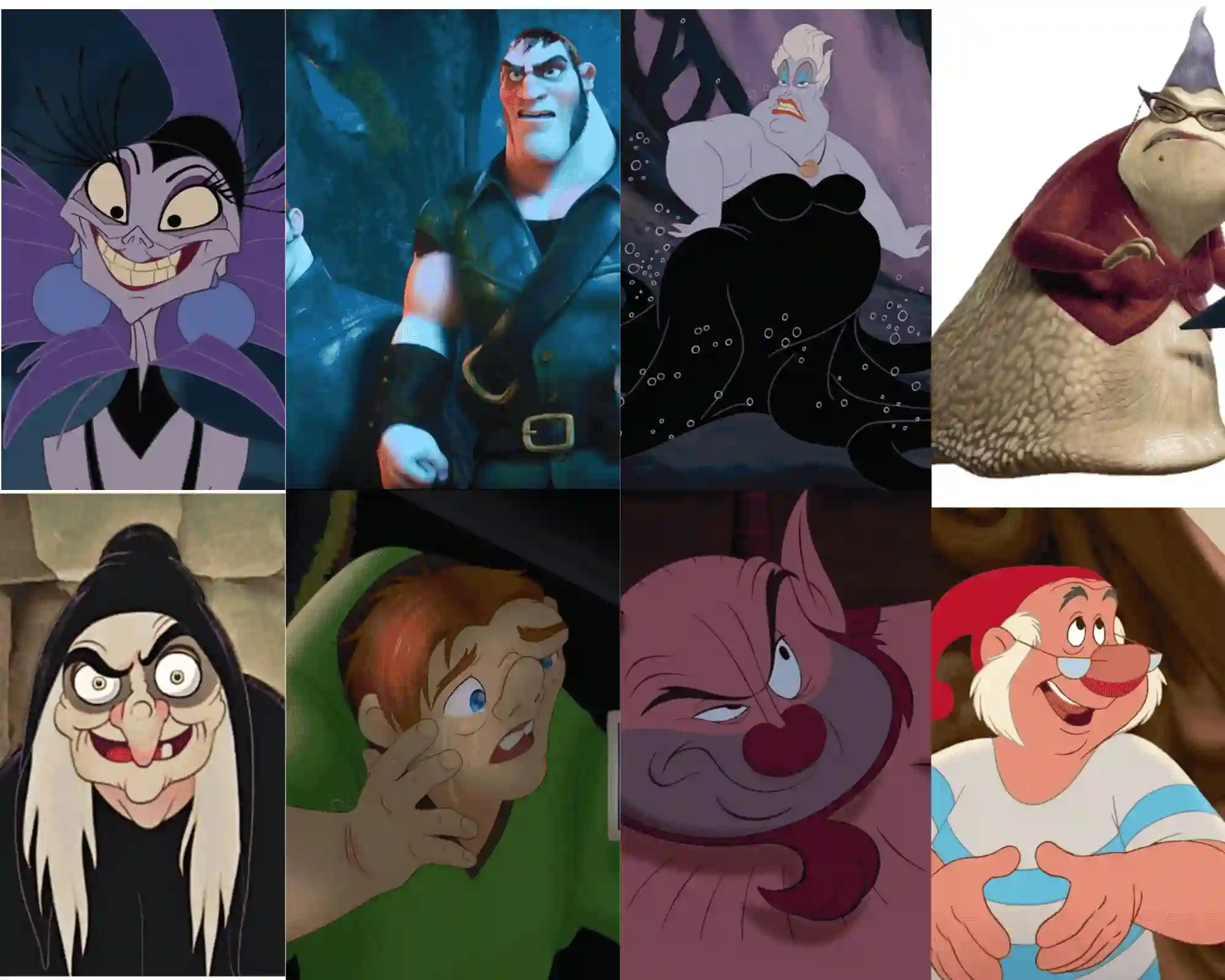
Our list rounds up the top 30 cartoon characters that were villains, each one more wonderfully wicked than the last.
READ MORE
April 29, 2026 .
Lists, Opinions
The Mouse is famous for its princesses and princes. However, the studio’s true genius lies in its embrace of “ugly Disney characters”.
READ MORE

October 28, 2025 .
Debates, Lists, Marvel, MCU
Every Marvel hero brings something to the table. But if we had to pick the top 8 most popular Marvel superheroes, who would make the cut?
READ MORE

May 6, 2026 .
Lists, MCU
Spider-Man is one of the many superheroes from the Marvel Universe whose stories shaped many childhoods. Who is your strongest Spiderman?
READ MORE

November 27, 2025 .
Lists, Mythology
While this isn’t an exhaustive list, it comprises some of the most popular mythical creatures from around the world.
READ MORE

July 20, 2025 .
Essays, Opinions
READ MORE

July 20, 2025 .
Essays, Opinions
READ MORE

July 20, 2025 .
Essays
Except if you have been living under a rock or in outer space since the beginning of time, there is no way you wouldn’t have heard of Wole Soyinka.
READ MORE

July 20, 2025 .
Essays, Opinions
READ MORE

September 12, 2025 .
Essays, Fantasy, Opinions
Fantasy is everything that lies in the realm of the fantastic. And, the more deviant from reality it is, the better.
READ MORE
July 20, 2025 .
Essays, Opinions
African literature embraces inclusivity, harnessing words as a medium to impart wisdom, preserve truths, and honor ancestral struggles.
READ MORE

October 22, 2025 .
Essays, Writer Resources
Ever found a book that looks like a comic but tells a complete, well-structured story? Congratulations, it’s a graphic novel.
READ MORE
July 18, 2026 .
Disney, Essays
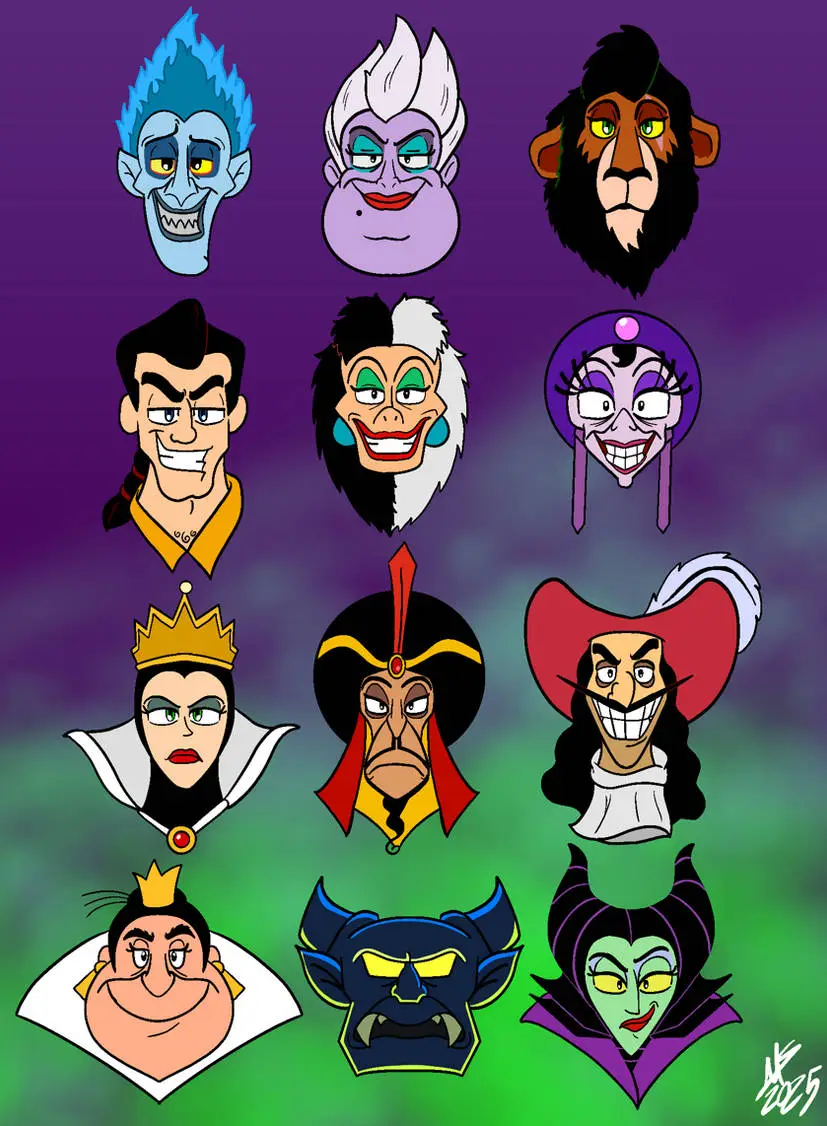
Let’s examine the trend of softening Disney villains, its implications, and viewers’ responses to less sensitive material.
READ MORE
July 24, 2025 .
Essays, Writer Resources
READ MORE
Get our magazine for free!