
Close menu
Ranking the best of African Literature
























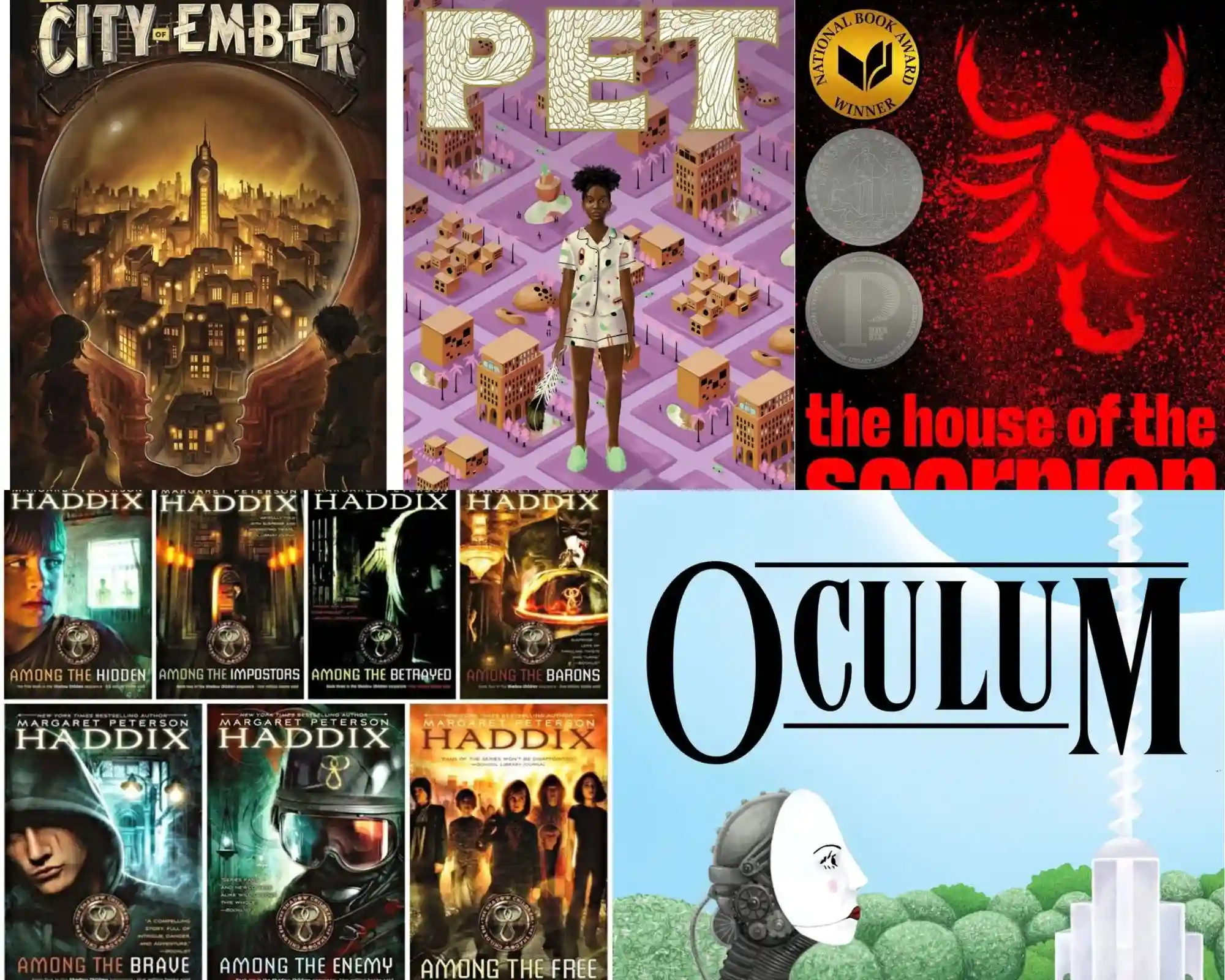






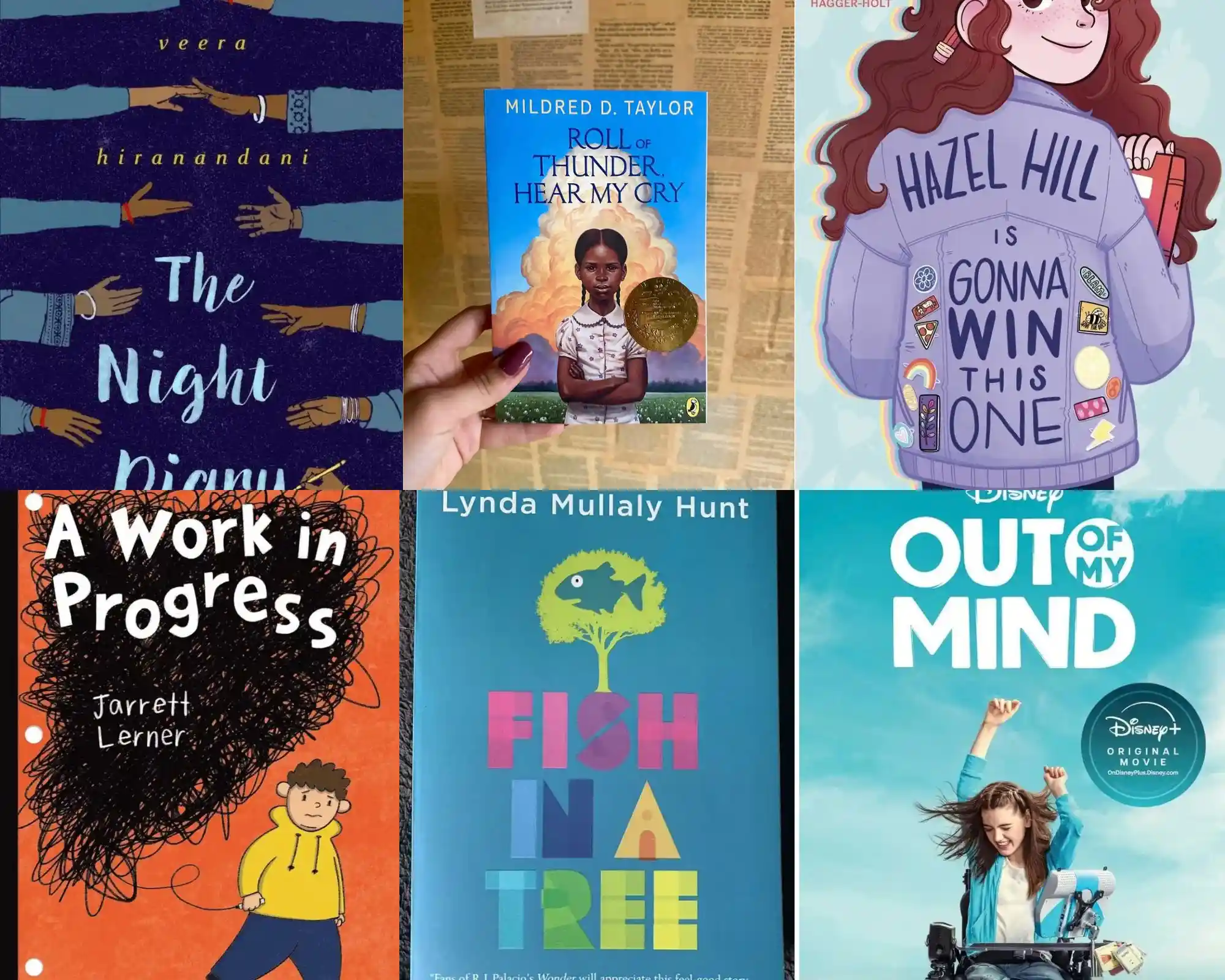









































Coming-of-age stories have always been crowd pleasers. Let’s explore what makes a compelling coming-of-age story.

Coming-of-age stories have always been crowd pleasers for readers and writers alike. This positive reception is because they are stories about transformation and the exhilarating process of becoming that capture the universal experience of growing up.
Readers connect deeply with this because nearly everyone has experienced a moment that altered their perspective forever. The details may differ across cultures, generations, and backgrounds, but the emotional journey is universal.
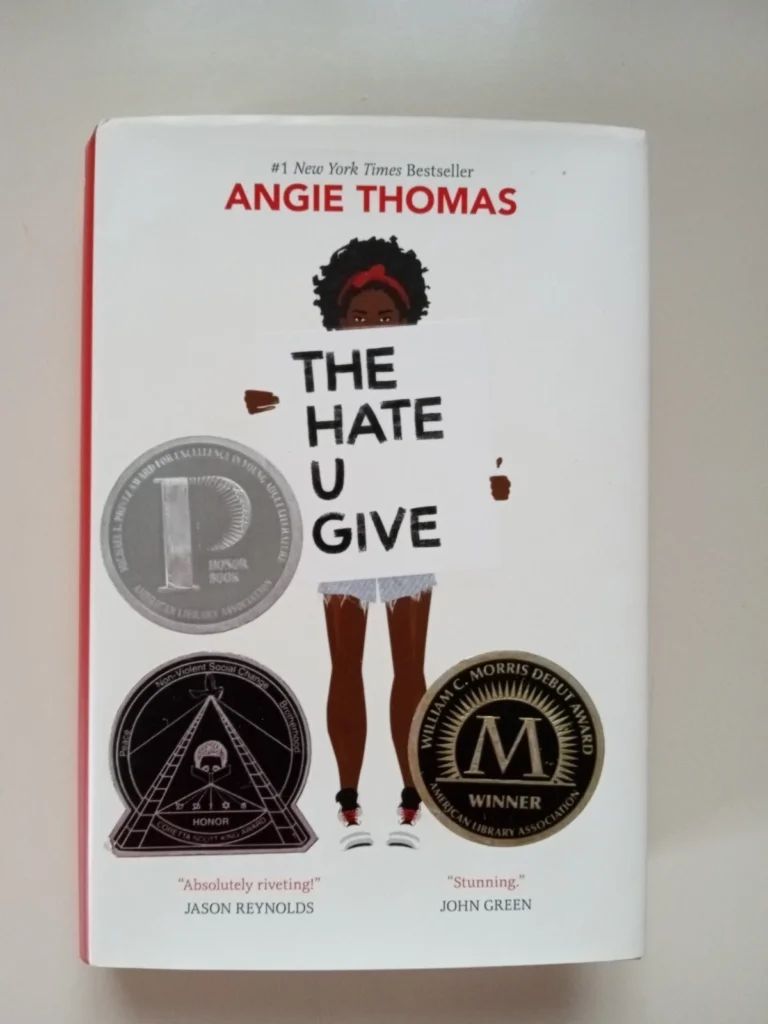
The Young Adult(YA) niche frequently faces concerns over how saturated it is. Yet, notable works like A.H. Mohammed’s The Last Days of Forcados High and Angie Thomas’s The Hate U Give prove that this narrative transformation remains strong.
Let’s explore what makes a compelling coming-of-age story, the essential elements, and practical techniques that elevate a simple tale of growing up into an unforgettable narrative.
A coming of age story, also known as a bildungsroman, follows a protagonist through a significant period of growth. This evolution may be emotional, psychological, or moral.

Stories of this form often involve a character learning or adopting a new idea or identity outside the status quo. In the end, they reach a sense of fulfillment.
Rather than focusing solely on external achievements, it examines how experiences transform a person’s understanding of themselves. It also explores how those experiences reshape their understanding of the world around them.
Usually, the protagonist begins the story with an incomplete understanding of life. Through conflict, successes, disappointments, and difficult choices, that understanding evolves.
The hopeful result is that readers finish reading believing the protagonist could never return to being the person introduced in the beginning.
Every compelling coming-of-age narrative rests upon three essential pillars.
Before your protagonist can grow, the reader must understand the specific parameters of their initial world. Every narrative journey requires a clear point of departure.
The protagonist must begin in a state of relative equilibrium, operating under a set of borrowed ideals. The character begins with a rigid, localized worldview shaped by their environment or culture.
Consider Christine “Lady Bird” McPherson in Lady Bird. Before her transformation begins, her world is bound by the religious, working-class realities of her Sacramento high school. Her identity is defined entirely in opposition to her mother’s expectations and her environment. Even her chosen name, “Lady Bird,” is an artificial attempt to craft an identity before she actually understands who she is.
There’s usually a sense of restlessness; the protagonist immediately recognises that something about their life feels incomplete, or ready to shift.
This subtle tension plants the seed for growth. In the end, the protagonist is searching for an answer to one or more deeply personal questions. Whatever the premise, it is necessary to make sure that the character is presented with a number of choices, with no coercion.
Growth cannot happen in a vacuum; it requires disruption. The Shift represents the catalyst, the moment the protagonist’s predictable world is irreversibly shattered.
The inciting incident must present a conflict that the protagonist’s current worldview cannot resolve. This rupture can manifest in a number of ways, such as a betrayal, a sudden loss of a loved one or a divorce. It breaks the illusion of stability and opens the door to transformation.
In Starr Carter’s journey in The Hate U Give, her shift occurs when she witnesses the fatal shooting of her childhood best friend, Khalil, at the hands of a police officer.
Up until this moment, Starr has compartmentalized her life between her poor, predominantly Black neighborhood and her wealthy, mostly white private school. Khalil’s death fractures both worlds, presenting a harsh, systemic reality that her carefully curated, quiet existence can no longer ignore.
As the protagonist moves through the story, they might push away friends, clash with authority, or confront something they’ve been avoiding. Each challenge forces the protagonist to reconsider old assumptions until a new understanding eventually emerges.
The final pillar is not merely about a “happy ending,” but about the integration of the old self with the new. It is the moment the protagonist steps out from the shadow of their past and claims a self-authored identity.
A good coming of age story reaches its peak when the character faces a defining test, one where falling back on old, comfortable habits would be easy. Rather, they make a conscious, independent choice that reflects their new understanding of the world, proving that their evolution is real.
In The Perks of Being a Wallflower, Charlie’s resolution comes after he confronts the deeply buried trauma of his past.
Instead of remaining a passive spectator in his own life, a “wallflower” and letting life happen to him, he actively chooses to participate in it, accepting both its joy and its pain. At the end of the day, a new equilibrium is established.
The protagonist may return to their original environment or step into a completely new one, but their internal relationship to the world around them has fundamentally changed. In Lady Bird, when Christine finally moves to New York City, she does not discard her past. Conversely, she calls her mother to express a new, quiet appreciation for her home city of Sacramento and her family, realizing that loving a place and wanting to leave it can exist at the same time.
The transformation is not perfect because, let’s face it, no one is, but it is honest and feels earned. This shift is what makes the coming-of-age arc so emotionally satisfying.
While the general structure hinges on identity, shift, and resolution, the richness of your narrative depends on how you build your character’s internal world and pace their emotional evolution.

The following guidelines build on that structure and detail the essential elements required to craft a deeply resonant coming-of-age narrative.
Great coming of age stories are about compelling characters who face obstacles that cause growth and transformation.
To drive a narrative that feels authentic, the character architecture needs to be built on a sharp tension between what they want and what they actually need.
Use formative experiences to shape motivations and internal conflicts, and let them develop gradually. Show, not tell. That’s how you make growth visible.
Another point to consider is the age of your character. Will your character be in high school? Or will they be older? Remember, coming-of-age stories can pertain to all age groups, so the character’s age should fit the story you want to tell.
Secondary characters in a coming-of-age story serve as living blueprints for the protagonist’s potential futures. They show the character what happens if they make the wrong choices, submit to societal pressure, or refuse to grow.
Some important secondary characters could include the antagonist, who presents obstacles and tests the character’s growth. This antagonist does not necessarily need to be a traditional villain or a schoolyard bully; often, it is a well-meaning parent or community leader who projects their own unfulfilled dreams onto the protagonist.
Another important aspect of a secondary character could be a sidekick, a good wingman or woman to stand with the protagonist. Sidekicks help progress the plot, characterize your protagonist and love interest, and often give the story some much-needed humor.
Structuring a coming-of-age narrative requires a delicate balance.
Unlike high-concept action or thriller genres where the plot is driven primarily by external stakes, like stopping a villain or surviving a disaster, a coming-of-age story is driven from the inside out.
A well-structured coming-of-age story follows a clear arc of growth and transformation. Start with the protagonist in their initial state, introduce the incident that disrupts their world, and guide them through obstacles that force personal growth.
To maintain momentum throughout the manuscript, design every chapter around a micro-tension. A lunchroom seating arrangement, an awkward family dinner, or a minor secret can carry the weight of a life-or-death struggle if it threatens the character’s social survival or internal security.
This helps keep the reader invested in the protagonist’s day-to-day progression toward adulthood.
Whatever the reason, coming-of-age stories have a unique power to connect with readers across generations.

For writers, that enduring appeal offers both an opportunity and a responsibility.
The goal is not to produce another story about teenagers navigating school or romance. It is to capture the emotional truth of transformation; the gradual, imperfect, often uncomfortable process of becoming. It should remind readers that growing up is not defined by age, but by the courage to change.

15 Writing-Adjacent Careers for Writers Looking for a Career Change
Authors Spotlight: Khaled Hosseini
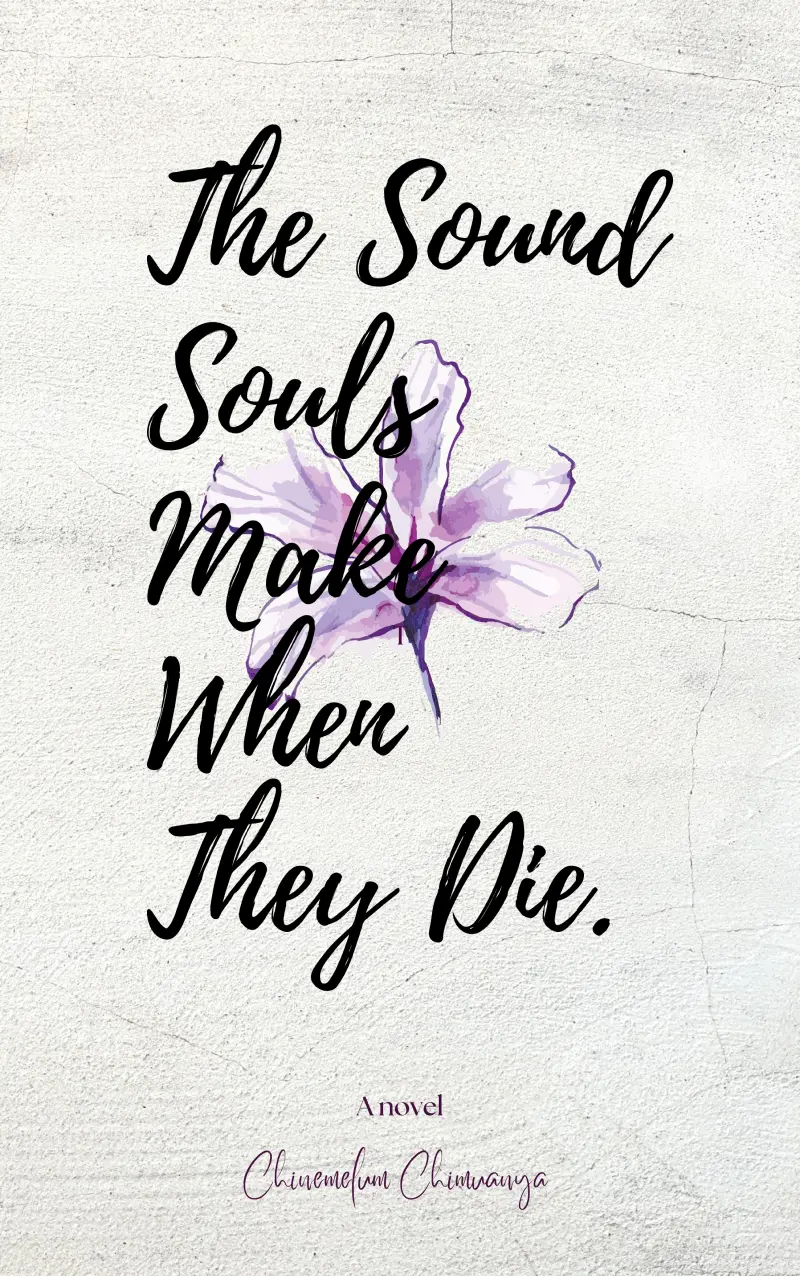
The Sound Souls Make When They Die by Chinemefun Chimuanya
If Nollywood Cast Our Favourite African Books: Who Would Play Who?
Best Films About Unexpected Age Gap Romance
Literary Awards and the Racism Card: A Wake-Up Call for Black Africa
Interview with the Vampire Relationships, Ranked
10 Top Recent Films for Action and Comedy Fans
Comma Rules Every Writer Should Know
10 Most Hype-worthy 2026 Book Releases (African Literature Version)
Five Gambling Films That Know the Bet Is Only Half the Story
Movies Where Poker Reveals Who a Character Really Is
July 20, 2025 .
Animation, Lists
Our list rounds up the top 30 cartoon characters that were villains, each one more wonderfully wicked than the last.
READ MORE

November 27, 2025 .
Lists, Mythology
While this isn’t an exhaustive list, it comprises some of the most popular mythical creatures from around the world.
READ MORE
April 29, 2026 .
Lists, Opinions
The Mouse is famous for its princesses and princes. However, the studio’s true genius lies in its embrace of “ugly Disney characters”.
READ MORE
October 28, 2025 .
Lists, Marvel, MCU, Opinions
Let’s go through a list of the top 7 strongest Marvel villains, from the wickedly powerful to the absolutely unstoppable.
READ MORE
February 26, 2026 .
Cartoons, Lists
There are some outright funny cartoon characters who exist solely to crack you up, loud, hard, and with zero apology.
READ MORE

July 20, 2025 .
Writer Resources
Discover the differences in First-Person Point of View and Third-Person POV, and how each impacts character connection and narrative style.
READ MORE

May 15, 2026 .
Writer Resources
The tension between writer-centered and reader-centered approaches defines how a story is told and who it serves.
READ MORE

October 22, 2025 .
Essays, Writer Resources
Ever found a book that looks like a comic but tells a complete, well-structured story? Congratulations, it’s a graphic novel.
READ MORE

June 26, 2026 .
Writer Resources
Writing starts with forming ideas, imagination, dreams, and thoughts. And when these condense into a coherent progression, you have a plot.
READ MORE
May 10, 2026 .
Writer Resources
What is a board book, and how does it differ from others? Traditional publishing usually means novels, but published works span much more.
READ MORE

July 24, 2025 .
Essays, Writer Resources
READ MORE
February 8, 2026 .
Writer Resources
Breaking into traditional publishing can feel like decoding a secretive industry. This guide is a resource for finding the right agent.
READ MORE
February 28, 2026 .
Writer Resources
There are three paths in book publishing: traditional, self-publishing, and hybrid. The current focus is on traditional publishing.
READ MORE

July 20, 2025 .
Writer Resources
Today, writers are needed who combine creativity with technical expertise, professionalism, and adaptability.
READ MORE

Get our magazine for free!