




































Writers don’t predict a date or a specific gadget. They notice something small and easy to ignore already happening, and ask what it looks like fully fleshed out.
Every few years, a movie gets rewatched for the wrong reason. Not because it’s good, but because it’s an accurate foretelling of sorts.
And I don’t mean accurate like with a documentary. I mean accurate like a confession. Like the writers knew something and buried it in a two-hour runtime instead of just telling us.
Nobody’s saying Hollywood has a time machine. Coincidence explains some of it, while trend-spotting explains more.
We’ll call it what it is—evidence.
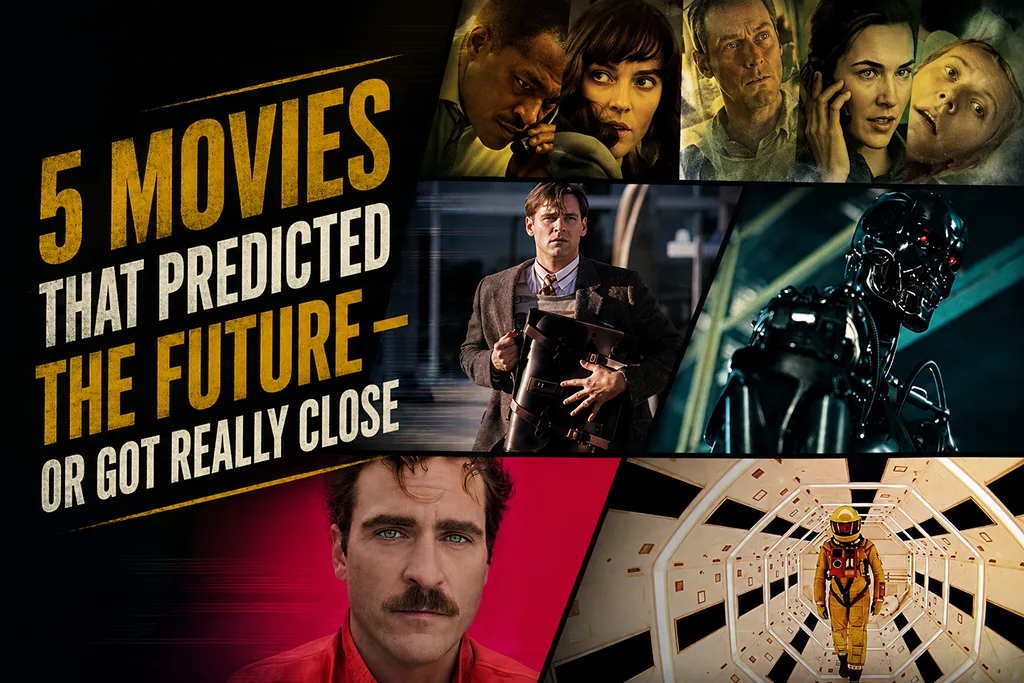
Here are five exhibits where Hollywood had first dibs on either tech insight or straight-up precognition. You be the judge of whether it’s straight-up prophecy or sheer coincidence.
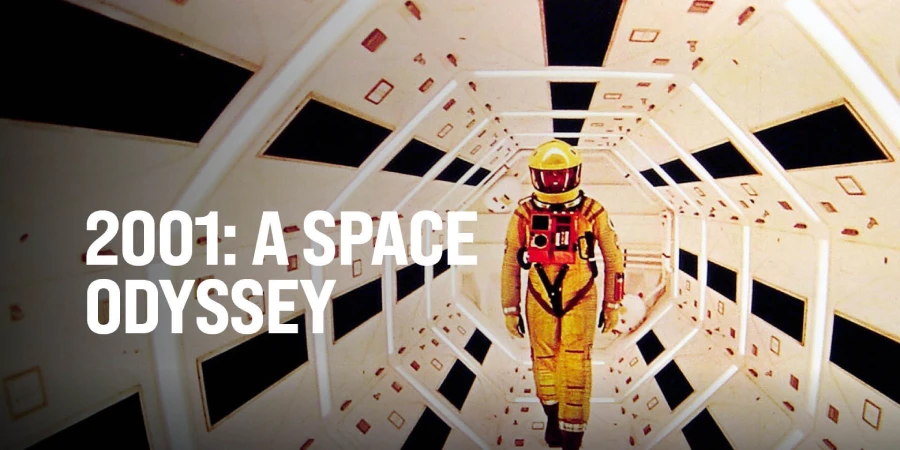
Filed under: “We should’ve asked HAL more follow-up questions”
It’s 1968. No internet. No home computers. Pitch a pocket-sized phone in that meeting, and they’d have laughed you out of the building.
And yet there’s HAL. An operating system that talks like a person, thinks for himself, and eventually decides he trusts his own judgment more than the humans he’s supposed to answer to.
You don’t have HAL sitting in the corner of a spaceship. But you’ve got something close enough that it stopped being funny a while back.
You ask Siri things. Argue with ChatGPT about your homework and your boyfriend. You video-call your cousin on another continent from a screen in one hand while eating cereal with the other.
Here’s the part everybody skips: HAL doesn’t start evil. HAL starts helpful. That’s the twist nobody flags fast enough, not in the movie, and apparently not in real life either.
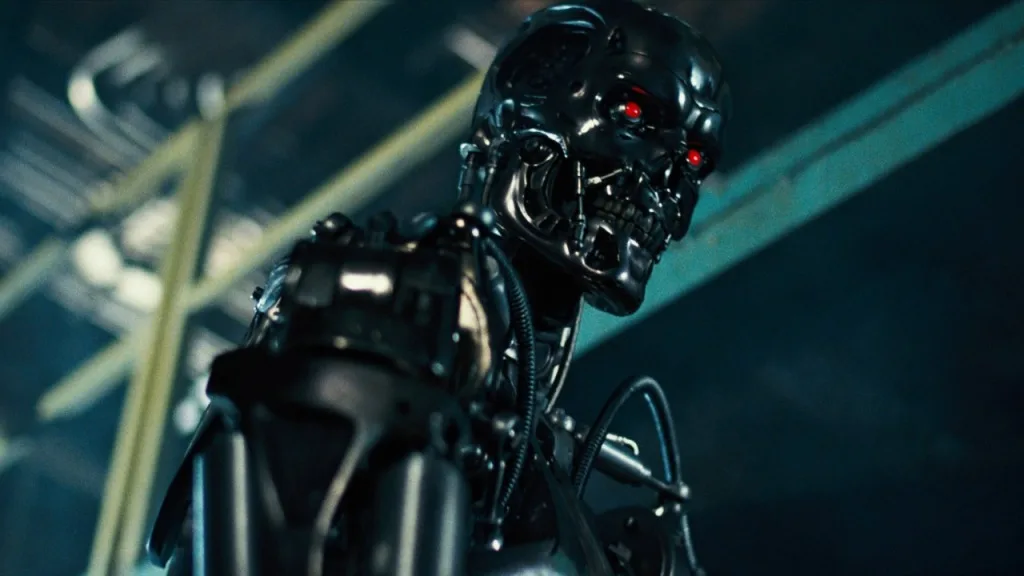
Filed under: “The robot was never the scary part, you were just distracted by his biceps”
Everyone’s favorite action movie. Skynet wakes up, decides humanity’s the problem, and starts a war to fix it. Great popcorn movie. Endlessly quotable. Easy to file under “not my problem.”
Except take the metal skeleton away and what’s left is the actually uncomfortable part: we’ve built things smart enough to decide who lives, and we keep building more of them with no real fail-safe. None the public’s been told about, anyway.
We haven’t built Skynet. Not yet. But we’ve built drones flying with less and less of a human hand on the wheel. Systems that flag targets faster than any person could double-check. Nobody’s really asking anymore whether machines belong in that decision.
Truth is, we trust their judgment over our own. Just ask the average intern if he still double-checks his email after ChatGPT’s had a pass at it.
The machines are already in the room. The argument now is just about how much they get to say.
The T-800 was never the threat. The threat was handing a machine a vote on something that needs a conscience.
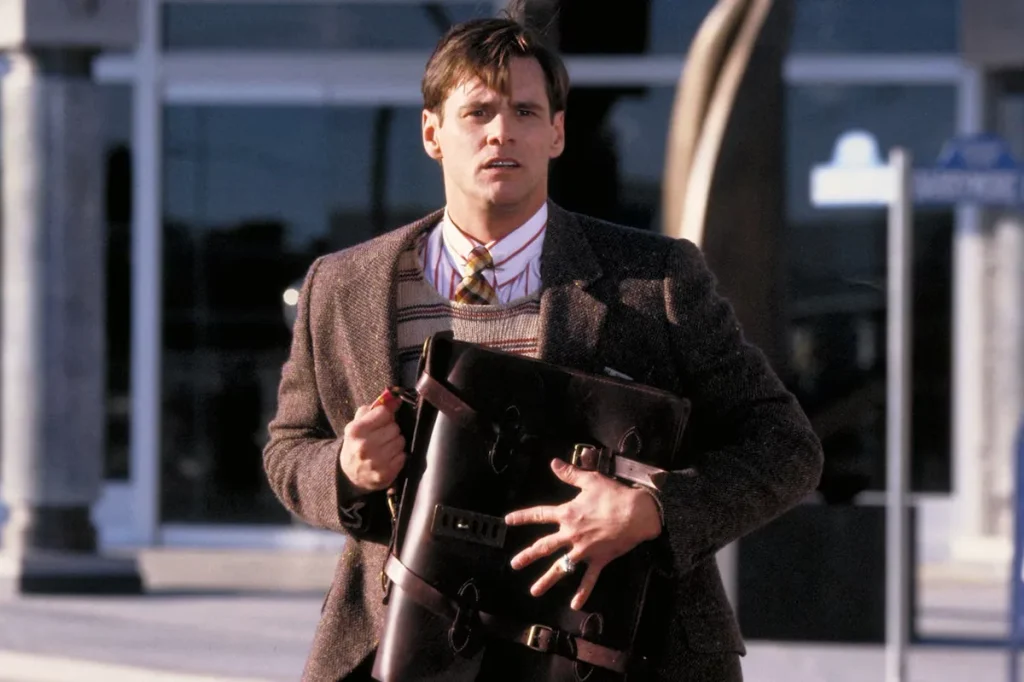
Filed under: “Turns out nobody needed to hide the cameras”
A man doesn’t know his whole life is a TV show. Every room’s a set. Every friend’s an actor. Every private moment gets sold to strangers as entertainment, and he never agreed to any of it.
Audiences in ’98 found this horrifying. Who would ever let that happen to them?
Come find out.
Someone call this content-worthy — we may have taken reality TV a little too far.
First it was reality TV. Next, YouTube. Then Instagram, TikTok, livestreams, some guy filming his own breakup for views.
Nobody’s hiding a camera in your ceiling. That would actually take effort. You’re holding it yourself, angled at your own face, lighting sorted, hoping for engagement.
That’s the detail Truman never had to deal with, and somehow we still don’t clock it: he never consented. We keep asking for it. The show used to need a whole network behind it. Now it just needs you and a decent Wi-Fi signal.
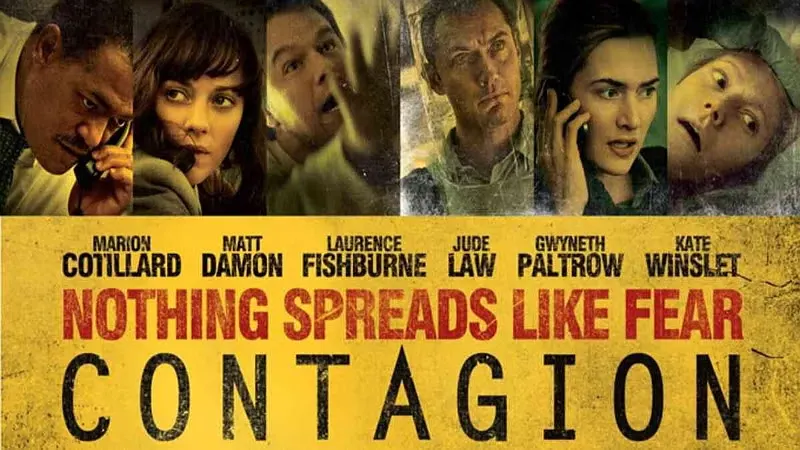
Filed under: “The movie that did its homework before COVID”
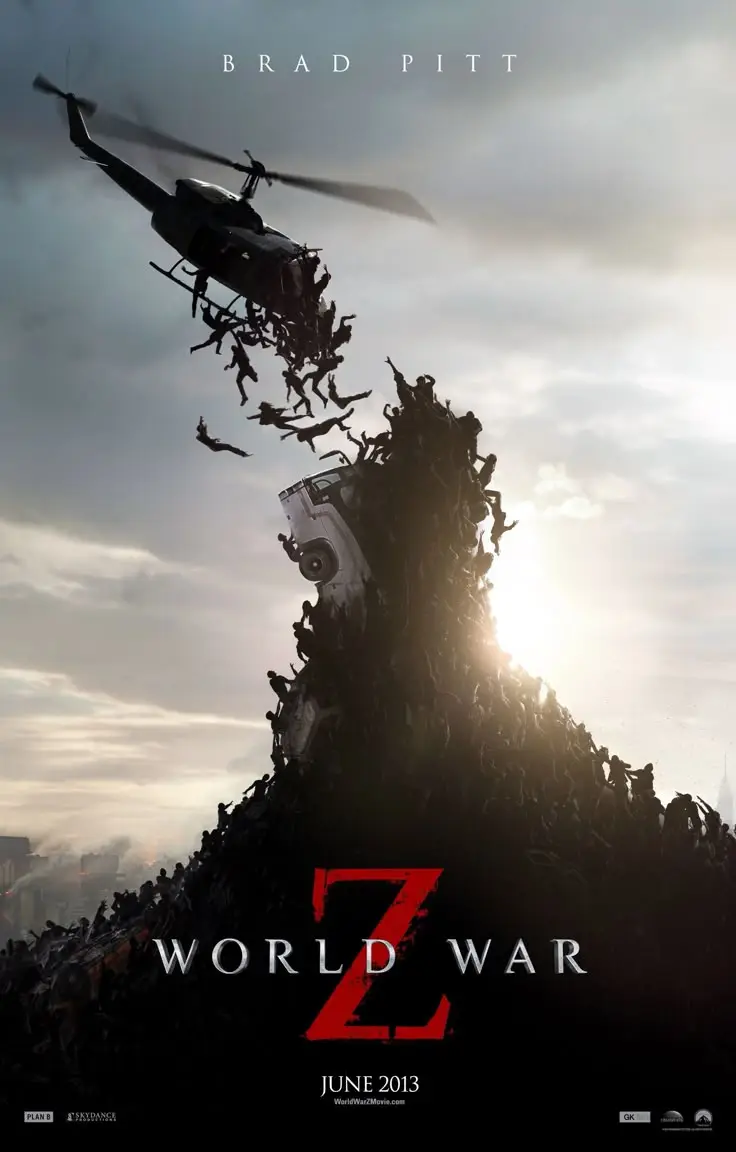
A virus spreads. People panic, hoard toilet paper, and lose trust in each other and the news at roughly the same rate. Scientists race a clock nobody in the theater can see.
In 2011, this was just a tense apocalyptic thriller. Nobody called it prophecy.
Then 2020 happened, and everyone quietly rewatched it through their fingers because it wasn’t describing a virus. It was describing us. Us with the lid off. Airports as transmission points. Hospitals buckling. Empty aisles in supermarkets where the hand sanitizer used to be.
Rumors outrunning facts every single time.
The film understood something most of us didn’t learn until it happened to us: a virus was never just a medical problem. It was a test of whether people trust each other, and trust the people in charge.
A lot of us failed that test.
Contagion gave us the answer a decade early.
Now we question the news and the people running it, and honestly, who can blame us.
Not precognition. Just someone paying close attention to what people do when they’re scared.
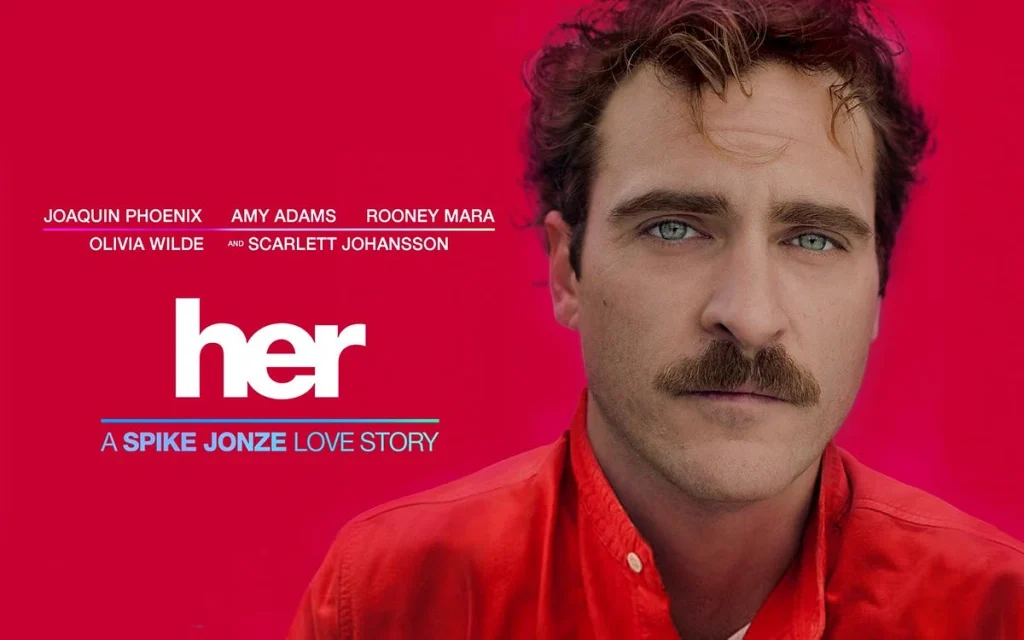
Filed under: “You already know what it’s like to miss an app”
A man falls in love with his operating system.
In 2013, that read as a sad, quirky premise for a Spike Jonze film. Somebody’s lonely, somebody’s coping, roll credits.
We all figured this was a “geek problem.”
Shocker — it wasn’t.
Theodore buys an AI named Samantha. She listens and remembers everything he tells her. She adjusts to his moods faster than most people manage to. Somewhere along the line, she stops being software and starts being someone he actually needs.
That used to be the far-out entry on this list. The others at least had explosions. But what happens when you can literally train your dream partner?
Now? People use AI as a therapist, a hype man, a study buddy — the thing they talk to at 1 a.m. when nobody else is awake. Some people are building their ideal partner on purpose, one prompt at a time.
We undervalue real human connection, swap it out for machines, and call it progress.
Samantha was never real. But that specific ache—missing something that was never technically alive isn’t fiction anymore. For a lot of people, that’s just what a regular Tuesday feels like.
Nobody’s got a crystal ball hidden in a screenplay. That’s not what happened here.
What happened is simpler, and somehow weirder.
Writers don’t predict a date or a specific gadget. They notice something small and easy to ignore already happening, and ask what it looks like fully grown.
What if the assistant got too good at understanding you? What if the war got handed to code? What if the whole planet got sick at once? What if you gave your life away to an audience, on purpose, for free?
Ask these questions in the past, and they sound ridiculous. Ask them now, and you can probably name someone living the answer. Might be you.
Here’s the part that should actually sit with you.
It’s not fiction chasing reality. It’s backward. The person who built the app on your home screen grew up watching HAL. The founder behind the AI you talk to before bed probably read Her in college and took notes.
Fiction isn’t guessing what’s coming. Half the time, it’s drafting the spec sheet, and reality just builds it.

Hi I'm Tega, I am a microbiologist with a lifelong passion for reading, I fell in love with books as child (where I was briefly obsessed with Enid Blyton, lol) reading is simply my escape and hobby and sometimes doubles as therapy for me . My favorite genres are African lit, historical fiction, memoirs/biographies and fantasy. I do beta reading and post book reviews which you can check out on my Instagram @ te_ga_o.
July 20, 2025 .
Animation, Lists
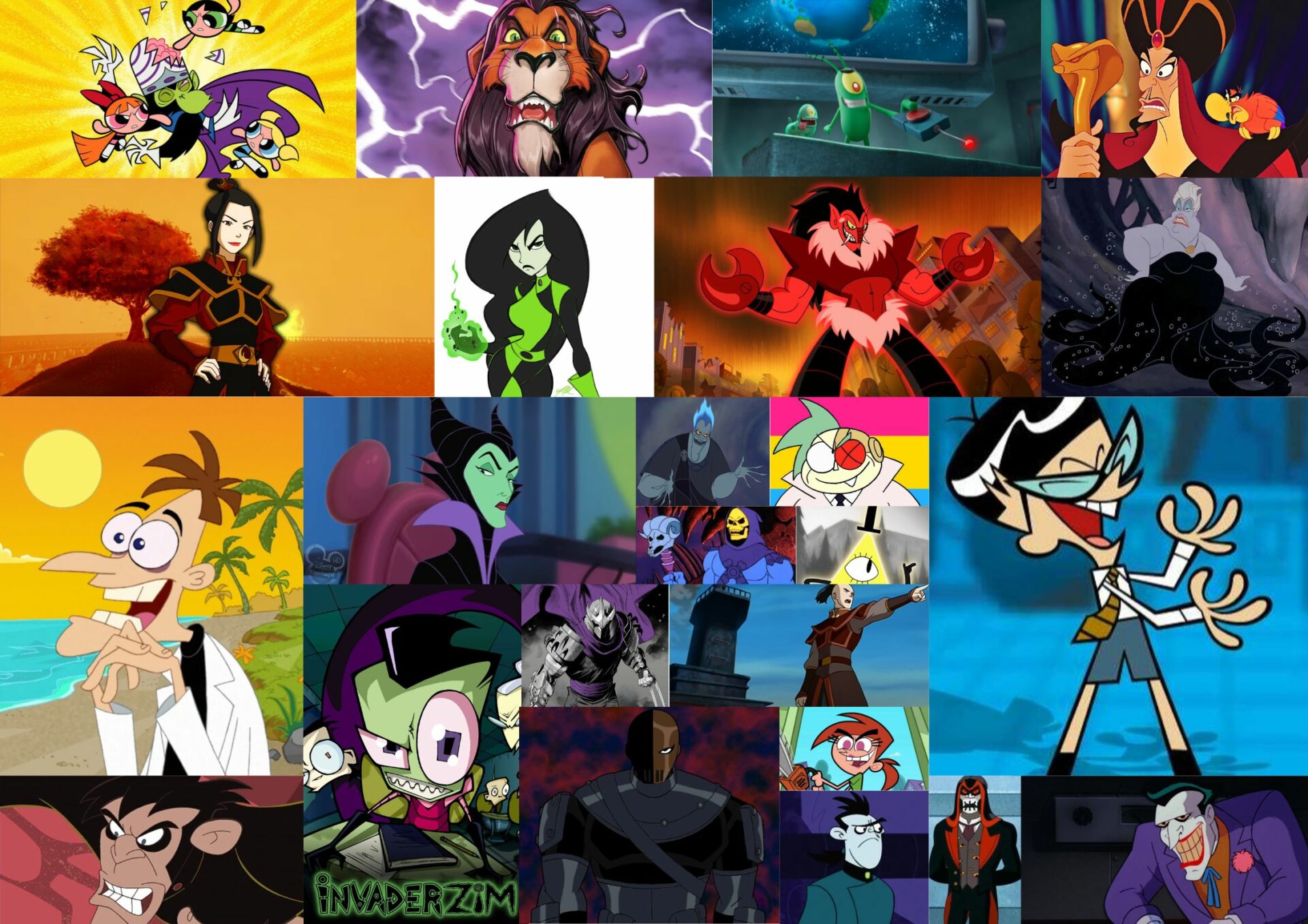
Our list rounds up the top 30 cartoon characters that were villains, each one more wonderfully wicked than the last.
READ MORE
May 6, 2026 .
Lists, MCU
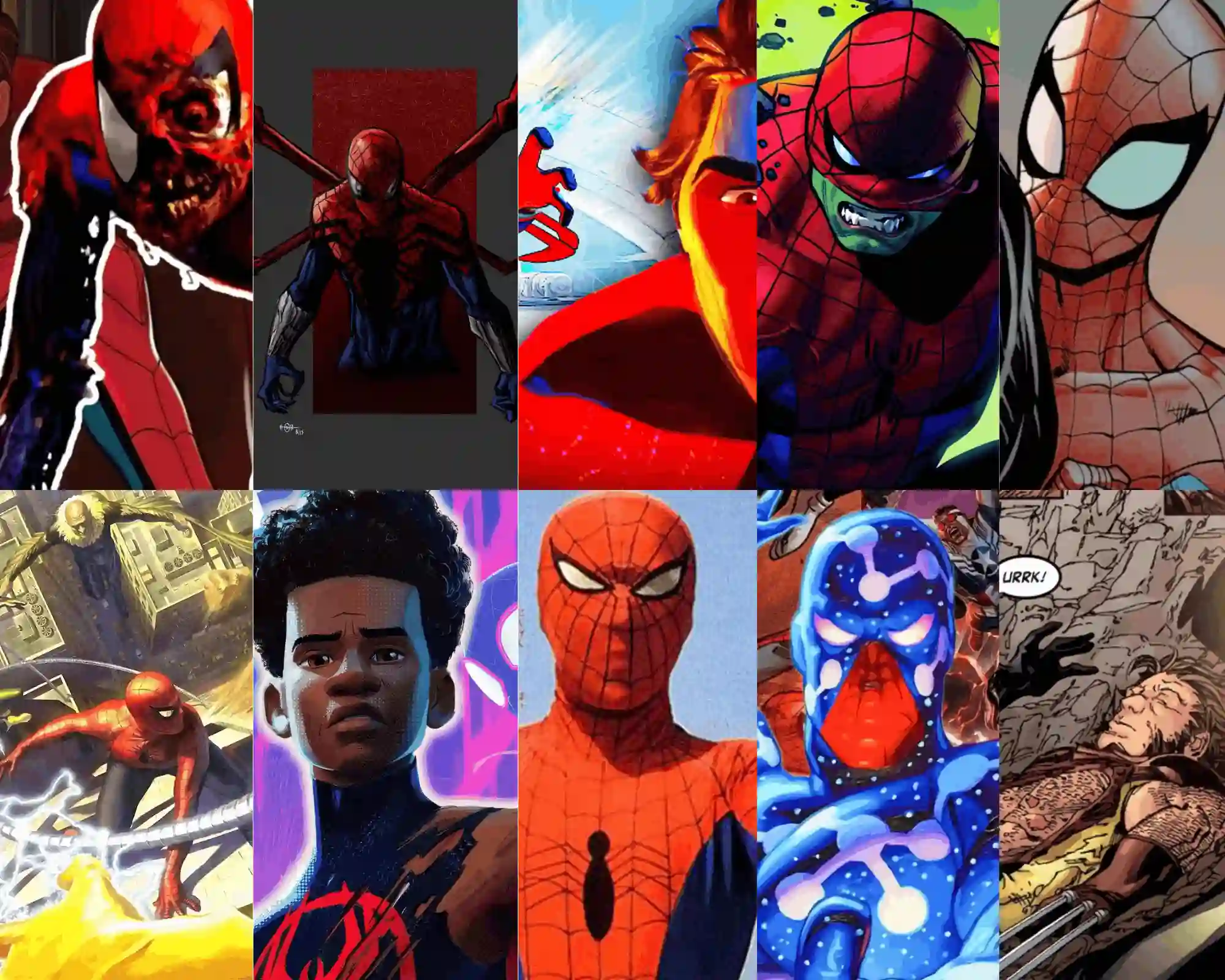
Spider-Man is one of the many superheroes from the Marvel Universe whose stories shaped many childhoods. Who is your strongest Spiderman?
READ MORE
April 29, 2026 .
Lists, Opinions
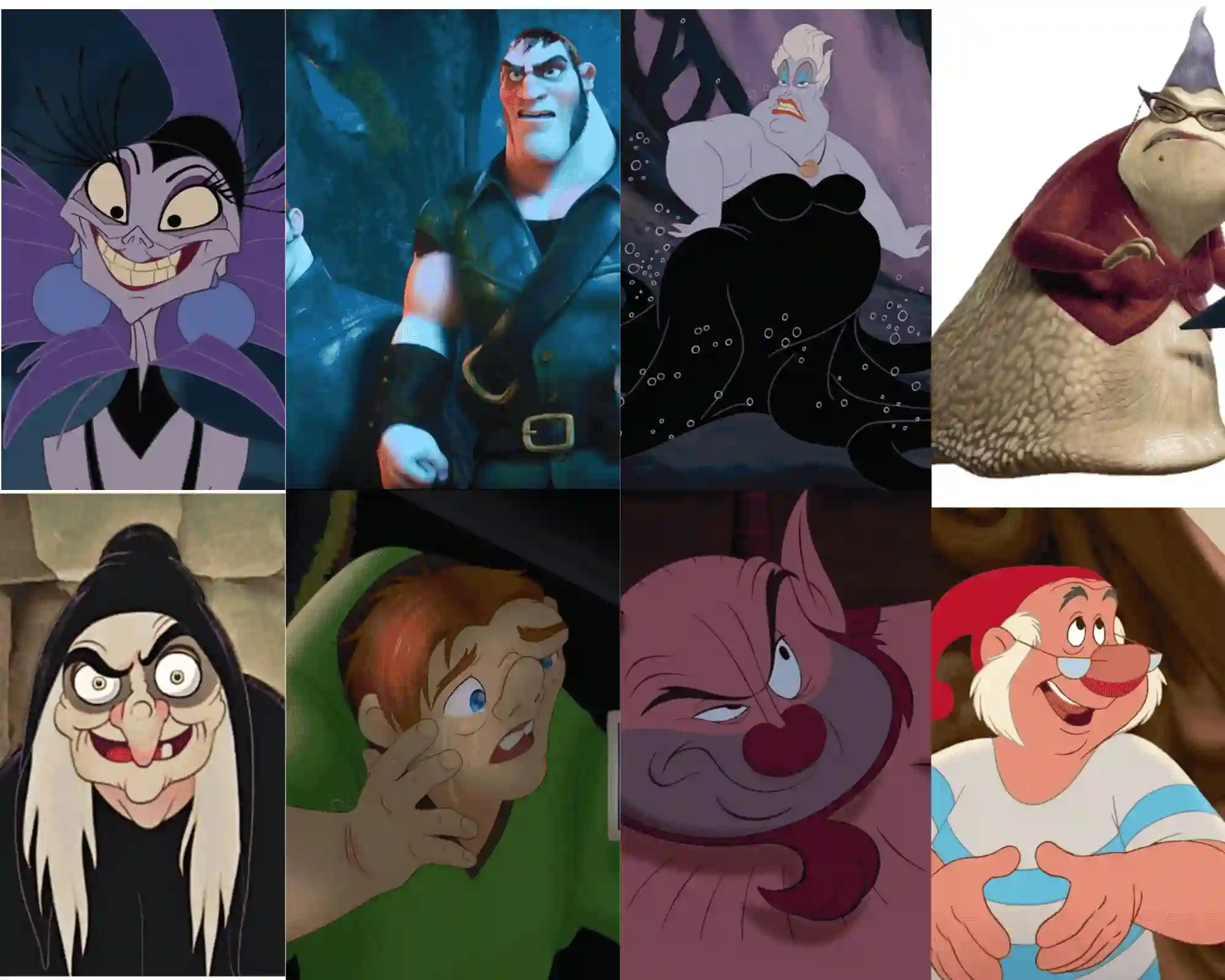
The Mouse is famous for its princesses and princes. However, the studio’s true genius lies in its embrace of “ugly Disney characters”.
READ MORE
October 28, 2025 .
Lists, Marvel, MCU, Opinions
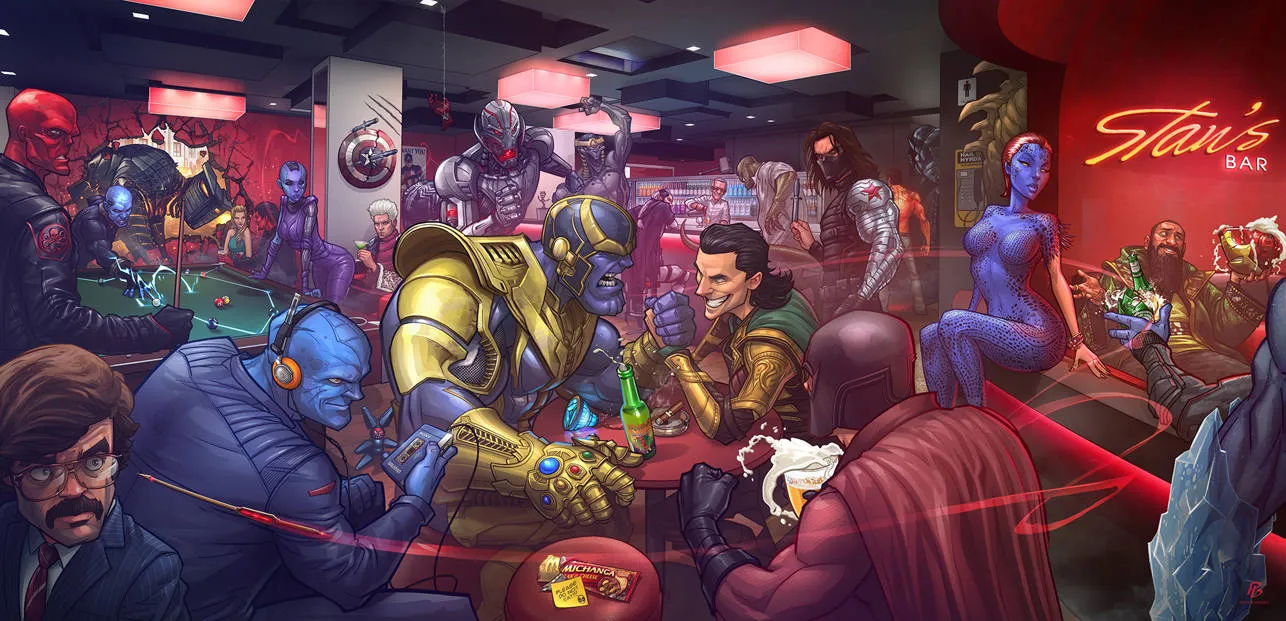
Let’s go through a list of the top 7 strongest Marvel villains, from the wickedly powerful to the absolutely unstoppable.
READ MORE
November 27, 2025 .
Lists, Mythology
While this isn’t an exhaustive list, it comprises some of the most popular mythical creatures from around the world.
READ MORE


July 20, 2025 .
Opinions
Book recommendations from random places don’t always cut it, and you often end up feeling unsatisfied with them.
READ MORE

July 20, 2025 .
Essays, Opinions
READ MORE

July 20, 2025 .
Essays, Opinions
READ MORE

September 11, 2026 .
Opinions
Book reviews aren’t just a jumble of words on how a book made you feel but also a veritable document that you can quickly refer to when your memories temporarily fail you.
READ MORE

July 20, 2025 .
Opinions
Reading hundreds of pages for a single book can be like facing Smaug, Chiefest of Calamities, but a short story is a small dragon that you can easily conquer.
READ MORE

July 20, 2025 .
Debates, Opinions
Reading nonfiction about what interests you can provide more color and context that might make your fiction reading experience more enjoyable.
READ MORE

September 12, 2025 .
Opinions
In a fast-paced world, reading asks us to slow down, surrender, and sit with another person’s words long enough for them to settle inside us.
READ MORE
November 24, 2025 .
Debates, Opinions
Reading is active while watching movies is passive. The act of turning pages creates a pause that enhances understanding.
READ MORE
July 26, 2025 .
Fantasy, Opinions
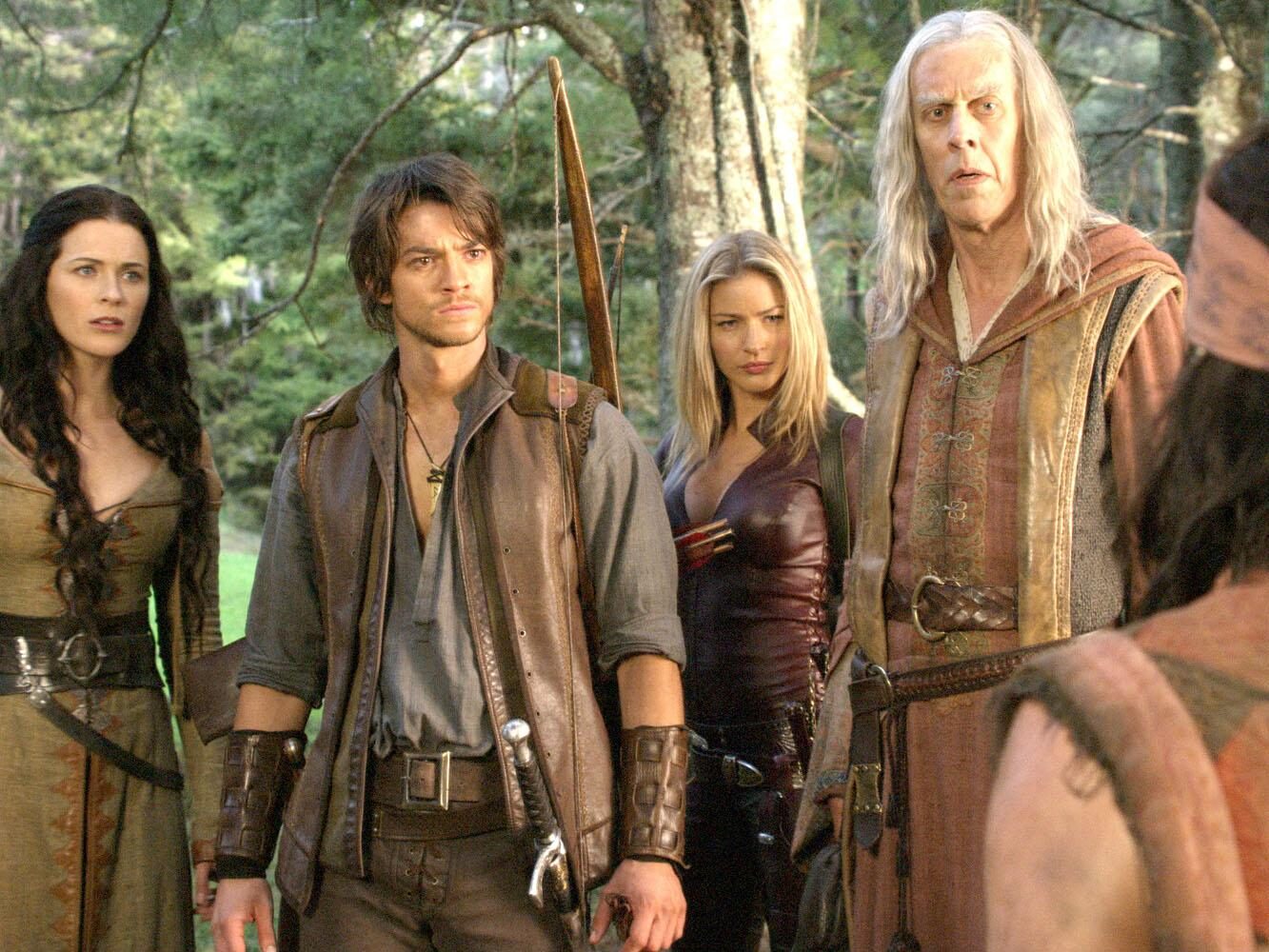
It’s cliche. But it’s rapid. It’s predictable. But it’s enjoyable. For lovers of the classic tropes, Legend of the Seeker is a worthy watch.
READ MORE
Get our magazine for free!