









































































The following comma rules cover common situations, explain frequent mistakes and show how commas can serve a writer’s purpose.
A comma may be one of the smallest marks in writing, but it can change how a sentence reads and what it means. It separates items, clarifies relationships between ideas and helps readers follow complex sentences.
For writers, understanding comma rules is not simply about knowing where to pause. It is about recognising how different parts of a sentence work together. At school, teachers usually teach punctuation through clear rules and examples.
Creative writing introduces a little more flexibility because punctuation can also shape rhythm, voice and emphasis. A novelist might use a comma to slow down a moment, while an essayist might use one to separate ideas and prevent confusion.
However, creative freedom does not mean every comma placement is acceptable. Understanding standard grammar gives writers a reliable foundation and helps them make deliberate choices when a sentence calls for a different approach.
The following comma rules cover common situations, explain frequent mistakes and show how commas can serve a writer’s purpose.
Commas serve several purposes, from separating items in a list to setting off extra information from identifying details.

Some comma rules are straightforward, but others depend on how words, phrases, and clauses relate. Understanding these differences makes punctuation easier to manage.
One of the most familiar comma rules concerns lists. When three or more items appear in a series, commas usually separate them.
For example:
“The room contained books, notebooks, pens and old newspapers.”
Each comma separates an item from the next, making the list easier to follow. However, the final comma before and is optional. Known as the Oxford comma or serial comma, it appears before the last item in a series.
Consider these examples:
The first sentence is clear without an Oxford comma.
In the second, the final comma helps distinguish the editor from the author’s parents and makes the intended grouping easier to understand.
British English does not require the Oxford comma in every list. Its use depends on the style guide and the sentence itself.
Coordinate adjectives independently describe the same noun. When two or more coordinate adjectives appear together, a comma usually separates them.
For example:
“It was a long, exhausting journey.”
Both long and exhausting describe the journey independently. A useful way to test whether a comma is appropriate is to place and between the adjectives. If the sentence still sounds natural, they are probably coordinate adjectives.
“It was a long and exhausting journey.”
However, not every pair of adjectives needs a comma.
“She wore a beautiful red dress.”
Here, beautiful describes the dress, while red identifies its colour. The adjectives have different relationships with the noun, so a comma is unnecessary.
Writing “a beautiful, red dress” would present the adjectives as equal, separate descriptions. That is possible in a suitable context, but it is not the meaning the original sentence intends.
The key to comma rules is to consider how the adjectives work together rather than inserting a comma simply because a noun has more than one description.
Introductory elements appear at the beginning of a sentence and prepare the reader for the main idea.
A comma often separates these elements from the main clause, particularly when the opening is long or introduces a condition, contrast or time reference.
For example:
“After the meeting, everyone went home.”
“Although she had prepared carefully, she was still nervous.”
“Fortunately, nobody was injured.”
In the first example, the opening phrase establishes when the action happened. The second begins with a dependent clause that cannot stand alone as a complete sentence. The third uses an introductory word to comment on the situation.
Short introductory phrases do not always require commas. “Yesterday we stayed home” is perfectly acceptable because the meaning is clear without one.
However, a comma may help when an opening could be misread or when a longer phrase needs a clear boundary.
The decision should reflect the sentence’s structure and meaning, not simply the length of the opening.
The coordinating conjunctions are for, and, nor, but, or, yet, and so. They connect words, phrases and clauses, but a comma is generally needed before the conjunction when it joins two independent clauses.
An independent clause contains a subject and a verb and expresses a complete thought.
For example:
“She wanted to leave, but the rain had not stopped.”
Both parts can stand alone as sentences: “She wanted to leave” and “The rain had not stopped.” The comma marks the boundary between the two complete thoughts.
Compare this with:
“She wanted to leave but stayed until the end.”
Here, the same subject performs both actions. The words after but do not form an independent clause, so a comma is unnecessary.
The conjunction alone does not determine whether a comma belongs in a sentence. Writers need to examine the clauses being connected. This prevents unnecessary commas and preserves the relationship between ideas.
Some phrases and clauses provide additional information without being necessary to identify the person or thing being discussed.
These are called nonessential elements, and commas set them apart from the main sentence.
For example:
“Chimamanda Ngozi Adichie, a Nigerian novelist, is known around the world.”
The phrase a Nigerian novelist adds information about Adichie. Removing it leaves the sentence’s central meaning intact.
“Chimamanda Ngozi Adichie is known around the world.”
The same principle applies to relative clauses.
“My brother, who lives in Lagos, is visiting next week.”
The commas suggest that the writer has one brother and is adding information about where he lives.
Now consider:
“My brother who lives in Lagos is visiting next week.”
Without the commas, the clause identifies which brother is visiting. The writer may have more than one brother and is specifying the one who lives in Lagos.
This distinction is important because commas can change a sentence’s meaning. Before placing commas around a description, consider whether it simply adds information or identifies the subject.
When addressing someone directly, separate their name, title or form of address from the rest of the sentence with a comma. The position depends on where the name appears.
For example:
“Sarah, could you check this paragraph?”
“Could you check this paragraph, Sarah?”
“Thank you, Professor, for your help.”
In each example, the name or title identifies the person being addressed rather than forming part of the sentence’s main grammatical structure.
A missing comma can even change a sentence’s meaning. Consider the familiar example:
“Let’s eat, Grandma.”
“Let’s eat Grandma.”
The first invites Grandma to eat, while the second suggests something very different. Although the example is humorous, it shows why direct address needs clear punctuation.
This is one of the comma rules that is particularly useful in dialogue, letters, emails and informal writing, where people address one another by name or title.
Some words and phrases interrupt a sentence to add a comment, qualification or transition.
When they interrupt the main grammatical structure, commas can separate them from the surrounding words.
For example:
“The answer, however, was not obvious.”
“She was, in fact, already aware of the problem.”
“The proposal, in my opinion, needs further work.”
The commas mark the inserted expressions as comments rather than essential parts of the sentence.
An introductory however usually takes a comma after it:
“However, the results were different.”
Other expressions, such as nevertheless, fortunately and in other words, may also take commas depending on their position and function.
Writers should not automatically surround every transitional expression with commas. Punctuation should reflect how the expression fits into the sentence, not merely that it sounds important.
Commas help distinguish spoken words from reporting clauses in dialogue and reported speech.
A reporting clause identifies who spoke or how they delivered the words.
For example:
“She said, ‘I will call you tomorrow.’”
The comma introduces the quotation. When the reporting clause follows the quoted words, the punctuation depends on the quotation style and the sentence structure.
In British English, punctuation is generally placed inside quotation marks when it belongs to the quoted material. If a reporting clause continues the sentence, the comma may therefore appear outside the closing quotation mark.
For example:
“‘I will call you tomorrow’, she said.”
Some British publishers use conventions that place commas and full stops inside quotation marks in dialogue. Writers should follow the relevant house style consistently rather than assume that every publication follows the same rule.
A reporting clause can also interrupt a quotation:
“‘I knew,’ she said, ‘that something was wrong.’”
Here, the commas mark the interruption. The words before and after the reporting clause belong to the same spoken thought.
These conventions are particularly useful in fiction, where clear punctuation helps readers distinguish dialogue from narration and follow who is speaking.
Expressions that introduce examples do not always require commas.
Punctuation depends on whether the examples add information or identify the specific things being discussed.
For example:
“Several cities, such as Abuja and Lagos, have hosted major cultural events.”
The phrase such as Abuja and Lagos adds information about the cities. The commas set it apart because the sentence’s central meaning remains clear without the phrase.
Now consider:
“Cities such as Abuja and Lagos have hosted major cultural events.”
Here, the phrase identifies the particular group of cities being discussed. Commas are unnecessary because the examples help define the subject.
You can also set off “for example” with commas when it interrupts a sentence.
“Some punctuation marks, for example, can change the meaning of a sentence.”
However, it can introduce an example in other sentence structures without requiring a pair of commas. The complete sentence determines the punctuation, not the expression alone.
Commas can separate parts of dates, addresses and geographical names, helping readers distinguish different details.
For example:
“Lagos, Nigeria, is a major commercial centre.”
The commas set off Nigeria as additional information about Lagos.
In a sentence that includes a weekday and a full date, a comma separates the weekday from the date.
“The meeting took place on Saturday, 10 October 2026.”
A second comma may be needed when the date appears in the middle of a sentence as additional information.
“The meeting, held on Saturday, 10 October 2026, attracted several writers.”
British date formats generally place the day before the month. Unlike some American formats, they do not require a comma between the day and month.
In addresses, commas may separate a town or city from a country or other geographical detail.
However, the punctuation should follow the format of the address and the sentence in which it appears.
A tag question is a short question added to the end of a statement. A comma separates the statement from the question.
For example:
“You have finished the report, haven’t you?”
“It’s a beautiful day, isn’t it?”
The comma marks the shift from the statement to the question. Without it, the sentence becomes harder to read.
Commas can also separate contrasting expressions when they clarify the relationship between ideas.
For example:
“She wanted the red notebook, not the blue one.”
“The decision was difficult, yet necessary.”
In the first sentence, the comma highlights the contrast between the two notebooks. In the second, it separates two contrasting descriptions linked by yet.
These examples do not mean that every contrasting phrase needs a comma. Punctuation depends on the sentence’s structure and how much separation it needs to stay clear.
Knowing where commas belong is only part of using them well.
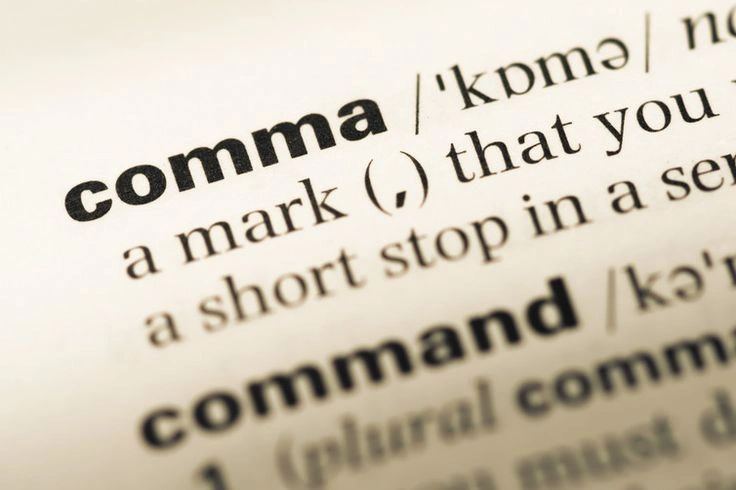
Writers also need to recognise when a comma interrupts a grammatical relationship or attempts to join sentence parts that require different punctuation. Understanding these common mistakes makes editing more accurate.
A comma splice occurs when two independent clauses are joined with a comma but no coordinating conjunction or other suitable punctuation.
Consider this example:
“The film ended, everyone started talking.”
Both parts express complete thoughts. The comma alone cannot connect them correctly in standard prose.
There are several ways to correct the sentence:
Each version is grammatically sound, but the choice affects the rhythm. The first connects the ideas, the second separates them into two sentences, and the third keeps them closely linked.
Comma splices can be a deliberate stylistic choice in fiction. However, they should not result from uncertainty about sentence structure, especially in academic or explanatory writing.
The subject tells readers who or what a sentence is about, while the verb expresses an action or state. A comma should not separate these parts without a valid grammatical reason.
Correct: “The collection of short stories is on the table.”
Incorrect: “The collection of short stories, is on the table.”
The subject is the collection of short stories, and the verb is is. The comma in the second example interrupts the connection between them without adding useful information.
Long subjects can make this mistake tempting, particularly when a writer expects a pause before the verb. However, the length of a subject does not justify a comma. If a sentence feels awkward, restructure it instead of adding unnecessary punctuation.
A verb and its object generally belong together because the object receives the action or completes the verb’s meaning.
Correct: “She wanted a new notebook.”
Incorrect: “She wanted, a new notebook.”
In the correct sentence, a new notebook is the object of wanted. The comma in the second version interrupts that relationship without serving a grammatical purpose.
The same problem can occur in longer sentences when a comma separates a reporting verb from the words it introduces or divides a verb from the phrase that completes its meaning.
One of the comma rules to keep in mind is: check whether the words on either side form a grammatical relationship that should remain intact.
A compound predicate occurs when one subject has two or more verbs or verb phrases.
For example:
“She opened the letter and read it carefully.”
The subject she applies to both actions, so a comma is not needed before and.
Compare this with:
“She opened the letter, and her brother read it carefully.”
The second sentence contains two independent clauses. The first has she as its subject, while the second has her brother. A comma before and is appropriate because the conjunction joins two complete thoughts.
The distinction prevents writers from inserting commas whenever a sentence contains two actions.
What matters is whether the actions belong to the same clause or to separate independent clauses.
Reading aloud is a useful editing technique, but spoken pauses don’t always match written punctuation.
People pause for breath, emphasis, or hesitation, even when the sentence’s grammar doesn’t require a comma.
Consider this example:
“The woman sitting beside the window is my aunt.”
A reader might pause after window, but adding a comma there would separate the subject from its verb.
Incorrect: “The woman sitting beside the window, is my aunt.”
The comma is unnecessary because it interrupts the sentence’s grammatical structure.
This does not mean reading aloud is unhelpful. It can reveal sentences that feel crowded or difficult to follow.
The important thing is to treat a pause as a reason to examine the sentence, not as automatic proof that a comma belongs there.
Grammar explains many pause choices, and in extension, comma rules, but it does not account for every decision a writer makes.

In creative work, comma rules aren’t always applicable. Punctuation can shape pace, emphasis, voice, and how a reader experiences a scene.
The challenge is to use that freedom without confusing the writing.
A comma can change a sentence’s pace by separating actions or highlighting a detail.
Compare these examples:
“She looked at the letter and put it away.”
“She looked at the letter, then put it away.”
The second version creates a slight separation between the two actions. That pause can change how readers experience the sequence, even though both sentences are easy to understand.
Commas can also convey hesitation:
“I thought you were, well, different.”
Here, the comma reflects the speaker’s uncertainty. Removing it would change the rhythm and could make the line sound more direct.
However, adding commas does not automatically make prose more expressive. Too many interruptions can weaken a scene or make a sentence difficult to follow. The punctuation should support the intended effect rather than compete with it.
Dialogue often reflects hesitation, qualification and changes in thought. Commas can help communicate these patterns while keeping the words readable.
For example:
“I wanted to tell you, but I didn’t know how.”
The comma separates two related clauses and helps the sentence move from the speaker’s intention to the reason they held back.
A writer might also use commas to suggest uncertainty:
“I suppose, if you really want to know, I was afraid.”
The commas set off the inserted phrase and make the speaker seem hesitant. Without them, the sentence would still communicate the basic idea, but the delivery might feel different.
There is a limit, though. Punctuation cannot reproduce every feature of natural speech, and marking every hesitation can make dialogue feel cluttered.
Choose the moments when a comma adds something to the character’s voice or the meaning of the exchange.
Creative writing sometimes departs from standard grammatical conventions. A novelist might use unusual punctuation to create a distinctive rhythm, while a poet might arrange commas to influence how a line is read.
Such choices can work, but they are more effective when the writer first understands the standard rule. A deliberate departure should contribute to the passage rather than distract readers from it.
Audience and context also matter. Experimental punctuation may suit a poem or a character’s distinctive voice, but it could distract readers in an academic essay or formal report.
Creative freedom gives writers more ways to communicate meaning. It doesn’t remove the need for clarity, and not every unusual comma placement helps.
Learning comma rules gives writers greater control over how sentences work.
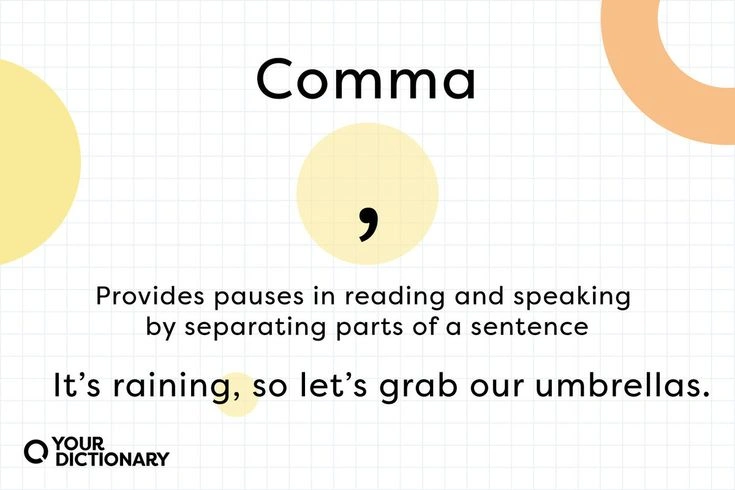
Commas can separate items, distinguish additional information from essential details, connect independent clauses, and shape a passage’s rhythm.
Used carelessly, they can also disrupt a sentence’s grammar or change its meaning, necessitating comma rules.
When editing, consider what each comma contributes. Does it clarify a relationship, separate information, or support the intended rhythm? If it serves a clear purpose, keep it. If it interrupts the sentence without adding meaning, reconsider it.
The aim is not to use as many commas as possible or to avoid them altogether. It is to understand how they work and choose the punctuation that helps readers follow the writing.


July 20, 2025 .
Animation, Lists
Our list rounds up the top 30 cartoon characters that were villains, each one more wonderfully wicked than the last.
READ MORE
April 29, 2026 .
Lists, Opinions
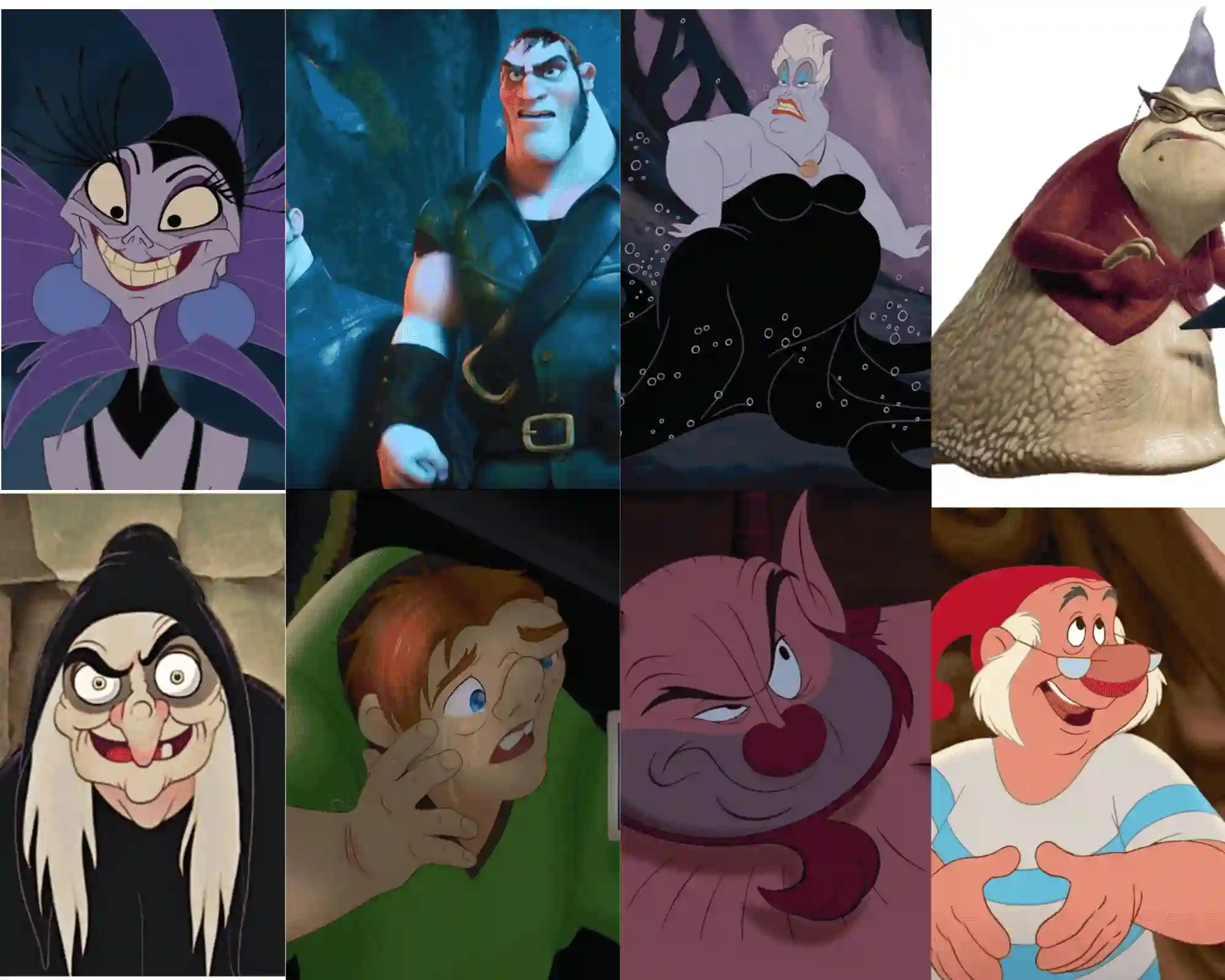
The Mouse is famous for its princesses and princes. However, the studio’s true genius lies in its embrace of “ugly Disney characters”.
READ MORE

May 6, 2026 .
Lists, MCU
Spider-Man is one of the many superheroes from the Marvel Universe whose stories shaped many childhoods. Who is your strongest Spiderman?
READ MORE

October 28, 2025 .
Debates, Lists, Marvel, MCU
Every Marvel hero brings something to the table. But if we had to pick the top 8 most popular Marvel superheroes, who would make the cut?
READ MORE

October 28, 2025 .
Lists, Marvel, MCU, Opinions
Let’s go through a list of the top 7 strongest Marvel villains, from the wickedly powerful to the absolutely unstoppable.
READ MORE


July 20, 2025 .
Writer Resources
Discover the differences in First-Person Point of View and Third-Person POV, and how each impacts character connection and narrative style.
READ MORE

May 15, 2026 .
Writer Resources
The tension between writer-centered and reader-centered approaches defines how a story is told and who it serves.
READ MORE

October 22, 2025 .
Essays, Writer Resources
Ever found a book that looks like a comic but tells a complete, well-structured story? Congratulations, it’s a graphic novel.
READ MORE
June 26, 2026 .
Writer Resources
Writing starts with forming ideas, imagination, dreams, and thoughts. And when these condense into a coherent progression, you have a plot.
READ MORE
May 10, 2026 .
Writer Resources
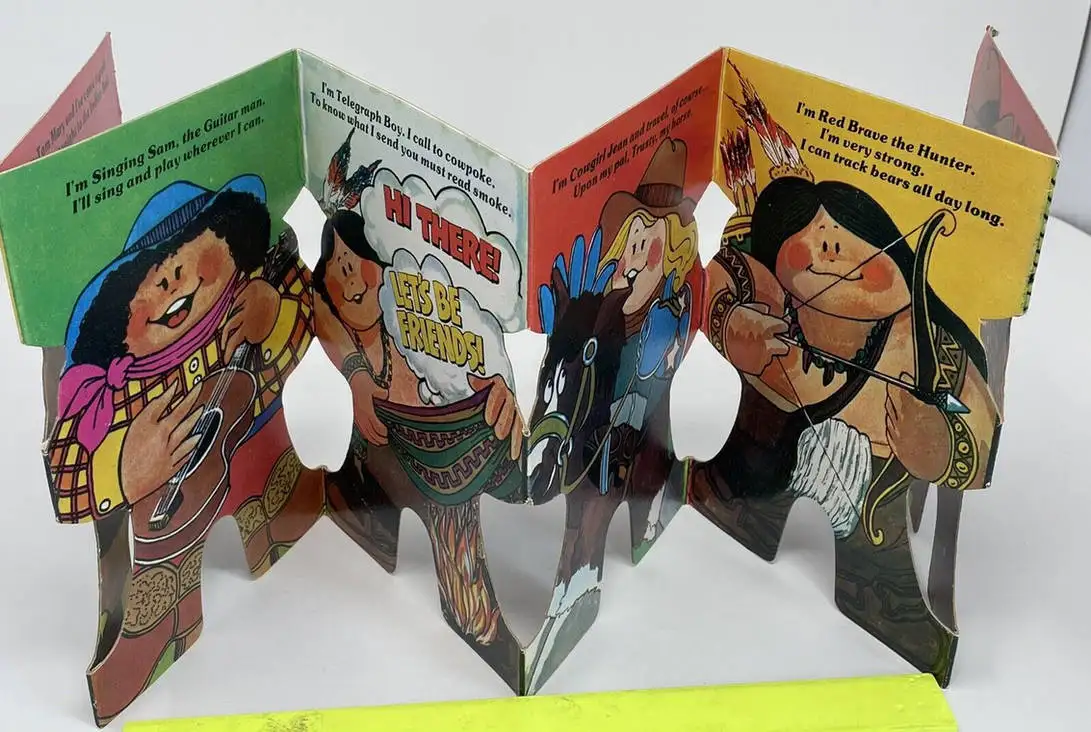
What is a board book, and how does it differ from others? Traditional publishing usually means novels, but published works span much more.
READ MORE

July 24, 2025 .
Essays, Writer Resources
READ MORE
February 8, 2026 .
Writer Resources
Breaking into traditional publishing can feel like decoding a secretive industry. This guide is a resource for finding the right agent.
READ MORE
February 28, 2026 .
Writer Resources
There are three paths in book publishing: traditional, self-publishing, and hybrid. The current focus is on traditional publishing.
READ MORE

July 20, 2025 .
Writer Resources
Today, writers are needed who combine creativity with technical expertise, professionalism, and adaptability.
READ MORE

Get our magazine for free!