
Menu



























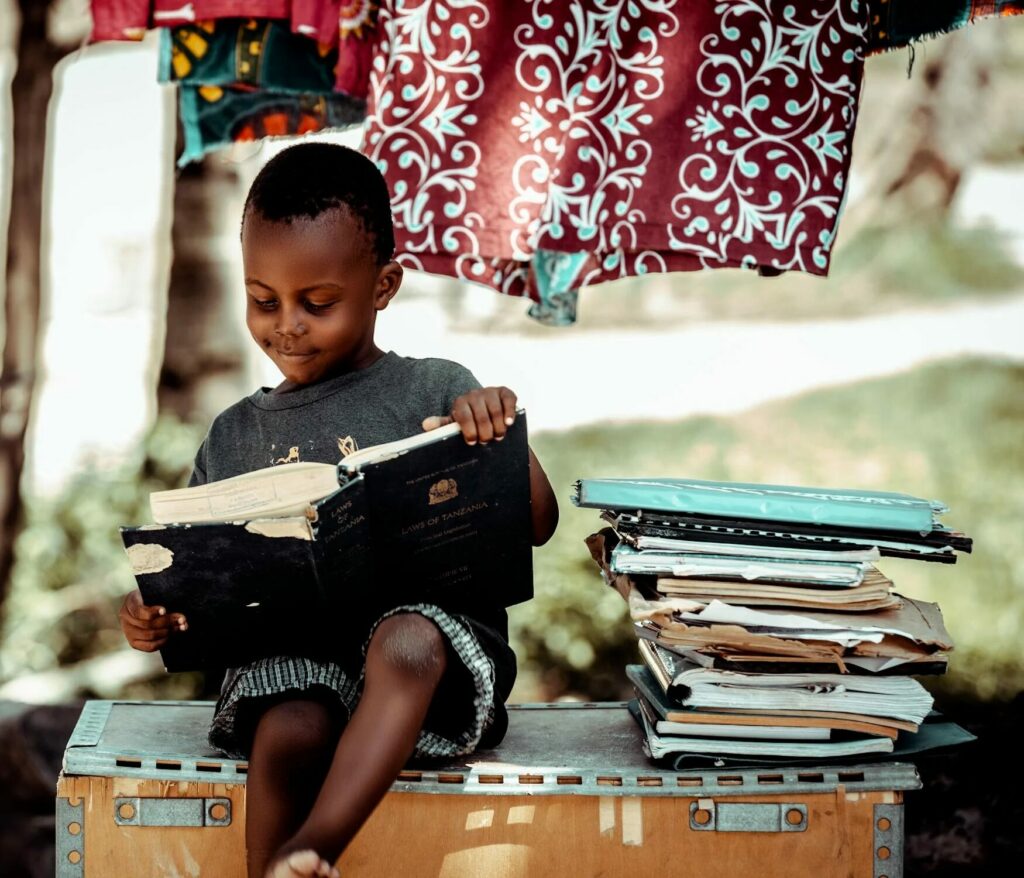
Is literacy about being able to read and write in only English, excluding the local dialects? If so, where does this leave non-native speakers?

The Global Health Observatory of the World Health Organization defines the literacy rate somewhat obscurely, as there is no language standard to hold literacy to. Is literacy about being able to read and write in only English, excluding the local dialects?
If so, where does this leave non-native speakers?
The answer to those questions, however, isn’t the topic being treated here. This article is about the bigger questions involving literacy, reading culture and book dissemination in African countries and how they affect how the African is viewed by his fellow global man.
Do Black people really read? Can they comprehend the language of letters and text? What are the issues that have given rise to this worrying perspective? And how does the literary publishing industry tie into this puzzle?
The answer to that, dear reader, lies in this piece.
Literacy, or more accurately put, Western literacy, has long been the yardstick for intellectual prowess, if not in most parts of the world, then in Africa. Within the context of the African experience, this myth, that proficiency in the language of the colonizers is the ticket to everything good in this world, is only partly true.
Of course, English is the language of the global economy. Spoken widely alongside other international languages like French, Spanish, and Portuguese, its understanding lends a key that unlocks access to technology, science, art, and opportunity for its speakers.
But it would be false to imply that being fluent in any of these languages in any way bestows any superiority to the speaker.

Literacy, and by extension, publishing, must always refer to works in local dialects. While books in the language of the colonizers understandably dominate the shelves in these parts, there remains an eternal place for other works.
Ultimately, this myth that only being able to read and write in English works counts as literacy continues to shape how languages like Yoruba, Swahili, Hausa, Zulu, or Yoruba, pidgin, and creole are accorded secondary attention within book spaces locally and internationally.
Whether you agree with the general perception that Africans read or don’t read, there’s some truth to a few theories.
The African literacy and literary publishing scene remains fraught with issues that will not go away unless they are addressed urgently.
The first problem is indeed one, if not entirely the most pressing. It’s like the classic Bible saying: The harvest is plenty, but the laborers are few.
In West Africa, the likes of Masobe, Narrative Landscape and Cassava Republic cater to the needs of audiences and talents in Ghana, Nigeria and even outside the region. It’s the same in southern, northern and eastern Africa.
The market has its many challenges, publishers may argue. But the fact remains that the current publishing capacity isn’t robust enough to meet the needs of a continent approaching a golden age of art and culture.
The book landscape in Africa continues to lag behind its Western counterparts primarily due to the lack of strength and focus of its marketing efforts.
Maintaining healthy relationships across the supply chain and ecosystem is critical for the success of the publishing industry and, by extension, literary reach. In this area, African publishers continue to struggle.
Some elements of these networks include:
The likes of Penguin Random House, HarperCollins and Macmillan Publishers have established thriving networks which they regularly leverage to maximize publicity for book campaigns.
And, while these institutions have the advantage of more years in the industry, African publishing can draw plenty of inspiration from their workings.
Across the continent, publishers are increasingly targeting the international market, preferring to obtain rights to African literature from the diaspora at the expense of committing resources to promote local potential.
Indeed, everything hints at a preference for already published MFA holders in America and Europe over local talents. And, while this in itself is not necessarily a bad thing, only a product of a disjointed wider system actually, publishers leave a significant deficit of talent uncatered to.
This trend wreaks damage among the local literary communities, damaging confidence and giving rise to the myth that MFAs and immigration are prerequisites for literary renown.
For literacy rates to go up, books have to be accessible. Physical and ebook piracy, while proving to be unorthodox answers to the problem of literature access in Africa, has been revealed to be just as effective in hindering literary publishing.
While many works of African literature continue to thrive on these shores, the risks of piracy and commercial loss continue to hinder the accessibility and affordability of more diverse literature.
A lack of legislation to protect intellectual property rights and the normalizing of book piracy continue to deprive publishers of the resources and motivation to invest in even more quality literary products and impactful initiatives.

Within the African context, it is imperative that publishing companies perform a two-fold role. Publishing can only thrive when there is a market for it.
Books cannot sell where they are neither popular nor respected. For publishing to maximize value from its market, publishers must take on the responsibility of literary advocacy.
Through physical and digital publishing mediums like books, ebooks, websites and apps, human thoughts and experiences are collected in writing. Through this, literacy becomes a fabric of society itself, a key part of its identity.
In Africa, literacy and publishing are two sides of the same coin. The publishing industry flourishes when the literacy rate goes up, and vice versa.
Within the African context, it is impossible to speak of publishing without pushing the literary and reading narrative. One, quite simply, doesn’t exist without the other.
For the industry to move to the next stage of its evolution, it must surmount these various obstacles or face stagnancy or worse, illiteracy.

The Tyrant Overlord. Fantasy buff and avid football fan.
15 Writing-Adjacent Careers for Writers Looking for a Career Change
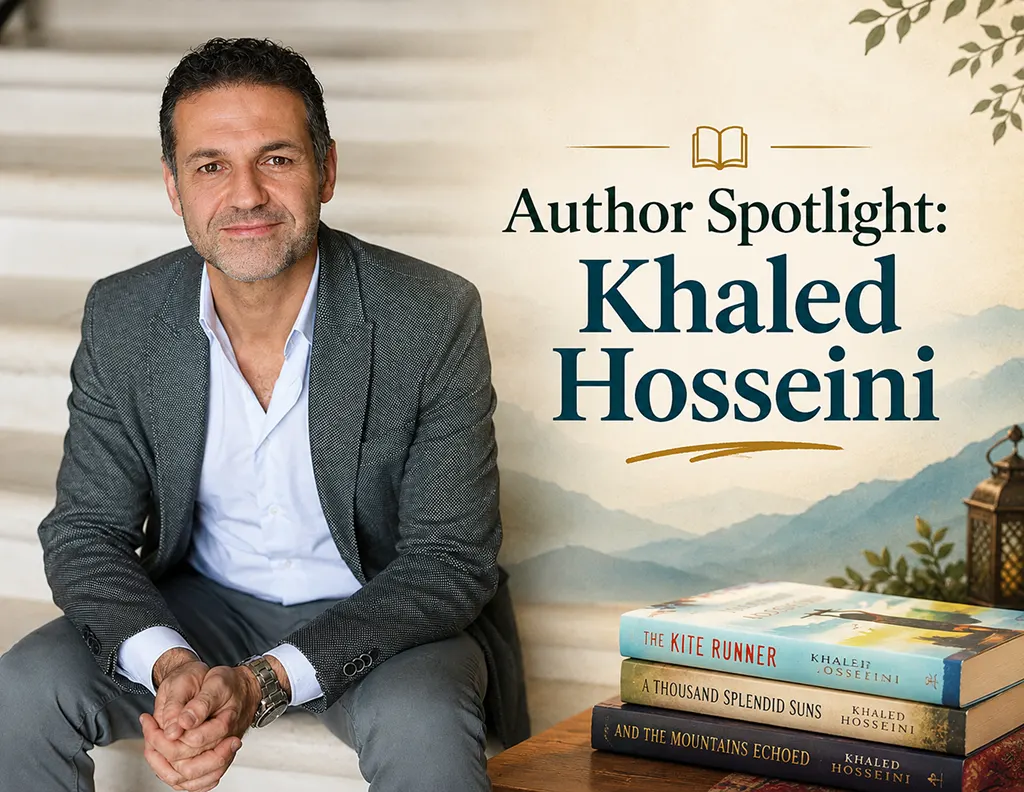
Authors Spotlight: Khaled Hosseini
The Sound Souls Make When They Die by Chinemefun Chimuanya
If Nollywood Cast Our Favourite African Books: Who Would Play Who?
Best Films About Unexpected Age Gap Romance
Literary Awards and the Racism Card: A Wake-Up Call for Black Africa
Interview with the Vampire Relationships, Ranked
10 Top Recent Films for Action and Comedy Fans
Comma Rules Every Writer Should Know
10 Most Hype-worthy 2026 Book Releases (African Literature Version)
Five Gambling Films That Know the Bet Is Only Half the Story
Movies Where Poker Reveals Who a Character Really Is
July 20, 2025 .
Animation, Lists
Our list rounds up the top 30 cartoon characters that were villains, each one more wonderfully wicked than the last.
READ MORE

November 27, 2025 .
Lists, Mythology
While this isn’t an exhaustive list, it comprises some of the most popular mythical creatures from around the world.
READ MORE
April 29, 2026 .
Lists, Opinions
The Mouse is famous for its princesses and princes. However, the studio’s true genius lies in its embrace of “ugly Disney characters”.
READ MORE
May 6, 2026 .
Lists, MCU
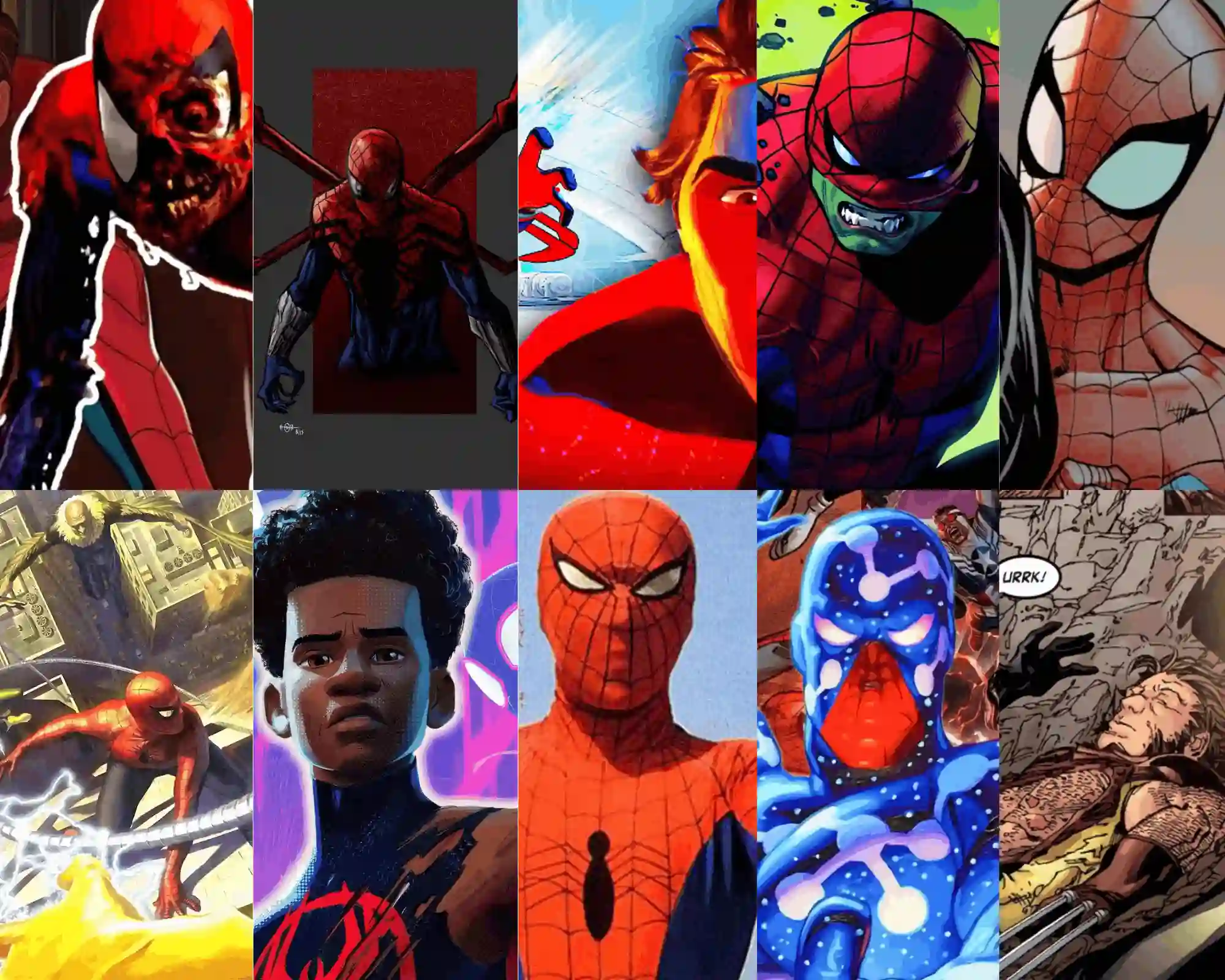
Spider-Man is one of the many superheroes from the Marvel Universe whose stories shaped many childhoods. Who is your strongest Spiderman?
READ MORE
February 26, 2026 .
Cartoons, Lists
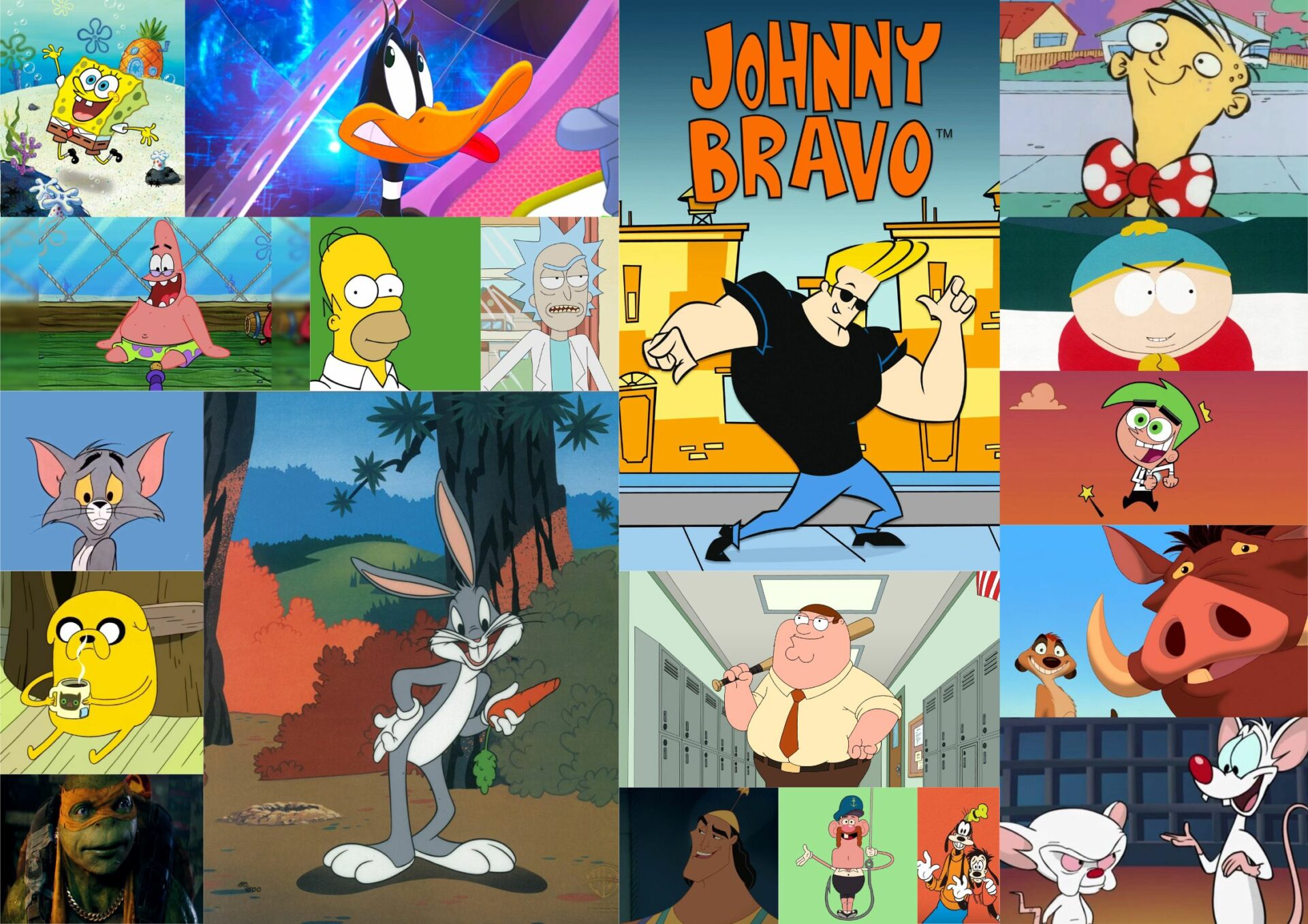
There are some outright funny cartoon characters who exist solely to crack you up, loud, hard, and with zero apology.
READ MORE

July 20, 2025 .
Opinions
Book recommendations from random places don’t always cut it, and you often end up feeling unsatisfied with them.
READ MORE

July 20, 2025 .
Essays, Opinions
READ MORE

July 20, 2025 .
Essays, Opinions
READ MORE

September 11, 2026 .
Opinions
Book reviews aren’t just a jumble of words on how a book made you feel but also a veritable document that you can quickly refer to when your memories temporarily fail you.
READ MORE

July 20, 2025 .
Opinions
Reading hundreds of pages for a single book can be like facing Smaug, Chiefest of Calamities, but a short story is a small dragon that you can easily conquer.
READ MORE

July 20, 2025 .
Debates, Opinions
Reading nonfiction about what interests you can provide more color and context that might make your fiction reading experience more enjoyable.
READ MORE

September 12, 2025 .
Opinions
In a fast-paced world, reading asks us to slow down, surrender, and sit with another person’s words long enough for them to settle inside us.
READ MORE
November 24, 2025 .
Debates, Opinions
Reading is active while watching movies is passive. The act of turning pages creates a pause that enhances understanding.
READ MORE
July 26, 2025 .
Fantasy, Opinions
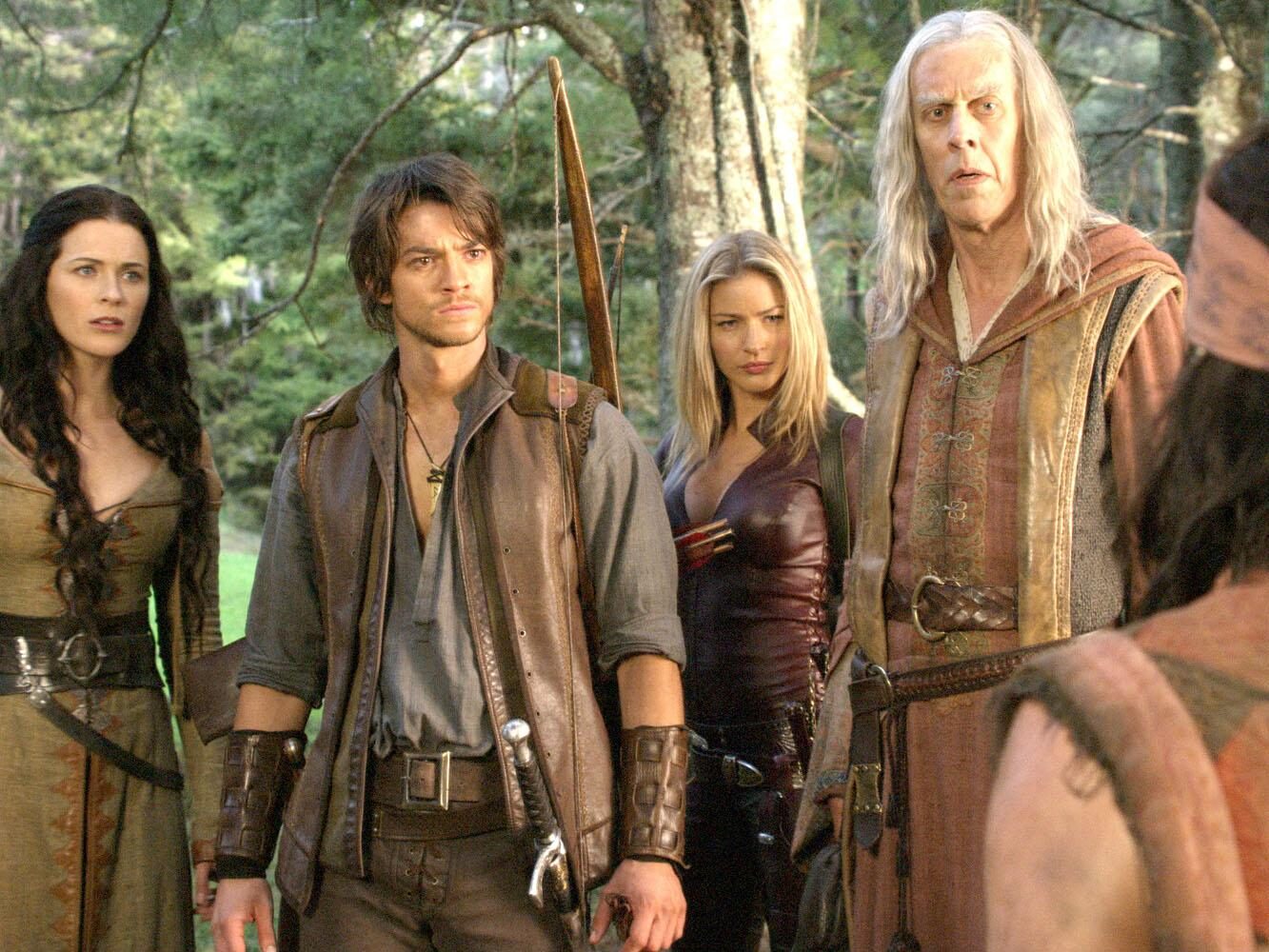
It’s cliche. But it’s rapid. It’s predictable. But it’s enjoyable. For lovers of the classic tropes, Legend of the Seeker is a worthy watch.
READ MORE
Get our magazine for free!