Close menu
Ranking the best of African Literature





















The successful portrayal of ecocentrism in African Literature helps communicate to Western readers that nature isn’t merely nature here; it has its own mind and makes its own decisions.
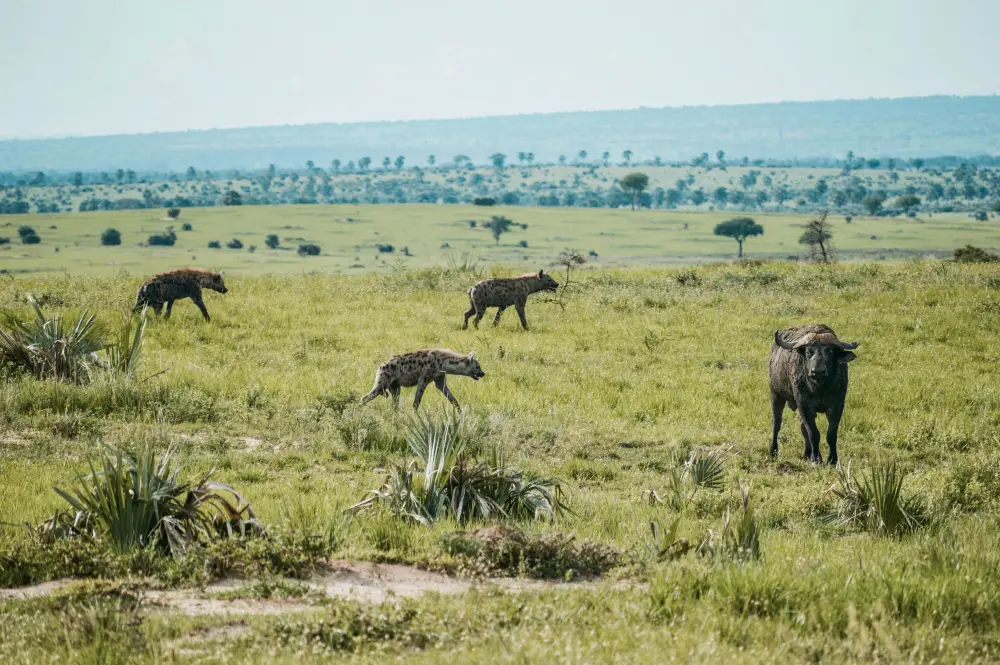
Ecocriticism is a way of emphasizing nature in literature. Works such as Helon Habila’s Oil on Water and Chigozie Obioma’s The Road To The Country depict nature with fervent confidence.
In this expository article, drawing on African Literature, I will discuss what ecocriticism portends for society and what it means for African Literature if subtracted.
The ecosystem, particularly in relation to ecological issues such as global warming, deforestation, and poaching, can often function as a character, literally contributing to a story’s plot and action.
Ben Okri’s The Famished Road, for instance, draws on Nigerian mythology of forest forces and the spirits of the woods. spirits. The forest itself ensures the continuous success of the active storyline.
Likewise, ancient folklore and short stories depict natural phenomena, such as rivers, livestock, and specific trees, as living beings, serving as didactic literature or satire.
These, in clear words, only mean human-centered and nature-centered.
Nature exists for humans. Religion emphasizes the dominance of mortals over all things created by God. Humans assert this attribute on nature through domestication, which, in some places, is almost a learned art. African Literature studies this pattern and includes it in storytelling.
Parts of Nguigi’s famous A Grain Of Wheat examine the emotional performance of goats in rich companionship with humans.
Ecocentrism, on the other hand, informs us about the intrinsic value of nature beyond the ordinary. It emphasizes that nature is layered, has intrinsic value independent of human utility, and as such, should be respected.
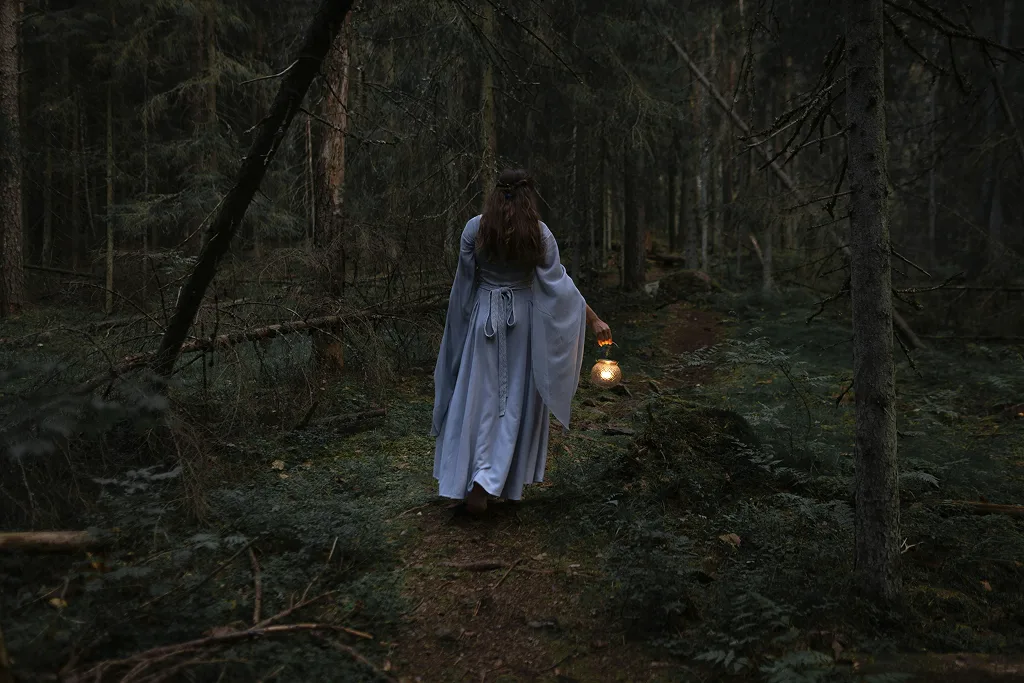
The successful portrayal of ecocentrism in African Literature helps communicate to Western readers that nature isn’t merely nature here; it has its own mind and makes its own decisions.
Colonization continues to shape our perceptions of nature in alarming ways. Trends such as deforestation, cash cropping, and resource exploitation persist in our bloodstream. We are largely unaware of the ecological impacts of nature in contemporary contexts.
Nature once was our pride. Trees everywhere meant more respiratory luxury. Fresh fruits contributed to our health. Farming built our muscular strength. The green scenery alongside brown barns pronounced us as primates with an interesting sense of aesthetics.
However, the legacies of colonialism, in the form of the continuous imposition of foreign systems on local systems, are disguised as modernity and civilization. Works like Things Fall Apart challenge this.
Without the truths of nature and the ecosystem being told as stories (or added to stories) to future generations of Africans, African Literature will remain consciously politicised. Its Africanness will be diluted.
African authors, residing in Africa or in the diaspora, who fail to incorporate these basic world-building elements into their ruralist literature will produce unsuccessful “African” Literature.

Emmanuel Olabiyi is a creative writer, reader, and a flutist.
July 20, 2025 .
Animation, Lists
Our list rounds up the top 30 cartoon characters that were villains, each one more wonderfully wicked than the last.
READ MORE
May 6, 2026 .
Lists, MCU
Spider-Man is one of the many superheroes from the Marvel Universe whose stories shaped many childhoods. Who is your strongest Spiderman?
READ MORE
April 29, 2026 .
Lists, Opinions
The Mouse is famous for its princesses and princes. However, the studio’s true genius lies in its embrace of “ugly Disney characters”.
READ MORE
October 28, 2025 .
Lists, Marvel, MCU, Opinions
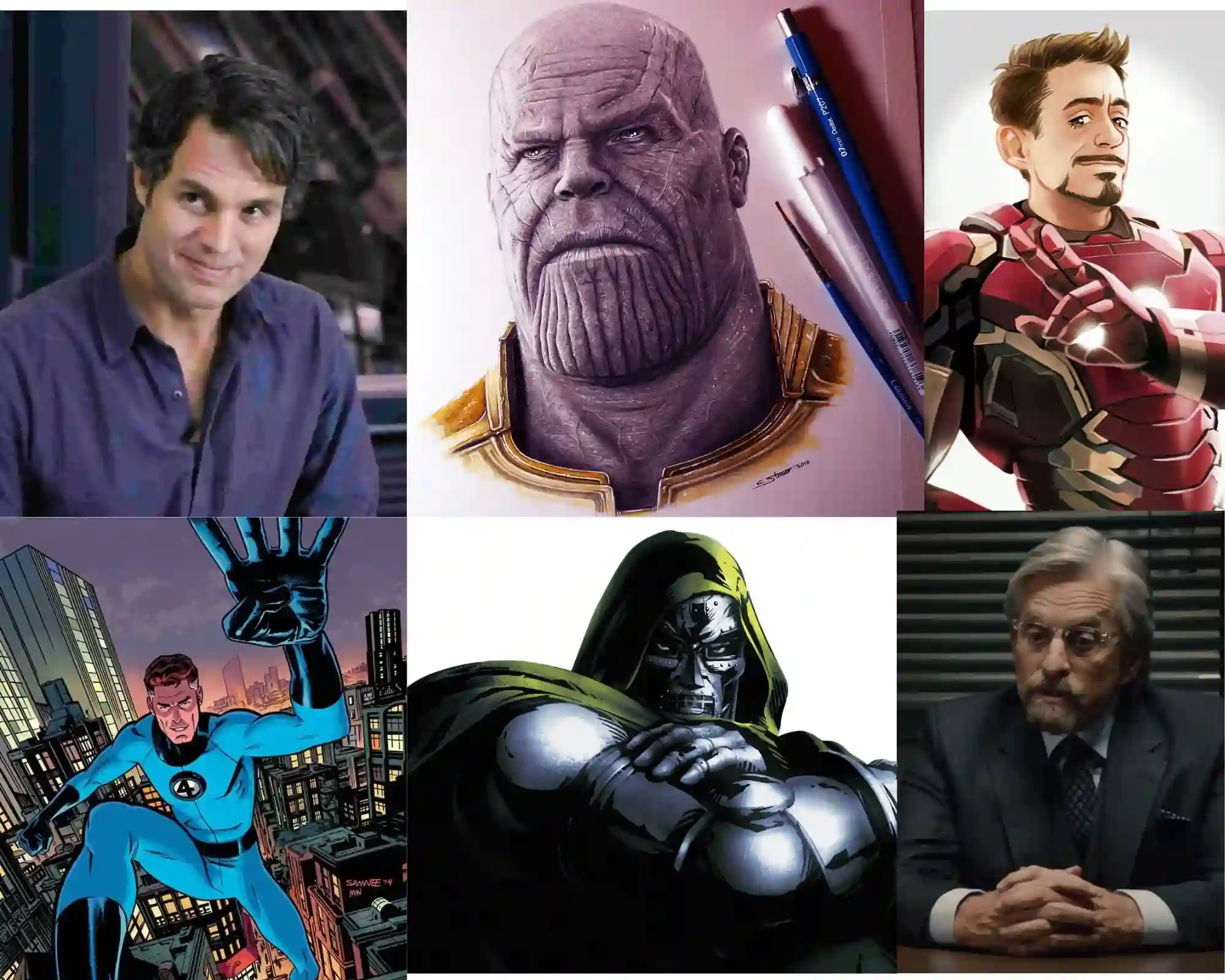
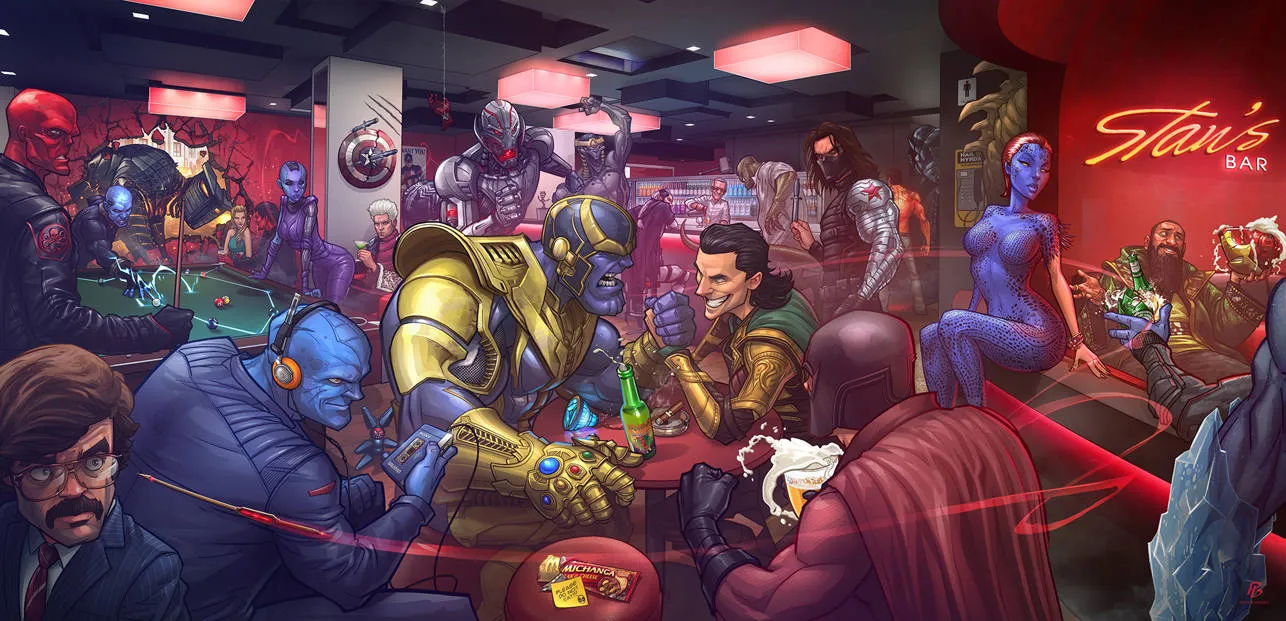
Let’s go through a list of the top 7 strongest Marvel villains, from the wickedly powerful to the absolutely unstoppable.
READ MORE
February 26, 2026 .
Cartoons, Lists
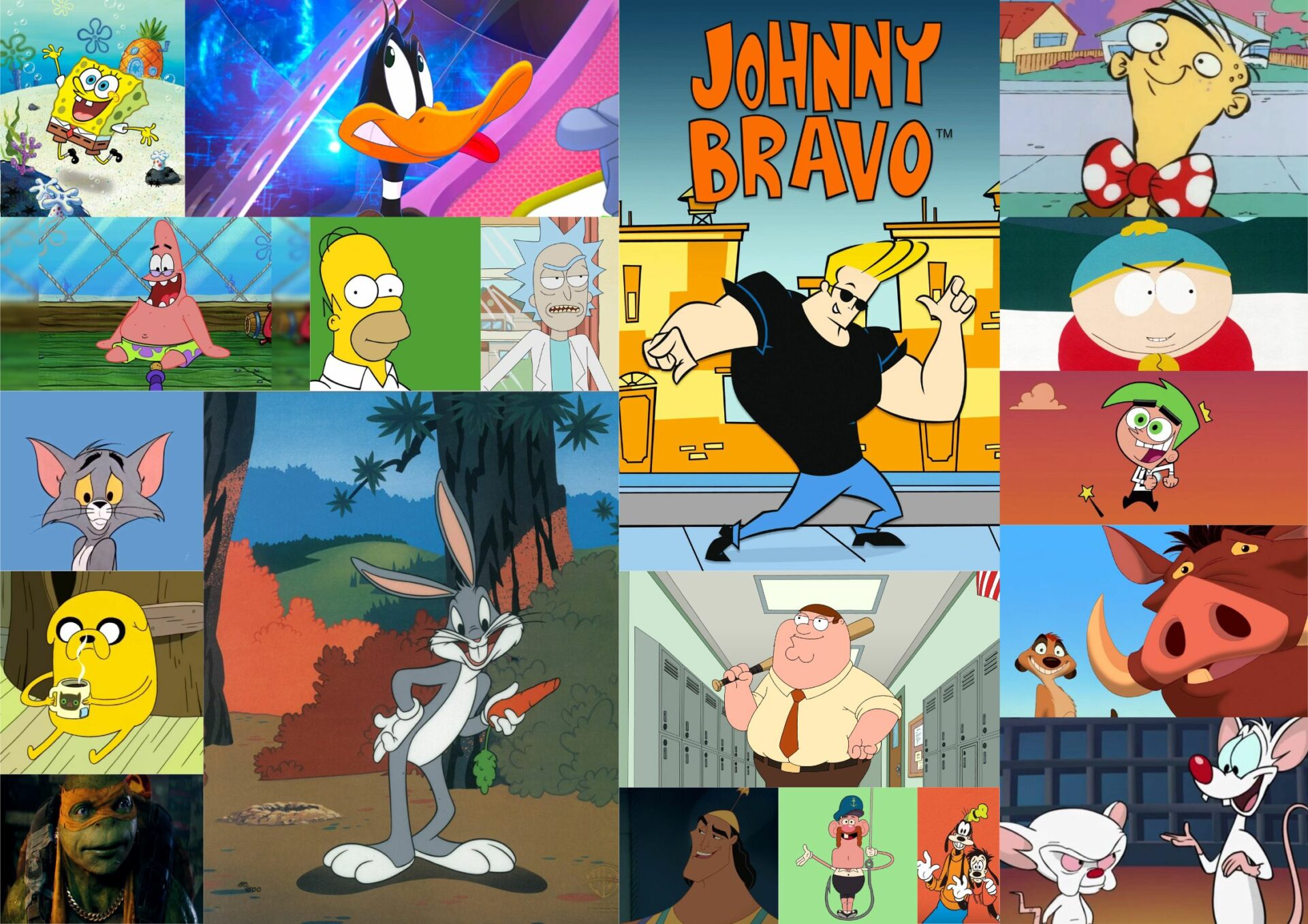
There are some outright funny cartoon characters who exist solely to crack you up, loud, hard, and with zero apology.
READ MORE


July 20, 2025 .
Essays, Opinions
READ MORE

July 20, 2025 .
Essays, Opinions
READ MORE

July 20, 2025 .
Essays
Except if you have been living under a rock or in outer space since the beginning of time, there is no way you wouldn’t have heard of Wole Soyinka.
READ MORE

July 20, 2025 .
Essays, Opinions
READ MORE

September 12, 2025 .
Essays, Fantasy, Opinions
Fantasy is everything that lies in the realm of the fantastic. And, the more deviant from reality it is, the better.
READ MORE

July 20, 2025 .
Essays, Opinions
African literature embraces inclusivity, harnessing words as a medium to impart wisdom, preserve truths, and honor ancestral struggles.
READ MORE
October 22, 2025 .
Essays, Writer Resources
Ever found a book that looks like a comic but tells a complete, well-structured story? Congratulations, it’s a graphic novel.
READ MORE
July 18, 2026 .
Disney, Essays
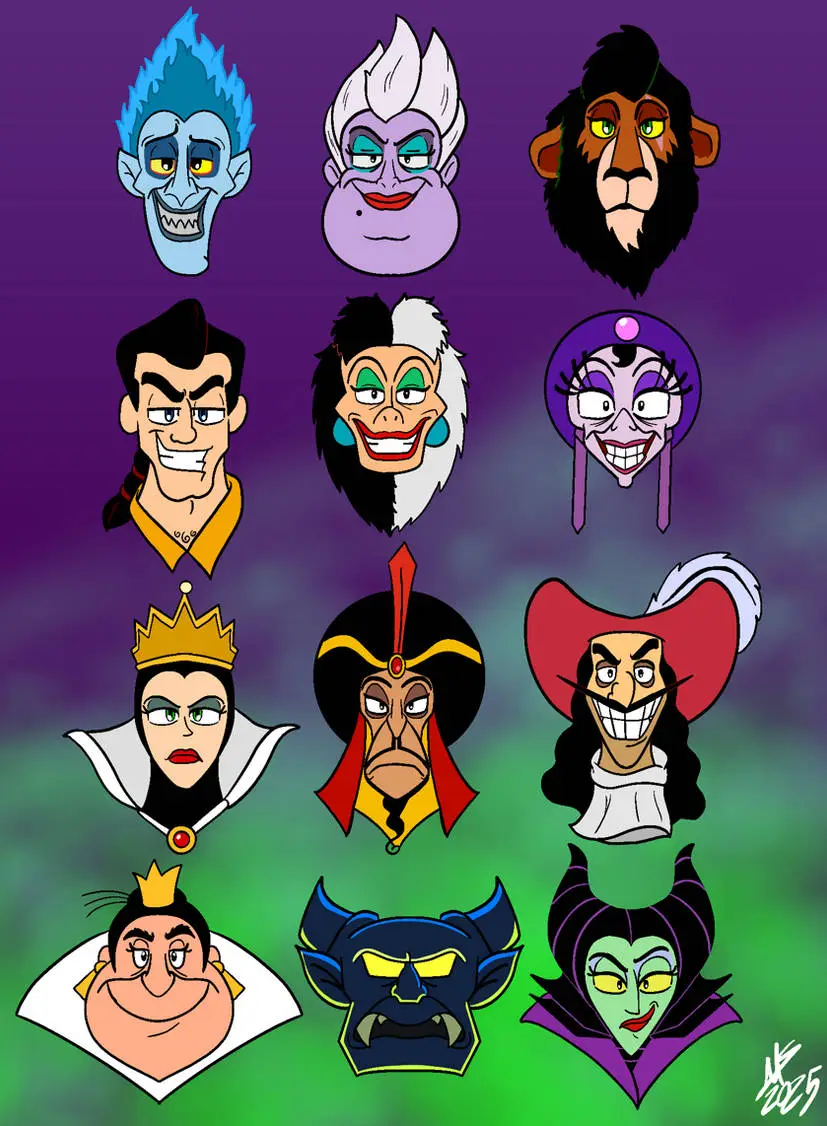
Let’s examine the trend of softening Disney villains, its implications, and viewers’ responses to less sensitive material.
READ MORE
July 24, 2025 .
Essays, Writer Resources
READ MORE
Get our magazine for free!