























The characters are deeply flawed, and their actions impact each other, giving the novel a sense of realism.
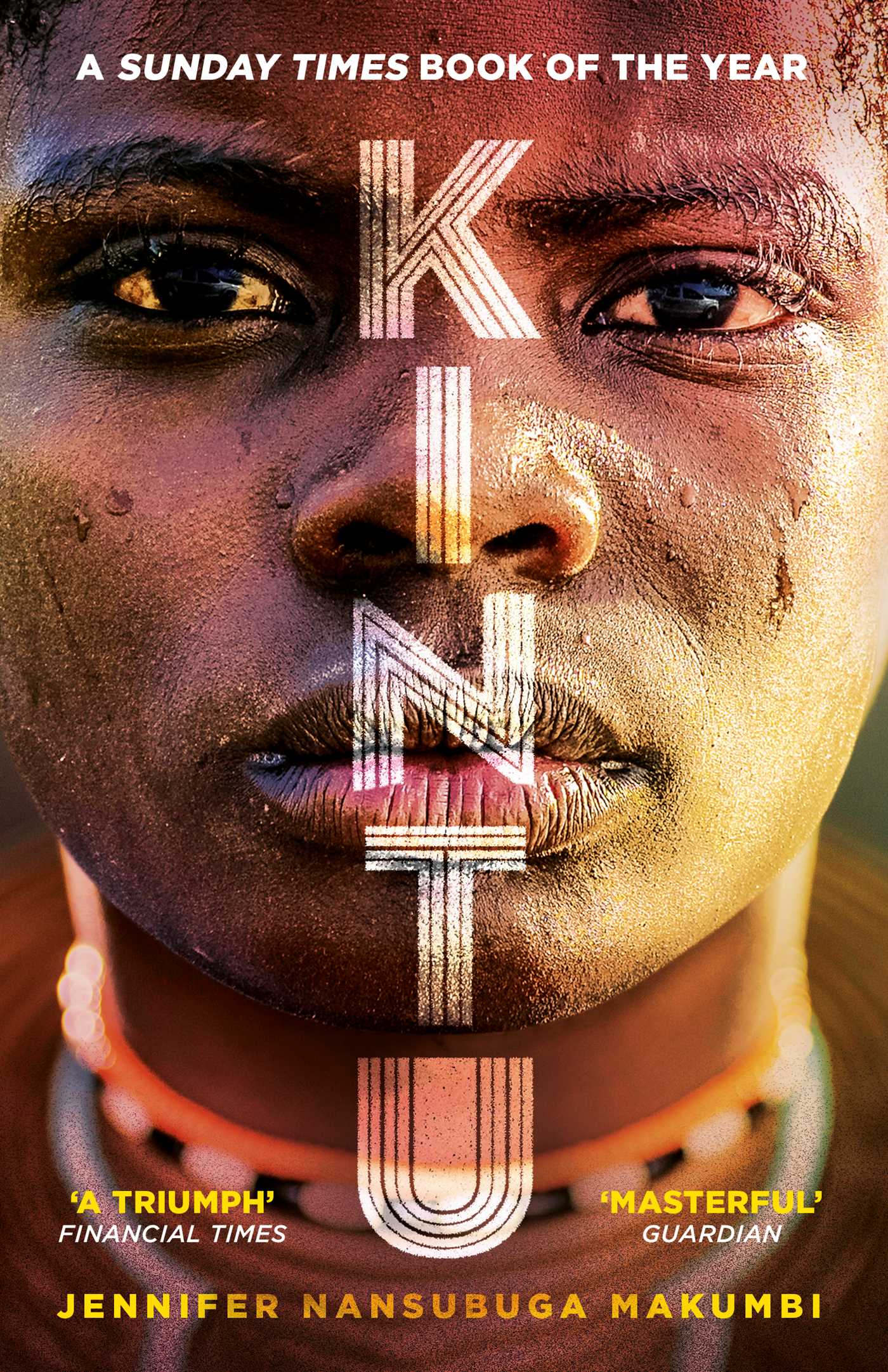
I want to rave about this book!
Makumbi is a storyteller. I fell in love with her writing when I read The First Woman two years ago. Right now, I’m trying to read her books and take them in tiny doses.
Kintu tells the story of the Kintu clan, a powerful and wealthy family living in 18th-century Buganda, through multiple generations and perspectives and how a “curse” affected the whole generation. See eh! This is unlike any other story or book on generational curses and traumas.
The novel explores themes of identity, family, tradition, and history, as well as the impact of colonialism on Ugandan society.
One of the most striking aspects of the novel is how Makumbi portrays the characters- they are all so relatable and real. The characters are deeply flawed, and their actions impact each other, giving the novel a sense of realism.
Makumbi’s writing style is also very descriptive. She paints the reader a vivid picture of the setting and the culture of the time, making it easy to imagine the novel’s world.
I particularly loved the ending of this book, and I love that I didn’t see it coming; it was realistic and didn’t feel rushed.
A little side note: Coincidentally, while reading this book, I had quite several conversations with people about Uganda, and I loved how I could say a few things. That’s what reading does; it opens my mind to a lot of things and makes me understand cultures and people outside mine (this made sense in my head, lol)
What’s your favorite thing about reading? Share your thoughts in the comment section below.

I'm an Aircraft Mechanic that loves books. I love to read, buy books and talk about books. It's my coping mechanism.
July 20, 2025 .
Animation, Lists
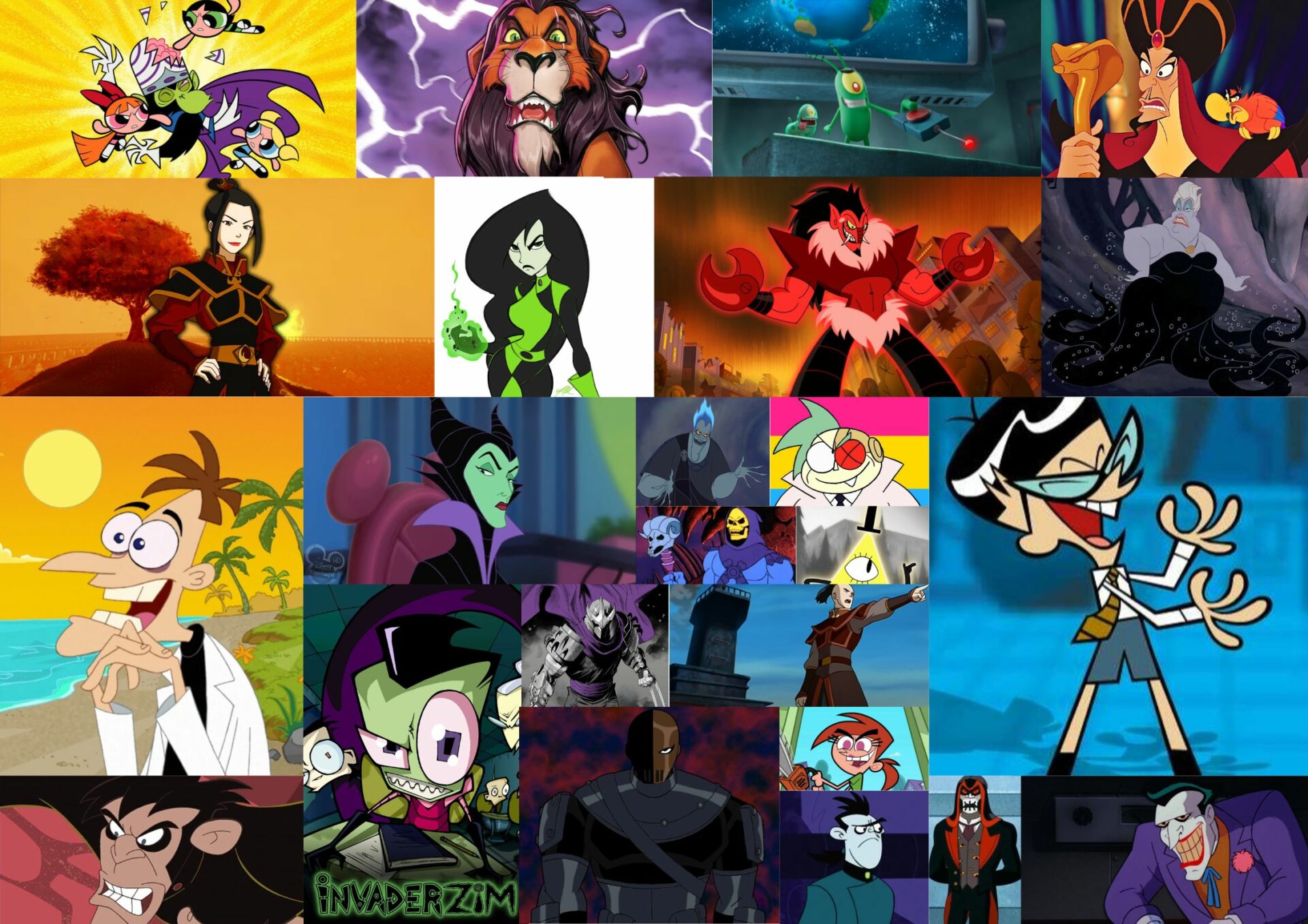
Our list rounds up the top 30 cartoon characters that were villains, each one more wonderfully wicked than the last.
READ MORE
April 29, 2026 .
Lists, Opinions
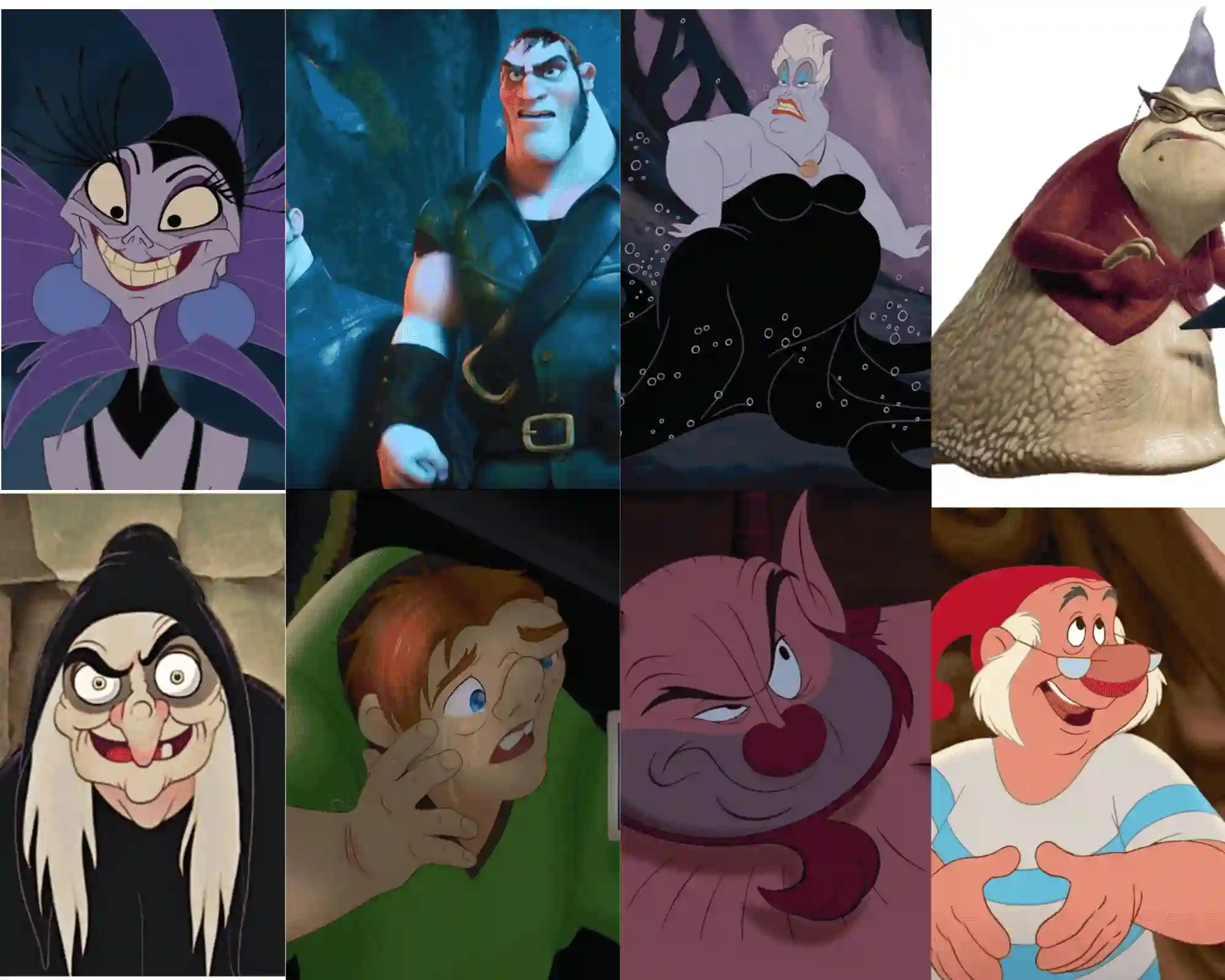
The Mouse is famous for its princesses and princes. However, the studio’s true genius lies in its embrace of “ugly Disney characters”.
READ MORE
October 28, 2025 .
Debates, Lists, Marvel, MCU
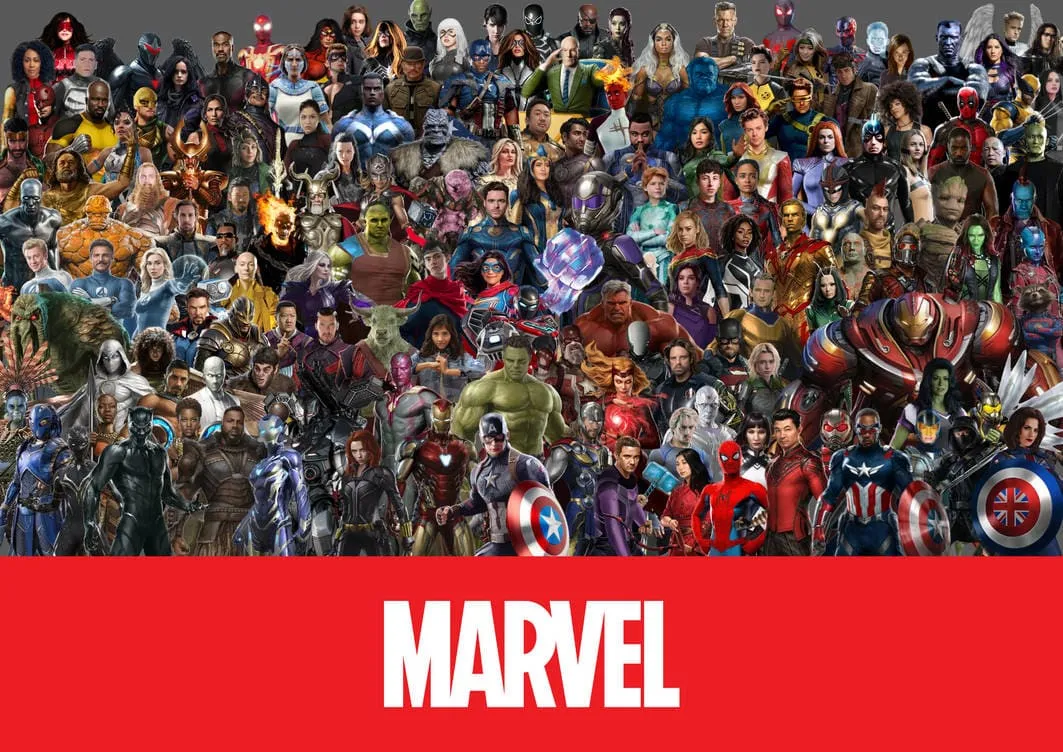
Every Marvel hero brings something to the table. But if we had to pick the top 8 most popular Marvel superheroes, who would make the cut?
READ MORE
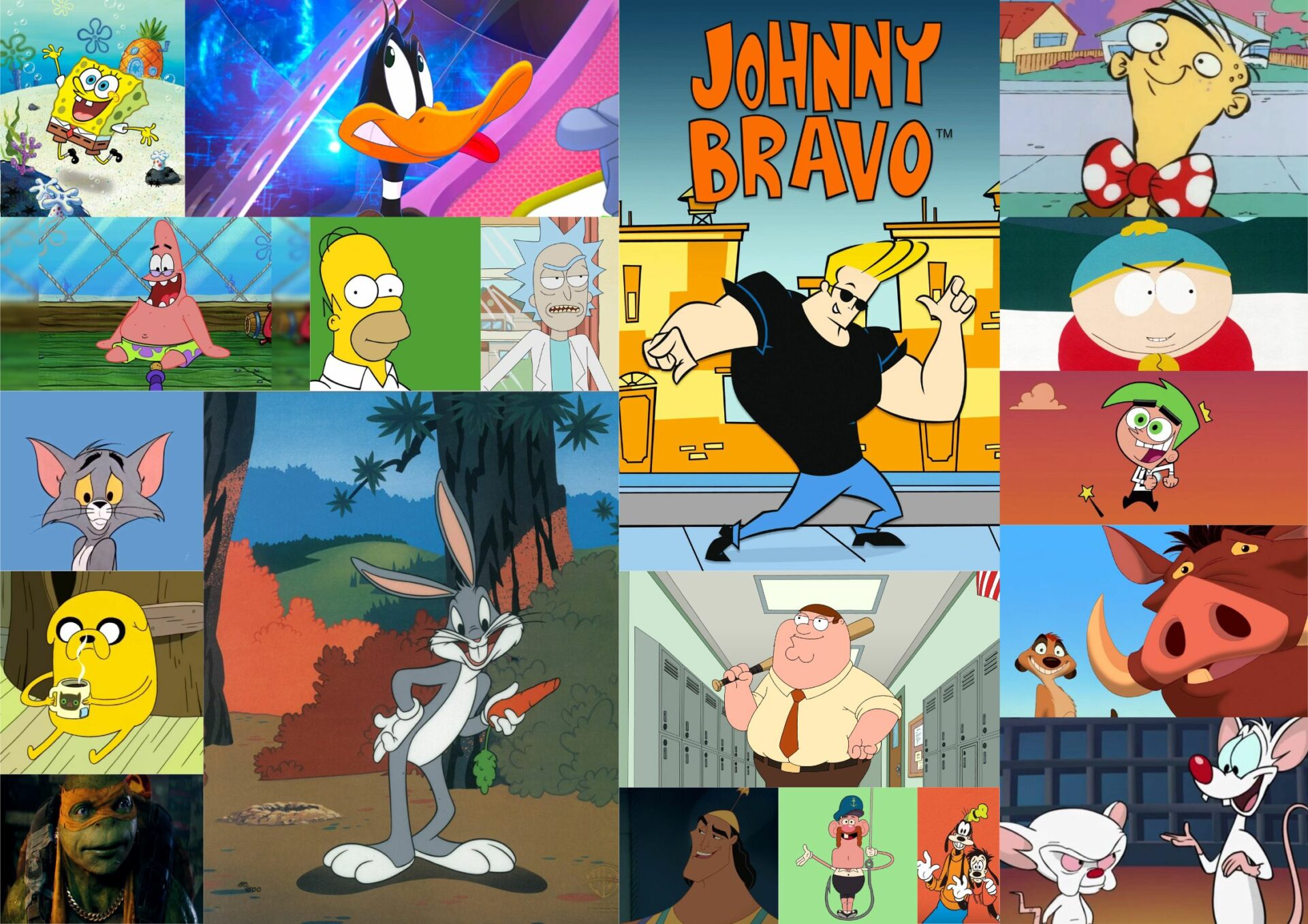
February 26, 2026 .
Cartoons, Lists
There are some outright funny cartoon characters who exist solely to crack you up, loud, hard, and with zero apology.
READ MORE
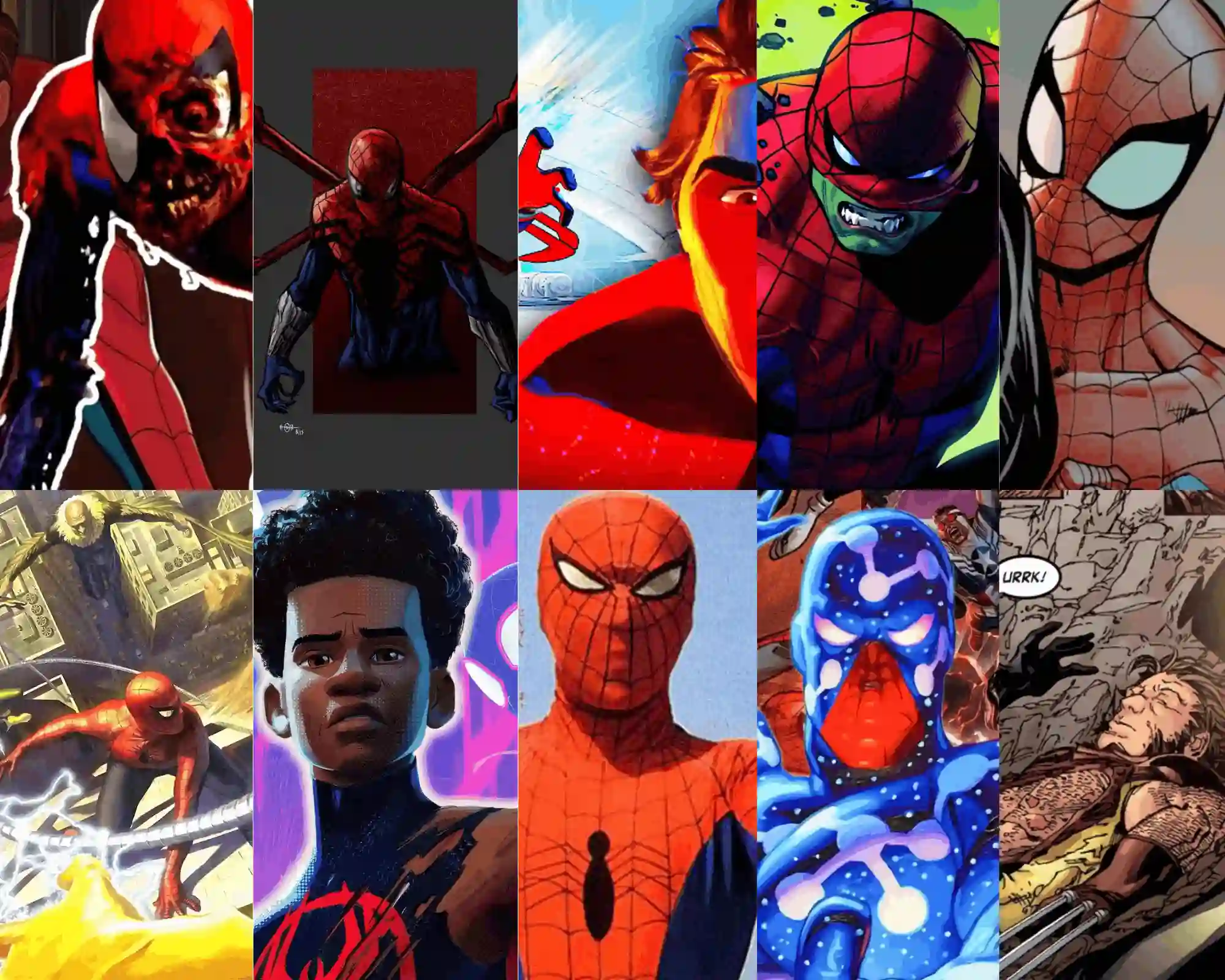
May 6, 2026 .
Lists, MCU
Spider-Man is one of the many superheroes from the Marvel Universe whose stories shaped many childhoods. Who is your strongest Spiderman?
READ MORE


July 4, 2022 .
commonwealth, kintu
This makes Ntsika Kota the second African to clinch this prestigious prize after over a decade (the first being the Kintu author, Jennifer Makumbi)
READ MORE

January 25, 2022 .
jennifernansubugamakumbi, kintu
READ MORE
Get our magazine for free!