Close menu
Ranking the best of African Literature







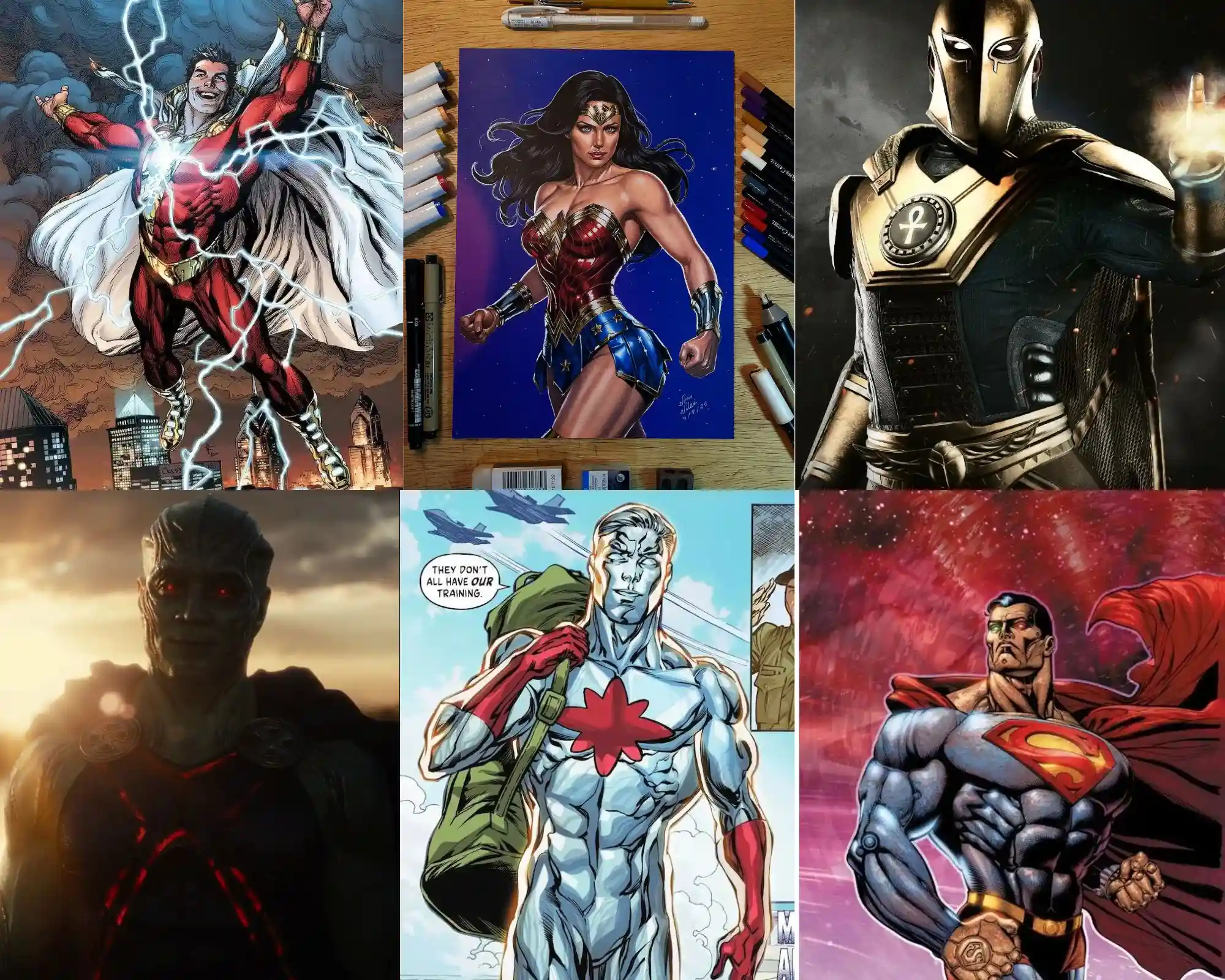



The evolution towards more identifiable characters has flattened the Disney heroes into milder versions of themselves. The question is: When?
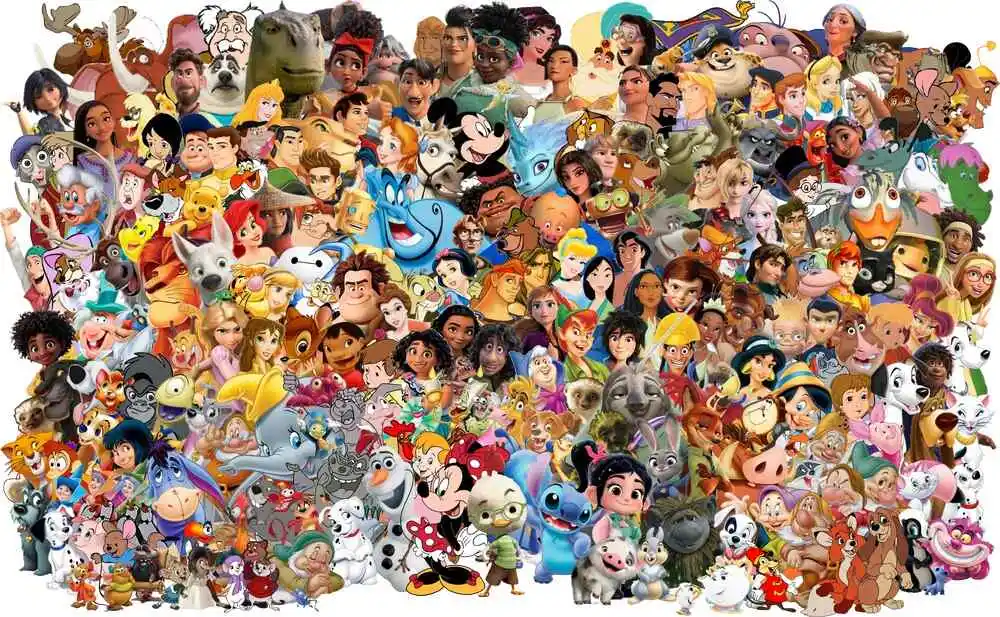
Disney heroes used to be iconic and inspiring, setting standards with their skill, beauty, or bravery.
However, the newer heroes are… bless their hearts, different. It appears that in a bid to be more relatable to the general public, they’ve somehow become less adventurous and, frankly, less memorable. This improvement is most noticeable in the scriptwriting and the design.
The evolution towards more identifiable characters has flattened the once-grand silhouettes of Disney heroes into milder versions of themselves. The question is: when? Here’s a timeline that puts the situation in perspective.

Note: “Golden Era” here is used loosely to refer to the 90s–early 2000s period of Disney animated movies, not the 1930s–1940s era.
It is well discussed that Disney’s Golden Age featured some of the best narratives and characters. Factors that have differed from the classic and newer heroes of Disney are:
The princesses, such as Belle, Cinderella, Jasmine, and Ariel, were intentionally designed with both personality and racial considerations in mind. Belle, Cinderella, and Ariel were arresting in the sweet, pampered way. Jasmine, on the other hand, was stunning in a Middle Eastern way that came off as easy on the eyes with little to no patience for nonsense.
The male heroes were easy on the eyes as well. Aladdin may have been a petty thief, but he was blessed with the face of a prince. Hercules was strong and physically peaking, befitting his demigod status. Even Simba, despite being a lion, had a majestic mane.
‘Regular” heroes like Tarzan and Pocahontas were also striking, showing appearance wasn’t exclusive to privileged characters.
At every given point, the design choices were deliberate.
Aladdin initially appeared in street clothes, but when he became a “prince”, his attire changed to fit his new station. Hercules went through a similar change. When he was poor and unclaimed, he appeared lanky and awkward. Nevertheless, when he became a hero, his appearance assumed a more regal aspect.
Mulan wore everyday household clothes and almost always caused commotion, but when she was going to see the matchmaker or go to war in her father’s stead, she looked the part.
A common thread among these heroes is that, in addition to their appearance changes, they had distinctive silhouettes that enhanced their characterization.
Hercules had a golden silhouette with an angular, blocky build. Mulan had a flowing, sharp-edged profile. Tarzan had a crouching, feral outline. Simba just had to show up with his mane to attract attention.
A standout factor that made these heroes remarkable is their persona. Ariel may have been an indulged Daddy’s girl, but she knew how to speak up for herself. She saved a drowning human, and when her Father banned her from going to the surface, she made a deal with an evil witch to get legs to reach that said land.
Pocahontas could have remained within her clan, but instead she chose to interact with the English settlers and advocate for peace when violence was about to escalate between her people and the foreigners. At every point, she followed her convictions over tradition.
Tarzan may have grown up in a jungle, but that didn’t strip him of reason. He was the ever-ready protector, shielding his jungle family and, later, Jane. Beyond that, he courageously left the jungle for the human world, learning to walk, communicate, and adapt to human behaviours.
The original Disney heroes weren’t afraid of adventure. They took bold risks, even if they knew they would fail flamboyantly.
Simba, albeit foolishly, ventured to the Shadowlands. Belle went to live with a beast to save her father. Aladdin ventured into a dangerous cave to get a genie lamp. Hercules underwent inhuman challenges to become a hero. Ariel ran away from home for a man. Quasimodo stood up to authority figures to protect the innocent.

What prompted the move from bold adventurers to emotional risk-takers?
Times have changed, and audiences want to see parts of themselves in the media.
This shift wasn’t sudden. It began in the late 90s, bridging the Golden Era to the present. Productions such as The Hunchback of Notre Dame (1996) and Tarzan (1999) showcased struggles with personal identity. The foundation continued with Lilo & Stitch (2002) and The Princess and the Frog (2009), emphasising family, friendship, growth, and ambition.
Since then, the Disney shows of the 2010s and later shows have capitalised on more nuanced, familiar heroes.
With the veer to more recognisable heroes came a sentimental angle: the heroes became more focused on internal struggles and life lessons than on external adventure.
Frozen (2013) and Frozen II (2019) had some adventure, but the stories of Anna and Elsa remained focused on family trauma, identity crisis, and self-doubt. This pattern follows Coco (2017) and Encanto (2021), with a side of dangerous escapades and self-discovery, emotional courage, and family healing as the main course.
Regardless, it would be unfair to downplay animated films such as Raya (2021) and Moana (2024) that, in a new age way, attempted to be courageous.
While modern visual media depict technical advances, contemporary heroes often lack the aspirational qualities that made earlier characters iconic. Anna, Moana, Miguel, and Mirabel look like everyday people.
Although it is understandable that the characters’ visualisations need to match the storyline, it would be nice to have heroes who leave something to work towards. It definitely works. Ask Beyonce.

Earlier Disney productions focused on a specific racial type, whereas contemporary Disney material is more diverse in its portrayal of personalities and cultures.
Pocahontas features Native American culture, Moana represents Polynesian culture, Raya highlights Southeast Asian culture, Coco centres on Mexican tradition, Encanto celebrates Colombian identity, and Iwájú delves into Nigerian storytelling.
Although racial variation results in differences in features, representation has become essential.
In crafting plots, the direction changed from external adventures to more internal conflicts.
This decision was likely due to insufficient material that highlighted the unseen issues, or to the sway of more sensitive content. Still, the past few productions have shown that this new development will be seen a lot more often.
Disney is, above all, a profit-making company, so it would lean toward characterisation that would increase its reach and diversify its revenue streams.
It’s no surprise that there are more inclusive, intricate Disney heroes.
The Disney Fandom has the “for’s” who wish the heroes could return to the old recipe, and the “against’s” who love the more simplified characters. These are some of their reactions.
Nostalgia and change will always clash, like oil and water.
On one hand, we have the nostalgic millennials and older Gen Z, asking what happened to their iconic heroes. Alternatively, the younger Gen Zs and Gen Alpha are wondering what all the fuss is about.
Ultimately, there has to be a general acceptance that while the old method of crafting Disney heroes influenced generations, the new one is here to stay.
However, it begs one last question: Can Disney heroes ever recapture that “unattainable yet cool” energy without losing relatability?

July 20, 2025 .
Animation, Lists
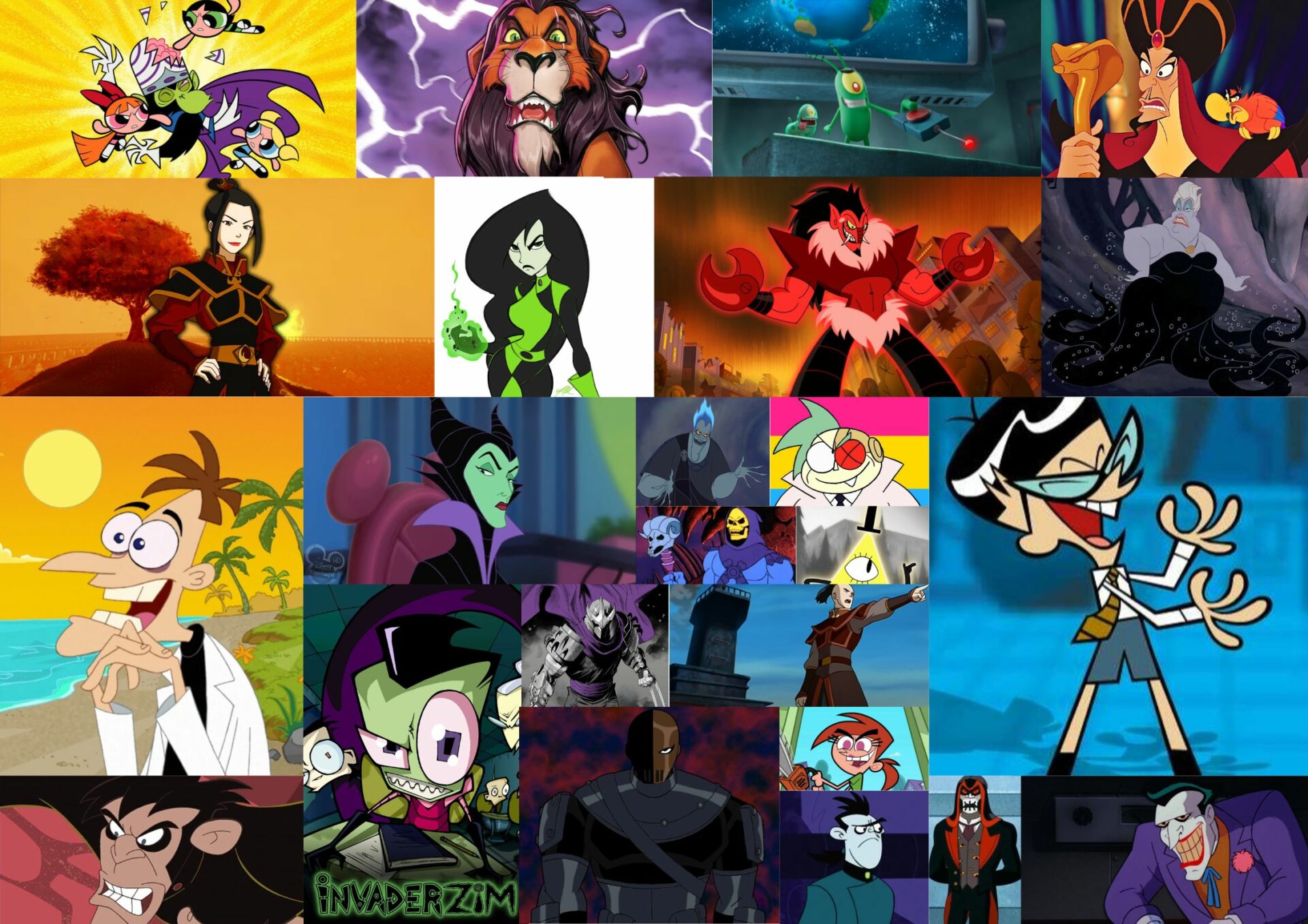
Our list rounds up the top 30 cartoon characters that were villains, each one more wonderfully wicked than the last.
READ MORE
May 6, 2026 .
Lists, MCU
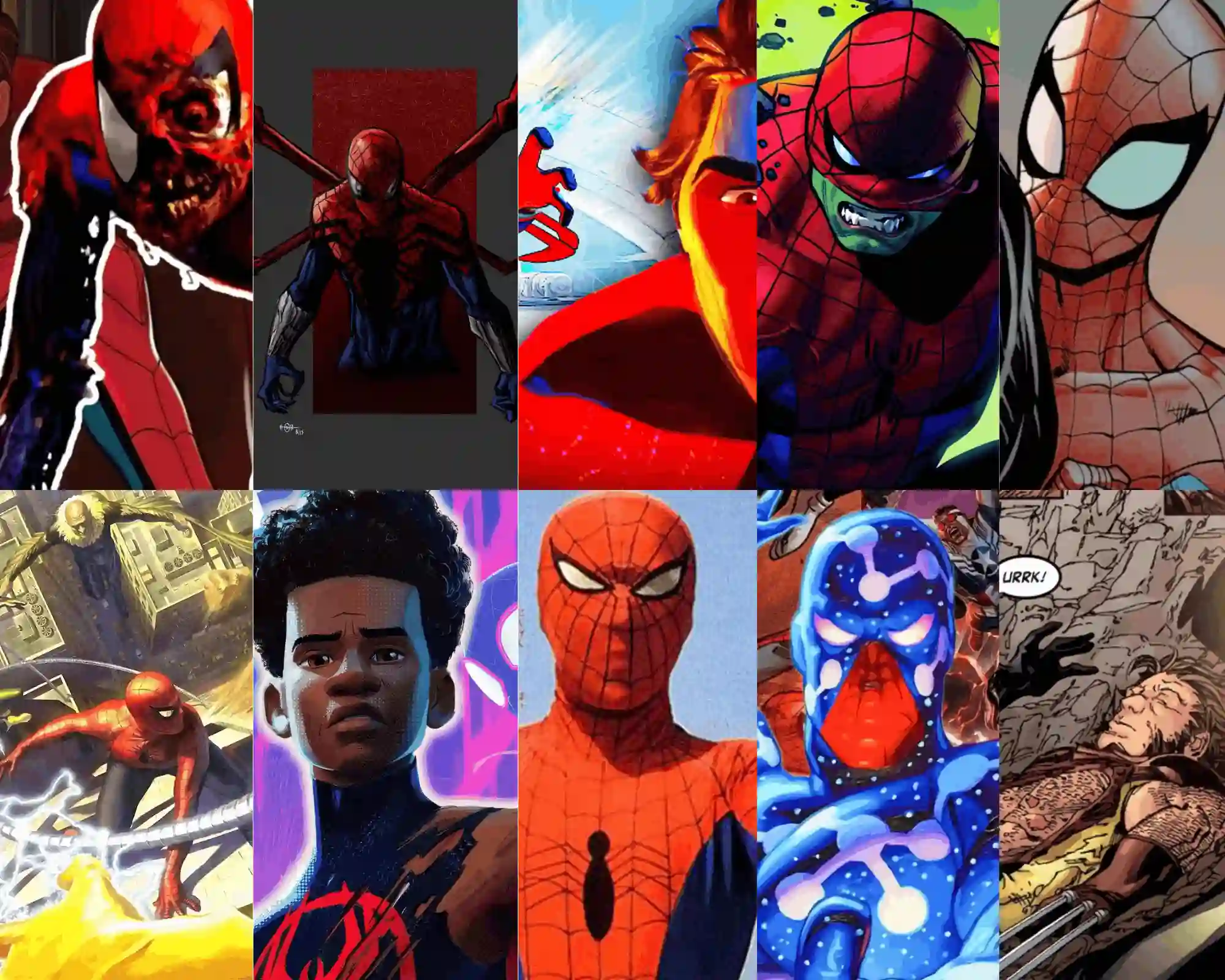
Spider-Man is one of the many superheroes from the Marvel Universe whose stories shaped many childhoods. Who is your strongest Spiderman?
READ MORE
April 29, 2026 .
Lists, Opinions
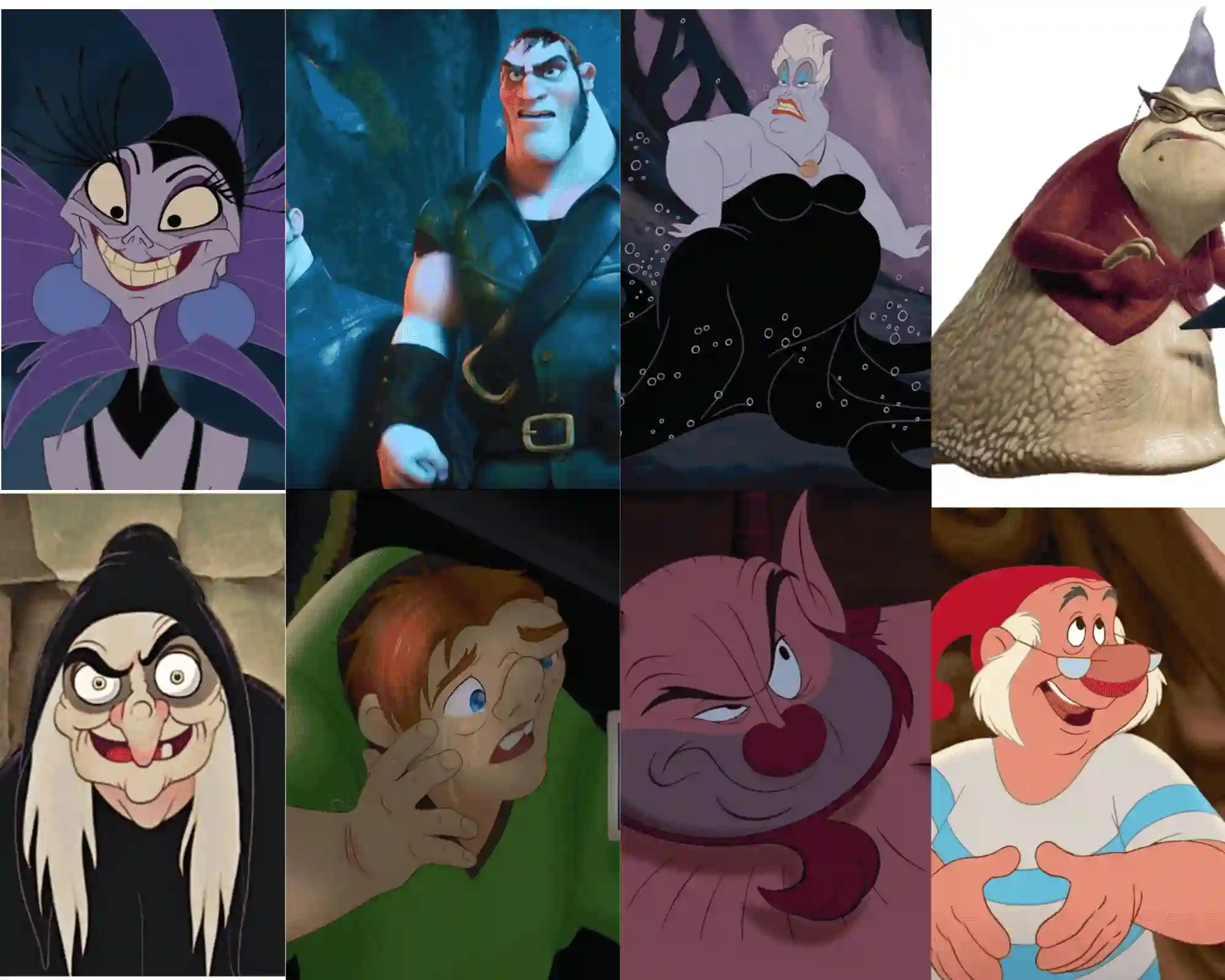
The Mouse is famous for its princesses and princes. However, the studio’s true genius lies in its embrace of “ugly Disney characters”.
READ MORE
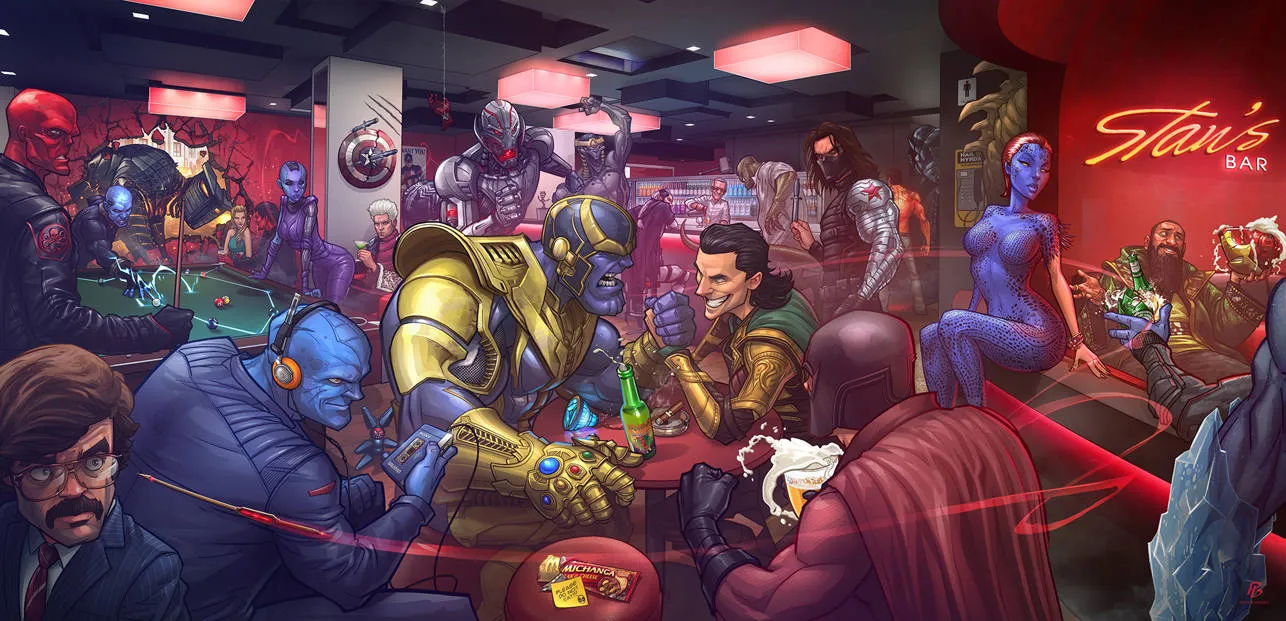
October 28, 2025 .
Lists, Marvel, MCU, Opinions
Let’s go through a list of the top 7 strongest Marvel villains, from the wickedly powerful to the absolutely unstoppable.
READ MORE
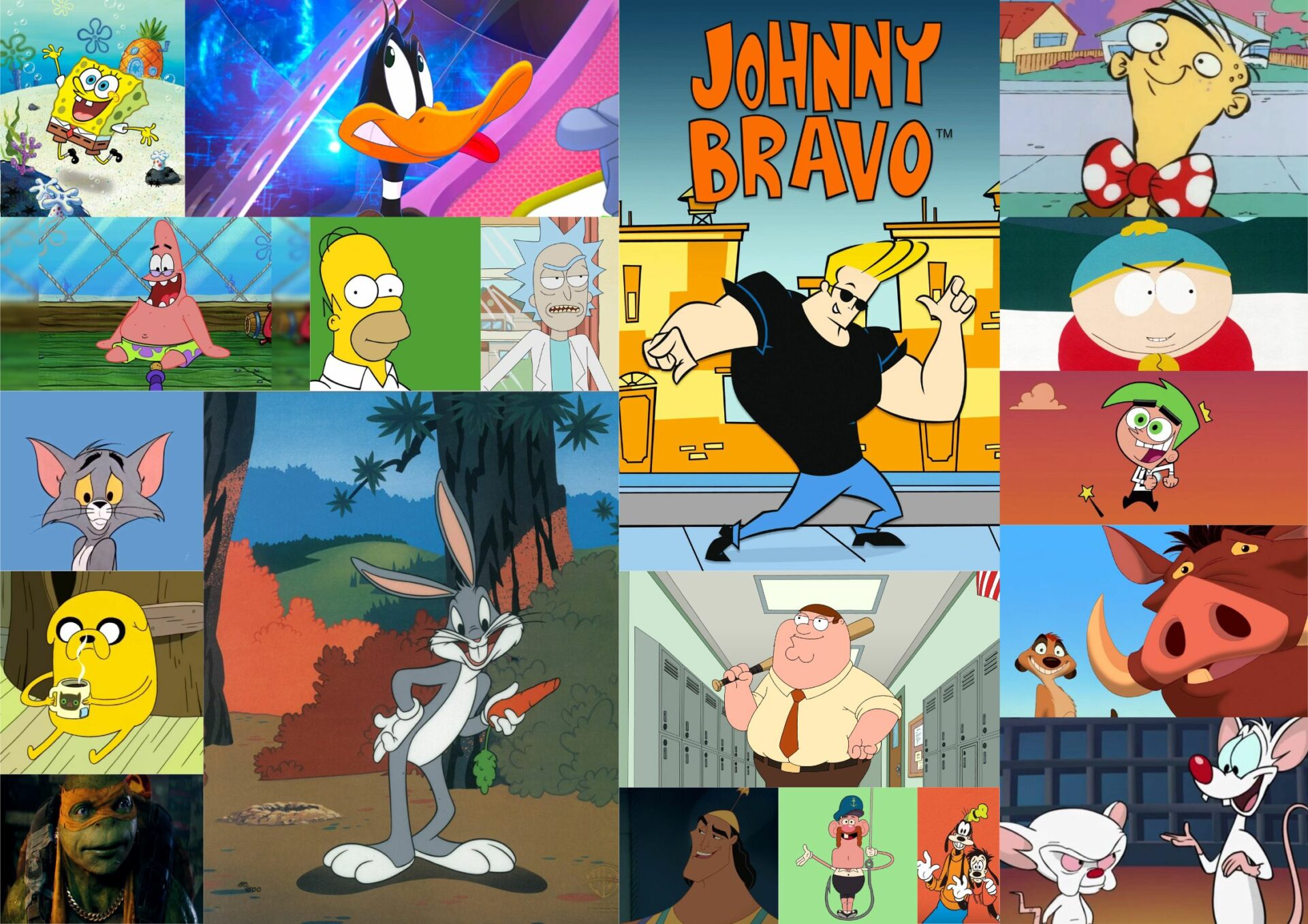
February 26, 2026 .
Cartoons, Lists
There are some outright funny cartoon characters who exist solely to crack you up, loud, hard, and with zero apology.
READ MORE

July 20, 2025 .
Opinions
Book recommendations from random places don’t always cut it, and you often end up feeling unsatisfied with them.
READ MORE

July 20, 2025 .
Essays, Opinions
READ MORE

July 20, 2025 .
Essays, Opinions
READ MORE

September 11, 2026 .
Opinions
Book reviews aren’t just a jumble of words on how a book made you feel but also a veritable document that you can quickly refer to when your memories temporarily fail you.
READ MORE

July 20, 2025 .
Opinions
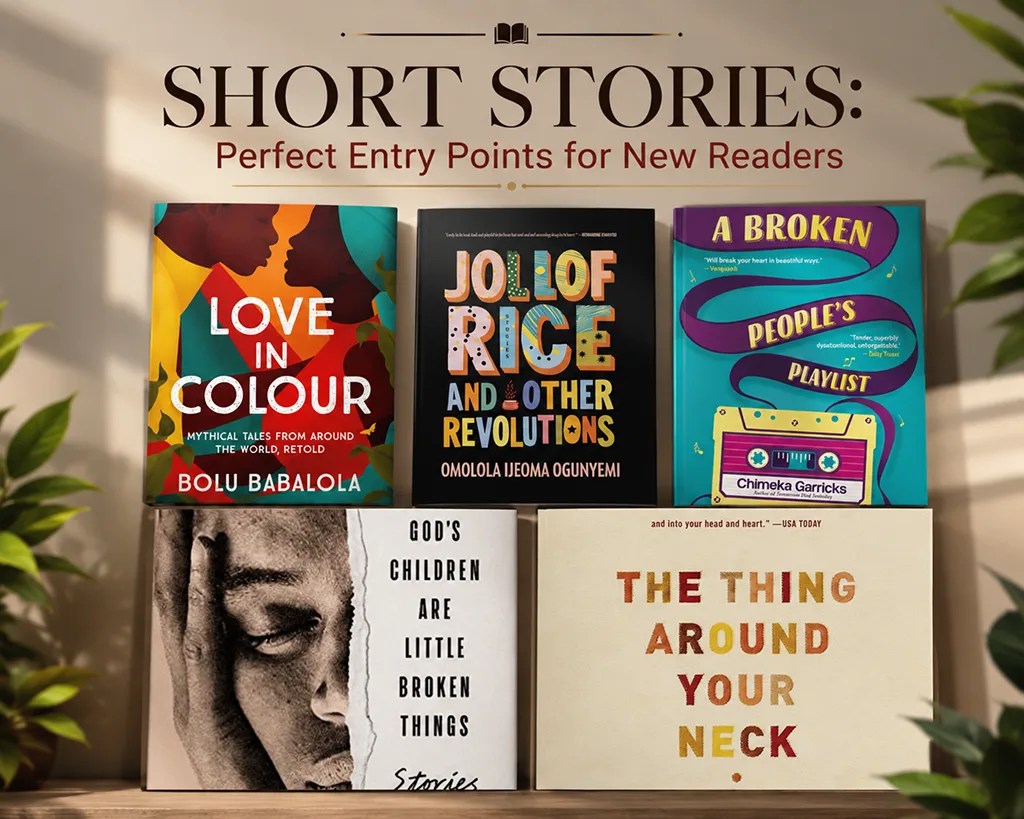
Reading hundreds of pages for a single book can be like facing Smaug, Chiefest of Calamities, but a short story is a small dragon that you can easily conquer.
READ MORE

July 20, 2025 .
Debates, Opinions
Reading nonfiction about what interests you can provide more color and context that might make your fiction reading experience more enjoyable.
READ MORE
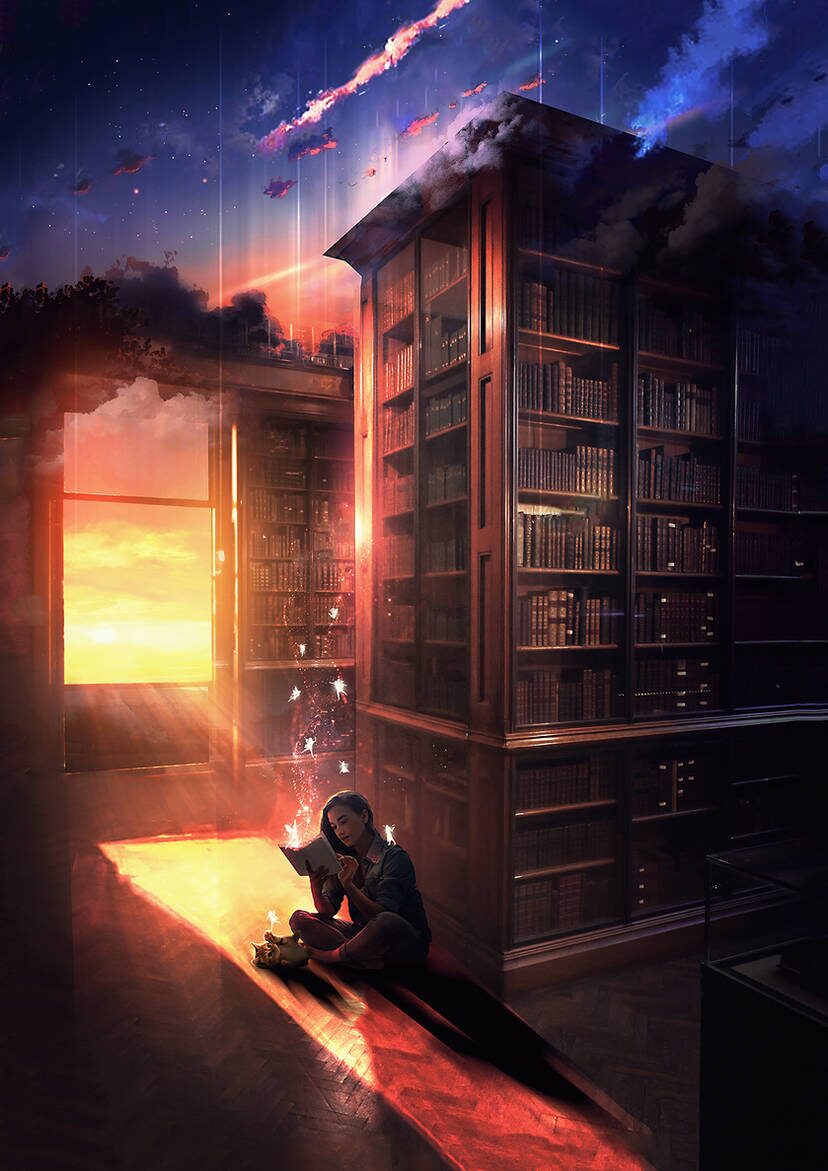
September 12, 2025 .
Opinions
In a fast-paced world, reading asks us to slow down, surrender, and sit with another person’s words long enough for them to settle inside us.
READ MORE
November 24, 2025 .
Debates, Opinions
Reading is active while watching movies is passive. The act of turning pages creates a pause that enhances understanding.
READ MORE
July 26, 2025 .
Fantasy, Opinions
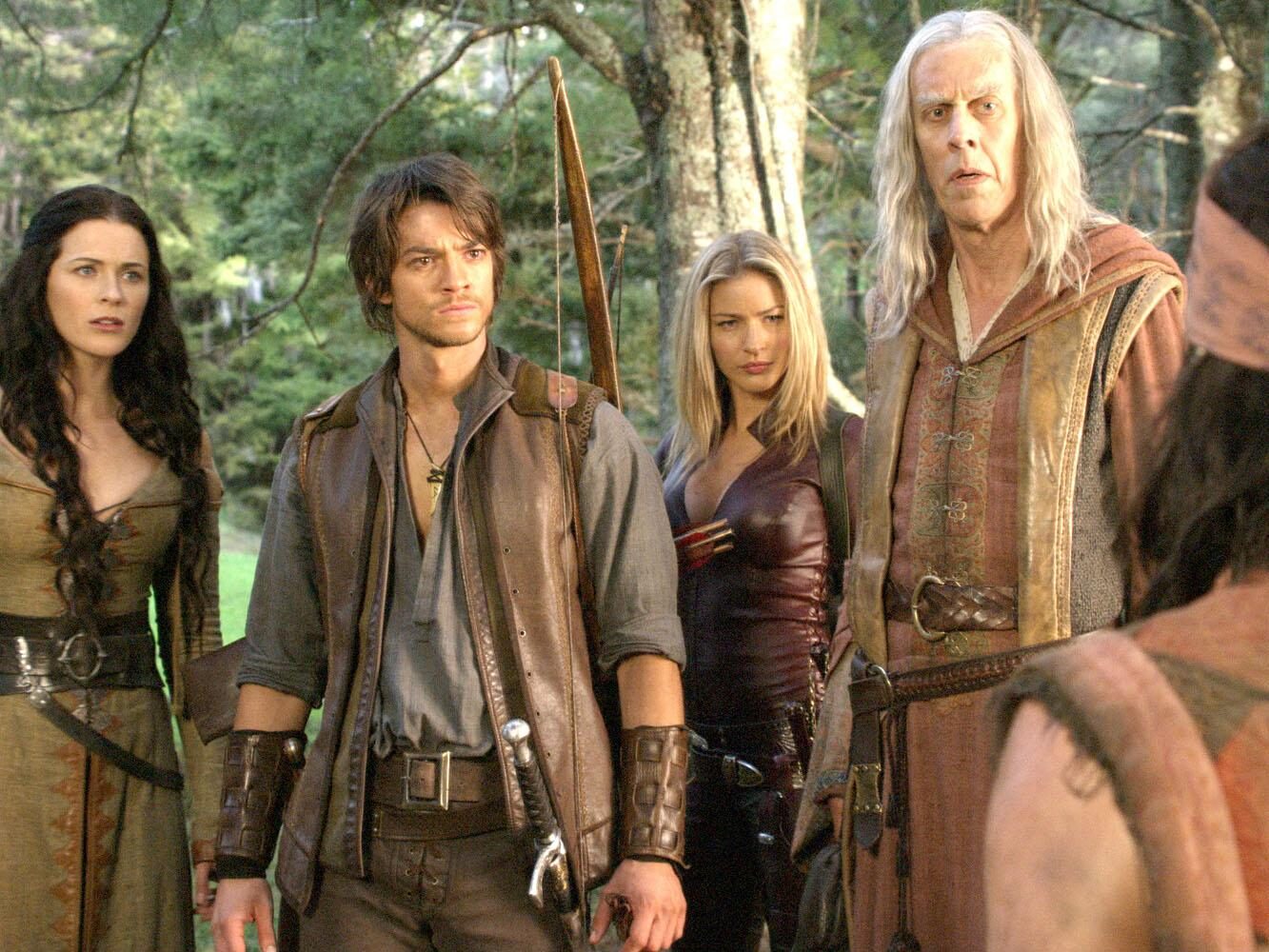
It’s cliche. But it’s rapid. It’s predictable. But it’s enjoyable. For lovers of the classic tropes, Legend of the Seeker is a worthy watch.
READ MORE
Get our magazine for free!