Close menu
Ranking the best of African Literature






Although I found relish in these authentic experiences, some essays were a sobering reminder of how much Nigerians have lost and the horrors it has gone through
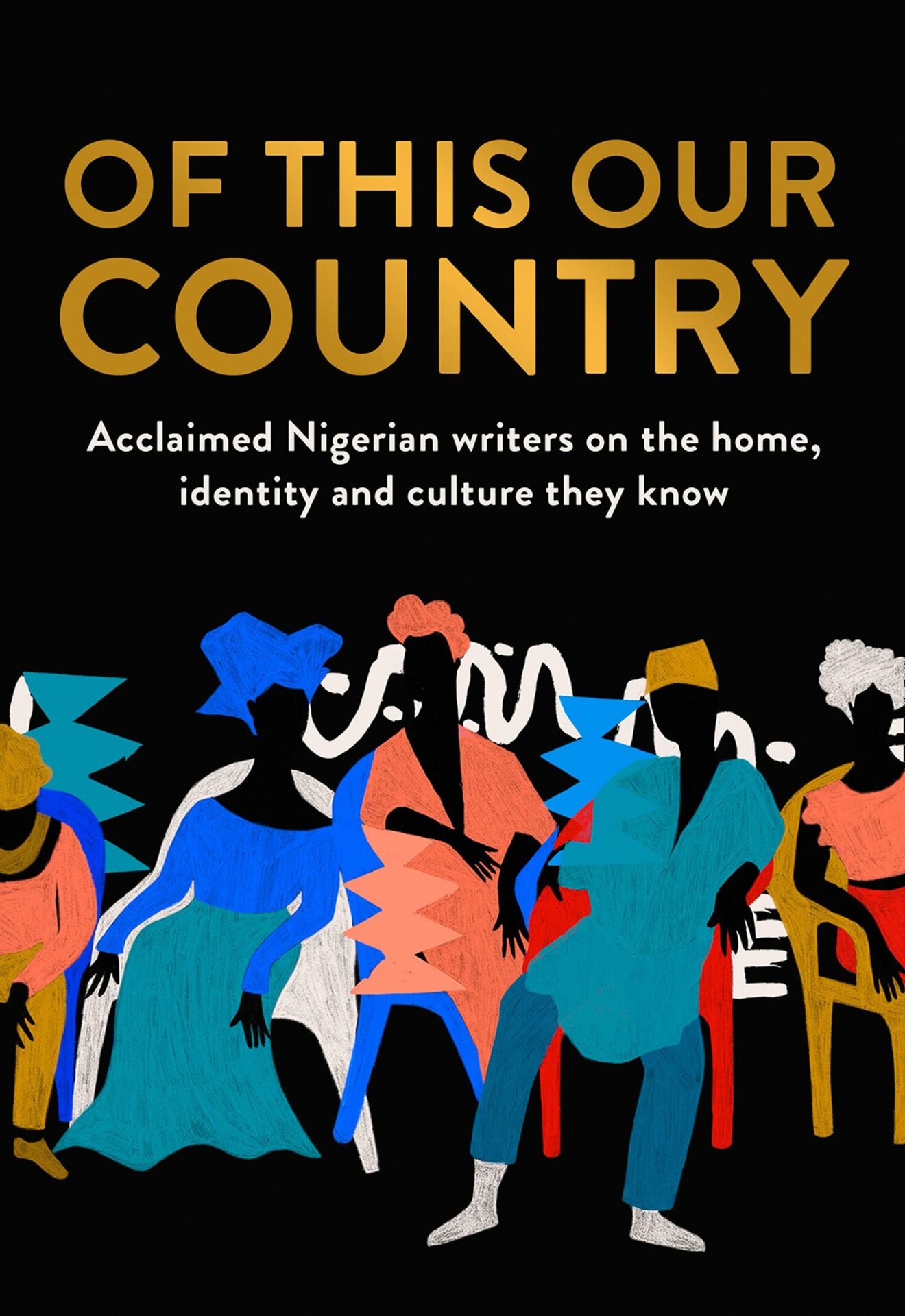
What an absolute delight to read!
I don’t think of myself as a Nigerian. In fact, my identity is not tied to any nationality or ethnic group. I don’t know why that is, but it is what it is. However, I read most of the essays in this book with a smile here and a chuckle there.
Like Caleb Femi says in his essay, “who of us can say they truly know this country? No one does…The only Nigeria a Nigerian knows is the one they knew in their own homes.”
But, despite this, I found a shared denominator, especially with the writers who wrote about Southern Nigerian (West, East, and South). I’d nod when they talked about something I recognized, something so Nigerian even I could not have extricated myself from it. Mentions of the poor facilities at NYSC orientation camps, the countless (and pointless) checkpoints on the road leaving Lagos to the south, and Lagos itself amongst other things were like the unmistakable aroma of Nigerian party jollof.
I have only been to five out of the thirty-six states in Nigeria, so I cannot be considered a connoisseur of my country and its coat of many cultures. I enjoyed this collection for this reason, and I found it fascinating to learn more about this vast land I live, delving into what Nigeria was to these authors from North, East, South, West, and even those who grew up or spent most of their lives abroad.
Most of these writers wrote of a Nigeria different from the Nigeria I grew up in; a Nigeria with railways joining far-flung parts of the country, a country with fresh scars from the civil war and military dictatorship, and when £1 was the equivalent of ₦33, while others wrote of Nigeria the way it is now.
But some things do not change. Nigeria, in its bare essence, is the same place. Nepotism is still alive; basic amenities such as stable electricity and good roads are yet to appear.
The authors dwelled on different themes in their essays. Some simply presented Nigeria through the lens of their individual experiences, writing about cities, markets, cultural and political events, and family dynamics. Others wrote a diatribe on Nigeria’s failures and the machinery that keeps it in the mud.
Then there are those written mainly by Nigerians who grew up or were born abroad. These ones usually dwelt on their Nigerian identity against the backdrop of whatever country (usually the UK) they lived in. Most of their words give an impression that they are in love with Nigeria and have some sort of idyllic hope for it.
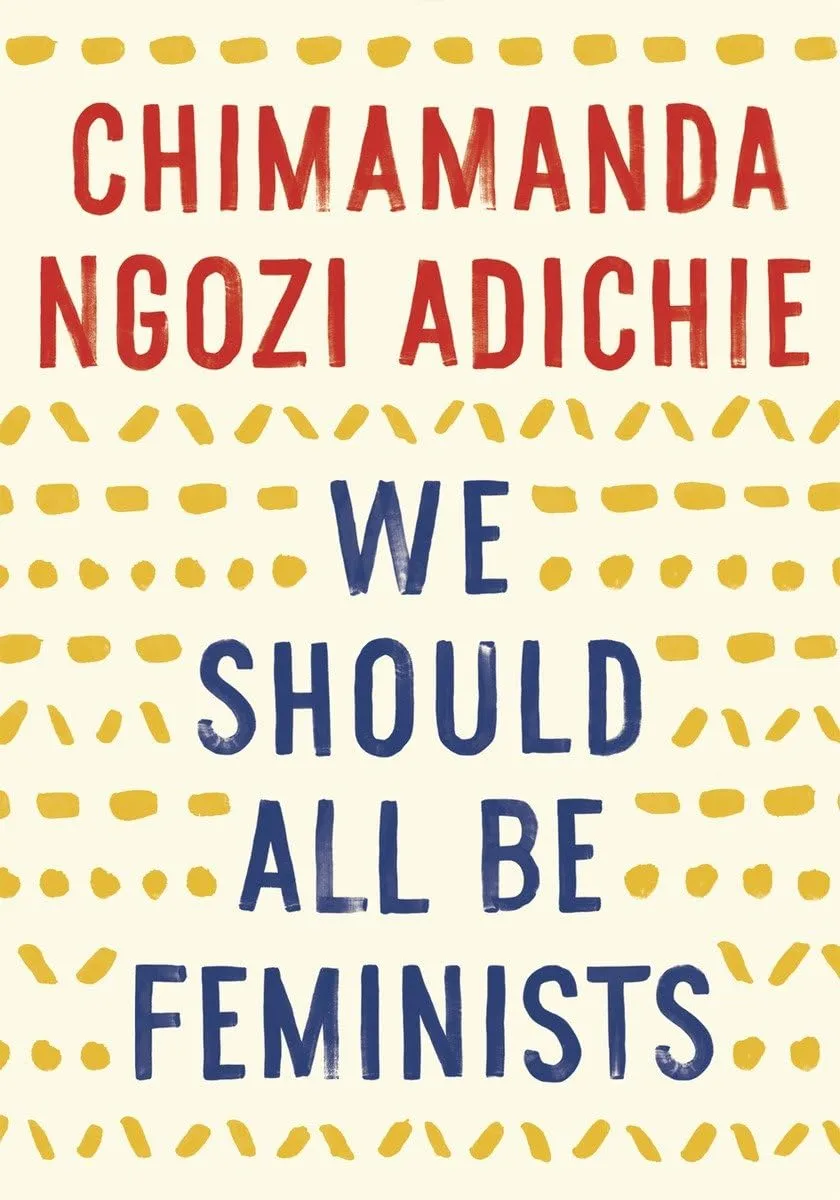
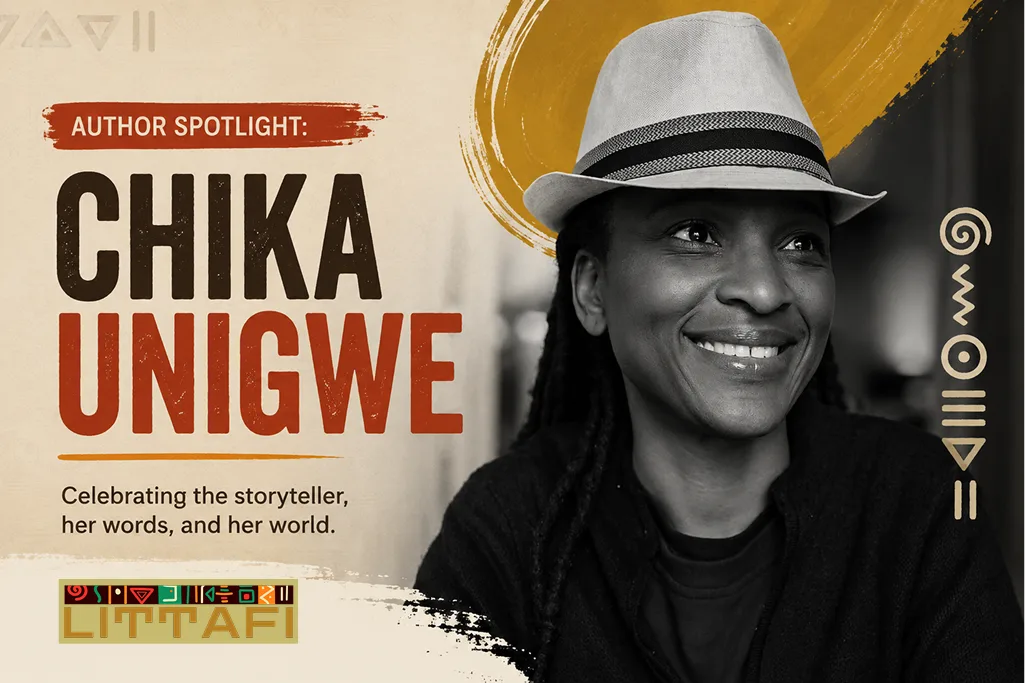
Personally, I preferred the essays that were about nothing but Nigerians having experiences they couldn’t have had anywhere else. The essays written by Ayọ̀bámi Adébáyò, Helon, Chimamanda Ngozi Adichie, Chịkọdịlị Emelụmadụ, Lola Shoneyin, Chika Unigwe, Abubakar Adam Ibrahim, Ike Anya, Chigozie Obioma, Nels Abbey, and Cheluchi Onyemelukwe felt so familiar to me that I felt the Nigerianness in me bubbling forth.
Although I found relish in these authentic experiences, some essays were a sobering reminder of how much Nigerians have lost and the horrors it has gone through.
I haven’t and still do not read a lot of Nigerian authors but this anthropology of essays has impressed on me that Nigerian authors are brilliant with words. Naija no dey carry last! I will be looking to check out some of these authors soon.

Meet Nyerhovwo, an avid reader and aspiring polygot. Nyerhovwo spends most of his time reading. He enjoys exploring all genres of fiction except for romance, and is particularly fond of Stephen King and literary fiction. Nyerhovwo is also learning French and loves watching thought-provoking dramas, anime and Korean films.
July 20, 2025 .
Animation, Lists
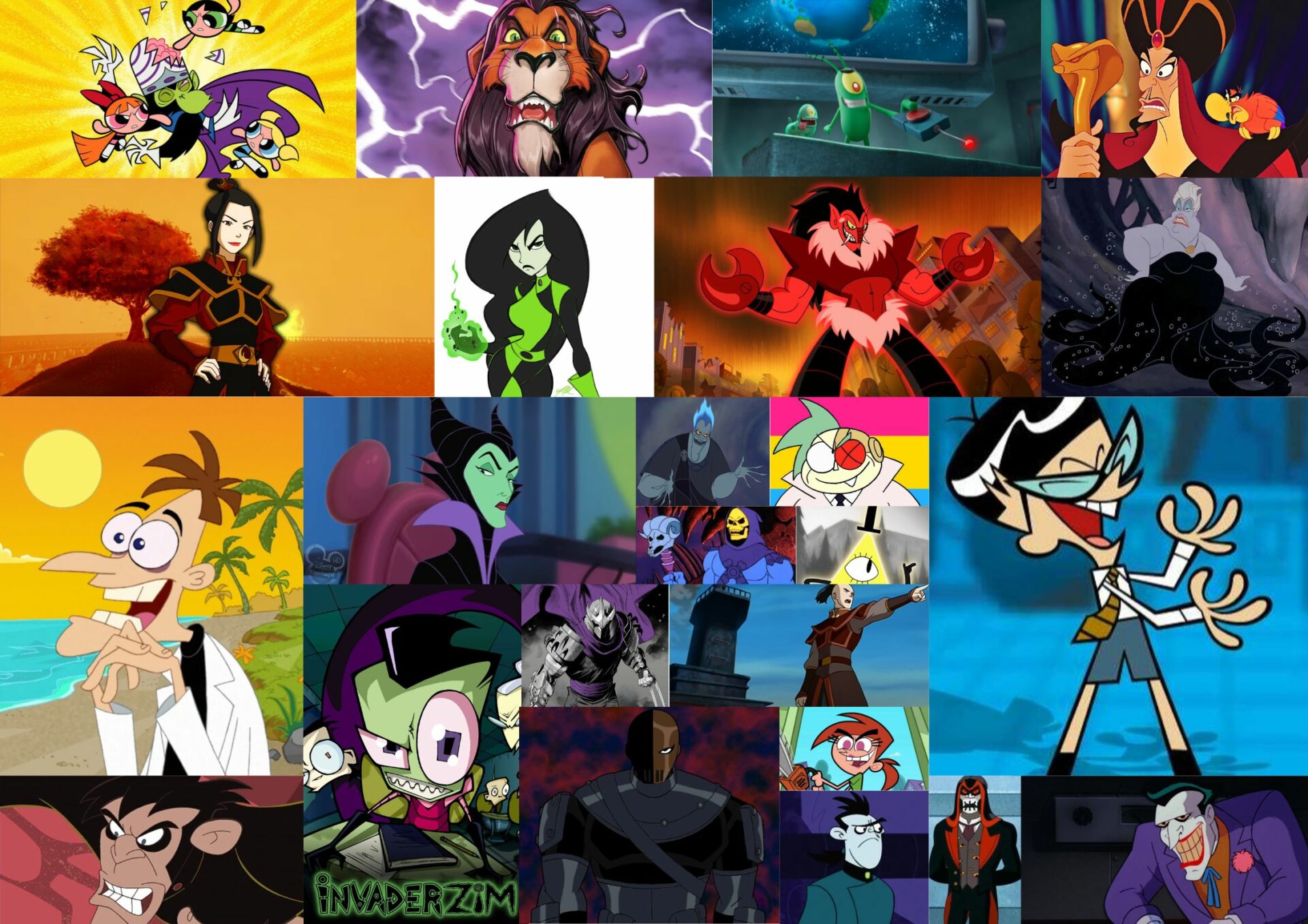
Our list rounds up the top 30 cartoon characters that were villains, each one more wonderfully wicked than the last.
READ MORE
May 6, 2026 .
Lists, MCU
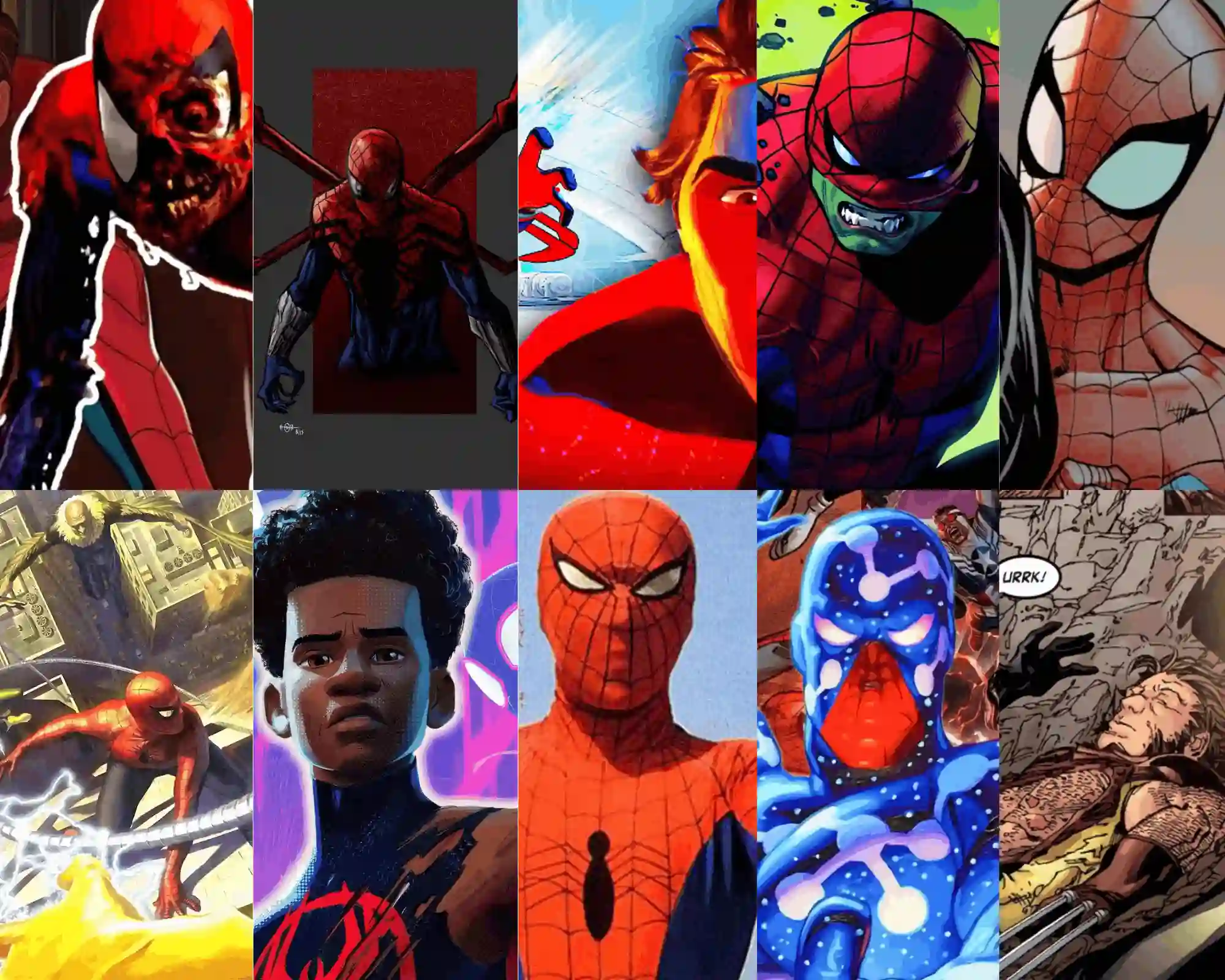
Spider-Man is one of the many superheroes from the Marvel Universe whose stories shaped many childhoods. Who is your strongest Spiderman?
READ MORE
October 28, 2025 .
Lists, Marvel, MCU, Opinions
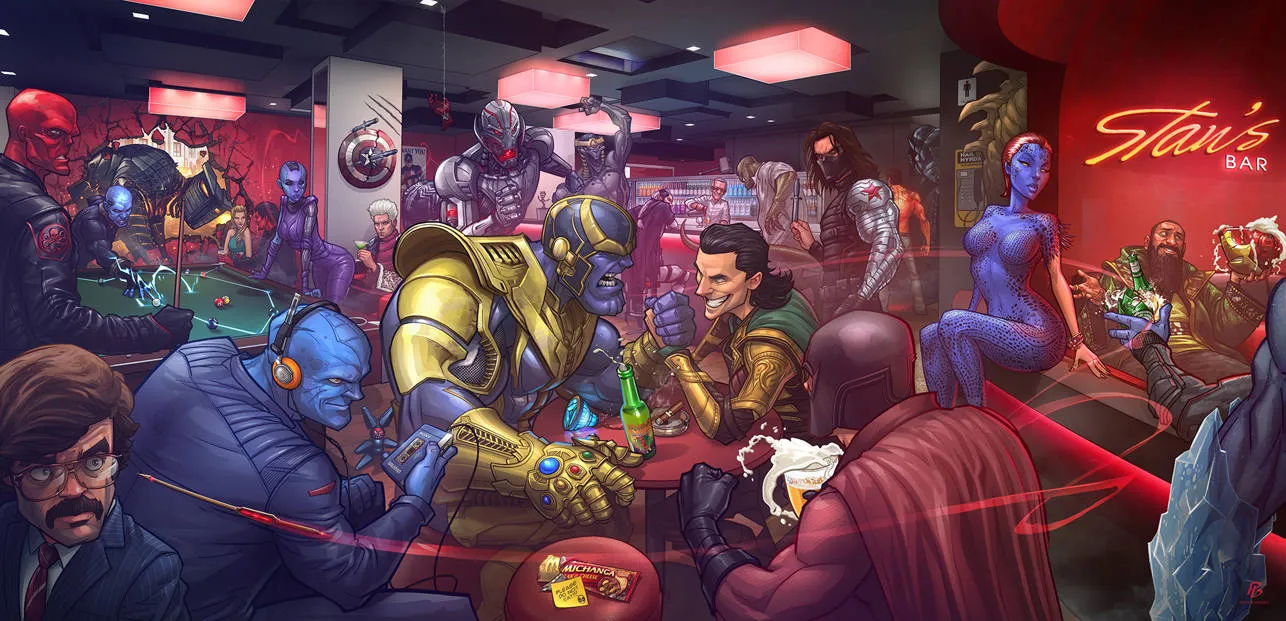
Let’s go through a list of the top 7 strongest Marvel villains, from the wickedly powerful to the absolutely unstoppable.
READ MORE
April 29, 2026 .
Lists, Opinions
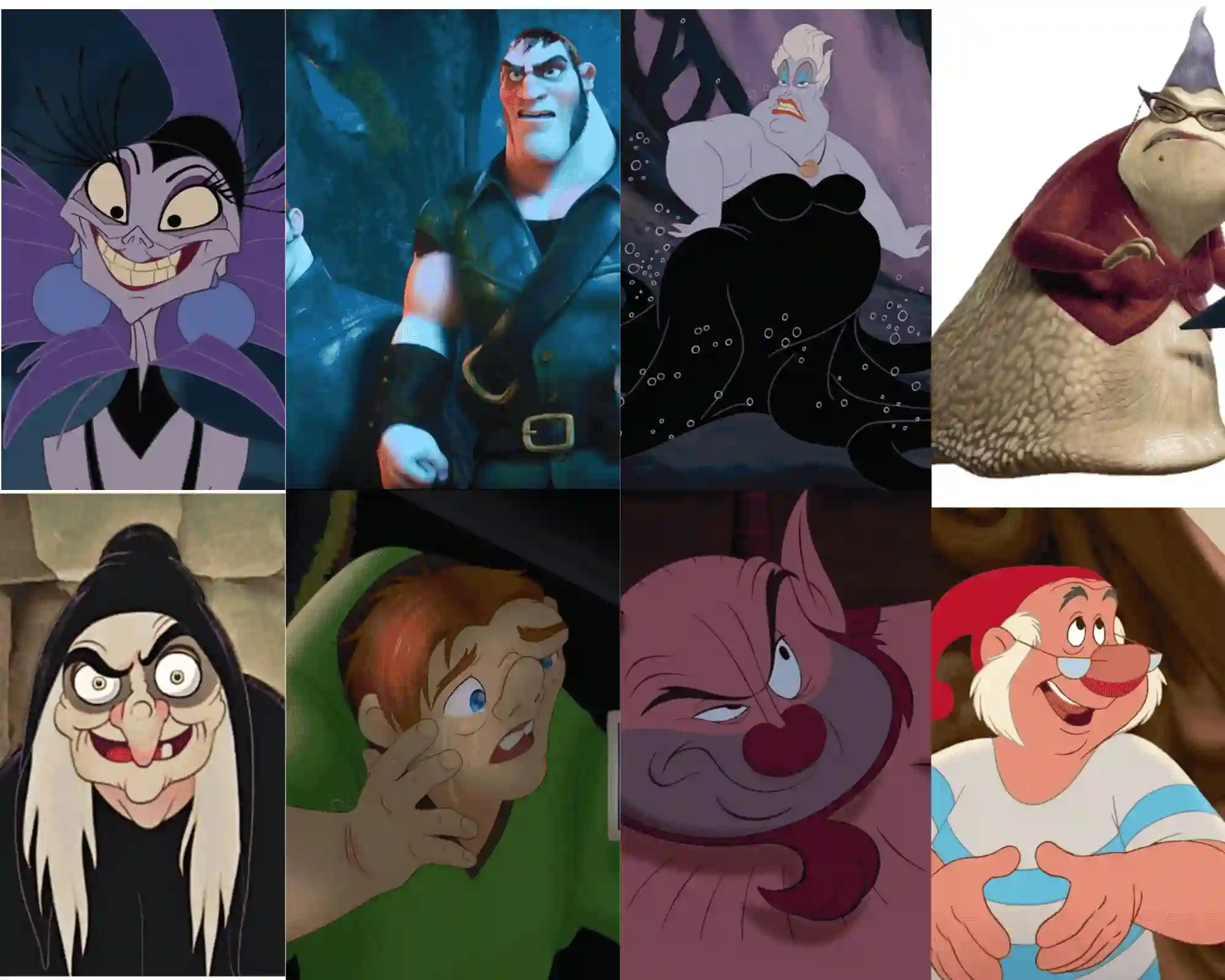
The Mouse is famous for its princesses and princes. However, the studio’s true genius lies in its embrace of “ugly Disney characters”.
READ MORE
February 26, 2026 .
Cartoons, Lists
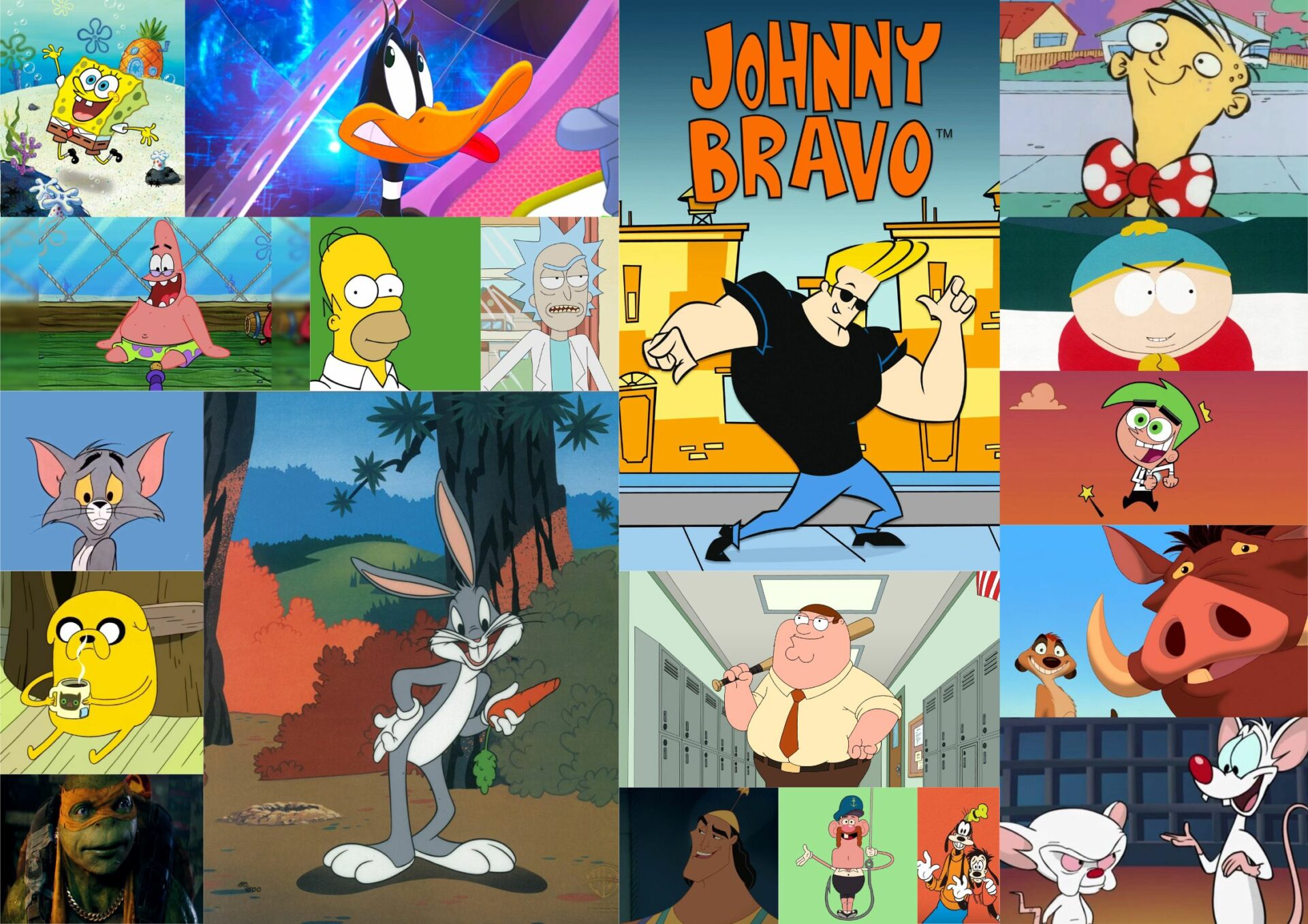
There are some outright funny cartoon characters who exist solely to crack you up, loud, hard, and with zero apology.
READ MORE
October 12, 2021 .
africanliterature, chimamanda, cna, zikora
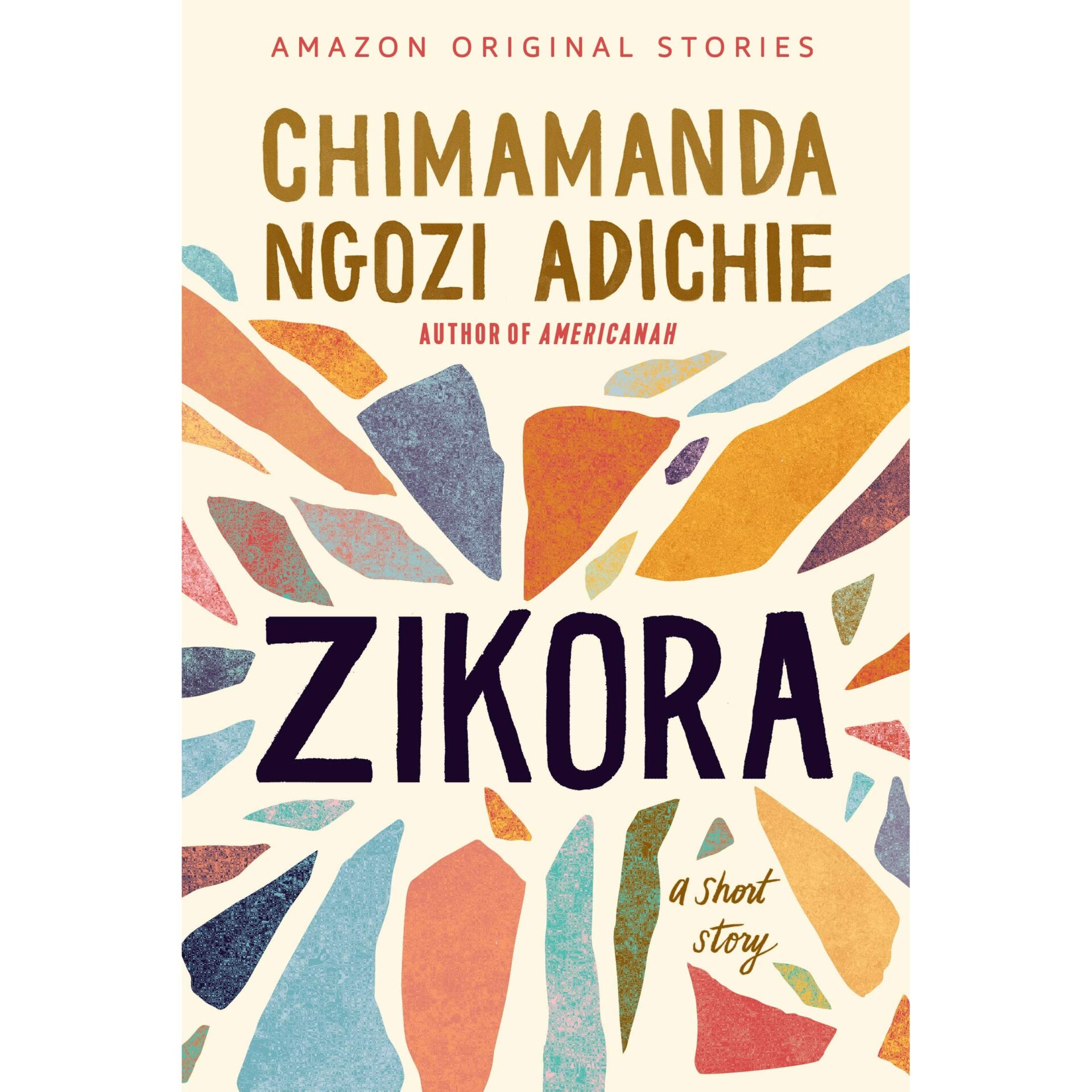
Hopefully, the reading of a book as this will enlighten men and generally educate people in the making of the right choices regarding amatory unions.
READ MORE
February 19, 2022 .
africanliterature, black, Book review, British Nigerian, lizziedamilolablackburn, Nigerian, Self growth, yinkawhereisyourhuzband
READ MORE

January 26, 2025 .
africanliterature, sharjah
READ MORE
November 12, 2023 .
africanliterature
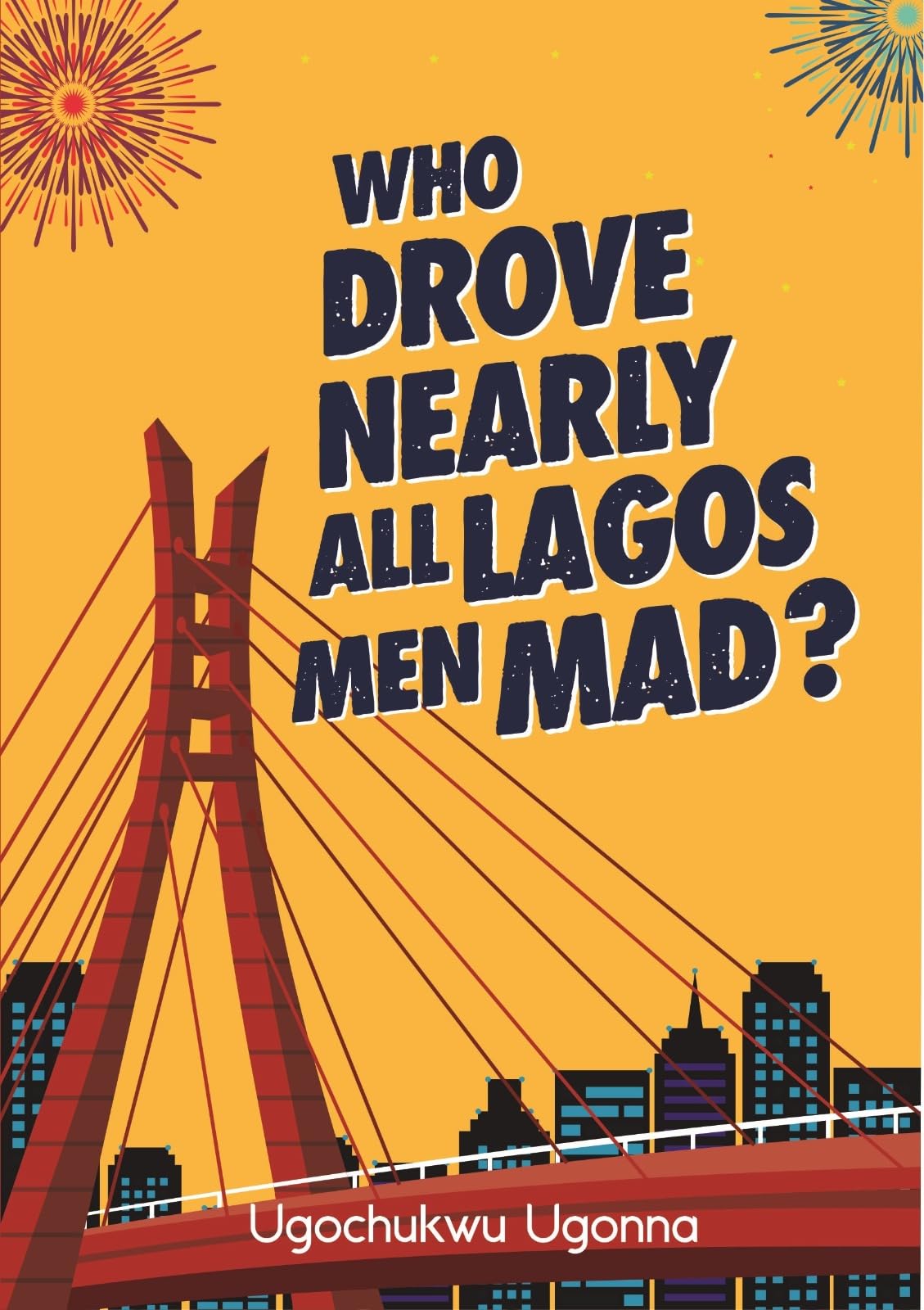
In these tales, women are portrayed as clever and tricky individuals, while men’s descent into madness is often a response to these traits.
READ MORE

December 4, 2023 .
africanliterature
READ MORE
February 3, 2025 .
africanliterature
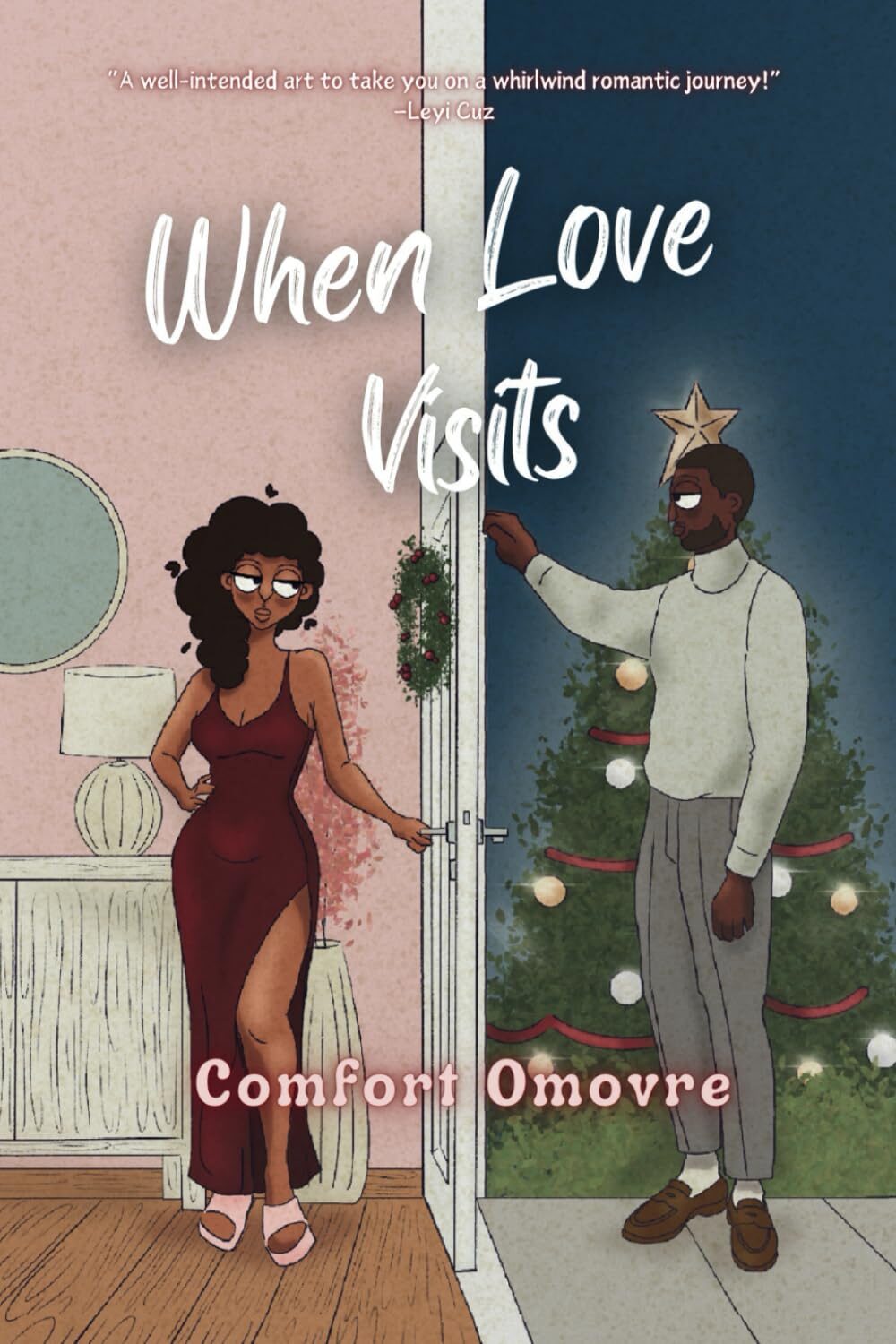
When Love Visits is a contemporary romance novel that narrates how Uju and Tade, both in their thirties and successful fall in love at first sight.
READ MORE

May 7, 2022 .
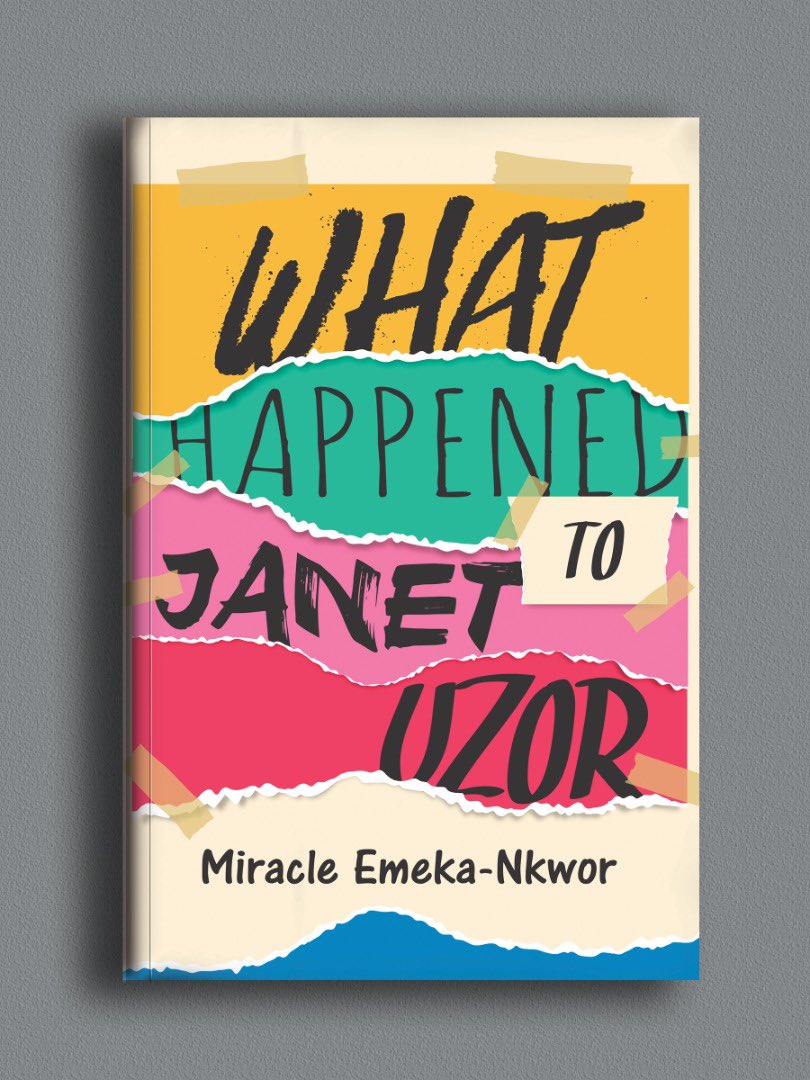
africanliterature, miracleemekankwor, whathappenedtojanetuzor
Ebere has a theory that a killer is out there that claims his victim every Christmas, and she believes their best friend Janet was one of his victims.
READ MORE
December 4, 2023 .
africanliterature
I don’t find What Happened to Janet Uzor very hair-raising thrilling, but it has ENOUGH suspense to get you flipping.
READ MORE

May 5, 2024 .
africanliterature
If you liked Dele Weds Destiny, then you’ll love We Were Girls Once. Aiwanose is a wonderful and insightful writer, and I look forward to reading more of her works.
READ MORE
Get our magazine for free!