Close menu
Ranking the best of African Literature















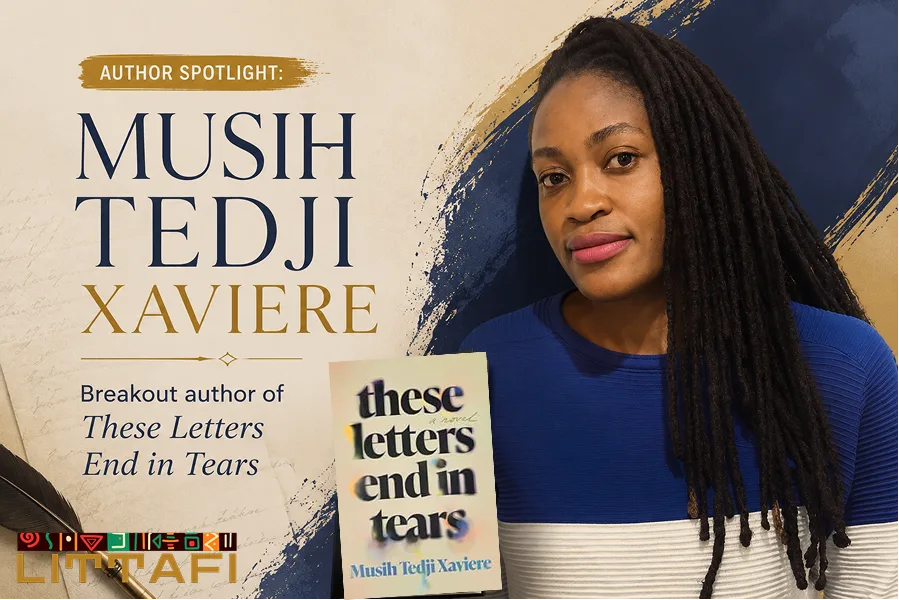


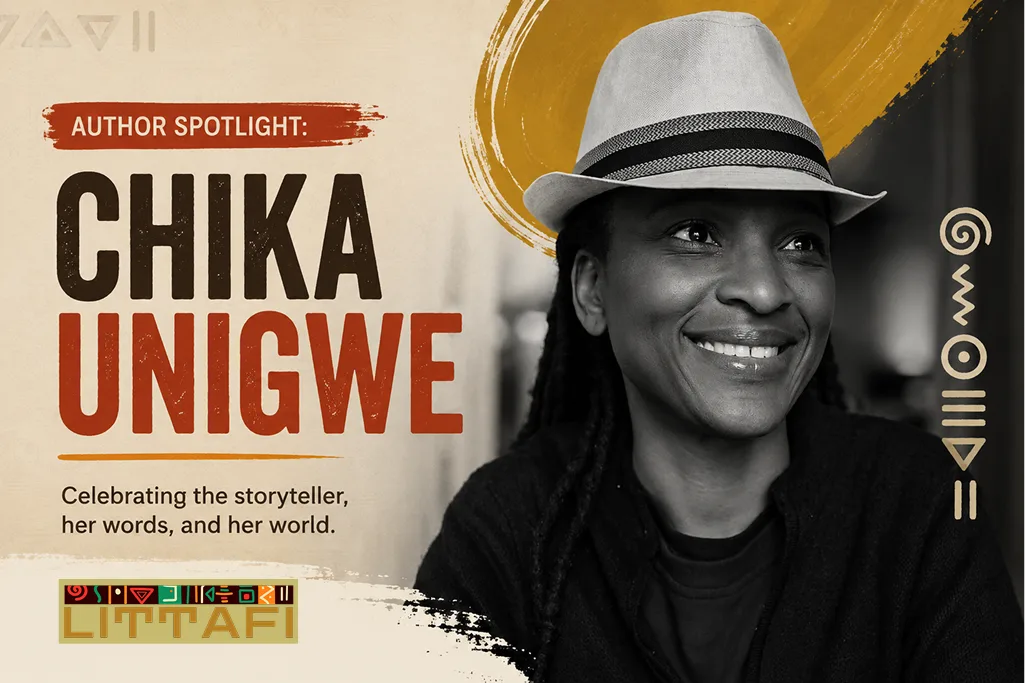






Chika Unigwe’s forte is characterization and code blending. Her characters feel real because their choices are grounded in lived experience.
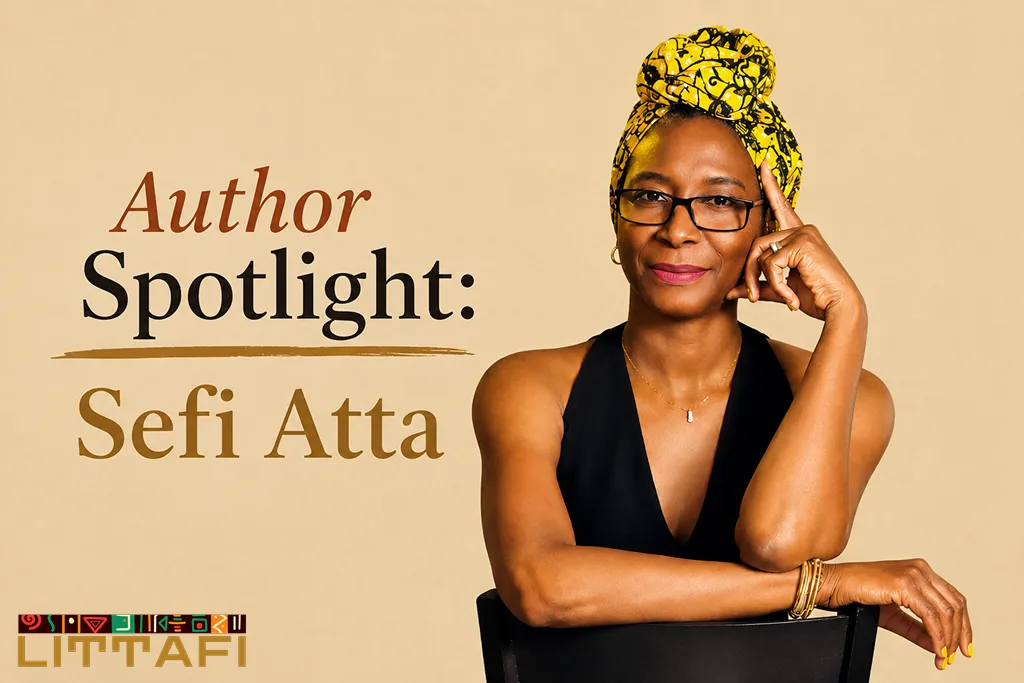
Welcome to Author Spotlight, aka Know Your Authors (KYA). A series about the authors in African literature, ranging from classic or contemporary fiction, romance, thriller, fantasy, speculative fiction, emerging voices, or any of the above.
Each edition will feature a single author, showcasing their favorite ideas, story development, and contributions to the genre.
This is not a competition of “the best.” It’s a matter of going beyond the first book, probing the recurring issues and tendencies found throughout their career. A writer’s footprints can be found all over their work: the questions they keep asking, the habits they have, or their strengths and weaknesses.
KYA is an opportunity to connect the dots and learn something about the author’s mind behind the fiction.
First and a personal fave, we’ll begin with Dr. Chika Unigwe.
Few writers in the industry possess her skill and craft or can occupy her position in modern African literature.
Anyone who’s ever read any modern African Literature would have encountered her name. Unigwe was born in Enugu State, Nigeria, and writes in both English and Dutch.
Her works continually return to the same tough questions: identity, migration, memory, and what people do when circumstance leaves them no good options.
Sex work and family are recurring themes she employs in her books.
Chika’s desire to write dates back to her childhood, and she credits Flora Nwapa, Buchi Emecheta, and Chinua Achebe as inspirations. In addition, she is a creative writing teacher. Although during an interview she says she’s not a confident writer but comes across as self-assured, and that confidence is reflected in her writing.
It’s unpretentious and honest.
Unigwe had already established a reputation in short fiction before the success of On Black Sisters’ Street made her a name on the international scene.
While studying in Belgium, she won the BBC World Service Short Story Competition for Borrowed Smile. In the same year, ‘Weathered Smiles’ was a finalist in the Commonwealth Short Story Competition and received an Honorable Mention.
In 2012, On Black Sisters’ Street received one of the most coveted awards in Africa, the Nigeria Prize for Literature. The win pulled the novel and its unflinching look at migration and trafficking into the wider conversation.
This book reiterates what her short stories had revealed: Unigwe can handle intense subject matter without neglecting the “humaness” of the characters involved.

As Chika Unigwe writes, she asks herself many questions.
When I read her books, the pattern is apparent quickly. She continually returns to the women who are influenced by events beyond their control, without denying that they also had a choice and agency in the matter. Her terrain is rape, domestic abuse, prostitution, migration, beauty standards, Europe’s sex industry and the hopes of African women.
But that’s never the complete picture.
Unigwe’s characters are not defined by trauma, nor by work. They have ambitions, friendships, regrets, a sense of humour, and dreams not for survival but for eventual thriving. They stand outside of the labels and classifications that the world gives them.
Unigwe does not wish to be a critic of her characters; she wishes to know them. Her works pose the question “Why did she make that choice?” instead of “What system made that the only choice available?
Her identity permeates most of her writing. No matter who her characters are, whether they are migrants who are starting over or people who are trying to find themselves in a world where all that is familiar is gone. They all want to know: who am I when everything familiar is gone?
Unigwe’s forte is characterization and code blending. Her people feel real because their choices are grounded in lived experience.
You may not agree with a choice, but it’s never “engineered by the plot.”
These two stylistic techniques are integral to her body of work and help produce texts that are relatable and authentic. She is also very careful in her research.
In interviews, Unigwe has stated many of her stories have come from actual conversations and experiences, and that some ideas “haunt” her until she sits and writes them out. Her novels frequently begin with a question she can’t let go of.
The one interview that stands out is when Unigwe explained that she imagines herself becoming the character she’s writing, rather than speaking for them, when she discusses their voices.
Probably this is what makes even her minor characters so real.
She isn’t interested in twists just for the sake of twists structurally. Her tales revolve around romance, dialogue, recollection, and conflicts. The characters are the ones who carry the story; the story doesn’t carry the characters.
Chika has written novels, short stories, and children’s books which have been translated into several languages. Her novels include The Phoenix, On Black Sisters’ Street, Night Dancer, and Better Never Than Late.
On Black Sisters’ Street is her most talked-about, and for good reason.
It might have made its four main characters – Sisi, Ama, Joyce, and Efe into symbols of trafficking. Rather, they each bring with them their own stories, dreams, and heartbreaks.
These characters had families and expectations before they arrived in Europe. They still talk about friendship, loyalty, love, guilt, taking place even in the red-light district of Antwerp. Their job is not who they are; it’s just part of them.
The novel delves deeply into recruitment methods, debt bondage, and the nuts and bolts of day-to-day living, with lived details only a serious researcher could provide, not someone who invented them to match their imagination.
The pace of her writing can be slow for readers who prefer plot-driven stories. Still others would say that’s precisely what they prefer; the slow burn allows the emotional and psychological depth of her characters to develop just fine.
In Night Dancer, secrets, resentment, and years of misunderstanding complicate relationships. The characters make frustrating choices, but choices that follow their history unfold properly. The emotional logic holds even when you want to prick some sense into them.
If you want to explore Unigwe’s work, begin with On Black Sisters’ Street.
It introduces the themes of her work while showing off her approach to character and social commentary.
After that? Night Dancer offers a different angle on family, identity, and memory, and the long shadow the past casts over the present.
Beyond those two, there’s The Middle Daughter, Grace, and the short story Borrowed Smile, among others.
A keen observer of people, Chika Unigwe is interested in stories that society would like to ignore, and is determined to tell them with honesty and compassion.
Hi I'm Tega, I am a microbiologist with a lifelong passion for reading, I fell in love with books as child (where I was briefly obsessed with Enid Blyton, lol) reading is simply my escape and hobby and sometimes doubles as therapy for me . My favorite genres are African lit, historical fiction, memoirs/biographies and fantasy. I do beta reading and post book reviews which you can check out on my Instagram @ te_ga_o.
July 20, 2025 .
Animation, Lists
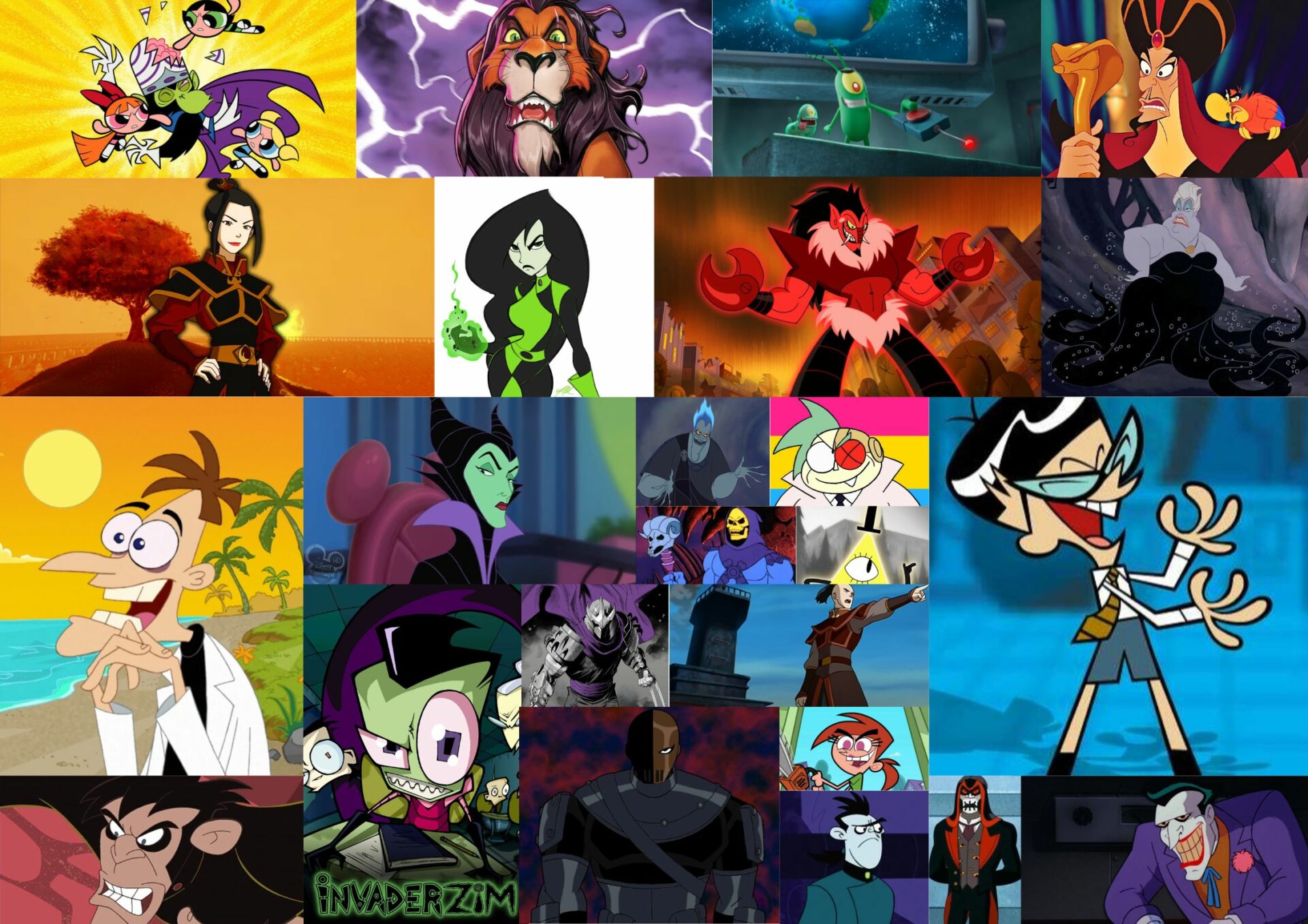
Our list rounds up the top 30 cartoon characters that were villains, each one more wonderfully wicked than the last.
READ MORE
April 29, 2026 .
Lists, Opinions
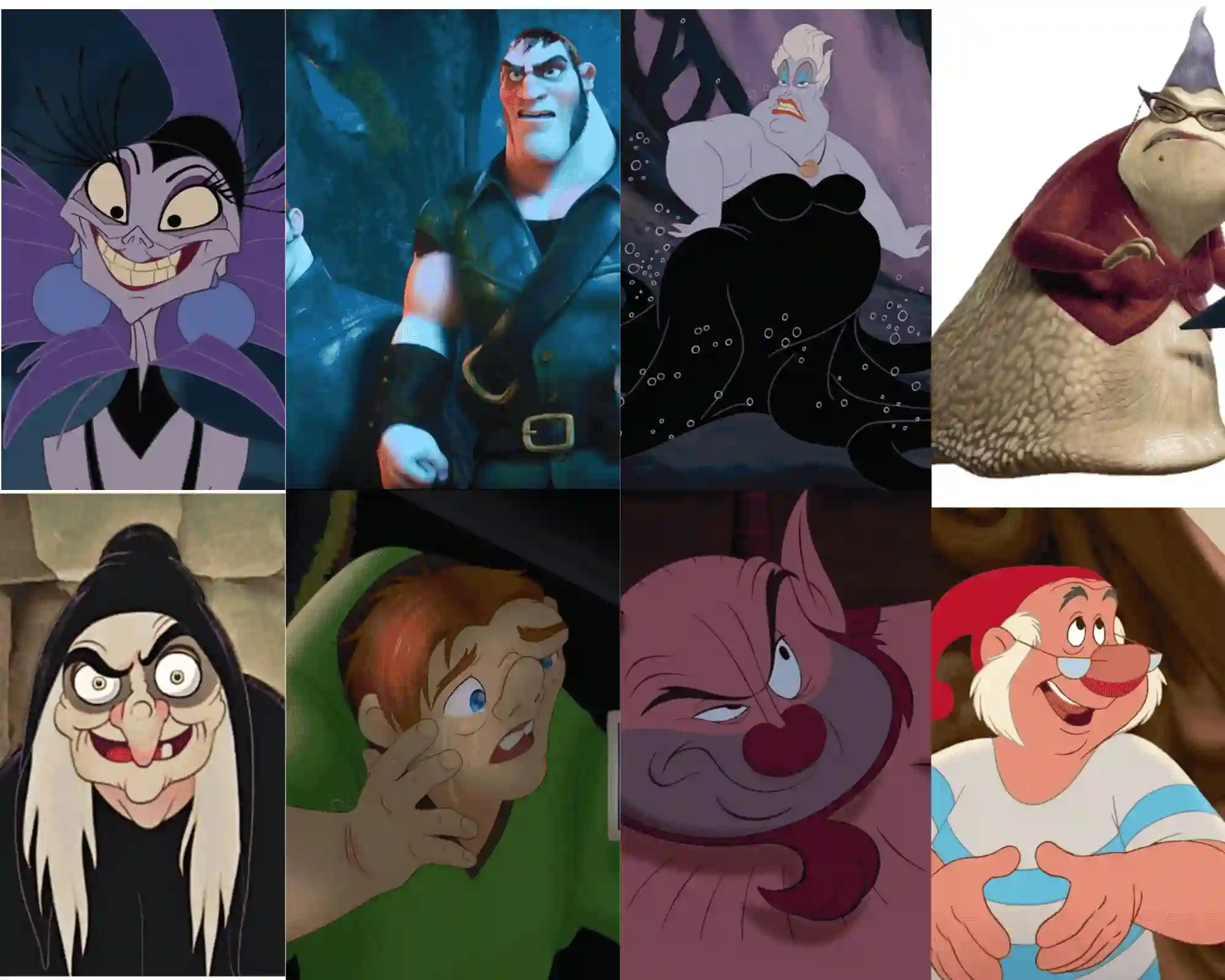
The Mouse is famous for its princesses and princes. However, the studio’s true genius lies in its embrace of “ugly Disney characters”.
READ MORE
May 6, 2026 .
Lists, MCU
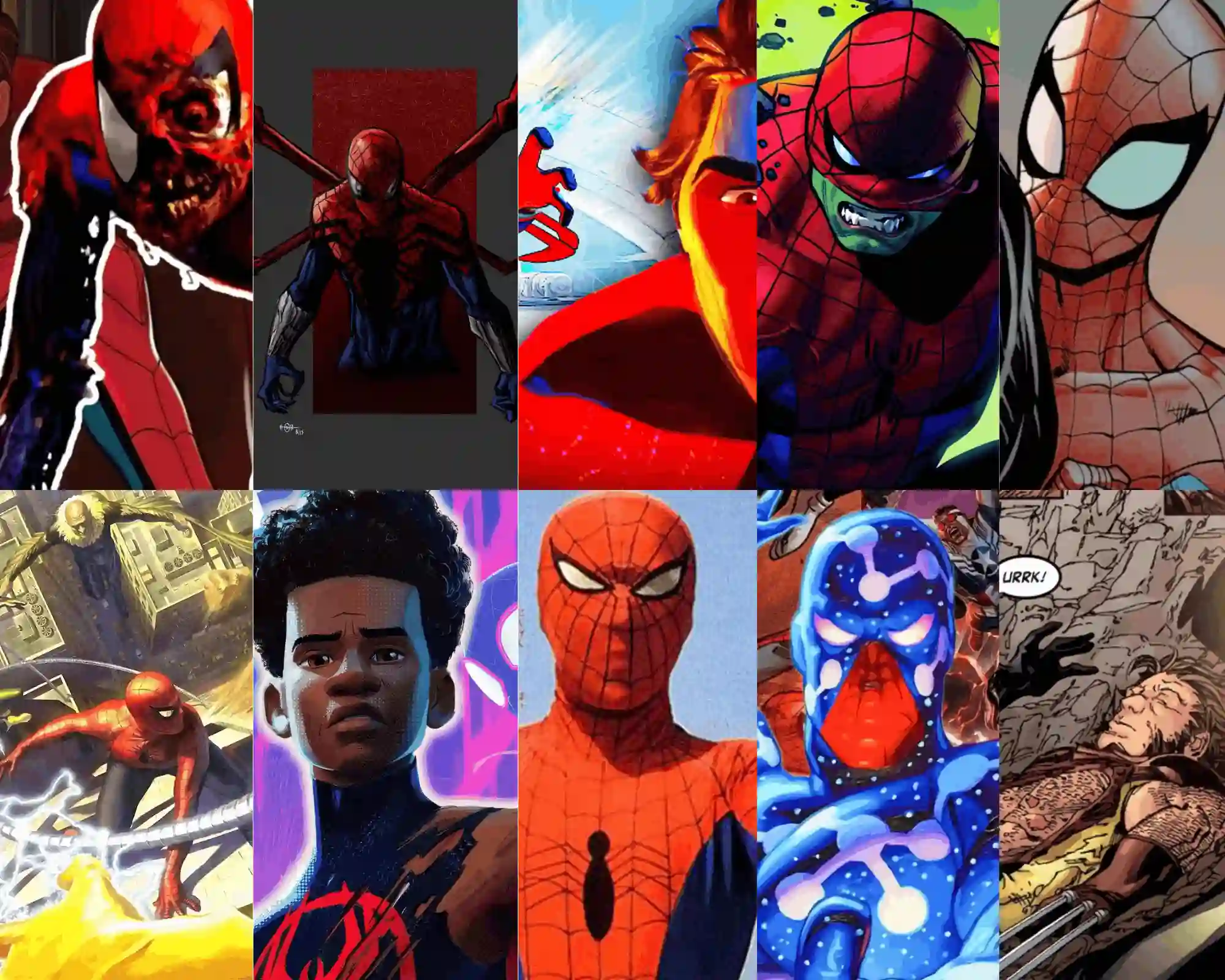
Spider-Man is one of the many superheroes from the Marvel Universe whose stories shaped many childhoods. Who is your strongest Spiderman?
READ MORE
June 25, 2026 .
Lists, Opinions
If Game of Thrones taught us anything, it’s that the characters we hate the most tend to outlive everyone else.
READ MORE
October 28, 2025 .
Lists, Marvel, MCU, Opinions
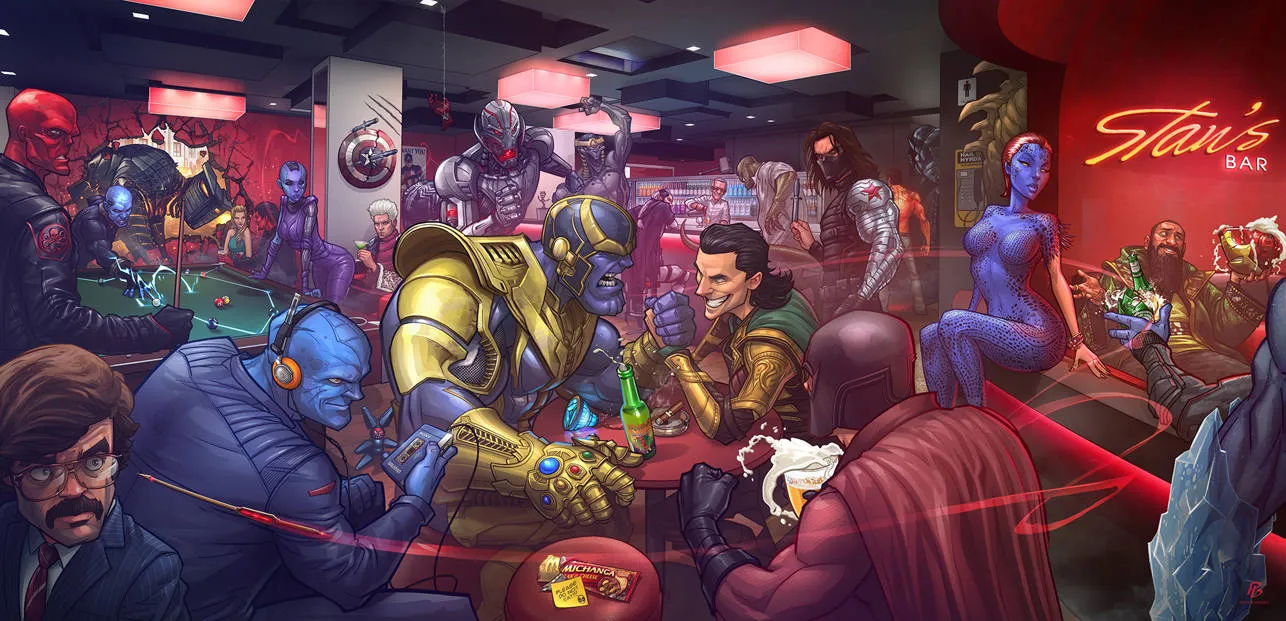
Let’s go through a list of the top 7 strongest Marvel villains, from the wickedly powerful to the absolutely unstoppable.
READ MORE

July 20, 2025 .
Writer Resources
Discover the differences in First-Person Point of View and Third-Person POV, and how each impacts character connection and narrative style.
READ MORE
May 15, 2026 .
Writer Resources
The tension between writer-centered and reader-centered approaches defines how a story is told and who it serves.
READ MORE

October 22, 2025 .
Essays, Writer Resources
Ever found a book that looks like a comic but tells a complete, well-structured story? Congratulations, it’s a graphic novel.
READ MORE
June 26, 2026 .
Writer Resources
Writing starts with forming ideas, imagination, dreams, and thoughts. And when these condense into a coherent progression, you have a plot.
READ MORE
May 10, 2026 .
Writer Resources
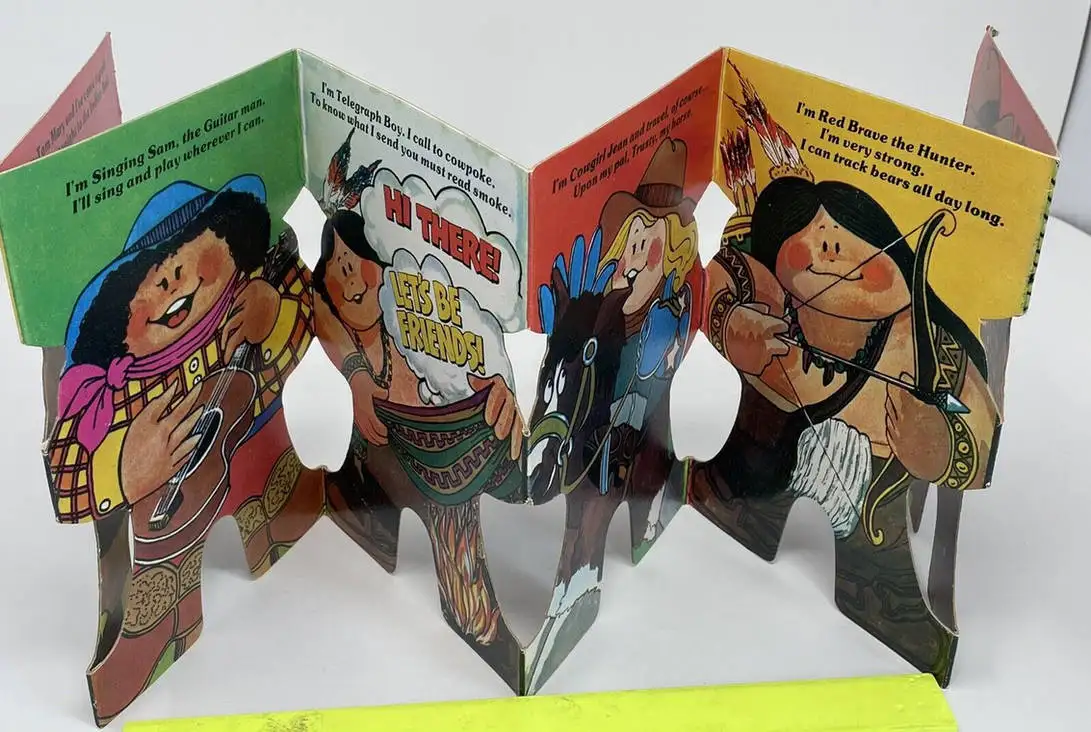
What is a board book, and how does it differ from others? Traditional publishing usually means novels, but published works span much more.
READ MORE
July 24, 2025 .
Essays, Writer Resources
READ MORE
February 8, 2026 .
Writer Resources
Breaking into traditional publishing can feel like decoding a secretive industry. This guide is a resource for finding the right agent.
READ MORE
February 28, 2026 .
Writer Resources
There are three paths in book publishing: traditional, self-publishing, and hybrid. The current focus is on traditional publishing.
READ MORE

July 20, 2025 .
Writer Resources
Today, writers are needed who combine creativity with technical expertise, professionalism, and adaptability.
READ MORE
Get our magazine for free!