
Close menu
Ranking the best of African Literature

























































Saleh’s is the quiet of a man who has learnt to live with grief, while Latif’s is the restless isolation of someone who has never allowed himself to belong.
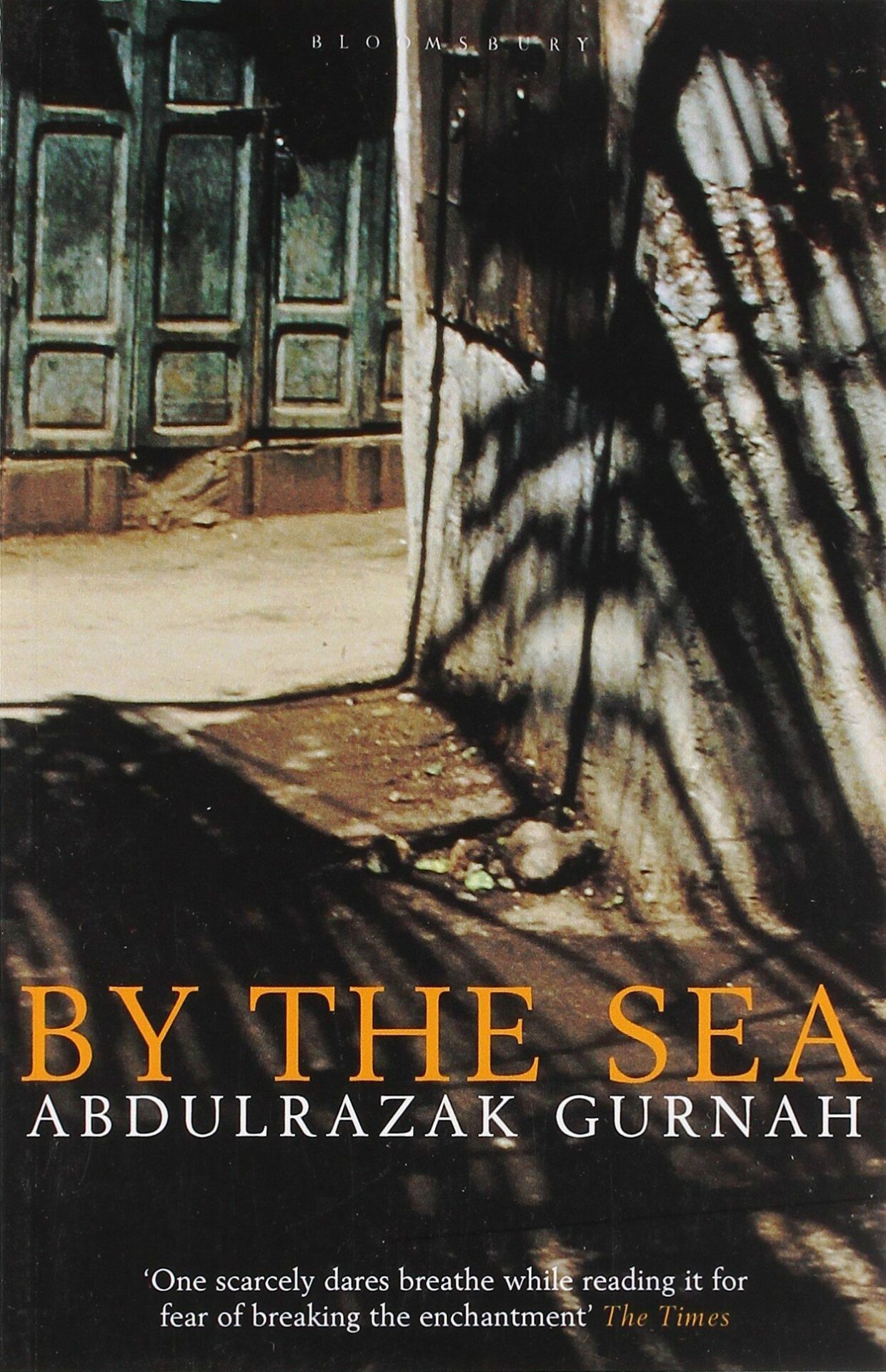
What do we owe the past? And how do we live with the stories we cannot forget—or the ones we’ve never been told?
These are the quiet questions that linger in Abdulrazak Gurnah’s novel By the Sea, where we meet the two protagonists, Saleh Omar and Latif Mahmud, whose lives intertwine through a shared trauma and painful memory.
Both men carry their family histories in ways they don’t completely recognise. Their family wounds mirror Zanzibar’s own fractured story.
“I have time on my hands; I am in the hands of time, so I might as well account for myself.”
Saleh, an elderly refugee from Zanzibar, carries with him a silence so heavy it becomes its own kind of story.
As he recounts being once a successful merchant, later stripped of his possessions through colonial-era legal manipulations, and later imprisonment, we see a man whose life has been marked by loss, not just of home, but of voice.
There is something profoundly moving about the way Saleh Omar remembers. What I loved most about his recollection was that of his wife and child. The tender love they shared and his unspoken grief of their loss. Gurnah does not give us grand declarations or sweeping romantic gestures; instead, he offers us quiet, intimate flashes of the way she laughed, the scent of her skin, and the weight of her absence.
“Instead, I asked the mother if she had a guest staying with her, meaning Salha. “No, no, this is my daughter Salha. Have you forgotten her already?” And Salha stood smiling beside her while I stuttered and tried to pick up my idle trader chatter.”
These fragments are all the more potent because they are unspoken, carried in Saleh’s heart long after she is gone. And yet, memory here is not just a refuge; it is also a wound. Saleh becomes a man shaped by what he no longer has.
“Silence imposes unexpected discomforts on you.”
Upon his arrival in England as an asylum seeker, he chooses muteness, letting others project their assumptions onto him until he decided to speak, which brought to the surface the past and his meeting with Latif, a middle-aged academic, who has spent his life constructing a narrative of abandonment—his father’s betrayal, his mother’s distance, and his self-imposed exile.
When he encounters Saleh, the man he believed had ruined his family, he is forced to confront the possibility that his family’s narrative—and thus his own identity—might be built on omissions and lies. Gurnah, through his protagonists, leaves the reader to question whose memory is true.
The sea, which becomes a recurring motif in the story, is a symbol of both connection and separation. For Saleh, it is the sound of home, a reminder of what was lost. For Latif, it is a barrier, the distance between his present and a past he can never fully reclaim.
Both men are profoundly lonely, but their loneliness takes different forms: Saleh’s is the quiet of a man who has learnt to live with grief, while Latif’s is the restless isolation of someone who has never allowed himself to belong.
This, perhaps, is the true power of memory in By the Sea; Saleh and Latif’s memories are never just their own. It’s a quiet defiance and an act of resistance against erasure. To remember, in such a world, is to insist on existing.

Benereads is a dedicated literary reviewer and book enthusiast, offering insightful critiques and curated recommendations across a wide range of genres. With a sharp analytical perspective and a passion for storytelling, Benereads helps readers discover compelling books—from contemporary fiction to thought-provoking nonfiction. Follow for expert reviews and engaging literary discussions.
July 20, 2025 .
Animation, Lists
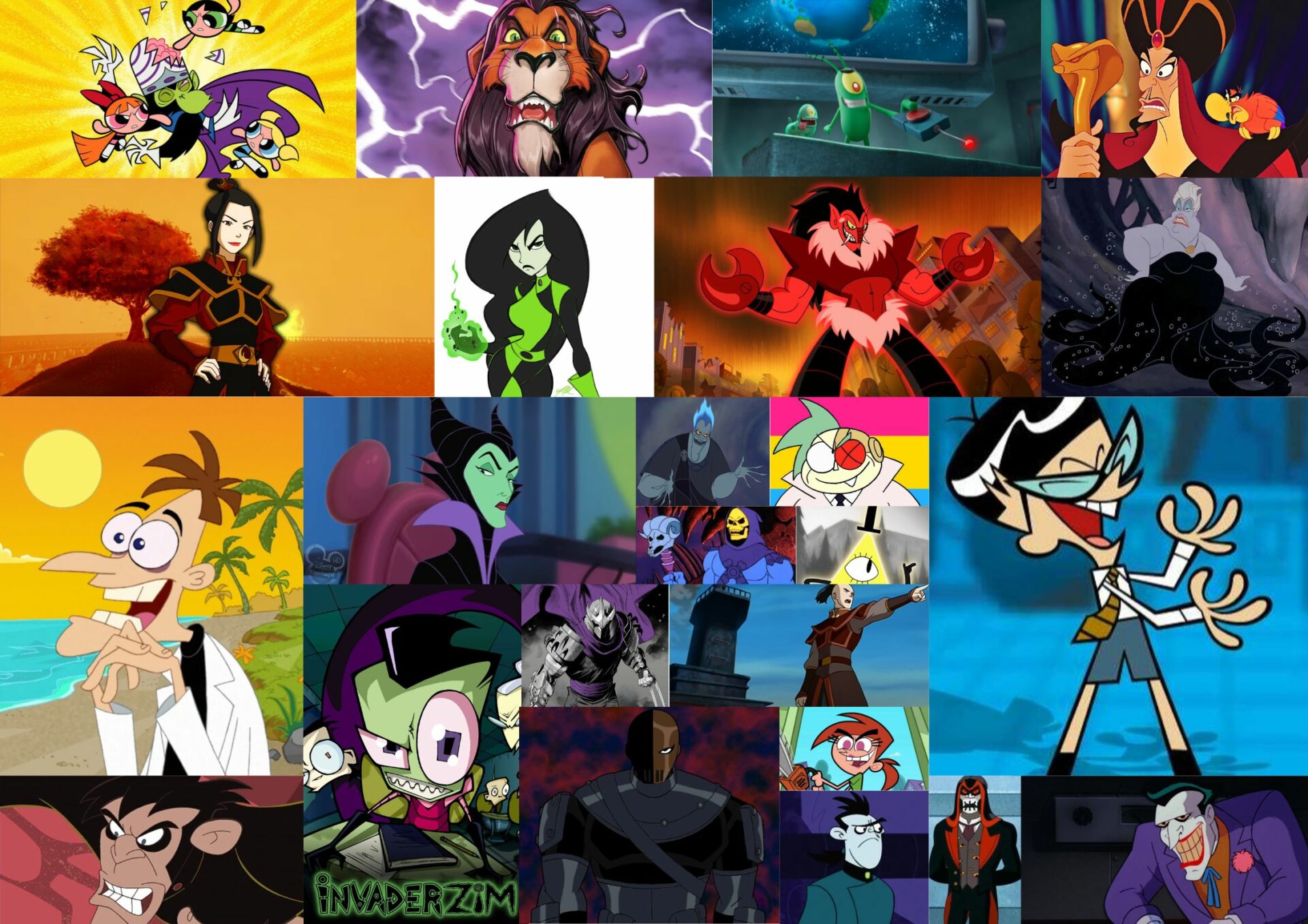
Our list rounds up the top 30 cartoon characters that were villains, each one more wonderfully wicked than the last.
READ MORE
April 29, 2026 .
Lists, Opinions
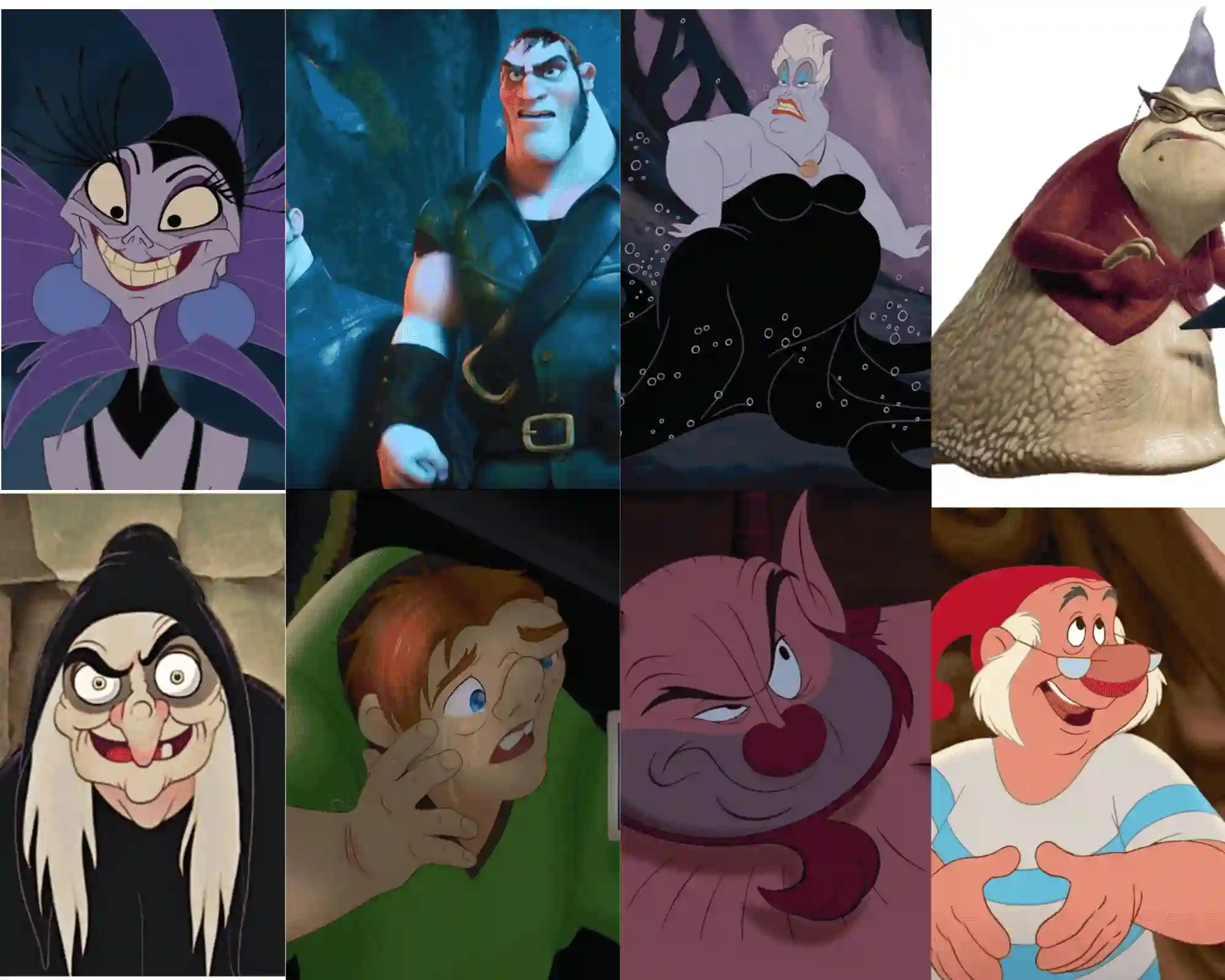
The Mouse is famous for its princesses and princes. However, the studio’s true genius lies in its embrace of “ugly Disney characters”.
READ MORE
May 6, 2026 .
Lists, MCU
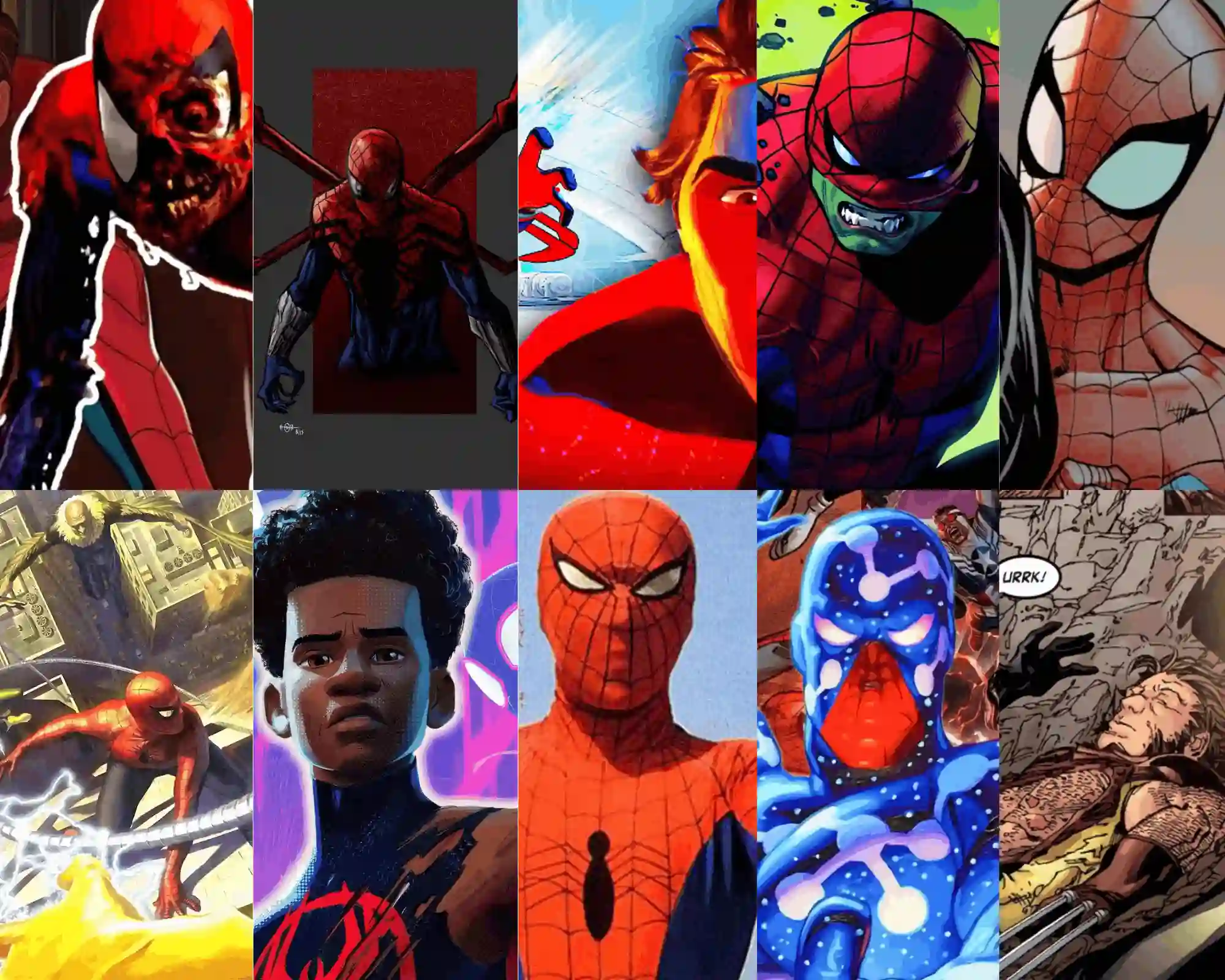
Spider-Man is one of the many superheroes from the Marvel Universe whose stories shaped many childhoods. Who is your strongest Spiderman?
READ MORE
June 25, 2026 .
Lists, Opinions
If Game of Thrones taught us anything, it’s that the characters we hate the most tend to outlive everyone else.
READ MORE
October 28, 2025 .
Debates, Lists, Marvel, MCU
Every Marvel hero brings something to the table. But if we had to pick the top 8 most popular Marvel superheroes, who would make the cut?
READ MORE

Get our magazine for free!