
Close menu
Ranking the best of African Literature


















































Behind the Scenes is a deeply relatable family story, one that mirrors situations many people have either lived through or witnessed.
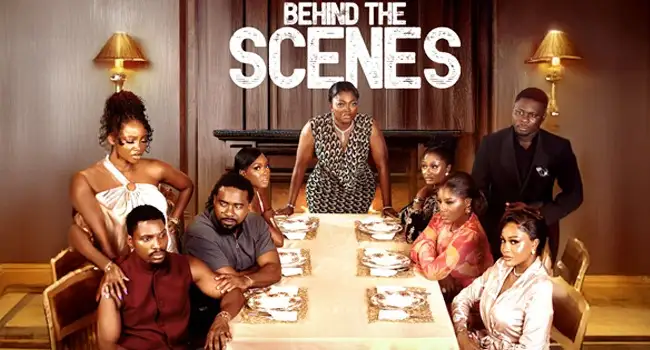
Aderonke is the family’s financial backbone. She is the giver, the fixer, the ever-available benefactor. She pours into everyone, even when they repeatedly prove themselves selfish and opportunistic. In a bold move, she fakes her own death and retreats into the shadows to observe what her absence will show.
What unfolds is both heartbreaking and revealing: family members circling her wealth like vultures, her children being sidelined, and, ironically, strangers displaying more loyalty and humanity than blood relatives.
Behind the Scenes is a deeply relatable family story, one that mirrors situations many people have either lived through or witnessed.
Adetutu is manipulation personified. From the moment she begins her performance of crocodile tears in the second scene, it’s clear she’s operating with intent. She isn’t just selfish, she’s dead inside. The kind of character that makes your skin crawl because she feels too real. Every family has one of those.
Aderonke, on the other hand, is frustrating.
Painfully frustrating.
Her generosity crosses into stupidity. I wanted to smack the upside of her head. She is the textbook doormat; emotionally blackmailed by adults who weaponize children and tears to get what they want.
What makes it worse is her stubbornness. She refuses to listen to counsel, making decisions that continue to hurt her. It’s hard to sympathize with her at times because she enables the very behavior that destroys her peace.

Adewale stands out as a subversion of the trope. Introduced with the aura of a ‘thug’ who doesn’t give his elder sister any peace, he turns out to be the most grounded and principled character. His calm intensity, what you aptly call ‘calm madness,’ is magnetic. He doesn’t overperform morality; he simply embodies it.
He’s easily the best character in the film.
Adetutu and her children form a chaotic cluster of entitlement, a true conglomerate of bad behavior.
Their presence is loud, disruptive, and intentional, representing unchecked greed within family structures.
Those Big Brother babes are just a bloody nuisance!
The film thrives on layered storytelling. Everyone has a backstory, which adds depth and avoids turning characters into one-dimensional villains. It reinforces the idea that dysfunction is often inherited, learned, and normalized.
One of the strongest themes is the illusion of family loyalty. The film boldly suggests that blood ties do not guarantee love, respect, or protection. In fact, strangers, like the cook and housekeeper, often display more sincerity and loyalty than relatives.
That said, the outrage over the cook and housekeeper having a wedding without informing Aderonke feels misplaced. In the grand scheme of betrayal, it’s almost inconsequential compared to the emotional and financial exploitation she suffers from her own family.
The line by Adewale “Awon omo Aderonke ninu keke!” is a standout moment—sharp, memorable, and laced with humor that cuts through the tension.

The child actors are exceptional. They bring authenticity and emotional weight that elevate the film. Their performances make the neglect and displacement they experience by their aunt and uncle’s wife even more painful to watch.
The dynamic between Aderonke and Oluchi is one of the film’s softest, most human elements. Their scenes are tender, offering brief emotional relief from the chaos.
The film definitely has its own issues.
Victor’s death felt unnecessary, more like shock value than a meaningful plot device. For a beloved character, his exit did nothing to elevate the plot except for Aderonke mentioning it at the climax. The climax itself was underwhelming. I expected her to come in guns blazing, ready to step on everybody’s neck. But it was just tears and emotions.
The twins add little to the story. Their presence feels more like filler; noise without substance.
Then there’s the product placement. Knorr, Colgate, Lush Hair. It’s excessive and distracting. Instead of blending naturally into the story, it pulls you out of the experience, reminding you that you’re watching a TV commercial.
This film is a brutal mirror. It forces you to confront uncomfortable truths about family, generosity, and boundaries. It asks a difficult question: At what point does kindness become self-destruction?
Adetutu represents a familiar evil, while Aderonke represents a familiar mistake.
And if you can’t identify someone like Adetutu in your family, then the film quietly suggests you might need to look inward.
Rating: 6/10

July 20, 2025 .
Animation, Lists
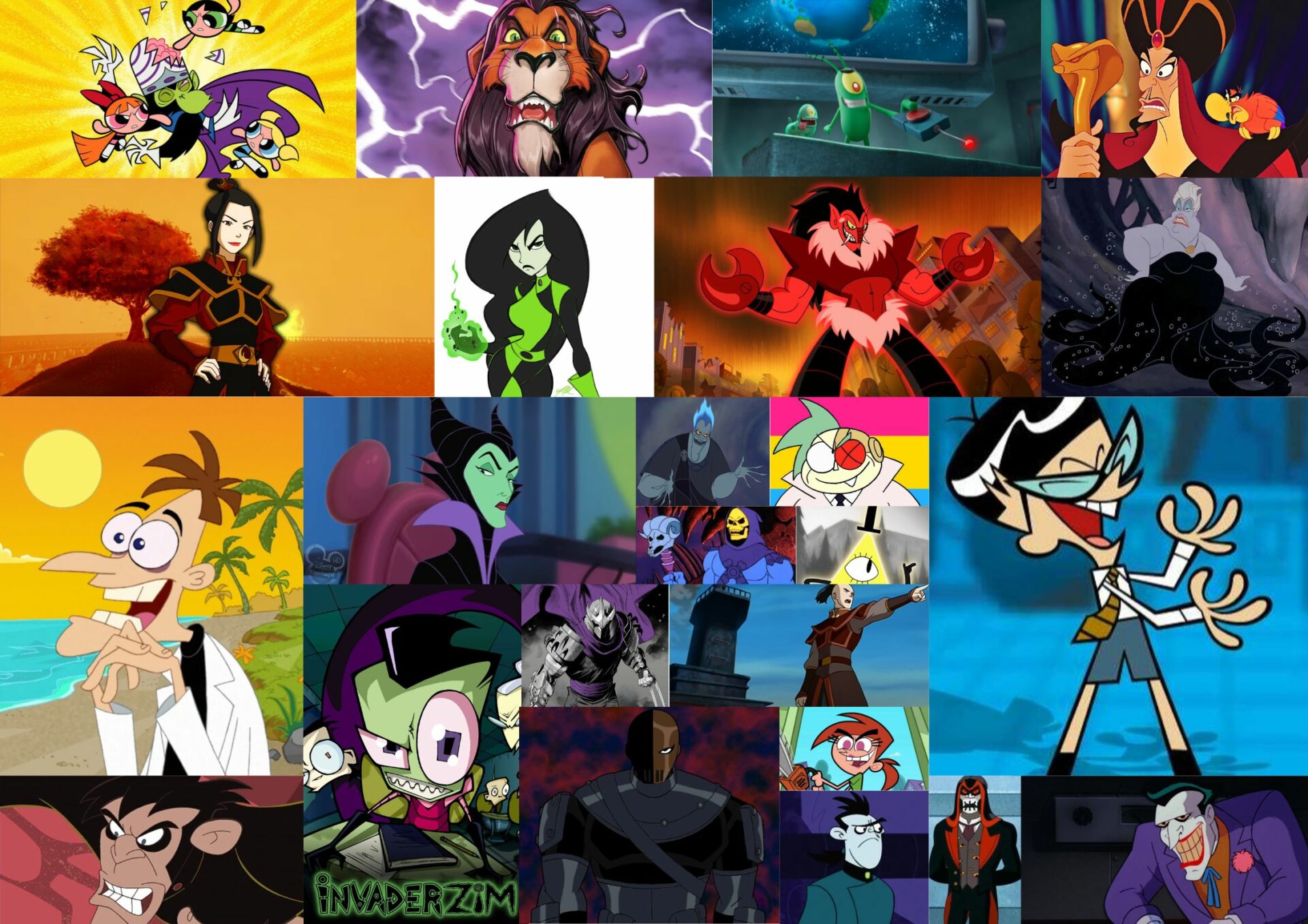
Our list rounds up the top 30 cartoon characters that were villains, each one more wonderfully wicked than the last.
READ MORE
April 29, 2026 .
Lists, Opinions
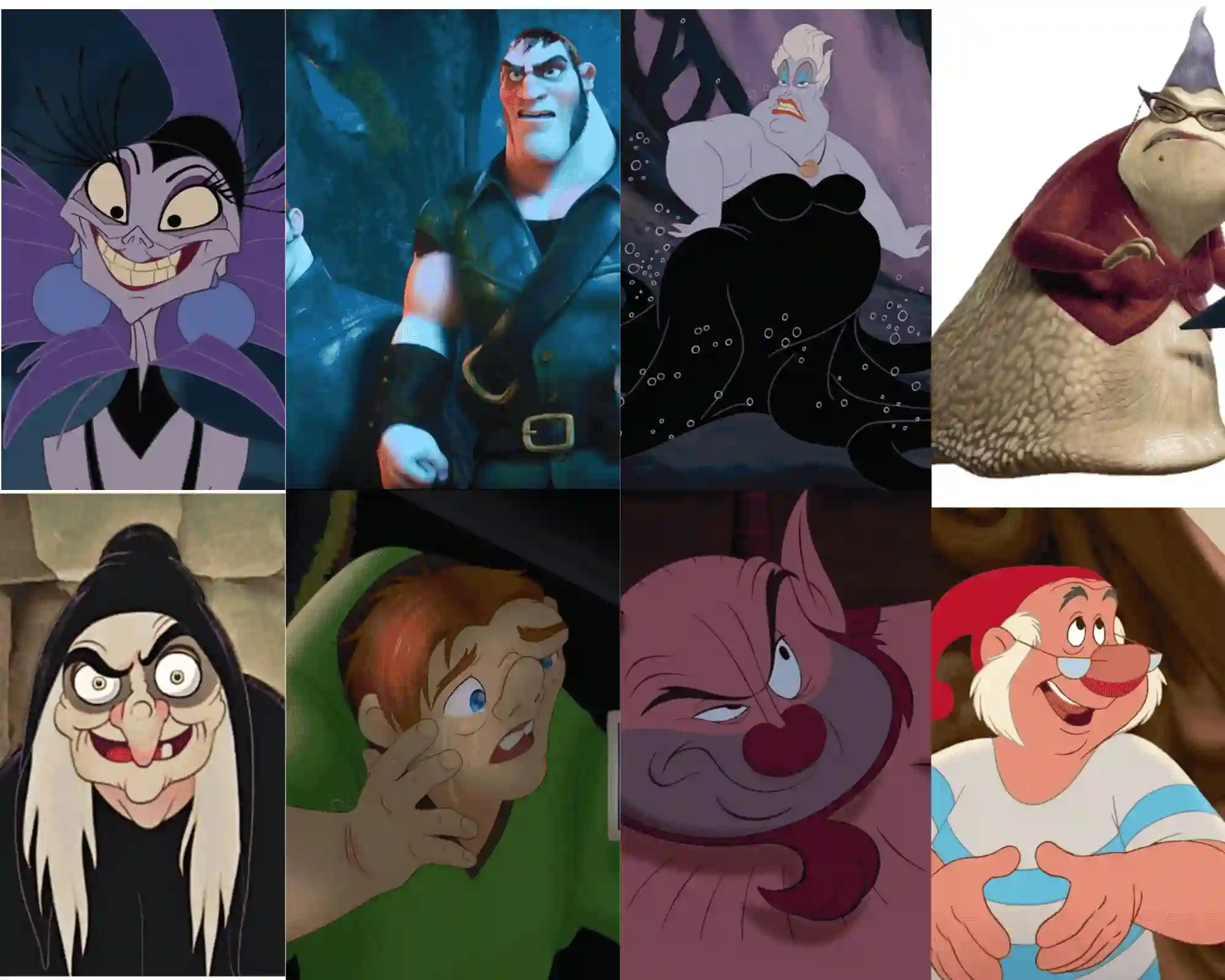
The Mouse is famous for its princesses and princes. However, the studio’s true genius lies in its embrace of “ugly Disney characters”.
READ MORE
May 6, 2026 .
Lists, MCU
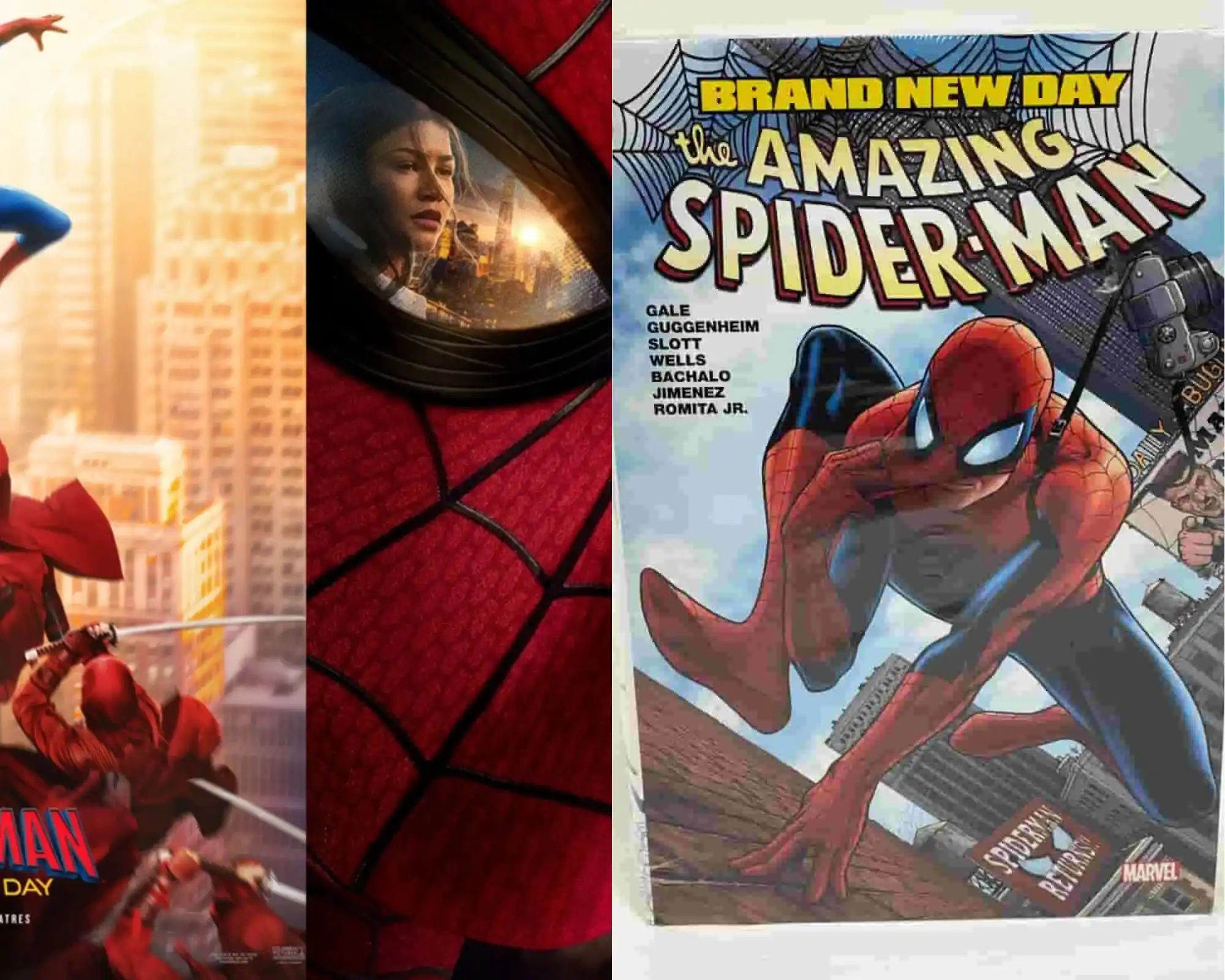
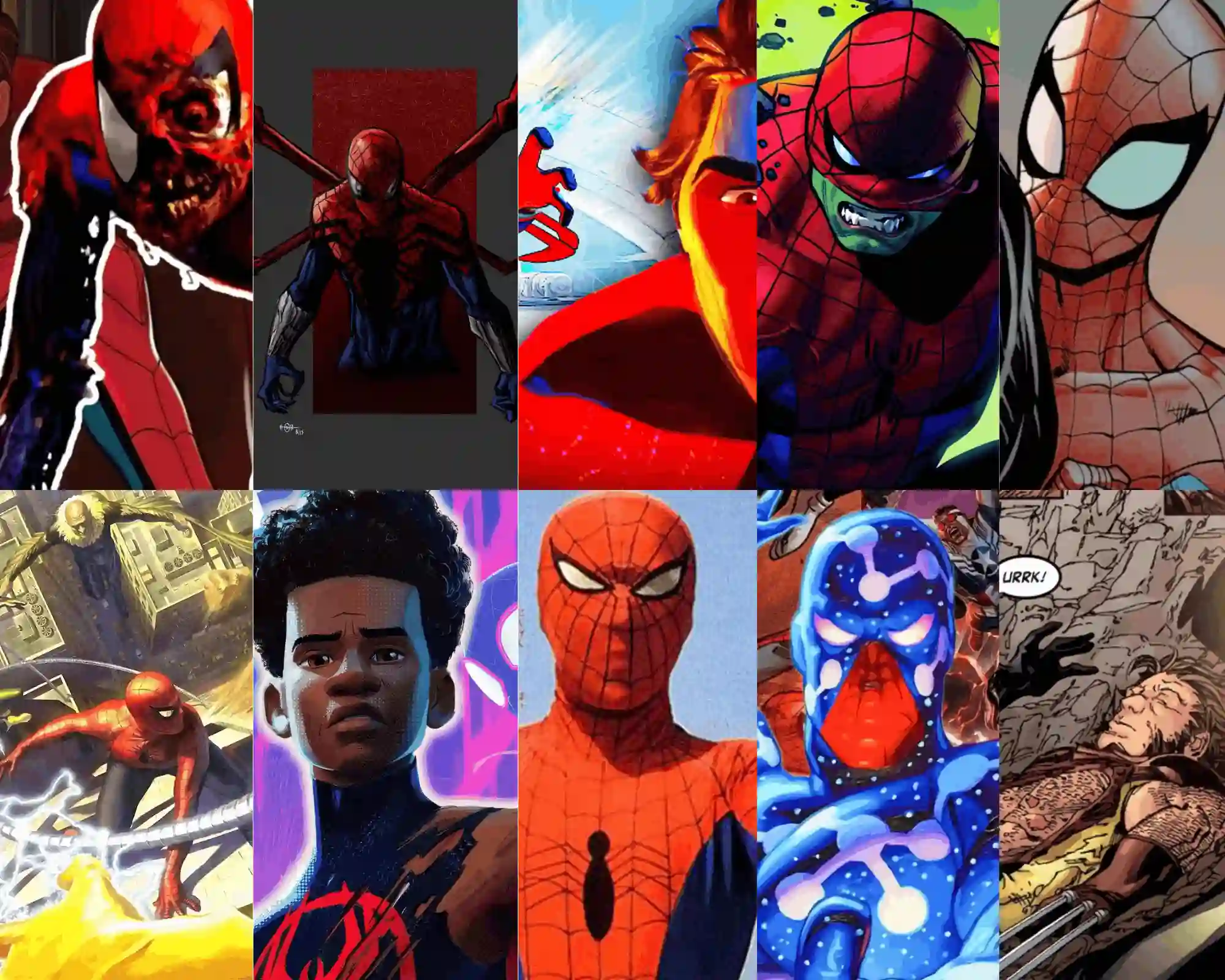
Spider-Man is one of the many superheroes from the Marvel Universe whose stories shaped many childhoods. Who is your strongest Spiderman?
READ MORE
September 12, 2026 .
Lists
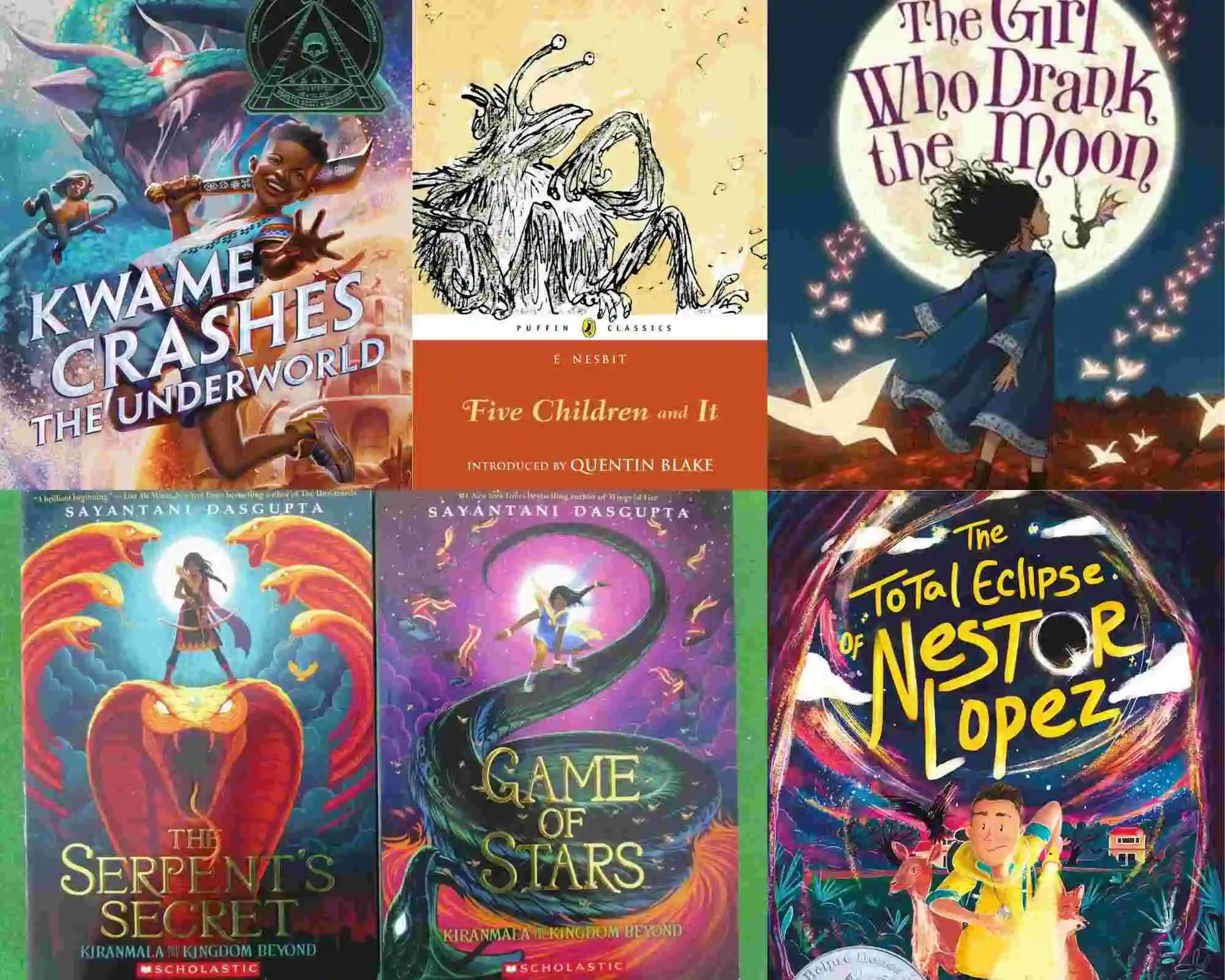
What connects these books is how each author uses them. Here are ten sci-fi and fantasy books like The Hunger Games.
READ MORE
June 25, 2026 .
Lists, Opinions
If Game of Thrones taught us anything, it’s that the characters we hate the most tend to outlive everyone else.
READ MORE


October 24, 2021 .
Netflix, Psychopaths, Serial Killer, Thriller, You S3
READ MORE

November 2, 2025 .
Netflix, Psychopath, Serial Killer, You S1, You S2
Oh, and Joe is also a stalker and serial killer who believes he’s helping his ‘love interests’ by killing people he thinks are a threat or bad influence to them
READ MORE
March 30, 2026 .
Nollywood
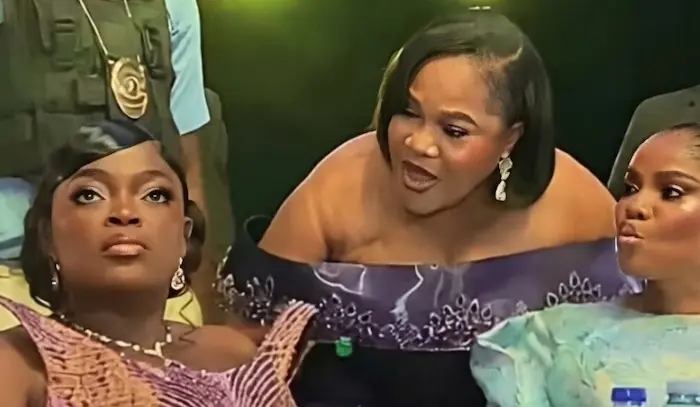
This situation is more than just a snub at a movie premiere. It reflects the realities of Nollywood at the highest level, where success, ego, loyalty, and strategy constantly clash.
READ MORE

January 9, 2025 .
filmone, Nollywood
As Nollywood continues to gain global recognition, Reel Love represents an exciting milestone in both storytelling and production quality
READ MORE

July 20, 2025 .
Documentary, Netflix, Romance Scam, True Crime
READ MORE

December 8, 2021 .
Christmas, Doppelgangers, Netflix, Princess, Romantic comedy
READ MORE
January 1, 2026 .
Essay, Essays, Nollywood
READ MORE
January 20, 2026 .
Netflix, Sci-Fi, Stranger Things
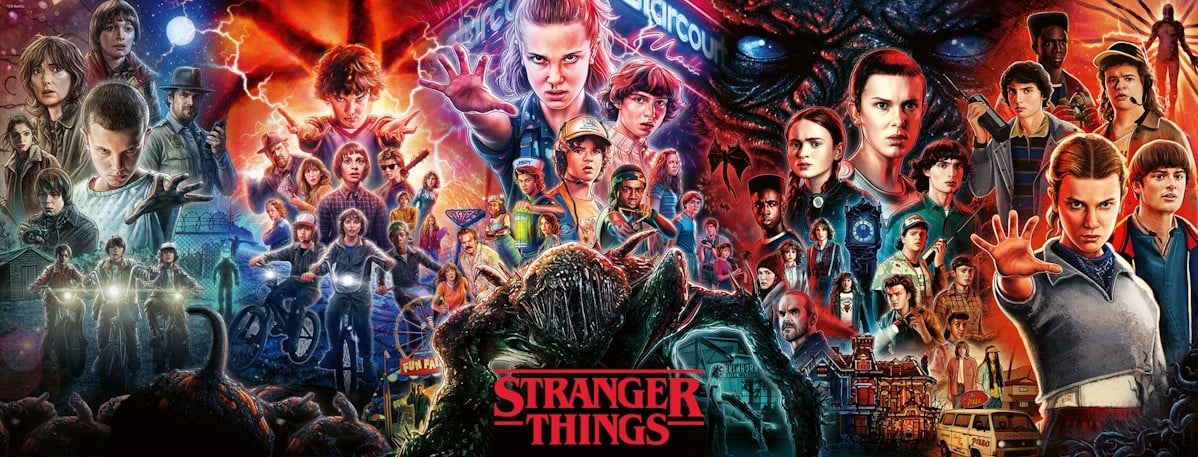
Stranger Things was always about 80s kids growing up while fighting monsters, and those callbacks to their younger selves were genuinely moving.
READ MORE
October 26, 2021 .
korea, movies, Netflix, series, squid game
The story is upsetting. Seeing and meeting different humans and knowing that only one person will get out alive is painful.
READ MORE

Get our magazine for free!